3D demo
Standing long jump
Conditioning · Quads, Glutes, Hamstrings
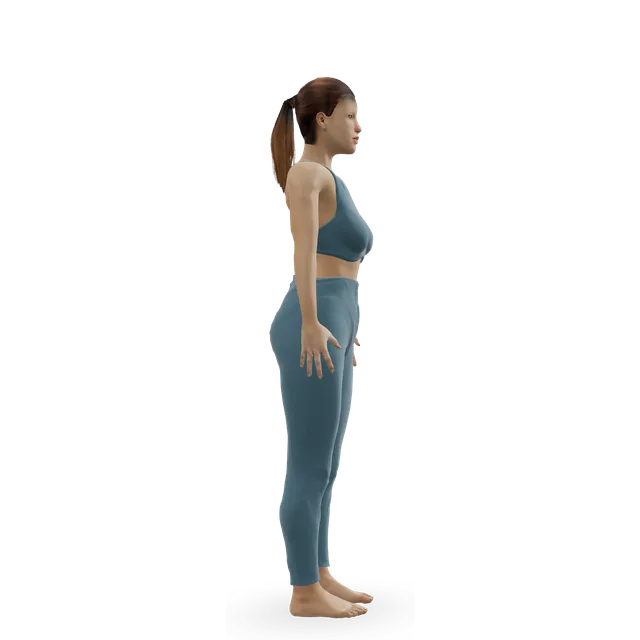
Loading the 3D figure…
The figure repeats the movement from its starting position. Drag to turn it; the arrows open the demos either side.
One all-out jump forward from both feet, the arms swinging hard and the feet reaching out in front to land, measured from the start line: the broad jump used as a test of leg power. Unlike the broad jump with a stuck landing, the goal is distance, and it landed hardest of nine jumping drills on a force plate (Kossow 2014), so jump onto sand or grass.
Movement guide
Standing long jump
Make it easier or harder
Choose a version that fits your control and comfort.
Easier option
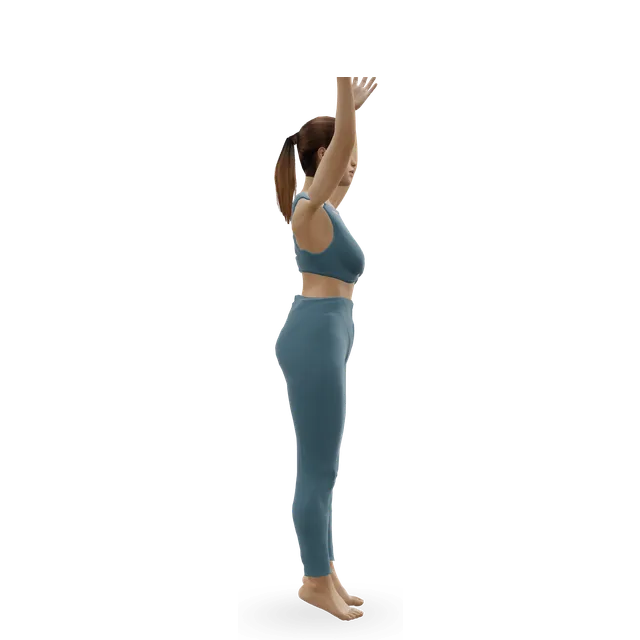 3D demoSnapdown to athletic landingBeginner · No equipment
Suggested next step, beginner grade.
Harder option
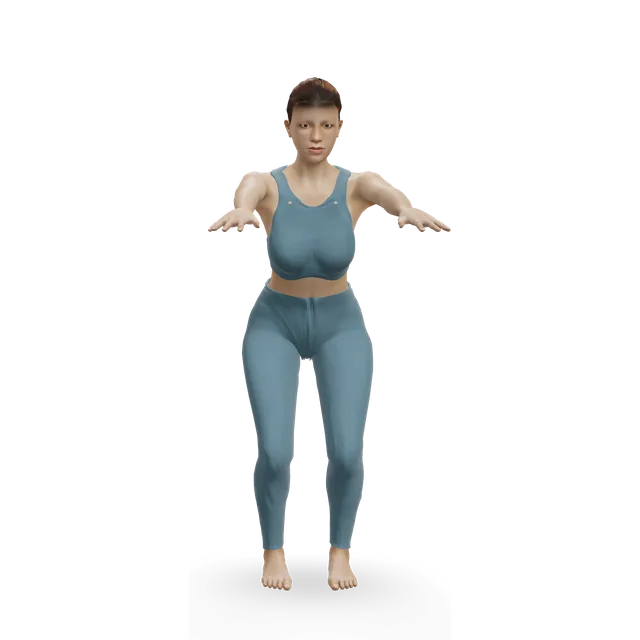 3D demoSideways standing long jumpIntermediate · No equipment
Similar move, intermediate grade.
Source-researched guide.
Form cues
- Swing the arms hard; they add distance.
- Fall forward on landing, never back.
- Avoid: testing on a hard floor.
Practice and cautions
3 sets of 3 jumps, walking back and resting about a minute between jumps (our editorial starting point). Count each landing as a foot contact: about 80 to 100 a session suits beginners, with 48 to 72 hours between sessions (Davies 2015).
Reaching the feet forward can tip you backwards, and the landing forces are high: jump onto sand, grass or a thick mat, and leave it out with knee, ankle or Achilles pain. In pregnancy, don't start new jumping or impact work; if you already do it, drop it when it causes leaking, heaviness or pelvic pain. After giving birth, UK guidance suggests waiting until at least 3 months before running and jumping, and only when walking, hopping and jogging on the spot cause no leaking, heaviness or pain. This timing is expert advice. With proliferative or severe non-proliferative diabetic retinopathy, avoid jumping and jarring. With numb feet from diabetes or another cause, choose low-impact options, wear well-fitting shoes, and check your feet for redness or blisters afterwards; with an open sore or ulcer, do no weight-bearing exercise until your foot team says so. This is movement education, not an assessment or treatment prescription. Stop for sharp or increasing pain, dizziness, numbness or tingling; seek individual guidance for symptoms, injury or restrictions.
Sources and review status
Sources support the educational description; they do not establish that this exercise is suitable for you.
- ACE · Forward linear jumps (beginner; the standing broad jump) ↗
- Kossow 2014 · Landing forces of nine jumping drills: skipping the lowest, the standing long jump the highest, 46 cm hurdle hops close to a countermovement jump (force plate, ISBS) ↗
- Davies 2015 · Current concepts of plyometric exercise: drills graded beginner, intermediate and advanced, about 80 to 100 foot contacts a session for beginners, and 48 to 72 hours between sessions (clinical commentary, IJSPT) ↗
- Free Exercise DB · community text ↗
Unlicense · Free Exercise DB contributors; derived from wrkout/exercises.json. Text import; no photographs or media. · Revision f00c92c7dcf1216a928a52c3706c7ce8e2f71ed5
No variation is labeled clinically validated.
What it works
Muscles
Main: Quads, Glutes. Also: Hamstrings, Calves.
Anatomy: Sartorius, Quadriceps, Rectus femoris, Vastus medialis, Vastus lateralis, Gluteus maximus.
Equipment
None: body weight and floor space.
Level
Beginner. See the easier and harder options above.
Guides that use it
Similar moves
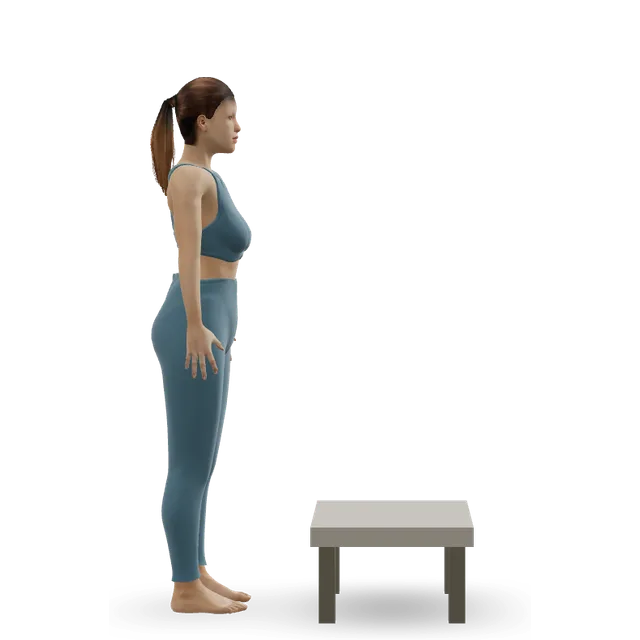 3D demoBox jump and leap offAdvanced · A bench or box
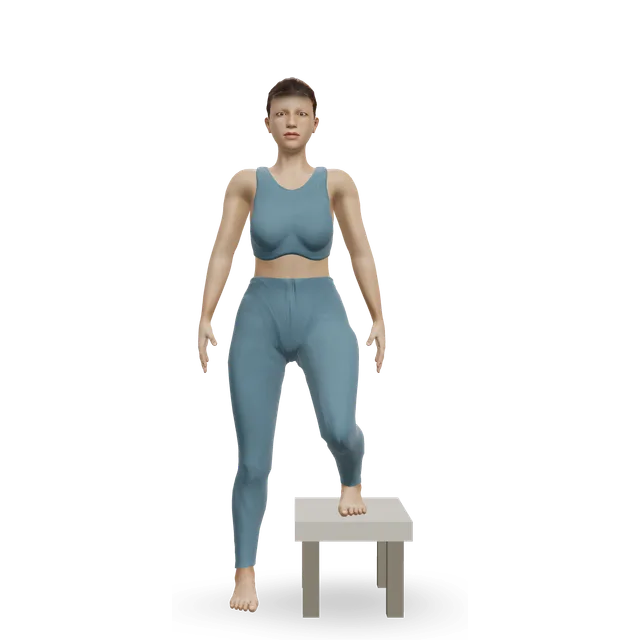 3D demoBox push-off jumpIntermediate · A step
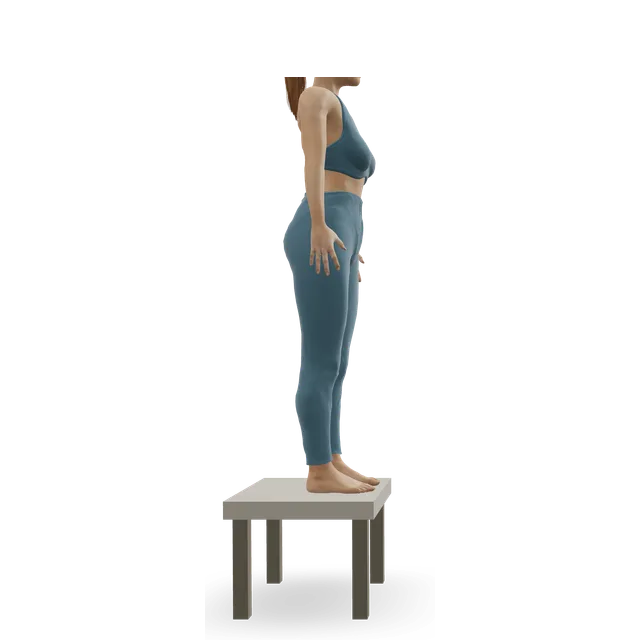 3D demoBox-to-box depth jumpAdvanced · A bench or box
 3D demoButt-kick jumpIntermediate · No equipment
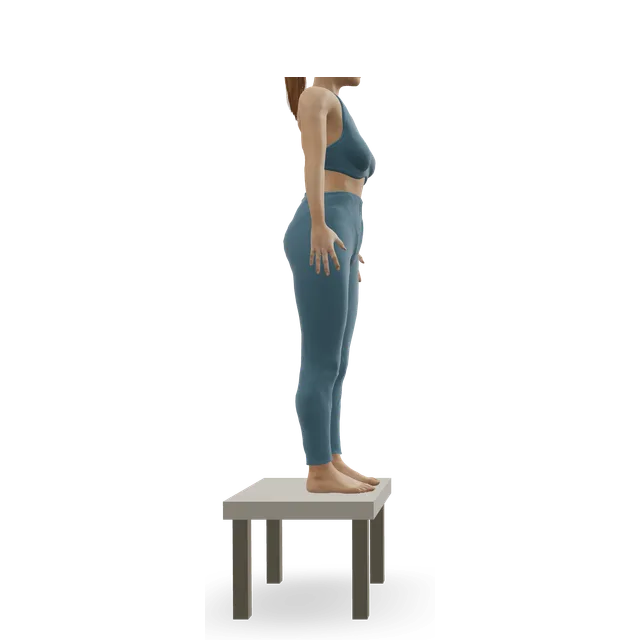 3D demoDepth jump to a second boxAdvanced · A step
 3D demoPower star jump (X jump)Intermediate · No equipment
Browse more
Questions people ask
What muscles does the Standing long jump work?
Mainly the quads and glutes, with help from the hamstrings and calves.
What equipment do I need for the Standing long jump?
No equipment: your body weight and a little floor space.
Is the Standing long jump good for beginners?
It is graded beginner, so it suits most people starting out. When it feels easy, try the Sideways standing long jump.
What is an easier alternative to the Standing long jump?
Try the Snapdown to athletic landing. It is the suggested step down from this move.
How do I make the Standing long jump harder?
Progress to the Sideways standing long jump or the Bench jump-over. Follow that guide’s technique and any stated timing.