3D demo
Butt-kick jump
Conditioning · Quads, Glutes, Hamstrings
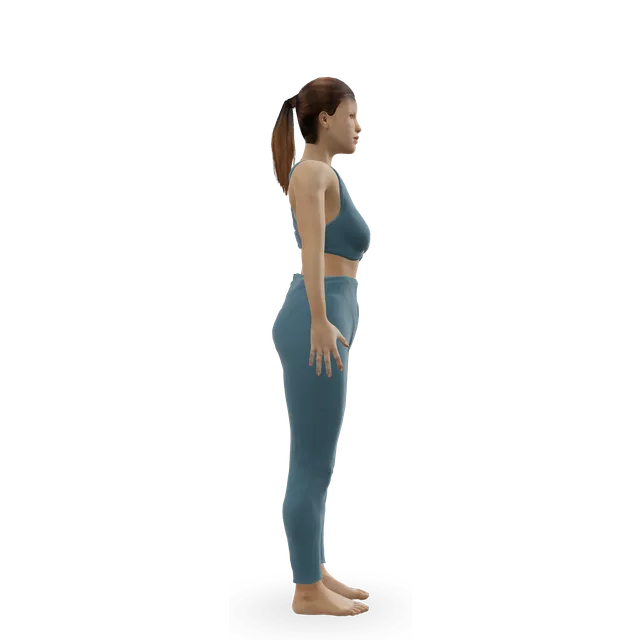
Loading the 3D figure…
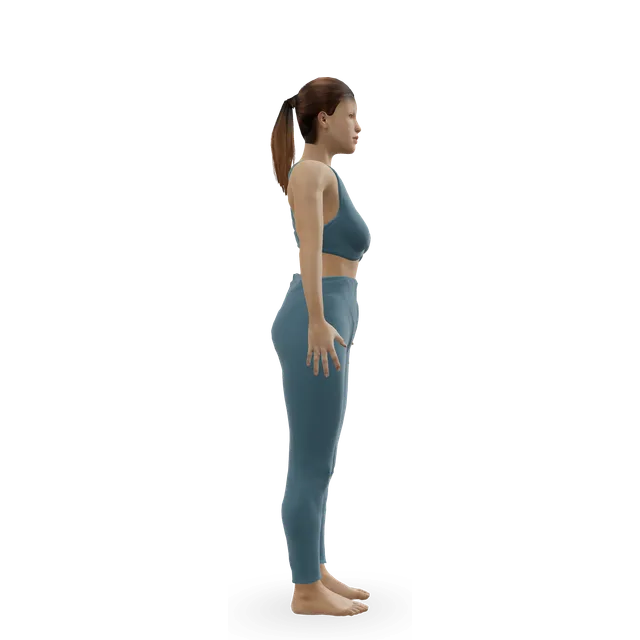
The figure repeats the movement from its starting position. Drag to turn it; the arrows open the demos either side.
A vertical jump from both feet in which the heels kick up towards the buttocks at the top, then come back under the hips for the landing. It is the tuck jump's cousin, with the knees bending backwards instead of rising to the chest; Davies 2015 places tuck and pike jumps at the intermediate level, after squat jumps.
Movement guide
Butt-kick jump
Make it easier or harder
Choose a version that fits your control and comfort.
Easier option
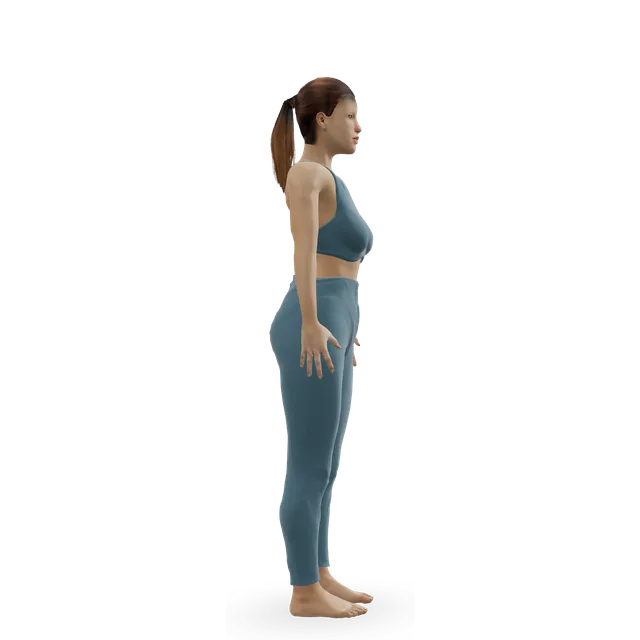 3D demoStanding long jumpBeginner · No equipment
Similar move, beginner grade.
Harder option
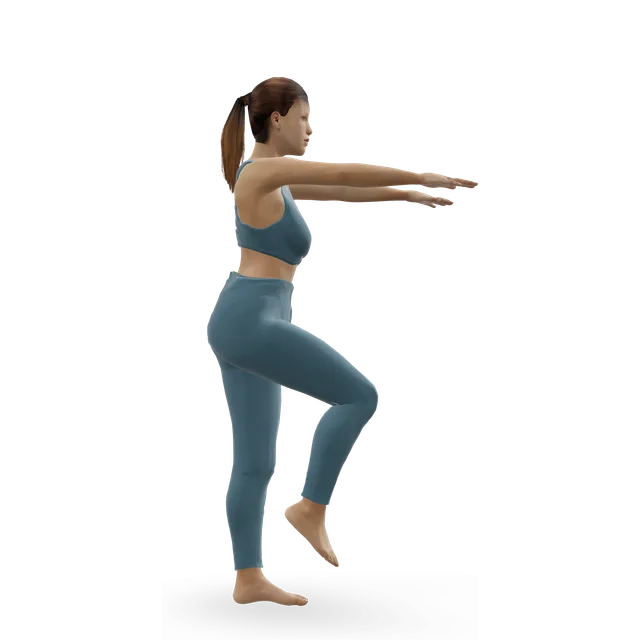 3D demoSingle-leg butt-kick hopAdvanced · No equipment
Similar move, advanced grade.
Source-researched guide.
Form cues
- Get the feet back under you before touchdown.
- Land quietly on the balls of the feet, then the heels.
- Avoid: landing stiff-legged or leaning back.
Practice and cautions
3 sets of 5 jumps, resting about a minute between sets (our editorial starting point). Count each landing as a foot contact: about 80 to 100 a session suits beginners, with 48 to 72 hours between sessions (Davies 2015).
Kicking the heels up leaves less time to get the feet back down: if you land flat or stiff, jump lower. Leave it out with knee, ankle or Achilles pain. This is movement education, not an assessment or treatment prescription. Stop for sharp or increasing pain, dizziness, numbness or tingling; seek individual guidance for symptoms, injury or restrictions.
Sources and review status
Sources support the educational description; they do not establish that this exercise is suitable for you.
- Davies 2015 · Current concepts of plyometric exercise: drills graded beginner, intermediate and advanced, about 80 to 100 foot contacts a session for beginners, and 48 to 72 hours between sessions (clinical commentary, IJSPT) ↗
- ACE · Squat jump (beginner; learn to squat and land first) ↗
- Chmielewski 2006 · Plyometric exercise in the rehabilitation of athletes: start at low intensity and progress to harder drills (review, JOSPT) ↗
- Free Exercise DB · community text ↗
Unlicense · Free Exercise DB contributors; derived from wrkout/exercises.json. Text import; no photographs or media. · Revision f00c92c7dcf1216a928a52c3706c7ce8e2f71ed5
No variation is labeled clinically validated.
What it works
Muscles
Main: Quads, Glutes. Also: Hamstrings, Calves.
Anatomy: Sartorius, Quadriceps, Rectus femoris, Vastus medialis, Vastus lateralis, Gluteus maximus.
Equipment
None: body weight and floor space.
Level
Intermediate. See the easier and harder options above.
Workouts that use it
Guides that use it
Similar moves
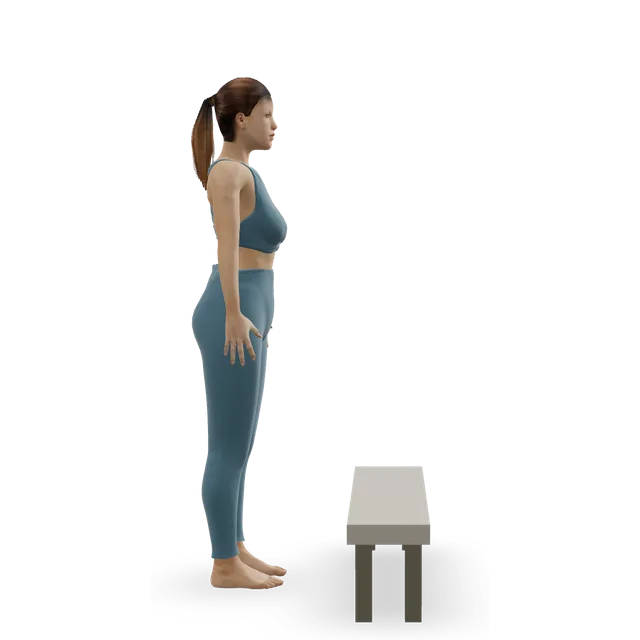 3D demoBench jump-overIntermediate · A bench or box
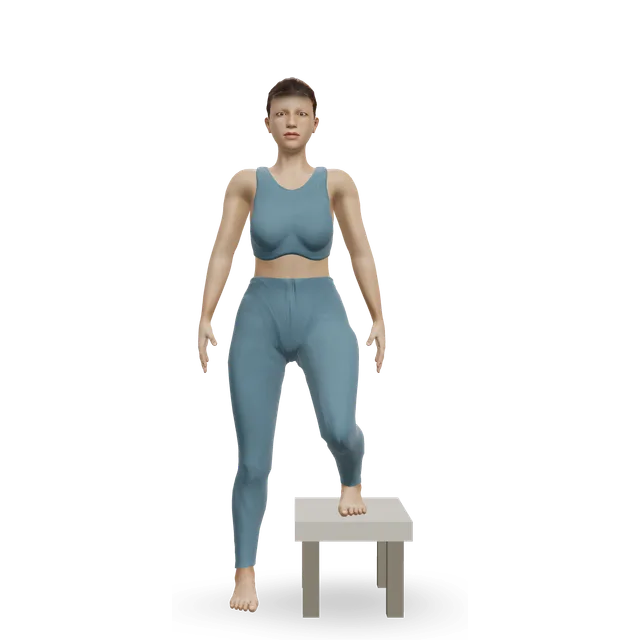 3D demoBox push-off jumpIntermediate · A step
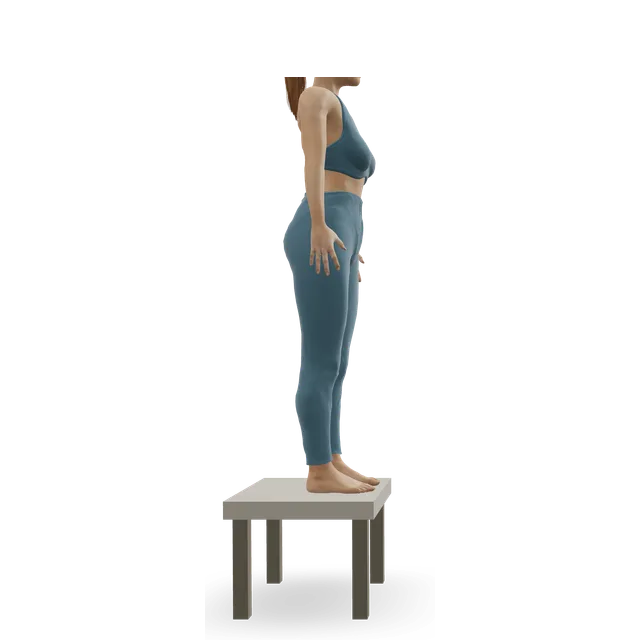 3D demoBox-to-box depth jumpAdvanced · A bench or box
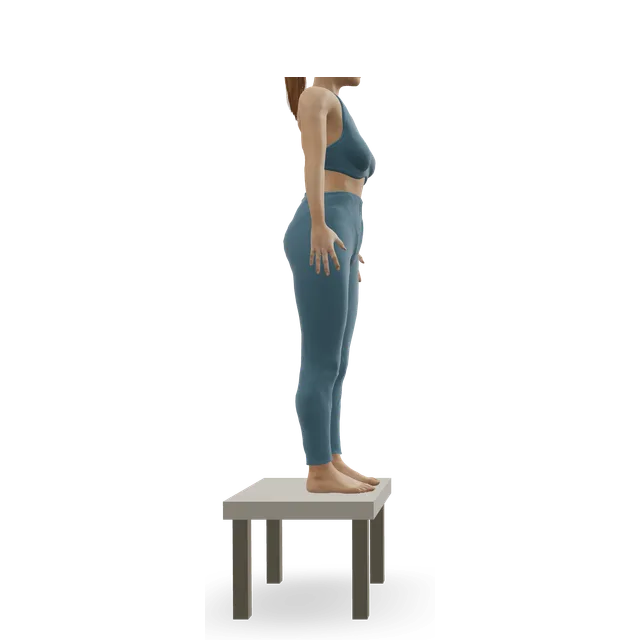 3D demoDepth jump to a second boxAdvanced · A step
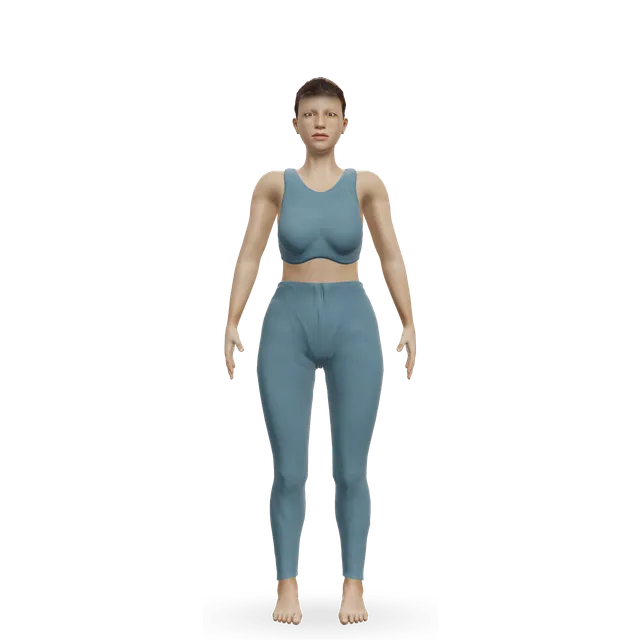 3D demoPower star jump (X jump)Intermediate · No equipment
 3D demoRocket jump (jump and reach)Intermediate · No equipment
Browse more
Questions people ask
What muscles does the Butt-kick jump work?
Mainly the quads and glutes, with help from the hamstrings and calves.
What equipment do I need for the Butt-kick jump?
No equipment: your body weight and a little floor space.
Is the Butt-kick jump good for beginners?
It is graded intermediate. If it is too hard right now, start with the Standing long jump.
What is an easier alternative to the Butt-kick jump?
Try the Standing long jump or the Lateral bound (skater jump). It works similar muscles at a lower grade.
How do I make the Butt-kick jump harder?
Progress to the Single-leg butt-kick hop or the Box jump and leap off. Follow that guide’s technique and any stated timing.