Hip hitch (pelvic drop)
Standing side-on on a low step with one foot hanging off the edge, you let the free side of your pelvis drop a few centimetres, then lift it back up level using the side hip muscles of the standing leg, with both knees straight. It's also called the hip hike or pelvic drop. In a meta-analysis of muscle activity (EMG, or electromyography) studies, versions of it worked every part of the gluteus medius hard, and it was one of four side-hip exercises in a trial that halved pelvic drop in runners with shin pain. There is no 3D demo yet: follow the written steps.
Movement guide
Hip hitch (pelvic drop)
Make it easier or harder
Start where you can move well, then step up.
Easier option
This is already one of the gentlest options for these muscles.
Harder option
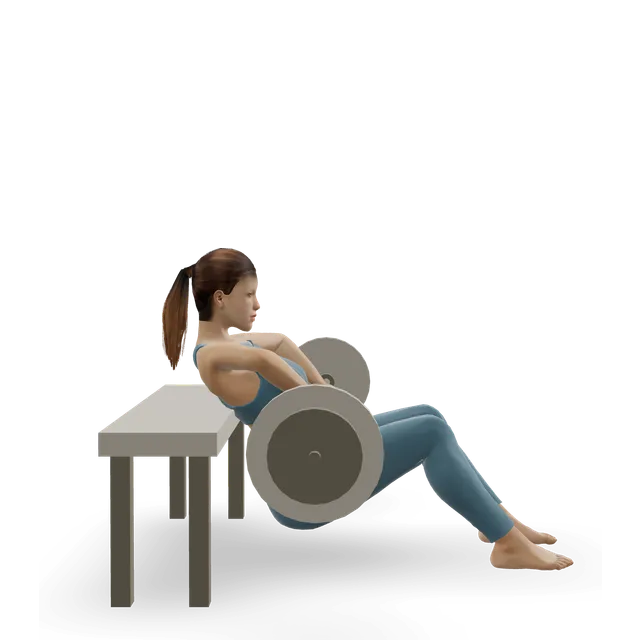 3D demoBarbell hip thrustIntermediate · A barbell + A bench or box
Similar move, intermediate grade.
Source-researched guide. Clinical review is pending.
How to move
- Stand side-on on the bottom stair or a sturdy low step, with one hand on the rail or a wall. Put your weight on the leg on the step and let the other foot hang just off the edge.
- Stand tall, with both knees straight and your shoulders level.
- Keeping the standing knee straight, let the free side of your pelvis drop slowly, so that foot lowers a few centimetres.
- Lift that side of the pelvis back up, a little above level if you can, using the side of the standing hip. Your trunk stays upright.
- Pause for 1 to 2 seconds at the top, lower slowly and repeat. Do all your reps, then turn round and work the other leg.
Form cues
- Move from the hip of the standing leg, not by bending either knee or leaning your trunk.
- A small movement, a few centimetres, slow down and slow up.
- Avoid: bending the standing knee, hitching the free side up with your waist, or leaning over the standing leg.
Practice and cautions
3 sets of 15 slow reps each side, 3 times a week: the dose in a runners' trial that included this move. Start with 2 sets of 10 (our editorial starting point).
Hold a rail or wall, and use a stable, non-slip step. If the outside of the standing hip is painful, keep the drop small, or start with the standing wall-press hold instead: letting the pelvis sag over the standing hip is the "hanging on the hip" position people with outer hip pain are taught to avoid. This is movement education, not an assessment or treatment prescription. Stop for sharp or increasing pain, dizziness, numbness or tingling; seek individual guidance for symptoms, injury or restrictions.
Sources and review status
Sources support the educational description; they do not establish that this exercise is suitable for you.
- Moore 2020 · Exercises that work the gluteus medius and minimus hardest, including the hip hitch (systematic review and meta-analysis of EMG studies, IJSPT) ↗
- Lashien 2024 · Hip abductor training with the pelvic drop, pelvic drop and knee position in runners with shin pain (RCT, J Orthop Surg Res) ↗
No variation is labeled clinically validated.
What it works
Muscles
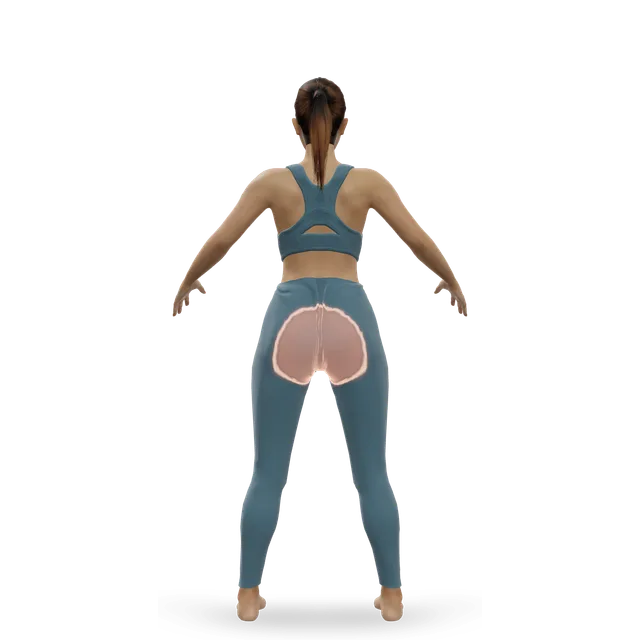
Main: Hip abductors, Glutes. Also: Abs.
Anatomy: Gluteus medius, Gluteus minimus, Tensor fasciae latae, Gluteus maximus, Piriformis, Obturator internus.
Equipment
A step
Level
Beginner. See the easier and harder options above.
Guides that use it
Similar moves
 3D demoStanding wall-press hip abductionBeginner · A wall
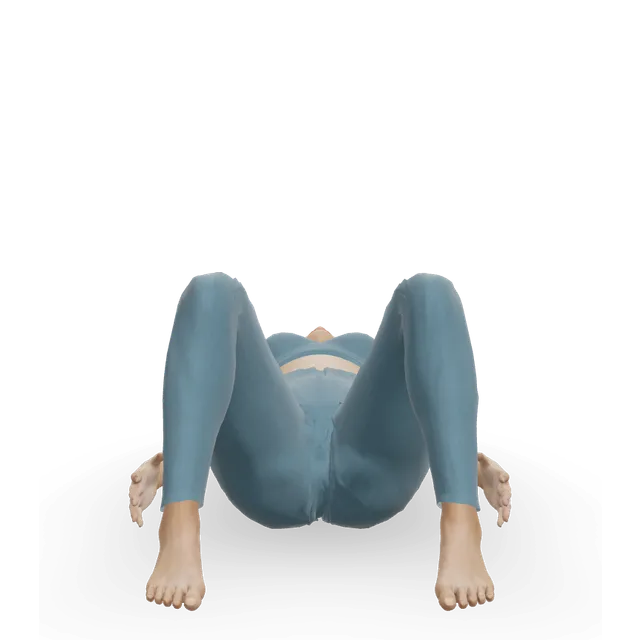 3D demoSupine isometric hip abduction (belt press)Beginner · A band
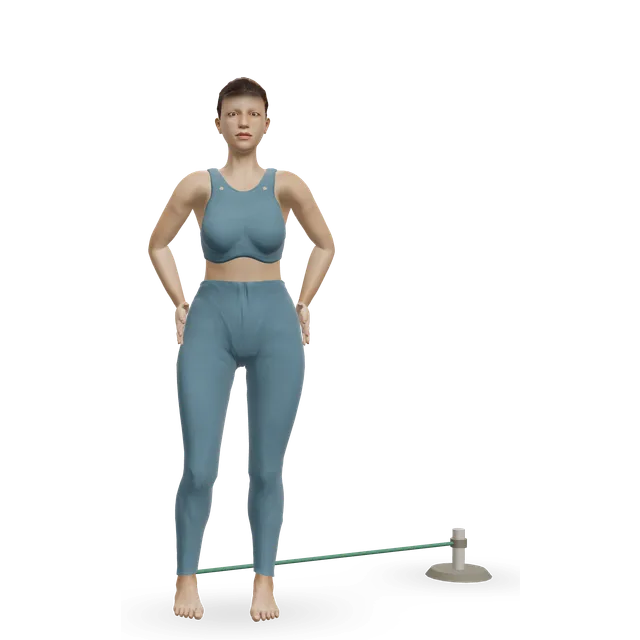 3D demoStanding band hip abductionBeginner · A band + An anchor point
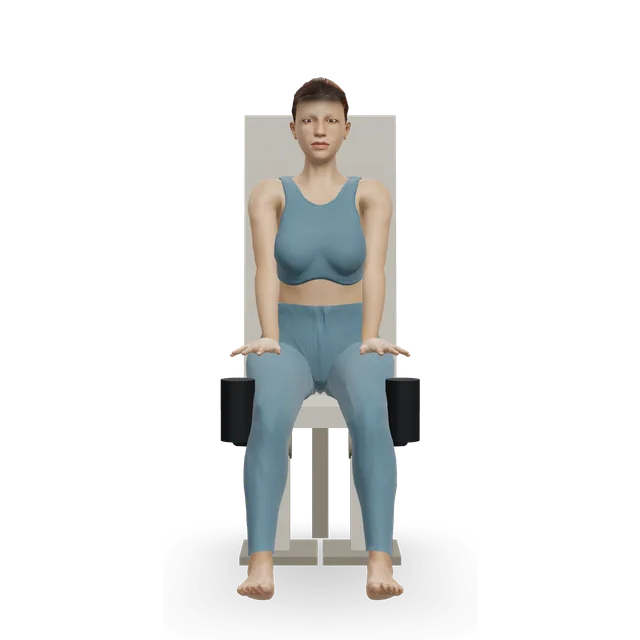 3D demoHip abduction machineBeginner · Strength machine
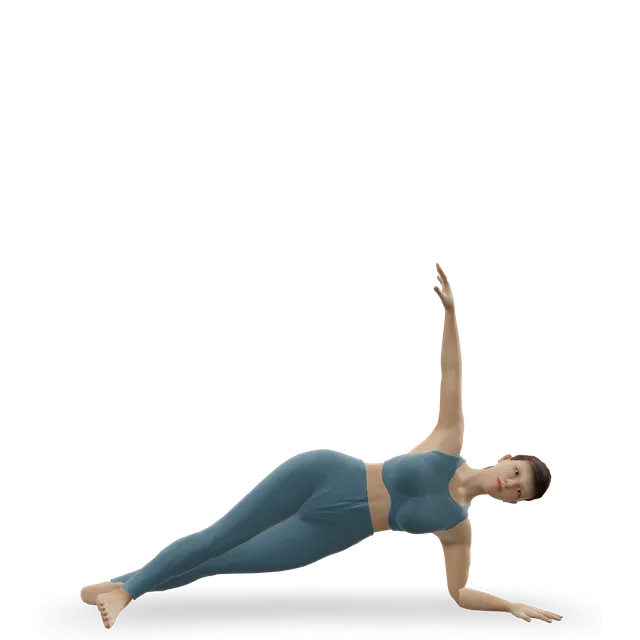 3D demoSide plank with leg liftAdvanced · No equipment
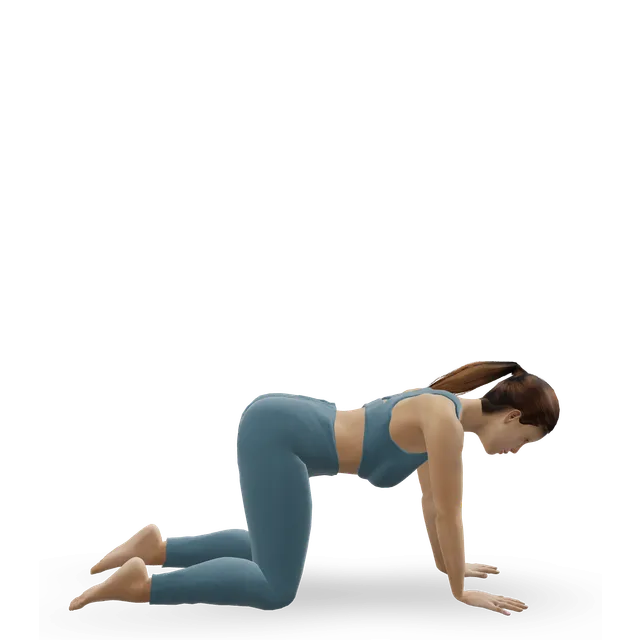 3D demoGlute kickback (quadruped hip extension)Beginner · No equipment
Browse more
Questions people ask
What muscles does the Hip hitch (pelvic drop) work?
Mainly the hip abductors and glutes, with help from the abs.
What equipment do I need for the Hip hitch (pelvic drop)?
A step.
Is the Hip hitch (pelvic drop) good for beginners?
It is graded beginner, so it suits most people starting out. When it feels easy, try the Barbell hip thrust.
How do I make the Hip hitch (pelvic drop) harder?
Progress to the Barbell hip thrust, or add load, range or slower lowering once your form is solid.