A small tilt is normal
On X-rays of 134 healthy adults, the pelvis tilted about 2 degrees on average, and up to about 5.6 degrees was within the normal range. About 9 in 10 people have legs of slightly different lengths, about 5 mm on average.
Posture guide
A lateral pelvic tilt is when one hip sits higher than the other as you stand. A small tilt is normal: most people's legs differ in length by around 5 mm, and on X-rays healthy adults' pelvises tilt about 2 degrees on average. For most people, small differences like these aren't linked with back pain.
Exercise can't change the length of your legs. What it can train is the strength and control of the side-hip muscles that hold your pelvis level every time you stand on one leg. A heel lift helps some people with a measured leg length difference and back pain.
This guide covers how a tilt is measured, leg length differences and scoliosis, when to see a GP, and side-hip moves with 3D demos, plus a 25-minute routine.
On X-rays of 134 healthy adults, the pelvis tilted about 2 degrees on average, and up to about 5.6 degrees was within the normal range. About 9 in 10 people have legs of slightly different lengths, about 5 mm on average.
A small difference in leg length, from the bones or from how the hips, knees and feet work, and sometimes scoliosis. Standing on blocks under the shorter leg shows which: a tilt from leg length levels out, and a curve in the spine doesn't.
Checking your hips by hand or in a mirror misses the true difference by about 4 to 5 mm and can't reliably show which leg is shorter. An X-ray is the accurate test.
Studies found the same small leg length differences, and the same pelvic asymmetry, in people with and without back pain. People who stand all day with a difference of 6 mm or more may be an exception.
It can't change bone length. Side-hip training reduced how far the pelvis dropped in runners and, in one small trial, reduced a functional tilt in people with back pain. Using it for a lateral tilt is our inference from these small studies.
A heel lift or insole helps some people with a measured difference and back pain, especially people who stand at work. Overall, the evidence is low quality.
A lateral pelvic tilt (doctors call it pelvic obliquity) means one side of the pelvis sits higher than the other when you stand. It's different from anterior pelvic tilt, where the pelvis tips forward, and from the pelvis dropping on one side as you walk or run, which is covered below.
On X-rays of 134 healthy adults, the middle value was a tilt of 2 degrees, and 0 to 5.6 degrees fell within the normal range. In imaging studies, about 90% of people had a leg length difference, averaging about 5 mm; about 1 in 5 had 10 mm or more, and 20 mm or more was about 1 in 1,000. The American Academy of Orthopaedic Surgeons says more than half of people have a subtle difference, and that differences over 2 cm can begin to affect well-being.
An X-ray of the pelvis and legs taken standing measures the tilt and any leg length difference accurately. Feeling the tops of the hip bones and slipping books under the lower side gave repeatable results, but missed the true difference by 3.8 to 5.1 mm in 34 people; a hand-held palpation meter measured hip height well but leg length less well. Blocks under the shorter leg, sometimes with an X-ray, show whether a tilt comes from the legs or the spine.
The level of the hip bones doesn't reliably tell you which leg is shorter or by how much, so a mirror check isn't a diagnosis.
The bones of one leg are longer: from birth, after a fracture or an injury to a growth plate in childhood, or after a joint replacement.
Source 3
The bones are equal, but one leg works shorter, because of a stiff hip or knee, a flatter foot on one side, or how the muscles hold the pelvis.
A curve in the lower spine can tilt the pelvis, and a tilted pelvis can produce a curve that straightens when the pelvis is levelled; the blocks test tells them apart. A leg length difference hasn't been shown to make a true scoliosis worse.
Standing with your weight on one leg and the other knee bent tilts the pelvis. In 50 healthy volunteers, a 1 to 4 cm shoe lift bent the lower back sideways but not the upper back: the spine adapts above a tilt.
A child with a large leg length difference may limp, stand with one hip higher or one knee bent, or walk on tiptoe on the shorter side. In 20 children with differences of 0.5 to 2 cm, the pelvic tilt and the turn of the trunk matched the difference.
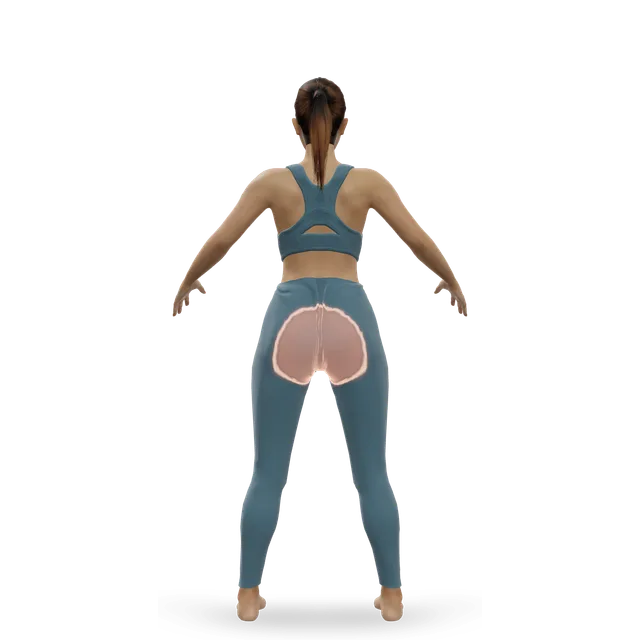
When you stand on one leg, the gluteus medius and minimus of that leg hold the pelvis level. If they can't, the other side drops (a positive Trendelenburg sign) and walking can take on a side-to-side lurch. In 24 women with outer hip pain, the sign picked out a torn gluteus medius tendon about three times in four.
For a measured leg length difference, heel lifts and, in growing children with larger differences, surgery to slow growth in the longer leg carry the evidence. Exercise is for strength and control.
Across studies, the average leg length difference was the same in people with and without back pain (5.1 and 5.2 mm). In 247 adults aged 35 to 54, it was 5.5 mm in those who'd never had back pain and 5.3 mm in those with disabling back pain, and a case-control study found no link.
In 144 people with back pain and 138 without, pelvic asymmetry wasn't meaningfully linked with back pain, and reviews find no agreed link between posture and back pain.
In 148 workers, a difference of 6 mm or more, found in 44 to 49% of them, went with more intense back pain in those who stood to work, but not in those who sat.
Source 10
In 42 meat cutters with back pain and a difference of 5 mm or more, insoles that corrected 70% of it reduced back pain by 2.6 points out of 10 more than insoles that didn't, with fewer days off sick. In 33 people with differences of 10 mm or less, correcting inserts reduced pain and disability over about 10 weeks. But a review of 10 studies, only 1 of them randomised, called the evidence low quality and found no agreed threshold for when a lift is worth it.
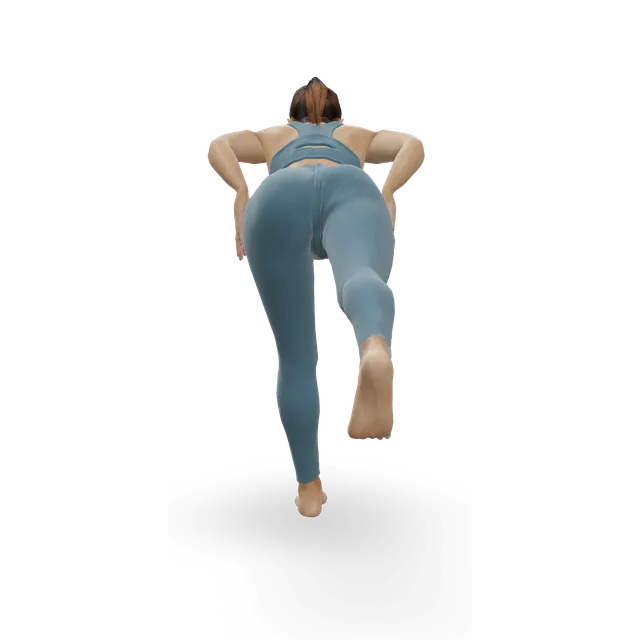
In 40 runners with shin pain, adding 4 side-hip exercises (the hip hitch, single-leg bridges, side-lying leg raises with the hip turned slightly in, and side-on step-ups), 3 sets of 15, 3 times a week for 8 weeks, reduced how far the pelvis dropped by about 50%, against 19% in runners who didn't add them. The researcher who ran the trial wasn't blinded.
Source 11
In 48 people with back pain and a functional leg length difference, 6 weeks of gluteal control training reduced the measured tilt from about 2.9 to 1.0 degrees, the functional difference from 0.9 to 0.3 cm, and pain, more than regular trunk exercise. It's one small trial, measured by hand, with heat and traction given to both groups and no follow-up after 6 weeks.
Source 12
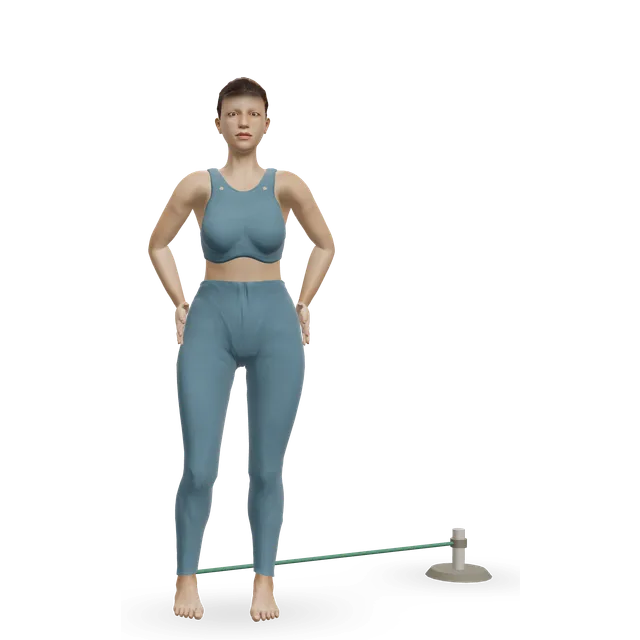
In a meta-analysis of 56 EMG (electromyography, which records muscle activity) studies, the hip hitch worked all parts of the gluteus medius hard. Side-lying leg raises with the hip turned slightly in, single-leg bridges, side-on step-ups, standing leg raises against a band and banded side-steps worked its middle part hard. These studies measure muscle activity, not results.
Source 13
Injured runners showed more pelvic drop than healthy runners in one comparison, but a review of 19 studies found no consistent link between hip strength and running mechanics, and in healthy people the Trendelenburg test didn't match hip strength. Train strength and control together.
No trial has tested side-hip training for a lateral tilt in people without pain. Recommending it here is our inference from one small runners' trial, whose lead researcher wasn't blinded, one small back pain trial and muscle activity studies.
Have the difference measured before you buy a lift. For differences under 2 cm, a small lift in one shoe is a cheap thing to try and easy to stop; the best trial corrected 70% of the difference. Children with larger differences are assessed by a specialist, and while they're still growing, surgery to slow growth in the longer leg is an option.
The trials trained 3 times a week for 6 to 8 weeks: 3 sets of 15 in the runners' trial, and 10 holds of 10 seconds in the back pain trial. Start with 2 sets of 10, or with the wall-press holds if your outer hip is sore, and train both sides the same (our editorial starting point).
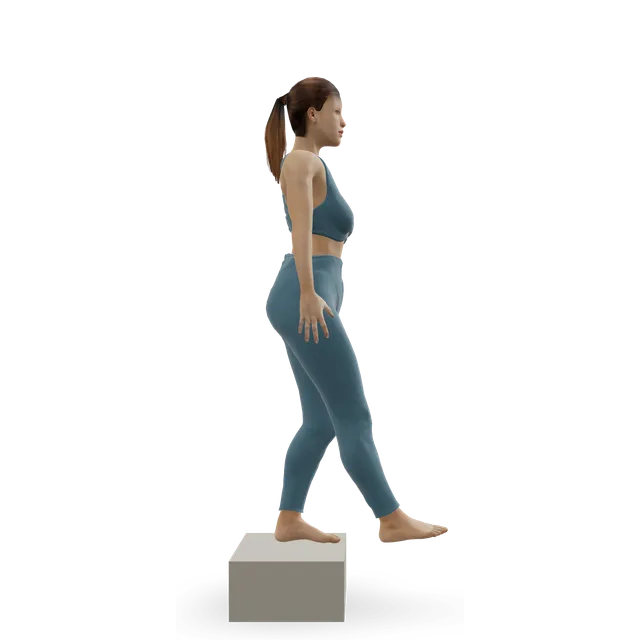
Stand side-on on a low step with one foot hanging off the edge, let that side of the pelvis drop a few centimetres, then lift it back up using the side hip of the standing leg, keeping both knees straight. Hold a rail. It has its own move page with written steps, but no 3D demo.
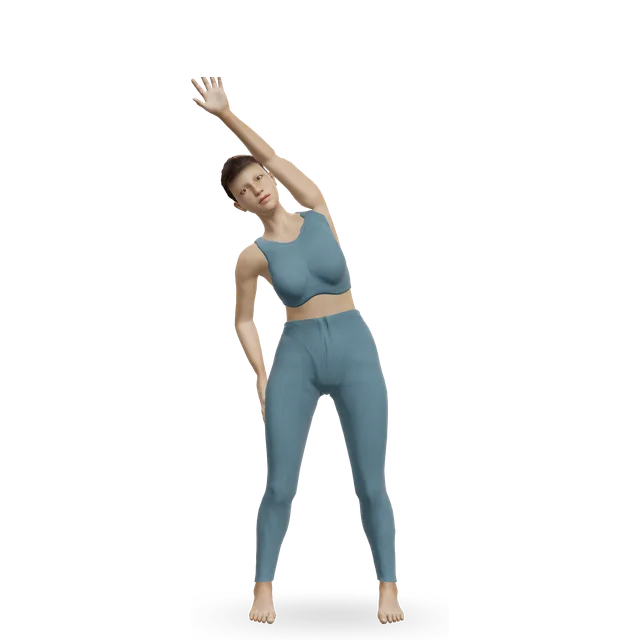
Side bends, such as the overhead side bend and the Pilates mermaid, can ease a stiff side. They're for comfort and don't level the pelvis (editorial).
Get it checked if:
Call 999 or go to A&E if a child gets sudden pain in the hip, knee or thigh, can't put any weight on a leg, has a leg that has changed shape or points at an odd angle, feels unwell with a high temperature or hot, cold and shivery, has severe pain low in the tummy as well, or is getting worse.
Source 29
A tilt or limp is new or getting worse, or one leg seems to have become shorter. After a hip replacement, if a leg feels longer or shorter, talk to your surgical team. See a GP about back pain that:
Hip pain is stopping you doing normal activities or affecting your sleep, is getting worse or keeps coming back, hasn't improved after 2 weeks of looking after it at home, or your hip is stiff for more than 30 minutes after waking up.
Source 32
Back pain with any of these:
Source 31
You have back pain and:
Source 31
Call 999 or go to A&E for severe hip pain after a fall or injury, if you can't walk or put weight on the leg, or for tingling or loss of feeling in the hip or leg after an injury. Ask for an urgent GP appointment or get help from NHS 111 for severe hip pain that started suddenly without a fall, a swollen hip that feels hot, a change in skin colour around the hip, or hip pain with a high temperature and feeling unwell.
Source 32
Our editorial starting point. Holding the pelvis level on one leg is the job of the side-hip muscles.
See the movement on the 3D figure: Single-leg stand
Start here if your outer hip is sore. Wall press: 3 to 5 holds of 5 to 15 seconds each side, twice a day; belt press: 3 to 5 holds of 5 to 10 seconds, twice a day, at a light effort (the move pages' doses, from an outer hip pain trial programme).
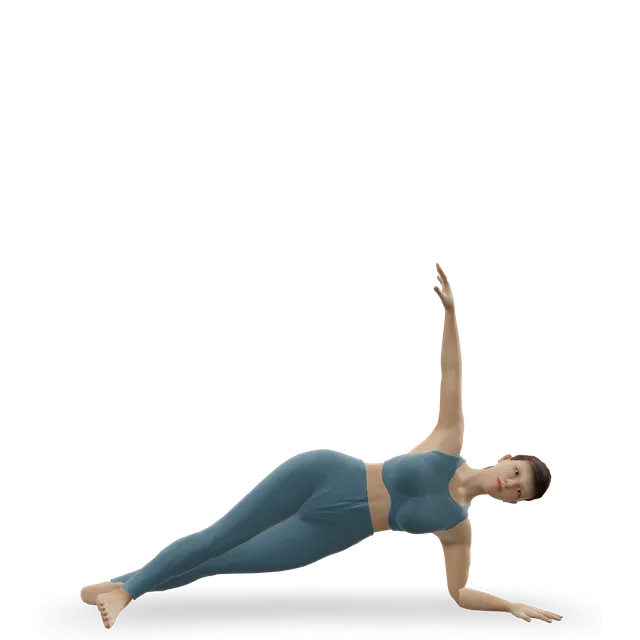
The hip hitch has written steps but no 3D demo. Hip hitches, side-lying leg raises, standing band raises and band walks: start with 2 sets of 10 each side and build to 3 sets of 15, 3 times a week, as in the runners' trial. Clamshells are a gentler start, 2 sets of 10 to 15; the side plank with leg lift is the hardest, 2 sets of 6 to 10 (editorial starting points).
Keep the pelvis level throughout. Single-leg bridges and side-on step-ups: start with 2 sets of 8 each side and build to 3 sets of 15 (the runners' trial); step-downs, 2 sets of 8 slow reps; one-leg stands, 3 holds of 20 to 30 seconds; single-leg Romanian deadlifts, 2 to 3 sets of 6 to 8 (editorial). Hip airplanes: 2 sets of 5 slow turns each leg (the move page's dose).
For comfort, not to level the pelvis. Overhead side bend: 3 slow bends per side, breathing out into each; mermaid: 3 each direction, each side (the move pages' doses). If osteoporosis gives you a high risk of fracture, avoid or change side bending, as the mermaid's page advises.
The lateral pelvic tilt routine: 3 times a week for at least 6 to 8 weeks. Its structure is our editorial package, informed by the runners' and back pain trials and the muscle activity studies. If your outer hip is sore, the Pilates class for hip pain is built on gentle holds.
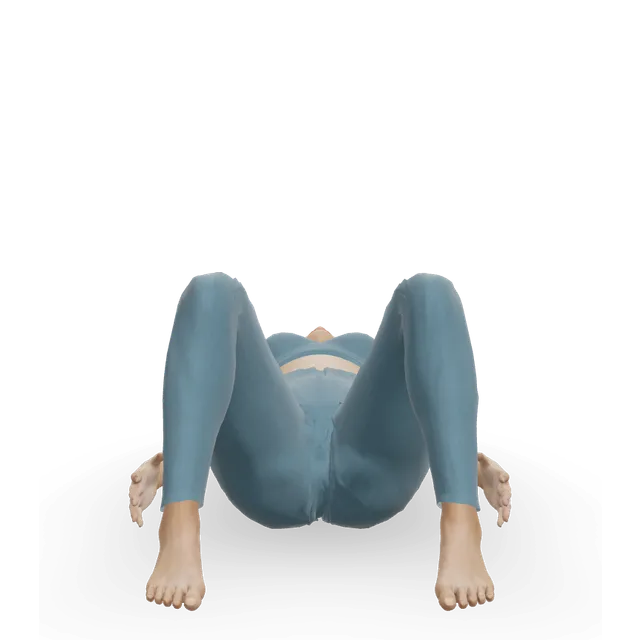
A 25-minute routine for uneven hips: side-hip holds, leg raises, single-leg bridges, step-ups, side planks and balance, for hip strength and pelvic control.
25 minBeginner10 movesA wall, A stepA 25-minute glute workout with bodyweight and a mini band: bridges, clamshells, band walks, kickbacks and lunges.
25 minBeginner9 movesA wall, A bandA 20-minute warm-up that trains your knees to track over your toes: side-hip strength, squats and lunges with alignment practice, balance and quiet landings.
20 minBeginner10 movesA wall, A bandA 40-minute strength workout for runners at home: hops, Bulgarian split squats, single-leg deadlifts, step-ups, calf raises and side planks.
40 minIntermediate15 movesA wall, A bench or boxA 20-minute Pilates class for hip pain: bridges, outer-hip holds, standing leg work and balance, without deep bends, crossed legs or lying on the sore side.
20 minBeginner14 movesA band, A wallBalance practice in 10 minutes: tandem stance, single-leg stands, marches, heel walks, tree pose and floor transfers.
10 minBeginner7 movesA wall, A bench or boxIn the general population, small leg length differences and pelvic asymmetry aren't linked with back pain. People who stand all day with a measured difference of 6 mm or more may be an exception.
There's no evidence for this. A lower hip often reflects a shorter leg, and in healthy people the pelvis dropping didn't match hip strength. Train both sides the same.
Hip height doesn't reliably show which leg is shorter or by how much, and even trained hands miss the difference by 4 to 5 mm.
It can't change bone length or a structural scoliosis. One small trial found that training reduced a functional tilt.
Most people have a small difference, and differences under 2 cm usually cause no problems. Lifts help some people, but the evidence is low quality and there's no agreed threshold.
A tilted pelvis can produce a curve that straightens when the pelvis is levelled, but a leg length difference hasn't been shown to make a true scoliosis worse.
One side of your pelvis sits higher than the other when you stand; doctors call it pelvic obliquity. A small tilt is normal: up to about 5 degrees in healthy adults.
Usually a small difference in leg length, from the bones themselves or from how the hips, knees and feet work. Scoliosis and standing with your weight on one leg are other causes.
Mirror and hand checks are only a rough guide: they miss the true difference by about 4 to 5 mm and can't reliably show which leg is shorter. A clinician can use blocks under the shorter leg, and an X-ray measures it accurately.
For most people, no: studies found the same small leg length differences in people with and without back pain. People who stand all day with a difference of 6 mm or more may be an exception.
Exercise can't change the length of your bones. It can strengthen the side-hip muscles that hold your pelvis level, and in one small trial it reduced a functional tilt and back pain.
There's no rule. A lower hip often reflects a shorter leg rather than weak muscles, so train both sides the same.
For some people. In standing workers with back pain and a difference of 5 mm or more, insoles that corrected it reduced pain, but overall the evidence is low quality and there's no agreed cut-off. Have the difference measured first.
Trials of side-hip training ran for 6 to 8 weeks, 3 sessions a week. Expect strength and control to improve over that time, not the length of your legs.
Sometimes a curve in the spine tilts the pelvis. Standing on blocks under the shorter leg separates the two: a curve caused by leg length straightens, and a true scoliosis doesn't.
Standing side-on on a step, you let the free side of your pelvis drop and lift it back up with the side-hip muscles of the standing leg. In muscle activity studies it worked the gluteus medius hard.
Talk to your surgical team, who can measure it; our guide to hip replacement covers recovery. For small differences, a shoe lift is a simple, cheap option.
Exercise education, not a diagnosis or treatment plan, and clinical review of these guides is pending. Get a curve or hunch that is new or getting worse checked, above all in a growing child or after a fall, and get urgent help for numbness or weakness in the legs or a change in bladder or bowel control. Health disclaimer.