Cardio & conditioning
Agility workout: change direction, land and react
Agility has two halves: changing direction fast, and reading a cue and deciding which way to go. This session trains both. It starts with quick feet and quiet landings, moves on to planned cuts at three-quarter and then full pace, adds a block where a partner decides the direction, and finishes with strength work for braking and pushing off. Do it twice a week on non-consecutive days, while you're fresh, for 6 to 12 weeks. The order and doses are our editorial choice, built on the agility and change-of-direction trials; the session as a whole hasn't been tested.
Raise
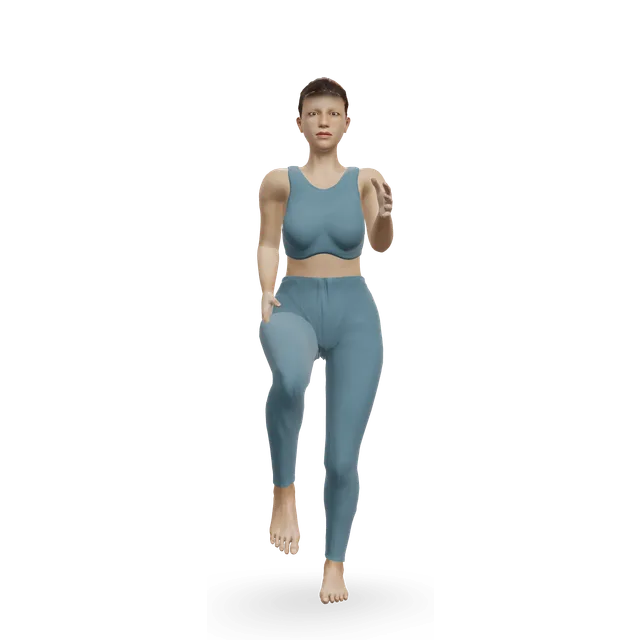
- Skipping2 minBeginner · Calves, Hip flexors, Quads · 3D demoEasy to moderate, mixing skips, side-steps and joggingEasier: Ankle bounces (mini pogo)Harder: Alternate-leg bounding
- Side-stepping (sideways walking)2 × 15 s each wayBeginner · Hip abductors, Glutes, Adductors · 3D demoLow and quick, without crossing your feetHarder: Lateral band walk
- Carioca quick step2 × 10 m each wayBeginner · Hip abductors, Adductors, Calves · 3D demoHips turn, shoulders stay squareEasier: Side-stepping (sideways walking)Harder: Lateral cone hops


Land
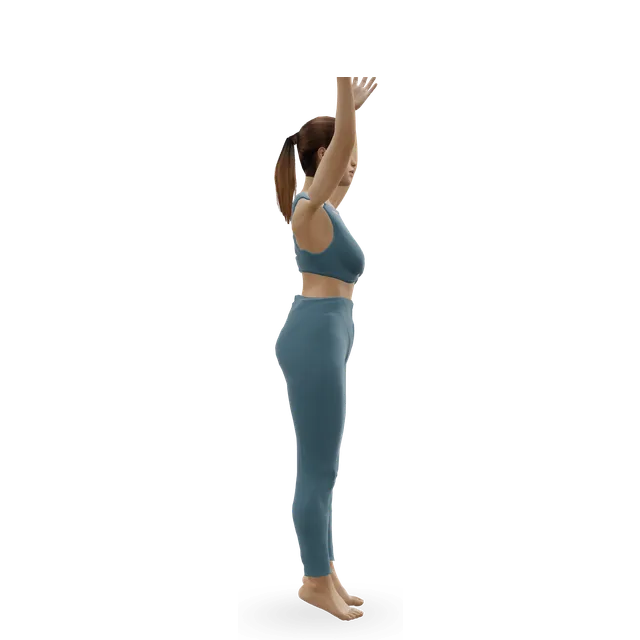
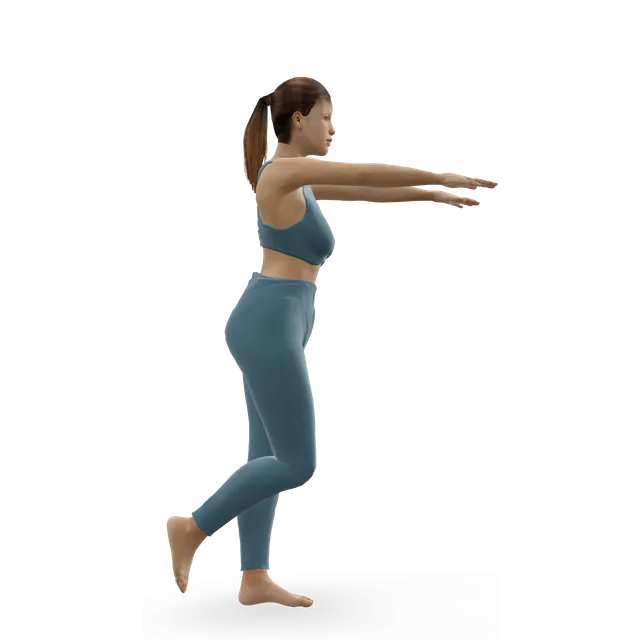
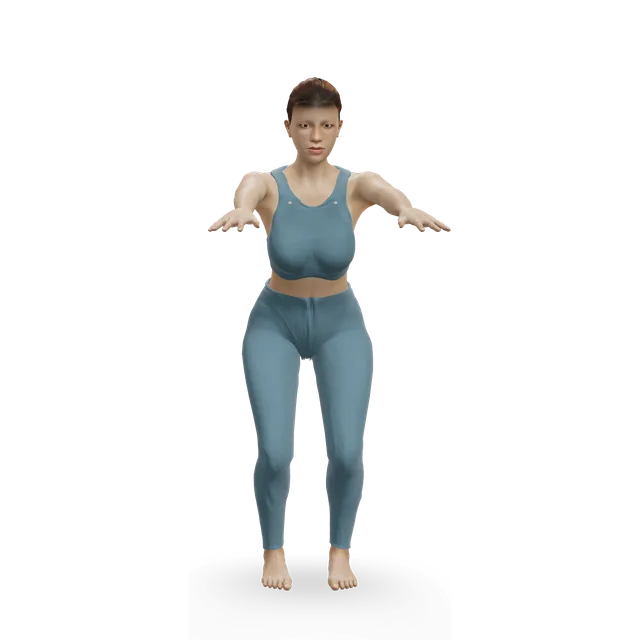
- Snapdown to athletic landing2 × 5, hold each landing 2 sBeginner · Quads, Glutes, Hamstrings · 3D demoLand quietly: hips back, knees bent and over the toesHarder: Box drop landing
- Single-leg hop and stick2 × 5 each legIntermediate · Quads, Glutes, Calves · 3D demoForwards, then sideways; hold each landing for 2 s, knee over the middle toesEasier: Standing broad jump with stuck landingHarder: Alternate-leg bounding
Change direction
- Shuttle runs4 × 5-10-5, walking back betweenAdvanced · Quads, Glutes, Calves · 3D demoRun 5 m, turn, 10 m back, turn, 5 m to the start. First two at three-quarter pace; shorten your steps before each turn, hips low, outside foot under the hipEasier: Treadmill jogging
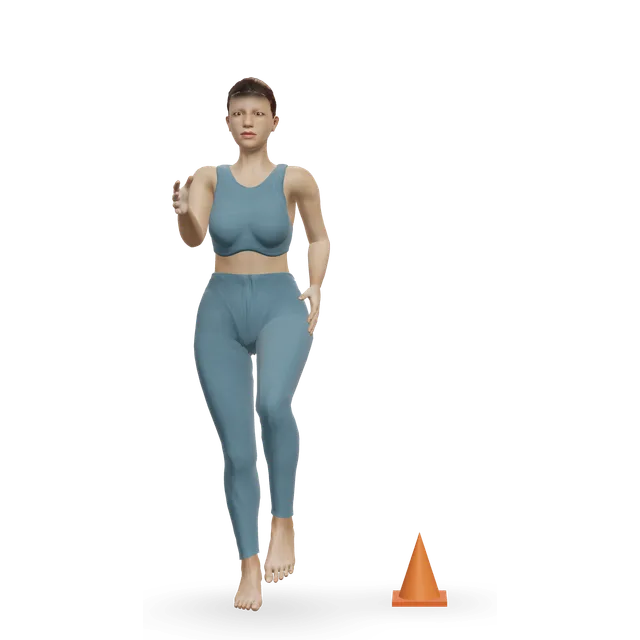
- Single-cone quick-feet drill3 sets of 3 laps, about 1 min restBeginner · Calves, Quads, Hip flexors · 3D demoChange direction each set; short, quick steps, leaning in towards the coneHarder: Forward cone hops
- Lateral hop to sprint3 sets of 6 hops and a 5 m sprintIntermediate · Quads, Calves, Glutes · 3D demoLow, quick hops over a line or a soft cone, then turn the hips and drive the arms into the sprint; walk backEasier: Three-point sprint startHarder: Single-leg lateral hop
React
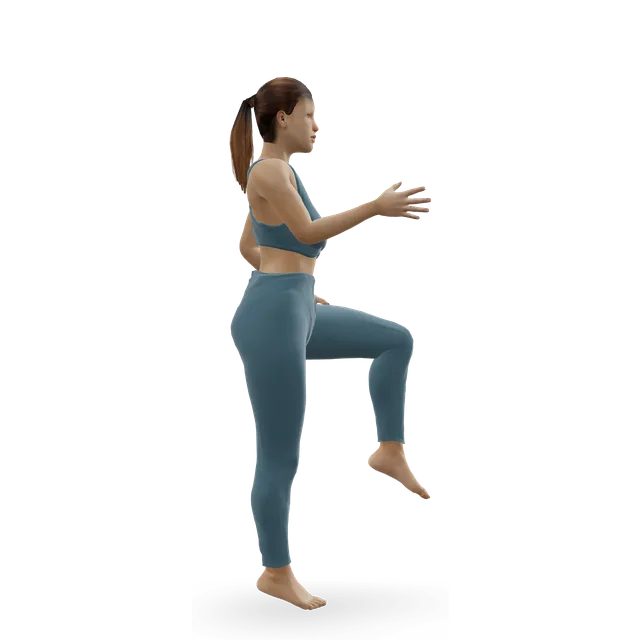
- Shuttle runs6 efforts of 5 to 10 s, 45 to 60 s restAdvanced · Quads, Glutes, Calves · 3D demoJog towards a partner who points or calls left or right at a random moment; cut and sprint 5 m that wayEasier: Treadmill jogging
Lateral power
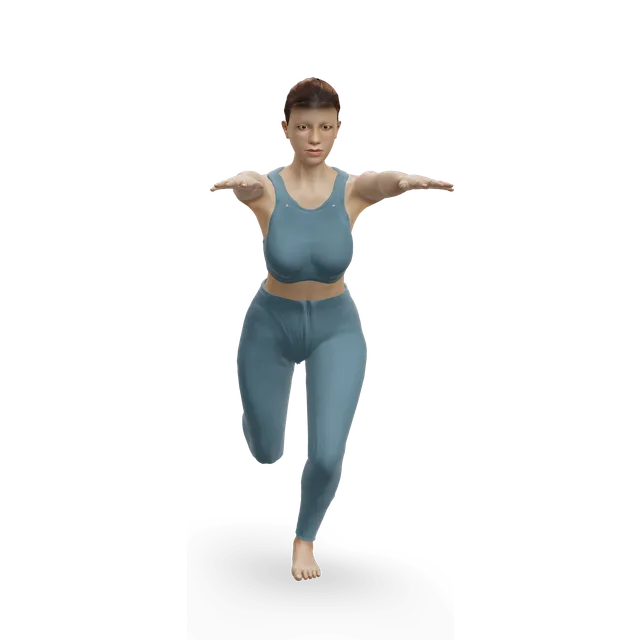
- Lateral bound (skater jump)3 × 4 each sideBeginner · Glutes, Quads, Hip abductors · 3D demoStick each landing for 2 sHarder: Bench jump-over
Strength
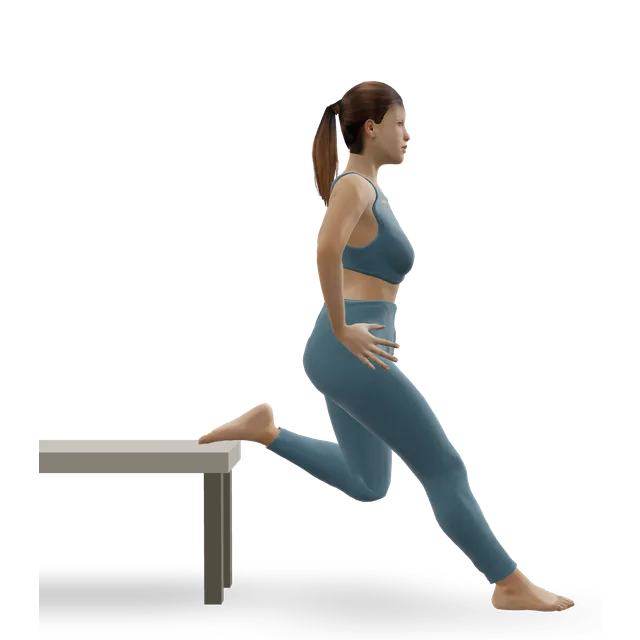
- Rear-foot-elevated split squat (Bulgarian split squat)3 × 6 each legIntermediate · Quads, Glutes, Hamstrings · 3D demoStop 2 to 3 reps short of failureEasier: Reverse lungeHarder: Split squat jump
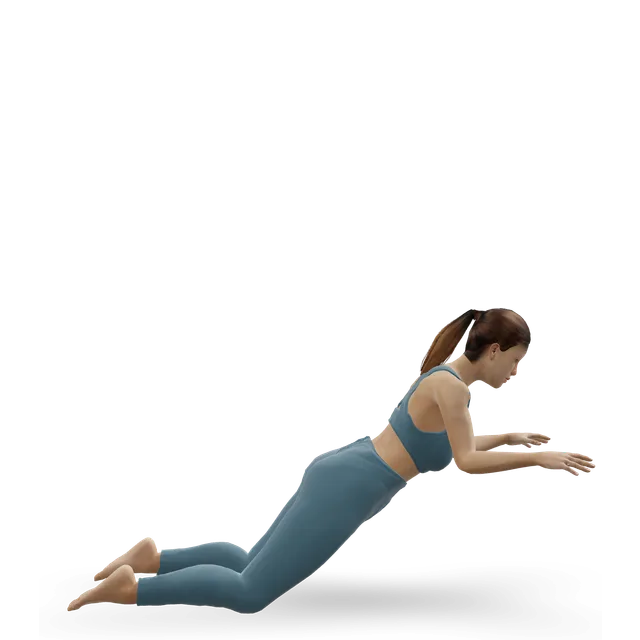
- Nordic curl2 × 3 to 5Advanced · Hamstrings, Glutes · 3D demoLower as slowly as you can and catch yourself with your handsEasier: Slider hamstring curlHarder: Full Nordic curl
- Single-leg calf raise from a step3 × 10 to 15 each legIntermediate · Calves · 3D demoFull range, slow loweringEasier: Slow calf raiseHarder: Single-leg pogo hops

Tips
- Count your landings: this session has about 72 foot contacts (10 snapdowns, 20 hop-and-sticks, 18 side hops and 24 lateral bounds), under the 80 a session our jump higher guide suggests for beginners.
- Stop a set when your landings get loud or your feet slow, and walk back between efforts so each one is fast.
- Leave out items 5, 8 and 10 (the hop and stick, the lateral hop to sprint and the lateral bounds) after a recent ankle or knee injury until you've been cleared for hopping and sideways jumps.
- No partner for the reactive block? React to a ball you drop, a card you turn over or a phone timer that beeps at random, choosing left or right only when it happens (our suggestion).
- Use grass or a sports floor and shoes that grip, with a few metres of clear space (our suggestion).
- Progress over 6 to 12 weeks: three-quarter pace on the cuts at first, then full pace, then a second reactive block or a small-sided game in your sport (our suggestion).
- Keep hard runs and intervals at least 3 hours away, as our plans advise.
- Stop and get medical help for chest pain or pressure, unusual breathlessness, dizziness or fainting. If a joint pain is sharp, gets worse during a set or lingers into the next day, swap to the move's easier option, and see a clinician if it persists.
- Call 999 or go to A&E if you heard a crack, the joint or limb has changed shape or points at an odd angle, it's numb or tingling, or the skin looks blue or grey or feels cold. Get help from NHS 111 (in the US, urgent care) if it's very painful, very swollen or bruised, very stiff, or you can't put weight on it or walk more than a few steps.
- In the US, call 911 instead of 999.
The doses are suggested starting points, not a prescription. Choose a range you can control and stop for sharp or increasing pain, numbness or tingling. Get individual advice after an injury or surgery, or if you are pregnant or managing a health condition.
Guides that recommend it
Find more moves like these
More cardio & conditioning



HIIT workout at home
A 20-minute no-equipment HIIT workout: jumping jacks, jump squats, mountain climbers, burpees, skips and bear crawls.
20 minIntermediate10 movesNo equipment

Plyometric workout
An advanced jump training session: pogo hops, box jumps, split squat jumps, broad jumps and depth jumps.
30 minAdvanced8 movesA bench or box, A step


Easy cardio workout
A steady 30 to 45 minute cardio session at talk-but-not-sing pace: walk, cycle, row or cross-train, counting toward weekly activity guidelines.
40 minBeginner3 movesCardio machine, A wallQuestions people ask
How long does the agility workout: change direction, land and react take?
About 30 minutes, including any warm-up and cool-down listed. Shorten it by doing fewer rounds; lengthen it by adding one.
What equipment do I need?
You need: A wall, Other / check instructions, A bench or box, An anchor point, A step. Each move links to its guide, where you can find an alternative if you are missing something.
Is it suitable for me?
It is written at intermediate level. 8 of its 12 moves have an easier option listed beside them; use them freely.
How do I make it easier or harder?
Use the easier or harder option listed under each move, change the number of rounds, or adjust the rest. Progress one change at a time.