About a fifth of a second
For a simple visual signal, adults react in about 0.21 to 0.23 seconds on average. With more possible signals and responses it takes longer, and longer again with each extra option.
Training guide
Reaction time is the delay between a signal and your response: about a fifth of a second for a simple visual signal in adults, longer when there are choices to make. Your basic speed changes less with training than apps suggest, and less with age than people think until about 50. What changes it a lot is sleep, which slows you down when you're short of it, and in sport, how early you read the cues: experts are fast mainly because they know what's coming.
This guide covers simple and choice reaction time and how it differs from a reflex, typical times by age, what sleep, caffeine, exercise, video games and phones do, how to train faster reactions for your sport, step training for older adults, and when slowing down needs a check. Slowing that comes on suddenly with weakness, a drooping face or slurred speech is a 999 call: see the warning signs.
For a simple visual signal, adults react in about 0.21 to 0.23 seconds on average. With more possible signals and responses it takes longer, and longer again with each extra option.
Light, app and device drills make you faster at the drill. Whether that carries over to your sport or daily life is mostly unproven.
Experts react faster mainly because they read cues earlier, not because their basic reactions are quicker, and video training that teaches you to read opponents carried over to the field.
A night or two without sleep slowed reactions by a moderate to large amount, and two weeks of 6-hour nights was as bad as up to two nights without sleep, without people noticing. The NHS says adults need 7 to 9 hours.
Caffeine gives a small speed-up and a session of exercise a small, short-lived one. Video games speed you up in lab tasks, with no good evidence for sport.
Slowing that comes on suddenly with weakness, a drooping face, slurred speech or loss of balance is a 999 call. Slowness, stiffness or a tremor that builds over weeks or months needs a GP.
Reaction time is the delay between a signal (a light, a sound, a ball leaving a racket) and the start of your movement: noticing it, deciding and sending the command to your muscles. Movement time, finishing the movement, comes after. A reflex, such as pulling your hand from something hot or the knee jerk, skips the decision, and it isn't what training changes (our explanation).
Simple reaction time is one signal and one response: about 213 to 231 milliseconds for a visual signal in adults. Choice reaction time has several possible signals and responses, and gets longer with each extra option. Most reactions in sport and driving are choice reactions.
Simple visual reactions take about 0.2 seconds in adults. Athletics' false-start rule assumes no one can react to the gun in under 0.1 seconds, but in 9 sprinters, a fifth of starts in two of the test conditions were faster than that. Older people who had fallen took about 1.3 seconds to step onto a lit panel, against 1.2 seconds in those who hadn't.
In 7,130 UK adults, simple reaction time changed little until about 50, while choice reaction time slowed gradually throughout adulthood. In 1,469 people aged 18 to 65, simple reaction time rose by about half a millisecond a year, mostly in the movement part rather than the thinking part. Differences between men and women were small or absent.
The ruler-drop test is a rough measure used in studies: a partner holds a ruler between your thumb and finger and lets go, and the distance it falls before you catch it converts to a time. Online tests vary with your screen and device, so use the same method each time and compare yourself with yourself (our suggestion).
Source 20
The age and sleep figures come from large studies; the training trials are small.
In 1,469 adults aged 18 to 65, simple visual reaction time averaged 231 milliseconds (213 after allowing for equipment delays) and rose by 0.55 milliseconds a year. In 7,130 UK adults, simple reaction time slowed little until about 50 and choice reaction time slowed throughout adulthood.
Choice reaction time rises with the number of possible signals and responses (Hick's law), with exceptions for well-practised and very natural responses.
Source 2
Across 42 studies, experts picked up sport cues more accurately and faster than non-experts, with fewer, longer looks. Across 142 studies of 8,860 athletes, higher-skilled players stood out more on sport decisions than on general thinking tests, and athletes also did better than non-athletes on lab speed tests, most in sports where you intercept a ball.
In 12 studies of video training that stops just before an opponent's action ends, anticipation improved by a large amount, including on field tests. Sport-related visual training improved decision speed in 27 small trials.
Light-based drills improved the trained reaction tasks in 24 racing drivers and 31 older adults, and reactive drills sped up choice reactions in 40 young table tennis players, though by the end not significantly more than planned drills. Of 43 studies of commercial training devices, only 1 tested a sport task, and tracking training didn't improve game performance in 62 academy footballers.
In UK adults followed for 19 years, slower and more variable reactions were linked with a higher risk of death, partly explained by health and social factors. That's a marker, not proof that training your reactions adds years.
Across 70 studies, 24 to 48 hours without sleep slowed reaction times by a moderate to large amount. In 48 adults, two weeks of 4 or 6 hours in bed caused steadily growing deficits: 6 hours or less a night was as bad as up to 2 nights without sleep, and people were largely unaware of it.
In 11 college basketball players, aiming for 10 hours in bed for 5 to 7 weeks added about 110 minutes of sleep a night and sped up a reaction test, sprints and free throws. Only 2 such studies exist in athletes, so it's promising, not proven. The NHS says adults need 7 to 9 hours.
In 31 trials of 1,455 people, caffeine made reactions slightly faster, a small effect, more at doses of 200 mg or more. It doesn't make up for poor sleep (our reading).
The European Food Safety Authority says single doses up to 200 mg, and up to 400 mg a day from all sources, are of no safety concern for healthy adults, and that 100 mg close to bedtime may affect sleep in some adults. In pregnancy, the NHS says to have no more than 200 mg a day. The NHS puts a cup of instant coffee at about 100 mg.
A session of exercise gave a small, short-lived lift in thinking speed across 383 studies, whatever its type or length, with moderate intensity helping speed most. Longer term, aerobic exercise didn't speed up thinking in healthy older adults in a Cochrane review of 12 trials, while a network analysis of 110 trials found mind-body exercise such as tai chi and yoga helped processing speed most.
Action games shortened lab reaction times: 50 hours of them cut reaction times by 13%, against 6% with other games. But published effects are about 30% larger than the full body of research, a large review found no evidence that game training improves wider thinking skills, and we found no good study showing gaming speeds up reactions in sport.
Using a phone while driving slowed reactions by about a quarter of a second, with hands-free calls as bad as handheld, and texting made it worse; it's illegal to hold and use a phone while driving in the UK. One study linked longer phone use before bed with slower reactions in students; we found no review of screen time and reaction time.
Watch the opponent's hips, shoulders and racket or kicking leg, not only the ball, and use video of your sport: training on video clips that stop just before the action ends improved anticipation on the field. Your coach and our sport pages have the specifics.
Drills where a partner or a ball decides the direction, and small-sided games, improved reactive agility mostly by speeding up decisions, as our agility guide explains.
In sprinting, the gun is a simple reaction: practise starts to a partner's clap or a starter, and keep the rest of the session as our sprint guide sets out.
Source 16
Aim for 7 to 9 hours. Short nights add up, and you won't feel how much they slow you.
A partner's cue for cutting, a ball for catching, an opponent for anticipation: 2 or 3 sessions a week of 10 to 20 minutes alongside your sport (our editorial starting point; the drill trials used 2 to 3 sessions a week for 6 to 8 weeks).
A session of moderate exercise gives a small, short lift; our warm-up guide has the routine.
When you need to react (driving, cycling, crossing a road), even a hands-free call slows you.
Drill trials ran 4 to 12 weeks. You'll be faster at a drill within a few sessions, but that isn't the same as faster in a game (our reading).
Our editorial drill. Light and app drills make you faster at the drill; reading the cues of your own sport is what carries over.
Loading the 3D figure…
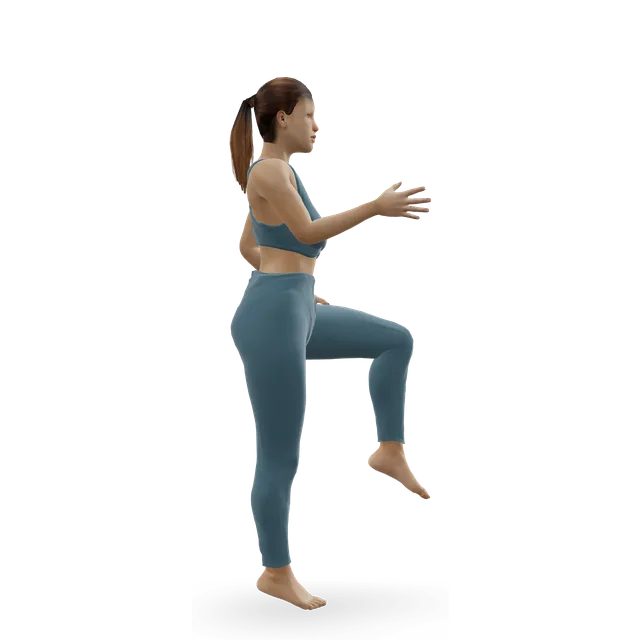
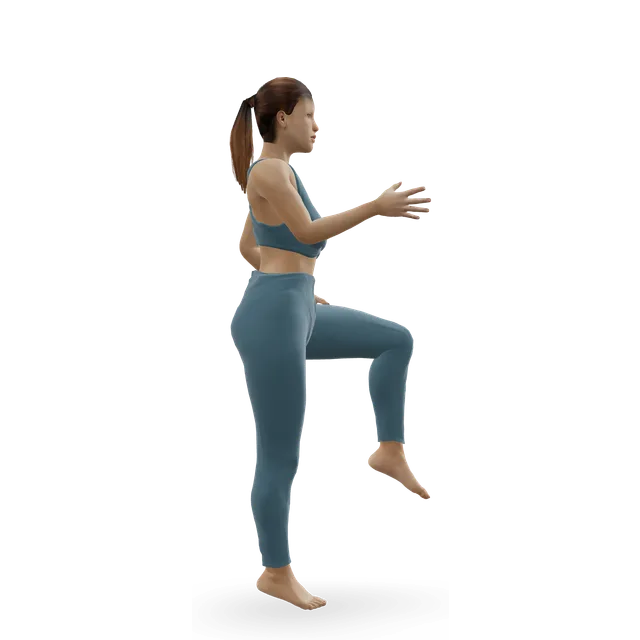
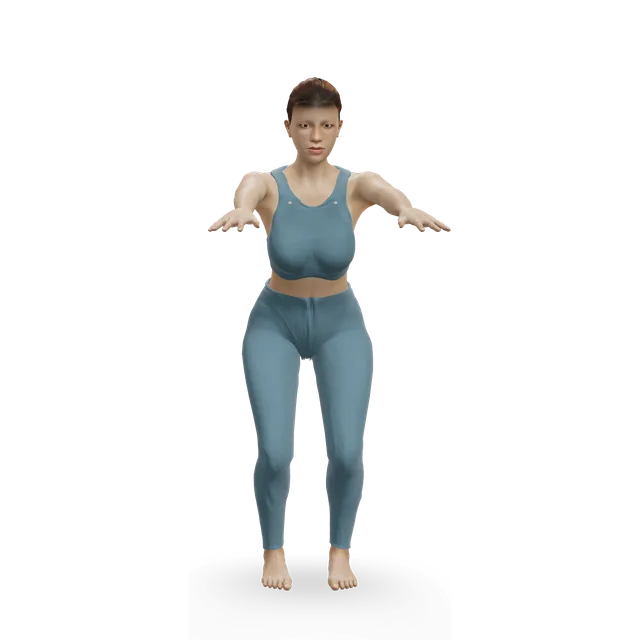
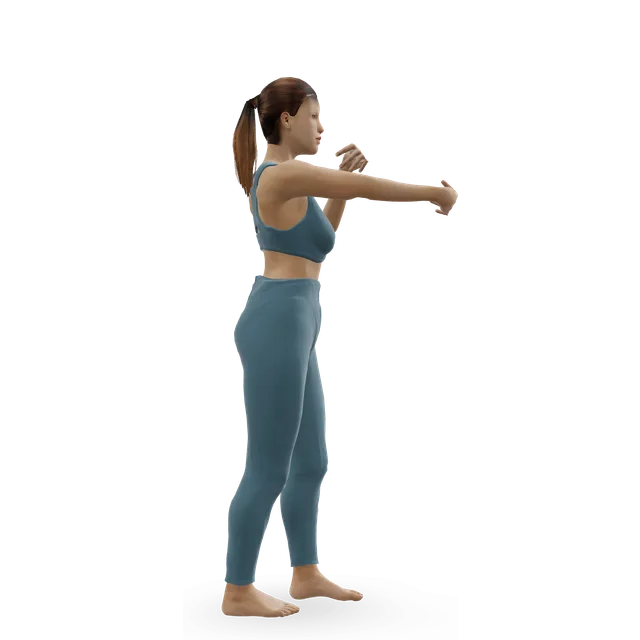
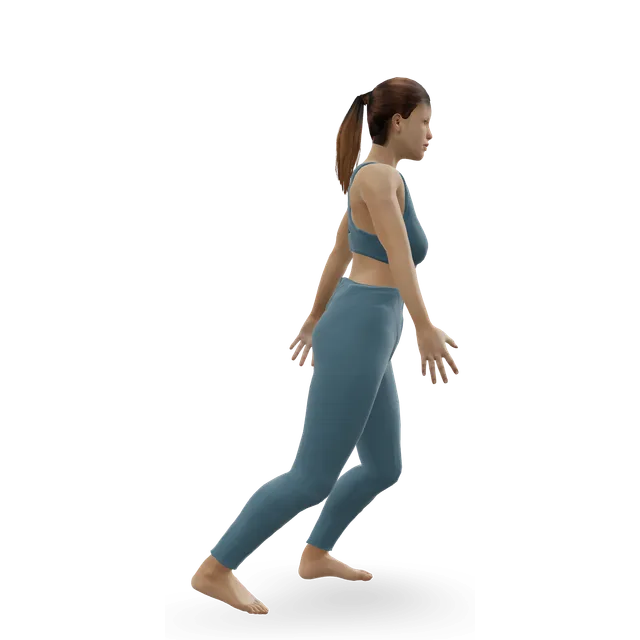
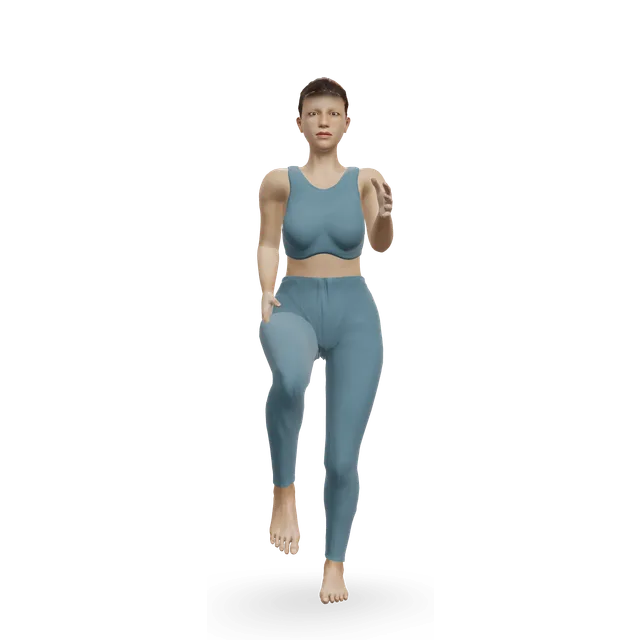
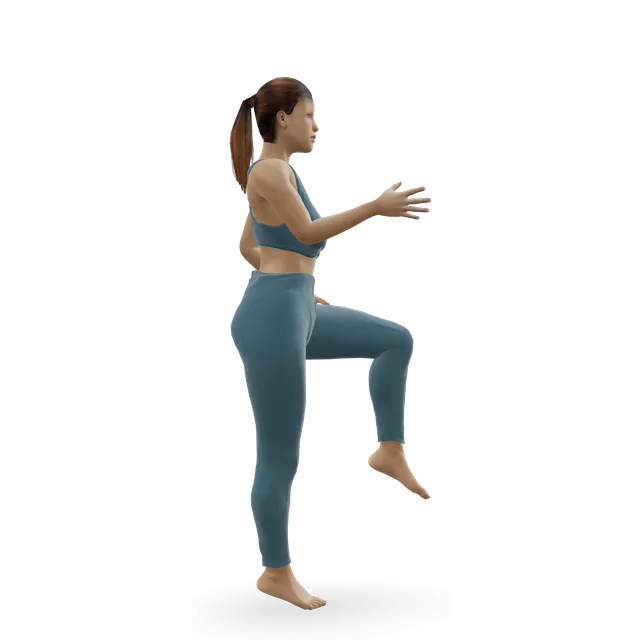
The movement on the figure: Shuttle runs
A partner gives the signal (a point, a call, a dropped ball) and you go; the move is only the response. Keep efforts to 5 to 10 seconds with full rest (editorial). Shadow boxing: 8 rounds of 20 seconds fast and 10 seconds easy, as in our boxing fitness workout, with a partner calling the punch.
Practising quick steps in different directions to a cue improved stepping reaction time and halved the rate of falls in 7 trials of 660 older adults, and a home stepping game cut falls by 26% in 769 people over a year. Slower stepping to a cue went with falls in 477 older people.
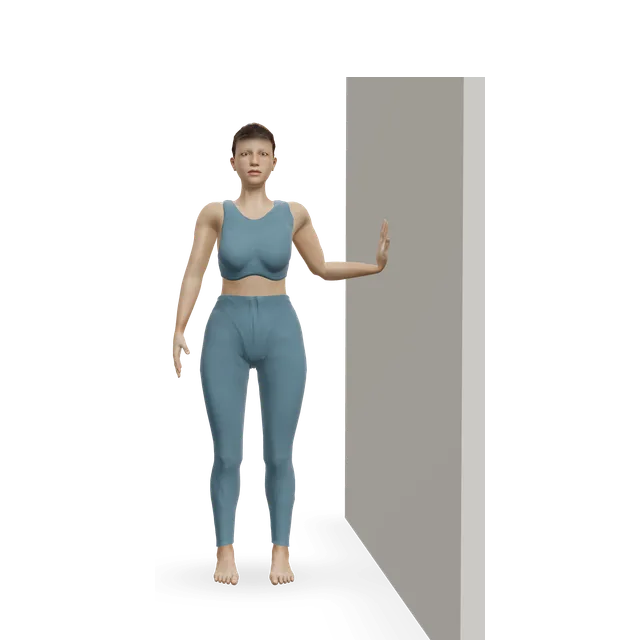
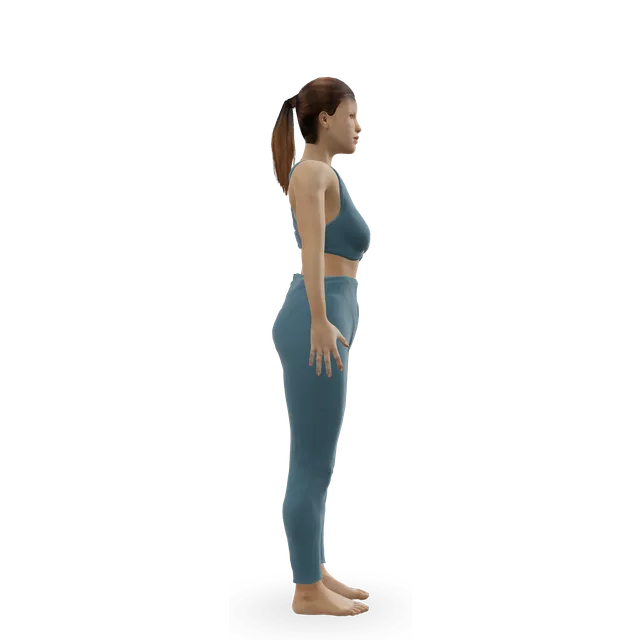
Next to a counter: side-steps, steps back and step-ups, then stepping quickly in the direction a partner calls, 2 or 3 times a week within strength and balance training (our editorial starting point). Our older adults and balance guides have the falls programmes.
Next to a counter: side-steps 10 each way (the NHS balance exercises), 10 steps backwards twice with short steps (our neuropathy routine), and step-ups 2 sets of 8 each side, a hand on a rail at first (our balance guide).
Our agility workout has a reactive block, the Gaelic games warm-up cuts on the coach's call, and the seniors' and balance routines include stepping in different directions.
A 30-minute agility session: quick feet, landings, planned cuts, a partner-cued reactive block and lateral bounds, then strength for braking and push-off.
30 minIntermediate12 movesA wall, Other / check instructionsA 15-minute warm-up built on the GAA 15: running drills, bridges, lunges, squats, planks, partner balance, jumps, Nordic lowers, then sprints and cuts.
15 minBeginner20 movesCardio machine, A wallA 45-minute speed session: running drills, five short accelerations and three flying sprints with full rest, then Nordic curls and calf raises.
45 minIntermediate11 movesCardio machine, A wallA 35-minute boxing workout with no sparring: a warm-up, three shadow boxing rounds, optional bag rounds, a punching finisher and core work.
35 minBeginner10 movesA band, A wallA 12-minute warm-up for tennis, padel, squash or badminton: skipping, leg swings, trunk turns, band shoulder work, forearm circles, shuttles and landings.
12 minBeginner10 movesA wall, A bandA 10-minute table tennis warm-up: skipping, leg swings, trunk turns, shoulder and wrist circles, low side-steps, a wide side lunge and light hops.
10 minBeginner8 movesA wallA 40-minute strength and balance session for over-65s, built from the Otago home programme and NHS exercises, using a chair, a counter and a step.
40 minBeginner18 movesA bench or box, Something with weightA 20-minute balance workout for steady adults: harder stances, head turns and eyes closed, single-leg reaches and hinges, step-ups and stuck landings.
20 minIntermediate13 movesA wall, A dumbbellA 40-minute session of fast sit-to-stands, step-ups and medicine-ball pushes for power, then balance holds and steps beside a counter.
40 minBeginner17 movesA wall, A bench or boxBoth build stepping and balance work into the week.
A 12-week exercise plan for over-65s: strength and balance three times a week, short balance sessions and daily walks, based on falls-prevention trials.
3 training days40 minBeginner3 days a weekA 12-week workout plan for men over 50: three strength days with power and balance work, cardio and recovery, at the gym or at home, with a 4-day option.
3 training days45 minBeginnerFeeling slowed down is one of the thinking symptoms of concussion that our concussion guide lists; it covers the graded return to activity and sport.
Our Parkinson's and MS guides cover exercise for each, including balance and quick stepping.
See a GP if changing your sleeping habits hasn't helped, you've had trouble sleeping for months, or it's affecting your daily life, as the NHS advises.
Source 10
The NHS says to have no more than 200 mg a day.
Source 33
Speak to your GP first if you haven't exercised for some time or have medical conditions or concerns, as the NHS advises. Get advice before hard, explosive or straining work if your blood pressure is uncontrolled (140/90 or higher at a clinic, or 135/85 at home), or you have heart disease or chest pain when you're active, a pacemaker or defibrillator, diabetic eye disease, glaucoma, a hernia, recent eye or tummy surgery, or you're pregnant, as our breathing guide lists.
Call 999 (911 in the US) or go to A&E if you have sudden weakness or numbness in one arm, sudden loss or blurring of vision, or sudden problems with balance and coordination: these could be signs of a stroke. Call 999 too for chest pain that feels tight or spreads to your arms, neck or jaw, or severe difficulty breathing.
Call 999 if you think you're having, or have had, a stroke, or you've had signs of a stroke in the last 24 hours, even if they've stopped. The NHS uses FAST:
Anyone who might have a concussion stops at once and doesn't play, train or do PE again for at least 24 hours. Get them assessed within 24 hours by a healthcare professional or NHS 111, and call 999 for red flags such as getting drowsier, repeated vomiting, a fit or a worsening headache (the full list is below). Fewer than 1 in 10 concussions involve being knocked out.
The UK guidelines call these red flags. They need urgent assessment, by ambulance if necessary. If a neck injury is suspected, only a trained healthcare professional should move the person.
Source 50
Call NHS 111 if symptoms get worse or haven't improved by 14 days. The NHS says see a GP if symptoms of a head injury last more than 2 weeks, and the UK guidelines say anyone with symptoms beyond 28 days should stay out of sport and see a GP, who may refer them to a specialist. NICE asks that people whose problems persist are referred to specialists trained in brain injury.
Common reasons are weaker legs, less activity, medicines, low blood pressure, eyesight or hearing problems, and conditions such as arthritis, Parkinson's disease or a stroke. See a GP if it's new or getting worse, if you've had a fall, or if it comes with dizziness, hearing changes or numbness. Call 999 if it comes on suddenly with a drooping face, a weak arm or slurred speech.
Our suggestion, from the NHS pages: see a GP if movements are getting slower with stiffness or a tremor, which can be signs of Parkinson's disease, or for daytime sleepiness or poor sleep that hasn't improved.
Our suggestion: don't drive when you're sleepy, and don't hold and use a phone while driving, which is illegal in the UK.
Source 45
If you get chest pain or pressure, feel faint or dizzy, are unusually breathless, or your heart races or beats irregularly during exercise, as our plans advise.
For chest pain that comes on suddenly and doesn't go away, feels tight or like squeezing, spreads to your arms, neck, jaw, stomach or back, or comes with sweating, feeling sick, light-headedness or breathlessness; severe difficulty breathing; someone who faints while exercising; palpitations that don't go away, or come with chest pain, shortness of breath or feeling faint; or a headache that starts suddenly and is extremely painful, especially while lifting or straining, or comes with numbness or weakness, difficulty speaking or loss of vision. The NHS says a bleed on the brain may be more likely when lifting something heavy. Don't drive yourself to A&E.
Source 52
Speak to a GP first if you haven't exercised for some time, or if you have a medical condition or concerns. Get advice first, too, if you have a health problem, an injury or symptoms, have recently had a heart attack or an operation, or are pregnant or have recently given birth.
Stop straight away if you feel any pain or become unwell, the NHS says, and contact 111 if your symptoms worry you or don't go away.
Basic reaction speed changes little and drill gains mostly stay in the drill, but reading cues, which is what makes experts fast, trained well, including on the field.
Action games shortened lab reaction times, but published effects are inflated, wider benefits are disputed, and we found no good study showing gaming speeds up reactions in sport.
They improve the trained task; there's little evidence of transfer to sport, and a trial in academy footballers found none.
Simple reaction time changed little until about 50 in 7,130 UK adults; between 18 and 65 it rose by about half a millisecond a year.
The gain was small across 31 trials, and caffeine close to bedtime can cost you sleep, which slows you more.
Source 11
Hands-free conversation slowed drivers' reactions as much as handheld.
Sleep 7 to 9 hours, practise the reactions you need in context (a partner's cue, a ball, an opponent), learn to read your sport's cues, and warm up before you need to be sharp. Drills make you faster at the drill; reading cues makes you faster in the game.
Partly. Your basic speed changes little, but you get faster at what you practise, and experts are fast mainly because they read cues earlier. Video training to read opponents improved anticipation on the field.
For a simple visual signal, adults average about 0.21 to 0.23 seconds; choice reactions take longer, and longer with each extra option. Online tests vary with your screen and device, so compare yourself with yourself.
Simple reaction time changes little until about 50, while choice reaction time slows gradually through adulthood. In older adults, practising quick steps to a cue improved stepping reactions and cut falls.
A little: across 31 trials it made reactions slightly faster. Healthy adults should keep to 400 mg a day and 200 mg at a time, avoid it close to bedtime, and have no more than 200 mg a day in pregnancy.
Action games made people faster in lab tasks, but the published effects are inflated and we found no good evidence that gaming speeds up reactions in sport.
A lot: a night or two without sleep slowed reactions by a moderate to large amount, and two weeks of 6-hour nights was as bad as up to two nights with no sleep, without people noticing.
A reflex is automatic, like the knee jerk, and doesn't involve a decision; reaction time includes noticing a signal and deciding what to do. Training changes reaction time, mostly the deciding part.
They make you faster at the light or app task, but there's little evidence that carries over to sport, and one trial in academy footballers found it didn't. Practise with your sport's real cues too.
Practise with your sport's real cues: partner-cued cuts, reading a server's or kicker's body, and small-sided games. Our agility guide and sport pages have the drills, and the agility workout has a reactive block.
Short sleep, tiredness, illness, alcohol, some medicines and distraction are common reasons. See a GP if slowness, stiffness or a tremor builds over weeks or months, and call 999 for sudden slowing with weakness, a drooping face or slurred speech.
Exercise education, not a personal prescription, and clinical review of these guides is pending. Check with a GP before starting hard training if you have a heart condition, chest pain, dizziness or breathlessness when active, and stop for sharp or increasing pain. Health disclaimer.