Training guide

How to improve footwork: quick feet, balance and the first step, ladder and cone drills, footwork for your sport, and how to practise it

Good footwork gets you to the ball early and balanced, and back to the middle in time for the next one. Most sports share the same building blocks: a ready stance, a split step timed to your opponent's shot, a quick first step, shuffles and crossovers, a lunge and a push back. In one lab study, a well-timed split step got tennis players to a target about a tenth of a second sooner, and in another a small step back started a sprint faster than a step forward.

This guide covers those building blocks on the 3D figure, what the few footwork trials show, why fast feet on a ladder aren't the same as fast feet in a game, balance and ankle work, and how much and how often to practise, with links to each sport's own footwork. Our agility guide covers the training evidence on changing direction and reacting. If your ankle rolled or you felt a snap at the back of the heel, start with the warning signs.

The short version

Footwork is the steps that get you there and back

A ready stance, the split step, the first step, shuffles and crossovers, a lunge and a push back to the middle. Each sport has its own patterns, which our sport pages teach; this guide covers what they share.

Time the split step

In one lab study of 10 tennis players, a split step got them to a target about 0.1 seconds sooner, but landing it too early led to misses. Professional players land it about 0.3 seconds after the opponent hits.

Sources 1, 2, 3

Start with the right first step

A small step back started a short sprint faster than a step forward, and for a sideways start a short jab or counter step beat pivoting or falling into it, in small lab studies.

Sources 4, 5

Footwork training helps, a little

Sprint, direction-change, jump and reactive drills made young racket players quicker around the court in small trials, and drills without a racket did more than the same drills with one.

Sources 6, 7, 8, 9

Ladders are a warm-up, not proof of good footwork

The ladder evidence is three small trials, two of them null, and no study has tested whether ladder speed carries over to games. Our agility guide has the details.

Sources 10, 11, 12

Balance and ankles matter

Balance plus jump training improved change of direction, and balance training cuts ankle sprains by about a third, mostly repeat ones, as our balance guide says.

Sources 13, 14, 15

What footwork is

The building blocks

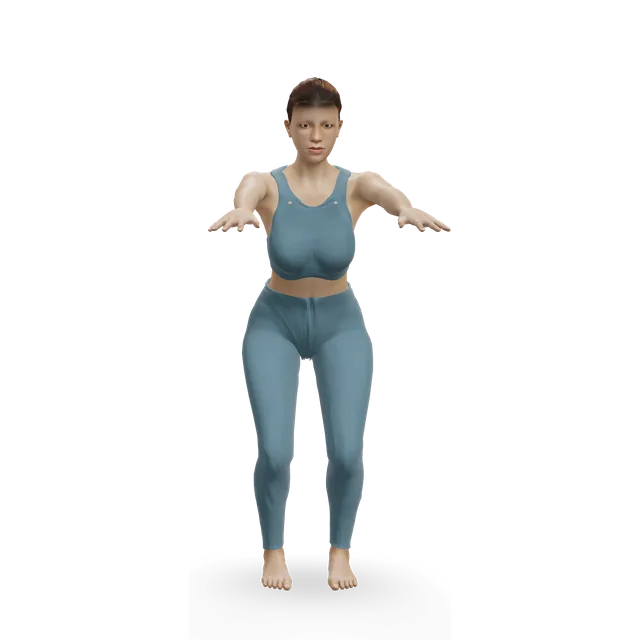
  • Ready stance: feet a little wider than your hips, knees bent, weight on the balls of your feet.
  • Split step: a small hop timed so you land as your opponent hits, loaded to push either way.
  • First step: a small step back (a false step), a short jab with the near foot, or a crossover.
  • Shuffles and crossovers: side-steps for short distances, a crossover or a turn and run for long ones.
  • Lunge and push back: reach, brake on the front leg and push back towards the middle.
  • Recovery: back to the middle, ready for the next shot.

Footwork and agility

Footwork is the movement half of agility: how your feet get you into position. Our agility guide covers the reacting half, the training evidence on changing direction and the trials on agility ladders, and links back here for the steps themselves.

The numbers

Across 8,545 strokes, professional and junior tennis players split-stepped about 0.3 seconds after the opponent's impact, each with their own timing. The world's top men in badminton reacted about 0.25 seconds after the shuttle was hit, feet about half their height apart.

Sources 2, 3

How sports differ

Tennis is mostly sideways movement with recovery steps; badminton lunges to six corners and pushes back; table tennis uses small, fast side steps close to the table; boxing uses step-and-slide footwork and pivots; football and basketball use quick cuts and defensive shuffles. Each sport page has its own patterns and workout.

What it needs

Calves and Achilles that tolerate quick hops, legs strong enough to brake a lunge, and steady one-leg balance. A deep badminton lunge loads the front leg with about 2 to 3 times body weight, as our badminton page notes, and adults taking up racket sports in their 30s to 50s are the group our badminton page flags for Achilles ruptures.

The split step and first step, step by step

Our editorial cues, built on split-step timing in professional tennis and badminton and on start-technique studies; your coach and our sport pages set the exact patterns.

  1. Stand in your ready position: feet a little wider than your hips, knees bent, weight on the balls of your feet.
  2. As your opponent starts to hit, make a small hop, a few centimetres, onto both feet.
  3. Land just as they make contact, feet wide and knees bent, so you're loaded to push either way.
  4. Read where the ball is going as you land.
  5. Push off the foot farther from where you're going: for a ball to your right, push off the left foot and turn your right foot and hip to point the way.
  6. For a short distance sideways, shuffle without crossing your feet; for a long one, cross over or turn and run.
  7. Play your shot, then recover to the middle with side-steps or a crossover, and split step again as they hit.

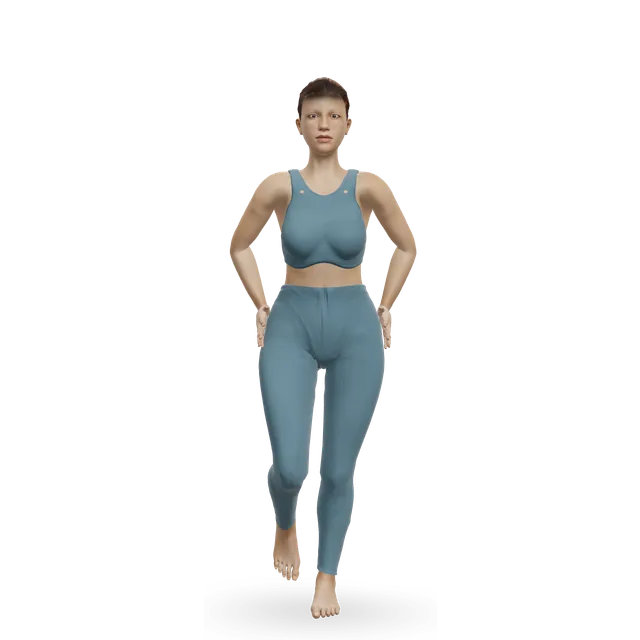
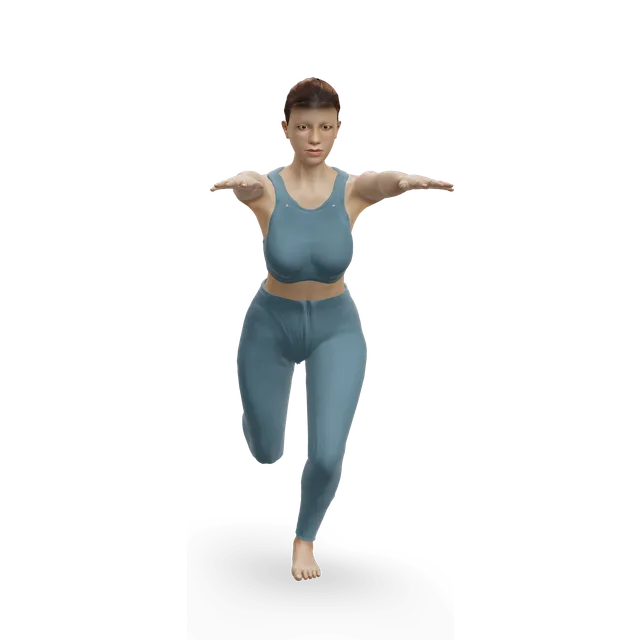
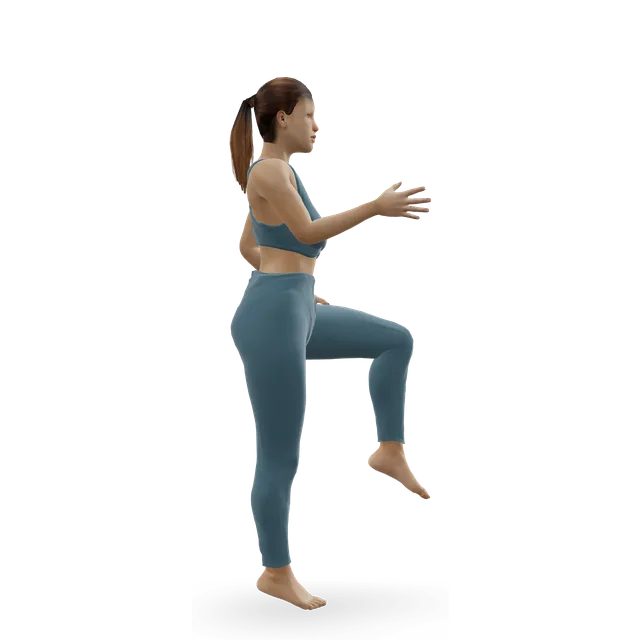
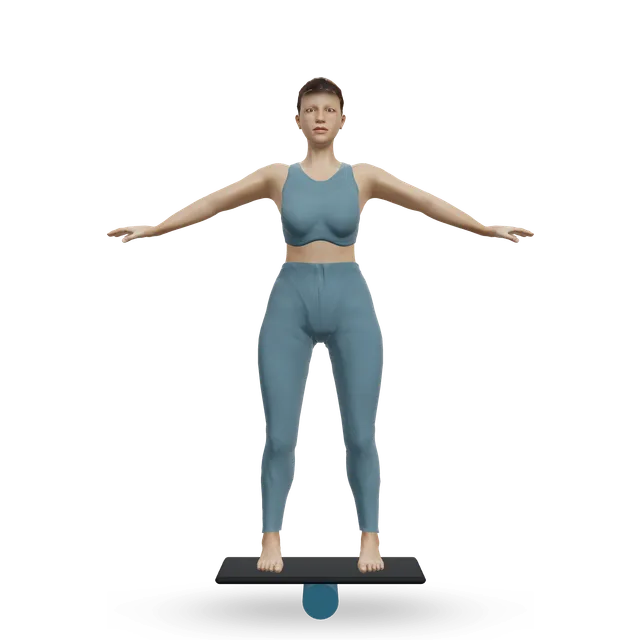
Loading the 3D figure…

Gets into position, then repeats the movement. Technical checks passed; qualified exercise review is pending.

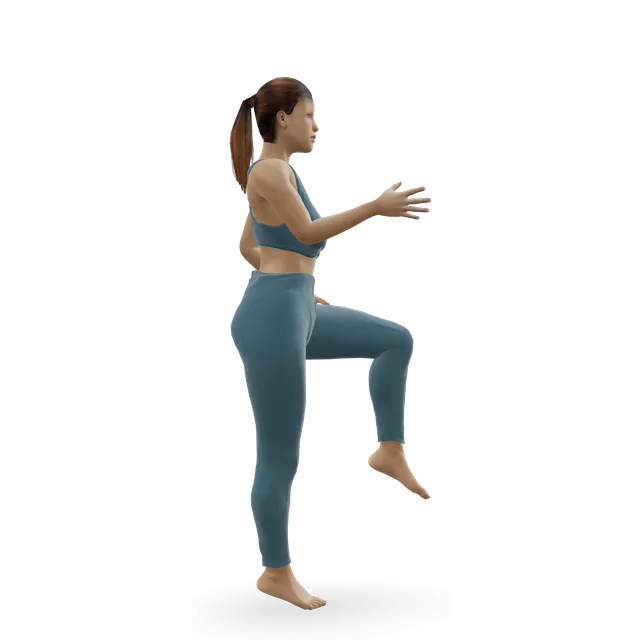
The movement on the figure: Ankle bounces (mini pogo)

Ready position and the first step

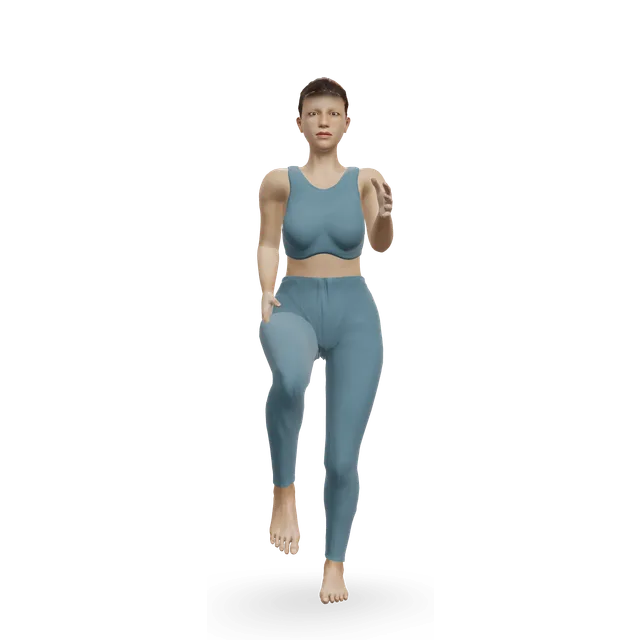
Short, light contacts on the balls of your feet: ankle bounces 2 × 20 (our boxing fitness workout), fast skipping 2 × 15 m (our sprint speed workout), side-steps 2 × 20 seconds each way in a low ready position (our table tennis warm-up), carioca 2 × 10 m each way (our lacrosse warm-up).

Reach, lunge and push back

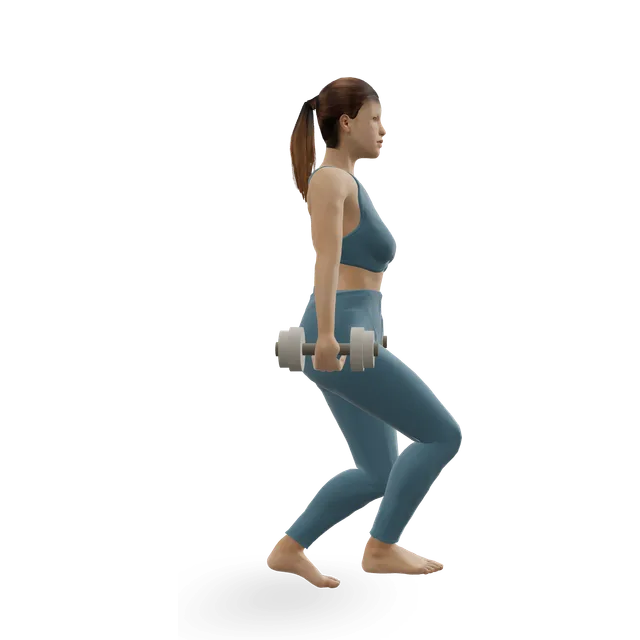
The racket sports' pattern: lunges 2 × 6 each leg, reaching to a front corner and pushing back (our squash ghosting workout); side lunges 2 × 5 each side and reach matrix 2 × 3 reaches each way, each leg (our badminton workout); lateral bounds 2 × 4 each side (our table tennis workout).

Feet, ankles and calves

Twice a week: single-leg calf raises 3 × 10 to 15 each leg (our badminton workout), pogo hops 2 × 10 (our table tennis warm-up), balance board 2 × 30 seconds in your ready position (our table tennis workout), hop and stick 2 × 5 each leg, and cone hops along a ladder (our roller skaters' workout).

What the evidence says

Footwork trials are few and small, mostly in young racket-sport players; we found no trial of how much footwork training to do, or of footwork training in boxing or squash.

The split step works when it's timedEmerging evidence

In one lab study of 10 college tennis players (we could read only its abstract), players reached a target in a simulated task faster with a split step (764 against 868 milliseconds), but landing it too early led to quick steps that missed in 7.8% of tries, against 0.8% when it was timed to the player's own response.

Source 1

How professionals time itEmerging evidence

Professional and junior tennis players split-stepped about 0.3 seconds after the opponent's impact, and the world's top men in badminton reacted about 0.25 seconds after the shuttle was hit. In 20 junior tennis players, 12 weeks of visual training shortened the time from split step to shoulder turn on the forehand. We found no trial of split-step training on its own.

Sources 2, 3, 16

The first stepEmerging evidence

In 27 men, starting with a step forward was 6.4% slower to 2.5 m and 5.3% slower to 5 m than a small step back; a parallel stance was about 8% slower to 5 m than a staggered one. For a 5 m sideways start, jab and counter steps beat pivot and gravity steps in 22 athletes, and in baseball a jab start gave more forward drive than a crossover. No trial has trained a particular first step.

Sources 4, 17, 5, 18

Footwork training in racket sportsEmerging evidence

In 64 novice tennis players, 9 weeks of jumps, tennis drills or both improved 4 m sideways sprints. In 12 national-level badminton players, two extra sessions of badminton sprints a week for 4 weeks improved a badminton sprint test by 3.6%. In 31 boys aged about 16, 8 weeks of sprint and direction-change drills did more without a racket than with one, as our tennis page says, and random routes improved reacting more than fixed ones in 19 college players.

Sources 6, 7, 8, 9

Reactive footwork drillsEmerging evidence

Reactive drills three times a week for 6 weeks sped up choice reactions in 40 young table tennis players, though by the end not significantly more than planned drills, as our table tennis page says; light-cued footwork improved reaction and movement times on the training device in 34 under-12 badminton players.

Sources 19, 20

Balance training and footworkEmerging evidence

In 20 boys aged about 13, 30 minutes of balance training twice a week for 8 weeks sped up push-off times for three badminton strokes by 19 to 36% and their shuttle run, but the difference from the comparison group was significant for only one push-off. Balance plus jump training improved change of direction in 10 trials of people aged 11 to 22. Balance training improves the task trained and little else, and in basketball it didn't improve reactive agility.

Sources 21, 13, 22, 23

Balance training prevents ankle sprainsStrong evidence

Balance training cut ankle sprains by about a third to a half across three reviews, mostly repeat sprains, as our balance guide says. In 522 athletes after a sprain, an 8-week home balance-board programme cut repeat sprains from 33% to 22%.

Sources 14, 24, 15, 25, 26

Jump training in racket sportsEmerging evidence

Jump training improved change of direction by a moderate amount in 14 racket-sport trials, on very low-certainty evidence, and training programmes of 4 to 10 weeks improved badminton players' agility.

Sources 27, 28

LaddersEmerging evidence

Two tiny trials in young footballers found ladder training no better than normal training, one in young volleyball players found ladder work plus speed drills helped, and none tested carry-over to games. Ladders are unproven for game footwork, not useless.

Sources 10, 11, 12

How much, and how often

Learn it slowly, speed it up, then add a cue

Shadow your sport's movements without a ball, then with a partner pointing or feeding, then in rallies or games (our editorial order).

Two short sessions a week

Two footwork sessions a week of about 20 to 30 minutes in pre-season, for 6 to 8 weeks, and one in season, plus short footwork blocks inside normal practice (our editorial starting point). In racket-sport trials, 2 sessions a week or fewer did as well as more, as our badminton page says.

Sources 27, 6

Short, fast efforts

Efforts of 10 to 20 seconds with about a minute's rest keep your feet quick, as our table tennis and squash workouts do. Stop a set when your feet slow.

Strength and ankles

Calf raises, split squats and lunges twice a week. After an ankle sprain, the home trial's balance programme ran 3 sessions a week of up to 30 minutes for 8 weeks; our ankle sprain guide has the plan.

Source 25

How long it takes

Small trials found changes after 3 to 12 weeks. Progress varies; film yourself every few weeks.

Sources 9, 6

Common faults

What to watch for

Our editorial list:

  • Standing flat-footed or upright.
  • Split-stepping too early or too late.
  • A first step that goes straight up or backwards when you meant to go forwards.
  • Crossing your feet in a short shuffle.
  • Lunging with the knee caving inwards.
  • Not recovering to the middle after the shot.
  • Looking at your feet.

Footwork for your sport

Each sport page has its own patterns and a workout.

Workouts to follow

Each racket sport has a strength and footwork session; the agility workout covers cutting, landing and reacting for any sport.

Badminton strength and footwork workout

A 45-minute badminton session: side bounds, split jumps and hop-and-stick, squats, lunges, side lunges, hinges and Nordics, calf raises and shoulder work.

45 minIntermediate17 movesA dumbbell, An anchor point

Table tennis strength and footwork workout

A 40-minute table tennis session: squats with jumps, split squats with box jumps, lunges with side bounds, balance board, fast side-steps and shoulder work.

40 minIntermediate14 movesA wall, A dumbbell

Squash ghosting workout

A 30-minute squash conditioning session: a warm-up, then ghosting intervals from the T to the corners at three levels, front-corner lunges and a cool-down.

30 minIntermediate9 movesA wall, A dumbbell

Racket sport warm-up

A 12-minute warm-up for tennis, padel, squash or badminton: skipping, leg swings, trunk turns, band shoulder work, forearm circles, shuttles and landings.

12 minBeginner10 movesA wall, A band

Table tennis warm-up

A 10-minute table tennis warm-up: skipping, leg swings, trunk turns, shoulder and wrist circles, low side-steps, a wide side lunge and light hops.

10 minBeginner8 movesA wall

Pickleball warm-up

A 10-minute pickleball warm-up: marching, side-steps, leg swings, calf raises, upper-back turns, shoulder and wrist circles, heel-to-toe and one-leg balance.

10 minBeginner10 movesA wall

Boxing fitness workout: shadow boxing and bag rounds

A 35-minute boxing workout with no sparring: a warm-up, three shadow boxing rounds, optional bag rounds, a punching finisher and core work.

35 minBeginner10 movesA band, A wall

Foot and ankle strengthening routine: toes, arches, calves and balance

A 15-minute barefoot routine for stronger toes, arches, calves and ankles, finishing with balance. You need only a towel, a wall and a resistance band.

15 minBeginner11 movesA wall, Other / check instructions

Agility workout: change direction, land and react

A 30-minute agility session: quick feet, landings, planned cuts, a partner-cued reactive block and lateral bounds, then strength for braking and push-off.

30 minIntermediate12 movesA wall, Other / check instructions

Plans

Fit two footwork sessions into a plan's lighter days in pre-season, and one in season.

Who should take more care

After an ankle sprain

Our ankle sprain guide sets out the balance work and the return to sport; our chronic ankle instability guide covers an ankle that keeps giving way.

Achilles pain, or a past rupture

Our Achilles tendinopathy guide covers calf loading and when to play; get Achilles pain checked rather than playing through it, as our badminton page advises.

Sore knees

With knee pain, use step-ups and our knee guides first; our knee pain when jumping guide maps the causes and has a staged plan back to jumping. Our suggestion is to come back to jumping once stairs and squats are comfortable.

Heart disease or blood pressure

With heart disease, or blood pressure that isn't controlled, ask your GP or heart team before hard intervals or jumping, as our HIIT guide says.

Before you start

Speak to your GP first if you haven't exercised for some time or have medical conditions or concerns, as the NHS advises. Get advice before hard, explosive or straining work if your blood pressure is uncontrolled (140/90 or higher at a clinic, or 135/85 at home), or you have heart disease or chest pain when you're active, a pacemaker or defibrillator, diabetic eye disease, glaucoma, a hernia, recent eye or tummy surgery, or you're pregnant, as our breathing guide lists.

Warning signs: when to stop and get help

An ankle or knee injury

Call 999 or go to A&E if you heard a crack, the joint has changed shape or is pointing at an odd angle, it's numb, tingling or has pins and needles, or the skin has changed colour or is cold. Get help from NHS 111 if it's very painful, badly swollen, or you can't put weight on it or walk more than a few steps, and for a knee that locks, gives way or painfully clicks.

Sources 29, 30

A snap at the back of the ankle

Same day: a sudden snap or pop at the back of the heel or calf, or a feeling of being kicked there, then walking flat-footed and being unable to push off, stand on tiptoe or climb stairs. It could be an Achilles tendon rupture or a broken heel bone. Go to A&E or a minor injuries unit, or contact NHS 111.

A sudden snap or pop at the back of the ankle, or you can't stand on tiptoe: a possible Achilles tendon rupture.

A knee that pops and swells

Go to A&E (accident and emergency) if you've injured your knee and it has changed shape, it becomes very swollen very quickly, you felt a pop or snap, you can see bone sticking out, or it's bleeding heavily. Don't drive yourself: ask someone to take you, or call 999 if the pain means you can't move your leg to get there.

An ankle that keeps giving way

An ankle that keeps giving way months after a sprain.

Stop for the day

At the first tightness at the back of your thigh, in your calf or in your groin, stop rather than doing one more sprint. Stop too if you feel dizzy, sick or far more breathless than usual.

Bone or shin pain

Pain in one spot on a bone that's worse with jumping or running, eases with rest and hurts when you press it: stop jumping, as it can be a stress fracture, and see a GP. See a GP too for heel pain that hasn't improved after 2 weeks of looking after it yourself, or shin pain that's getting worse or isn't improving.

A knock to the head

Anyone who might have a concussion stops at once and doesn't play, train or do PE again for at least 24 hours. Get them assessed within 24 hours by a healthcare professional or NHS 111, and call 999 for red flags such as getting drowsier, repeated vomiting, a fit or a worsening headache (the full list is below). Fewer than 1 in 10 concussions involve being knocked out.

Stop and get medical help

If you get chest pain or pressure, feel faint or dizzy, are unusually breathless, or your heart races or beats irregularly during exercise, as our plans advise.

Call 999 (911 in the US)

Stop and call 999 for:

  • Chest pain or discomfort that doesn't go away (it can feel like squeezing or pressure), pain that spreads to your arms, neck, jaw, stomach or back, or chest pain with sweating, feeling sick, light-headedness or breathlessness.
  • Someone who faints while exercising.
  • A pounding, fluttering or irregular heartbeat that doesn't go away, or comes with chest pain, breathlessness or feeling faint.
  • Severe difficulty breathing: gasping, choking or not able to get words out.

Source 31

During any session

Stop straight away if you feel any pain or become unwell, the NHS says, and contact 111 if your symptoms worry you or don't go away.

A dull ache in your muscles for a day or two after something new is normal. Joint pain that's sharp, gets worse during a set or lingers into the next day means switching to the easier option, and seeing a GP or physiotherapist if it carries on (our plans' rule). Our muscle soreness guide has more.

Myths

"More drills always means better footwork"Mixed evidence

We found no study of how much footwork training to do; in racket-sport trials, 2 sessions a week or fewer did as well as more, and drills without a racket beat the same drills with one. Quality and practising your sport's own patterns beat volume.

Sources 27, 8

"Ladder drills give you quick feet for your sport"Mixed evidence

Ladder training didn't beat normal training in young footballers, and balance gains don't carry over to untrained tasks. Practise the footwork of your sport.

Sources 10, 11, 22

"The split step is just a hop"Emerging evidence

Its value depends on timing: well timed, it got players to the target about 0.1 seconds sooner in one lab study; too early, they missed more.

Source 1

"Step forward to start fast"Emerging evidence

A small step back was faster over 2.5 and 5 m than a step forward in 27 men.

Source 4

"Footwork is talent"Emerging evidence

Small trials improved court speed and reactions with a few weeks of training.

Sources 6, 7, 9

Questions people ask

How can I improve my footwork?

Learn your sport's patterns slowly (ready stance, split step, first step, shuffles, lunges and recovery), then speed them up, then add a partner who points or feeds. Add calf, leg and balance work twice a week.

What is a split step?

A small hop that lands on both feet just as your opponent hits, so you're loaded to push either way. In one lab study it got players to the target about 0.1 seconds sooner, as long as it wasn't too early; professionals land it about 0.3 seconds after the opponent's contact.

How do I get a quicker first step?

Start from a low, balanced stance and push off the foot away from where you're going. A small step back was faster than a step forward over 2.5 and 5 m, and for sideways starts a jab or counter step beat pivoting.

Do footwork ladders help?

For warming up and rhythm, yes; for footwork in your sport, they're unproven, and in young footballers ladder training was no better than normal training. Use them briefly, then practise real movements.

How often should I do footwork drills?

Two short sessions a week in pre-season and one in season, plus footwork inside normal practice, is a sensible start. In racket-sport trials, twice a week did as well as more.

Can I train footwork at home?

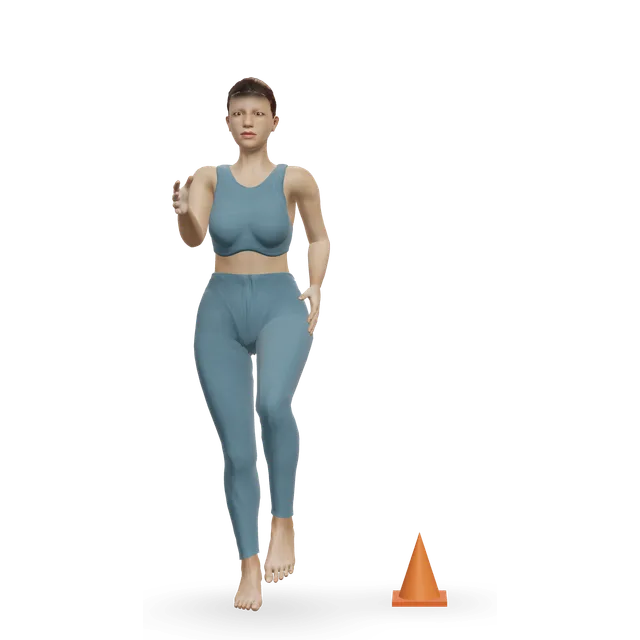
Yes: side-steps, the single-cone quick-feet drill, pogo hops, lunges to marked corners and shadow footwork in a hallway or garden. Keep landings quiet and the floor clear.

How do I improve my footwork for tennis, badminton or boxing?

Each sport has its own patterns, and our sport pages cover them, with strength and footwork workouts for badminton and table tennis and a ghosting workout for squash. In tennis, sprint and direction-change drills without a racket did more than with one.

Does balance training improve footwork?

It helps: balance plus jump training improved change of direction, and balance training cuts ankle sprains. Balance gains are specific to what you practise, so do some on one leg in your ready position.

How long does it take to improve footwork?

Small trials found changes after 3 to 12 weeks. Progress varies; film yourself every few weeks to see it.

Sources

  1. Uzu 2009 · The split step and the time to reach a target in 10 tennis players (lab study, J Sports Sci)
  2. Filipčič 2017 · Split-step timing in professional and junior tennis players (video analysis, J Hum Kinet)
  3. Shishido 2025 · The split step of the world's top badminton players (video analysis, PLoS One)
  4. Frost 2008 · A step back to start was faster over short sprints in 27 men (lab study, J Strength Cond Res)
  5. Vuong 2022 · First-step patterns for sideways starts in 22 athletes (lab study, J Hum Kinet)
  6. Salonikidis 2008 · Jumps, tennis drills or both for speed in 64 novice tennis players (randomised trial, J Strength Cond Res)
  7. Walklate 2009 · Short sprint-agility training in 12 national-level badminton players (randomised trial, J Strength Cond Res)
  8. Fernandez-Fernandez 2025 · Sprint and direction-change training with or without a racket in 31 young tennis players (randomised trial, Int J Sports Physiol Perform)
  9. Zhou 2024 · Random or fixed-route sprints for reactive agility in 19 college tennis players (randomised trial, PeerJ)
  10. Padrón-Cabo 2020 · Agility ladder training in 18 young footballers (randomised trial, J Hum Kinet)
  11. Padrón-Cabo 2021 · Plyometric training on an agility ladder in 20 young footballers (randomised trial, Int J Sports Med)
  12. Bassa 2024 · Agility ladder training with jumps or speed drills in 76 young female volleyball players (randomised trial, Pediatr Exerc Sci)
  13. Feng 2026 · Balance plus plyometric training for change of direction and balance: 10 trials (meta-analysis, PLoS One)
  14. Schiftan 2015 · Proprioceptive training to prevent ankle sprains: 7 trials (meta-analysis, J Sci Med Sport)
  15. de Vasconcelos 2018 · Balance training and ankle sprains in athletes: 8 trials (meta-analysis, Clin Rehabil)
  16. Bonato 2020 · Visual training in 20 junior tennis players (randomised trial, J Sports Med Phys Fitness)
  17. Cronin 2007 · Starting stance and the first metres of a sprint (lab study, J Strength Cond Res)
  18. Miyanishi 2017 · Crossover and jab step starts for base stealing in 12 baseball players (lab study, Sports Biomech)
  19. Zhang 2026 · Reactive agility training in 40 young male table tennis players (randomised trial, Front Physiol)
  20. Ngoc 2026 · A light-based reaction training system for footwork in 34 under-12 badminton players (randomised trial, Sensors)
  21. Malwanage 2022 · Balance training and footwork in 20 young badminton players (controlled trial, PLoS One)
  22. Kümmel 2016 · Balance training improves the task trained, little else (meta-analysis, Sports Med)
  23. Wang 2025 · Balance training and performance in basketball players: 13 studies (systematic review, BMC Sports Sci Med Rehabil)
  24. Bellows 2018 · Bracing and balance training to prevent ankle sprains in athletes (meta-analysis, Int J Sports Phys Ther)
  25. Hupperets 2009 · A home balance programme to prevent repeat ankle sprains in 522 athletes (randomised trial, BMJ)
  26. Doherty 2017 · Treating and preventing ankle sprains: 46 reviews (overview of systematic reviews, Br J Sports Med)
  27. Deng 2023 · Plyometric training and fitness in racket-sport athletes: 14 trials (meta-analysis, PeerJ)
  28. Ma 2025 · Physical training programmes and badminton players' performance: 15 studies (meta-analysis, BMC Sports Sci Med Rehabil)
  29. NHS · Sprains and strains
  30. NHS · Knee pain
  31. NHS · Heart attack

Exercise education, not a personal prescription, and clinical review of these guides is pending. Check with a GP before starting hard training if you have a heart condition, chest pain, dizziness or breathlessness when active, and stop for sharp or increasing pain. Health disclaimer.