Sports training
Squash ghosting workout
Squash is played near maximum heart rate: elite players averaged 92% of their maximum, with rallies of about 19 seconds, while most club rallies last under 10 seconds with short rests. Ghosting means moving round the court as if playing, without a ball. No trial has tested a squash conditioning programme, so the intervals here are our editorial plan, matched to rally and rest times; interval training has improved fitness in other racket sports. If you have heart disease or any of the warning signs on our squash page, check with your doctor first. You need a squash court or a space about 6 m square, and your racket.
Warm-up
- Skipping2 minBeginner · Calves, Hip flexors, Quads · 3D demoCourt lengths, mixing skips, side-steps and easy joggingEasier: Ankle bounces (mini pogo)Harder: Alternate-leg bounding
- Front-to-back leg swings8 swings each legBeginner · Hamstrings, Hip flexors · 3D demoHold the wallHarder: Contract-relax hamstring stretch (PNF)
- Walking lunge4 each legIntermediate · Quads, Glutes, Hamstrings · 3D demoGrowing deeper each timeEasier: Split squatHarder: Split squat with dumbbells
- Side-stepping (sideways walking)2 × 20 s each wayBeginner · Hip abductors, Glutes, Adductors · 3D demoLow and quickHarder: Lateral band walk
- Beginner · Calves · 3D demoUp on a count of two, down on threeEasier: Seated bent-knee calf raise (soleus raise)Harder: Standing dumbbell calf raise





Ghosting intervals: choose your level
Rest 2 min between rounds
- Shuttle runsLevel 1: 2 rounds of 6 × 15 s, walking 20 s betweenAdvanced · Quads, Glutes, Calves · 3D demoFrom the T, move to a corner, lunge and swing, and push back to the T; vary front, middle and back corners. Level 2: 3 rounds of 8 × 20 s, 15 s between. Level 3: 3 rounds of 10 × 20 s, 10 s betweenEasier: Treadmill jogging
Lunge and recover
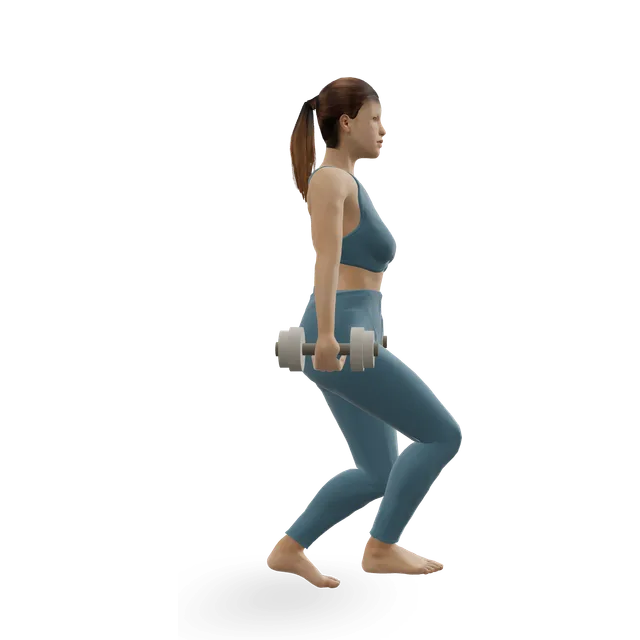
- Dumbbell lunge2 × 6 each leg, bodyweightIntermediate · Quads, Glutes, Hamstrings · 3D demoReach long to a front corner and push back to the TEasier: Reverse lungeHarder: Barbell walking lunge
Cool-down
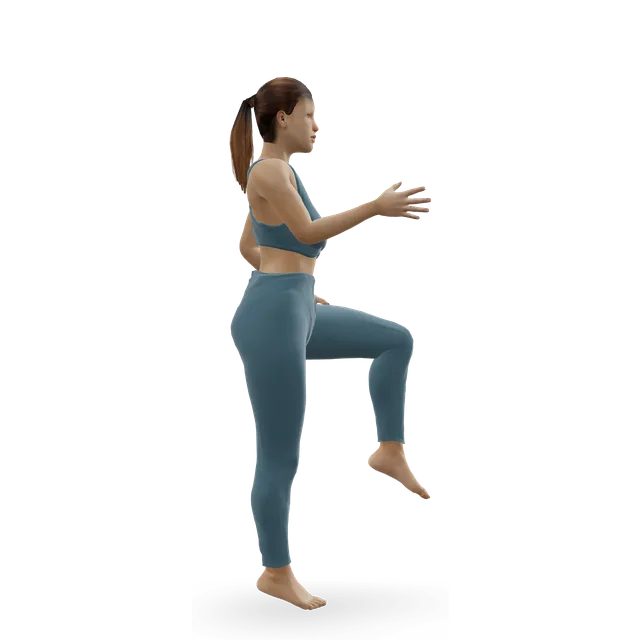
- Standing march2 minBeginner · Hip flexors, Abs, Glutes · 3D demoEasyHarder: Standing band hip flexion
- Wall calf stretch (gastrocnemius)2 × 30 s each sideBeginner · Calves · 3D demoGentle, after the sessionEasier: Seated calf stretch with a towelHarder: Toes-tucked kneeling (toe squat)


Tips
- Start at level 1, and add a round or shorten the rests only when the last set still feels controlled.
- Stop at once for chest pain, unusual breathlessness, palpitations or feeling faint, and call 999 for the NHS warning signs.
- On court, wear eyewear made to the squash standard if anyone else is hitting.
- Drink, and stop for the heat warning signs on hot days.
- Once or twice a week, away from hard matches; a review of interval training in racket sports suggests up to 3 sessions a week for 6 to 8 weeks.
The doses are suggested starting points, not a prescription. Choose a range you can control and stop for sharp or increasing pain, numbness or tingling. Get individual advice after an injury or surgery, or if you are pregnant or managing a health condition.
Guides that recommend it
Find more moves like these
More sports training


Injury prevention exercises for runners
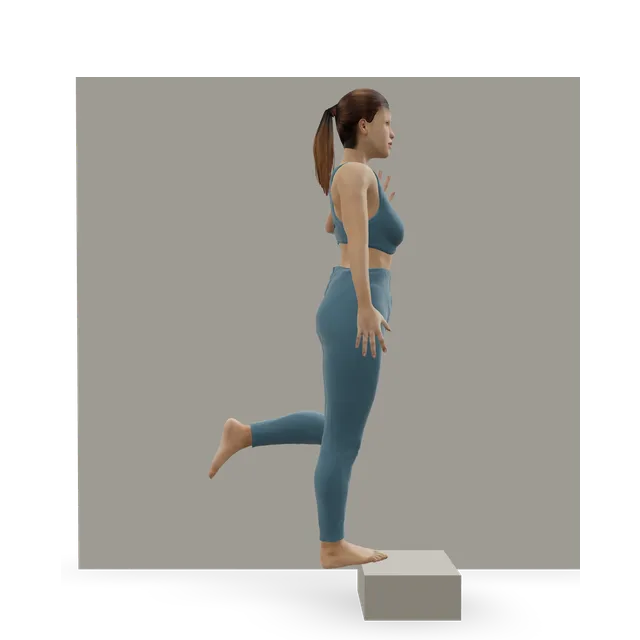
Foot, calf, balance and hop exercises taken from the running trials with positive results, in a 25-minute home routine for 3 or 4 days a week.
25 minBeginner11 movesOther / check instructions, A bench or box


Plyometrics for runners
A 20-minute hop and bound session for runners: ankle bounces to pogo hops, one-leg hops and bounding, building foot contacts slowly over 10 weeks.
20 minIntermediate8 movesCardio machine



Strength workout for cyclists (gym)
A 50-minute gym session for cyclists: heavy squats, one-leg presses, hip flexion and calf raises as in the cycling trials, plus jumps for bone.
50 minIntermediate13 movesCardio machine, A barbellQuestions people ask
How long does the squash ghosting workout take?
About 30 minutes, including any warm-up and cool-down listed. Shorten it by doing fewer rounds; lengthen it by adding one.
What equipment do I need?
You need: A wall, A dumbbell. Each move links to its guide, where you can find an alternative if you are missing something.
Is it suitable for me?
It is written at intermediate level. 6 of its 9 moves have an easier option listed beside them; use them freely.
How do I make it easier or harder?
Use the easier or harder option listed under each move, change the number of rounds, or adjust the rest. Progress one change at a time.