Training guide

How to do a push press: the dip and drive, barbell or dumbbells, and how heavy

A push press is an overhead press started by your legs: with the bar on the front of your shoulders, you dip straight down by bending your knees, drive up hard, and press the bar to locked arms as your legs straighten, feet on the floor. It lets you put more weight overhead than a strict press and trains power, and it's the step between the strict press and the jerks.

In 17 trained men its power matched a jump squat's, highest at about three-quarters of their best push press. Nobody has trained it against the strict press, and in young footballers it did little for their sprinting or jumping.

This guide covers the dip and drive step by step with a 3D demo, how it differs from the strict press, the push jerk and the thruster, dumbbells and kettlebells, how heavy and how many, your shoulders and lower back, and the warning signs.

The short version

Your legs start the press

With the bar on the front of your shoulders, dip straight down by bending your knees about a tenth of your height, drive up hard, and press the bar to locked arms as your legs straighten. Your feet stay on the floor: bending your knees a second time to catch the bar makes it a push jerk.

Sources 1, 2

Why do it

More weight goes overhead than in a strict press, and it trains power: in 17 trained men, its peak power matched a jump squat's, highest at about 75% of their best push press. The NSCA (National Strength and Conditioning Association) counts it among the overhead lifts for strength and speed.

Sources 3, 2

How much more than a strict press?

Nobody knows precisely: we found no study that measured both in the same people. Against the jerks, people lift about 87% of their split jerk in a push press and 95% in a push jerk; in 18 trained men, 89.7, 95.6 and 103.0 kg.

Sources 2, 4

Learn it in order

The strict press first, as our overhead press guide teaches and the NSCA's progression starts, then the dip on its own, then light push presses, then the push jerk and split jerk in our clean and jerk guide.

Source 2

How heavy and how many

Learn with 3 sets of 3, light (our jerk technique workout). For strength, sets of 3 to 5 reps. For power, 3 to 5 sets of 2 to 5 fast reps at roughly 65 to 80% of your best push press, resting fully (our editorial range, drawn from two lab studies and the NSCA's advice). Never to failure.

Sources 1, 3, 4

It won't make you a sprinter

In under-20 footballers, 6 weeks of push presses changed sprints and jumps trivially, less than jump squats did, and push press power tracked sprint and jump tests only moderately. Use it for overhead strength and power in its own right.

Sources 5, 6

What a push press is, and what it works

The lift

A short, straight dip of the knees, an immediate hard drive, then your arms finish pressing the bar to locked arms while your feet stay on the floor. It sits between the strict press, with no help from the legs, and the jerks, where you drive the bar up and then drop under it, in the NSCA's family of overhead lifts.

Sources 2, 1

What it works

Your shoulders (front and side) and triceps press the bar, your upper back turns your shoulder blades up as your arms go overhead, and your thighs, glutes and calves drive it, with your trunk braced throughout, as our move pages describe. We found no muscle activity study of the push press itself.

What you need first

A controlled strict press, as the move page says, and full overhead reach without arching your lower back: our overhead press guide's wall check, sliding your arms up a wall without your lower back lifting off it, tells you whether you have it.

How people differ

The dip scales with your height. Limited overhead reach turns the finish into a lean back, which loads your lower back, and stiff wrists or elbows make the barbell rack uncomfortable, so dumbbells or kettlebells may suit you better. The gap between the push press and the jerks was widest in skilled weightlifters (22%) and smaller in CrossFit athletes and other trained people (11 to 14%).

Sources 1, 2, 7

Is it an Olympic lift?

No. Weightlifting competitions have two lifts, the snatch and the clean and jerk. The press was dropped after 1972, amid judging disputes and lower back injuries from leaning back, and the push press is a training lift for the jerk.

Source 8

How to do a push press, step by step

The dip, the drive, the bar path, the hold and starting each rep still are Catalyst Athletics' push press; the rack, the grip and the head movement are our overhead press guide's, and the dip depth matches our clean and jerk guide. The NSCA describes the feet staying in complete contact with the ground; Catalyst says the heels rise at least slightly with a full drive.

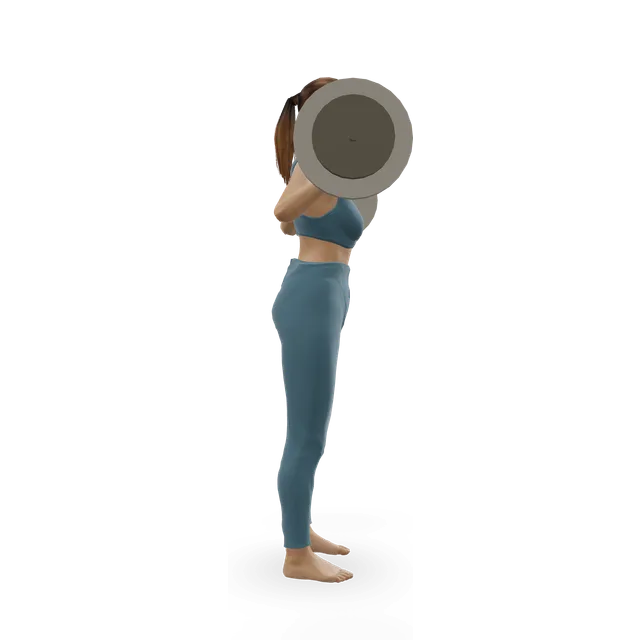
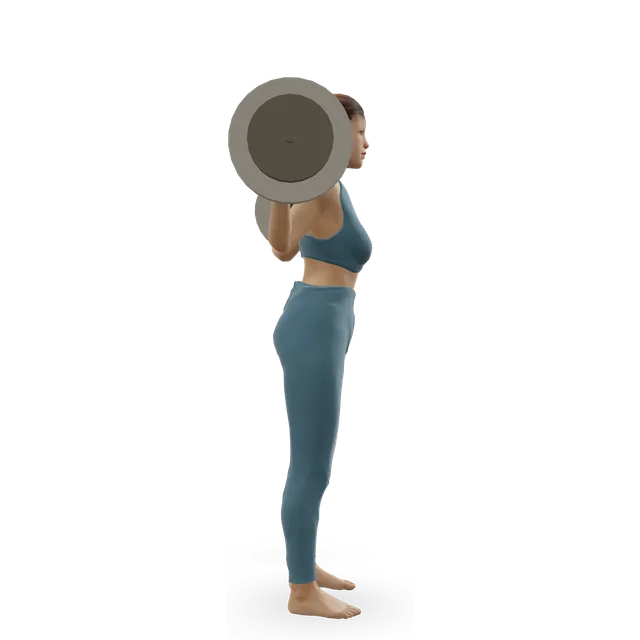
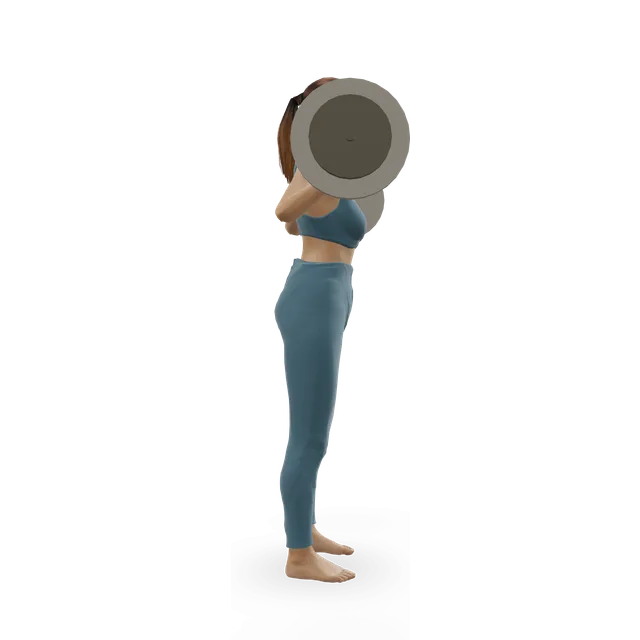
  1. Set the bar in a rack at about shoulder height with collars on. Grip just outside your shoulders with your thumbs round the bar, step under it so it rests on the front of your shoulders, between your throat and the top of your shoulders, elbows a little in front of the bar, and lift it out.
  2. Stand with your heels about hip-width apart, toes turned out a little, and your weight over your whole foot.
  3. Breathe in and brace, then dip: bend only your knees, straight down with your trunk upright, about a tenth of your height (about 17 cm if you're 1.70 m tall), at a controlled speed.
  4. With no pause at the bottom, drive straight up hard through your legs.
  5. As your legs straighten, push the bar up and slightly back, tipping your head back to let it pass your face, then bring your head through.
  6. Lock your arms out with your knees straight and your feet on the floor: no second knee bend and no jump. The bar finishes over your shoulders and the middle of your feet; hold it for a moment. Your heels may come up a little at the end of the drive.
  7. Breathe out, then lower the bar under control to your shoulders, softening your knees to cushion it.
  8. Reset your feet and your brace before the next rep, so each rep starts still rather than with a bounce.

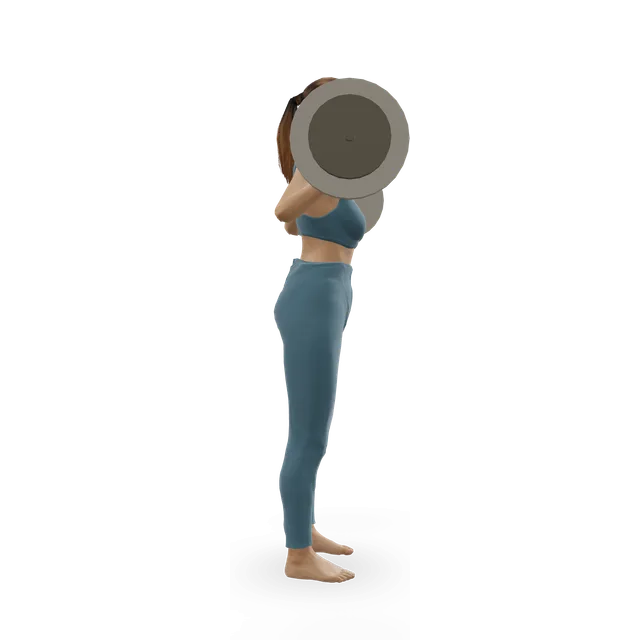
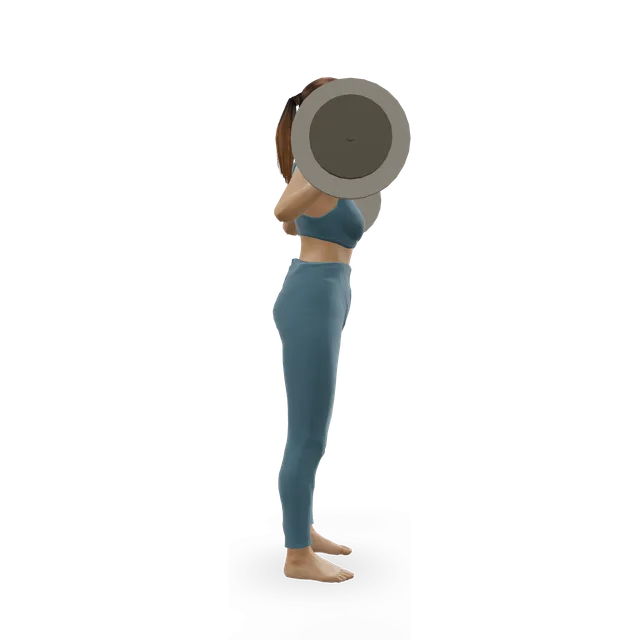
Loading the 3D figure…

Gets into position, then repeats the movement. Technical checks passed; qualified exercise review is pending.

The movement on the figure: Push press

The dip and drive

About a tenth of your height

Bend only your knees, keeping your trunk upright and your weight over your whole foot, to about a tenth of your height, then brake and drive at once. The move page's cue is to dip straight down, not forward.

Source 1

The classic faults

The NSCA lists a trunk that isn't upright in the dip, dipping too fast, tipping forward in the dip and not bracing, and uneven straightening of the arms at the top (a "press out"), among the faults coaches look for in the jerk, which uses the same dip.

Source 2

The same dip as the jerk

In 18 trained men, the dip's depth and duration didn't differ between the push press, push jerk and split jerk, and at the same load the legs' drive was the same in all three. The dip you learn here is the jerk's dip.

Sources 4, 9

Your feet and heels

Your feet stay on the floor. Some coaches let the heels come up a little at the end of a hard drive, while the NSCA describes the feet staying in complete contact with the ground; either is a push press if you don't jump or bend your knees again (our reading).

Sources 2, 1

Practise the dip on its own

The jerk dip squat on our figure is the dip and drive without the press: 3 sets of 3 with the empty bar, straight down and up, heels down, as our jerk technique workout does.

Push press, strict press, push jerk or thruster?

Against the strict press

Learn the strict press first; then use both. The strict press builds pressing strength through the whole range, and the push press moves heavier weights fast and trains power, as our overhead press guide says. A sneaky knee dip in a set you meant to be strict turns it into a push press.

How much more you'll lift

More, but there's no evidence-based ratio: we found no study that measured strict press and push press maximums in the same people. Ignore online ratios and compare your own push press with your own past push presses.

Against the push jerk and split jerkEmerging evidence

People lift less in a push press than in a push jerk or split jerk, because they don't drop under the bar: about 87% and 95% of the split jerk, the gaps widest in skilled weightlifters. In 46 trained men the order was the same, measured reliably in one session; in 15 men and 15 women with about 2 years' weightlifting, push press maximums were about 1.0 and 0.8 times body weight. Our clean and jerk guide teaches the jerks.

Sources 2, 7, 10, 4

The same leg drive at the same loadEmerging evidence

At 80% of their best push press, the push press, push jerk and split jerk produced the same leg drive in 16 trained adults.

Source 9

Against the thruster

A push press starts standing: a short dip of the knees drives the press. A thruster starts from a full squat, so it's harder work and usually lighter, as our thrusters guide says.

Source 3

What the evidence says

Power like a jump squatEmerging evidence

In 17 trained men lifting singles from 10 to 90% of their best push press, peak power was highest at about 75% and mean power at about 65%; peak power matched a jump squat's, and mean power was about 9.5% higher. In 18 trained men, power rose from 60% to 75% and 90% of the best lift, with no difference between 75 and 90%.

Sources 3, 4

Loads for strength and speed

The NSCA suggests the push press, push jerk and split jerk at 70% of the best lift or more to build strength and speed, and reports power of 2,500 to 6,760 watts across these lifts, more than in a back squat.

Source 2

Power training in generalStrong evidence

Across 137 reviews, power improved most with moderate loads (30 to 70% of the best single lift), no more than about 24 reps of a lift a session, Olympic-style lifting and a fast lifting phase, in the ACSM's (American College of Sports Medicine) overview.

Source 11

No long-term training trialsEmerging evidence

A review of 13 studies of the push press and jerks found likely benefits for power and strength but no long-term training data. We found no trial comparing push press training with strict press training.

Source 8

Sprinting and jumpingMixed evidence

In 27 under-20 footballers, 17 of whom finished, 6 weeks of push presses at their best power load changed jumps and sprints trivially, less than jump squats did; there was no control group. In 27 footballers, push press power correlated only moderately with sprint and jump tests (r = 0.40 to 0.48), jump squat power strongly.

Sources 5, 6

InjuriesEmerging evidence

In a survey of 308 CrossFit members in Germany, the (push) press was behind 4 of 146 injury-causing movements (2.7%) and the jerk 5 (3.4%); shoulder injuries came mostly with handstands, overhead pressing and bar work. People reported their own injuries afterwards, so this can't give an injury rate.

Source 12

Learn it in steps: from the strict press to the jerks

The strict press with the empty bar, 4 sets of 5 (our overhead press technique workout); the jerk dip squat, 3 sets of 3 with the empty bar (our jerk technique workout); the push press, 3 sets of 3, light (our jerk technique workout), then 4 sets of 3 (our weightlifting strength workout); then the power jerk, 3 sets of 2, light, and the split jerk, 4 sets of 2, light (our jerk technique workout).

Dumbbells, kettlebells, one arm and behind the neck

Dumbbells

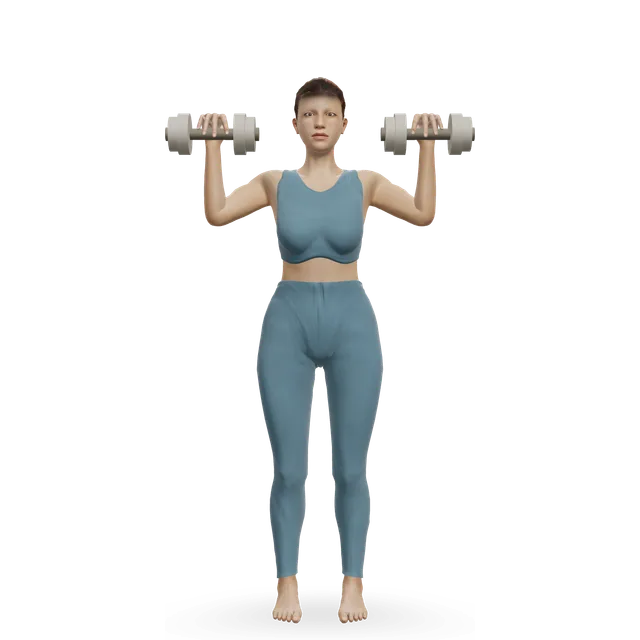
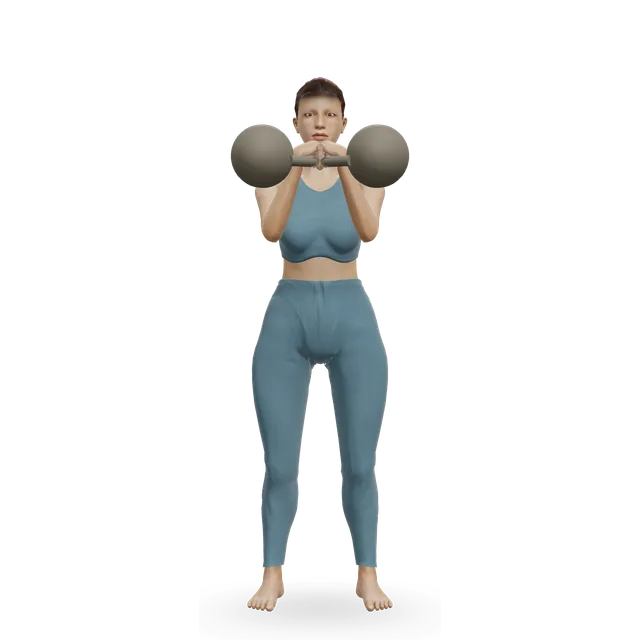
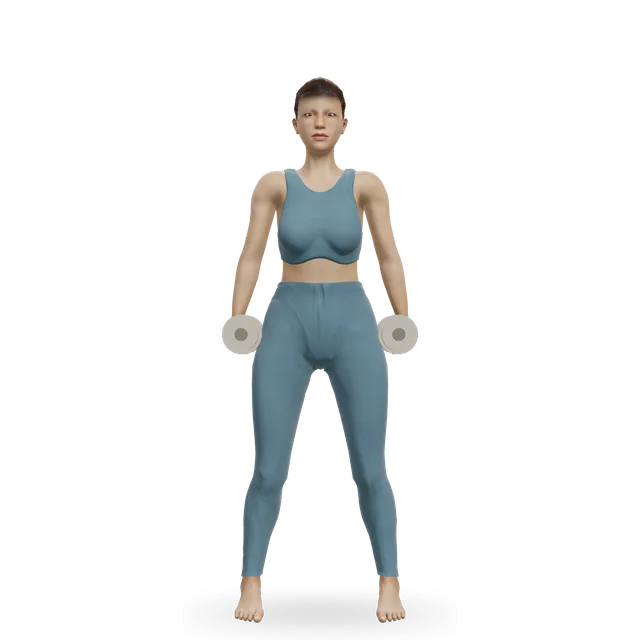
Hold two dumbbells at your shoulders, palms facing each other or turned slightly in, elbows in front, and use the same dip and drive, pressing up beside your ears. Our figure has no dumbbell push press; the barbell and kettlebell demos show the movement.

One arm

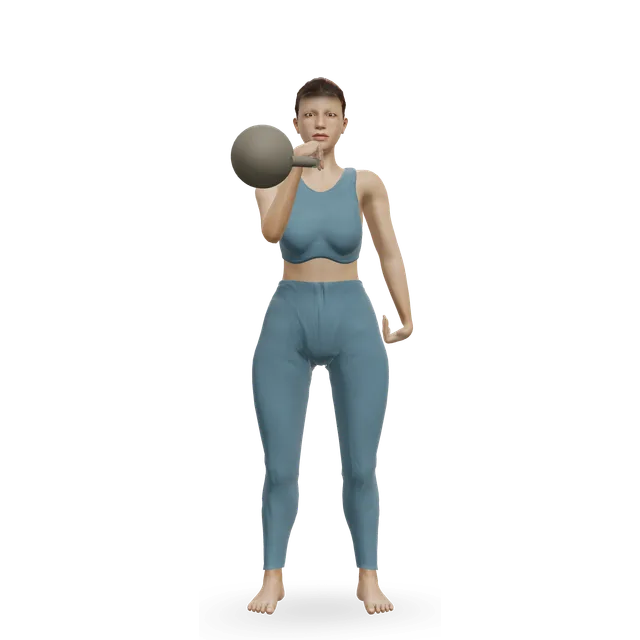
One dumbbell or kettlebell at one shoulder: your trunk works to stop you leaning towards it, so use a lighter weight and do both sides (our suggestion).

Kettlebells

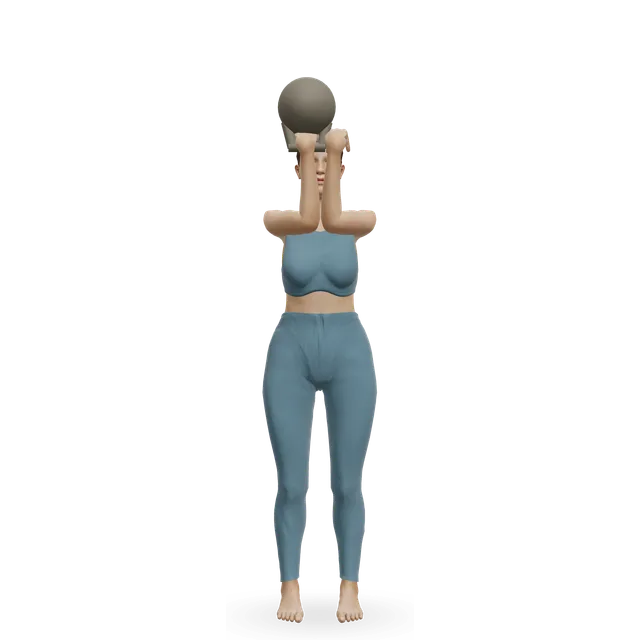
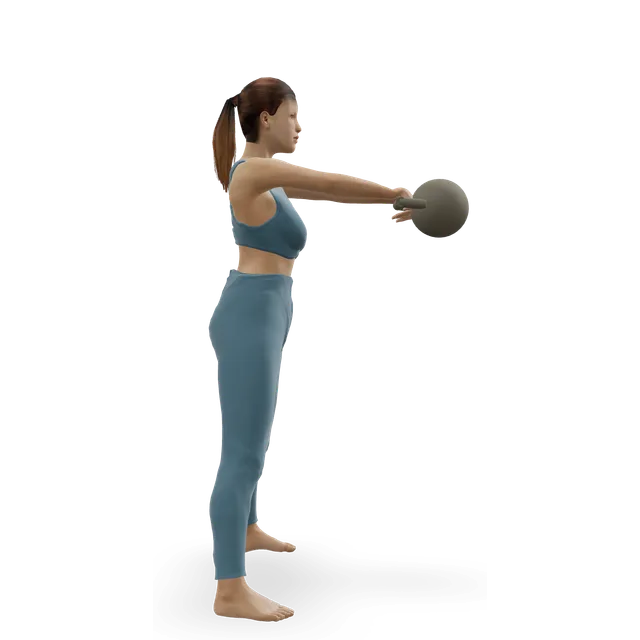
The bells rest in the rack on the outside of your forearms; our kettlebell press guide teaches the kettlebell push press, one bell or two.

Behind the neck

From the back of your shoulders, only with pain-free shoulders and full range, and never after a dislocation, as its move page says. A review advises against it with limited shoulder range or a shoulder injury, and weight trainers who used the behind-the-neck "high-five" position showed more signs of shoulder instability.

Sources 8, 13

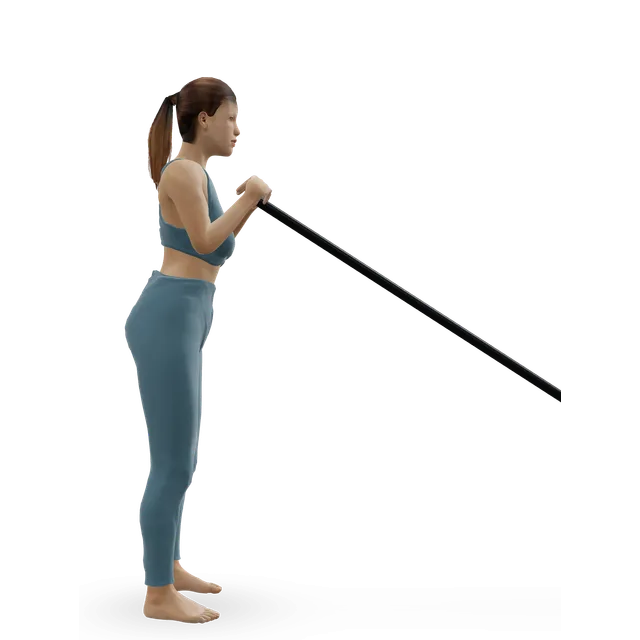
The landmine jammer

The same dip and drive with a landmine, the bar travelling up and forward in an arc; our landmine press guide teaches it.

The pause dip

Hold the bottom of the dip for a second, then drive. Catalyst lists it among the push press's variations; it helps you learn a straight dip (our view).

Source 1

Push press versions on the figure

The double kettlebell push press, 2 sets of 5 (our thruster workout); the one-arm kettlebell push press, 3 sets of 6 each side (our kettlebell workout); the behind-the-neck push press, 3 to 5 sets of 2 to 5, resting fully (its move page's dose, with its caution); and the landmine jammer, 3 to 5 sets of 2 to 5 (its move page's dose).

Breathing

One breath per rep

Breathe in and brace before the dip, breathe out as the bar passes your forehead or at the top, and take a fresh breath before each rep, as our overhead press guide suggests.

When not to hold your breath

With high blood pressure, heart disease, glaucoma or diabetic eye disease, a hernia or recent surgery, or in pregnancy, keep the weight moderate and breathe out through each press, as our breathing guide says. Heavy lifts to failure with a held breath sent blood pressure to an average of 320/250 mmHg in 5 bodybuilders, and overhead presses were among the lifts.

Sources 14, 15

Common mistakes and how to fix them

Dipping forward onto your toes

The bar goes out in front and the strain goes into your lower back, as the move page warns. Dip straight down with your weight over your whole foot.

Dipping too fast or too deep

A controlled dip of about a tenth of your height is enough; dipping too fast is one of the NSCA's listed faults.

Sources 2, 1

Pausing at the bottom of the dip

Reverse at once, unless you're practising the pause dip on purpose.

Pressing before your legs finish

Let the drive start the bar; your arms finish it.

Bending your knees again to catch the bar

That's a push jerk. For a push press, your knees stay straight once the drive is done.

Source 1

Leaning back to finish

The weight is too heavy or your overhead reach is limited, as our overhead press guide explains. Lighten it.

Soft or uneven elbows at the top

Lock both arms and hold the bar still for a moment before you lower it.

Bouncing reps together

Start each rep still from the front of your shoulders.

How heavy

For power: an editorial range

About 65 to 80% of your best push press, moved fast. This is our editorial range, drawn from two lab studies, one where power peaked at about 65 to 75% of the best push press in 17 trained men and one where 75% and 90% gave more power than 60% in 18 trained men, and from the NSCA's advice to use 70% or more.

Sources 3, 4, 2

For strength and muscle

Heavier sets of 3 to 5 reps for strength and 4 to 6 for some muscle growth, as Catalyst programmes it, stopping 2 or 3 reps short.

Source 1

No standards

The research figures describe trained lifters, not targets: push press maximums of about 1.0 times body weight in men and 0.8 in women with about 2 years' weightlifting, and 89.7 kg on average in 18 trained men. Our one-rep max calculator estimates your best from a set of reps; for a fast lift, sets of 2 to 5 at a known weight tell you as much.

Sources 10, 4

Small steps

Add the smallest plates you have: our overhead press guide adds 1 to 1.25 kg, and our beginner programme allows 1 to 2.5 kg.

Sets, reps and how often

Learning

3 sets of 3, light, after the jerk dip squat (our jerk technique workout).

For strength

4 sets of 3 (our weightlifting strength workout), or 3 to 5 sets of 3 to 5 reps (the reps from Catalyst; the number of sets our editorial starting point), stopping 2 or 3 reps short and resting 2 to 3 minutes, as our plans give for heavy compound sets.

Source 1

For power

3 to 5 sets of 2 to 5 fast reps, resting fully, at the start of the session (our editorial starting point, the same as the behind-the-neck push press and jammer move pages' doses). Power improved most with moderate loads and few reps in the ACSM's overview.

Source 11

Never to failure

End the set when the bar slows or drifts forward, as our kettlebell plan says of power moves. Going to failure adds little muscle anyway, and people underestimate the reps they have left by about 1.

Sources 16, 17

How often

Once or twice a week, alongside your strict presses (our suggestion).

Moves that go with it

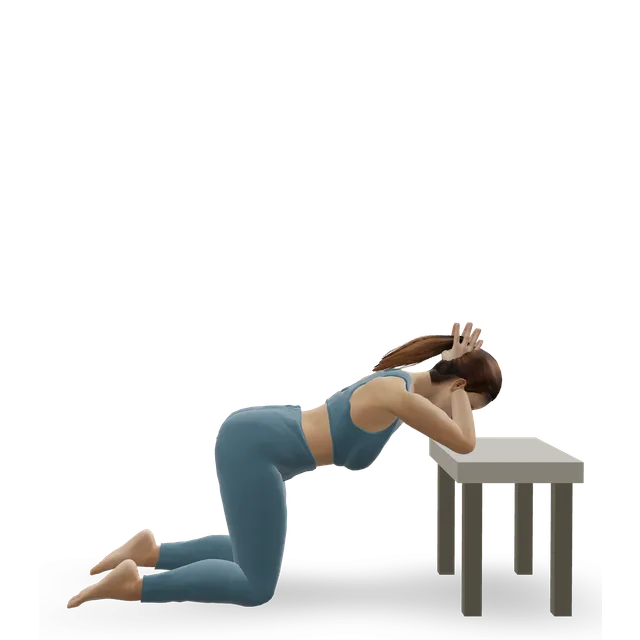
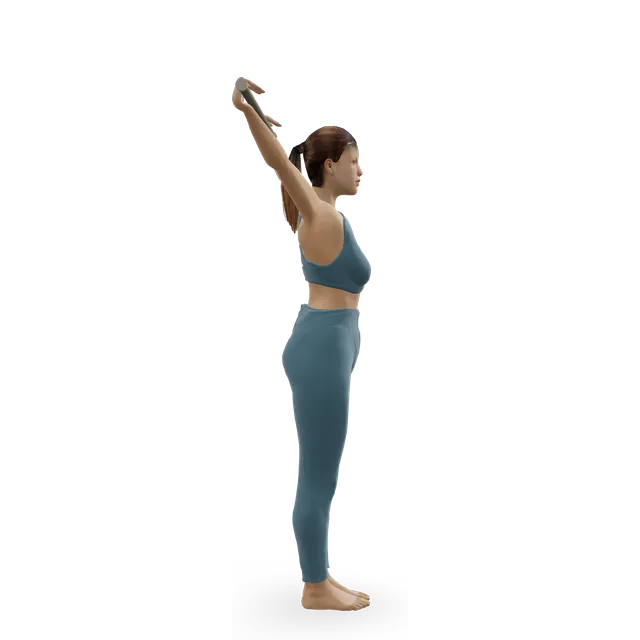
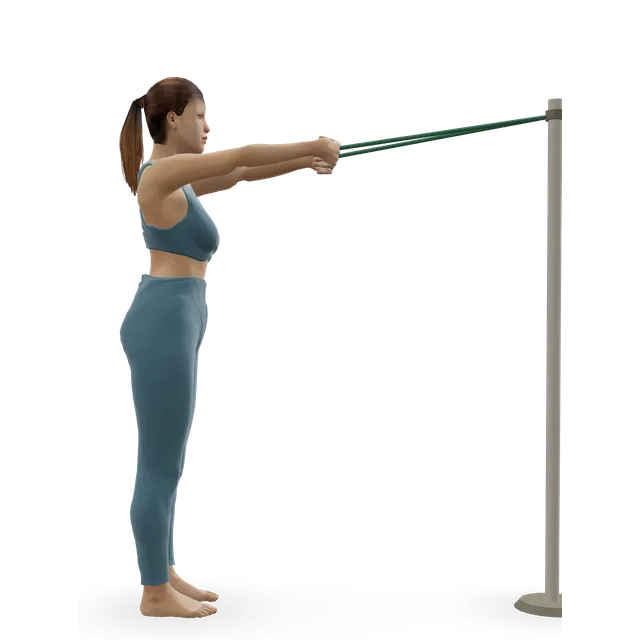
To warm up: shoulder circles, 3 slow circles each way with each arm, and thoracic rotations, 6 each side (their move pages' doses); the wrist and forearm flow, 60 seconds (our weightlifting strength workout); the lat stretch at a bench, 2 holds of 30 seconds, and the overhead stick stretch, 2 holds of 15 to 30 seconds (our jerk technique workout); and wall angels, 8 slow slides (our shoulder mobility routine). For your trunk, dead bugs, 2 sets of 5 to 8 each side; for your shoulders, face pulls, 2 sets of 15 (both our overhead press technique workout), band external rotations, 2 sets of 12 to 15 each arm (our strength workout for boxers), and lateral raises, 3 sets of 12 to 15 (our shoulder workout).

Workouts to follow

The jerk technique workout runs the dip squat, light push presses and then the power and split jerks; the weightlifting workouts use the push press for technique and strength, and the throwers' workout for power. The overhead press technique workout comes first, and the kettlebell workout uses the one-arm kettlebell push press.

Learn the jerk: dip, drive and split, then the clean and jerk

A 45-minute technique session for the jerk: the dip and drive, the power jerk, footwork into the split, light split jerks and, when ready, the clean and jerk.

45 minIntermediate13 movesCardio machine, Other / check instructions

Weightlifting strength workout: front squats, clean pulls and push presses

A 65-minute strength session for weightlifters: front squats, clean pulls at or above your best clean, push presses, Romanian deadlifts and trunk work.

65 minIntermediate11 movesCardio machine, A wall

Weightlifting technique workout: the snatch and the clean and jerk from the top down

A 60-minute coached technique session: wrists, ankles and overhead squats, then the snatch and the clean and jerk built from the top down with light weights.

60 minBeginner15 movesCardio machine, A wall

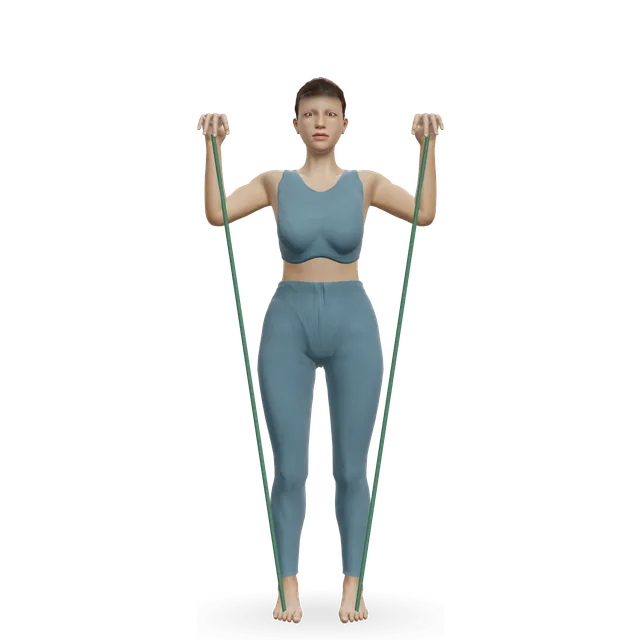
Overhead press technique workout

A 30-minute practice session for the overhead press: check your overhead reach, groove it with a band and seated dumbbells, then press the empty bar.

30 minBeginner9 movesA band, A wall

Kettlebell workout

A 30-minute full-body kettlebell workout: deadlifts, swings, cleans, presses, rows, halos and carries.

30 minIntermediate9 movesA kettlebell, A dumbbell

Strength and power workout for throwers: lifts paired with medicine-ball throws, rotation and shoulder care

A 50-minute session for throwers: hang power cleans, front squats and push presses paired with medicine-ball throws, then landmine rotations and shoulder care.

50 minIntermediate15 movesA barbell, Medicine ball

Plans that use it

The kettlebell plan uses our kettlebell workout, with the one-arm kettlebell push press.

Who should change it

Limited overhead reach

Stay with the strict press, one arm at a time or at an incline, or the landmine press, until the wall check is easy, as our overhead press guide advises.

Shoulder pain or a past dislocation

Press from the front only, never behind the neck, and follow the shoulder guide that fits; the landmine press is the gentler step they use.

Sore wrists

Leave the push press out while a wrist is sore, as our wrist pain when lifting guide says, or try dumbbells held palms in.

High blood pressure, heart disease, eye conditions or a hernia

Keep the weight moderate and breathe out through each press, as our breathing guide says. People with controlled blood pressure can do moderate strength training with proper breathing, the American Heart Association says.

Source 15

Pregnancy

The NHS says strength training is fine if you already do it, and not to start new vigorous activity in pregnancy. If the push press is already in your training, keep it lighter and stop if you feel uncomfortable, too hot or unwell.

Source 18

Warning signs

Stop and get medical help

If you get chest pain or pressure, feel faint or dizzy, are unusually breathless, or your heart races or beats irregularly during exercise, as our plans advise. The American Heart Association says these need immediate medical evaluation.

Source 15

Call 999 (911 in the US)

For chest pain that comes on suddenly and doesn't go away, feels tight or like squeezing, or spreads to your arms, neck, jaw, stomach or back; a sudden, extremely painful headache, for example during a heavy press (the NHS says a bleed on the brain may be more likely when lifting something heavy); someone who faints while exercising; palpitations that don't go away, or come with chest pain, breathlessness or feeling faint; or signs of a stroke, even if they've stopped. Don't drive yourself to A&E.

Sources 19, 20, 21, 22, 23, 24, 25

Check before you start

If you haven't exercised for some time or have a medical condition, speak to your GP first, as the NHS advises. Get advice before heavy lifting if your blood pressure is uncontrolled, or you have heart disease or chest pain when you're active, a pacemaker or defibrillator, diabetic eye disease, glaucoma, a hernia, recent eye or tummy surgery, or you're pregnant, as our breathing guide lists.

Source 26

A shoulder out of place

Call 999 or go to A&E if, after a fall or injury, or after your shoulder slipped during a press, your shoulder looks out of place or has changed shape, or you can't move your arm. Don't drive yourself, and don't try to put it back in.

Source 27

A sudden shoulder problem, or a pop

Ask for an urgent GP appointment or get help from NHS 111 for sudden or very bad shoulder pain, an arm you can't move, a badly swollen or misshapen shoulder, pins and needles that don't go away, or pain after an injury. A sudden pop or snap with pain at the shoulder or upper arm needs a GP or NHS 111 the same day; a pop or tearing at the front of the armpit or chest, then bruising or a change of shape, needs NHS 111 or an urgent treatment centre the same day.

Sources 28, 29

Shoulder pain that doesn't settle

See a GP or physiotherapist if pain is getting worse or hasn't improved after 2 weeks of looking after it yourself, or it's very hard to move your arm, or if your shoulder has partly or fully come out of joint, or you worry it might.

Source 28

Your back

Call 999 or go to A&E for loss of feeling or numbness around your genitals or bottom, new trouble peeing or controlling your bladder or bowels, changes in genital sensation during sex or problems with erections or orgasm, or pain, tingling, weakness or numbness in both legs: signs of cauda equina syndrome. Don't drive yourself.

Source 30

Your wrists

Contact NHS 111 if you have severe wrist pain, feel faint or sick from the pain, heard a snap, grinding or popping noise, can't move your wrist or hold things, or it has changed shape or colour. See a GP if the pain hasn't improved after 2 weeks of treating it at home, is getting worse or keeps coming back, or you have tingling or loss of feeling.

Source 31

If a bar or plate lands on you

Call 999 or go to A&E if you heard a crack, or the injured part has changed shape, points at an odd angle, is numb or tingling, or has turned blue or grey or cold. If a rep stalls in front of your head, push the bar forward and step back rather than fight it, as the move page says.

Source 32

A new lump or bulge

See a GP if you think you have a hernia, and get help from NHS 111 if a hernia becomes painful or you feel sick. Call 999 or go to A&E for a femoral hernia (a lump at the top of the thigh) with very bad tummy pain, sickness, being unable to fart or poo, a high temperature or sudden confusion.

Sources 33, 34
Myths

"The push press is cheating"Emerging evidence

It's a different exercise, not a failed strict press: the NSCA lists it among the overhead lifts for strength and speed, and its power matched a jump squat's. It's only cheating when a knee dip sneaks into sets you meant to be strict.

Sources 2, 3, 11

"You can't build shoulders without strict overhead pressing"Emerging evidence

Bench pressing grew the front of the shoulder over 10 weeks, lateral raises grew the side of the shoulder in trained adults, and the shoulder press works both. Strict pressing is a good tool, not the only one.

Sources 35, 36, 37

"The push press builds more power than the strict press"

It lets you move heavier loads fast, with power like a jump squat's, but nobody has measured strict press power alongside it or trained the two against each other.

Sources 3, 8

"Push presses will make you faster and jump higher"Mixed evidence

In young footballers, push press training changed sprints and jumps trivially, less than jump squats did.

Sources 5, 6

"Dip as deep as you can for more drive"

Coaches use a short dip of about a tenth of your height, controlled and straight down; dipping too fast or tipping forward are the classic faults.

Sources 1, 2

"The push press is an Olympic lift"

Weightlifting competitions have two lifts, the snatch and the clean and jerk; the press was dropped after 1972. The push press is a training lift for the jerk.

Source 8

Questions people ask

What is a push press?

An overhead press started by your legs: a short dip of your knees, a hard drive, then your arms finish pressing the bar to locked arms while your feet stay on the floor. It lets you put more weight overhead than a strict press.

Push press or strict press: which should I do?

Learn the strict press first, then use both. The strict press builds pressing strength through the whole range, and the push press moves heavier weights fast and trains power.

How much more can you push press than strict press?

More, but there's no reliable ratio: we found no study that measured both in the same people. Against the jerks, people lift about 87% of their split jerk in a push press and 95% in a push jerk.

What's the difference between a push press and a push jerk?

In a push press your legs drive and your arms finish the press with your knees straight. In a push jerk you drive, then bend your knees again to catch the bar on locked arms in a quarter squat, so you can lift a little more.

What's the difference between a push press and a thruster?

A push press starts standing: a short dip of the knees drives the press. A thruster starts from a full squat, so it's harder work and usually lighter.

What muscles does the push press work?

Your shoulders and triceps press the bar, your upper back turns your shoulder blades up overhead, and your thighs, glutes and calves drive it, with your trunk braced throughout. No study has measured muscle activity in the push press itself.

Is the push press cheating?

No: it's a different exercise with its own job. Coaching bodies count it among the overhead lifts for strength and speed, and its power matched a jump squat's in a study. Just don't let a dip sneak into sets you meant to be strict.

How deep should the push press dip be, and should my heels come up?

About a tenth of your height, straight down, knees only, then straight back up with no pause. Your feet stay on the floor; some coaches let the heels rise a little at the end of a hard drive, while others describe the feet staying in full contact with the ground.

How heavy should a push press be, and how many sets and reps?

Learn with 3 sets of 3, light. For strength, sets of 3 to 5 reps; for power, 3 to 5 sets of 2 to 5 fast reps at roughly 65 to 80% of your best push press, resting fully. Never go to failure.

Can I push press with dumbbells or kettlebells?

Yes: hold them at your shoulders, palms facing, and use the same dip and drive; one arm at a time makes your trunk work harder. Our kettlebell press guide teaches the kettlebell versions.

Is the push press good for athletes?

It trains overhead strength and power, but it hasn't been shown to make you sprint faster or jump higher: in young footballers it did less for both than jump squats.

Is the push press bad for your shoulders or lower back?

Not when it's built up sensibly: in a survey of 308 CrossFit members it was behind 4 of 146 injury-causing movements. Press from the front unless your shoulders are pain-free with full range, dip straight down, and finish without leaning back.

Sources

  1. Catalyst Athletics · Push press (weightlifting exercise library)
  2. Comfort 2023 · NSCA position statement on weightlifting for sports performance (position statement, J Strength Cond Res)
  3. Lake 2014 · Power and impulse in the push press, against the jump squat, in 17 trained men (lab study, J Strength Cond Res)
  4. Soriano 2024 · Kinetics and kinematics of the push press, push jerk and split jerk at three loads in 18 men (lab study, J Strength Cond Res)
  5. Loturco 2016 · Jump squat against push press training for 6 weeks in under-20 footballers (training study, PLoS One)
  6. Loturco 2017 · Jump squat and push press power against sprint and jump tests in 27 footballers (cross-sectional study, Int J Sports Med)
  7. Soriano 2020 · Push press, push jerk and split jerk maximums in 46 trained men (reliability study, Int J Sports Physiol Perform)
  8. Soriano 2019 · Weightlifting overhead pressing derivatives: 13 studies (review, Sports Med)
  9. Soriano 2024 · No differences in leg drive between the push press, push jerk and split jerk at the same load in 16 adults (lab study, Sports Biomech)
  10. Soriano 2022 · Push press, push jerk and split jerk maximums in 15 men and 15 women (cross-sectional study, J Strength Cond Res)
  11. Currier 2026 · Resistance training for muscle function, size and performance in healthy adults: 137 reviews (ACSM position stand, MSSE)
  12. Lenz 2024 · Training injuries in 308 CrossFit members in Germany (retrospective survey, Open Access J Sports Med)
  13. Kolber 2013 · Shoulder instability signs and exercise choice in 159 men, 123 of them weight trainers (cross-sectional study, JSCR)
  14. MacDougall 1985 · Blood pressure during heavy lifting to failure in 5 bodybuilders (lab study, J Appl Physiol)
  15. Paluch 2024 · Resistance exercise training with and without cardiovascular disease: 2023 update (American Heart Association scientific statement, Circulation)
  16. Refalo 2023 · Training to failure against stopping short, for muscle growth: 15 studies (meta-analysis, Sports Med)
  17. Halperin 2022 · How accurately people predict the reps they have left: 12 studies, 414 people (meta-analysis, Sports Med)
  18. NHS · Exercise in pregnancy
  19. NHS · Chest pain (past its review date: reviewed August 2023, review due August 2026)
  20. NHS · Heart attack
  21. NHS · Headaches
  22. NHS · Subarachnoid haemorrhage
  23. NHS · Fainting
  24. NHS · Heart palpitations
  25. NHS · Symptoms of a stroke
  26. NHS · Physical activity guidelines for adults aged 19 to 64
  27. NHS · Dislocated shoulder
  28. NHS · Shoulder pain (past its review date: reviewed May 2023, review due May 2026)
  29. NHS · Tendonitis (past its review date: reviewed June 2023, review due June 2026)
  30. NHS · Back pain
  31. NHS · Wrist pain
  32. NHS · Sprains and strains
  33. NHS · Hernia
  34. NHS · Femoral hernia
  35. Lanza 2024 · Muscle growth from 10 weeks of bench pressing in 24 men, including the front of the shoulder (randomised trial, J Bodyw Mov Ther)
  36. Larsen 2025 · Dumbbell against cable lateral raises for 8 weeks in 24 trained adults (within-person trial, Front Physiol)
  37. Campos 2020 · Front, side and rear shoulder activity in four exercises in 13 trained men (EMG study, J Hum Kinet)

Exercise education, not a personal prescription, and clinical review of these guides is pending. Check with a GP before starting hard training if you have a heart condition, chest pain, dizziness or breathlessness when active, and stop for sharp or increasing pain. Health disclaimer.