Training guide

How to get wider shoulders: build the side of the shoulder, and know your frame

Broader shoulders come from two things: your frame, the collarbones and shoulder blades you're born with, and the deltoid muscle that sits on top of them. Training can't change the bones, which finish growing in your 20s. It can build the side of the deltoid, which adds to how wide your shoulders look: in a trial in trained adults, lateral raises grew it by about 3 to 5% in 8 weeks.

Build towards about 10 hard sets a week for the side of your shoulders, from lateral raises plus presses, add reps and then weight, and give it months. Genes, sex and age change how fast anyone builds muscle, so this guide gives honest ranges rather than promises.

It covers the shoulder muscles and your frame, the exercises the evidence favours, how many sets and how often, training at home with dumbbells or a band, how long it takes, and the warning signs that mean stop.

The short version

Your frame sets part of it

Your collarbones and shoulder blades set part of how wide your shoulders look. They finish growing in your 20s, and shoulder breadth is strongly inherited. Training can't change the bones; it builds the muscle on top of them.

Sources 1, 2

The side of the shoulder adds width

The side (middle) part of your deltoid lifts your arm out to the side and sits on the outside of the shoulder. In 24 trained adults, lateral raises grew it by about 3 to 5% in 8 weeks, and cables and dumbbells worked equally well.

Sources 3, 4

A press plus lateral raises

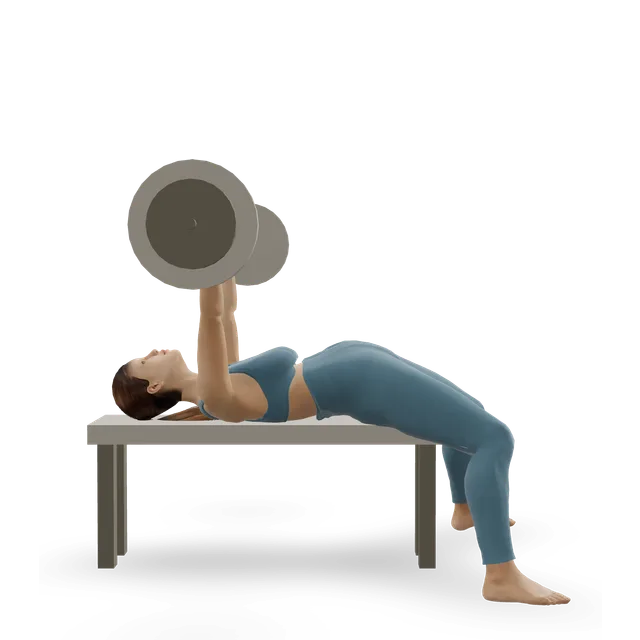
In one study of 13 trained men, the shoulder press worked the side of the shoulder almost as hard as a lateral raise, and the bench press hardly at all. Muscle activity isn't the same as growth, so do both: a press and lateral raises.

Sources 5, 6

Enough hard sets

Build towards about 10 hard sets a week for the side of your shoulders over 2 sessions, counting each set of overhead presses as half a set, as our lateral raise guide works out. Beyond about 10 sets, each extra set adds less.

Sources 7, 8

Light weights work if the sets are hard

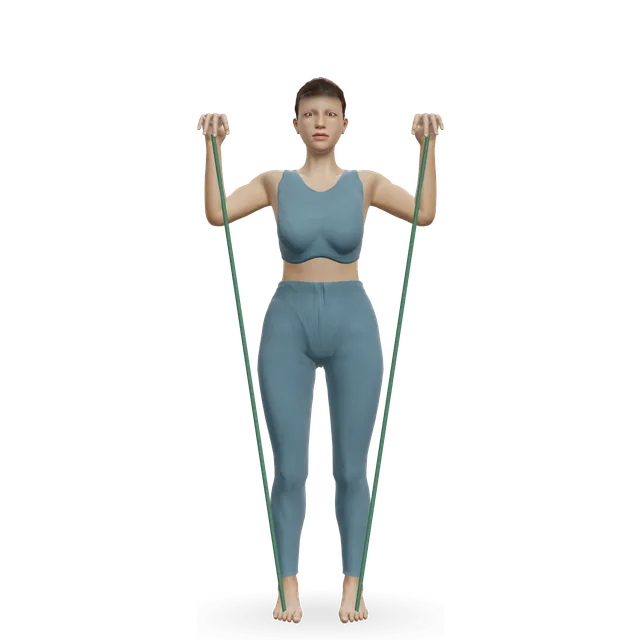
Light dumbbells or a band build muscle when you take the set close to failure, so you can train your shoulders at home. Going all the way to failure isn't needed.

Sources 9, 10

Months, and people vary

After the same 12 weeks of arm training, muscle size changed by anything from 2% smaller to 59% bigger in 585 adults. Women and men gain a similar share of muscle; men add slightly more in absolute terms in the upper body.

Sources 11, 12

Your shoulder muscles and your frame

Three parts of one muscle

The deltoid caps your shoulder in three parts. The front lifts your arm forwards and helps every press, the side lifts it out to the side, and the back draws it backwards, as in a reverse fly or a row. It moves your arm and steadies the joint. In a study of 5 cadavers, the side part had short fibres packed at angles (a design called multipennate), which suits force over a short range.

Sources 3, 13

The biggest muscle of the shoulder and arm

In MRI (magnetic resonance imaging) scans of 10 adults, the deltoid made up about 15% of all the muscle in the shoulder and arm, more than any other single muscle, and the muscles crossing the shoulder made up just over half.

Source 14

Your frame

The bony width across the top of your shoulders comes from your collarbones and the tips of your shoulder blades. In CT scans of 380 people under 30, the growth plate at the inner end of the collarbone first closed at 22 and had closed in everyone by 27. In 116 pairs of twins aged 6 to 12, genes accounted for about 78% of the differences in shoulder breadth between boys and 56% between girls.

Sources 1, 2

Frame plus muscle

What you see is that frame with the side of the deltoid on top of it. We found no study of whether training changes how broad adult shoulders look, but the side deltoid grows with training, and it adds to how wide your shoulders look.

Source 4

The neighbours

The trapezius runs from your neck to your shoulder blade, the four small muscles of the rotator cuff keep the ball of the joint centred, and your triceps and chest help in every press. Our muscle guides cover each one.

Where people differ

Women and men gain a similar share of muscle from the same training, and men add slightly more in absolute terms in the upper body. Gains slow as you become more trained and come a little more slowly with age, and people vary hugely, partly through their genes.

Sources 12, 15, 11, 16

What the evidence says

Lateral raises grow the side of the shoulderEmerging evidence

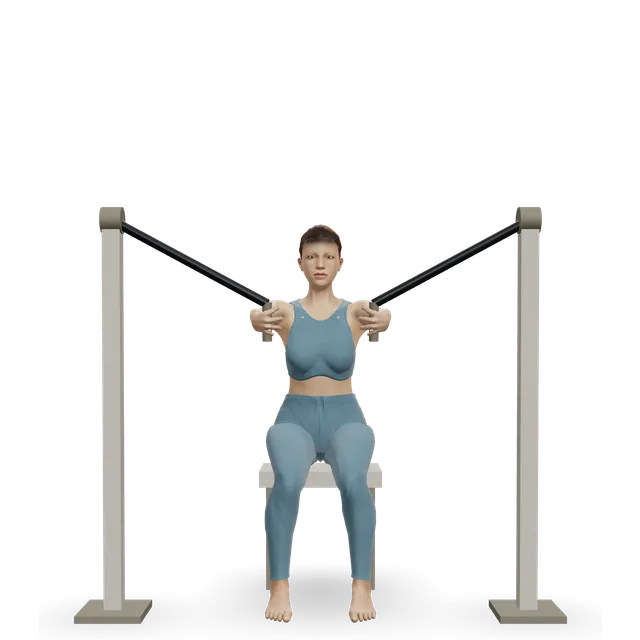
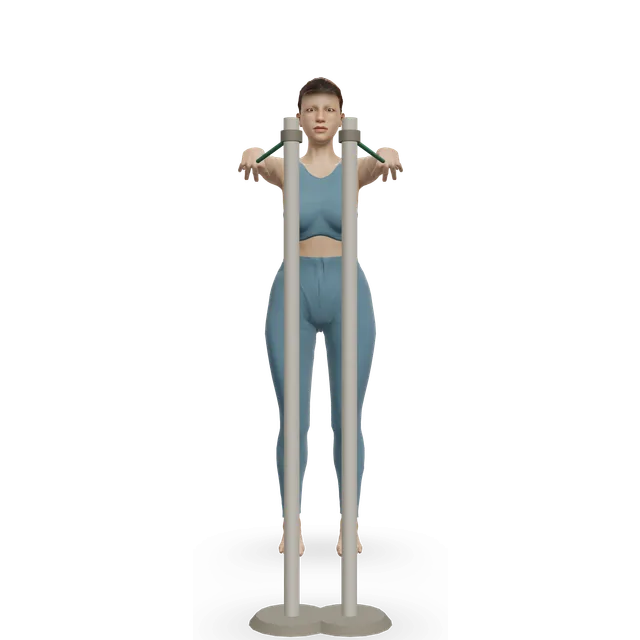
24 trained men and women did lateral raises with a cable on one arm and a dumbbell on the other: 5 sets to failure, twice a week for 8 weeks. The side deltoid thickened by 3.3 to 4.6% at the points measured, and the analysis favoured no difference between cables and dumbbells. It's one trial, and the only growth trial of the side deltoid we found.

Source 4

Presses work the side of the shoulder tooEmerging evidence

In 13 trained men lifting 60% of their maximum for 12 reps, the side deltoid worked at 30% of its maximum in a lateral raise, 28% in a shoulder press, 5% in a bench press and 3% in a fly. A review of 33 studies found it worked hardest in raises out to the side and in moves that draw the arm back at shoulder height. These measure effort over a few reps, which isn't a reliable guide to what a muscle builds over months.

Sources 5, 17, 6

Presses grow the front of the shoulderEmerging evidence

The front deltoid worked hardest in the shoulder press (33% of its maximum) and at 21% in the bench press. In 18 recreationally trained men over 6 weeks, it thickened whether or not the sets went to failure, by about 1.8 and 2.8 mm. If you press, front raises are optional.

Sources 5, 18

Shoulder width is partly boneEmerging evidence

The collarbone finishes growing in your 20s, and shoulder breadth was strongly inherited in a twin study of children. That evidence is indirect: it shows when the bone stops growing and how much of its size runs in families, not how much training can change the look. We found no study of whether training changes how broad adult shoulders look.

Sources 1, 2

More sets, more growth, with diminishing returnsStrong evidence

Each extra weekly set added about 0.4% growth across 15 studies, and an overview of 137 reviews found 10 or more sets a week built more muscle. The returns shrink as the sets go up, and counting sets of compound lifts as half a set for the smaller muscles they help predicted growth best.

Sources 19, 7, 8

Light or heavy, if the sets are hardStrong evidence

Across 28 studies of 747 adults, light, moderate and heavy loads built similar muscle when the sets went to failure, and heavier loads built more strength. Across 15 studies, stopping a few reps short of failure cost little growth.

Sources 20, 9, 10

How often matters littleStrong evidence

With the weekly sets matched, 25 studies found no real difference between training a muscle once, twice or three times a week. Spread your shoulder sets in whatever way suits your week.

Sources 21, 8

Shoulders are often hurt in the gymEmerging evidence

In mostly retrospective studies, up to 36% of weight training injuries involved the shoulder. Injury rates in bodybuilding were low, about 0.24 to 1 injury per 1,000 hours of training, with the shoulder, lower back and knee among the places most often hurt.

Sources 22, 23

Moves for the side of the shoulder

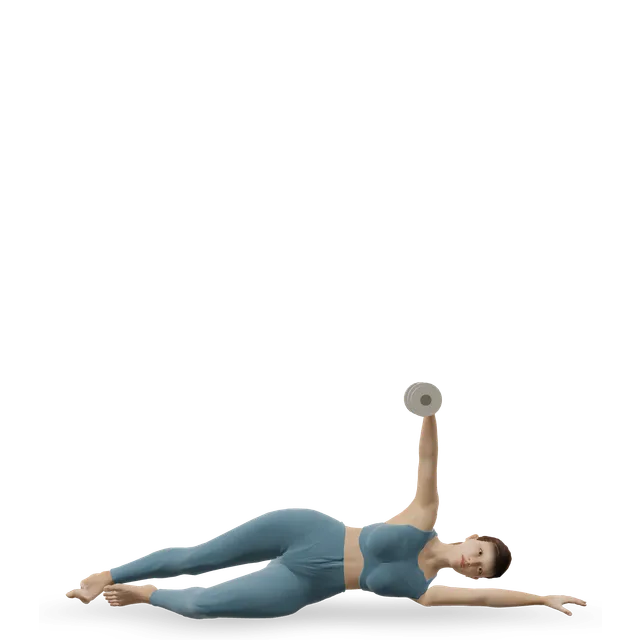
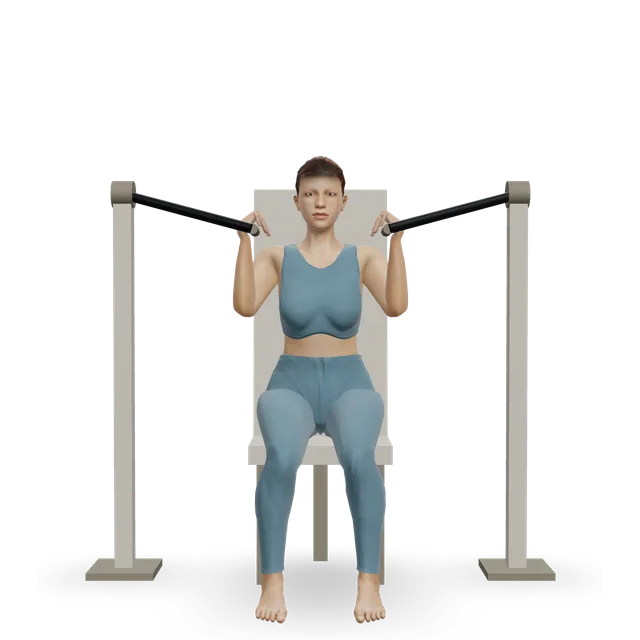
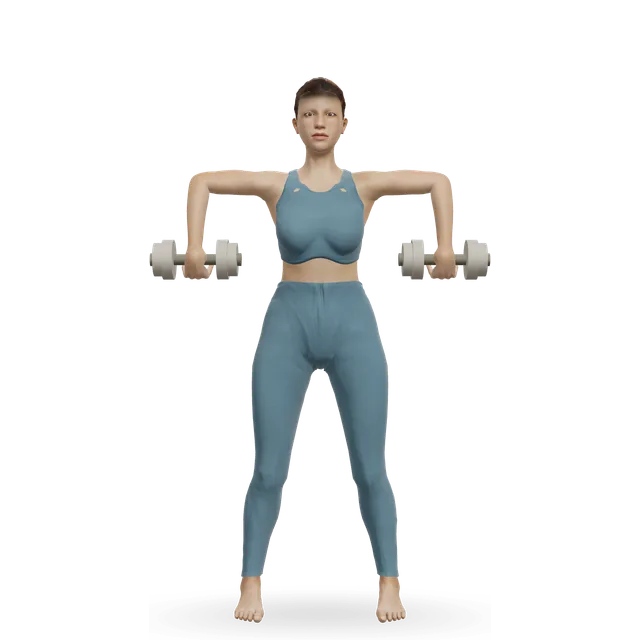
Lateral raises at 2 or 3 sets of 12 to 20, with about 60 seconds' rest and the last set 0 to 2 reps short of failure (our lateral raise guide). Raise to about shoulder height with your thumbs level or slightly up; the supported and side-lying raises add strict extra sets, and the scaption raise is the swap if the top of a raise pinches.

Presses

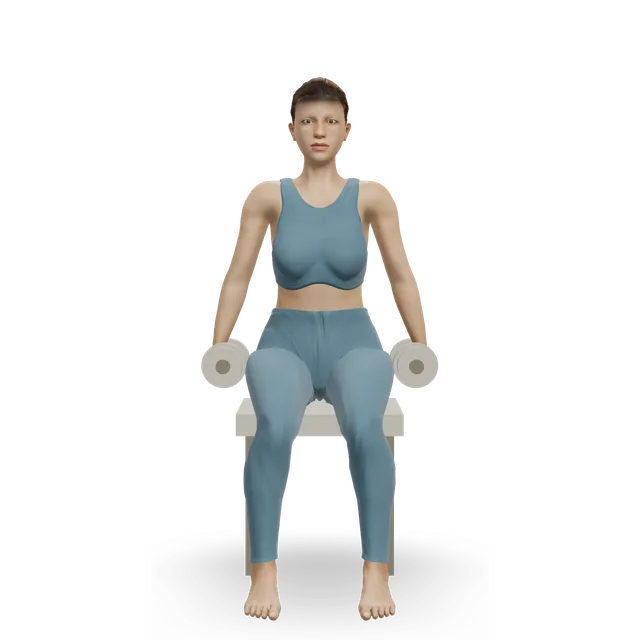
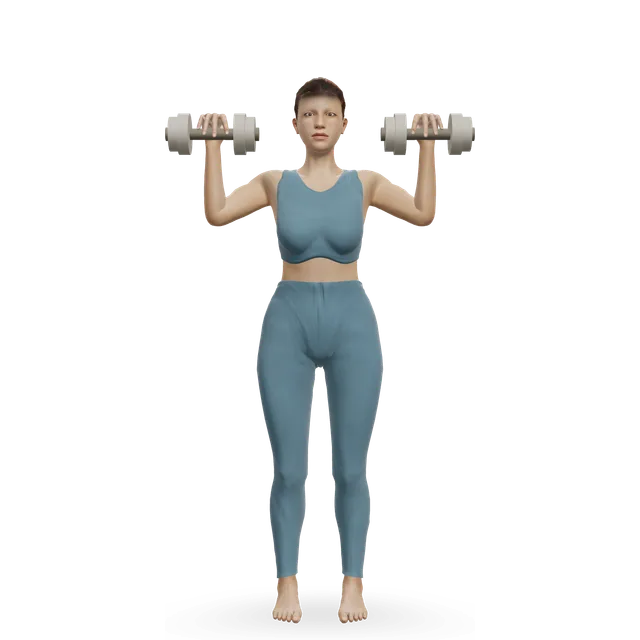
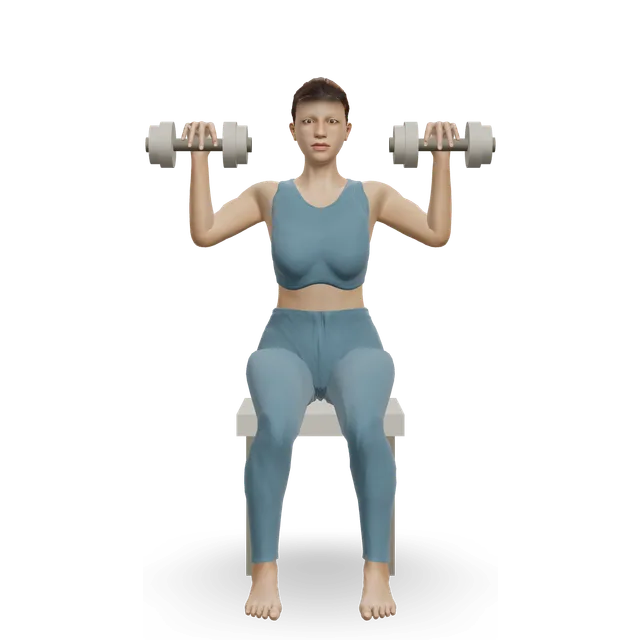
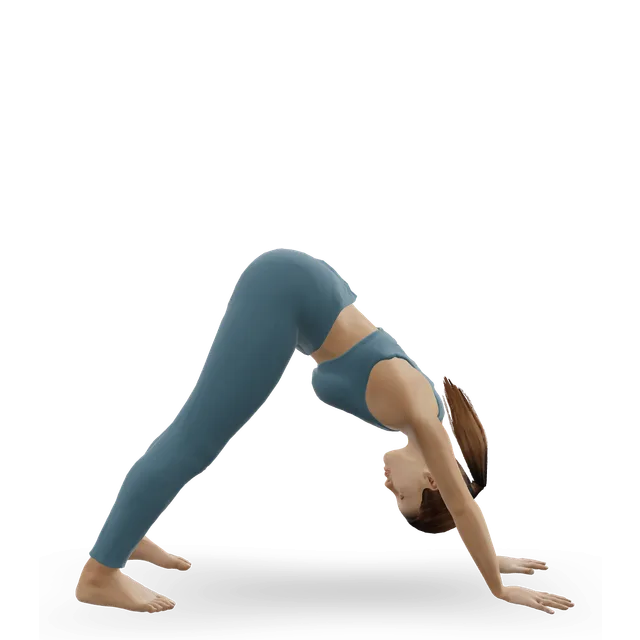
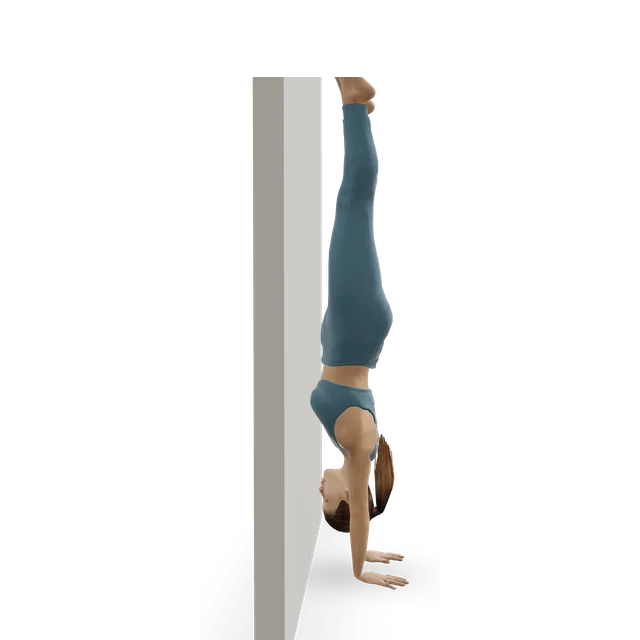
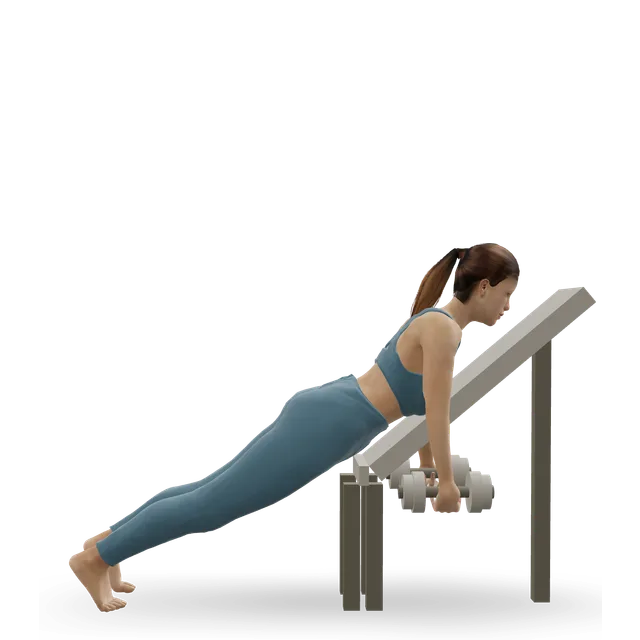
Seated dumbbell presses at 3 sets of 8 to 12, or standing dumbbell presses at 3 sets of 8 to 10, stopping 2 or 3 reps short of failure, as our overhead press guide sets out. Pike push-ups train the shoulders without weights, and the wall handstand push-up is a skill to build towards.

The back of the shoulder and the rotator cuff

Face pulls at 3 sets of 12 to 20 (our face pull guide), reverse flys at 3 sets of 12 to 15 (our shoulder workout) and band external rotations at 2 sets of 12 to 15 each arm (our overhead press guide's editorial add-on). They balance all the pressing; no trial has tested them for shoulder width.

How many sets, reps and days

Weekly sets for the side of the shoulder

Build towards about 10 hard sets a week over 2 sessions, counting each set of overhead presses as half a set, as our lateral raise guide works out. Three sets of presses and three of lateral raises, twice a week, gives about 9. Past about 20 sets a week, the extra gain is small.

Sources 8, 7

A starting point

Twice a week: one press for 3 sets, lateral raises for 3 sets, and a move for the back of the shoulder for 2 or 3 sets (our editorial starting point). In your first two weeks, do 2 sets of each and stop every set with 3 or 4 reps to spare, as our plans advise.

Reps and how hard

Lateral raises: 12 to 20 reps, with the last set 0 to 2 reps short of failure. Presses: 8 to 12 reps, stopping 2 or 3 reps short, which our guides call RIR (reps in reserve: how many more you could have done). Light and heavy weights build similar muscle when the sets are hard.

Sources 9, 10

Rest, and pairing moves

About 60 seconds between sets of raises, and 90 seconds to 2 minutes between presses, as our plans' notes say. Pairing a press with a reverse fly lets one muscle rest while the other works, and supersets like this roughly halve the time a session takes.

Source 24

How often

Twice a week is a practical default. With the weekly sets matched, training more often doesn't add growth.

Source 21

Progress

Add reps until every set reaches the top of its range, then take the smallest weight step you have. Dumbbell jumps are big for raises, so a band or a cable gives smaller steps (our suggestion).

A shoulder session

The order of our shoulder workout at home. Doses from our lateral raise, overhead press and face pull guides and our shoulder workout; the session layout is our editorial suggestion.

  1. Warm up for about 5 minutes: slow arm circles, 15 band pull-aparts and one light set of lateral raises.
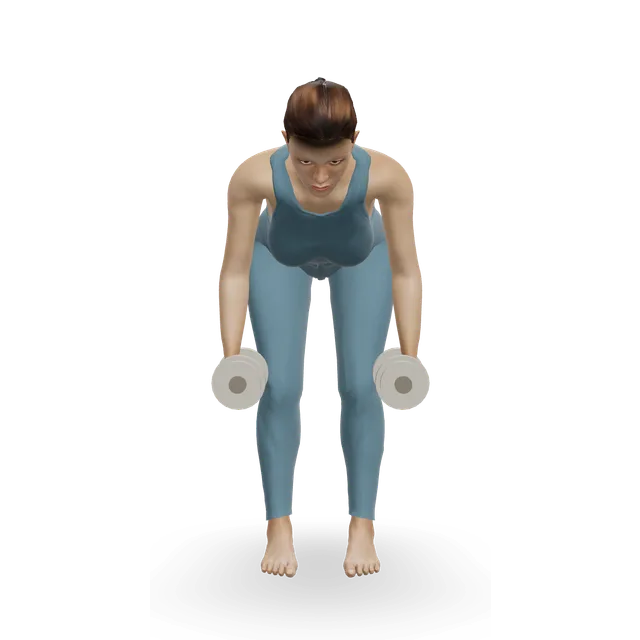
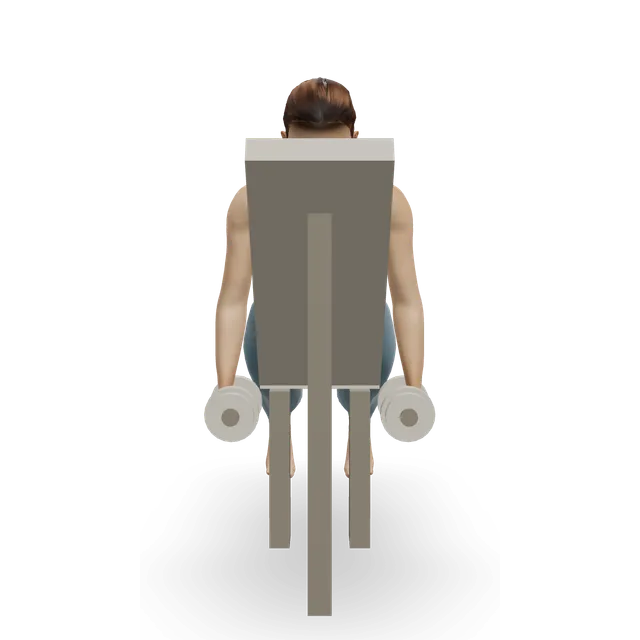
  2. Press: 3 sets of 8 to 12 seated dumbbell presses, stopping 2 or 3 reps short, each paired with a set of 12 to 15 bent-over reverse flys. Rest 90 seconds after each pair.
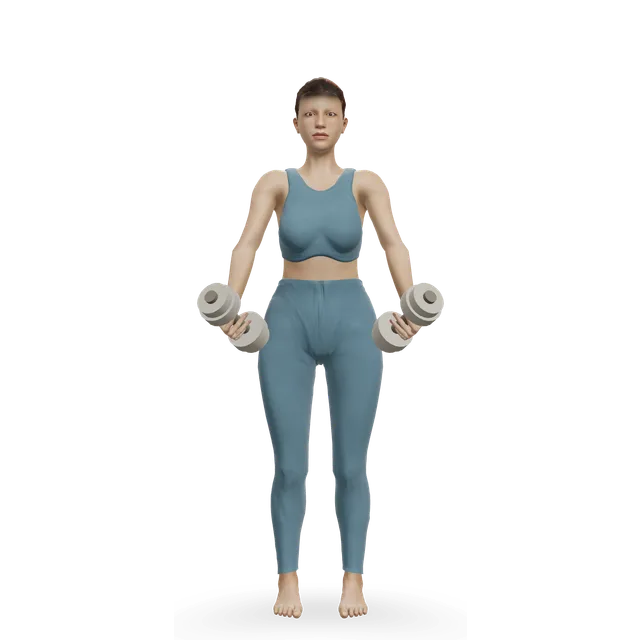
  3. Lateral raises: 3 sets of 12 to 20, raising to about shoulder height with your thumbs level or slightly up and lowering over 2 to 3 seconds. Rest about 60 seconds, and take the last set to 0 to 2 reps short of failure.
  4. Add 2 sets of one-arm lateral raises, holding a door frame or a bench for support.
  5. Finish with 3 sets of 12 to 20 face pulls and 2 sets of 12 to 15 band external rotations for each arm.

Loading the 3D figure…

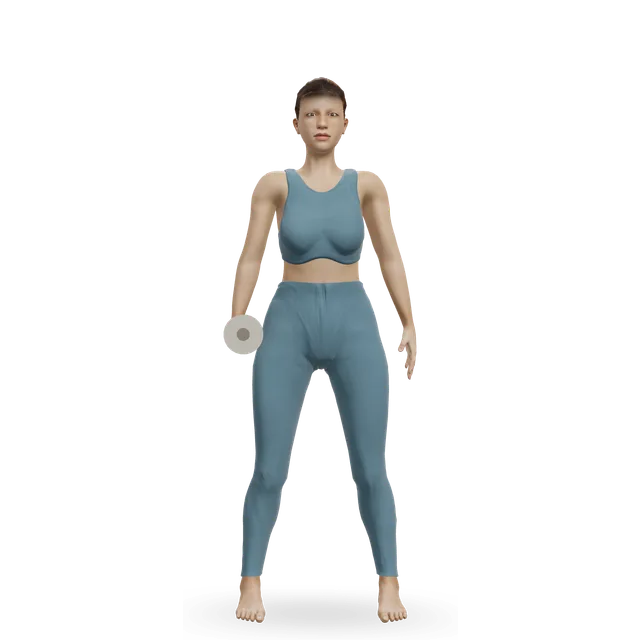
Gets into position, then repeats the movement. Technical checks passed; qualified exercise review is pending.

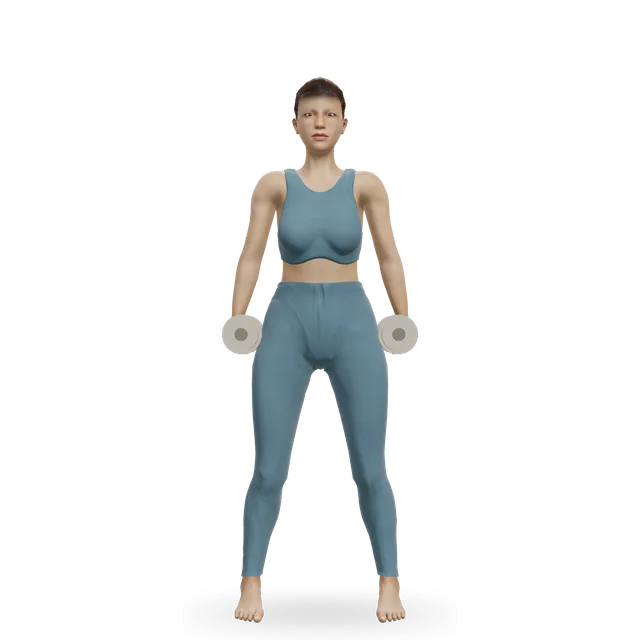
The movement on the figure: Dumbbell lateral raise

Wider shoulders at home

With dumbbells or a band

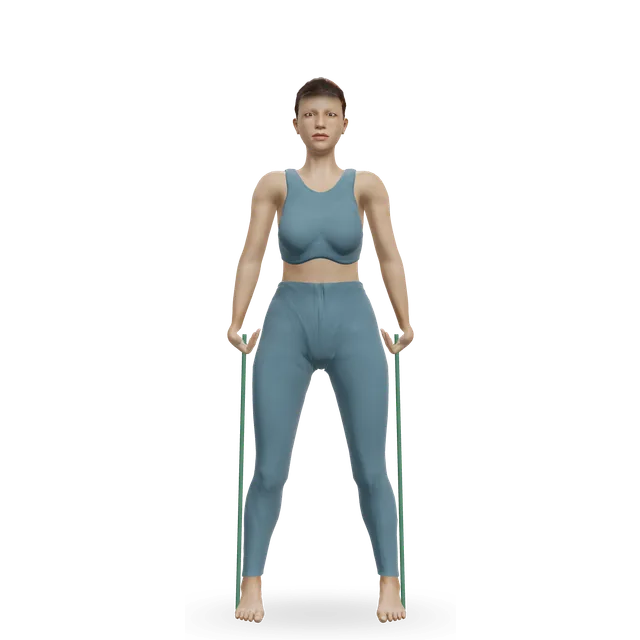
Light dumbbells or a resistance band are enough: light loads build muscle when the set is hard, and in the lateral raise trial a cable and a dumbbell grew the side of the shoulder equally. Our shoulder workout at home uses either.

Sources 9, 4

Without weights

Pike push-ups train your shoulders and triceps, and you can build towards wall handstand push-ups. No bodyweight move trains the side of the shoulder as directly as a raise, so a band is worth having (our suggestion).

Making it harder

Add reps, then use a heavier dumbbell, a thicker band or a shorter grip on the band. Check bands for nicks and the anchor for movement before each set.

Shoulder moves for home

Band and dumbbell raises at 2 or 3 sets of 12 to 20 (our lateral raise guide), pike push-ups at 3 sets of 5 to 10 and band face pulls at 3 sets of 12 to 20 with the band at face height (our upper body workout at home).

How long it takes, and how to track it

What the trials found

In trained adults, the side deltoid thickened by 3 to 5% in 8 weeks, and the front deltoid by about 2 to 3 mm in 6 weeks. Those are small changes on a tape measure, so give it months before you judge.

Sources 4, 18

People vary hugely

The same training can change one person's muscle size a lot and another's barely at all, and part of that is genetic. Compare yourself with your own training log, not with anyone else.

Sources 11, 25

How to track it

Track the weights and reps you lift first. A tape round the shoulders, measured relaxed at the same spot and time of day every 4 weeks, and photos in the same light and pose, are our suggestions. Bathroom body-fat scales estimate fat poorly, and NICE says not to use them instead of BMI.

Sources 26, 27, 28

Eating for it

In trials, the benefit of extra protein levelled off at about 1.6 g per kg of body weight a day, which food covers for most people. Our guide to building muscle covers protein, calories and sleep.

Sources 29, 30

Shoulder workouts to follow

New: the shoulder workout at home uses dumbbells or a band. The shoulder workout is for the gym, and the push days and upper body workouts carry presses and raises.

Shoulder workout at home: presses, lateral raises and rear-shoulder work

A 30-minute home shoulder workout with dumbbells or a band: presses, lateral raises for the side of the shoulder, and rear-shoulder and rotator cuff work.

30 minBeginner8 movesA band, A dumbbell

Shoulder workout

A shoulder workout for all three heads: overhead press, lateral raises, reverse flyes, face pulls and rotations.

40 minIntermediate8 movesA band, A barbell

Push day workout

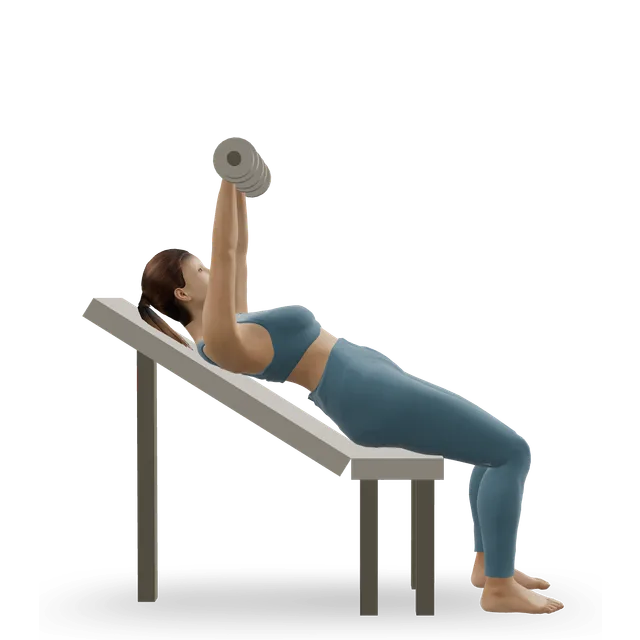
A push day workout for chest, shoulders and triceps: bench press, overhead press, incline dumbbell press, lateral raises and pushdowns.

55 minIntermediate10 movesA band, A barbell

Push day workout B

Push day B: seated dumbbell press, dumbbell bench press, cable flyes, cable lateral raises, dips and skull crushers, with sets, reps and rest.

50 minIntermediate11 movesA band, A dumbbell

Dumbbell upper body workout B

Dumbbell upper body workout B: incline presses, chest-supported rows, seated presses, lateral raises, reverse flyes, hammer curls and skull crushers.

45 minIntermediate11 movesA dumbbell, A bench or box

Upper body gym workout

A gym upper body workout for chest, back, shoulders and arms: bench press, rows, presses, pulldowns, raises, curls and pushdowns.

50 minIntermediate13 movesA band, A barbell

Upper body gym workout B

Upper body workout B: overhead press, pull-ups, incline dumbbell press, chest-supported rows, face pulls, hammer curls and triceps extensions.

50 minIntermediate13 movesA band, Pull-up bar

Shoulder mobility and stability routine (with a band)

A 25-minute band routine for healthy shoulders: move the shoulder and upper back through their range, then strengthen the rotator cuff and shoulder blades.

25 minBeginner12 movesA wall, A band

Plans

Push pull legs and the 5-day split give the most lateral raise sets (6 a week), and the 4-day split and men's plan give 3. With any other plan, add the shoulder workout at home once a week (our suggestion).

Women, older adults and sore shoulders

Women

Women build shoulder muscle the same way, gaining a similar share to men from the same training; men add slightly more in absolute terms in the upper body. Lifting won't make your shoulders bulky by accident: growth is slow and follows the sets you choose.

Sources 12, 15

Older adults

Adults over 50 gained lean mass in 49 studies, a little less at older ages, and training didn't raise the risk of serious harm. Start lighter, keep 2 or 3 reps to spare, and progress steadily.

Sources 16, 7

Sore shoulders

If your shoulder already hurts, follow our shoulder pain guides rather than a size plan. A pinch at the top of a raise usually means stop just below shoulder height, raise slightly forwards with your thumbs up, or go lighter, as our lateral raise guide explains. Upright rows above shoulder height and behind-the-neck presses are moves our shoulder guides avoid.

Blood pressure and eyes

If your blood pressure is high, breathe out as you press rather than straining against a held breath. With diabetic eye disease, leave out head-down moves such as pike push-ups until your eye team says they're safe, as our move pages advise.

Warning signs: when to get help

Call 999 (911 in the US)

For chest pain that feels tight or like squeezing, or chest pain that spreads to your arms, neck or jaw. During any exercise, stop and get help for chest pain, unusual breathlessness, dizziness or fainting, as our plans advise.

Call 999 or go to A&E

If, after a fall or injury, or when a weight came down on you or your shoulder slipped during a press, your shoulder looks out of place or has changed shape, or you can't move your arm. Don't drive yourself, and don't try to put it back in yourself, as our shoulder pain guides say.

Get help the same day (GP or NHS 111)

For sudden or very bad shoulder pain, an arm you can't move, a shoulder that's badly swollen or has changed shape, pins and needles that don't go away, no feeling in your arm, an arm that's hot or cold to touch, pain that started after an injury such as a fall, severe pain in both shoulders, or a hot, red shoulder with a high temperature. In the US, contact your doctor or urgent care.

Source 31

Same day: a pop at the front of the armpit

A pop or tearing at the front of the armpit or chest during a lift, followed by bruising into the chest or upper arm, a change in the shape of the chest or armpit, or weakness pushing, can be a torn chest tendon. Don't wait for it to settle: get help the same day from NHS 111 or an urgent treatment centre, as our pec strain guide explains.

Keep pain in check

Pain during raises or presses should stay at about 5 out of 10 or less and settle by your next session, as our lateral raise guide says. If your shoulder is already sore, our bench press shoulder pain guide uses 4 out of 10, and the lower limit applies. See a GP if shoulder pain isn't improving after 2 weeks.

Source 31

When training becomes a worry

Beat says a drive to be more muscular, sometimes called muscle dysmorphia, can be part of an eating disorder, especially in men. The NHS lists exercising too much and very strict routines around food among the signs of an eating disorder, and says people with body dysmorphic disorder may take anabolic steroids because they don't see themselves as big or strong enough. See a GP; our eating disorders guide has Beat's helplines.

Sources 32, 33, 34, 35

Myths

"Your shoulder width is set, so training can't change it"Emerging evidence

Half true. The bones of your frame finish growing in your 20s and are strongly inherited, and we found no study of whether training changes how broad adult shoulders look. But the side deltoid on top grows with training, by 3 to 5% in 8 weeks even in trained adults, and it adds to the width.

Sources 1, 2, 4

"Presses are all you need for wide shoulders"Emerging evidence

Presses worked the side of the shoulder almost as hard as a raise in one muscle activity study, so they count. But the lateral raise is the move with a growth trial behind it, so do both.

Sources 5, 4

"Cables beat dumbbells for the side delts"Emerging evidence

Trained adults grew the side of the shoulder equally with cables and dumbbells over 8 weeks. Use whichever lets you do smooth, controlled reps.

Source 4

"Upright rows and behind-the-neck presses build the widest shoulders"

We found no growth trial of either. Our shoulder guides avoid upright rows above shoulder height and behind-the-neck lifts because they can pinch, and lateral raises and ordinary presses do the job.

"High reps tone, low reps bulk"Strong evidence

Light and heavy weights grew muscle similarly when the sets were hard; heavier weights built more strength.

Sources 20, 9

"Training your shoulders will make you look bulky"Strong evidence

Women gain muscle at a similar rate to men relative to their size, and men gain more in absolute terms in the upper body. Muscle comes slowly, and you control the dose.

Sources 12, 15

"Train shoulders every day"Strong evidence

With the weekly sets matched, training more often didn't add growth, and your shoulders already work in every press.

Source 21

Questions people ask

Can you make your shoulders wider?

Yes, by building the side of your shoulder muscle, though not the bone underneath. Your collarbones and shoulder blades finish growing in your 20s and are largely inherited, so they set your frame. Lateral raises grew the side of the shoulder by 3 to 5% in 8 weeks, even in people who already trained.

What is the best exercise for wider shoulders?

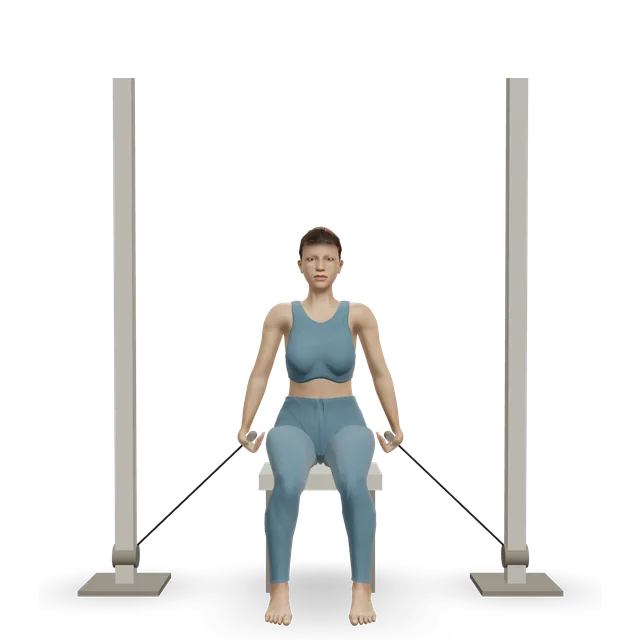
The lateral raise, because it trains the side of the shoulder directly and has a growth trial behind it. Add a shoulder press, which also works the side of the shoulder, and reverse flys or face pulls for the back of the shoulder.

Are cables better than dumbbells for lateral raises?

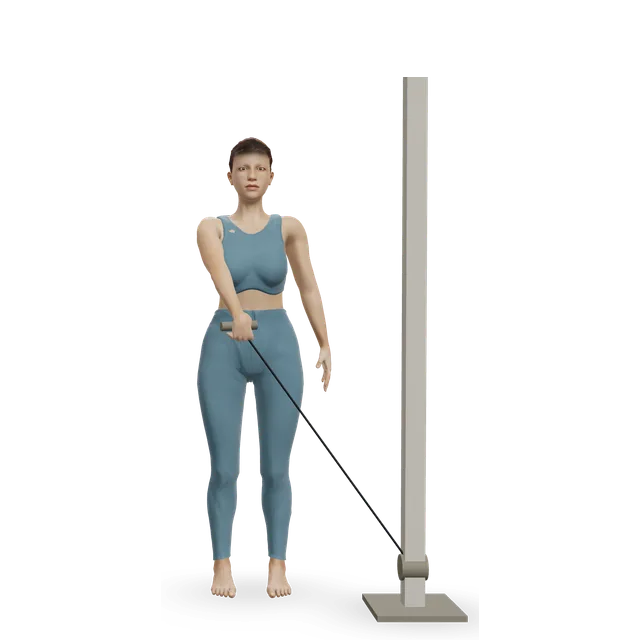
No. Trained adults grew the side of the shoulder equally with cable and dumbbell raises over 8 weeks. Use whichever lets you do smooth, controlled reps, or a band at home.

How many sets and reps for wider shoulders?

Build towards about 10 hard sets a week for the side of your shoulders over 2 sessions, counting each set of overhead presses as half a set. For lateral raises, do 2 or 3 sets of 12 to 20 with about 60 seconds' rest, taking the last set to 0 to 2 reps short of failure; for presses, 3 sets of 8 to 12, stopping 2 or 3 reps short.

How often should I train shoulders?

About twice a week works well, because how often you train matters little once your weekly sets are the same. Spread your raises across those sessions rather than doing them all at once.

How can I get broader shoulders at home without weights?

A resistance band or light dumbbells are enough, because light loads build muscle when the set is hard. With nothing at all, pike push-ups train your shoulders, but no bodyweight move trains the side of the shoulder as directly as a raise, so a band is worth having. Our shoulder workout at home puts it together.

How long does it take to get wider shoulders?

Months, and people vary a lot. In trials, the side of the shoulder grew by a few percent in 8 weeks, and the same arm programme changed muscle size by anything from slightly smaller to 59% bigger in different people. Track the weights and reps you lift rather than the mirror.

Do I need to train my rear delts and rotator cuff?

For width, the side of the shoulder matters most. Reverse flys and face pulls balance all the pressing and are in our plans, but no trial has tested them for shoulder width, so think of them as balance work rather than a width builder.

Will training my shoulders make me look bulky, as a woman?

Not by accident. Women gain a similar share of muscle to men from the same training, and men gain slightly more in absolute terms in the upper body. Muscle grows slowly and follows the number of hard sets you do, so you choose how far to go.

Can I make broad shoulders look narrower?

You can't change the bones of your frame. Muscle you stop training directly shrinks back slowly over time, but keep strength training for your health, as the NHS advises. Broad shoulders are a normal frame, not a flaw.

Why do my shoulders hurt during lateral raises?

Often the top of the raise pinches: stop just below shoulder height, keep your thumbs level or slightly up, raise slightly forwards, or go lighter. Keep pain to about 5 out of 10, settled by your next session. Get help urgently for sudden severe pain, a shoulder that has changed shape, or an arm you can't move.

Do I need protein shakes to build my shoulders?

No. In trials, the benefit of extra protein levelled off at about 1.6 g per kg of body weight a day, which food covers for most people. Our guide to building muscle covers eating for growth.
Sources

  1. Kreitner 1998 · When the inner end of the collarbone finishes growing: CT scans of 380 people under 30 (imaging study, Eur Radiol)
  2. Li 2005 · Genetic effects on body size measures in 116 pairs of twins aged 6 to 12 (twin study, Zhonghua Yu Fang Yi Xue Za Zhi)
  3. Moser 2013 · The deltoid, a forgotten muscle of the shoulder (imaging review, Skeletal Radiol)
  4. Larsen 2025 · Dumbbell against cable lateral raises for side deltoid growth in 24 trained adults (within-person trial, Front Physiol)
  5. Campos 2020 · Deltoid activity in the shoulder press, lateral raise, bench press and fly in 13 trained men (muscle activity study, J Hum Kinet)
  6. Vigotsky 2022 · Muscle activity measured in a session is not a validated predictor of muscle growth (methods review, Sports Med)
  7. Currier 2026 · Resistance training for muscle strength, size and performance in healthy adults: 137 reviews (ACSM position stand, Med Sci Sports Exerc)
  8. Pelland 2026 · Weekly volume and frequency, muscle growth and strength: 67 studies (meta-regressions, Sports Med)
  9. Lopez 2021 · Training load, muscle growth and strength: 28 studies (network meta-analysis, Med Sci Sports Exerc)
  10. Refalo 2023 · Training close to failure and muscle growth: 15 studies (meta-analysis, Sports Med)
  11. Hubal 2005 · Variability in muscle size and strength gains after 12 weeks of arm training in 585 adults (trial, Med Sci Sports Exerc)
  12. Refalo 2025 · Sex differences in absolute and relative muscle growth with training: 29 studies (Bayesian meta-analysis, PeerJ)
  13. Peterson and Rayan 2011 · Shoulder and upper arm muscle architecture in 5 cadavers (anatomy study, J Hand Surg Am)
  14. Holzbaur 2007 · Upper limb muscle volumes in 10 adults (MRI study, J Biomech)
  15. Roberts 2020 · Sex differences in resistance training (systematic review and meta-analysis, J Strength Cond Res)
  16. Peterson 2011 · Strength training and lean mass in adults over 50: 49 studies (meta-analysis, Med Sci Sports Exerc)
  17. Rabello 2024 · Activity of the three parts of the deltoid in common exercises: 33 studies (systematic review, J Bodyw Mov Ther)
  18. Karsten 2021 · Two high-volume set configurations in 18 recreationally trained men (randomised trial, J Strength Cond Res)
  19. Schoenfeld 2017 · Dose-response relationship between weekly resistance training volume and muscle growth (meta-analysis, J Sports Sci)
  20. Schoenfeld 2017 · Light against heavy loads for strength and muscle growth: 21 studies (meta-analysis, J Strength Cond Res)
  21. Schoenfeld 2019 · How many times a week to train a muscle for growth: 25 studies (meta-analysis, J Sports Sci)
  22. Kolber 2010 · Shoulder injuries attributed to resistance training (review, J Strength Cond Res)
  23. Keogh 2017 · The epidemiology of injuries across the weight-training sports (systematic review, Sports Med)
  24. Iversen 2021 · Designing time-efficient training for strength and muscle (narrative review, Sports Med)
  25. Thomis 1998 · Strength training and genetic factors in 41 pairs of male twins (twin study, Med Sci Sports Exerc)
  26. Frija-Masson 2021 · Accuracy of smart scales for weight and body composition (observational study, JMIR mHealth uHealth)
  27. Siedler 2023 · Reliability and validity of 15 bioelectrical impedance devices (validation study, Br J Nutr)
  28. NICE NG246 · Overweight and obesity management: identifying and assessing overweight, obesity and central adiposity (guideline)
  29. Morton 2018 · Protein supplements and gains from strength training: 49 trials (meta-analysis, BJSM)
  30. Jäger 2017 · Protein and exercise (International Society of Sports Nutrition position stand, J Int Soc Sports Nutr)
  31. NHS · Shoulder pain
  32. Beat · Do men get eating disorders?
  33. NHS · Body dysmorphic disorder (BDD)
  34. NHS · Eating disorders: overview
  35. NHS · Anabolic steroid misuse

Exercise education, not a personal prescription, and clinical review of these guides is pending. Check with a GP before starting hard training if you have a heart condition, chest pain, dizziness or breathlessness when active, and stop for sharp or increasing pain. Health disclaimer.