How to do face pulls: the set-up, the pull and the turn, and what they do for your shoulders and posture
A face pull is a high row with a twist: with a rope at about eye height, you pull your elbows back high and wide and turn your forearms up so your hands finish beside your ears. It trains the rear shoulders, the muscles between your shoulder blades and the muscles that turn your arm out, which pressing leaves less trained. Use a light weight and strict reps.
Face pulls come with big promises about posture and injury prevention, and the evidence is thinner than the promises. No study has measured muscle activity in the face pull itself, and no trial has tested face pulls on their own. Strengthening programmes that include this kind of work do improve measured posture, and a shoulder warm-up programme cut shoulder problems in handball players.
This guide covers the set-up on a cable or band, the pull and the turn, what they work, sets and reps, what the evidence says about shoulders and posture, and the warning signs, with 3D demos.
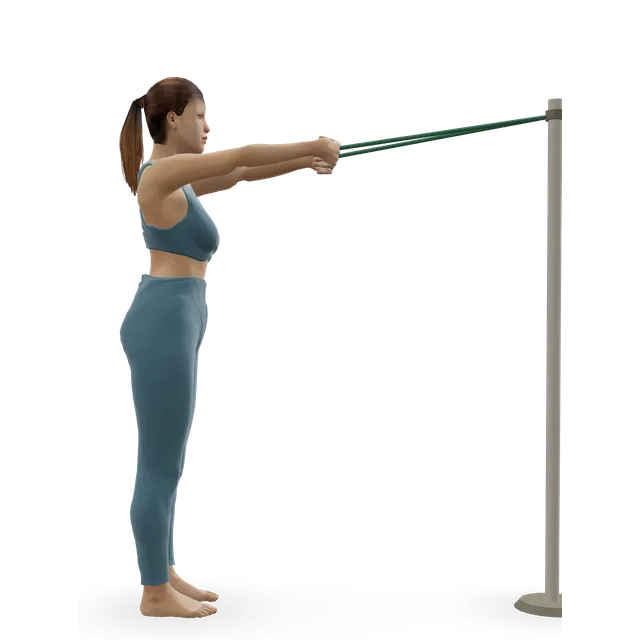
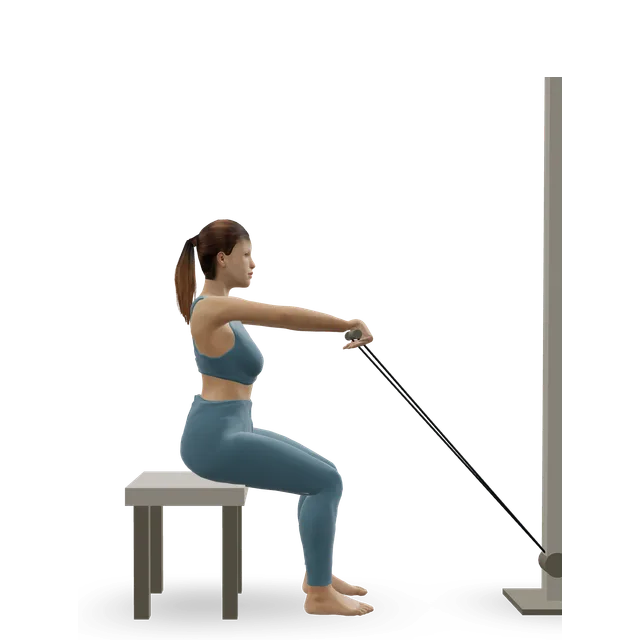
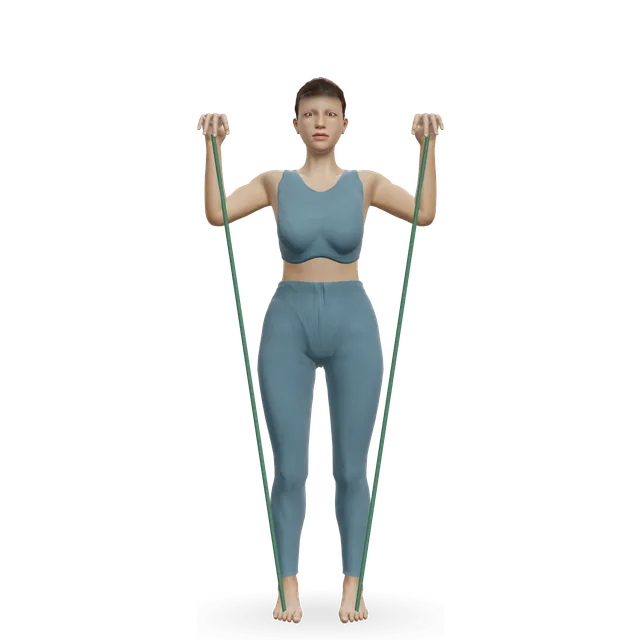
The National Academy of Sports Medicine (NASM) sets the rope at about eye height; the American Council on Exercise's (ACE) similar rope high row uses shoulder height. At home, anchor a band securely at face height. Step back until the weight lifts with your arms straight in front.
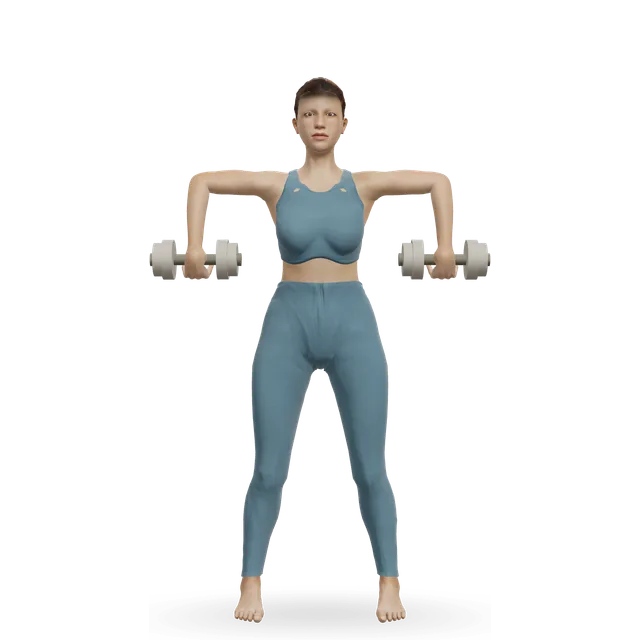
Pull your elbows back high and wide, drawing the rope towards your face, and as it arrives turn your forearms up so your hands finish beside your ears. Squeeze your shoulder blades together, then return slowly.
What they work: probably the rear shoulders and upper back
NASM lists the rear deltoid and rhomboids, helped by the middle trapezius, infraspinatus and biceps. No study has measured muscle activity in the face pull itself: in a computer model of 10 men it loaded the rear deltoid as much as a bent-over lateral raise, and studies of similar moves back up the rest.
3 sets of 12 to 20, stopping 0 to 2 reps short of failure, with 60 seconds' rest, as in our workouts; NASM suggests 3 sets of 12 to 15. If you're swinging, leaning back or shrugging, it's too heavy.
Shoulder health: a sensible habit, not a proven shield
Weight trainers who trained the muscles that turn the arm out less often had signs of impingement, and a warm-up programme with this kind of work cut shoulder problems in 660 handball players. No trial has tested face pulls on their own.
Strengthening programmes improved measured posture in trials, but no trial has tested face pulls alone, and muscle strength doesn't match where your shoulder blades sit at rest. "Face pulls fix rounded shoulders" overstates it.
A pull towards your face from a rope or band anchored high, with your elbows out at about shoulder height, finishing with your arms turned out. It combines a high row, like ACE's rope high row, with turning the arm out at the shoulder. NASM rates it an intermediate exercise.
Our workouts put face pulls at the end of an upper-body or pull session, and our bench and overhead press technique workouts add 2 sets of 15 after the pressing, to balance it.
What the evidence says
No study of face pulls on their own
No study has measured muscle activity in the face pull, and no trial has tested face pulls on their own for strength, shoulder pain, injuries or posture. What follows comes from one computer-modelling study, studies of similar moves, and programmes that include this kind of work.
In a computer model of 10 healthy men, the standing face pull loaded the rear deltoid about as much as a bent-over lateral raise and more than a dumbbell row. Muscle activity studies of similar moves worked the rear deltoid, middle trapezius and outward rotators hard, which matches NASM's list. That the face pull does the same is an inference from its movement.
Shoulder programmes help, but face pulls alone are untestedMixed evidence
A warm-up programme cut shoulder problems in handball players, and specific rotator cuff and shoulder-blade exercises helped long-standing impingement. But for a new episode of rotator cuff pain, up to six physiotherapy sessions of progressive exercise did no better than one advice session with a home programme, and no trial has tested face pulls on their own.
Strengthening changes measured posture; strength doesn't set resting positionMixed evidence
Corrective exercise programmes improved forward-shoulder posture in 18 trials, and strengthening improved posture across 23 studies while stretching didn't. But correlational studies found no link between muscle strength and where the shoulder blades sit at rest, and no trial has tested face pulls alone.
Across 8 studies, elastic band training built strength as well as machines and dumbbells, in the arms and the legs. A band face pull at home is a fair swap.
About eye height, as NASM sets it; ACE's rope high row uses shoulder height. We found no study comparing heights: set it where you can pull with your elbows high without shrugging or leaning back.
A rope lets your hands separate as they pass your face, which makes room for the turn (our view).
A band at home
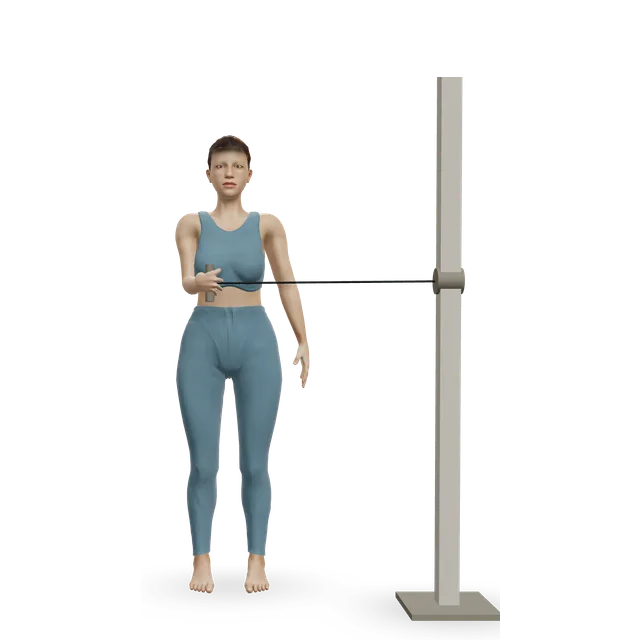
Band training built strength as well as weights and machines. Anchor the band in a closed door on the hinge side or round a sturdy post, never a handle that can open: a band that slips at full stretch snaps back towards your face, as our move page warns.
Stand tall with your feet hip-width apart and your knees slightly bent, as NASM describes, or with one foot forward if the weight pulls you off balance (our suggestion).
From NASM's face pull and our move page; the pause echoes ACE's high row, which holds for 2 to 3 seconds. The turn at the end is how the move trains the muscles that turn your arm out, but no study has measured muscle activity in the face pull itself.
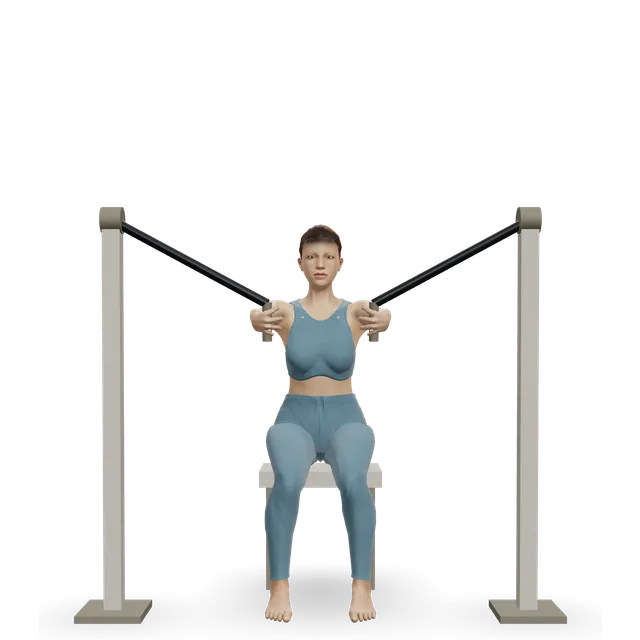
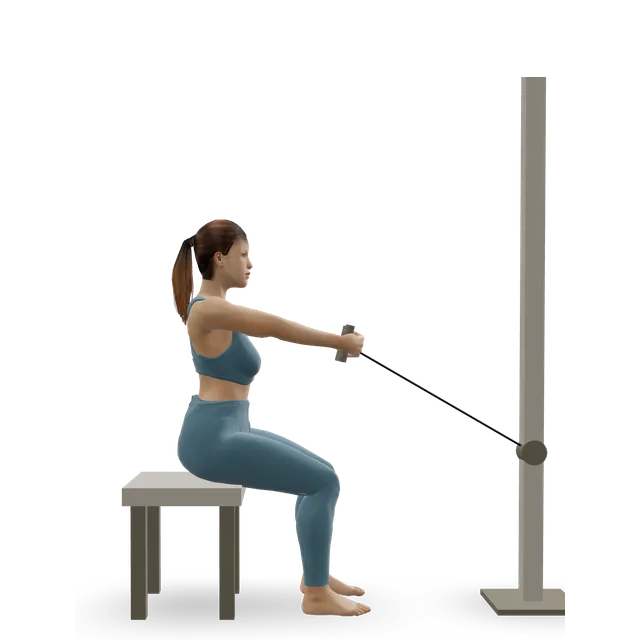
Set a rope on a cable at about eye height, or anchor a band securely at face height.
Take an end in each hand and step back until the weight lifts with your arms straight in front of you. Stand tall with soft knees, or with one foot forward.
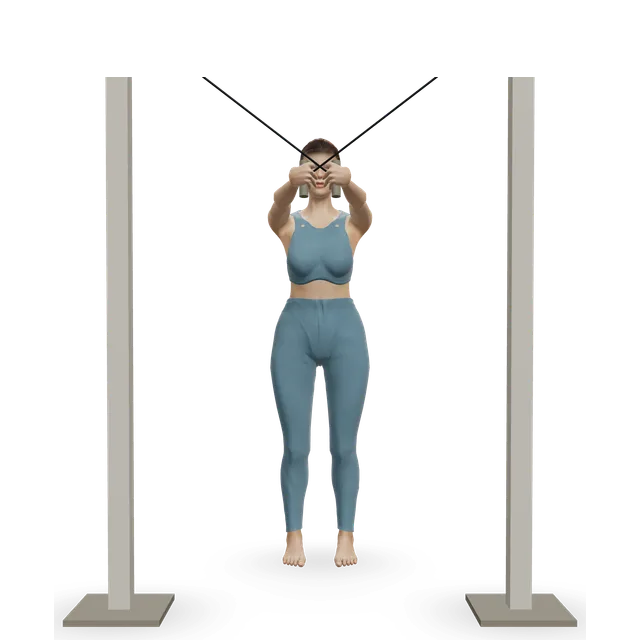
Pull your elbows back, high and wide, drawing the rope towards your face.
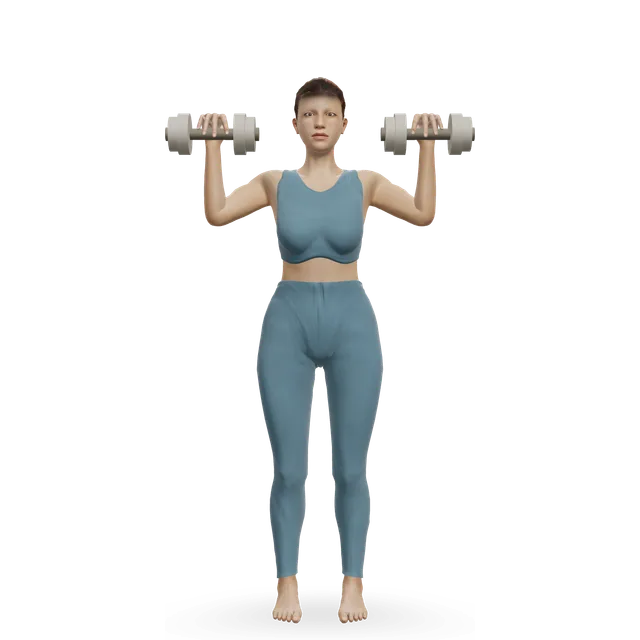
As the rope reaches your face, turn your forearms up so your hands finish beside your ears, your upper arms about level with your shoulders.
Squeeze your shoulder blades together and pause briefly, without shrugging or leaning back.
Let your arms straighten slowly, letting your shoulder blades move forward.
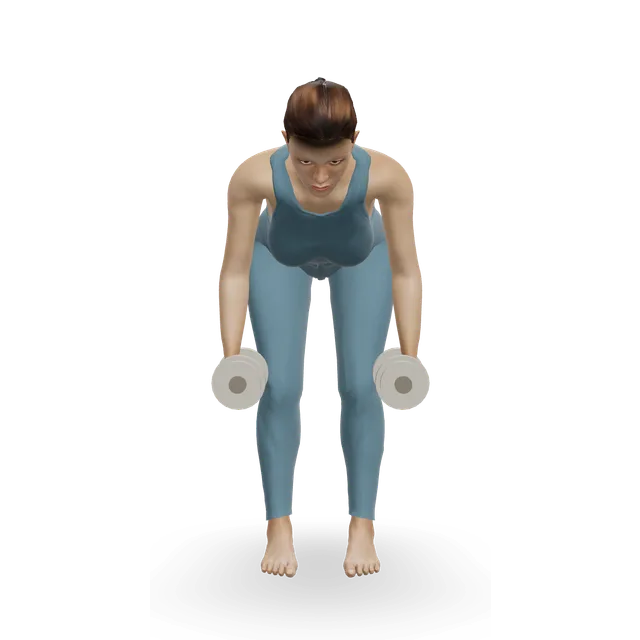
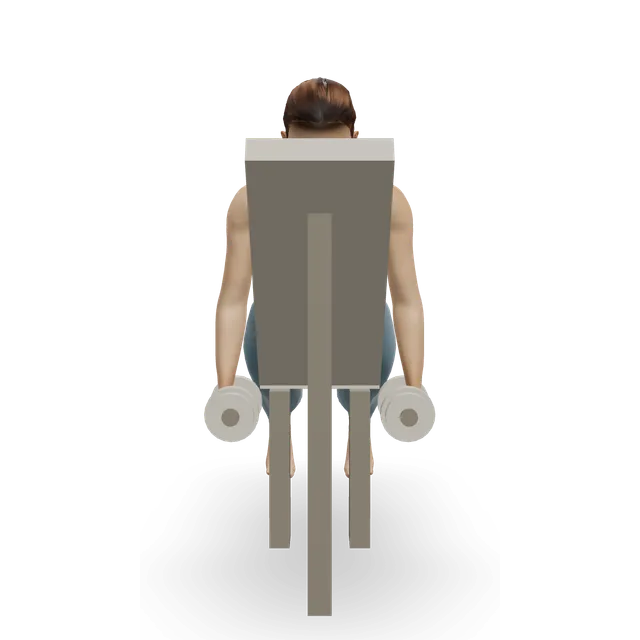
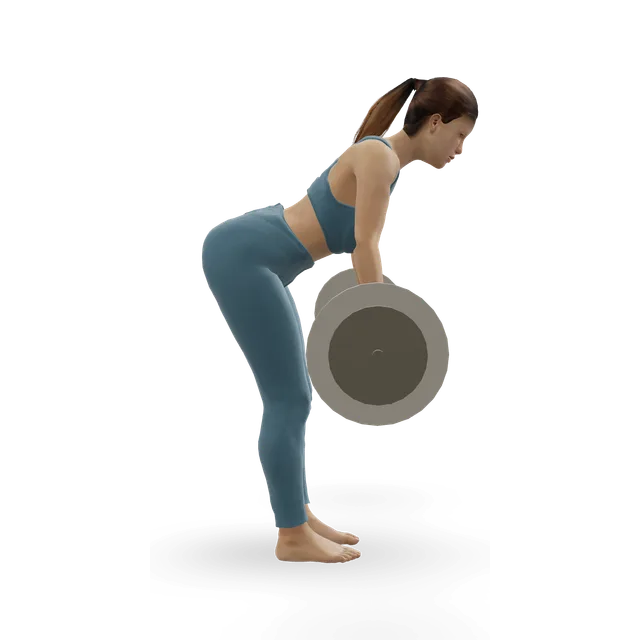
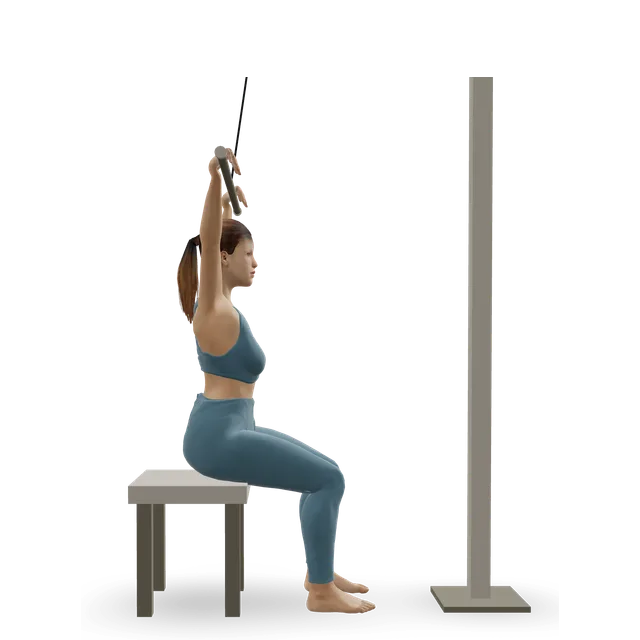
Loading the 3D figure…
Drag to turn
Gets into position, then repeats the movement. Technical checks passed; qualified exercise review is pending.
The rear deltoid and the rhomboids as the main movers, with the middle trapezius, the infraspinatus (a rotator cuff muscle that turns the arm out) and the biceps helping.
The only study of the face pull itselfEmerging evidence
A computer model of 10 healthy men: the standing face pull loaded the rear deltoid about as much as a bent-over dumbbell lateral raise (about 58 newtons each) and more than a bent-over dumbbell row (about 48). It modelled forces; it didn't measure muscle activity.
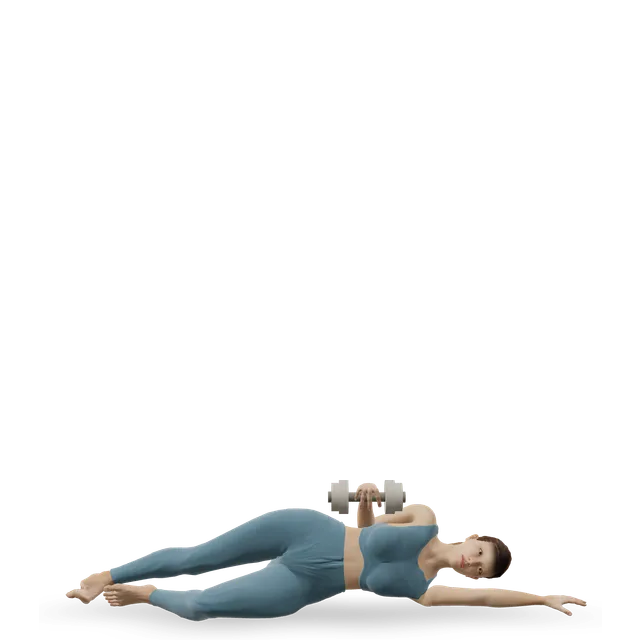
Lying face down and raising the arms out to the side, a little above shoulder height and turned out, drove the rear deltoid to 88% of its maximum in 10 people, and lying on your side turning the arm out worked the infraspinatus and teres minor hardest. Lying face down and drawing the arms back with an outward turn worked the middle trapezius hardest of 10 exercises in 30 people, and gave a good balance between the lower and upper trapezius in 45 people. That the face pull does the same is our inference from its movement.
Other moves work the rear shoulder hard tooEmerging evidence
In a review of 33 muscle activity studies, pull-ups and inverted rows on suspension straps worked the rear deltoid hardest of common exercises, so face pulls aren't the only way to train it.
Weaker outward rotators in lifters with impingementEmerging evidence
In 55 male weight trainers, the 24 with signs of impingement had weaker external rotators and lower trapezius, for their body weight, than the 31 without. In two other studies of weight trainers, those who strengthened their external rotators less often had signs of impingement or of a loose shoulder. Snapshots like these can't show cause.
A prevention programme for throwersEmerging evidence
In 660 elite handball players, a warm-up programme for outward-rotation strength, shoulder-blade strength, inward-rotation range and upper-back mobility, three times a week, cut the share with shoulder problems from 23% to 17% over a season (odds ratio 0.72). It was a whole programme in throwing athletes, not face pulls.
For long-standing impingement, eccentric rotator cuff and shoulder-blade exercises beat general neck and shoulder exercises in 102 people, and fewer then chose surgery (20% against 63%). But in 708 people with a new episode of rotator cuff pain, up to six physiotherapy sessions of progressive exercise did no better over 12 months than one advice session with a home programme. Shoulder-blade exercises reduced pain more than standard physiotherapy across 8 trials, and in another review treatments improved disability without changing how the shoulder blade moved.
Follow our shoulder impingement plan, where face pulls come in the strengthen stage at 3 sets of 12 to 15. Keep pain to about 5 out of 10 or less, settling by your next session; go lighter, set the anchor a little lower and keep the turn small if it pinches (our suggestion).
Corrective exercise programmes improved forward-shoulder posture in 18 trials, a large effect, though their effects on pain and function were inconclusive. Strengthening improved posture across 23 studies of 969 people and beat stretching, which didn't change it.
But strength doesn't match resting positionMixed evidence
In correlational studies, the strength of the shoulder-blade muscles wasn't linked with where the shoulder blades sit at rest, and a review urged caution about promising that strengthening corrects posture.
As one part of a mix with rows, reverse flys, band pull-aparts and Y-T-W raises, as in our rounded shoulders guide: face pulls 2 to 3 sets of 12 to 15, three days a week, its editorial starting point. Posture isn't a reliable cause of shoulder pain, as that guide explains.
Measuring change
Posture changes slowly: the trials in our rounded shoulders guide ran for 3 to 16 weeks.
Face pulls and related moves
Face pulls, 3 sets of 12 to 20 (our workouts); band pull-aparts, 2 to 3 sets of 12 to 15, and Y-T-W raises, 5 to 8 of each letter for 2 rounds (our rounded shoulders guide); outward rotations as in our shoulder impingement plan; reverse flys, 3 sets of 12 to 15 (our shoulder workout).
3 sets of 12 to 20, as in our upper body B and pull day workouts. Our back and shoulder workouts use 3 sets of 15, NASM suggests 3 sets of 12 to 15, and our rounded shoulders guide 2 to 3 sets of 12 to 15.
Stop 0 to 2 reps short of failure, our plans' rule for small-muscle moves, with clean reps: if you swing, lean back or shrug, it's too heavy.
Rest
About 60 seconds, as in our workouts.
When and how often
At the end of an upper-body or pull session, two or three times a week (our suggestion). Our bench and overhead press technique workouts warm up with band pull-aparts and add 2 sets of 15 face pulls after the pressing.
Adding weight
The stack's steps are big for these small muscles, so stay at a weight until you can do 20 clean reps, then move up (our editorial advice, using our plans' double progression).
Every day?
There's no evidence that daily face pulls do more for posture or shoulders. Rehabilitation programmes for long-standing impingement used home exercises once or twice a day, but those were prescribed, light and supervised.
The move becomes a row to your chest. Keep your elbows about level with your shoulders, as our move page cues.
Skipping the turn
Finish with your forearms turned up and your hands beside your ears; the turn is the point of the move (our editorial view).
A band anchor that can slip
Anchor it in a closed door on the hinge side or round a sturdy post, and check it before each set, as our move page warns.
Who should change face pulls
Shoulder pain
Follow our shoulder impingement plan, keep pain to about 5 out of 10 or less, settling by your next session, and keep the load light and the turn small.
A shoulder that has dislocated or feels loose
The face pull finishes with your arm out to the side and turned back, the position our shoulder dislocation guide asks you to avoid early on. Follow that guide first, and add face pulls when it allows.
Neck pain
Keep your shoulders down, your chin level and the load light; if your neck aches, swap to band pull-aparts for now (our suggestion).
Pregnancy
The NHS says you can carry on strength training at the gym if you already do, and stop if you feel uncomfortable, too hot or unwell. Face pulls are done standing, with no lying back.
The upper body B and pull day workouts end with face pulls, and the press technique workouts add them after the pressing; the shoulder mobility and stability routine trains the same muscles with bands, for anyone with a sore shoulder.
For chest pain that feels tight or like squeezing, or spreads to your arms, neck or jaw; severe difficulty breathing; or arm pain that comes on suddenly with pressure, heaviness or squeezing across your chest.
Ask for an urgent GP appointment or get help from NHS 111
For sudden or very bad shoulder pain; not being able to move your arm; a shoulder or arm that has changed shape or is badly swollen; pins and needles that don't go away; no feeling in your arm or shoulder; an arm or shoulder that's hot or cold to touch; pain that started after an injury or fall; severe pain in both shoulders; or feeling feverish or unwell. In the US, contact your doctor or urgent care.
Tired muscles at the back of your shoulders after a new session are normal. Sharp, pinching pain at the top or front of the shoulder, pain that is worse after the session, or a shoulder that feels as if it might slip isn't: go lighter and smaller, or stop, and see our shoulder guides.
Myths
"Face pulls fix rounded shoulders"Mixed evidence
No trial has tested face pulls on their own. Strengthening programmes improved measured forward-shoulder posture in 18 trials and beat stretching, so face pulls are a reasonable part of a mix; but strength wasn't linked with resting shoulder-blade position, and posture isn't a reliable cause of shoulder pain.
A whole warm-up programme with outward-rotation and shoulder-blade strength cut shoulder problems in handball players (odds ratio 0.72), and weight trainers who trained their external rotators less often had signs of impingement. Nothing has tested face pulls alone.
Specific rotator cuff and shoulder-blade programmes help long-standing impingement and shoulder-blade exercise reduces pain, but more physiotherapy did no better than one advice session for new rotator cuff pain, and face pulls alone are untested. Use them within our shoulder impingement plan.
"Face pulls only work the rear delts"Emerging evidence
The rear deltoid is one target, but the movement also asks the rhomboids, middle trapezius and the muscles that turn the arm out, judging by NASM's list and studies of similar moves.
No study supports a daily dose for posture. Rehabilitation programmes for impingement used daily home exercises, but they were prescribed and supervised; for training, two or three times a week is plenty (our view).
Set a rope at about eye height, step back with your arms straight, and pull your elbows back high and wide, drawing the rope towards your face. Finish with your hands beside your ears and your forearms turned up, squeeze your shoulder blades together, and return slowly.
How high should the cable be for face pulls?
About eye or face height; a similar rope high row uses shoulder height. We found no study comparing heights, so set it where you can pull with your elbows high without shrugging or leaning back.
What muscles do face pulls work? Are they for the back or the shoulders?
Both: the rear deltoids at the back of your shoulders, the rhomboids and middle trapezius between your shoulder blades, and the muscles that turn your arm out. No study has measured muscle activity in the face pull itself; in a computer model, it loaded the rear deltoid as much as bent-over lateral raises.
Do face pulls fix rounded shoulders?
Not on their own, as far as anyone has tested. Strengthening programmes improve measured shoulder posture, and face pulls fit them, but no trial has tested face pulls alone, and strength doesn't match where your shoulder blades sit at rest. Our rounded shoulders guide has the full programme.
Are face pulls good for your shoulders?
Probably, as part of a mix. Weight trainers who trained the muscles that turn the arm out less often had signs of impingement, and a programme with this kind of work cut shoulder problems in handball players. Nobody has tested face pulls alone.
Rope or band for face pulls?
Either. Band training built strength as well as machines and dumbbells across 8 studies; a cable lets you add weight in steps, and a band works at home. Anchor a band securely, because one that slips at full stretch snaps back towards your face.
How many sets and reps of face pulls should I do?
3 sets of 12 to 20 with a light to moderate weight, stopping 0 to 2 reps short of failure, with 60 seconds' rest, as in our workouts; NASM suggests 3 sets of 12 to 15. If you're swinging or shrugging, it's too heavy.
Can I do face pulls every day?
You can do light sets often, but there's no evidence that daily face pulls do more for posture or shoulders. Two or three times a week is plenty, at the end of a pull or upper-body session.
Face pull or reverse fly?
Both work the rear shoulders: in a computer model, face pulls loaded the rear deltoid as much as a bent-over raise. The face pull adds the outward turn and the muscles between the shoulder blades; the reverse fly keeps your arms straighter. Many programmes use both.
Why do face pulls hurt my shoulder?
Usually the weight is too heavy, the anchor too high or the turn too big. Lighten the load, lower the anchor a little and keep the turn small, keeping pain to 5 out of 10 or less and settled by your next session. See a GP if shoulder pain isn't better after 2 weeks.
How do I do face pulls at home without a cable?
With a resistance band anchored at face height, in a closed door on the hinge side or round a sturdy post. The steps are the same, and band pull-aparts and Y-T-W raises train similar muscles.
Exercise education, not a personal prescription, and clinical review of these guides is pending. Check with a GP before starting hard training if you have a heart condition, chest pain, dizziness or breathlessness when active, and stop for sharp or increasing pain. Health disclaimer.