How to do a seated cable row: set-up, how much to lean, grips and what it works
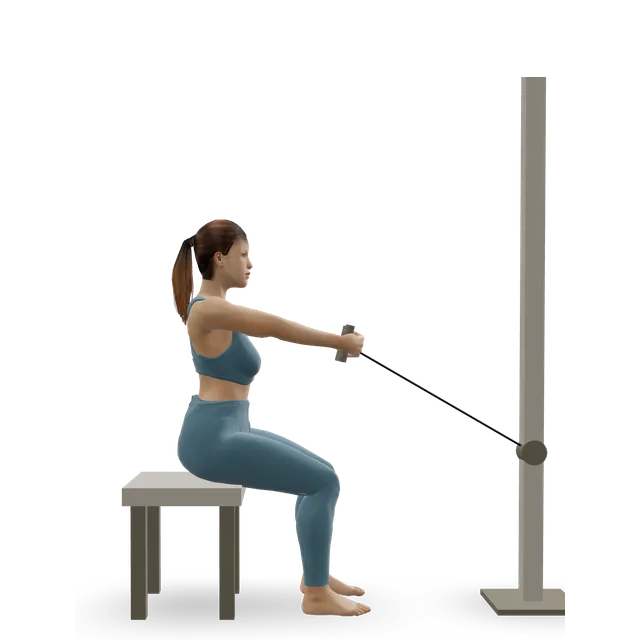
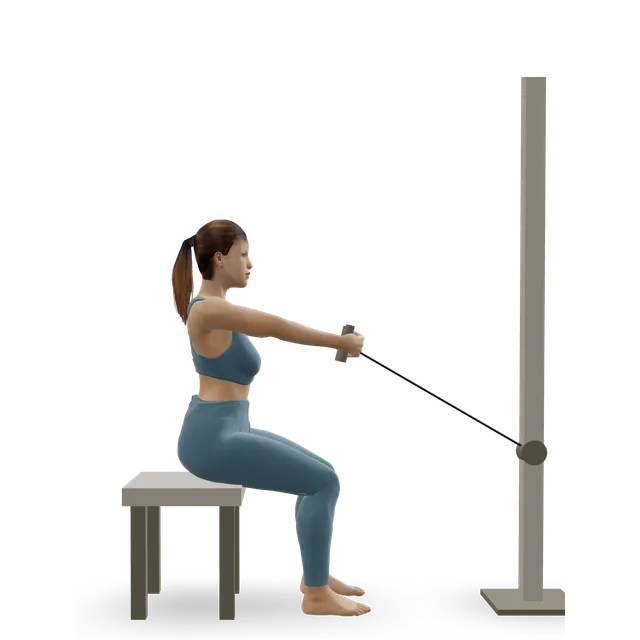
The seated cable row trains your back with your trunk upright and your feet braced, so your lower back works far less than in a bent-over row. Sit tall, draw your elbows back close to your sides until the handle touches your lower ribs, hold for a second, then let your arms straighten slowly.
The studies are small lab studies, but they answer the common questions: a narrow handle with your elbows low favours your lats, a wide grip with your elbows out favours your upper back and rear shoulders, and squeezing your shoulder blades together on purpose adds little. No published study has measured how far to lean, so that advice is coaching practice, and we say so.
This guide covers the set-up, the pull, how much to lean, handles and grips, your shoulder blades, what it works, sets and reps and the warning signs, with a 3D demo of every version.
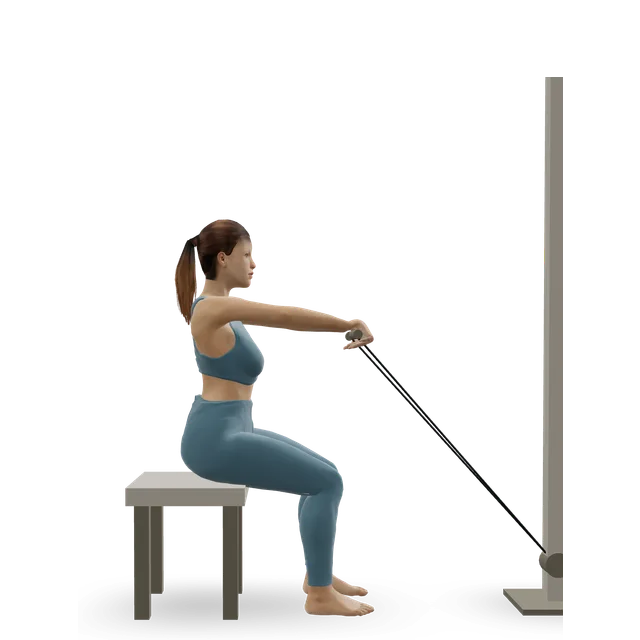
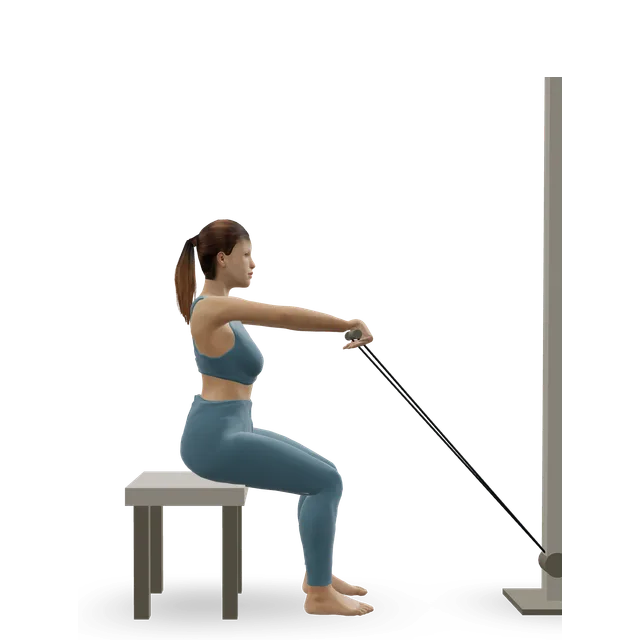
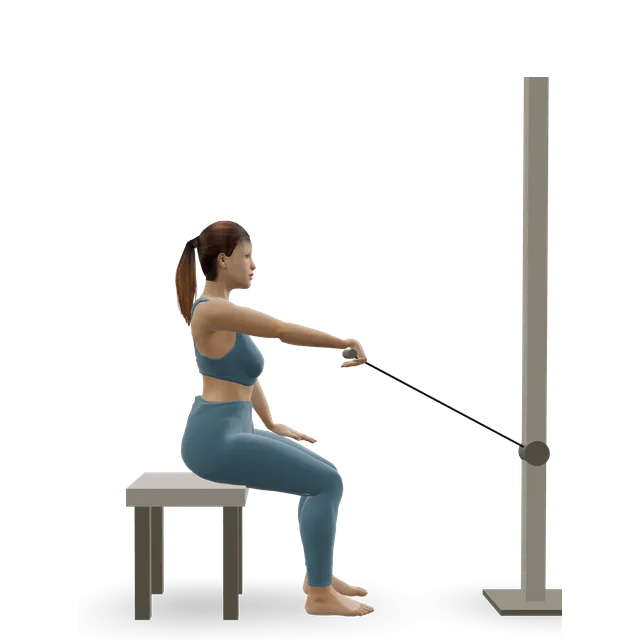
Feet braced, knees softly bent, chest up. Draw your elbows back close to your sides until the handle touches the front of your stomach or your lower ribs, pause for a second, then straighten your arms slowly, as the American Council on Exercise (ACE) describes.
Keep your back straight, reaching slightly forward at the start and coming back to upright at the finish. A big backward lean shifts the work to your lower back and hips: that's coaching advice, because no published study has measured it. If you can only finish a set by swinging, the weight is too heavy, as our move page says.
A free-weight bent-over row worked the lower-back muscles 34% more than a machine row in 15 trained men, and of three rows in 7 men the bent-over row loaded the lower spine most. That's why our bent-over row guide uses the seated row while back pain settles.
A narrow handle with your elbows low worked the lats more; a wide grip with your elbows out worked the trapezius more (14 trained men). Rowing with the elbows close to your sides also let people pull harder.
Squeezing them back on purpose didn't change mid-back activity in 12 men, and fixing them or letting them move gave similar overall activity in 14 trained men. Let them slide forward as your arms straighten and back as you pull.
The lats, the middle trapezius and rhomboids between your shoulder blades, the rear shoulders and the biceps, with your lower-back muscles holding you upright. Of four pulls held by 12 men, the seated row worked the middle trapezius and rhomboids hardest.
You sit facing a low pulley with your feet braced and row a handle to your stomach, so the seat does the job your lower back does in a bent-over row, and the stack adds weight in small steps. ACE rates it a beginner exercise.
The lats, the middle trapezius and rhomboids, the rear deltoids and the biceps. In 12 men holding positions, the seated row produced the most middle trapezius and rhomboid activity of four pulls, and it and the wide-grip pulldown had the highest lat-to-biceps ratios.
Your lower-back muscles hold you upright, but they work less than in a free-weight bent-over row. One-arm versions make your obliques work against twisting: in 15 trained men, one-arm rows worked them more than two-arm rows.
We found no trial that trained people on the seated cable row and measured the results. Its case rests on trials showing machines and free weights build strength and muscle equally, and on muscle activity studies of rows.
It works the same pulling muscles as other rowsEmerging evidence
In 12 men holding mid-range positions, the seated row worked the middle trapezius and rhomboids most of four pulls. A 2026 review of 23 muscle activity studies found that in the seated row a narrower grip and lower elbows were each linked with more lat activity.
Less lower-back work than a bent-over rowEmerging evidence
In 15 trained men lifting at a matched effort, the two-arm bent-over row drew 34% more lower-back muscle activity than a machine row. Of three rows in 7 men, the bent-over row loaded the lower spine most, and a standing one-arm cable row challenged the trunk's resistance to twisting.
Handles and elbows shift the emphasisEmerging evidence
In 14 trained men, a narrow grip worked the lats more and a wide grip the trapezius and side shoulder more, with large effects. In 21 trained men and women, rowing with the elbows closer to the sides produced more force and more lat activity; elbows out at 60 to 90 degrees worked the upper and middle trapezius and rear deltoid more; and palms-up and palms-facing grips used more biceps. Both were single sessions.
Squeezing your shoulder blades back adds littleEmerging evidence
In 12 men, actively squeezing the shoulder blades back didn't change middle trapezius and rhomboid activity. In 14 trained men, fixing the shoulder blades back or letting them move gave comparable overall activity, with small shifts in which muscles worked in each phase.
Machines build strength as well as free weightsStrong evidence
Across 13 studies, machine and free-weight training raised strength equally when compared head to head. In 46 young adults over 8 weeks, muscle size and free-weight strength rose equally with either, and a 2026 overview by the American College of Sports Medicine (ACSM) found equipment type didn't consistently change results.
No published study has measured how much you should lean, or how a backward lean changes the load on your lower back, and none has counted seated row injuries. The muscle activity studies were single sessions in 12 to 21 people.
How to do a seated cable row, step by step
From ACE's seated row and our move page. How far to lean is coaching practice: no published study has measured it.
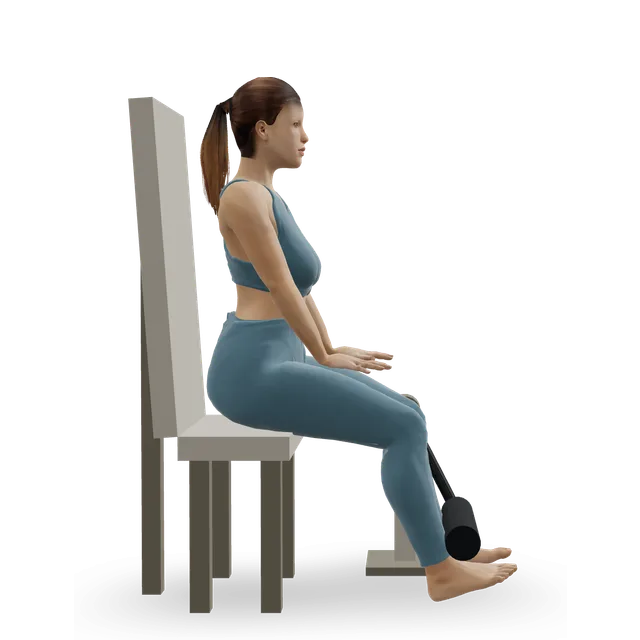
Sit facing the low pulley with your feet braced on the foot plate and your knees softly bent.
Lean forward with a flat back to take the handle, then sit tall with your arms long and your chest up.
Breathing out, draw your elbows back close to your sides until the handle touches your lower ribs or the top of your stomach.
Hold for a second.
Let your arms straighten slowly and your shoulder blades slide forward, keeping your chest up and the stack quiet.
Keep your trunk close to upright throughout: a little forward at the start and upright at the finish, with no rocking back to move the weight.
Loading the 3D figure…
Drag to turn
Gets into position, then repeats the movement. Technical checks passed; qualified exercise review is pending.
Reach slightly forward as your arms straighten and come back to upright as you pull, keeping your back straight, as ACE describes and our move page advises. That's coaching practice: no published study has compared lean angles.
A big backward lean shifts the work to your lower back
Rocking back to swing the weight moves the work into your lower back and hips and hides your progress, as our move page warns. This is coaching advice: no published study has measured how a backward lean changes lower-back load in the seated row.
If you have to swing, it's too heavy
Choose a weight you can pull without leaning back and could pause at your ribs, as our move page advises.
Compared with a bent-over row
Seated, your lower back holds you upright rather than holding a hinge. A free-weight bent-over row worked the lower-back muscles 34% more than a machine row, and it loaded the lower spine most of three rows in another study.
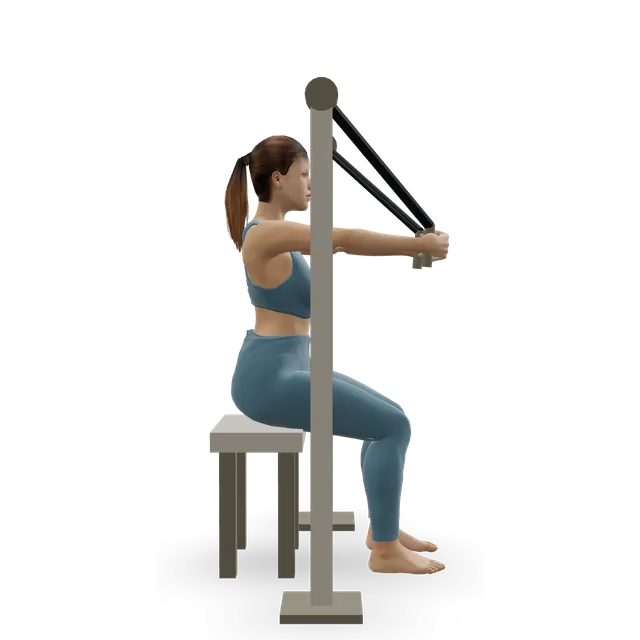
The standard: a narrow, palms-facing handle with your elbows close to your sides. It favours the lats, and keeping the elbows in let people pull harder.
A rope pulled to your upper chest with your elbows high works the rear shoulders and upper back, as its move page shows; pulled to your neck, it finishes like a face pull.
Our suggestion
Start with the V-handle. Add the wide bar or the rope on other days if you want more upper-back work: no training trial has compared grips for muscle growth.
Your shoulder blades
Let them move
Let them slide forward as your arms straighten and draw back as you pull. Squeezing them back on purpose didn't change mid-back activity in one study, and fixing them back or letting them move gave similar overall activity in another.
Drawing your shoulder blades back as the handle reaches your ribs is part of the row; holding them pinned back through the whole set isn't needed (our view, in line with our bent-over row guide).
Cues
Thinking about your back raised lat activity at the start of a set, not near failure. Use the cue if it helps you feel the right muscles.
Two-arm versions take the standard row's 3 sets of 8 to 12 (our plans); do one-arm rows for 2 to 3 sets of 8 to 12 each side and rope rows for 2 to 3 sets of 10 to 15 (our editorial starting points).
3 sets of 8 to 12, as in our full-body gym workout B. In your first two weeks, do 2 sets and stop each with 3 or 4 reps to spare. Our upper body and pull day B workouts, for people further on, use 3 or 4 sets.
How hard
Stop 2 or 3 reps short of failure: 2 to 3 RIR (reps in reserve: how many more reps you could have done), our plans' rule for big lifts. Some of our workouts for more experienced lifters go to 1 or 2.
Rest
About 90 seconds, as in our full-body gym workout B; our plans give 90 seconds to 2 minutes.
How often
Train your back about twice a week, our plans' default; in our 3-day plan, the row and the pulldown take turns. In the ACSM's overview, strength rose most with at least two sessions a week.
No trial has followed seated row training on its own. In an 8-week trial of machines against free weights, strength on the tested lifts rose about 11 to 19% with either, and gains slow with experience, as our progressive overload guide explains.
Keep your wrists straight and your grip firm but not crushing (our editorial cue).
Who should change the seated cable row
Back pain
The seated row usually suits while back pain settles, as our bent-over row guide says: keep your trunk still, and stop for pain that travels down a leg. The NHS advises seeing a GP for back pain that comes from between your shoulders.
Rows usually suit. Our shoulder impingement plan uses the seated cable row, 3 sets of 8 to 12, and a hospital shoulder programme lists the seated row machine among exercises that are usually safe. Keep pain to about 5 out of 10 or less, settling by your next session.
Use the V-handle with your palms facing and a lighter load, and keep pain mild: about 3 to 4 out of 10, settling within an hour, as our elbow guides advise.
After heart surgery or a transplant
After heart surgery through the breastbone, or a heart or lung transplant, follow your surgical team's advice before you pull with your arms, as our group cautions say.
High blood pressure
The American Heart Association says people with controlled high blood pressure can safely do low- to moderate-intensity strength training with proper breathing. Breathe out as you pull, and use weights you could lift 10 to 15 times, as our blood pressure guide advises.
The NHS says you can carry on strength training at the gym if you already do, and stop if you feel uncomfortable, too hot or unwell. The row is done sitting upright, so it suits later pregnancy too (our suggestion).
If back pain comes with pain, tingling, weakness or numbness in both legs; loss of feeling around your genitals or anus; changes in your bladder or bowels; changes in how your penis or vagina feels during sex, or not being able to get or keep an erection or to orgasm; chest pain; or if it started after a serious accident. Also for chest pain that feels tight or like squeezing, or spreads to your arms, neck or jaw.
For severe pain in your arm that makes it difficult to move; an arm injury where you heard a snapping noise or your arm has changed shape; or an arm that tingles or feels numb.
Ask for an urgent GP appointment or get help from NHS 111
If you have back pain and feel hot, cold, shivery or generally unwell, or the pain is severe, starts suddenly or is getting worse quickly; or for sudden or very bad shoulder pain, an arm you can't move, or pins and needles that don't go away. In the US, contact your doctor or urgent care.
If back pain doesn't improve after a few weeks, stops your day-to-day activities, is worse at night or comes from between your shoulders; if shoulder pain hasn't improved after 2 weeks; or if elbow or arm pain hasn't gone after a few weeks.
Achy upper-back and arm muscles for a day or two after a new session are normal. Sharp pain, lower-back pain that travels down a leg, or elbow pain that builds through a set isn't: lighten the load or stop, and see our back and elbow guides.
Myths
"Squeeze your shoulder blades together and hold them there"Emerging evidence
Squeezing them on purpose didn't change mid-back activity, and fixing them or letting them move gave similar overall activity. Let them move: forward as your arms straighten, back as you pull.
No published study has measured it. Rocking back moves the work into your lower back and hips, as our move page warns: choose a weight you can pull without leaning back.
"Close grip for thickness, wide grip for width"Mixed evidence
Grips shift which muscles work in a single session (narrow for the lats, wide for the trapezius and rear shoulders), but no training trial has measured growth by grip.
"Seated rows are a lesser row than bent-over rows"Emerging evidence
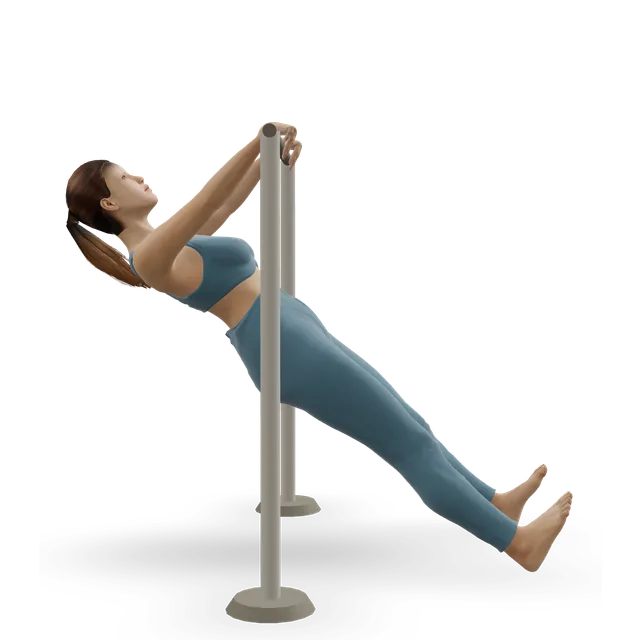
They work the same pulling muscles with less lower-back load, and machines build strength as well as free weights. The bent-over row adds hip-hinge and lower-back training.
Strengthening programmes, which include rows, improved measured posture in trials. No trial has tested rows alone, and strength doesn't match where your shoulder blades sit at rest; our rounded shoulders guide has the full picture.
Sit facing the low pulley with your feet braced and knees soft, and sit tall with long arms. Draw your elbows back close to your sides until the handle touches your lower ribs, hold for a second, then let your arms straighten slowly.
Should you lean back on seated cable rows?
Only a little: reach slightly forward at the start and come back to upright, without rocking back to move the weight. Rocking shifts the work into your lower back and hips. No published study has measured the lean, so this is coaching practice.
Which handle should I use for seated cable rows?
A V-handle, with your palms facing, pulled to your lower ribs is the standard and favours your lats. A wide bar pulled to your lower chest with your elbows out works your upper back and rear shoulders more, and palms-up and palms-facing grips bring in more biceps.
Should I squeeze my shoulder blades together on seated rows?
Let them move: forward as your arms straighten, back as you pull. Squeezing them on purpose didn't change mid-back muscle activity in a study, and fixing them or letting them move gave similar overall activity in another.
What muscles does the seated cable row work?
Your lats, the middle trapezius and rhomboids between your shoulder blades, your rear shoulders and your biceps, with your lower-back muscles holding you upright. Where your elbows go decides which work most.
Seated cable row or bent-over row?
Both train the same pulling muscles. The seated row takes load off your lower back (a free-weight row worked the lower-back muscles 34% more than a machine row) and adds weight in small steps, while the bent-over row also trains your hip hinge. Our bent-over row guide covers that side.
Seated row or lat pulldown: which should I do first?
Do both across your week: the row pulls towards your stomach and the pulldown from overhead, and they share the lats. Put the one you most want to improve first in the session.
Is the seated row bad for your lower back?
No: it asks less of your lower back than a bent-over row, which is why our row guide uses it while back pain settles. Keep your trunk still, and stop for pain that travels down a leg.
How many sets and reps of seated rows should I do?
3 sets of 8 to 12, stopping 2 or 3 reps short of failure, with 90 seconds to 2 minutes' rest, and train your back about twice a week. When every set reaches 12, add weight and go back to 8.
One arm or two on the cable row?
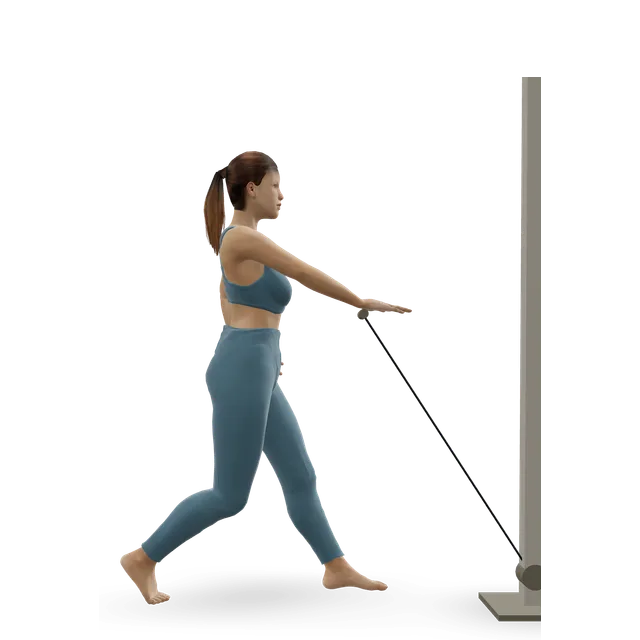
Both work. One arm at a time makes your trunk resist twisting, so it works your obliques more; two arms let you lift more and keep the row simple.
Will seated rows fix my posture?
They're a useful part of a mix: strengthening programmes improve measured posture, but rows on their own haven't been tested, and strength doesn't match where your shoulder blades sit at rest. Our rounded shoulders guide has the full programme.
Exercise education, not a personal prescription, and clinical review of these guides is pending. Check with a GP before starting hard training if you have a heart condition, chest pain, dizziness or breathlessness when active, and stop for sharp or increasing pain. Health disclaimer.