How to do a kettlebell overhead press: from the rack, one bell or two
A kettlebell press takes the bell from the rack at your shoulder to a locked arm overhead: elbow close to your ribs, wrist straight, palm turning forward as the bell rises, and no lean. One bell makes your trunk work to keep you upright; two let you lift more in total. The push press adds a short dip and drive of the legs.
Small studies comparing kettlebells with dumbbells found only small, mixed differences in muscle activity, so use whichever you have.
This guide covers the strict press step by step on the 3D figure, the push press, one bell or two, the bottoms-up press, how heavy and how many to match our plans, and what to do if your shoulder or wrist complains.
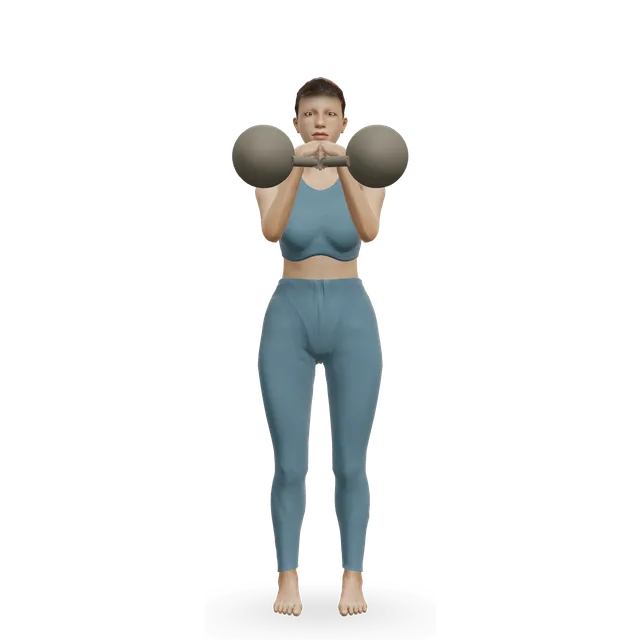
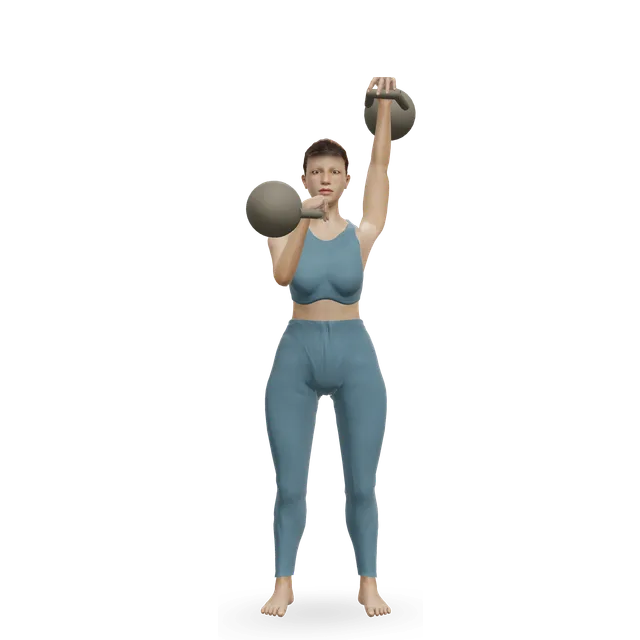
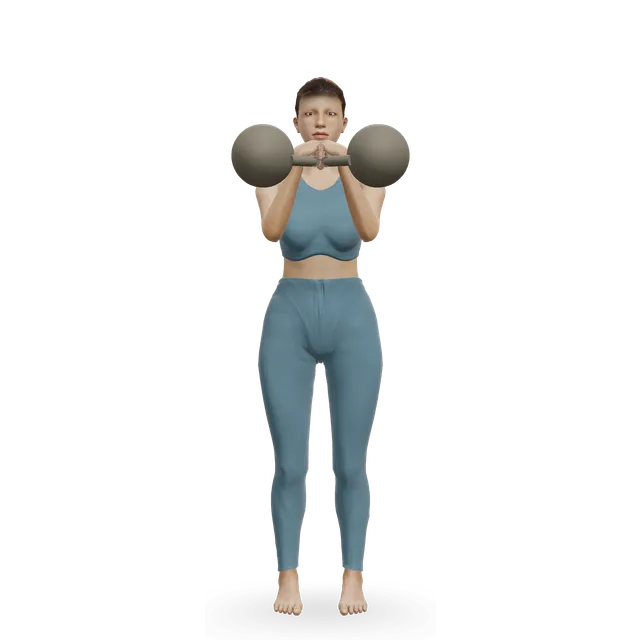
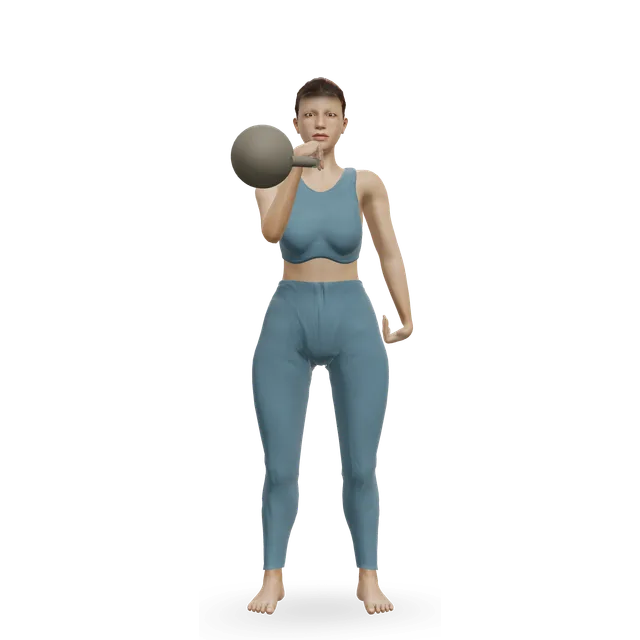
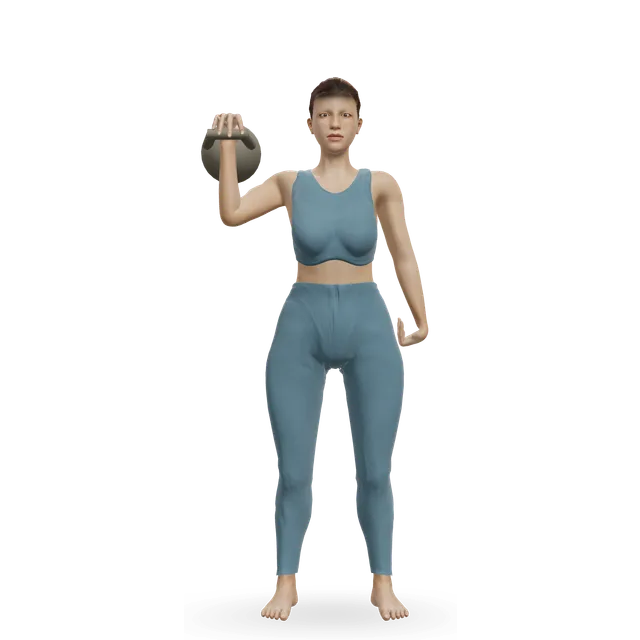
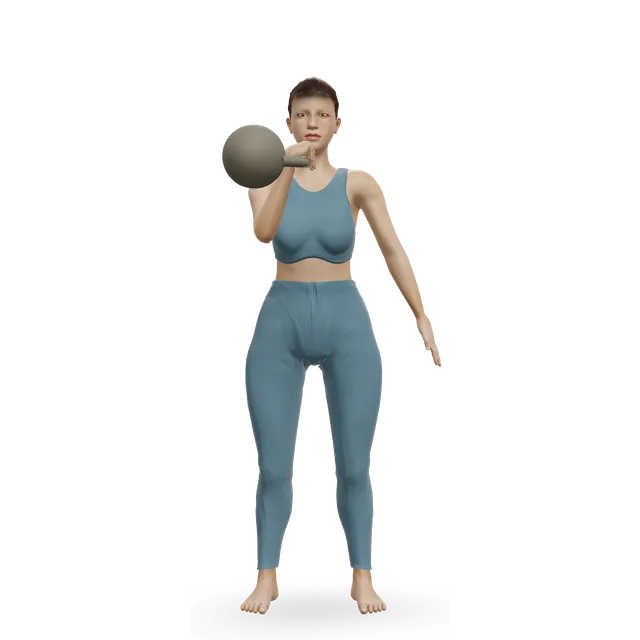
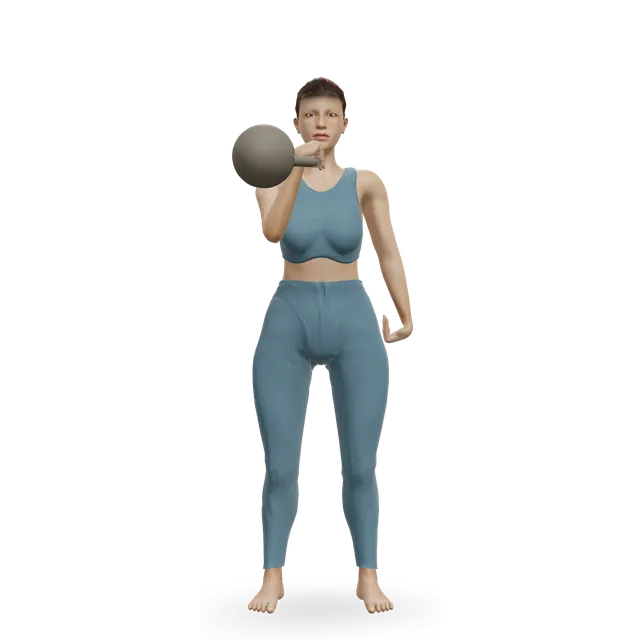
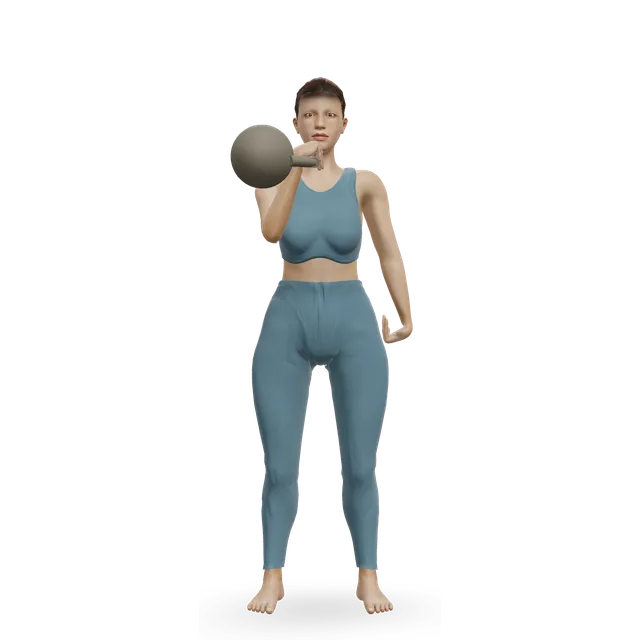
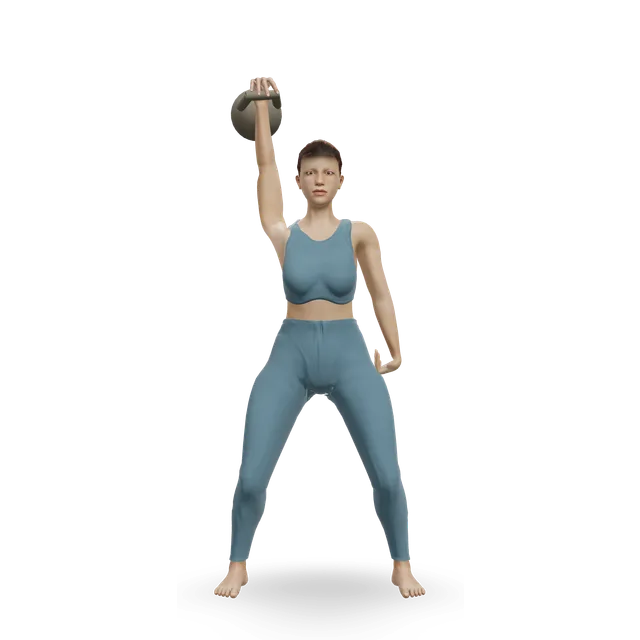
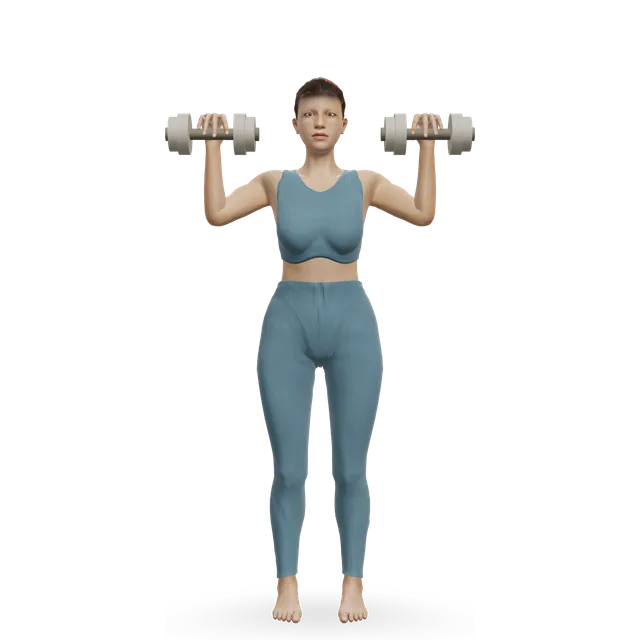
Clean the bell to the rack with your elbow close to your ribs and your wrist straight. Press it straight up, turning your palm to face forward as it rises, lock your elbow over your shoulder without leaning sideways, and lower it slowly to the rack.
In the strict press your arm and shoulder do all the work. The push press adds a short dip and drive of the legs, as in the clean and press of the American Council on Exercise (ACE). Our overhead press guide teaches the strict press first, and so do we.
At the same weight, three small studies found small, mixed differences in muscle activity between kettlebell and dumbbell presses. Neither is clearly easier or better, so press whichever you have.
A one-arm shoulder press worked the back's steadying muscles harder than a two-arm press in 11 adults. Two bells let you lift more in total, and ACE keeps double-bell pressing for advanced kettlebell users.
In a military press, the shoulder blade turned up and tilted back more than in a plain forward arm raise in 16 men. In weight trainers, signs of shoulder impingement went with lateral raises and upright rows above shoulder height; the study's summary doesn't mention pressing.
Use a bell you can press 5 to 8 times each side with 2 or 3 reps to spare, as our kettlebell plan's press-bell test says, for 3 sets with 2 to 3 minutes' rest, twice a week (our editorial starting point). Across 137 reviews, 2 to 3 sets and at least 2 sessions a week built the most strength.
The National Strength and Conditioning Association (NSCA) starts from the clean's finish, wrist neutral, and presses until the elbow is fully straight, turning the shoulder out so the palm faces forward at the top. "Do not allow the spine to flex laterally", it says, and lower the bell slowly without bending forward. ACE's single-arm press sets the pressing side's foot slightly forward and keeps the elbow "close to the ribs" at the start; ACE rates it intermediate.
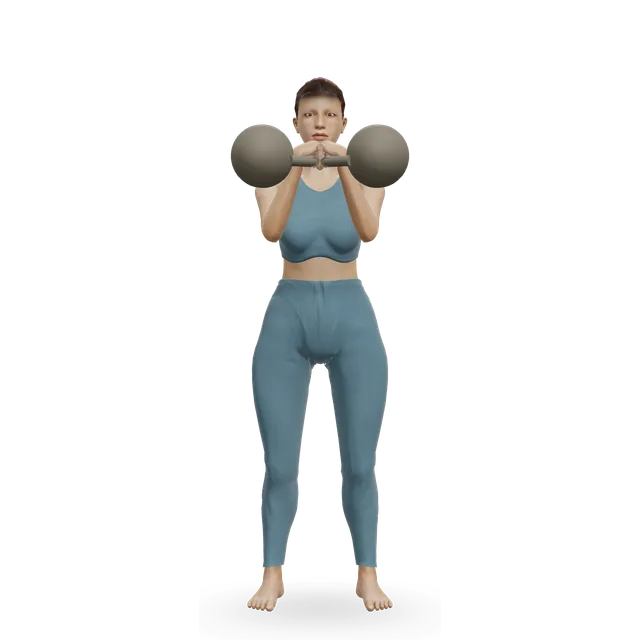
With a bell at each shoulder, ACE has you press "from the latissimus dorsi" (the big back muscles), keep your elbows under the bells, finish with your palms forward and pull the bells back down "as if you were performing a pull-up".
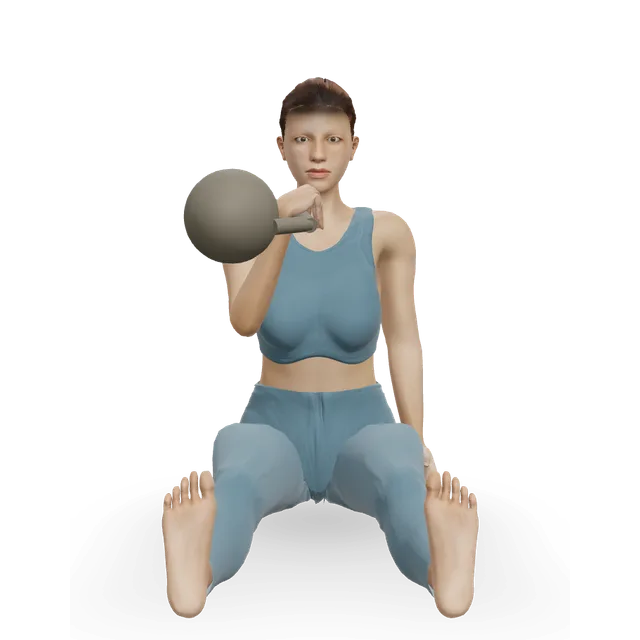
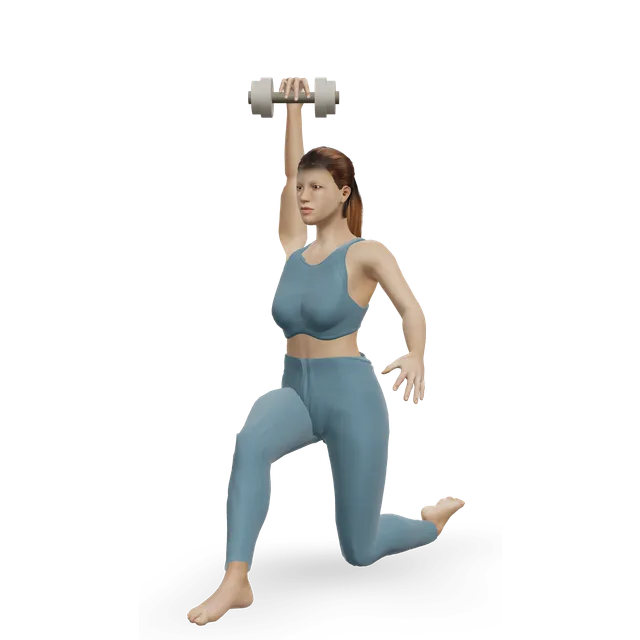
On our 3D figure: the seated press, the alternating and see-saw presses with two bells, the double press, the elbow-out (para) press, the side press, the kettlebell Arnold press, the push press with one or two bells, the jerk, the thruster and the bent press. Three versions have no 3D demo: the strict one-arm standing press itself (taught below with the alternating press), the bottoms-up press and the half-kneeling press.
What it works
The front and side of your shoulders and your triceps press the bell, and ACE lists the shoulders as its target. Your shoulder blade turns up and tilts back as your arm rises, and with one bell the muscles of your trunk work to stop you leaning. Muscle activity isn't muscle growth.
A stiff upper back or shoulder turns a press into a lean back (our view), and one bell shows up the difference between your sides. Older adults pressed in supervised kettlebell programmes: 32 adults aged 59 to 79 in one, and 33 women aged 65 to 75 with low muscle mass and strength (sarcopenia) in another, whose programme included the two-arm military press, as a 2019 review lists it.
How to do a strict one-arm kettlebell press, step by step
Built on the NSCA's technique manual and ACE's single-arm press. The figure presses two bells in turn; with one bell, do every rep on one side, then the other. Starting with your weaker side is our suggestion.
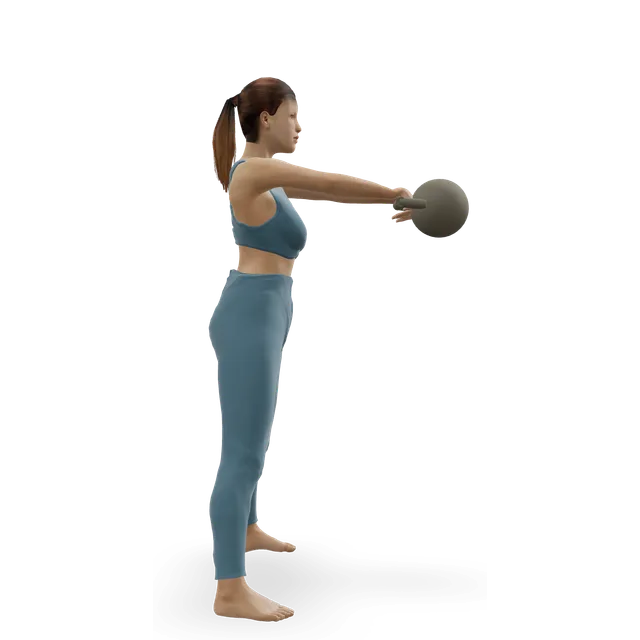
Clean the bell to the rack: the bell on the back of your forearm, wrist straight, elbow close to your ribs.
Stand with your feet about hip-width apart, the pressing side's foot slightly forward if you like. Squeeze your glutes and tighten your trunk.
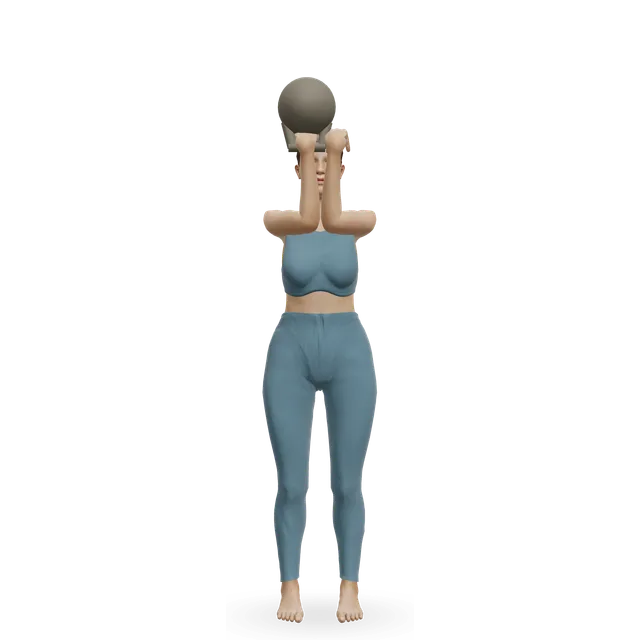
Press the bell straight up, the forearm upright under it, turning your palm to face forward as it rises.
Lock your elbow with the bell over your shoulder and your arm beside your ear. Don't lean sideways or back, and let your shoulder blade turn up with your arm.
Pull your elbow back down to your ribs, slowly and without bending forward, turning your palm back in as the bell returns to the rack.
Breathe out as you press. Finish the set on one side, then change hands.
Loading the 3D figure…
Drag to turn
Gets into position, then repeats the movement. Technical checks passed; qualified exercise review is pending.
Let the bell rest on the back of your forearm with the handle across your palm and your wrist straight. The bell hangs behind your hand, and overhead its weight sits behind your shoulder joint rather than over it, as a dumbbell's does, which may make it less stable.
Start with your elbow in front of your ribs, not flared out to the side. The elbow-out (para) press starts elbow out on purpose, but that turns the shoulder further outwards: if it pinches, go back to elbow in front.
Straight up, close to the side of your head, with the forearm upright under the bell. A bell that drifts forward away from you is harder to hold and pulls you into a lean (our view).
The lockout
Elbow fully straight, palm forward, the bell over your shoulder and no sideways bend in your trunk. The NSCA asks for nothing more; pushing the bell back behind your head isn't needed.
Breathe out as you press. With high blood pressure, heart disease, glaucoma or diabetic eye disease, a hernia or recent surgery, or in pregnancy, breathe out through every press and keep the bell moderate, as our breathing guide says.
Strict press, push press or jerk
Learn the strict press first
It teaches the path and the lockout with nothing to hide behind. Our overhead press guide teaches the strict press first, and our kettlebell plan's press-bell test is a strict press.
The push press
Dip a few centimetres at the knees, then drive up hard so your legs start the bell and your arm finishes it, feet flat. ACE's clean and press uses this hip and leg drive. Our kettlebell workout does 3 sets of 6 each side; end each set while every rep is crisp, as our plan says of power moves. Our push press guide teaches the barbell version.
A second, quick dip under the bell catches it on a locked arm, so your arm barely presses at all. It's a lift of kettlebell sport, best left until the push press is solid (our view; its move page has the steps).
The clean and press
Clean the bell to the rack and press it, every rep or every set. ACE rates its clean and press advanced. Our clean and press practice session teaches the two in order.
One bell: your trunk works harderEmerging evidence
In 11 adults, a one-arm shoulder press drew more activity from the back's steadying muscles than a two-arm press. It's one small study, but it matches the feeling of fighting a lean.
With a bell racked at each shoulder, press one and lower it before the other goes up (alternating), or press one as the other comes down (see-saw). Keep your trunk still as the sides swap (their move pages).
Two bells together
The double press moves the most weight. ACE writes its double kettlebell exercises for advanced kettlebell users: learn one bell on each side first.
Small, mixed differences in muscle activityMixed evidence
At 25% of a machine-press maximum, the front of the shoulder worked a little harder with a dumbbell than a kettlebell in 21 students (63% against 58% of maximum), with similar chest activity. Pressing seated, 20 trained men showed no significant differences in six shoulder and back muscles at 6 kg or at 70% of their maximum. In 28 baseball players pressing 11.34 kg, the dumbbell drew more activity from the lower trapezius. All three tested light loads in a single session.
A dumbbell's weight sits in line with your shoulder joint overhead; a kettlebell's sits behind it, which the authors think may make it less stable. The bell also rests on your forearm rather than in your hand.
In 15 men, the standing dumbbell press drew the most shoulder activity of four presses but lifted about 7% less than a standing barbell press and 10% less than a seated dumbbell press. Steadying a free weight costs some load.
The equipment matters less than the trainingStrong evidence
Across 137 reviews, the type of equipment made no consistent difference to strength or muscle; loads, sets and sessions a week did. Kettlebells jump in bigger steps than dumbbells, which makes slow progress harder (our view).
The bell is held upside down, balanced above a tightly gripped fist, and pressed overhead. There's no 3D demo of it; the bottoms-up clean, which gets the bell into position, has a move page but no demo either.
It changes which muscles work hardestEmerging evidence
In 28 baseball players, the bottoms-up press drew more serratus anterior (the muscle that holds the shoulder blade against the ribs) than the usual kettlebell press or a dumbbell press. In 20 men, it drew more activity from the upper and lower trapezius, the biceps and the infraspinatus, a rotator cuff muscle, than the usual kettlebell press.
No trial has tested it for sore shouldersMixed evidence
More muscle activity in one session isn't evidence that it helps shoulder pain. Treat it as a harder variation: a much lighter bell, 2 or 3 sets of 3 to 5 each side (our editorial starting point), and clear space in case the bell tips.
Our kettlebell plan's press bell: one you can press 5 to 8 times each side with 2 or 3 reps to spare, usually one or two sizes lighter than your swing bell.
Sets, reps and rest
3 sets of 5 to 8 each side, stopping 2 or 3 reps short (3 or 4 in your first two weeks), with 2 to 3 minutes' rest: our editorial starting point, matching the plan's press-bell test and our plans' rest for heavy sets of 5 to 8. Across 137 reviews, 2 to 3 sets and at least 2 sessions a week built the most strength.
The elbow-out press, the side press and the kettlebell Arnold press: 2 to 3 sets of 5 to 8 each side, stopping with 2 or 3 reps in reserve (each move page's editorial starting point). The push press: 3 sets of 6 each side, as in our kettlebell workout.
Moving up
"Work up to the top of the rep range on every set, then use the next bell for the first set only, then for two sets, and so on": our kettlebell plan's editorial rule, because kettlebells usually jump 4 kg at a time.
How often
Twice a week, with a pull such as a row to balance it, as our kettlebell workouts do. The NHS recommends strengthening activities that work all the major muscles on at least 2 days a week.
There are no research-based strength standards for the kettlebell press, so we don't give targets by sex, age or body weight. Compare yourself with yourself: the same bell for more reps, then the next bell.
Your progression
Doses come from our move pages and workouts where named; the rest, and the move-on points, are our editorial suggestions.
Step 1: the reach check
Wall angels, 8 slow slides, as in our overhead press technique workout: arms towards the wall overhead without your lower back lifting off it. If you can't, press seated or one arm at a time for now.
Step 2: the seated press
Sitting tall on the floor, one bell: 2 to 3 sets of 5 to 8 each side, stopping 2 or 3 reps short (editorial). Move on when the path is straight with no lean.
Step 3: the strict one-arm press
Standing, 3 sets of 5 to 8 each side (editorial, above). When every set reaches 8 with 2 reps to spare, use the next bell for your first set only.
Step 4: the push press
3 sets of 6 each side, as in our kettlebell workout, to handle a heavier bell.
Step 5: two bells
The alternating press, the see-saw press, then the double press, which ACE keeps for advanced users. None has a page dose, so use 3 sets of 5 to 8 each side (editorial).
The elbow-out press, the side press and the kettlebell Arnold press at their move pages' 2 to 3 sets of 5 to 8 each side; the jerk and the one-arm clean and jerk once the push press is solid, the clean and jerk at its move page's 3 to 5 sets of 2 to 5 each side.
How long it takes
No study has timed it. Move on by the checks above, not by the calendar.
Your shoulders and wrists
Let your shoulder blade moveEmerging evidence
In 16 men pressing 2 kg, the shoulder blade turned upwards and tilted back more in a military press than in a plain forward arm raise. Pinning your shoulder blades down and back while you press works against this (our reading).
What we know about pressing and impingementMixed evidence
In 46 recreational weight trainers, signs of shoulder impingement (a pinching pain as the arm rises) went with lateral raises and upright rows above shoulder height, and strengthening the muscles that turn the arm outwards went with fewer signs. The study's summary doesn't mention pressing, and a snapshot like this can't show cause and effect.
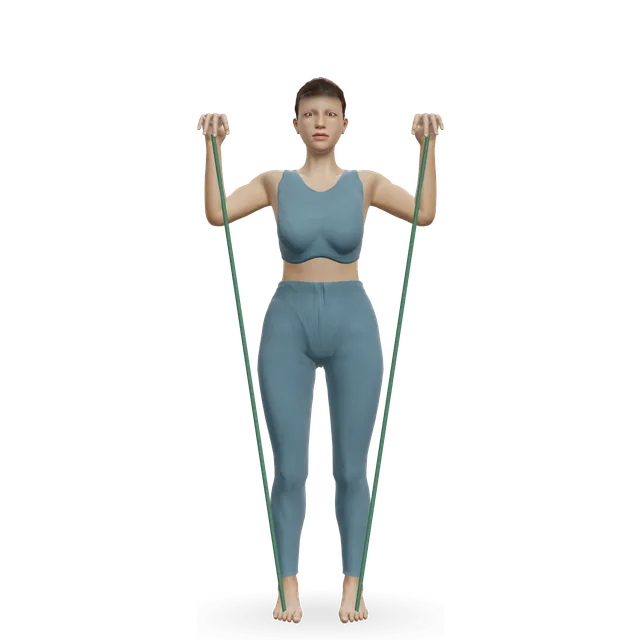
Press lighter, in front of your head, or switch to the band press from our overhead press technique workout, and see our shoulder impingement guide. Pain up to about 5 out of 10 during exercise is acceptable if it's back to its usual level by your next session, as our shoulder guides say. See a GP if shoulder pain is getting worse or hasn't improved after 2 weeks.
Keep your wrist straight and the bell on the back of your forearm, use a lighter bell, or press a dumbbell for a while. Our wrist pain lifting guide lists the front rack and the overhead press among the positions that load a bent-back wrist, and treats tingling as a sign to stop.
What the evidence says
Kettlebell and dumbbell presses: small, mixed differencesMixed evidence
Three small studies of muscle activity at light loads, in 21 students, 20 trained men and 28 baseball players, found small differences that pointed different ways. None measured strength or muscle growth over time.
Programmes with presses helped older adultsEmerging evidence
In 32 adults aged 59 to 79, 12 weeks of supervised classes built on the swing, the clean, the military press, the goblet squat and an unloaded get-up raised grip strength by 6 to 7 kg and predicted deadlift strength by 16.2 kg. In 33 women aged 65 to 75 with sarcopenia, 8 weeks of twice-weekly kettlebell training raised grip and back strength against no training. One woman's shoulder pain limited her overhead work in the first trial, among four minor problems.
Strength needs load, sets and sessionsStrong evidence
Across 137 reviews, strength rose most with heavier loads (80% of a one-rep maximum or more), a full range, 2 to 3 sets, lifts done early in the session and at least 2 sessions a week.
Your trunk bends sideways near the top. Use a lighter bell and squeeze your glutes and your free fist.
Arching your back to finish
Ribs down and glutes tight, and stop 2 or 3 reps short of failure.
A bent wrist under the bell
Straighten your wrist and let the bell rest on the back of your forearm, forearm upright.
The elbow flaring out at the start
Start with your elbow in front of your ribs; the bell swings away and the shoulder can pinch otherwise.
Shrugging or pinning your shoulder blade
Let it move with your arm instead.
Dropping the bell to the rack
Pull it down under control, as if doing a pull-up.
Grinding out reps
Slow, shaky reps mean the bell is too heavy today. Stop 2 or 3 reps short, as our plans advise.
Who should change the press
A painful shoulder
Use the band press and our shoulder impingement guide, as our overhead press technique workout says, and leave behind-the-neck presses out. After a dislocation, stop short of any feeling that the shoulder might slip.
High blood pressure, heart disease or glaucoma
Breathe out through every press, keep the bell moderate and don't hold your breath. The American Heart Association says controlled high blood pressure allows low to moderate resistance training with proper breathing, and advises asking your doctor before upper-body training with a pacemaker or implanted defibrillator.
Overhead pressing loads the shoulder in positions the spinal cord injury guideline advises limiting, as our kettlebell press move pages say: favour rows, pull-downs from shoulder height and rotator cuff work, and stop if it brings on shoulder pain.
After breast cancer surgery or reconstruction
Follow your surgical team's advice on when you can lift your arm above shoulder height, as our band press move page says.
Pregnancy
If you already press, you can usually carry on with a lighter bell. Tommy's says pregnancy isn't the time for your heaviest weights, not to hold your breath, and to stop if you feel faint, overheated or in any pain; the NHS says to tell your instructor you're pregnant.
Supervised kettlebell classes that included the press were well tolerated in adults aged 59 to 79. Start light and press only as high as is comfortable.
Work up in order: the wall angel as your reach check, 8 slow slides (our overhead press technique workout); the seated, alternating, see-saw and double presses, which have no page dose, at 3 sets of 5 to 8 each side, 2 or 3 reps short (editorial); the push press at 3 sets of 6 each side (our kettlebell workout); and the elbow-out, side and Arnold presses at 2 to 3 sets of 5 to 8 each side and the clean and jerk at 3 to 5 sets of 2 to 5 each side (their move pages).
Band pull-aparts, 15 reps, and shoulder CARs (controlled articular rotations: slow, full circles), 3 each way, warm you up; face pulls, 2 sets of 15, band external rotations, 12 to 15 each arm, Y-T-W raises, 5 of each letter, and one-arm rows, 3 sets of 8 each side (our kettlebell workout), balance the pressing; the band press is the sore-shoulder option (our overhead press technique workout), and the standing dumbbell press is at its move page's 2 to 3 sets of 8 to 12.
Our kettlebell plan's press bell is the one you can press 5 to 8 times each side; its workouts use the push press and the floor press, and its progression rule moves you to the next bell one set at a time.
Learn the kettlebell clean and press teaches the clean and then strict presses from the rack; our kettlebell workout uses the push press; the overhead press technique workout has the reach check and the band press for a sore shoulder; kettlebell workout B adds the floor press and an overhead carry.
If you get chest pain or pressure, feel faint or dizzy, are unusually breathless, or your heart races or beats irregularly during exercise, as our plans advise. The American Heart Association says these need immediate medical evaluation.
For chest pain that comes on suddenly and doesn't go away, feels like squeezing or pressure, or spreads to your arms, neck, jaw, stomach or back; arm pain that comes on suddenly with pressure, heaviness or squeezing across your chest; severe difficulty breathing; palpitations that don't go away, or come with chest pain, breathlessness or feeling faint; someone who faints while exercising; or a headache that starts suddenly and is extremely painful, especially while lifting or straining. Don't drive yourself to A&E.
After an injury, if you can't move your arm, your shoulder looks out of place or has changed shape, or it's painful, bruised or swollen. Call 999 for an ambulance if you can't get there yourself, and don't try to put it back in yourself.
For sudden or very bad shoulder pain, an arm you can't move, a shoulder that has changed shape or is badly swollen, pins and needles that don't go away, or a shoulder that's hot or cold to touch; or for severe wrist pain, or a wrist you can't move or hold things with. In the US, contact your doctor or urgent care.
If shoulder pain is getting worse or hasn't improved after 2 weeks; wrist pain hasn't improved after 2 weeks or comes with tingling or loss of feeling; arm pain doesn't go away after a few weeks; after any faint; or for dizziness that won't go away or keeps coming back.
See a GP if you think you have a hernia. Get help from NHS 111 if you have a hernia and pain in or around it, a bloated tummy, sickness, constipation, a high temperature or sudden confusion. Call 999 or go to A&E only for a femoral hernia (a small lump at the top of your thigh, in your groin) with very bad tummy pain, sickness, being unable to fart or poo, a high temperature or sudden confusion.
"A kettlebell press is easier than a dumbbell press"Mixed evidence
At the same weight, small studies found small differences that pointed different ways: a little less front-shoulder activity with the kettlebell in one, no significant differences in another, more lower-trapezius activity with the dumbbell in a third. Neither is clearly easier.
"Overhead pressing ruins your shoulders"Mixed evidence
In weight trainers, signs of impingement went with lateral raises and upright rows above shoulder height; the study's summary doesn't mention pressing. Press with your shoulder blade free to move, and change the press if it hurts.
"You need heavy bells to get stronger"Emerging evidence
Heavier loads did build the most maximal strength across 137 reviews, but you get there one step at a time: more reps first, then the next bell for one set. In swing training, a fixed bell built as much strength over 6 weeks as one stepped up every 2 weeks.
Clean the bell to the rack with your elbow close to your ribs and your wrist straight. Press it straight up, turning your palm forward as it rises, lock your elbow over your shoulder without leaning, and lower it slowly back to the rack.
Is a kettlebell press better than a dumbbell press?
Neither is clearly better. At the same weight, three small studies found small, mixed differences in muscle activity, and across 137 reviews the type of equipment made no consistent difference to strength. Press whichever you have.
How should I hold a kettlebell to press it?
Let the bell rest on the back of your forearm with the handle across your palm, your wrist straight and your forearm upright under the bell. A bent-back wrist is the usual cause of wrist ache in the press.
What weight kettlebell should I press?
One you can press 5 to 8 times each side with 2 or 3 reps to spare: the press bell in our kettlebell plan. There are no research-based strength standards for the kettlebell press, so compare yourself with yourself.
How many sets and reps of kettlebell presses should I do?
3 sets of 5 to 8 each side, stopping 2 or 3 reps short, with 2 to 3 minutes' rest, twice a week. When every set reaches 8, use the next bell for your first set only, then for two sets.
Strict press or push press?
Learn the strict press first: your arm and shoulder do all the work. The push press adds a short dip and drive of the legs so you can lift a heavier bell; our kettlebell workout uses it for 3 sets of 6 each side.
One kettlebell or two?
One bell makes your trunk work to stop you leaning, and lets you press your weaker side first. Two bells let you lift more in total; learn one bell on each side before the double press.
Are bottoms-up kettlebell presses good for your shoulders?
Holding the bell upside down makes the serratus anterior, trapezius, biceps and a rotator cuff muscle work harder than a normal kettlebell press. No trial has tested it for shoulder pain, so treat it as a harder variation with a much lighter bell, not a treatment.
Why does my shoulder hurt when I press a kettlebell?
Often the bell is too heavy, you're leaning back, or your shoulder is already irritable. Press lighter or with a band, and keep pain to about 5 out of 10, back to normal by your next session. Sudden or very bad shoulder pain needs an urgent GP appointment or NHS 111.
Why does the kettlebell press hurt my wrist or forearm?
The bell may be landing on a bony spot, or your wrist is bending back under it. Let it rest on the back of your forearm with your wrist straight, and stop if your fingers tingle.
What is a kettlebell clean and press?
The clean takes the bell to the rack at your shoulder; the press takes it overhead from there. ACE rates the clean and press advanced, and our clean and press practice session teaches the two in order.
Can older adults do kettlebell presses?
Yes, if overhead reaching is comfortable. Older adults pressed in supervised kettlebell programmes that raised grip and strength; start light, and press only as high as is comfortable.
Exercise education, not a personal prescription, and clinical review of these guides is pending. Check with a GP before starting hard training if you have a heart condition, chest pain, dizziness or breathlessness when active, and stop for sharp or increasing pain. Health disclaimer.