Training guide

How to do an Arnold press: the turn, what it works, and your shoulders

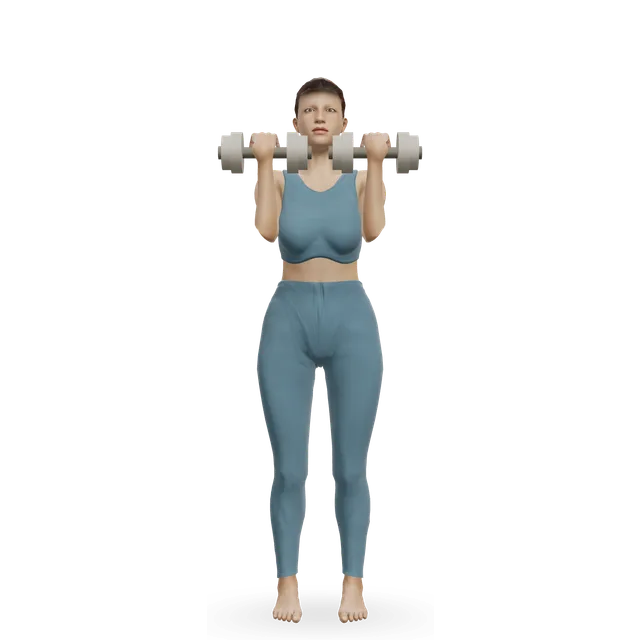
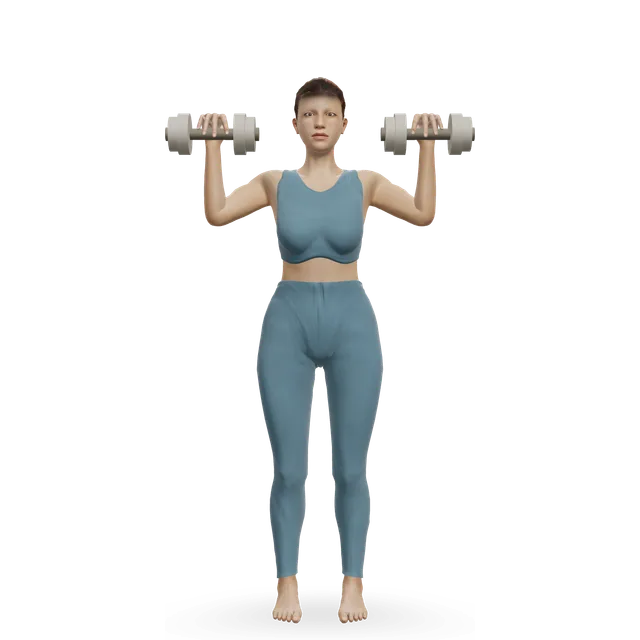
The Arnold press is a seated dumbbell shoulder press with a turn: you start with the dumbbells in front of your chest, palms facing you, and turn your palms forward as you press them overhead. It's named after Arnold Schwarzenegger, and it trains the front and side of your shoulders and your triceps.

It's a variation, not an upgrade. Only one study has measured it: in 10 young men, read as an abstract with raw activity readings and no loads stated, the front and side of the shoulder were more active than in a plain dumbbell press. No study has measured the back of the shoulder in it, and no trial has compared the two presses for strength or muscle.

This guide covers the Arnold press step by step on the 3D figure, where it sits on the press ladder, what it works, how heavy to go, sets and reps, seated or standing, and your shoulders.

The short version

A dumbbell press with a turn

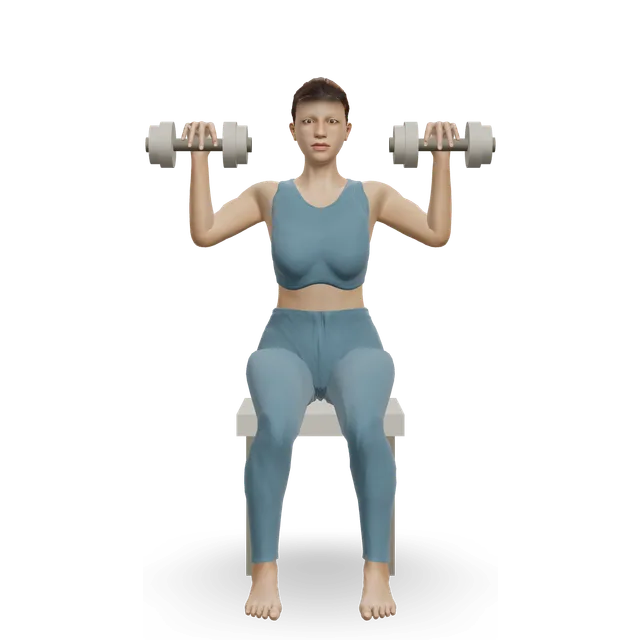
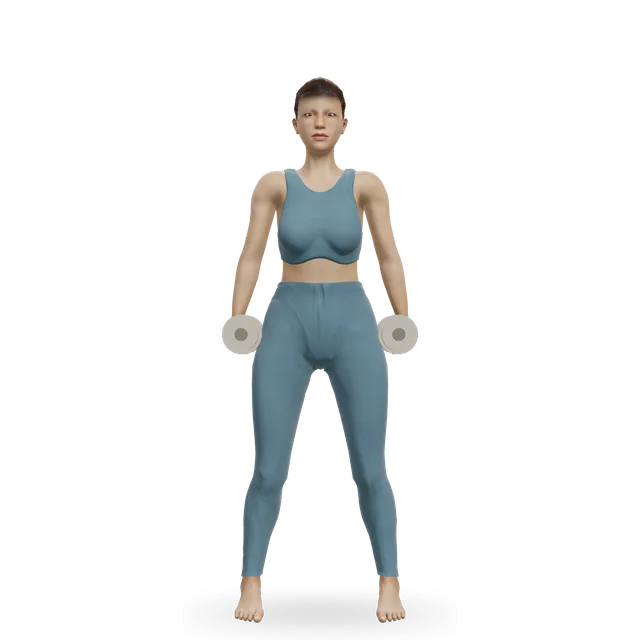
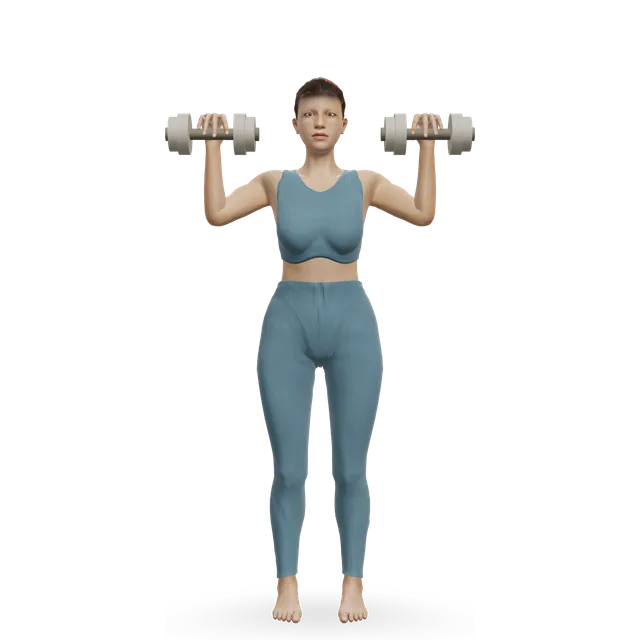
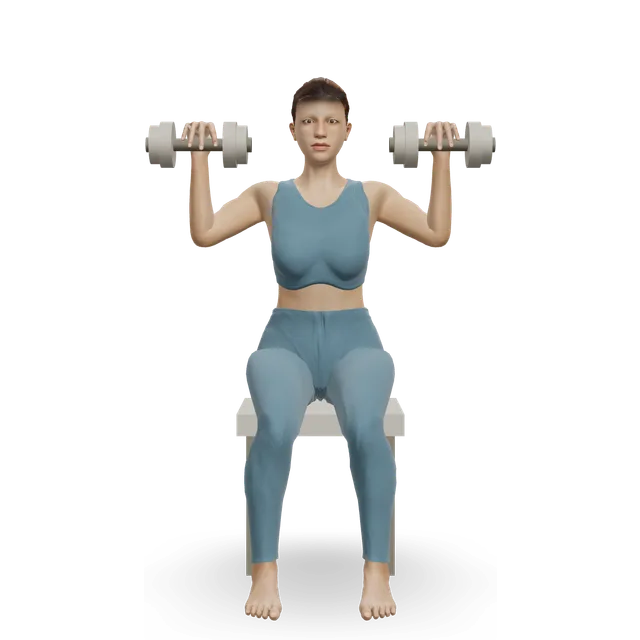
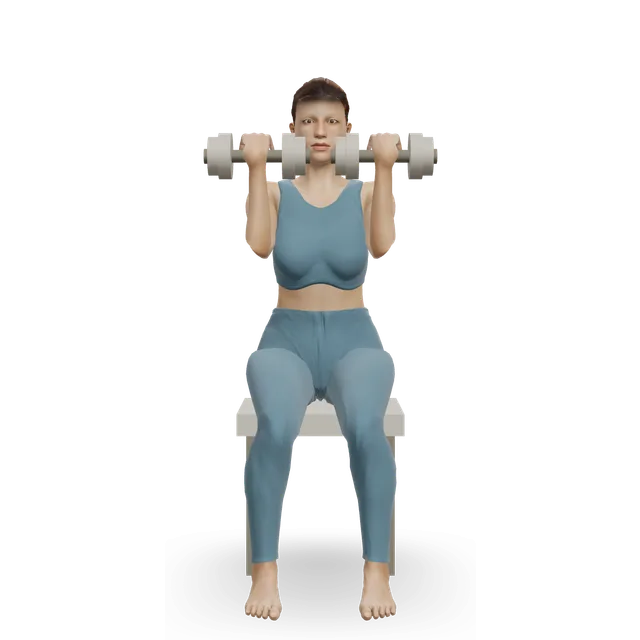
Sit with your back supported and hold the dumbbells in front of your upper chest, palms facing you and elbows down, like the top of a curl. As you press up, open your elbows out to the sides and turn your palms forward, finishing with straight arms overhead; lower the same way. The American Council on Exercise's (ACE's) seated dumbbell press, the press it turns into, keeps your back against the support.

Source 1

What it works: one small study

Mainly the front and side of your shoulders, with your triceps. In the only study of the lift, 10 young men had more front and side shoulder activity in the Arnold press than in a standard overhead dumbbell press. We could read only its abstract, which gives raw activity readings and no loads, so treat it as a hint, not a rule.

Source 2

Not the back of the shoulder

No study has measured the rear deltoid in the Arnold press. In plain dumbbell presses it worked at only 10 to 11% of its maximum, and across 33 studies pull-ups and inverted rows worked it hardest. Add rows or face pulls for the back of your shoulders.

Sources 3, 4, 5

A variation, not an upgrade

No training trial compares the Arnold press with a plain shoulder press, and across 137 reviews the choice of exercise variation didn't consistently change strength or muscle gains.

Source 6

Lighter than your usual press

Coaches expect you to use a lighter pair than for a plain dumbbell press, and warn that going too heavy loses the turn; no study has measured it. Start with 2 to 3 sets of 8 to 12, stopping 2 or 3 reps short (our move page's editorial starting point).

Source 7

Your shoulders

We found no study of shoulder injuries in the Arnold press. In weight trainers, signs of impingement went with raises and upright rows above shoulder height, not with pressing. If the turn pinches, press with your palms facing each other and your elbows in front, which ACE suggests for comfort.

Sources 8, 1

What the Arnold press is, and what it works

The move

The seated dumbbell press with your back, head and shoulders against the backrest and your feet flat, pressing to straight arms without arching, as ACE describes it, plus a turn: the dumbbells start in front of your chest with your palms facing you and finish overhead with your palms forward. ACE rates the seated press intermediate.

Source 1

Why it's called the Arnold press

It's named after Arnold Schwarzenegger, who, according to a bodybuilding magazine, devised it to build the side of his shoulders; we found no account from Schwarzenegger himself. Coaches describe the first part of the movement as a lateral raise and the second as a press.

Source 7

The deltoid's three parts

The front lifts your arm forwards and works in every press; the side lifts it out to the side; the rear draws it back, as in rows and reverse flys. Presses work the front most, the side a good deal and the rear very little.

Sources 3, 4

A longer, turning path

Your upper arms start in front of you and finish out to the sides overhead. That path may be why the one study found more front and side activity than in a plain press, but the study gives no reason, so that's our inference.

Source 2

Activity isn't growth

These comparisons use EMG (electromyography: electrodes measuring how hard a muscle works in a few reps). EMG isn't a validated predictor of what a muscle builds over months.

Source 9

What the evidence says

The only study of the Arnold pressEmerging evidence

In that study, 10 young men from a physical education institute did 5 reps of each press. The front and side deltoids were more active in the Arnold press (about 1,346 and 828 in raw units) than in a standard overhead dumbbell press (about 1,043 and 725), and the front deltoid was more active than the side in both. We read only the abstract: it reports raw readings rather than a share of a maximal test, doesn't state the loads and didn't measure the rear deltoid. One small study can't set a general rule.

Source 2

What presses do to the three parts of the shoulderEmerging evidence

In 16 men lifting 70% of their maximum for 5 reps, the standing dumbbell shoulder press worked the front deltoid at 74% of maximum, the highest of 10 shoulder exercises, the side at 62% and the rear at 10%. In 13 trained men lifting 60% of their maximum for 12 reps, the shoulder press worked the front at 33.3%, the side at 27.9% and the rear at 11.4%.

Sources 3, 4

The rear deltoidEmerging evidence

Across 33 studies, pull-ups and inverted rows on suspension straps worked the rear deltoid hardest of common exercises.

Source 5

Seated or standingEmerging evidence

In 15 men lifting 80% of their maximum, standing dumbbell presses drew the most deltoid activity but had the lowest maximum, about 10% below seated, and seated presses used the rear deltoid about a quarter less than standing ones. This was the plain press, not the Arnold press.

Source 10

One arm at a timeEmerging evidence

A one-arm shoulder press worked the back muscles that steady the trunk harder than a two-arm press, in 11 adults.

Source 11

Training resultsStrong evidence

No trial has trained people on the Arnold press itself. Across 137 reviews, the type of equipment and exercise variation didn't consistently change results; muscle grew more with 10 or more sets a week, and strength with heavier loads, a full range, 2 to 3 sets and at least 2 sessions a week.

Source 6

Shoulder safetyEmerging evidence

We found no study of shoulder loads or injuries in the Arnold press. In weight trainers, signs of impingement went with raises and upright rows above shoulder height, not with pressing, and behind-the-neck presses and pulldowns went with signs of a loose shoulder. Up to 36% of reported resistance-training injuries are at the shoulder, though most of that research looks back at past injuries.

Sources 8, 12, 13

How to do an Arnold press, step by step

Steps and cues from our move page, the seated set-up from ACE's seated dumbbell press and the breathing advice from our breathing guide; the stopping rule is our editorial suggestion.

  1. Set a bench upright and sit with your head, shoulders and back against the backrest and your feet flat.
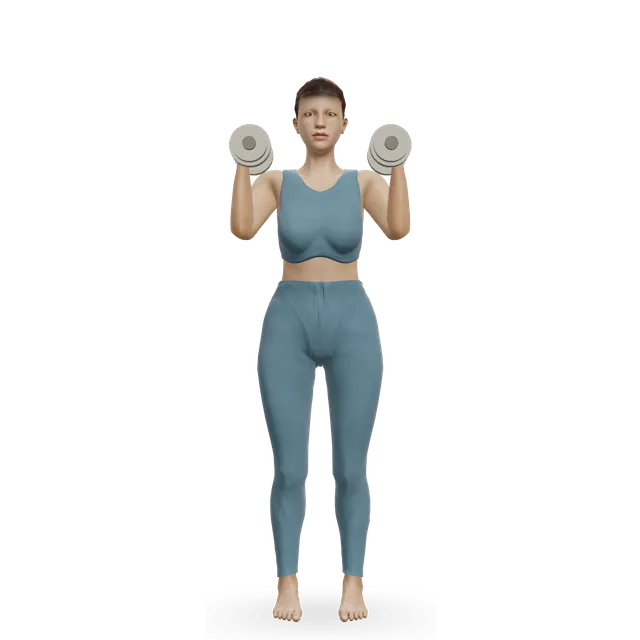
  2. Bring the dumbbells to the front of your upper chest, palms facing you, elbows down and in front, like the top of a curl.
  3. Brace your trunk and take a breath. With high blood pressure, heart disease or glaucoma, breathe out through the whole press instead.
  4. Press the dumbbells up, opening your elbows out to the sides and turning your palms to face forward as they rise, in one smooth movement.
  5. Finish with your arms straight overhead and your palms forward, without your lower back arching off the support, and pause.
  6. Lower the same way, turning your palms back towards you and bringing your elbows in front as the dumbbells return to your chest.
  7. End the set 2 or 3 reps short of failure, or sooner if the turn gets ragged or your back starts to arch.

Loading the 3D figure…

Gets into position, then repeats the movement. Technical checks passed; qualified exercise review is pending.

The movement on the figure: Arnold press

The press ladder, with the Arnold press

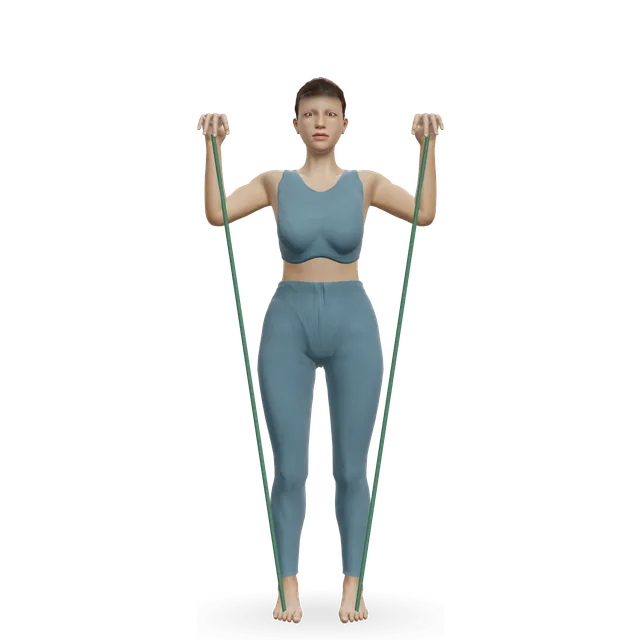
Work up in order, moving on when every rep looks the same. The Arnold press gives 2 to 3 sets of 8 to 12 on its move page, and the kettlebell Arnold press 2 to 3 sets of 5 to 8 each side; the wall angel reach check, the band press and the seated dumbbell press follow our overhead press guide's ladder.

Arnold press vs shoulder press

What the one study found

In that study, front and side deltoid activity was higher in the Arnold press than in a standard overhead dumbbell press, in 10 young men, read as an abstract with raw readings and no loads stated.

Source 2

What no study has tested

No trial has compared the two for strength or muscle, and no study has measured the rear deltoid in the Arnold press.

Choosing

Exercise variation didn't consistently change results across 137 reviews, so use whichever press you can do well and progress, or both. Many people press a barbell first, then do the Arnold press as a second press (our suggestion).

Source 6

Weight

Expect a lighter pair: a magazine reader who used 70 pounds on dumbbell presses used about 55 on Arnold presses.

Source 7

Seated or standing, two arms or one

Seated

With your back supported you can lift more, and it's the version our move page teaches.

Source 10

Standing

Standing made the deltoids work harder for a lower maximum in plain dumbbell presses. There's no separate demo of a standing Arnold press: use the same steps standing, without dipping your knees or leaning back.

Source 10

One arm

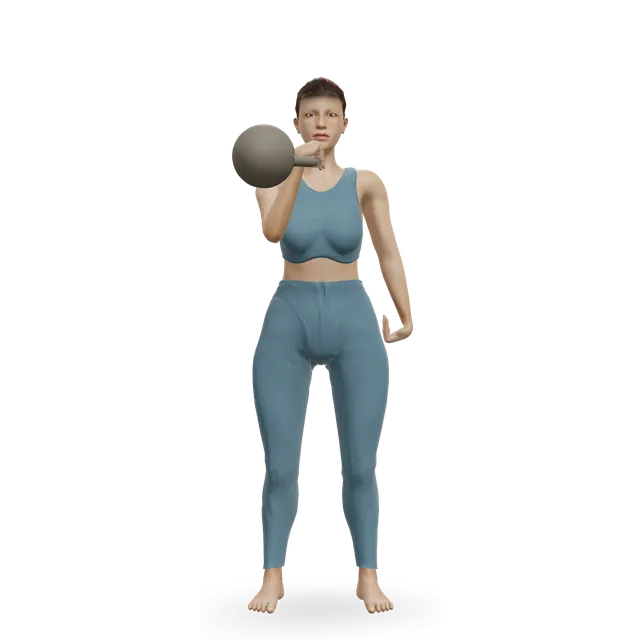
The kettlebell Arnold press works one arm at a time, standing; one-arm presses made the back muscles that steady the trunk work harder.

Source 11

With a band

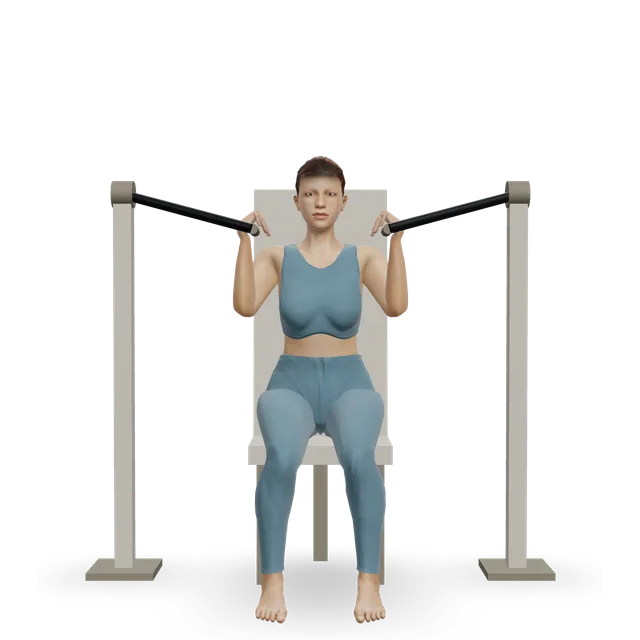
There's no band Arnold press in our catalog; the band shoulder press is the closest.

How heavy, how many and how often

Sets and reps

2 to 3 sets of 8 to 12, stopping 2 or 3 reps short of failure (our move page's editorial starting point). Our shoulders and arms workout offers it at 3 sets of 8 to 12 in place of its standing press. The kettlebell version takes 2 to 3 sets of 5 to 8 each side (its move page).

Rest

90 seconds to 2 minutes, our plans' rest for compound lifts of 8 to 12 reps.

How often

Once or twice a week as your main dumbbell press, or as a second press after a barbell press (our suggestion).

Weekly sets for the side of your shoulders

Count each set as half a set for the side delts, as our lateral raise guide counts presses (our reading). The one study hints that the side delt works a little harder than in a plain press, but no trial has measured growth.

Source 15

How heavy

Start lighter than your usual dumbbell press and add reps before weight. If you can't turn the dumbbells smoothly, it's too heavy. Light and heavy loads build similar muscle when sets are hard.

Sources 7, 16

Common mistakes and how to fix them

Arching your lower back to finish

Keep your back against the support and take some weight off.

Source 1

Going too heavy, so the turn disappears

It becomes a sloppy dumbbell press. Go lighter.

Source 7

Rushing the turn

Turn and press together, the whole way up and the whole way down, as our move page cues.

Stopping short of straight arms

Finish with your arms straight: a full range built more strength across the reviews.

Source 6

Holding your breath with high blood pressure

Breathe out through each press instead, as our breathing guide advises.

Source 17

Pressing through a pinch

Press with your palms facing each other and your elbows in front, which ACE suggests for comfort, and follow our shoulder impingement guide if it persists.

Source 1

The Arnold press and your shoulders

What the research links to impingementEmerging evidence

In 77 men, 46 of them weight trainers, signs of shoulder impingement went with lateral raises and upright rows above 90 degrees, not with pressing, and less often with training the muscles that turn the arm out. A snapshot study like this can't show cause.

Source 8

Keep it in front of your headEmerging evidence

Behind-the-neck presses and pulldowns went with signs of a loose shoulder in 123 weight trainers, and a hospital handout says to start and finish overhead presses in front of the shoulders. The Arnold press stays in front: keep it there.

Sources 12, 14

If the turn pinches

Press with your palms facing each other and your elbows pointing forward, which ACE suggests for comfort, or go back a step on the press ladder.

Source 1

The pain rule

Keep shoulder pain to about 5 out of 10 or less during the exercise, back to its usual level by your next session, as our shoulder guides advise; our shoulder impingement guide has the plan.

After a dislocation or a rotator cuff repair

Follow your team's limits and our shoulder guides before pressing overhead.

Balance it with the back of the shoulder

Face pulls, 3 sets of 12 to 20 (our workouts); reverse flys, 3 sets of 12 to 15 (our shoulder workout); band outward rotations, 2 sets of 12 to 15 each arm (our home shoulder workout); lateral raises, 2 or 3 sets of 12 to 20 (our lateral raise guide); and shoulder circles, band pull-aparts and upper-back rotations to warm up.

Other presses

The standing and kick-up dumbbell presses and the see-saw press give 2 to 3 sets of 8 to 12 on their move pages; the see-saw press adds a side bend, so leave it out with back pain that flares when you bend sideways. The machine press is ACE's beginner press, and our overhead press guide teaches the barbell.

Breathing, blood pressure and who should check first

Breathe out as you press

With high blood pressure, heart disease or glaucoma, breathe out through each press rather than holding your breath, as our breathing guide advises. The American Heart Association says people with controlled high blood pressure can do low- to moderate-intensity strength training with proper breathing, and that people with a pacemaker or defibrillator should ask before upper-body strength training.

Source 17

High blood pressure

The NHS lists regular exercise among the ways to help lower blood pressure. With readings of 180/100 or higher, speak to your doctor or nurse before lifting, as our breathing guide says.

Source 18

Pregnancy

The NHS says you can keep up strength training if you already do it, and stop if you feel uncomfortable, too hot or unwell. Tommy's says not to hold your breath, and that pregnancy isn't the time to try your heaviest weights. The Arnold press is done seated, with no lying back.

Sources 19, 20

Glaucoma or a hernia

Get advice before heavy lifting, as our breathing guide suggests. Glaucoma symptoms that come on suddenly are an emergency.

Sources 21, 22

Workouts to follow

Our shoulders and arms workout offers the Arnold press at 3 sets of 8 to 12 in place of its standing press. In the others, swap the seated dumbbell press for the Arnold press at 2 to 3 sets of 8 to 12 with 2 or 3 reps in reserve (reps you could still have done), and expect a lighter pair. The overhead press technique workout practises the ladder.

Plans that use it

The Arnold split uses the shoulders and arms workout twice a week, and the muscle-building plan adds it as an optional fifth day.

Warning signs

Stop and get medical help

If you get chest pain or pressure, feel faint or dizzy, are unusually breathless, or your heart races or beats irregularly during exercise, as our plans advise. The American Heart Association says these need immediate medical evaluation.

Source 17

Call 999 (911 in the US) or go to A&E

If, after a fall or injury, or when a weight came down on you or your shoulder slipped during a press, your shoulder looks out of place or has changed shape, or you can't move your arm: don't drive yourself, and don't try to put it back yourself, as our shoulder guides say. For sudden chest pain that doesn't go away, spreads to your arms, neck, jaw, stomach or back, or comes with sweating, feeling sick, light-headedness or breathlessness. For palpitations that don't stop, or come with chest pain, breathlessness or feeling faint. If someone faints while exercising. For a headache that started suddenly and is extremely painful, for example while straining under a heavy lift. For back pain with numbness, tingling or weakness in both legs, loss of feeling around your genitals or bottom, or changes in your bladder or bowels. If glaucoma symptoms come on suddenly, such as intense eye pain or a red eye.

Sources 23, 24, 25, 26, 27, 28, 29, 21

Ask for an urgent GP appointment or get help from NHS 111

For sudden or very bad shoulder pain; not being able to move your arm; a shoulder or arm that has changed shape or is badly swollen; pins and needles that don't go away; no feeling in your arm or shoulder; an arm or shoulder that's hot or cold to touch; pain that started after an injury or accident; severe pain in both shoulders; or feeling feverish or unwell. In the US, contact your doctor or urgent care.

Source 30

See a GP

If shoulder pain is getting worse or hasn't improved after 2 weeks, or it's very difficult to move your arm or shoulder. While it's sore, the NHS says not to make up your own strenuous exercises or use heavy gym equipment; our shoulder guides give the plan.

Source 30

Light-headed after a set

Stop, sit or lie down until it passes, and get up slowly. See a GP if it keeps happening.

Sources 26, 31

Sore, or hurt?

Tired, burning shoulders after a set are normal. A sharp pinch at the top or front of your shoulder, pain that's worse after the session, or tingling down your arm isn't: go lighter, change the grip or stop, and see our shoulder guides.

Myths

"The Arnold press works all three heads of the shoulder equally"Emerging evidence

The only Arnold press study measured just the front and side deltoids, with the front far more active, and in plain dumbbell presses the rear deltoid worked at 10 to 11% of its maximum against 33 to 74% for the front. Pull-ups and inverted rows work the rear deltoid hardest.

Sources 2, 3, 4, 5

"The Arnold press is better than the shoulder press"Emerging evidence

In that study, front and side activity was higher in 10 young men, but it was read as an abstract with raw readings and no loads stated. No training trial compares the two, and exercise variation didn't consistently change results across 137 reviews.

Sources 2, 6

"The Arnold press is bad for your shoulders"Emerging evidence

We found no study of shoulder injuries in it. Signs of impingement in weight trainers went with raises and upright rows above shoulder height, not with pressing. If the turn pinches, press palms in.

Source 8

"Use your normal shoulder press weight"Emerging evidence

Coaches expect a lighter pair and say going too heavy loses the turn; no study has measured the difference.

Source 7

Questions people ask

How do you do an Arnold press?

Sit with your back supported, dumbbells in front of your upper chest and palms facing you. Press up, opening your elbows out and turning your palms forward as the weights rise, until your arms are straight overhead, then lower the same way back to your chest.

What muscles does the Arnold press work?

Mainly the front and side of your shoulders, with your triceps. In the only study of it, the front deltoid was much more active than the side, as in any press.

Does the Arnold press work the rear delts?

No study has measured it, and presses barely use the rear deltoid: about 10 to 11% of its maximum in plain dumbbell presses. Rows, pull-ups and face pulls work it far harder.

Arnold press vs shoulder press: which is better?

Neither has been shown to build more strength or muscle. In one study of 10 young men, read as an abstract, the front and side of the shoulder were more active in the Arnold press, but no trial has compared the two over weeks. Use whichever you can do well and progress, or both.

Why is it called the Arnold press?

It's named after Arnold Schwarzenegger, who, according to a bodybuilding magazine, devised it to build the side of his shoulders. We found no account from Schwarzenegger himself.

Should you do the Arnold press seated or standing?

Seated with your back supported is the usual way and lets you lift more. In plain dumbbell presses, standing made the shoulder muscles work harder with a maximum about 10% lower; one-arm presses, like the kettlebell Arnold press, make the back muscles that steady your trunk work harder.

How heavy should I go on the Arnold press?

Lighter than your usual dumbbell press: coaches say so, and a magazine reader who used 70 pounds on dumbbell presses used about 55 on Arnold presses. No study has measured the difference. If you can't turn the dumbbells smoothly, it's too heavy.

How many sets and reps of Arnold presses?

Start with 2 to 3 sets of 8 to 12, stopping 2 or 3 reps short, with 90 seconds to 2 minutes' rest. Heavier loads, a full range and at least 2 sessions a week built the most strength across many trials.

Is the Arnold press bad for your shoulders?

We found no study of injuries in it. In weight trainers, signs of shoulder impingement went with raises and upright rows above shoulder height, not with pressing. If the turn pinches, press with your palms facing each other, and see a GP if shoulder pain hasn't improved after 2 weeks.

Can I do the Arnold press with high blood pressure?

Usually, if it's controlled: the American Heart Association says low- to moderate-intensity strength training is safe with proper breathing, and the NHS lists regular exercise among the ways to help lower blood pressure. Breathe out through each press, and speak to your doctor first if your readings are 180/100 or higher.

Can I do an Arnold press with bands or a kettlebell?

The kettlebell Arnold press, one arm at a time, has a 3D demo. There's no band version in our catalog; the band shoulder press is the closest, and our overhead press guide uses it as the first loaded step.

Is the Arnold press a compound exercise?

Yes: your shoulder and elbow both move, as in any press. When you count weekly sets for the side of your shoulders, count it as half a set, as our lateral raise guide counts presses.

Sources

  1. ACE · Seated overhead press with dumbbells (exercise library, American Council on Exercise)
  2. Raizada 2017 · The Arnold press against a standard overhead dumbbell press in 10 young men (muscle activity study, Indian J Public Health Res Dev)
  3. Sweeney 2014 · Shoulders above the rest? Deltoid activity in 10 shoulder exercises in 16 men (ACE-sponsored muscle activity study, ACE ProSource)
  4. Campos 2020 · Deltoid activity in the shoulder press, lateral raise, bench press and fly in 13 trained men (muscle activity study, J Hum Kinet)
  5. Rabello 2024 · Deltoid activity in common strengthening exercises: 33 studies (systematic review, J Bodyw Mov Ther)
  6. Currier 2026 · Resistance training for muscle function, size and performance in healthy adults: 137 reviews (ACSM position stand, MSSE)
  7. Hansen 2013 · Getting the most from the Arnold press (reader Q&A, Iron Man Magazine)
  8. Kolber 2014 · Signs of shoulder impingement in 46 weight trainers and 31 non-lifters (cross-sectional study, JSCR)
  9. Vigotsky 2022 · Muscle activity measured in one session isn't a validated predictor of muscle growth (review, Sports Med)
  10. Saeterbakken 2013 · Seated and standing, barbell and dumbbell shoulder presses in 15 men (muscle activity study, JSCR)
  11. Behm 2005 · Trunk muscle activity in one-arm and two-arm presses in 11 adults (muscle activity study, JSCR)
  12. Kolber 2013 · Signs of a loose shoulder in 123 weight trainers (cross-sectional study, JSCR)
  13. Kolber 2010 · Shoulder injuries attributed to resistance training (review, JSCR)
  14. Mass General Sports Medicine · Strength training for the shoulder (patient handout)
  15. Pelland 2026 · Weekly sets and training frequency against muscle growth and strength: 67 studies, 2,058 people (meta-regression, Sports Med)
  16. Lopez 2021 · Light, moderate and heavy loads for muscle growth and strength: 28 studies, 747 adults (network meta-analysis, MSSE)
  17. Paluch 2024 · Resistance exercise training with and without cardiovascular disease: 2023 update (American Heart Association scientific statement, Circulation)
  18. NHS · High blood pressure (hypertension)
  19. NHS · Exercise in pregnancy
  20. Tommy's · Strength training in pregnancy (pregnancy charity)
  21. NHS · Glaucoma
  22. NHS · Hernia
  23. NHS · Chest pain (past its review date: reviewed August 2023, review due August 2026)
  24. NHS · Heart attack
  25. NHS · Heart palpitations
  26. NHS · Fainting
  27. NHS · Headaches
  28. NHS · Subarachnoid haemorrhage
  29. NHS · Back pain
  30. NHS · Shoulder pain (past its review date: reviewed May 2023, review due May 2026)
  31. NHS · Dizziness (past its review date: reviewed April 2023, review due April 2026)

Exercise education, not a personal prescription, and clinical review of these guides is pending. Check with a GP before starting hard training if you have a heart condition, chest pain, dizziness or breathlessness when active, and stop for sharp or increasing pain. Health disclaimer.