How to do upright rows: grip width, how high to pull, and your shoulders
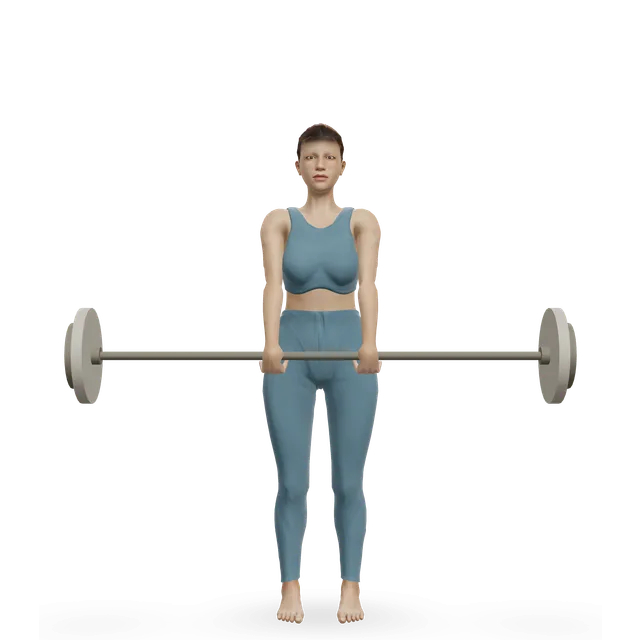
An upright row lifts a bar, dumbbells, a cable or a band from your thighs up the front of your body, elbows leading, until your elbows reach shoulder height. It works the side of your shoulders about as hard as a lateral raise does, and your upper traps nearly as hard as a shrug does, with much lighter weights.
It also has a reputation for hurting shoulders, and the evidence is mixed. The usual safety rules, hands apart and elbows no higher than your shoulders, are expert advice resting on a snapshot study of weight trainers, lab data from healthy shoulders, an expert column and a hospital handout; no study has counted injuries from upright rows.
This guide covers the upright row step by step on the 3D figure, how wide to grip and how high to pull, what it works, the impingement question, safer versions, alternatives if it pinches, and sets and reps.
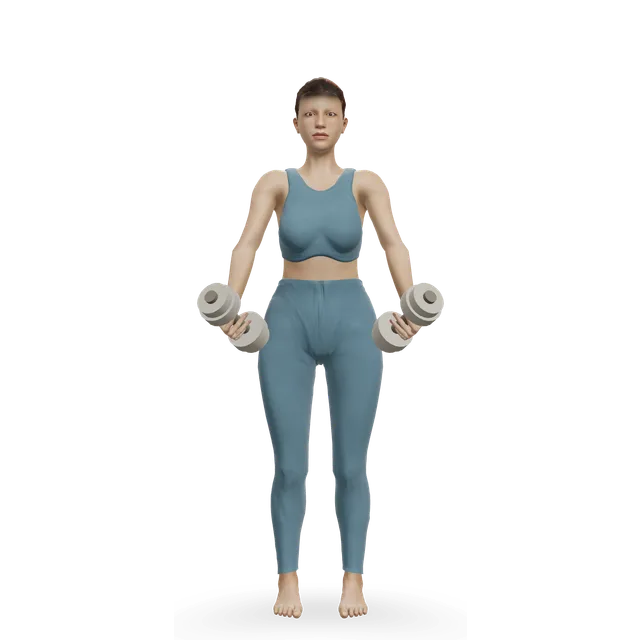
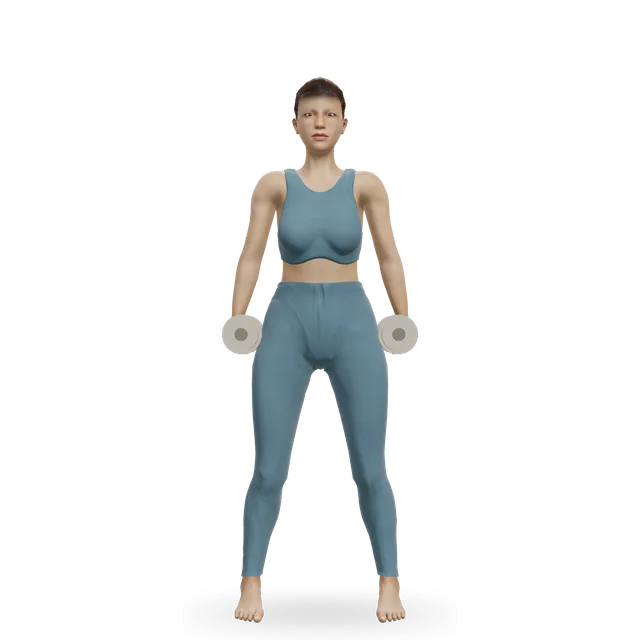
Stand with a bar, dumbbells, a cable or a band at your thighs, then lead with your elbows to draw the weight straight up close to your body until your elbows reach shoulder height, and lower slowly. The National Strength and Conditioning Association's (NSCA's) journal column says to pull through the elbows, not the wrists.
In 16 men, the barbell upright row worked the side deltoid at 73% of its maximum, close to a bent-arm lateral raise (77%), with the front and rear at 33% and 31%. In 12 women with neck muscle pain it drew 85% of maximal trapezius activity with only 3 to 10 kg.
In 16 weight-trained men, deltoid and trapezius activity rose, and biceps activity fell, as the grip widened from half to twice shoulder width. A hospital handout says to keep your hands at least 12 inches (about 30 cm) apart.
This is expert advice, graded emerging. It rests on a snapshot study linking upright rows and raises above shoulder height with signs of impingement, lab data from healthy shoulders, an expert column and a hospital handout. No study has counted injuries from upright rows.
Upright rows were one of five exercises in a programme that relieved long-standing neck muscle pain, and a 2026 review argues that a narrowed space in the shoulder follows rotator cuff problems rather than causing them. The risk sits with a narrow grip, elbows above the shoulders and heavy, jerky reps.
Start with 2 to 3 sets of 10 to 15, stopping 2 or 3 reps short (our editorial starting point). The NSCA column suggests 2 to 3 sets of 12 to 20 at under two-thirds of your maximum, and the handout advises against training to failure.
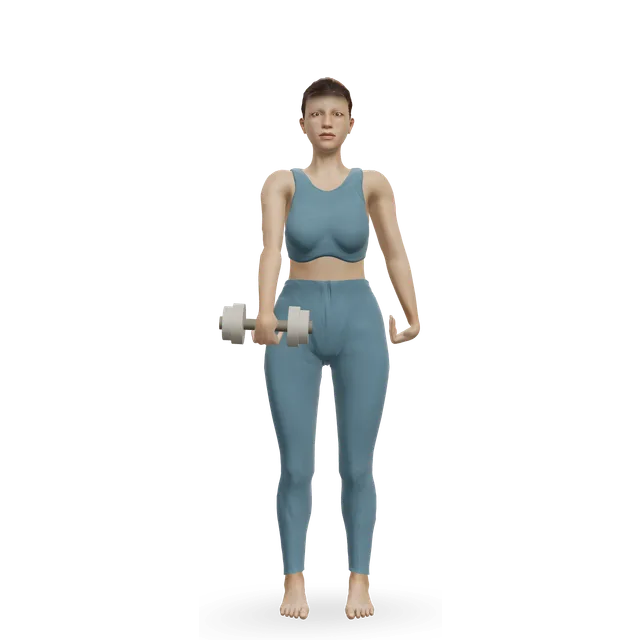
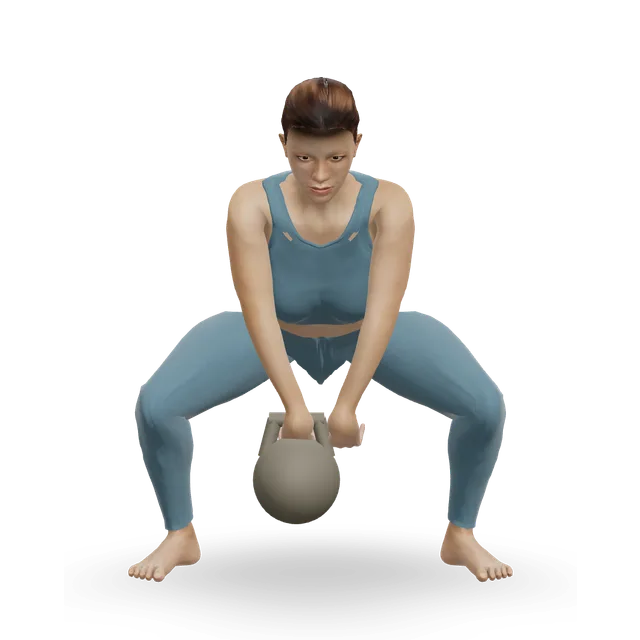
A vertical pull from your thighs to about your lower chest, with your elbows leading up and out. With a barbell your hands are fixed; with dumbbells, a band or a rope on a cable, they can move. The weightlifting high pull is a fast upright row at the end of a clean or snatch pull.
Mainly the side deltoid and the upper trapezius, with the front and rear deltoids and the biceps helping. The upright row reached trapezius activity close to the shrug's with far lighter weights.
A pull: you lift the weight towards you. It suits a pull day or a shoulder day.
Why the height matters
Holding a bar with your palms facing you and pulling your elbows up raises your upper arm out to the side while it's turned in. The column's authors explain that the arm needs to turn outward as it rises, most critically between 90 and 120 degrees, and lab studies found the most pressure on the structures under the shoulder's bony roof with the arm out to the side and turned in.
The idea is that the rotator cuff tendons get pinched under the bony roof of the shoulder as the arm rises. A 2026 review argues the concept is flawed, because the narrowing appears to follow rotator cuff problems rather than cause them, and that telling people raising the arm is harmful may itself increase pain and disability. Our pain guide keeps the common name.
The muscle figures come from EMG (electromyography: electrodes measuring how hard a muscle works in a few reps), which isn't a validated predictor of growth.
In 16 men lifting 70% of their maximum for 5 reps, the barbell upright row worked the side deltoid at 73%, the front at 33% and the rear at 31% of maximum; the bent-arm lateral raise worked the side at 77%. In 12 women with chronic neck muscle pain, the upright row drew 85% of maximal trapezius activity with 3 to 10 kg, against 102% for shrugs with 20 to 30 kg.
With grips of half, once and twice shoulder width, 16 weight-trained men lifting 85% of their maximum had more deltoid and trapezius activity and less biceps activity as the grip widened; most of the clear differences were between the widest grip and the others, with large to very large effect sizes, and the authors advise a wide grip. A hospital handout's minimum is hands 12 inches apart.
Height and the shoulder: a snapshot and lab dataEmerging evidence
In 77 men, 46 of them weight trainers, signs of impingement went with upright rows and lateral raises above 90 degrees, and less often with training the muscles that turn the arm out; a snapshot like this can't show cause. In 13 young adults without shoulder problems, holding the arm out at 90 degrees and turned in pressed on the structures under the shoulder's roof at least seven times harder than with it neutral or turned out (21.3 against 3 newtons or less). On open MRI in 12 volunteers, at 90 degrees with the arm turned in, the rotator cuff tendon sat closest to the front edge of the roof, and a thumb-down raise tipped the shoulder blade forward in 20 people.
Upright rows were one of the five exercises in the programme that cut long-standing neck muscle pain by about 79% in women. A 2026 review argues that a narrowed space under the shoulder's roof is a result of rotator cuff problems rather than their cause, and that the impingement story can make people fear lifting their arm.
Weaker outward rotators in lifters with impingementEmerging evidence
In 55 male weight trainers, the 24 with signs of impingement had less inward and outward rotation and weaker outward rotators and lower trapezius, for their body weight, than the 31 without. Another snapshot that can't show cause.
No study has counted injuries from upright rows, and no trial has tested them on their own for muscle growth. The safety rules on this page are expert advice built from the studies above.
Bands work like weightsEmerging evidence
In shoulder exercises such as the lateral raise, elastic tubing and dumbbells drew similar muscle activity at matched effort in 16 women, and across 8 studies band training built strength like machines and dumbbells.
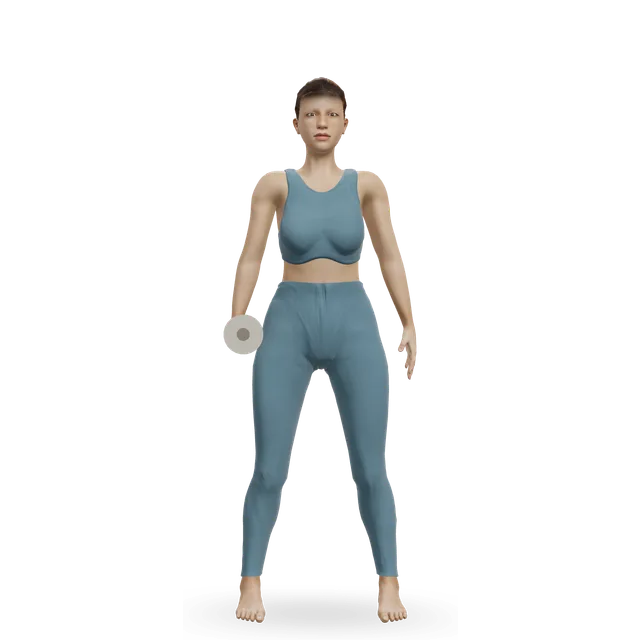
Steps from our move pages, the NSCA journal column and the Mass General handout, which gives the 12-inch minimum grip; stopping at chest height if it pinches follows our neck pain guide, and the stopping rule is our editorial suggestion. With dumbbells, a cable or a band the steps are the same.
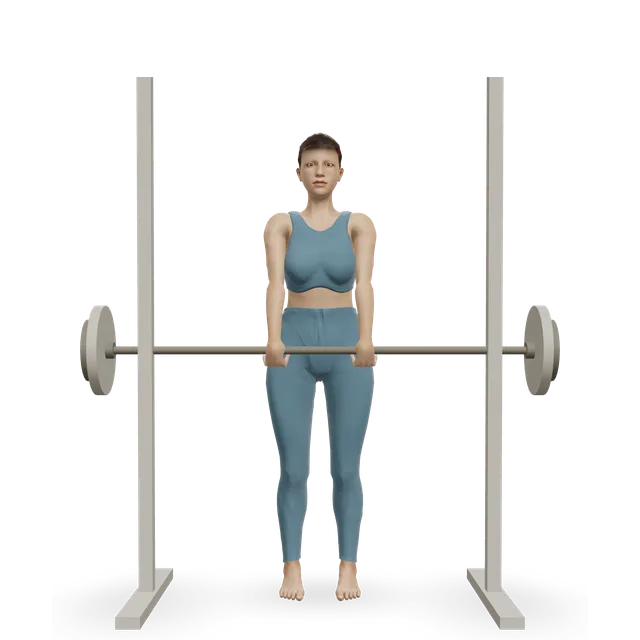
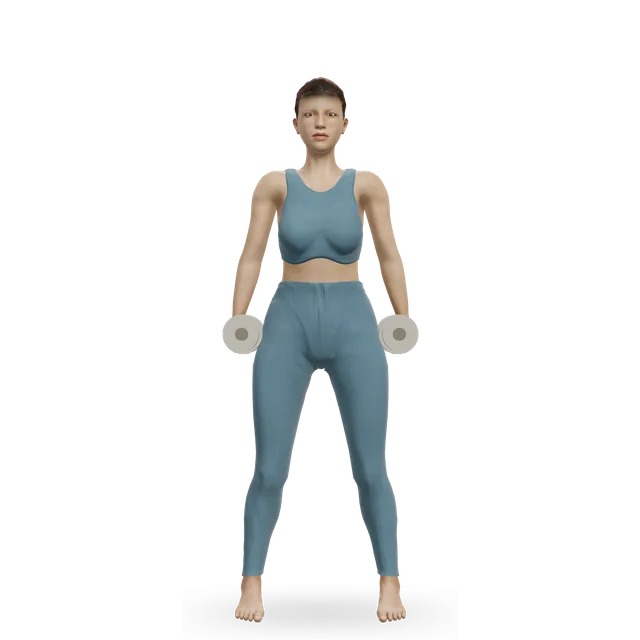
Stand tall with your feet about hip-width apart, holding the bar on your thighs with an overhand grip about shoulder-width or wider, hands at least 30 cm (12 inches) apart.
Brace, with your chest up, your shoulders relaxed and your arms long.
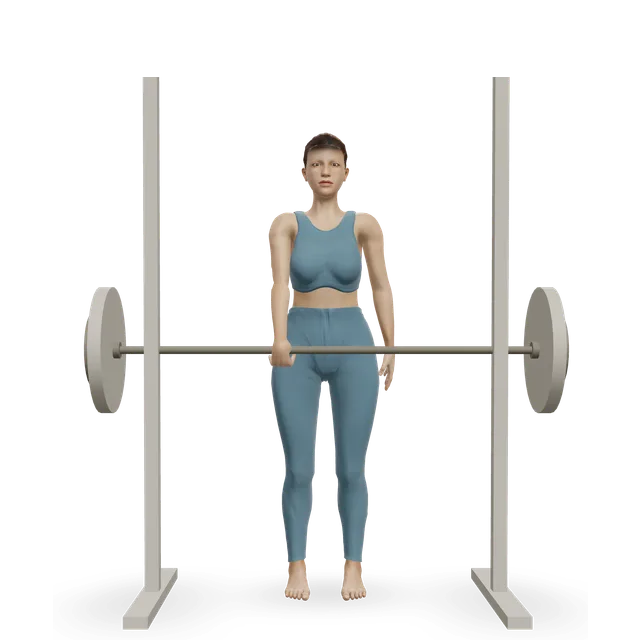
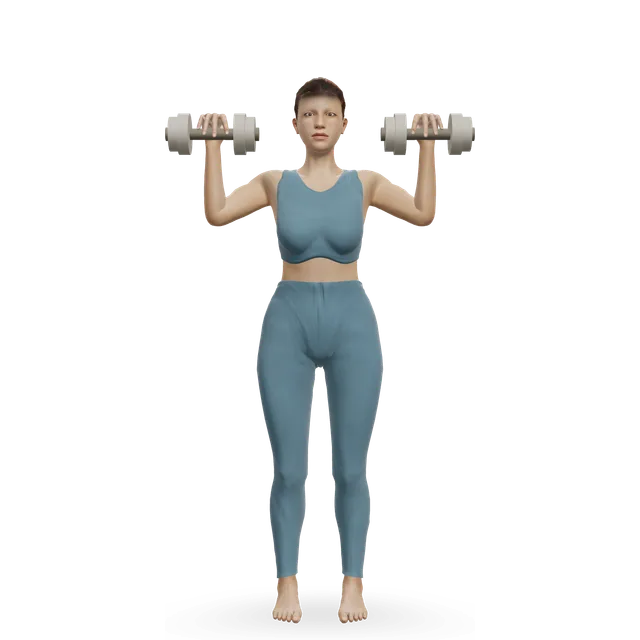
Breathe out and lead with your elbows to draw the bar straight up, close to your body: pull through your elbows, not your wrists.
Stop when your elbows reach shoulder height, upper arms about level with the floor; the bar will be around your lower chest. If the top pinches, stop lower, at chest height.
Breathe in and lower the bar slowly to your thighs.
Repeat. End the set 2 or 3 reps short of failure, before your elbows start rising unevenly or you need to lean back to finish.
Loading the 3D figure…
Drag to turn
Gets into position, then repeats the movement. Technical checks passed; qualified exercise review is pending.
About shoulder-width or wider, and at least 30 cm (12 inches) apart. Wider grips worked the deltoids and traps harder and the biceps less in a muscle activity study, and the hospital handout sets the 12-inch minimum.
Stop when your elbows reach shoulder height. The NSCA column recommends lifting to just below 90 degrees if your shoulders are healthy, and the handout says not to raise the bar higher than the point at which your elbows reach shoulder level. If the top pinches, stop lower, at chest height, as our neck pain guide does.
The column advises people with impingement who get pain in the upright row to stop at a lower height that doesn't bring on symptoms, or to leave the exercise out. Our shoulder impingement guide leaves it out and swaps in rows and face pulls.
In a properly performed clean, the upper arm shouldn't rise above about 60 degrees in the high pull, the column says, and fast pulls taken too high, as beginners tend to do, create very high forces at the shoulder. Our power clean guide covers the high pull.
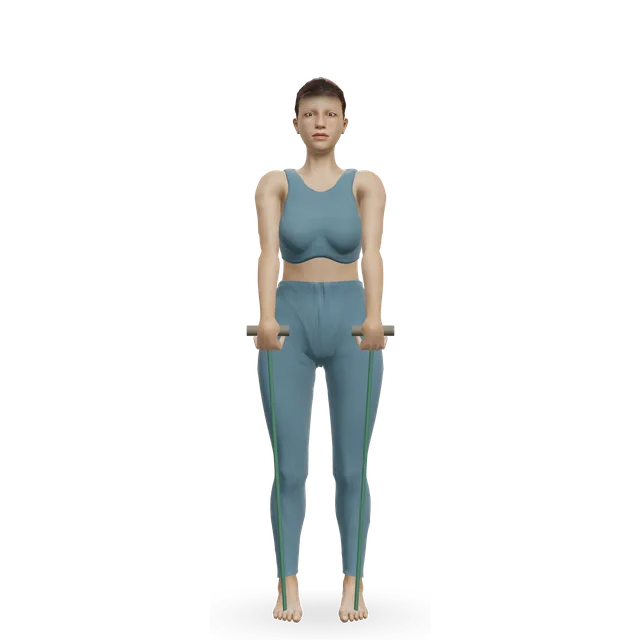
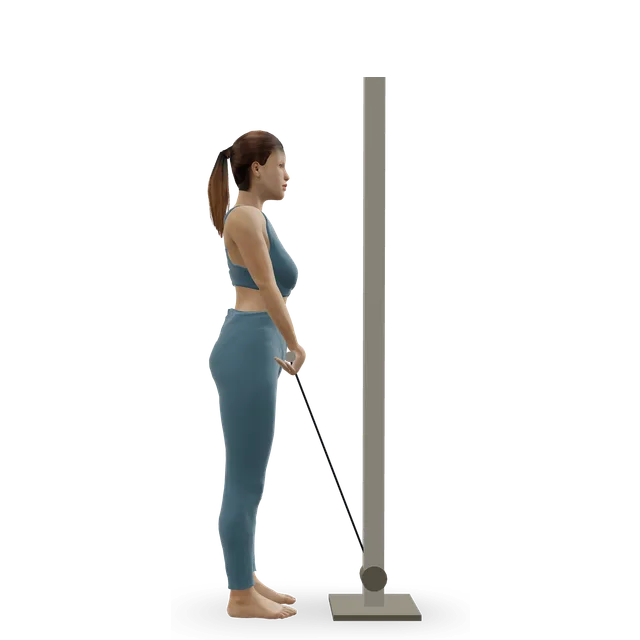
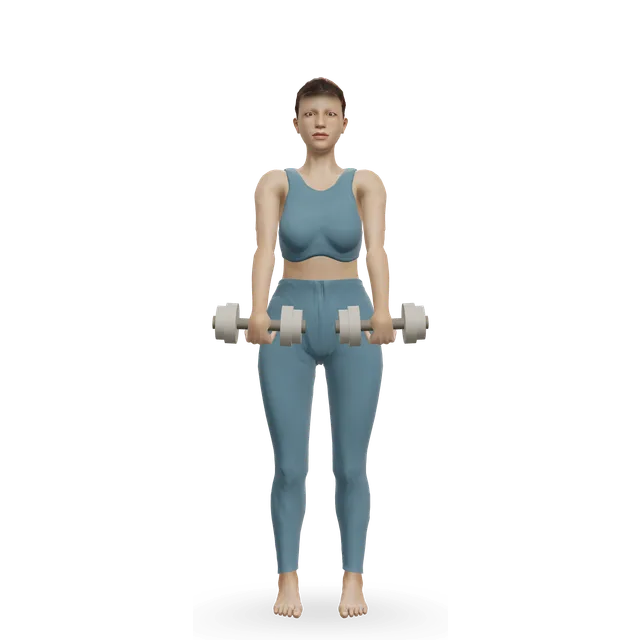
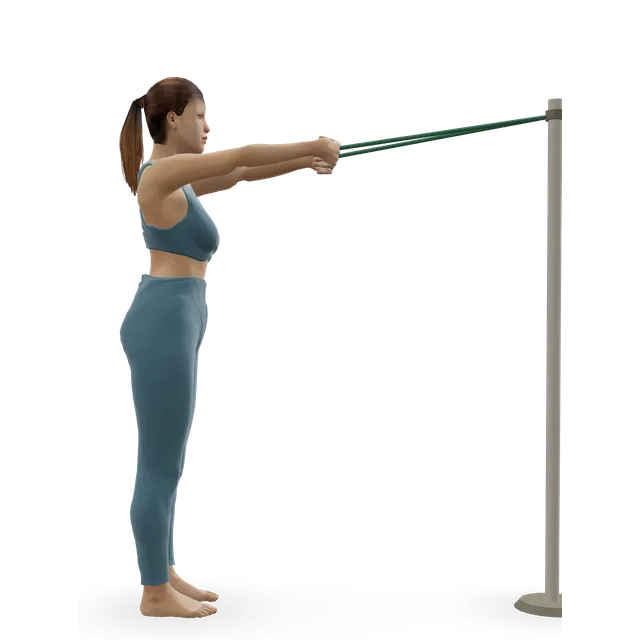
Band, cable, dumbbell, one-arm and barbell upright rows
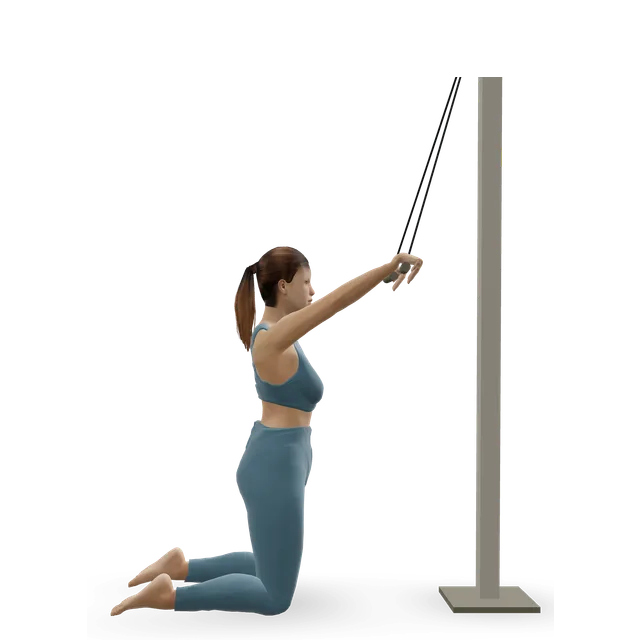
Bands, cables, dumbbells and one arm at a time let your hands and arms find their own path, which many people find more comfortable (our view). The one-arm versions and the kettlebell sumo high pull give 2 to 3 sets of 8 to 12 on their move pages; for the rest, 2 to 3 sets of 10 to 15, stopping 2 or 3 reps short (our editorial starting point). There's no EZ-bar upright row in our catalog.
The scaption raise, thumbs up to shoulder height and lowering over 3 seconds, takes 3 sets of 15 in our shoulder impingement guide; lateral raises go to shoulder height, as our lateral raise guide teaches; the supported one-arm raise and the kneeling rope high row give 2 to 3 sets on their move pages; face pulls cover the back of the shoulder and shrugs the traps.
2 to 3 sets of 10 to 15, stopping 2 or 3 reps short and never grinding to failure (our editorial starting point). The NSCA column gives 2 to 3 sets of 12 to 20 at under two-thirds of your maximum for endurance, or 3 to 6 sets of 6 to 12 at two-thirds to 85% for strength and size, starting at the lower end if your shoulders are injury-prone. The hospital handout starts shoulder exercises at 3 sets of 15 to 20, and our neck pain guide uses the dumbbell version at 3 sets of 10 to 12.
Tired reps let your elbows creep above your shoulders (our reasoning), the handout advises against training to failure, and across 15 studies failure gave a trivial growth advantage at most.
Once or twice a week, at the end of a shoulder or upper-body session (our suggestion).
Weekly sets
Count an upright row as a side-delt set, like a lateral raise, since the two drew similar side-delt activity (our reading), within our lateral raise guide's target of about 10 hard sets a week.
Not always. Signs of impingement were commoner in weight trainers who took upright rows above shoulder height, and lab studies show the most pressure in the shoulder with the arm out and turned in, which is what a high upright row does. But upright rows were part of a programme that eased neck muscle pain, and a 2026 review questions the whole impingement idea.
Hands at least 30 cm apart and elbows no higher than your shoulders come from an expert column and a hospital handout, built on a snapshot study and lab data from healthy shoulders. No study has counted upright row injuries, so the rules are sensible precautions rather than proven ones.
An American Council on Exercise (ACE) expert article advises replacing the upright row with lateral raises, and the lead author of ACE's shoulder study called it "low on all ends of the spectrum", though its side-delt figure was close to the raises'. The same height rule applies to both.
Keep shoulder pain to about 5 out of 10 or less during the exercise, back to its usual level by your next session, as our shoulder guides advise. A sharp pinch means lower, lighter or stop.
Look after the back of your shoulders
Weight trainers who strengthened the muscles that turn the arm out less often had signs of impingement, and those with impingement had weaker outward rotators. Band outward rotations and face pulls are easy additions.
Both work the side delts about as hard: 73% against 77% of maximum for a bent-arm lateral raise in the same study. The same height rule applies to both, since signs of impingement went with either above shoulder height, and a hospital handout lists standing lateral raises among exercises to avoid. The lateral raise has a growth trial behind it, in our lateral raise guide.
Shrugs load the upper traps with heavier weights; the upright row reached similar trapezius activity with much lighter ones (85% at 3 to 10 kg, against 102% at 20 to 30 kg). If raising your arms bothers your shoulders, shrugs keep your arms by your sides (our view).
Band outward rotations, 2 sets of 12 to 15 each arm (our home shoulder workout); Y-T-W raises, 5 to 8 of each shape for 2 rounds (our neck and shoulder strength routine); band pull-aparts and shoulder circles to warm up.
Leave upright rows out and follow our shoulder impingement guide; it swaps them for rows and face pulls.
After a dislocation or a rotator cuff repair
Follow your team's limits and our shoulder guides before you add upright rows.
High blood pressure, heart disease or glaucoma
Breathe out as you lift rather than holding your breath, and keep the effort moderate, as our breathing guide advises. The American Heart Association says people with controlled high blood pressure can do low- to moderate-intensity strength training with proper breathing.
The NHS says you can keep up strength training if you already do it, and stop if you feel uncomfortable, too hot or unwell. Tommy's says not to hold your breath, and that pregnancy isn't the time to try your heaviest weights.
Our traps workout includes the dumbbell upright row with the height and grip rules. To add upright rows to the shoulder workouts, do 2 to 3 sets of 10 to 15 at the end, hands at least 30 cm apart and elbows no higher than your shoulders (our editorial suggestion), or swap them in for one set of raises.
If you get chest pain or pressure, feel faint or dizzy, are unusually breathless, or your heart races or beats irregularly during exercise, as our plans advise. The American Heart Association says these need immediate medical evaluation.
If, after a fall or injury, your shoulder looks out of place or has changed shape, or you can't move your arm: don't drive yourself, as our shoulder guides say. For sudden chest pain that doesn't go away, spreads to your arms, neck, jaw, stomach or back, or comes with sweating, feeling sick, light-headedness or breathlessness. For palpitations that don't stop, or come with chest pain, breathlessness or feeling faint. If someone faints while exercising. For a headache that started suddenly and is extremely painful. For back pain with numbness, tingling or weakness in both legs, loss of feeling around your genitals or bottom, or changes in your bladder or bowels.
Ask for an urgent GP appointment or get help from NHS 111
For sudden or very bad shoulder pain; not being able to move your arm; a shoulder or arm that has changed shape or is badly swollen; pins and needles that don't go away; no feeling in your arm or shoulder; an arm or shoulder that's hot or cold to touch; pain that started after an injury or accident; severe pain in both shoulders; or feeling feverish or unwell. In the US, contact your doctor or urgent care.
If shoulder pain is getting worse or hasn't improved after 2 weeks, or it's very difficult to move your arm or shoulder; or if neck pain comes with pins and needles or a cold arm. While your shoulder is sore, the NHS says not to make up your own strenuous exercises or use heavy gym equipment.
Tired, burning shoulders and traps after a set are normal. A sharp pinch at the top or front of your shoulder as your arm rises, pain that's worse after the session, or tingling down your arm isn't: go lower and lighter, or stop, and see our shoulder guides.
Myths
"Upright rows always cause shoulder impingement"Mixed evidence
Signs of impingement were commoner in weight trainers who did upright rows above shoulder height, in a snapshot study that can't show cause, and lab studies show the most pressure with the arm out and turned in. But upright rows were part of a programme that relieved neck muscle pain, and a 2026 review argues a narrowed space is a result of cuff problems, not their cause. The risk sits with a narrow grip, elbows above the shoulders and heavy, jerky reps.
Even the handout's instruction for pulling "toward the chin" is to go no higher than the point at which your elbows reach shoulder level, and the column recommends stopping just below 90 degrees. The bar ends around your lower chest.
"A narrow grip works the traps harder"Emerging evidence
In 16 trained men, trapezius and deltoid activity rose, and biceps activity fell, as the grip widened, with large to very large effect sizes. Keep your hands at least 30 cm apart.
"Upright rows work the front, back and sides of the shoulder"Emerging evidence
In 16 men the barbell upright row worked the side deltoid at 73% of maximum, the front at 33% and the rear at 31%: mainly the side delts, with the upper traps.
"Light weight makes any upright row safe"Emerging evidence
The lab findings are about position: the pressure under the shoulder's roof rose with the arm out to the side and turned in. Speed matters too: the column warns that fast pulls taken too high create very high forces. Light, slow reps help, but height and grip matter most.
"Swap upright rows for lateral raises and you're safe"Emerging evidence
ACE advises the swap, but the same weight-trainer study linked lateral raises above 90 degrees to signs of impingement too, and a hospital handout lists standing lateral raises among exercises to avoid. Whatever you raise, the same rule applies: elbows to shoulder height, no higher.
Hold a bar or dumbbells on your thighs with your hands at least 30 cm apart. Lead with your elbows to draw the weight straight up close to your body, stop when your elbows reach shoulder height, then lower slowly.
What muscles do upright rows work?
Mainly the side of your shoulders and your upper traps. In 16 men, the barbell upright row worked the side deltoid at 73% of its maximum, the front at 33% and the rear at 31%, and in 12 women it drew 85% of maximal trapezius activity with light weights.
Are upright rows bad for your shoulders?
Not for everyone. Signs of impingement were more common in weight trainers who took upright rows and raises above shoulder height, and lab studies show the most pressure in the shoulder with the arm out and turned in. Keep your hands at least 30 cm apart, stop at shoulder height, and leave them out if they hurt.
How wide should my grip be for upright rows?
About shoulder-width or wider. In 16 trained men, deltoid and trap activity rose, and biceps activity fell, as the grip widened, and a hospital handout says to keep your hands at least 12 inches (about 30 cm) apart.
How high should I pull an upright row?
Until your elbows reach shoulder height, no higher; the bar will be around your lower chest. If the top pinches, stop lower, at chest height.
Upright row vs lateral raise: which is better?
Both work the side delts about as hard: 73% against 77% of maximum for a bent-arm lateral raise in the same study. The same height rule applies to both. The lateral raise has a growth trial behind it and is easier to keep at shoulder height.
Upright row vs shrugs: which is better for traps?
Shrugs load the upper traps with heavier weights; the upright row reached similar trapezius activity with much lighter ones. Either works; if raising your arms bothers your shoulders, shrugs keep your arms by your sides.
Is the upright row a push or a pull?
A pull: you lift the weight towards you. It fits on a pull day or a shoulder day.
What can I do instead if upright rows hurt?
Lateral raises or scaption raises to shoulder height with your thumbs up, face pulls for the back of your shoulder, and shrugs for your traps. Our shoulder impingement guide swaps upright rows for rows and face pulls.
Barbell, dumbbell, cable or band upright rows?
All work. The barbell fixes your hands, while dumbbells, a band or a rope on a cable let your hands and arms find their own path, which many people find more comfortable. Bands drew muscle activity similar to dumbbells in shoulder exercises and build strength about as well as weights.
How many sets and reps of upright rows?
Start with 2 to 3 sets of 10 to 15, stopping 2 or 3 reps short and never to failure. The NSCA journal column suggests 2 to 3 sets of 12 to 20 at under two-thirds of your maximum, or 3 to 6 sets of 6 to 12 for strength and size, and a hospital handout starts shoulder exercises at 3 sets of 15 to 20.
Can I do upright rows with shoulder impingement?
The NSCA column advises people with shoulder pain to lower the height to one that doesn't bring on symptoms, or to avoid the exercise, and our impingement guide leaves it out. While your shoulder is sore, the NHS advises against making up your own strenuous exercises or using heavy gym equipment.
Exercise education, not a personal prescription, and clinical review of these guides is pending. Check with a GP before starting hard training if you have a heart condition, chest pain, dizziness or breathlessness when active, and stop for sharp or increasing pain. Health disclaimer.