Why do my wrists hurt when I lift weights?
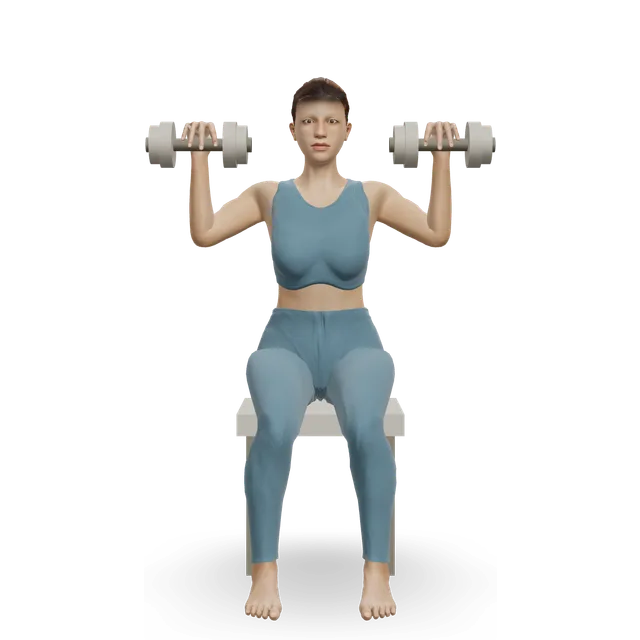
Usually because a heavy load holds the wrist bent back, as in a bench press with the bar behind the wrist, the front rack or a press, or twisted, as in curls, and bending a loaded wrist back raises the pressure in the joint. Where it hurts tells you more: the back of the wrist, the little-finger side, the thumb side or tingling in the fingers point to different causes.
Why does my wrist hurt when I bench press?
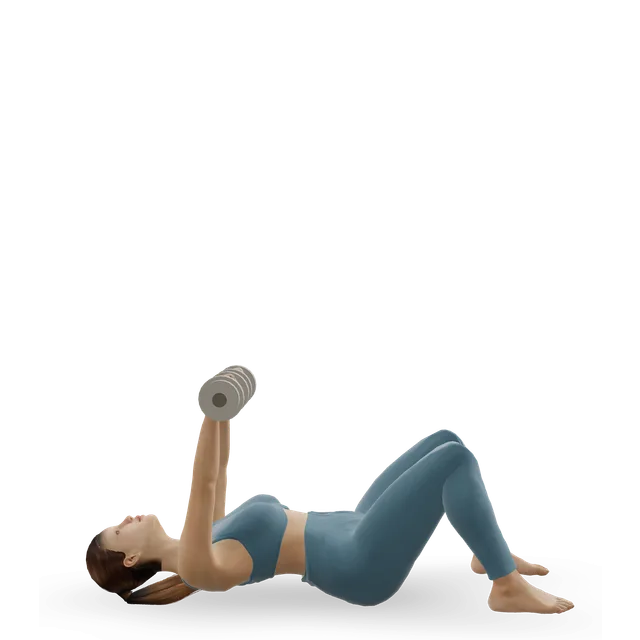
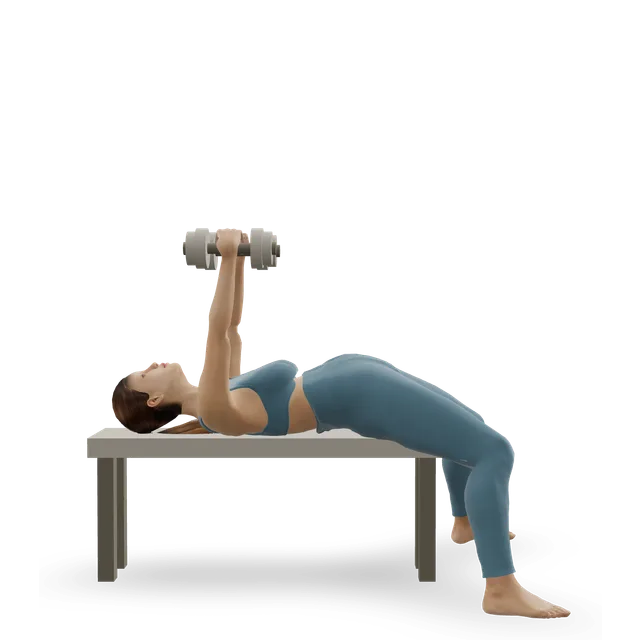
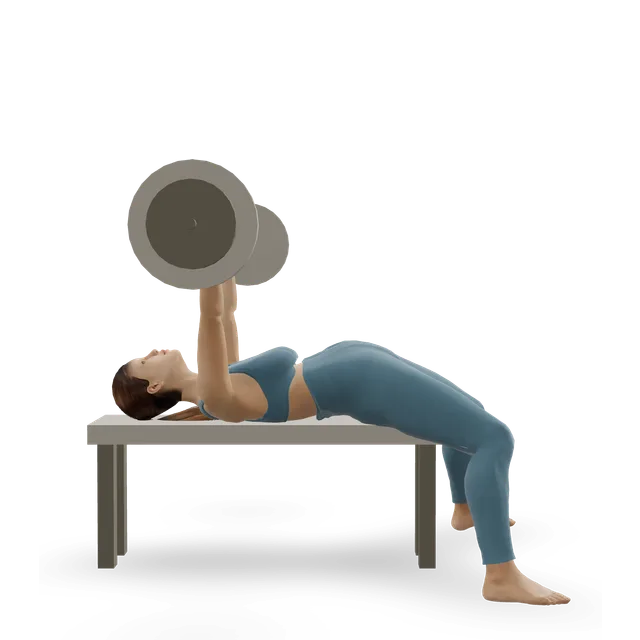
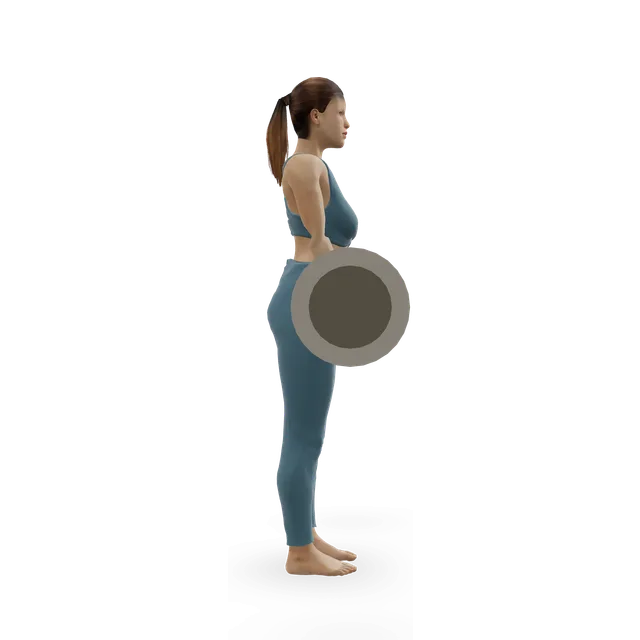
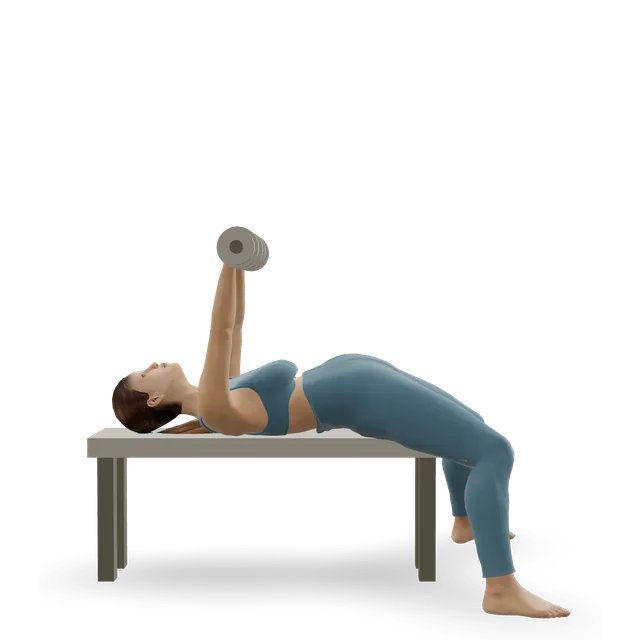
Most often the bar sits too high in the hand, behind the forearm, so the wrist bends back under the load. Hold the bar low in your palm over the forearm with your wrists stacked over your elbows, as the site's bench press guide teaches, and press with neutral-grip dumbbells or from the floor while it settles. If it hurts on the little-finger side or clicks, check the warning signs.
Why do front squats hurt my wrists?
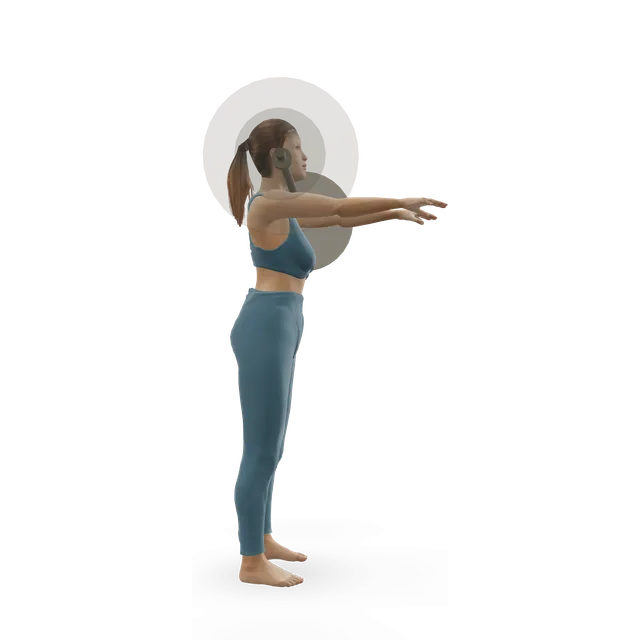
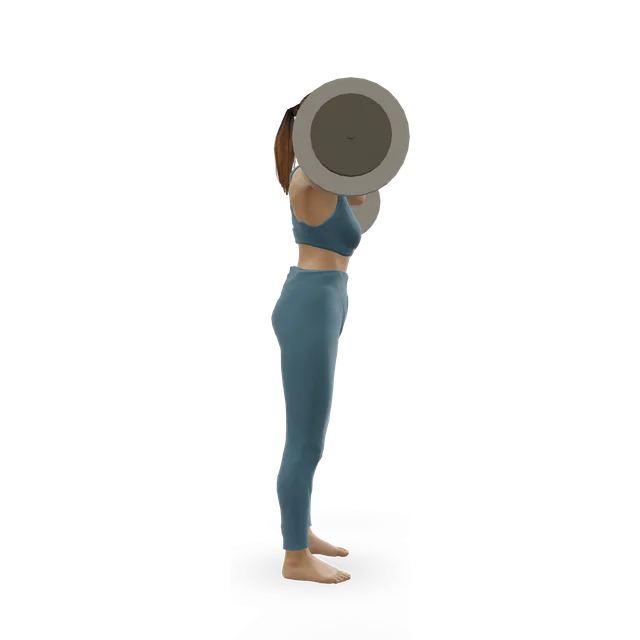
A clean-grip front rack asks the wrist to bend back a long way: a good clean catch went with about 92 degrees of wrist extension. Use crossed arms or lifting straps, or a goblet or hands-free front squat, and bring the clean grip back last, with only two or three fingers under the bar.
Why does my wrist hurt when I do curls?
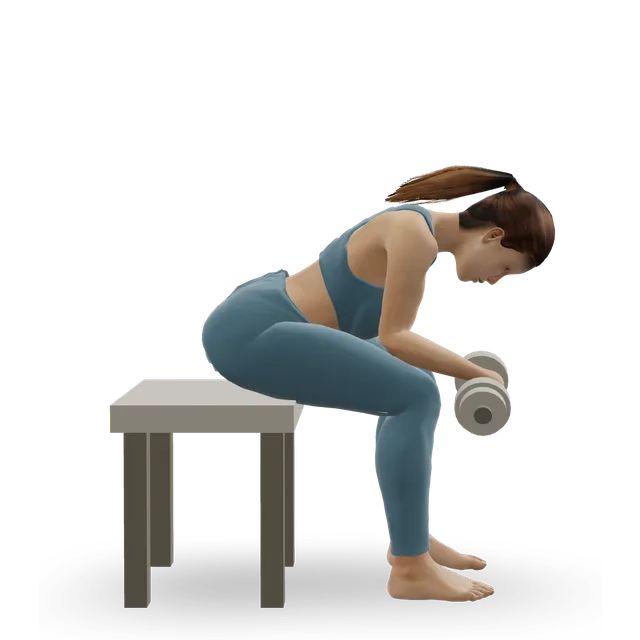
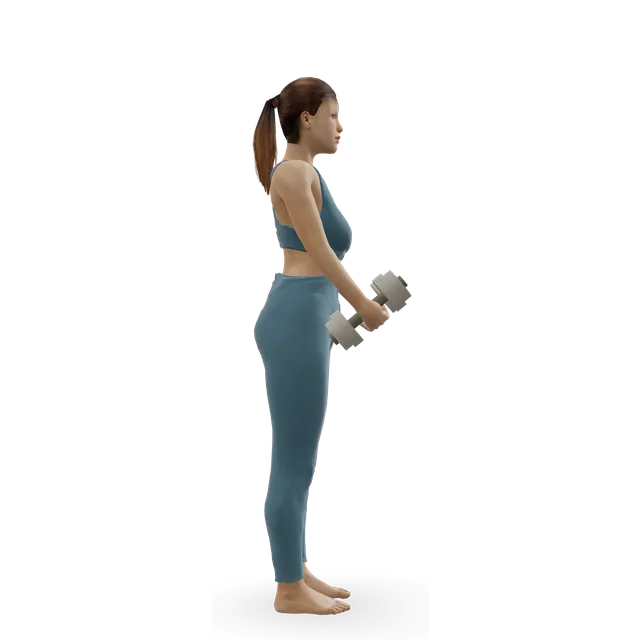
A straight bar holds the palms fully up, which many lifters find uncomfortable, especially with pain on the little-finger side, where turning the forearm hurts. An EZ bar or dumbbells let the forearm sit more naturally, and in a lab study the choice between them was 'a matter of subjective comfort'. Pain on the thumb side with hammer curls points to de Quervain's.
What is the pain on the pinky side of my wrist when lifting?
It is often the TFCC, a cartilage cushion on that side, or the tendon beside it; it hurts turning the forearm, gripping palm down or bending the wrist towards the little finger, sometimes with clicking or a weaker grip. Change to neutral grips, keep the pain to about 3 out of 10, and see a GP or physiotherapist if it clicks, feels unstable or isn't settling. Our TFCC tear guide covers it in full.
Do wrist wraps help with wrist pain?
They haven't been tested for pain. In two small trials they didn't change bench press strength or grip strength; in the bench press trial, lifters felt more stable in them but less comfortable. Use them on heavy sets if they make a lift comfortable, and build forearm strength alongside.
Do wrist wraps weaken your wrists?
No study has tested it, so it's a popular belief rather than a finding either way. The two trials of wraps measured performance only: wraps didn't change bench press strength or grip strength, though the lifters in the bench press trial felt more stable in them. Keeping some sets unwrapped and training your forearms is a sensible middle way (our suggestion).
Should I stop lifting with wrist pain?
Change what you lift rather than stopping: go lighter, keep the wrist straight, and avoid heavy lifting and hard gripping for the first days, as the NHS and NHS inform advise. Resting a repetitive strain for more than a few days makes it weaker, the NHS says.
How long does a sore wrist from lifting take to heal?
Most soft tissue wrist injuries improve a lot within 6 weeks, though some take 3 months or longer. Building back gradually matters: in a survey of CrossFit athletes, most were back to full training within a month, but more than half hadn't fully healed and almost a third hurt the same area again.
Could my wrist be broken?
After a fall on an outstretched hand, pain at the base of the thumb needs checking the same day even if the wrist moves well, because a broken scaphoid can hide on the first X-ray. A wrist that is out of shape, numb or cold needs 999 or A&E, and severe pain, a snap at the time, or a wrist you can't move or hold things with needs NHS 111 the same day.
What exercises strengthen wrists for lifting?
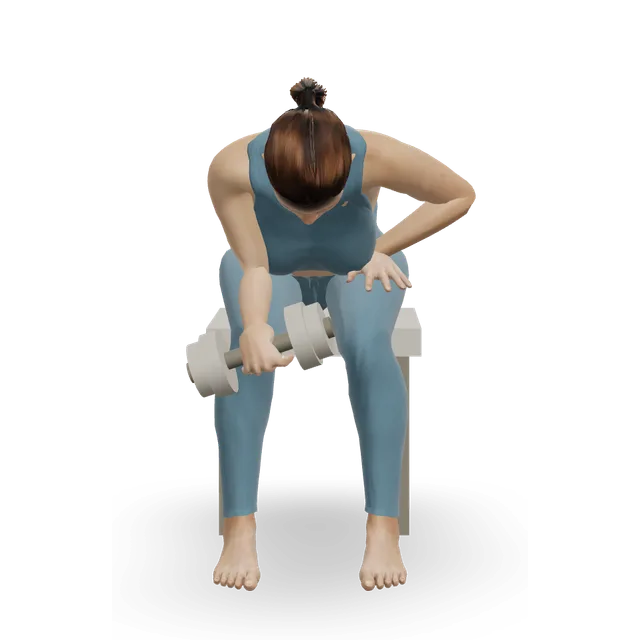
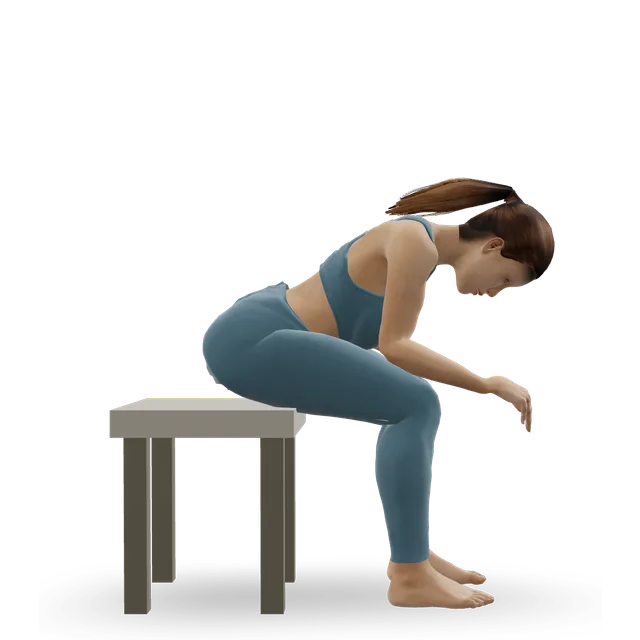
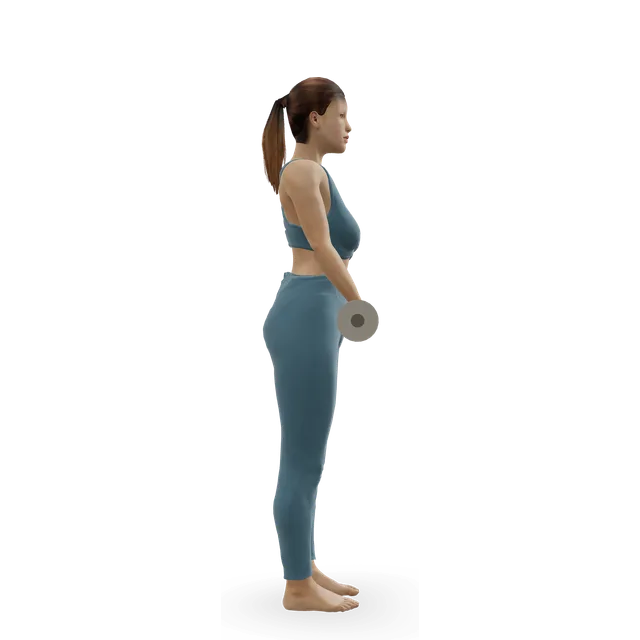
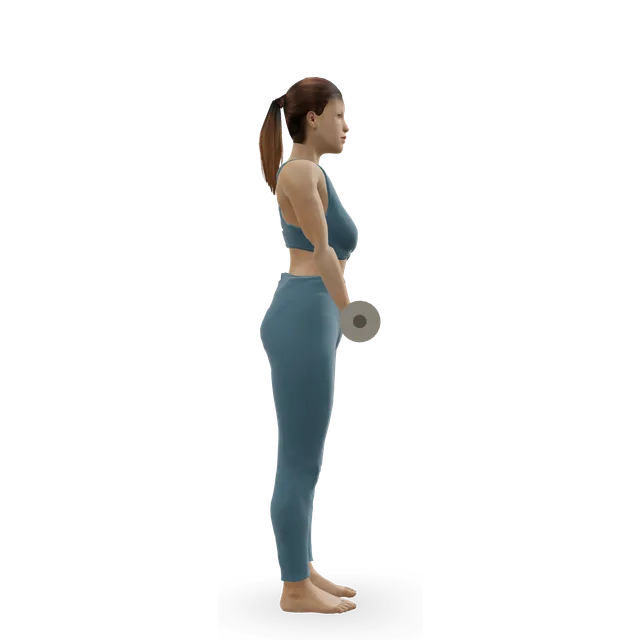
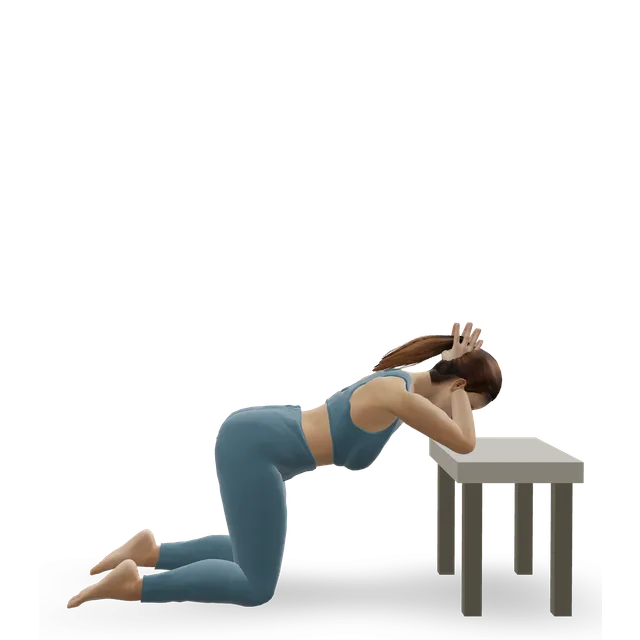
Wrist curls both ways, forearm turning with a dumbbell, a squeeze and carries, then weight through the hands on a table, a wall and the floor, as NHS wrist programmes use. The staged plan on this page gives the doses.
When should I get my wrist pain checked?
See a GP if it isn't better after 2 weeks, if you have tingling or numbness, if you have diabetes, or if a lump grows or is hard. Get same-day help for a hot, swollen joint with a fever, a very painful, hot or red lump, or severe pain after an injury.