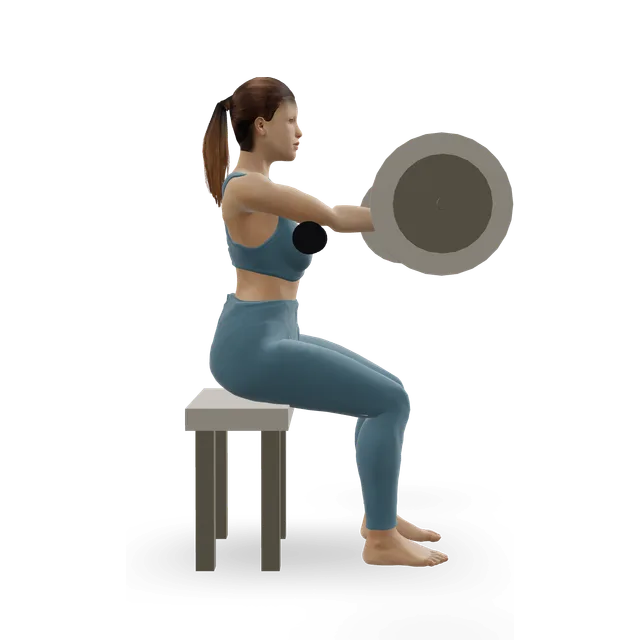
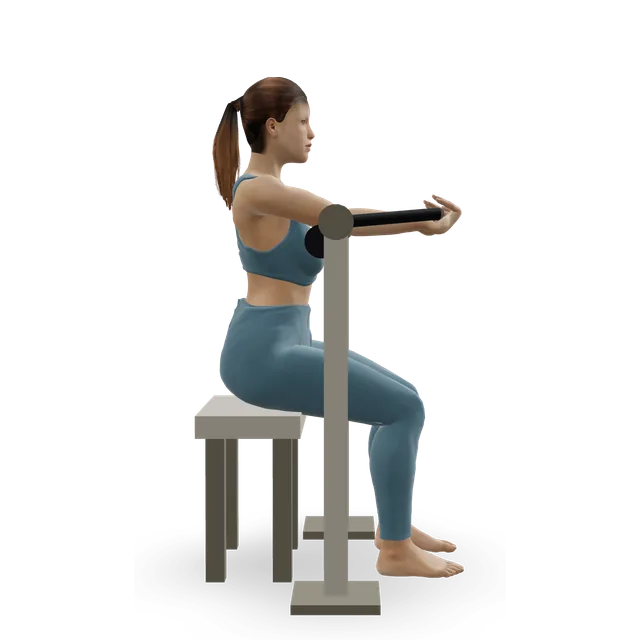
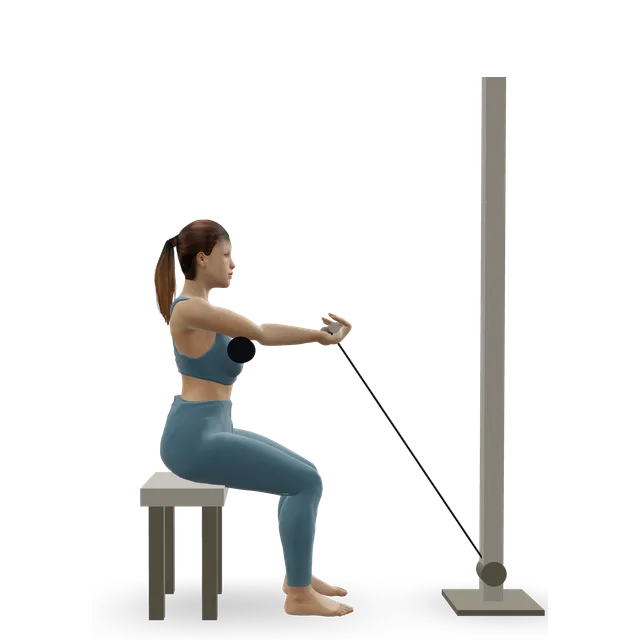
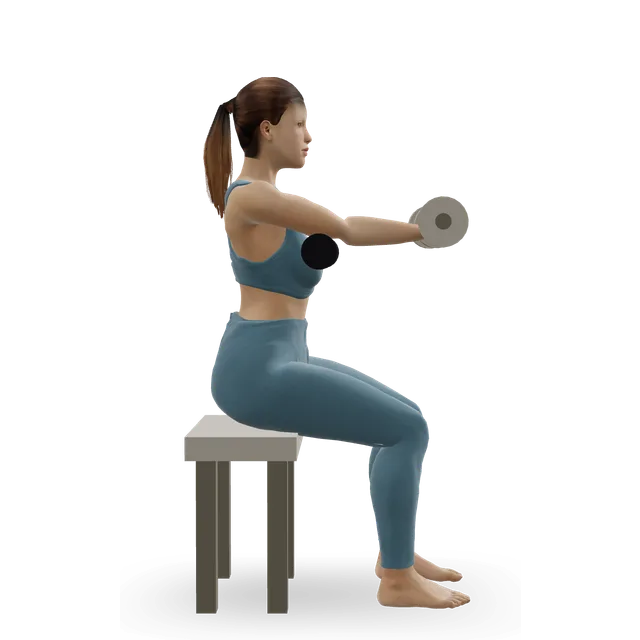
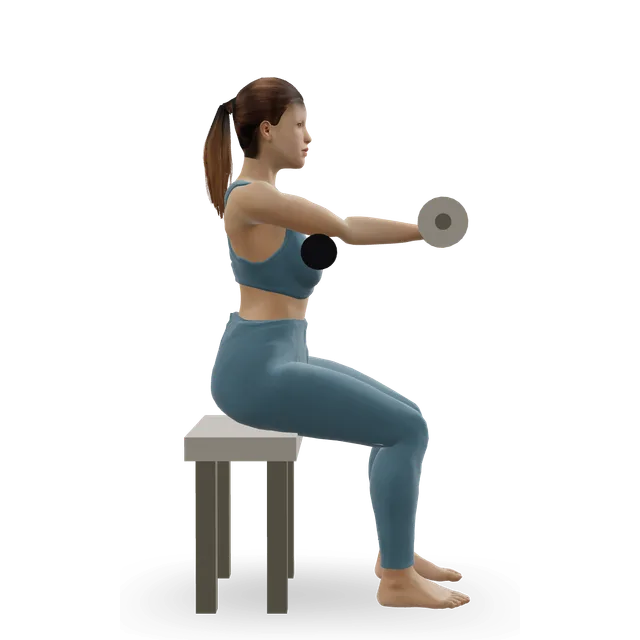
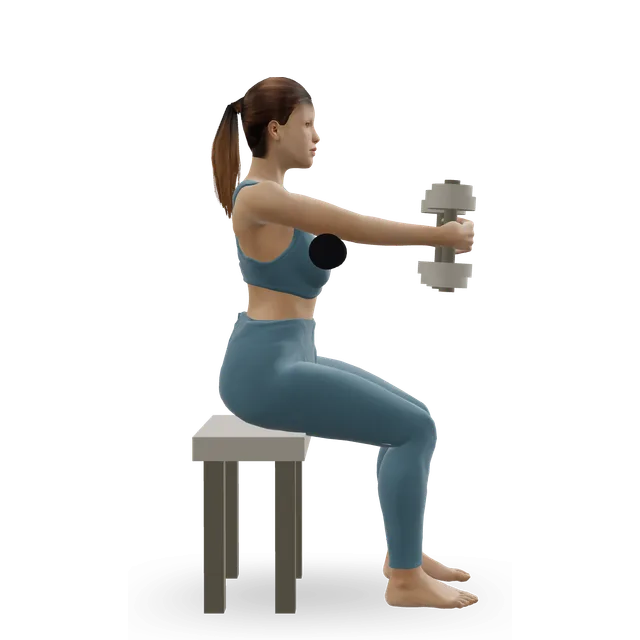
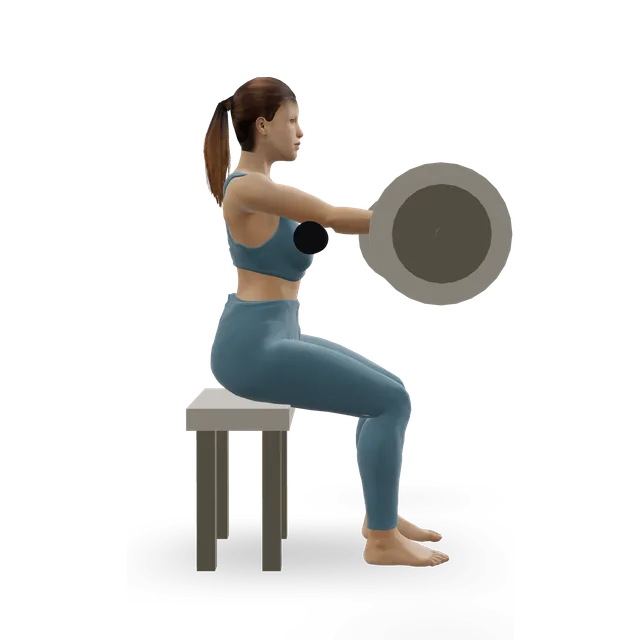
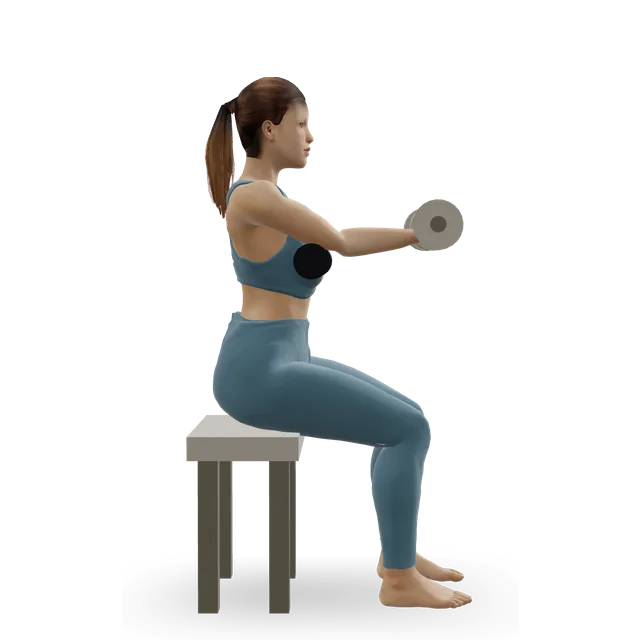
The stretched part grew the lower biceps moreEmerging evidence
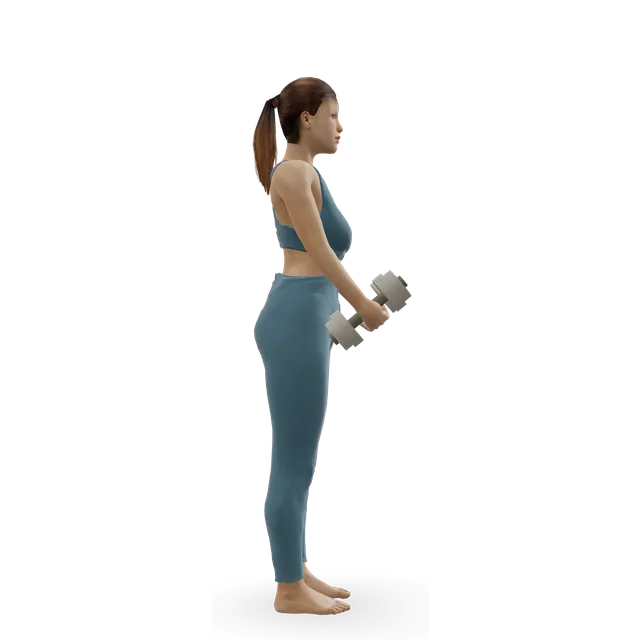
19 young women trained one arm through the first part of a dumbbell preacher curl (from straight to 68 degrees) and the other through the last part, 3 times a week for 8 weeks: near the elbow, the first-part arm grew more, and the two sites added together grew about the same. On a preacher bench, 32 untrained adults trained the stretched range (straight to 50 degrees) or the bent range (80 to 130 degrees) twice a week for 5 weeks, and muscle thickness rose 8.9% against 3.4%. Across 11 studies, full range and stretched-position half reps grew the lower biceps and brachialis more than half reps near the top.
Sources 6, 1, 16
Half reps at the bottom matched full repsEmerging evidence
13 trained adults (11 men) did preacher curl half reps from straight to 70 degrees with one arm and full reps with the other for 8 weeks: growth was similar, with a trivial edge for the half reps near the elbow and a negligible strength edge for full reps. In 30 trained adults, half reps at long muscle lengths matched full reps in two other curls.
Sources 17, 18
Full range built more strengthEmerging evidence
40 young men did full-range (straight to 130 degrees) or mid-range (50 to 100 degrees) preacher curls, as a review describes the trial, or none, twice a week for 10 weeks. Strength rose 25.7% against 16.0%, and muscle thickness 9.65% against 7.83%.
Sources 7, 3
Preacher or incline curls, by region: the studies disagreeMixed evidence
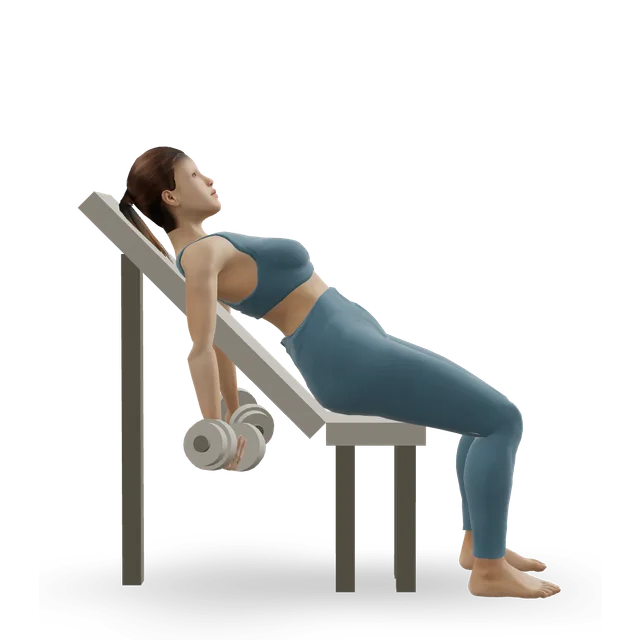
On MRI, 21 untrained adults trained one arm with each curl, 5 sets of 10 at 70% of their maximum, twice a week for 12 weeks: the biceps grew 22.1% with incline curls and 18.9% with preacher curls, the brachialis 17.1% and 21.1%, the brachioradialis 13.5% and 17.6%, and all three together 17.6% and 19.2%, with similar patterns along each muscle. With ultrasound, in 63 young women, preacher curls grew the lower arm more (by 0.10 cm) and incline curls the upper arm (by 0.08 cm); in 38 trained women, only the preacher group's lower site grew, but the groups didn't differ significantly.
Sources 8, 9, 10
Arm in front or behind made little differenceEmerging evidence
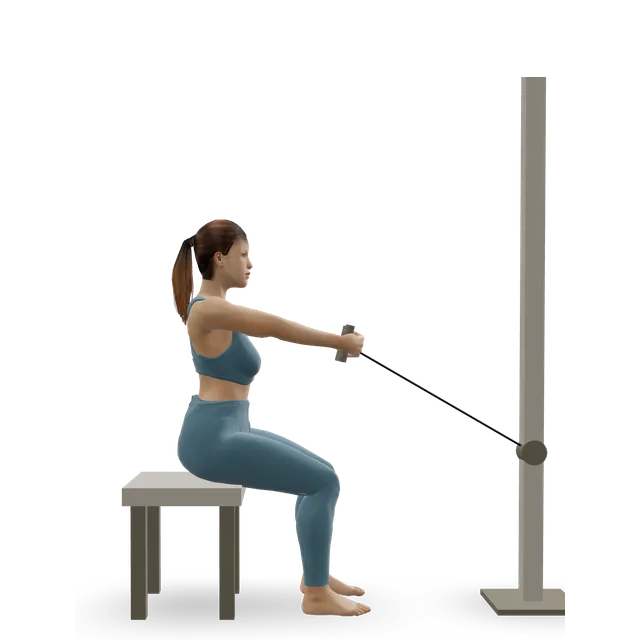
15 young men trained one arm with preacher-position cable curls and the other with Bayesian cable curls (arm behind) for 10 weeks: growth (biceps 6 to 7% against 9%) and strength (28% against 37%) were judged equivalent. In 24 men who finished a 10-week trial, cable curls with the arm behind or at the side grew the arm 7 to 9% either way, and with blood flow restriction, 21 trained men grew similarly with the arm in front or behind.
Sources 2, 19, 20
Cable or barbellEmerging evidence
35 young adults did cable or barbell preacher curls, 3 sets of 8 to 12, 3 times a week for 10 weeks: biceps thickness rose 7% and 8%, and strength near straight arms rose more with the barbell, 39% against 30%.
Source 5
Failure isn't neededEmerging evidence
19 trained adults did preacher curls to failure with one arm and 1 to 3 reps short with the other for 8 weeks, and muscle and strength changed by the same amount. Across 15 studies, training to failure added a trivial amount of growth at most.
Sources 11, 21
One arm or twoEmerging evidence
In untrained young women, curls with both arms or one at a time, 2 sets of 8 to 12, 3 times a week for 8 weeks, grew the arm equally.
Source 22
More soreness at firstEmerging evidence
In 10 young men, 24 maximal lowerings with the elbow muscles at long lengths caused more strength loss, soreness and swelling than the same work at short lengths.
Source 23
People differ a lotStrong evidence
In 585 adults who trained one arm the same way for 12 weeks, biceps size changed by anything from a 2% loss to a 59% gain. Men gained slightly more in absolute size, and women more in relative strength.
Source 24