Where your arm is: similar total growth in three trialsEmerging evidence
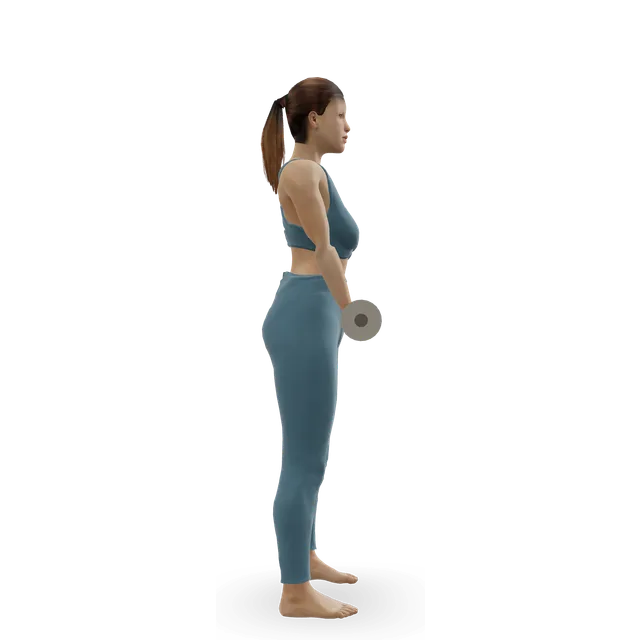
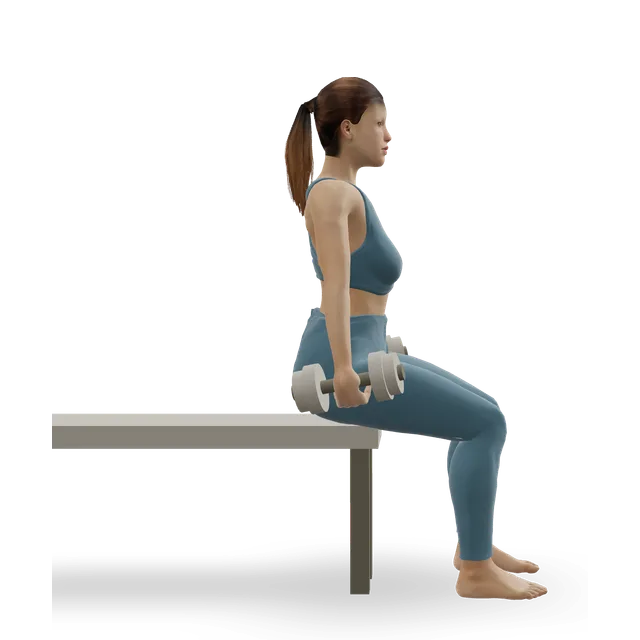
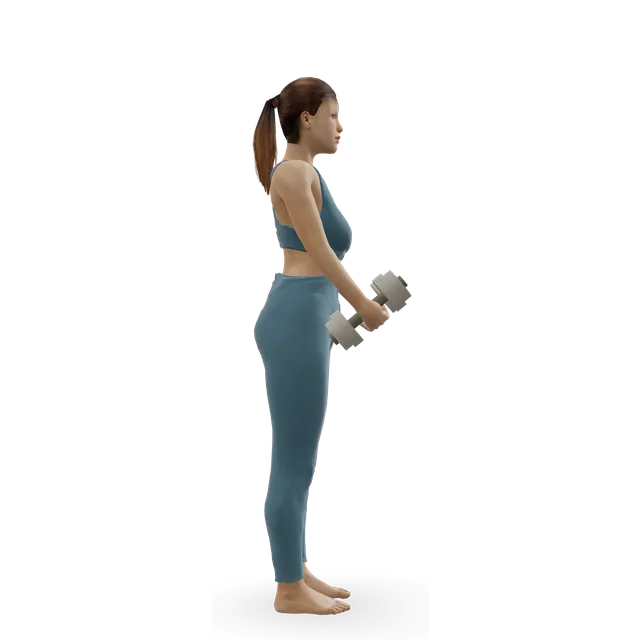
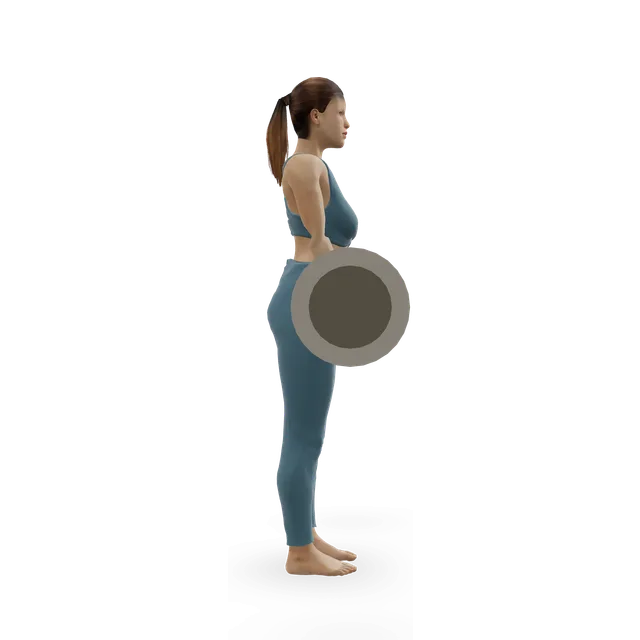
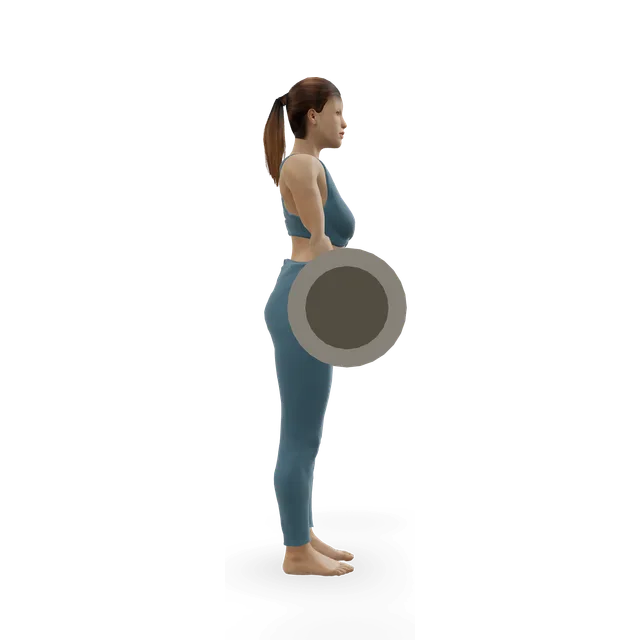
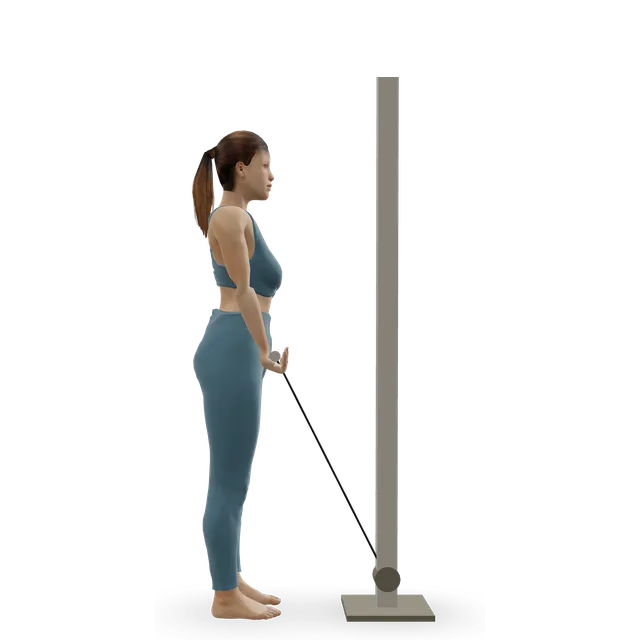
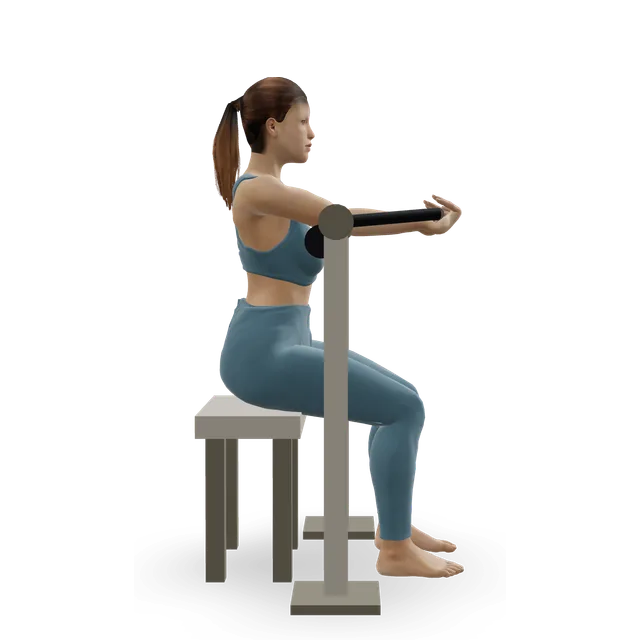
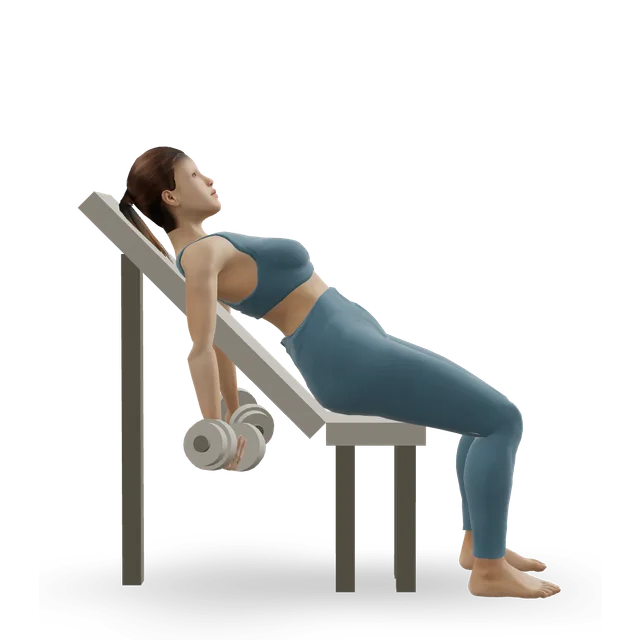
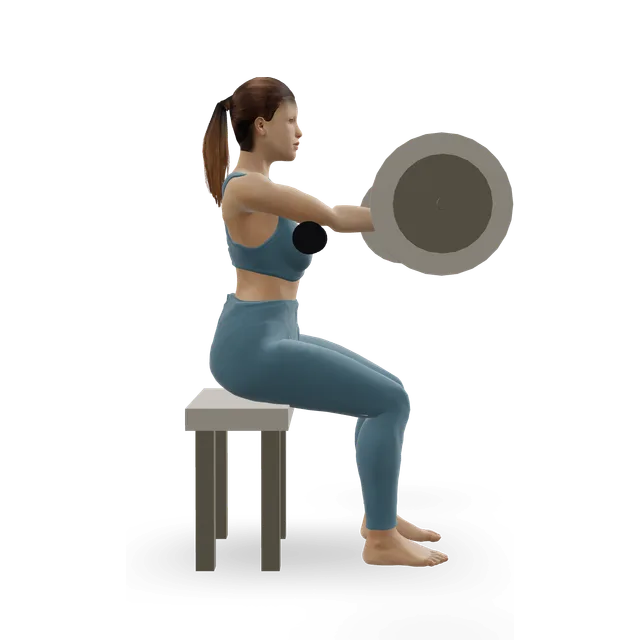
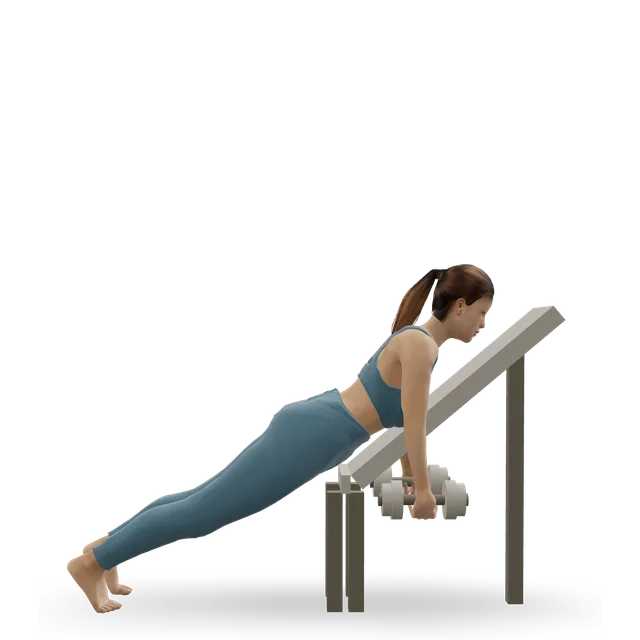
In 30 untrained men (24 finished), cable curls with the arm behind the body and with the arm at the side grew the biceps by about the same 7 to 9% over 10 weeks. In 15 young men, preacher and Bayesian (arm behind) cable curls grew the biceps and brachialis equivalently. In 21 untrained adults over 12 weeks, incline curls grew the biceps more than preacher curls (22.1 against 18.9%) and preacher curls grew the brachialis (21.1 against 17.1%) and brachioradialis (17.6 against 13.5%) more, with the same total. Each person trained one arm each way; the trials were small and mostly in untrained people.
Sources 7, 9, 8
The stretched half of the liftEmerging evidence
In 32 untrained adults, curls through the straight-arm half of the range grew the biceps 8.9% in 5 weeks, against 3.4% for the bent-arm half. Half reps in the stretched position built as much arm muscle as full reps in 30 trained adults and in 13 trained adults on the preacher curl. A review of 11 studies found full range and stretched-position partials grew the biceps and brachialis more than partials near the top. Small trials, but they point the same way.
Sources 14, 15, 21, 22, 23
Swinging didn't stop growthEmerging evidence
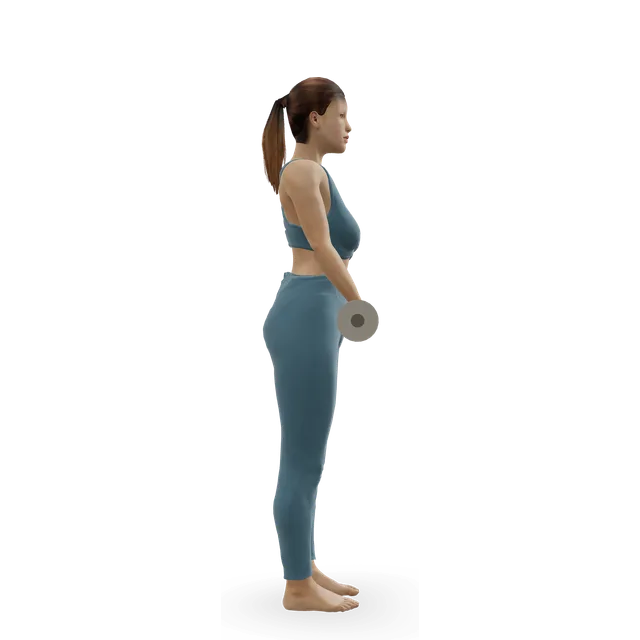
In 30 untrained adults, one arm did strict curls and the other swinging curls, using the hips and knees, at 4 sets of 8 to 12 to failure twice a week for 8 weeks. Both arms grew the same, the swinging arm lifted nearly twice the total weight, and no injuries were reported. It's one trial, in untrained people.
Source 16
Failure isn't neededStrong evidence
In 19 trained adults, preacher curls stopped 1 to 3 reps short built as much muscle and strength over 8 weeks as curls to failure. Across 15 studies, training to failure gave a trivial growth advantage at most.
Sources 24, 25
Light and heavy both work, within reasonStrong evidence
Across 28 studies of 747 adults, light (more than 15 reps), moderate and heavy loads built similar muscle when sets went to failure, and heavier loads built more strength. In one trial of 30 men, curls at a fifth of their maximum grew the elbow flexors 11.4% in 12 weeks, against about 25% at 40, 60 or 80%.
Sources 10, 11
More weekly sets build more muscle, up to a pointStrong evidence
Each extra weekly set added about 0.4% growth across 15 studies, and the American College of Sports Medicine's (ACSM's) overview of 137 reviews found growth enhanced with 10 or more sets a week. In 34 trained men, 5 sets per exercise 3 times a week grew the arm flexors more than 1 or 3 sets, but in trained people 12 to 20 weekly sets grew the biceps as much as more than 20. The returns shrink as the sets go up.
Sources 26, 12, 13, 27, 28
Do curls add to rows and pulldowns?Mixed evidence
In 10 untrained men, curls grew the arm flexors more than one-arm rows (11.1 against 5.2% in 8 weeks). But in 29 untrained men, pulldowns alone grew them as much as curls alone, and adding curls and triceps extensions to pulldowns and bench presses added nothing measurable over 10 weeks. Curls are useful for arm size; they aren't essential for health.
Sources 29, 30, 31
Muscle activity: one study puts concentration curls topEmerging evidence
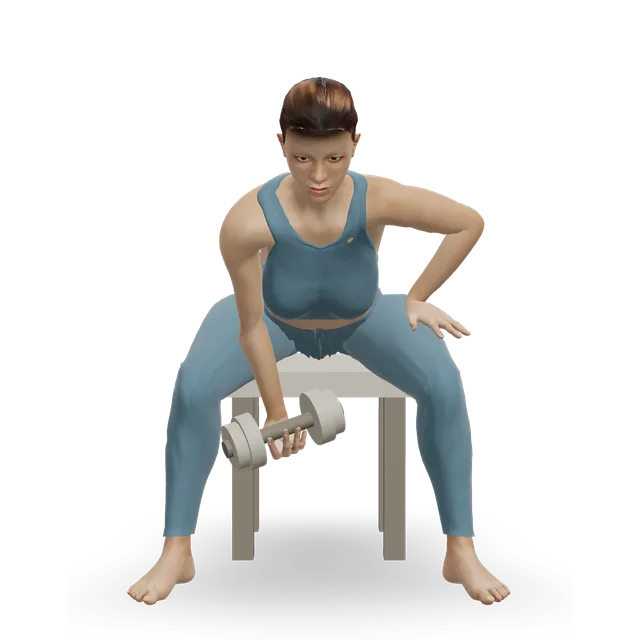
In an American Council on Exercise (ACE) study of 16 experienced 18 to 24 year olds, the concentration curl drew the most biceps activity of 8 exercises, about 97% of maximum, and the others fell between about 69 and 81%, figures read from ACE's chart. In 22 people, standing and incline curls kept the biceps working through the whole lift and the preacher curl hard over a short range near the bottom. The EZ bar drew more biceps activity than dumbbells in 12 people. None of this measures growth.
Sources 32, 33, 34, 20
People differ a lotStrong evidence
In 585 adults who trained one arm the same way for 12 weeks, biceps size changed by anything from a 2% loss to a 59% gain. Men and women grow by similar proportions; men gain slightly more in absolute size in the upper body.
Sources 35, 36, 37