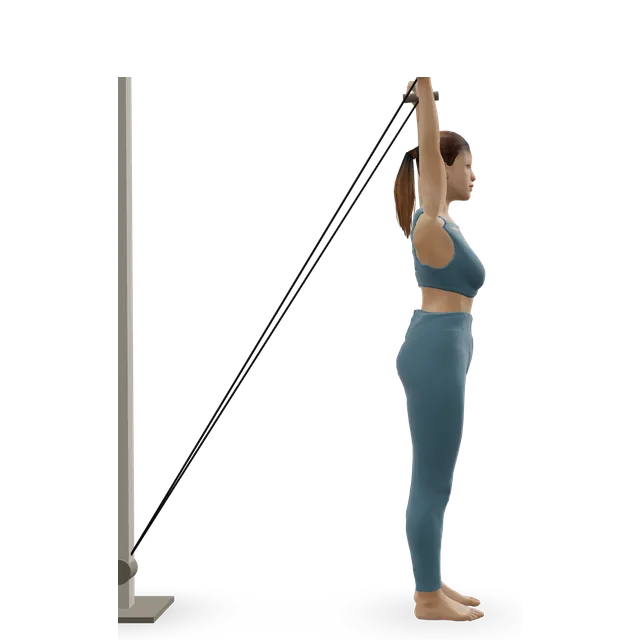
A bench press with a shoulder-width grip
Hands about shoulder-width apart, in line with your shoulders, elbows close to your ribs as the bar comes down to your lower chest. Not hands together: the studies used about shoulder width.
Source 1
Training guide
A close-grip bench press is a bench press with your hands about shoulder-width apart and your elbows closer to your sides. It still works your chest, triceps and front shoulders, and most people lift about 5 to 10% less than with their normal grip.
It's often called a triceps exercise, but the studies disagree on how much the close grip shifts the work: the differences they found were small. Bench pressing grew the outer part of the triceps in one trial, so for bigger triceps it pairs well with an extension.
This guide covers how wide to grip (not hands together), where your elbows and the bar should go, what it works, how it compares with dips and triceps extensions, the dumbbell, EZ-bar and Smith machine versions, how heavy and how many, and your wrists, elbows and shoulders, with a 3D demo of every step.
Hands about shoulder-width apart, in line with your shoulders, elbows close to your ribs as the bar comes down to your lower chest. Not hands together: the studies used about shoulder width.
Source 1
It works the same muscles as the bench press. Narrowing the grip shifted a little work towards the triceps in some studies and changed little in others, so the difference is small.
Most studies found people lifted about 5 to 10% less with a close grip than with their normal one, though 20 trained women lifted slightly more.
In 43 young men, bench pressing grew the outer (lateral) head of the triceps and lying extensions grew the long head, so a press plus an extension covers the whole muscle.
Source 8
3 sets of 6 to 10, stopping 2 or 3 reps short of failure, with 2 to 3 minutes' rest: our editorial range, within our tricep workout's 3 sets of 6 to 8 and the 6 to 10 our pain guides use. Set the safety arms and never press heavy alone, as our bench press guide says.
No study has measured wrist loads in the bench press. For the shoulders there's one computer model: grips under 1.5 times shoulder width lowered the load on the top of the shoulder, but the narrowest grip with tucked elbows raised another force. Close-grip presses can aggravate triceps tendon pain at the elbow.
Source 9
The American Council on Exercise (ACE) describes the grip with the hands directly in line with the shoulders and the elbows pointing towards the feet, kept close to the ribs as the bar comes down.
Source 1
The "narrow" grips in the studies were about the width across the bony points of the shoulders (about 40 to 42 cm in men), 95% of it, or the distance between the armpits. The National Academy of Sports Medicine (NASM) library suggests slightly narrower than shoulder width; we follow ACE and the studies.
Your chest, triceps and the front of your shoulders. Across 14 bench studies, the chest and triceps worked at similar levels, both more than the front shoulder. A narrower grip worked the biceps less and, in some studies, the triceps a little more.
Grip studies mostly use EMG (electromyography: electrodes measuring how hard a muscle works over a few reps). It isn't a validated predictor of which exercise grows a muscle more, so treat these numbers as clues, not verdicts.
Source 12
In 12 men holding presses, a narrower grip raised triceps activity and lowered lower-chest activity, with small changes. In 12 elite bench pressers only the biceps differed, 25.9 to 30.5% lower with a narrow grip. In 28 men the triceps worked less with a wide grip than a medium or narrow one, with no difference between narrow and medium. Between 81 and 40 cm grips, the chest-to-triceps ratio hardly changed in 14 men. The studies disagree, and the differences are small.
A review of 14 bench press studies found the chest and triceps worked at similar levels, both more than the front shoulder, and the load lifted mattered most.
Source 11
In 43 young men, bench pressing (normal grip) grew the chest and the outer head of the triceps more than lying triceps extensions alone, while the extensions grew the long head more. The group that only benched didn't grow its whole triceps significantly. No trial has compared grip widths for growth.
Source 8
Ten weeks of bench pressing grew the chest, front shoulder and triceps in 24 men, the chest most. In 7 untrained men over 24 weeks, chest thickness rose from the first week and triceps thickness only from the fifth.
In an ACE-funded study of 15 women with lifting experience, the close-grip bench drew 62% of the diamond push-up's triceps activity, among the lowest of eight exercises, while dips on a low bench drew 87%. It measured one set, not growth, and wasn't peer reviewed.
Source 16
6-rep maxes were 7.0 to 8.4% lower with a narrow grip in 28 men, and medium and wide grips 5.8 to 11.1% heavier in 12 athletes. 1-rep maxes were 103.7 kg against 108.9 and 109.8 kg in 14 men, and 83.0 against 87.4 kg in 27 trained people. But 20 trained women lifted 55.2 kg close-grip against 52.7 kg wide, 54 men on a Smith machine lifted the same across grips, and reps to failure at 75% didn't change with grip in 19 men.
The close grip moved the bar faster in 27 trained people and peaked in power at a lighter load, about 30% of the maximum against 50% for the normal grip. The close-grip and normal maximums were closely related in 20 men.
In a model built on experienced lifters using a light 16 kg bar, grips under 1.5 times shoulder width lowered compression at the joint on top of the shoulder (the AC joint) and backward shear at the main shoulder joint. But a 1-times grip with the elbows tucked to 45 degrees raised an upward shearing force, and the authors suggest avoiding that with pain under the top of the shoulder. Wider grips raised joint loads. There are no injury data.
Source 9
In 18 men lifting 50% of their maximum, thinking about the triceps raised triceps activity a little at a narrow grip. It's a small, one-session effect.
Source 21
From ACE's close-grip bench press and our move page; the set-up, thumbs, safety arms and touch are from our bench press guide.
Loading the 3D figure…
The movement on the figure: Close-grip barbell bench press
Your hands in line with your shoulders, the width the studies used. That's at the narrow end of the normal bench grip, which our bench press guide puts at about 1 to 1.5 times the width across the bony points of your shoulders.
No study has tested grips narrower than the shoulders, and narrow and medium grips worked the triceps alike in one study. Hands touching bends your wrists back and lets your elbows flare, so going closer adds strain rather than proven triceps work (our reading). NASM also warns against extremely narrow grips.
Keep your elbows closer to your ribs than in your normal bench, pointing towards your feet. If the top or front of your shoulder pinches, widen your grip a little rather than clamping your elbows in, since the narrowest grip with tightly tucked elbows raised an upward force in the shoulder model (our reading).
Hold the bar low in your palm with your wrists stacked over your elbows, and wrap your thumbs round it, as our bench press guide teaches: a thumbless grip lets the bar roll out of your hands.
It's a chest, triceps and front-shoulder press. The close grip may shift a little work to the triceps, but the studies disagree and the differences are small.
Bench pressing grew the outer (lateral) head more than lying extensions did, and the extensions grew the long head more, in one trial of 43 young men. That's a normal-grip bench press; the close grip hasn't been tested on its own.
Source 8
Pair the press with an extension, ideally one with your arm overhead: our tricep extension guide covers the trial in which overhead extensions grew the triceps more. Our tricep workout does exactly that.
Source 8
The barbell close-grip press, 1 lighter set then 3 sets of 6 to 8, 2 minutes' rest (our tricep workout); the EZ-bar version, 2 to 3 sets of 8 to 12, 2 or 3 reps in reserve, with a spotter or safety bars for heavier sets (its move page's dose); the dumbbell squeeze press and the dumbbell floor press, 2 to 3 sets of 8 to 12 (their move pages' doses), and the neutral-grip dumbbell press at the same sets (editorial); the barbell floor press has no set dose; the Smith machine press, 3 sets of 8 to 10 (our Smith machine workout, normal grip); pin presses, 3 to 5 sets of 3 to 5 after lighter sets, 1 or 2 reps in reserve, and the JM press, 2 to 3 sets of 10 to 15 (their move pages' doses).
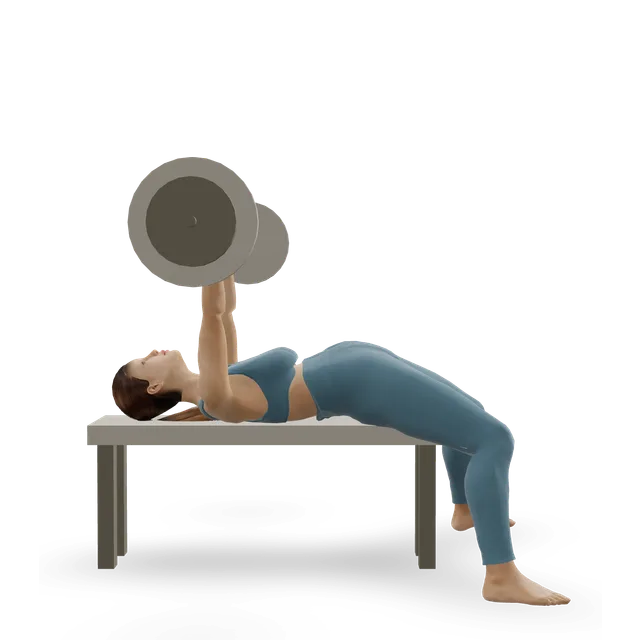 3D demoClose-grip barbell bench pressIntermediate · A barbell + A bench or box
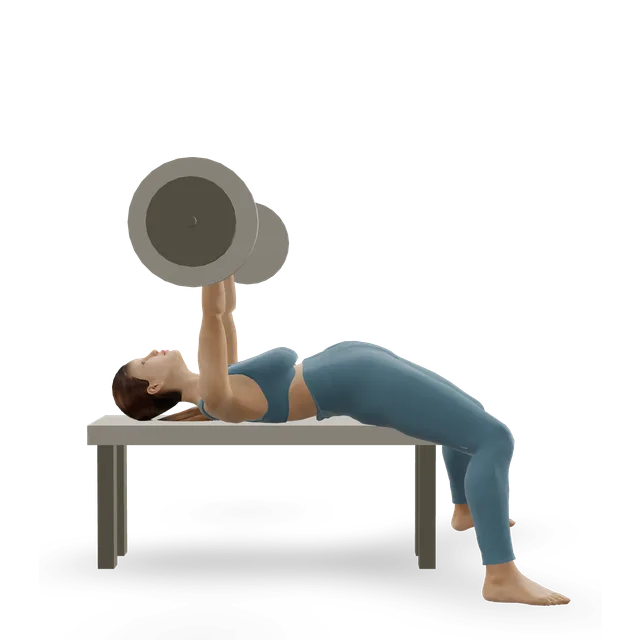 3D demoClose-grip EZ-bar bench pressIntermediate · EZ curl bar + A bench or box
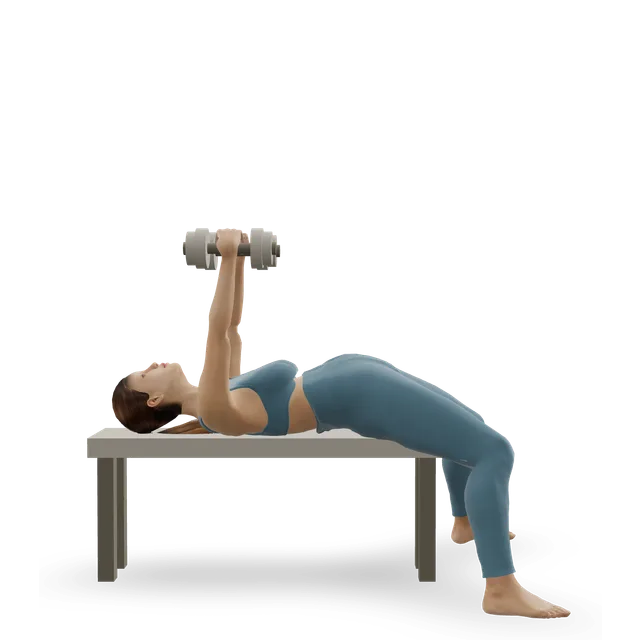 3D demoDumbbell squeeze pressBeginner · A dumbbell + A bench or box
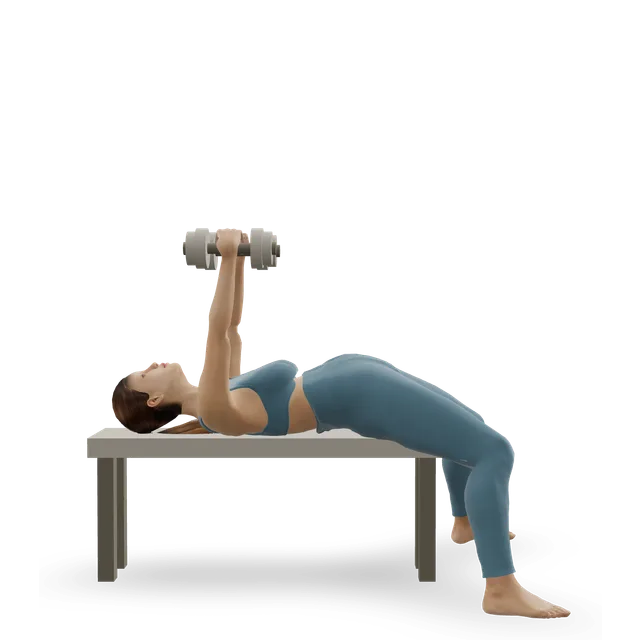 3D demoNeutral-grip dumbbell bench pressIntermediate · A dumbbell + A bench or box
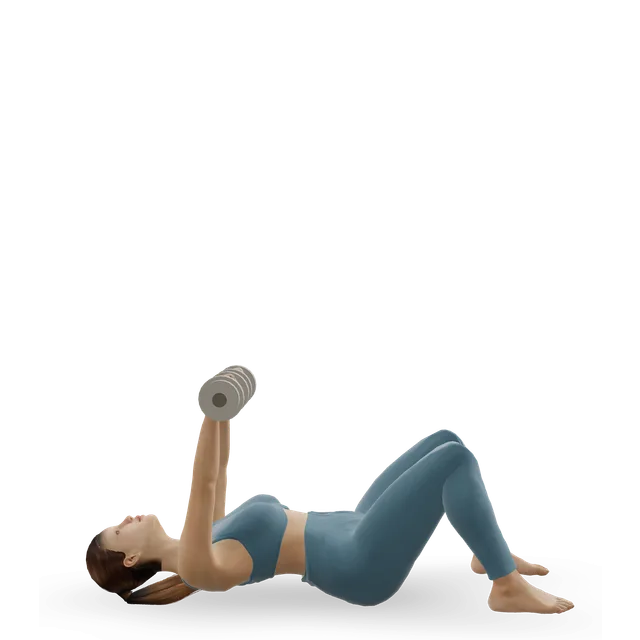 3D demoDumbbell floor pressIntermediate · A dumbbell
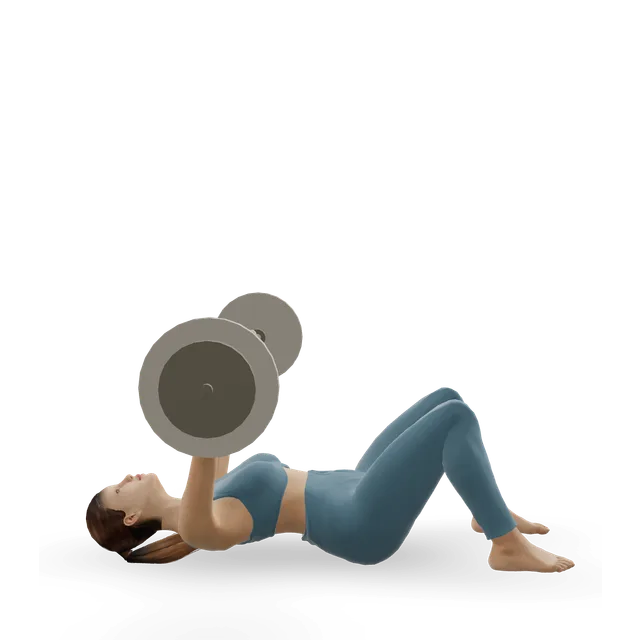 3D demoBarbell floor pressIntermediate · A barbell
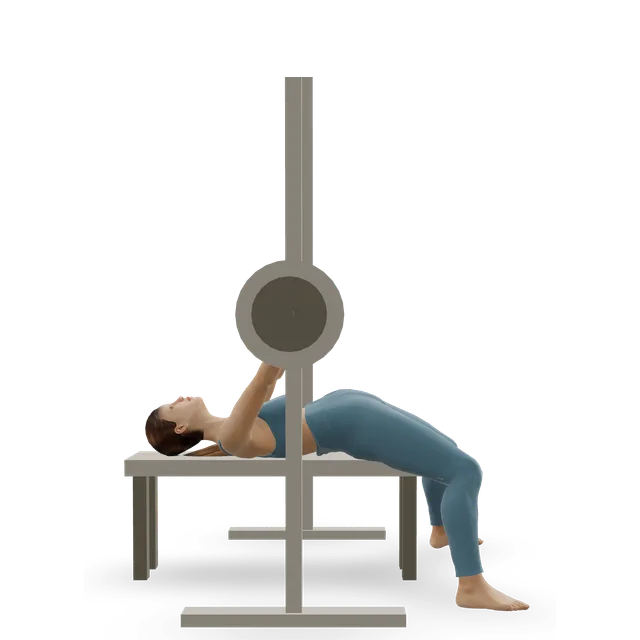 3D demoSmith machine bench pressBeginner · Strength machine + A bench or box
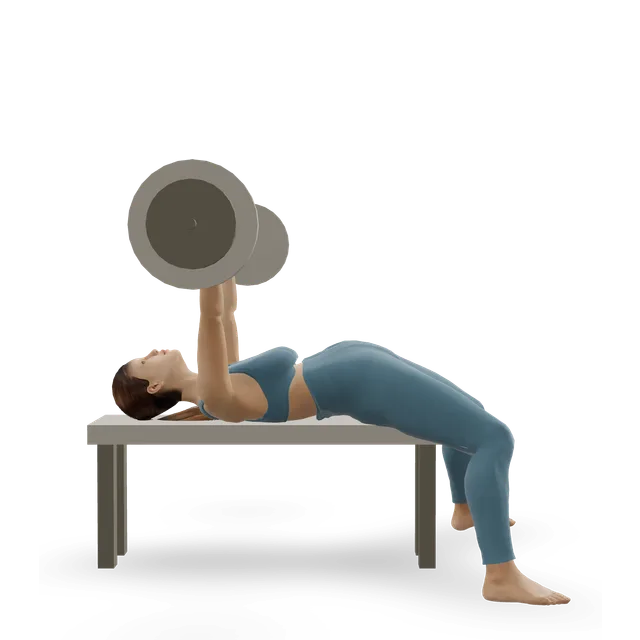 3D demoPin pressIntermediate · A barbell + A bench or box
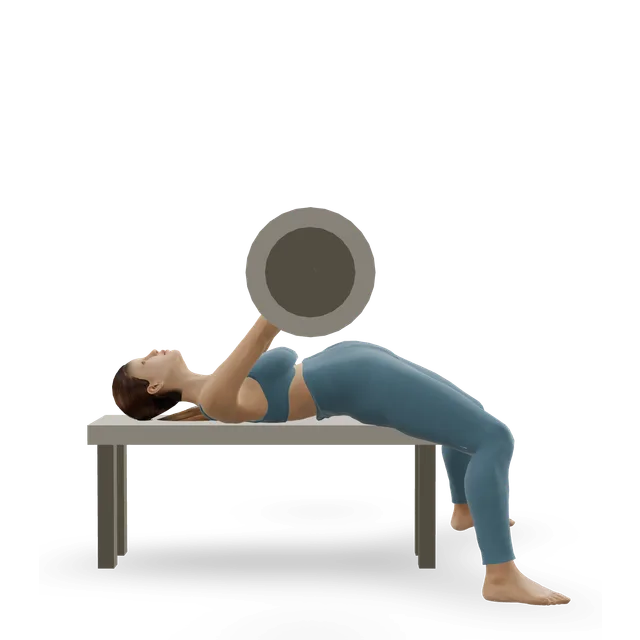 3D demoJM pressAdvanced · A barbell + A bench or box
Close-grip incline push-ups, 2 to 3 sets of 6 to 12 (our arm challenge workout); close-grip push-ups, 2 sets of 6 to 12 (our upper body workout at home); diamond push-ups, 2 sets of 6 to 12, hands on a bench to make them easier (our dip progression); close-grip push-ups on a dumbbell, 2 to 3 sets of 6 to 12, 2 or 3 reps in reserve (its move page's dose). Narrow hands load the elbows and wrists more, so build up gradually.
3 sets of 6 to 10 after a lighter warm-up set: our editorial range, within our tricep workout and bench press strength workout (3 sets of 6 to 8) and the 3 sets of 6 to 10 our shoulder and triceps pain guides use.
Stop 2 or 3 reps short of failure: 2 or 3 RIR (reps in reserve: how many more reps you could have done). Leave 3 or 4 in your first two weeks. Going to failure added a trivial amount of growth at most across 15 studies, and people underestimate the reps they have left by about 1.
2 to 3 minutes, as our tricep workout (2 minutes) and bench press strength workout (2 to 3 minutes) use. A review found a small growth benefit from resting more than about 60 seconds.
Source 24
Find it with the starting-weight method our plans use: a weight you could lift 10 to 12 times. Expect it to be about 5 to 10% lighter than your normal-grip bench for the same reps.
Once or twice a week, first on a triceps day or after your heavy bench. Each set counts as a chest set and about half a triceps set: in a review of 67 studies, counting presses as half a set for the arms fitted the growth data best. About 10 or more hard sets a week builds a muscle, and how often you train it made little difference when weekly sets matched.
Hands touching or a few inches apart bends your wrists back and lets your elbows flare (coaching practice). Use about shoulder width, as the studies did.
Keep them closer to your ribs than in your normal bench; if your shoulder pinches, widen your grip a little.
Source 1
Lowering to your upper chest or neck. Lower to your lower chest with your elbows close, as our move page shows.
Stack your wrists over your elbows with the bar low in your palm, as our bench press guide teaches.
Touch your chest and press, with your hips pressed into the bench.
Source 1
Wrap your thumbs round the bar so it can't roll out of your hands, as our bench press guide says.
In one study they drew more triceps activity than the close-grip bench, which lets you lift more weight. Our dips guide covers dips; with shoulders that dislike deep dips, the close-grip press is the usual swap, as our chest and triceps workout suggests.
Source 16
Extensions isolate the triceps and grew the long head more than pressing in one trial. Our tricep extension guide covers them; do a press and an extension rather than choosing one.
Source 8
A cross between a close-grip press and a skull crusher, with the bar coming down towards your throat: use a spotter or safety bars, as its move page warns, at 2 to 3 sets of 10 to 15.
Your close-grip maximum is closely tied to your bench, and the close grip moves the bar faster, but no training trial shows it raises the bench more than extra bench sets do. Our increase bench press guide uses it as one assistance move among several.
Our bench press strength workout puts 3 sets of 6 to 8 after the heavy bench, or pin presses at your sticking point. Count it among the 5 to 10 hard bench sets a week our increase bench press guide suggests.
No study has measured wrist loads in the bench press or tested grip width against wrist pain, as our wrist pain when lifting guide says. Coaching pages warn that extremely narrow grips add wrist stress, without evidence. Stack your wrists over your elbows and keep your hands about shoulder-width apart.
Source 10
Discomfort up to about 3 to 4 out of 10 during the exercise, settling within an hour and no worse the next morning, is acceptable, as our tricep extension guide says; otherwise go lighter. Close-grip presses can aggravate triceps tendon pain: our triceps tendinopathy guide removes them and brings them back at about half your old working weight.
In the model, grips under 1.5 times shoulder width lowered the load on the top of the shoulder, which may suit pain there, but the narrowest grip with the elbows tucked to 45 degrees raised another force the authors suggest avoiding with pain under the top of the shoulder. Our shoulder pain when bench pressing guide covers both.
Source 9
Keep pain during exercise to about 5 out of 10 or less, settling by your next session, the rule our shoulder guides use. See a GP if shoulder pain gets worse or doesn't improve after 2 weeks.
Source 29
Follow our pregnancy guide, and breathe out on the effort rather than holding your breath. In later pregnancy the NHS advises against lying flat on your back for more than a few minutes; an incline or seated press avoids it (our reading).
Source 30
Breathe out as you press and keep the weights moderate, as our breathing guide says. With controlled blood pressure, the American Heart Association considers low- to moderate-intensity strength training with proper breathing safe.
Source 31
Follow our triceps tendinopathy and shoulder pain when bench pressing guides, which say when to leave the close-grip press out and how to bring it back.
Parallel bar dips, 3 sets of 6 to 12, and skull crushers, 2 sets of 10 to 15 (our push day workout B); triceps pushdowns, 3 sets of 10 to 15, the last set 0 to 2 reps short (our bench press strength workout); overhead dumbbell extensions, 2 sets of 10 to 12 (our dumbbell upper body workout); face pulls, 2 sets of 15, and band pull-aparts, 15 reps to warm up (our bench press strength workout). The bench press has its own guide.
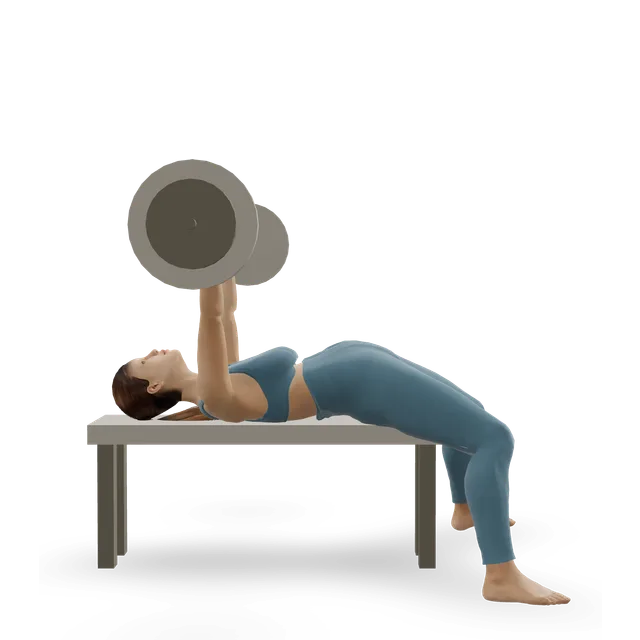 3D demoBarbell bench pressIntermediate · A barbell + A bench or box
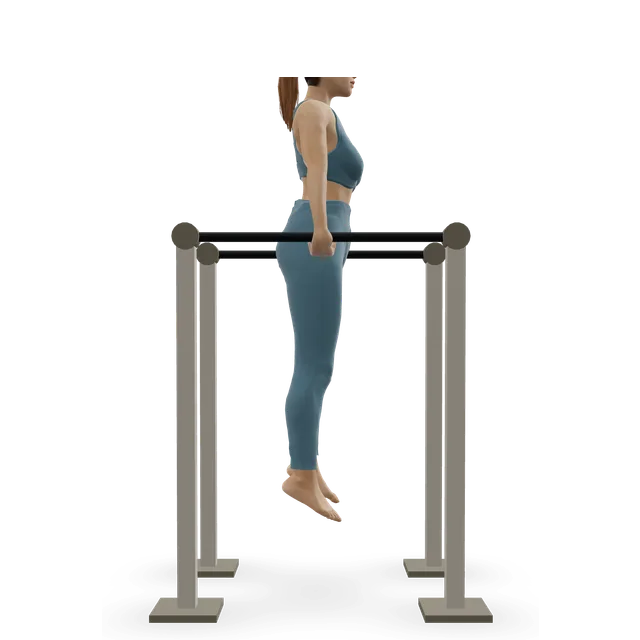 3D demoParallel bar dipAdvanced · Pull-up bar
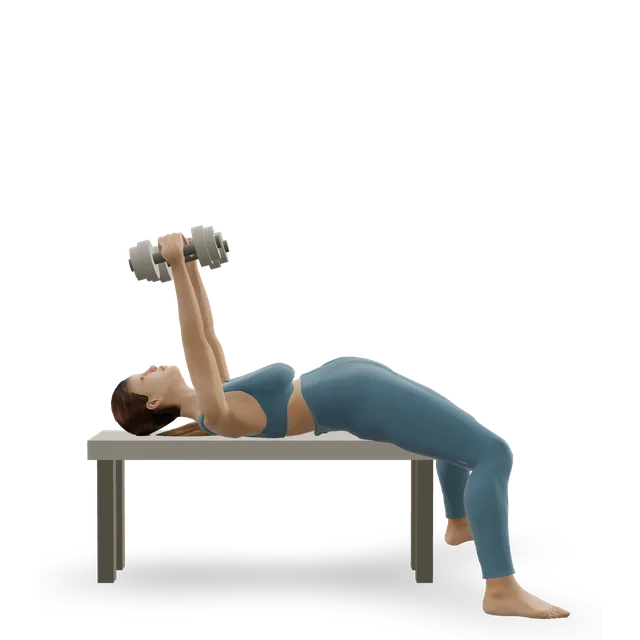 3D demoDumbbell skull crusher (lying triceps extension)Intermediate · A dumbbell + A bench or box
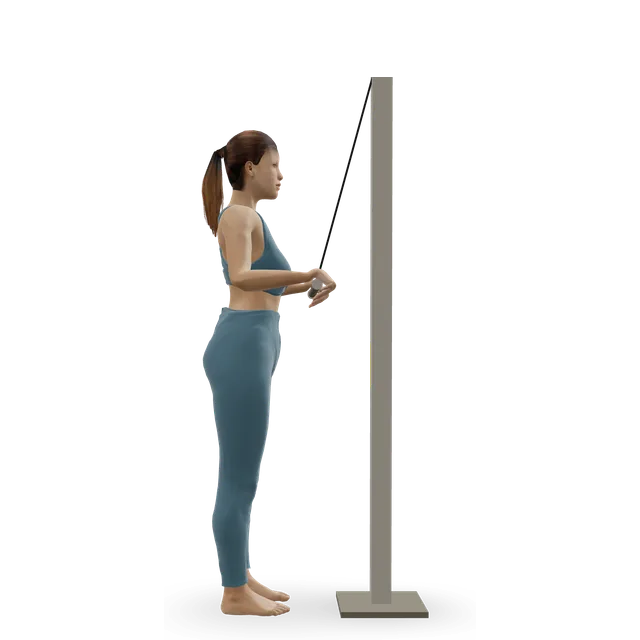 3D demoTriceps pushdownBeginner · A cable machine
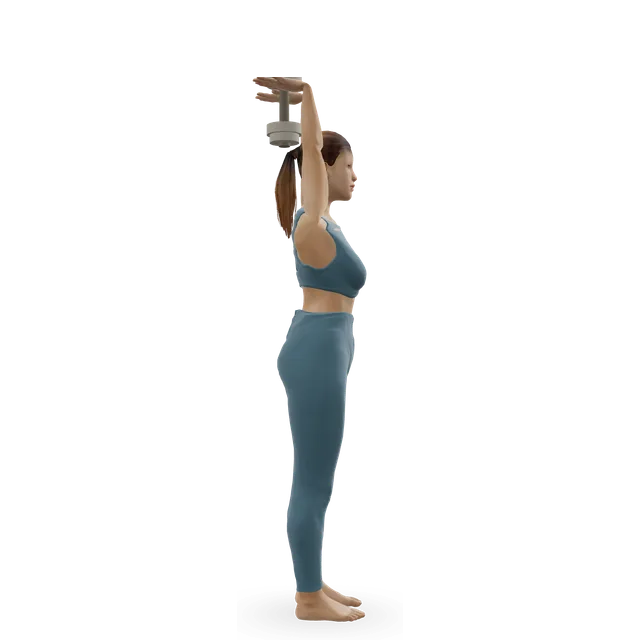 3D demoStanding overhead dumbbell triceps extensionIntermediate · A dumbbell
 3D demoFace pullIntermediate · A band
 3D demoBand pull-apartIntermediate · A band
The tricep workout starts with the close-grip press; the bench press strength workout uses it after heavy benching; the chest and triceps workout offers it as the swap for dips; the chest workout at home uses the dumbbell squeeze press.
A 35-minute triceps session: a close-grip bench press or dips, then overhead extensions, skull crushers and pushdowns, about 10 hard sets.
35 minIntermediate7 movesA barbell, A bench or boxA heavy bench press session for lifters past the beginner stage: heavy sets of 3 to 5, close-grip presses, rows, pushdowns and face pulls.
60 minIntermediate9 movesA band, A barbellA 55-minute gym session for a split: the bench press, an incline dumbbell press, cable flys and dips for your chest, then two triceps extensions.
55 minIntermediate11 movesA band, A barbellA 30-minute chest workout at home with a pair of dumbbells or a band: push-ups, dumbbell floor presses, flys and a squeeze press, with no bench needed.
30 minBeginner8 movesA band, A dumbbellIf you get chest pain or pressure, feel faint or dizzy, are unusually breathless, or your heart races or beats irregularly during exercise, as our plans advise. The American Heart Association says these need immediate medical evaluation.
Source 31
For chest pain that feels tight, heavy or squeezing, or spreads to your arms, neck, jaw or back; arm pain that comes on suddenly with pressure, heaviness or squeezing across your chest; a headache that starts suddenly and is extremely painful, especially while lifting or straining; someone who faints while exercising; palpitations that don't go away, or come with chest pain, breathlessness or feeling faint; severe difficulty breathing; or angina pain that doesn't stop after rest and your medicine. Don't drive yourself to A&E.
If you haven't exercised for some time or have a medical condition, speak to your GP first, as the NHS advises. Get advice before heavy lifting if your blood pressure is uncontrolled, or you have heart disease or chest pain when you're active, a pacemaker or defibrillator, diabetic eye disease, glaucoma, a hernia, recent eye or tummy surgery, or you're pregnant, as our breathing guide lists.
See a GP after any faint, and for dizziness that won't go away or keeps coming back.
Same day (NHS 111 or an urgent treatment centre): a pop or tearing at the front of the armpit or chest during a lift, a dip or a tackle, followed by bruising into the chest or upper arm, a change in the shape of the chest or armpit (a thinner or lost armpit fold, or a chest or nipple that looks uneven), or weakness pushing. Don't wait for it to settle: it can be a torn pec tendon. In the US, go to urgent care.
Source 43
If you've injured your arm and heard a snap, or it has changed shape; if you have severe pain in your arm and it's difficult to move; or if your arm tingles or feels numb. Our triceps guides add a snap at the back of the elbow with sudden weakness straightening your arm: don't wait to see if it settles. In the US, go to urgent care or the emergency department.
Source 34
If your arm hurts when you exercise but the pain goes away when you rest. See a GP if elbow or arm pain doesn't go away after a few weeks.
Source 34
For severe wrist pain; feeling faint, dizzy or sick from the pain; a snap, grinding or popping noise at the time of the injury; not being able to move your wrist or hold things; a wrist that has changed shape or colour; or lost feeling in part or all of your hand. See a GP for wrist pain that stops your normal activities, keeps coming back or hasn't improved after 2 weeks.
Source 44
For sudden or very bad shoulder pain; if you can't move your arm; if the shoulder has changed shape or is badly swollen; for pins and needles that don't go away or no feeling in the arm; if the arm is hot or cold to touch; for pain after an injury or in both shoulders; or if you feel feverish or unwell.
Source 29
A sudden sharp pain in a muscle during a set may be a strain. Get help from NHS 111 or an urgent treatment centre if it's very painful or getting worse, there's a lot of swelling or bruising, you can't use it normally, it's very stiff, or it isn't getting better with self-care.
Source 45
No study has measured wrist loads in the bench press or tested grip width against wrist pain, either way. Hands about shoulder-width apart, the bar low in your palm and your wrists stacked over your elbows is the set-up ACE and the studies used. Very narrow grips bend the wrists more, which is our reading rather than a measurement.
A narrow grip about shoulder-width and a medium grip worked the triceps alike in 28 men, grip width changed activity only a little in other studies, and the chest-to-triceps ratio barely moved between 81 and 40 cm. No study has tested grips narrower than the shoulders.
Chest activity stayed the same or dropped a little with a narrower grip, and no study found more "inner chest" work.
In one computer model, grips under 1.5 times shoulder width lowered loads on the top of the shoulder, but the narrowest grip with tucked elbows raised an upward shearing force the authors suggest avoiding with pain under the top of the shoulder. There are no injury studies.
Source 9
It's a chest, triceps and front-shoulder press: the chest and triceps work at similar levels, and in a bench training trial the chest grew more than the triceps. For triceps size, pair it with an extension.
It's closely related to your bench and moves the bar faster, but no training trial shows it raises the bench more than extra bench sets do, as our increase bench press guide says.
An overview of 137 reviews found the type of equipment didn't consistently change strength or muscle gains, and the American Heart Association says body weight training can be as effective as machines or free weights. The home trials are small: push-ups matched the bench press in three, and bands matched weights across 8 trials. You get strongest on the kit you train with, as our free weights against machines guide says, so bench with a bar if a heavy bench is your goal.
About shoulder-width apart, in line with your shoulders. The studies used the width across the bony points of your shoulders, or a little less. No study has tested grips narrower than that, so bringing your hands closer mostly bends your wrists back.
Your chest, triceps and front shoulders, like the bench press. A narrower grip may shift a little work to the triceps and away from the biceps and lower chest, but the studies disagree and the changes are small. Bench pressing grew the outer head of the triceps more than lying extensions did in one trial.
Usually about 5 to 10% less than with your normal grip: for example, 103.7 kg against 108.9 kg in 14 trained men, and 7 to 8% less at a 6-rep max in 28 men. Not everyone loses weight: 20 trained women lifted slightly more with a close grip.
Closer to your ribs than in your normal bench, pointing towards your feet. Don't clamp them in tightly: in a computer model, the narrowest grip with the elbows tucked to 45 degrees raised an upward force in the shoulder. If the front or top of your shoulder pinches, widen your grip a little.
There's no evidence either way: no study has measured the load on the wrists in the bench press. Keep the bar low in your palm and your wrists stacked over your elbows, and don't bring your hands closer than your shoulders. For wrist pain that keeps coming back, see our wrist pain when lifting guide.
It may suit pain on top of the shoulder: grips under 1.5 times shoulder width lowered the load on that joint in a computer model. But the narrowest grip with tucked elbows raised another force in the same model, which the authors suggest avoiding with impingement-type pain. Our shoulder pain when bench pressing guide covers both.
Each works the triceps hard in a different way. In one study the close-grip bench drew less triceps activity than dips or diamond push-ups, and pressing grew a different part of the triceps than lying extensions. A press plus an overhead extension covers the whole muscle, as our tricep extension guide explains.
3 sets of 6 to 10, stopping 2 or 3 reps short, with 2 to 3 minutes' rest after a lighter warm-up set, as in our tricep workout. Each set counts as a chest set and about half a triceps set in your weekly total.
It may help through stronger triceps, but no training trial shows it raises the bench more than extra bench sets do. Your close-grip maximum is closely tied to your bench, and our increase bench press guide uses it as one sensible assistance move.
Yes. The dumbbell squeeze press, with the dumbbells pressed together, and the neutral-grip press are the dumbbell versions. On a Smith machine, grip width didn't change the one-rep max in 54 men.
On your lower chest, a little lower than in your normal bench, with your elbows close to your ribs. Touch without bouncing, then press back up over your shoulders.
Use safety arms set just below your chest, or a spotter, for anything heavy, as our bench press guide says. Never press heavy alone with neither.
Exercise education, not a personal prescription, and clinical review of these guides is pending. Check with a GP before starting hard training if you have a heart condition, chest pain, dizziness or breathlessness when active, and stop for sharp or increasing pain. Health disclaimer.