Chest pain: the heart comes first
A heavy lift is exercise, and exercise can bring on angina or a heart attack. A pulled chest muscle starts at one moment of a lift, with a pop or tearing, and hurts at the front of the armpit and upper arm. The NHS describes a chest sprain or strain as pain that starts after a chest injury or chest exercise, may get worse when you breathe in, and feels better when you rest the muscle. But pain you can press on doesn't rule out the heart: in one emergency department study of 122 people with chest pain, 6% of the 36 whose chest wall was tender to press were having a heart attack.
While you wait for help, the NHS advice on our heart disease page applies: don't drive yourself to A&E. Sit and rest on the floor with your knees bent and your back supported. Take a 300 mg aspirin if you have one and aren't allergic to aspirin, and use your GTN (glyceryl trinitrate) spray or tablets if you have angina. If someone stops responding and stops breathing, start CPR (cardiopulmonary resuscitation).
Sources 1, 2, 3, 4
What it is
The pectoralis major is the fan-shaped muscle across the front of the chest. It starts from the collarbone, the breastbone and the upper rib cartilages, and its fibres gather into a two-layered tendon that attaches to the front of the upper arm bone, forming the front wall of the armpit. It brings the arm across the body, turns it inwards and pulls a raised arm down: the work of every press, push-up and fly. Our pectoralis major guide covers the muscle in more detail.
Two injuries share the name. A strain, or pulled chest muscle, is overstretched or partly torn muscle fibres, usually in the muscle belly: the chest keeps its shape and most of its strength. A tear, or torn pec, is a complete or near-complete tear at or near the tendon. In 104 operated tears, 96% were at or between the point where muscle becomes tendon and the tendon's attachment to the bone, most often in the deeper tendon layer. In 19 young military cadets, half were where muscle meets tendon.
Sources 5, 6, 7, 8, 9, 10, 11
Who gets it, and how it happens
Pec tears are reported almost only in men: all 664 people in one pooled analysis were men, average age 31, and OrthoInfo, the American Academy of Orthopaedic Surgeons' patient site, names men aged 30 to 60. Of 365 published cases, 83% happened without a blow and 48% during weight training; in one series of 60 athletes, the bench press caused 80%. Wrestling, American football, gymnastics, boxing and water skiing are other listed causes.
Tears happen as the loaded arm is lowered and turned out: the bottom of a bench press or a dip, or an arm forced out and back in a tackle. The muscle is working while it's being stretched (a lengthening, or eccentric, load). In the National Football League (NFL), there were 132 strains and 79 ruptures over 15 seasons. Anabolic steroids are a listed risk factor, but only 6.9% of NFL players with a tear had a drug suspension.
Sources 12, 7, 6, 13, 14, 15, 16
How a tear is recognised
A strain hurts in the muscle but keeps the chest's shape and most of its strength (our summary of the sources). A tear usually starts with a pop or ripping in the chest or upper arm during a heavy lift, then immediate pain and weakness, and you usually can't carry on. The NHS says shoulder pain that started after an injury, or an arm or shoulder that has changed shape, needs an urgent GP appointment or NHS 111. The signs of a tear:
- Bruising across the chest and down the inside of the upper arm. Bruising in the arm points to a tear at the bone rather than in the muscle.
- A change of shape: the front fold of the armpit is thin or lost, and the chest, the armpit curves or the nipples look uneven.
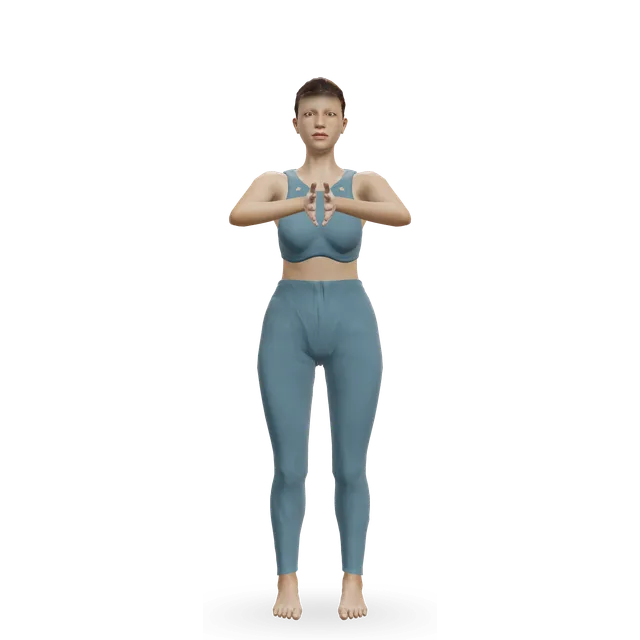
- The difference is clearest when you press your palms together in front of you (the prayer position): the torn muscle bunches towards the breastbone.
- Weakness and pain pushing, and turning the arm in.
Sources 6, 5, 17, 18
Scans: what they show
A complete tear is usually recognised on examination. A dedicated MRI (magnetic resonance imaging) scan of the pectoralis shows where it has torn and how far; a routine shoulder MRI may not include the muscle, and ultrasound is an alternative. X-rays only show bony fragments. If a tear is clear on examination and an MRI would delay surgery, a surgeon may skip the scan.
We found no studies of chest muscle scans in people without symptoms, so we can't say which scan findings are common and harmless for this injury.
Sources 17, 16, 6
How it usually goes
Strains: the NHS says most strains feel better after 2 weeks, that strenuous exercise is best avoided for up to 8 weeks, and that severe ones can take months. We found no study of time off after a pec strain outside professional sport.
Complete tears: without a repair, pain usually improves, but the change of shape and some weakness stay; in one study, strength was 41.7% lower about 4 years later. After a repair, full activity takes at least 6 months and full strength a year or more, and about 3% to 7% tear again.
Sources 8, 6, 13, 14, 19, 7