What it is
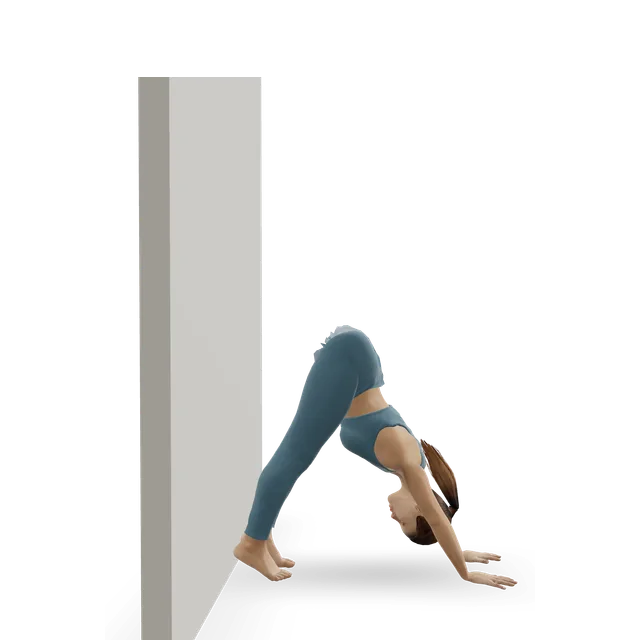
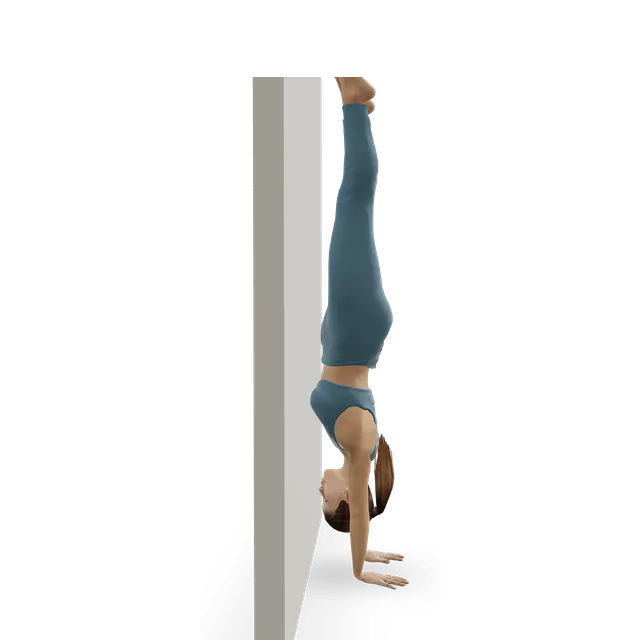
Near the end of each long bone is a growth plate, a layer of cartilage where the bone lengthens. It is weaker than the bone and ligaments around it. When the wrist is bent back and loaded, as in a handstand, vault or back handspring, the radius takes nearly all of the load: up to about twice body weight, at loading rates over 16 times body weight a second. Repeated squashing and twisting irritate the radius's growth plate, which can widen and become irregular, with hardened areas or small cysts on X-ray.
A review describes three stages: wrist pain with normal X-rays, then a stress injury of the growth plate, and then, if the growth plate closes early, a radius that stops growing while the ulna (the forearm bone on the little-finger side) carries on, so the ulna ends up relatively long. Doctors call that positive ulnar variance. Researchers who surveyed gymnasts' X-rays regard the widening as a stress fracture of the growth plate, not a normal adaptation to training.
Sources 1, 2, 3, 4, 5, 6
Who gets it
Mostly gymnasts aged about 10 to 14, around the growth spurt. In one club, 83% of 10 to 14 year olds had wrist pain, against 44% of younger or older gymnasts. More training went with more pain: in another club, gymnasts with wrist pain trained 13.5 hours a week on average, against 7.7 for those without, and were at a higher level.
It isn't only an elite problem. In one US children's hospital's series of 100 children, reported as a conference abstract, the average level was 4.5 out of 10, training averaged 13.4 hours a week, and 95 were girls. In two studies of non-elite gymnasts, X-ray signs of growth plate stress were found in 25% and 51%. Floor, pommel horse and beam were the events most often linked with wrist pain.
Platform divers load their wrists in a similar way, with X-ray stress changes reported in 52.6% in one review, and another review lists cheerleading among the other sports that put weight through the hands. Young climbers get the same kind of growth plate stress injury in their fingers, which our finger pulley guide covers.
Sources 7, 8, 3, 2, 9, 10, 11, 5
How it's recognised
An ache on the back or thumb side of the wrist, just above the crease, that builds over weeks or months and is worse with impact and weight on the hands. The growth plate is tender to press, bending the wrist back hurts and may not go as far as on the other side, and there can be some swelling or stiffness. Both wrists hurt in about a third of cases.
A doctor diagnoses it from the story and an examination, usually with an X-ray. In the US children's hospital series, 71% were diagnosed by X-ray and 5% needed further imaging. About three-quarters of those gymnasts had kept training through the pain, for more than 3 months on average, before they were seen.
Sources 1, 2, 12
What X-rays and scans do and don't meanEmerging evidence
X-rays can be normal early: they were normal in 10 of 91 children in the US hospital series, and in a small 1985 series, gymnasts with normal X-rays still needed about 4 weeks of rest. The commonest X-ray findings were a widened growth plate (53 of 91) and hardening of the nearby bone (42 of 91). Magnetic resonance imaging (MRI) can show a widened growth plate and swelling of the nearby bone marrow when the X-ray looks normal.
Changes are also common in gymnasts who feel fine. In 44 non-elite gymnasts, X-ray signs of growth plate stress (25%) weren't linked with wrist pain. On MRI, the growth plate was almost as large in gymnasts without pain (median 951 cubic millimetres) as in gymnasts with pain (971), and both were larger than in non-gymnasts (646), though 9 of the 10 largest belonged to gymnasts with pain. A methods paper notes that bone marrow swelling has been reported in 40% to 49% of children's wrists without symptoms, especially during fast growth.
A finding isn't meaningless, though: in 59 young gymnasts, wrist pain was commoner with higher X-ray grades of stress. So a scan is read alongside the symptoms and the examination. A long ulna on one X-ray means little on its own: it is more common in gymnasts, but in several studies it wasn't linked with wrist pain, and reported rates range from 0% to 50% depending on how it is measured. A change on repeat X-rays matters more.
Sources 2, 13, 14, 1, 9, 7, 15, 16, 5, 3
How it usually goesMixed evidence
With rest, most recover. In the small 1985 series of 21 gymnasts, none had growth problems at a mean of 2 years. Trained through, it lingers: in a year-long study of young gymnasts, 24 of the 27 with wrist pain still had it a year later, and only 5 had seen a doctor.
In the US children's hospital series (a conference abstract), symptoms settled a mean of 208 days after the first visit, and about 351 days after the pain began, largely because many were seen late. It came back in 12%, and 10% developed a growth disturbance of the radius or ulna, 3% needing corrective surgery. Across 448 children with stress injuries around growth plates in many sports, all from case reports, 12.7% had a growth disturbance and 6.2% had surgery, and missing or late treatment, or not resting, were common in those cases.
If the growth plate closes early, the ulna ends up relatively long. That can cause pain on the little-finger side of the wrist from the ulna pressing into the wrist bones, and tears of the triangular fibrocartilage complex (TFCC), the cartilage cushion on that side, which our TFCC guide covers.
Sources 13, 10, 2, 11, 1, 6, 5