Pain guide · Wrist and hand pain

Kienböck's disease: when a wrist bone loses its blood supply, and what helps

Kienböck's disease is when the lunate, a small bone in the middle of the wrist, loses its blood supply. The bone can weaken and, over months or years, collapse, and arthritis can follow. It causes a deep ache in the middle of the back of the wrist, swelling, stiffness and a weaker grip, and it is often taken for a sprain at first: an early X-ray can look normal, and an MRI (magnetic resonance imaging) scan shows it.

A hand specialist manages it by stage, age and the state of the bone, with a splint, an operation to take pressure off the bone or restore its blood supply, or, later, surgery that removes or fuses wrist bones. No treatment has been proven to change its course, many people's symptoms settle with time, and children and older adults usually do well without surgery. Exercise can't heal the bone, but it keeps your fingers, elbow, shoulder and the rest of you strong while the wrist is protected. This guide covers the warning signs, what each treatment offers, what to avoid, and a staged plan with 3D demos, as your hand team advises.

When to get help first

Exercise is for pain that has been checked or is clearly mild and settling.

Get urgent medical help if

  • Call 999 or go to A&E after an injury (don't drive yourself) if the arm, wrist or hand is numb, tingling or has pins and needles; a bone is sticking out or a bad cut is bleeding heavily; or the wrist, thumb or a finger has changed shape, is at an odd angle, or has turned blue, grey, white or cold.
  • Same day (NHS 111, an urgent treatment centre or an urgent GP appointment): a wrist or hand injury that is very painful, getting worse, very swollen or bruised, stiff, or that you can't use. It may be broken.
  • Same day: after a fall onto an outstretched hand, pain or tenderness at the base of the thumb on the back of the wrist (the hollow called the snuffbox), even if the wrist moves well or the first X-ray was normal. A broken scaphoid can hide on the first X-ray and is slow to heal if it's missed, so ask what follow-up is planned.
  • Same day: a joint or lump that is hot, red and swollen, or hand or wrist pain with a high temperature or feeling hot, cold or shivery. It could be an infection or gout.
  • Same day: you have lost the feeling in part or all of your hand.
  • While it heals, get help from NHS 111 the same day if the pain gets worse; your temperature is very high or you feel hot, cold or shivery; the cast or splint breaks or feels too tight or too loose; your fingers or hand feel numb, look swollen, or turn blue or white; or there is a bad smell or fluid coming from under the cast.
  • Call 999 or go to A&E: sudden, severe pain in a muscle of the forearm or hand, especially after an injury or when a cast or bandage feels too tight. It can be compartment syndrome.
  • After surgery: the wound becomes red, hot, more swollen or more painful, oozes or smells, or you feel unwell or feverish. Contact your surgical team the same day, or NHS 111 out of hours.
  • Throbbing pain and swelling in the arm, with red, blue or darker skin and swollen veins: ask for an urgent GP appointment or get help from NHS 111. It could be a blood clot.
  • Arm pain or swelling with breathlessness or chest pain: call 999 or go to A&E, and do not drive yourself. It can be a blood clot that has reached the lungs.

See a doctor or physiotherapist if

  • Not improved after 2 weeks of looking after it at home, getting worse, keeps coming back, or stopping you doing normal activities. In many areas you can refer yourself to NHS physiotherapy.
  • A deep ache in the middle of the back of the wrist, with swelling, stiffness or a weaker grip, that lasts more than a few weeks or keeps coming back, especially without a clear injury: see a GP and ask about an X-ray. An early Kienböck's lunate can look normal on X-ray and needs an MRI scan to show it.
  • While you're being treated without surgery: pain that isn't improving by about 3 months, a weaker grip, or pain coming back when you go back to work or sport. Tell your hand team; repeat scans, often at about 6 months, check whether the lunate is changing.
  • A child or teenager with wrist pain that lasts, or keeps coming back with sport: see a GP. In children, Kienböck's usually settles without surgery once it's diagnosed.
  • Swollen, stiff joints in several fingers or both hands, with morning stiffness lasting more than 30 minutes. NICE asks GPs to refer suspected rheumatoid arthritis urgently when the small joints of the hands are affected, even if blood tests are normal.
  • Pain that is getting worse instead of better or far worse than you'd expect, swelling with fingers that are hard to bend, skin that is shiny, red or very sensitive to touch, or a hand that doesn't feel like yours: contact your hand therapist or surgical team promptly. These can be early signs of complex regional pain syndrome (CRPS), and early treatment may help.

Understand it

What it is, and the stages

The lunate is one of the eight small wrist bones, in the middle of the wrist between the forearm and the hand. In Kienböck's disease its blood supply is interrupted, and the bone loses its strength and can collapse, causing a painful, stiff wrist; over time, arthritis develops in the bones around it. It is named after Robert Kienböck, a radiologist who described it in 1910.

Treatment is planned by stage (the Lichtman stages), and newer systems add a contrast MRI scan (how much blood flow is left) and keyhole surgery (whether the cartilage is intact), which surgeons use to choose an operation.

  • Stage I: symptoms like a sprain; X-rays may look normal, and an MRI scan shows the change in blood flow.
  • Stage II: the lunate looks denser on X-ray, with pain and swelling, especially taking weight through the wrist.
  • Stage III: the lunate collapses or breaks up (IIIA), then the bones around it shift (IIIB).
  • Stage IV: arthritis in the wrist.

Sources 1, 2, 3

Who gets itEmerging evidence

It is rare. In Finland, from 1996 to 2022, about 1 person in 100,000 a year was diagnosed (9.6 per million), most often at 50 to 59, and men had 24% more cases than women. Among 51,071 people whose wrists were imaged at one US hospital over 11 years, 0.27% had Kienböck's, men and women about equally; 37% of them had no symptoms from it. In 350 people who had surgery for it, 2.9% had it in both wrists.

Teenagers and adults over about 70 have a better outlook; in older adults it affects women more often, and it goes with thinning bones (osteoporosis) and inflammatory and autoimmune conditions.

Sources 4, 5, 6, 2, 7

Why it happensMixed evidence

The cause is unknown. Reviews describe an 'at-risk' lunate (a single blood vessel to it in some people, the shape of the bone, and the relative lengths of the forearm bones) meeting a trigger. A forearm bone that ends shorter at the wrist is often blamed, but one review reports that it is common in people without the disease, so most people who have it never develop Kienböck's.

In Finland, a previous hand or wrist injury came with about 3 times the odds, though Kienböck's after a single injury is rare and reported mostly in single cases. Alcohol misuse, rheumatic diseases and clotting disorders were also linked. A systematic review of 152 articles found no good evidence that vibrating tools cause it, and it isn't on the UK list of prescribed industrial diseases. US surgeons describe extra pressure on the lunate in push-ups in people with uneven forearm bones.

Sources 2, 8, 5, 9, 10, 11, 1

How it's diagnosed, and what scans do and don't meanEmerging evidence

The symptoms are wrist pain, swelling, stiffness, a weaker grip and tenderness over the middle of the back of the wrist. It usually progresses slowly, and many people think they've sprained the wrist at first. An NHS hand clinic describes the pain as usually dull and constant, worse with use and better, but not gone, with rest.

X-rays come first, but in stage I they can be normal: an MRI scan shows the change, and a CT (computed tomography) scan shows collapse. Even with special scans, the early diagnosis isn't always clear. Kienböck's changes can also turn up by chance: 37% of the cases found at one hospital caused no symptoms, and the symptoms didn't reflect how severe the changes were. The diagnosis and stage come from your symptoms, the examination and the scans together, read by a hand specialist.

Sources 1, 3, 2, 6

How it usually goesEmerging evidence

Left alone, the lunate tends to move through the stages over years. A review describes pain and swelling that come and go, then persistent pain, then settling as arthritis develops, over 5 years or more, and says symptoms generally ease with time even without treatment.

In a long-term series of 49 wrists, 83% of those treated in plaster and 77% of those left untreated were pain-free or painful only with heavy work, although every lunate was deformed and 67% had arthritis. An NHS hand clinic says some lunates partly regain their blood supply and stay stable, while others collapse. In Finland, 44% of people had an operation, and 19% of those had more than one. US surgeons say not to expect a fully normal wrist, but that treatment gives the best chance of long-term pain relief and keeping function.

Sources 2, 12, 3, 4, 1

What helps, and how strong the evidence is

A hand specialist decides, by stage and ageEmerging evidence

A 2025 review's approach: children under 15 are treated without surgery; at 15 to 20, 3 to 6 months of immobilisation come first; at 65 and over, non-surgical care (splints, anti-inflammatories and hand therapy), with checks for osteoporosis and inflammatory arthritis. Adults with an intact lunate may have an operation to take pressure off it (shortening the radius or the capitate bone) or to bring in a new blood supply; a damaged lunate may need a partial wrist fusion; and once arthritis has set in, removing the first row of wrist bones or fusing part or all of the wrist.

The review adds that non-surgical treatment is always an option, especially for older, less active people with mild symptoms, and that almost all the studies behind these recommendations are small, uncontrolled case series.

Sources 2, 1, 3, 13

No treatment has been shown to change its courseEmerging evidence

A 2010 systematic review found no active treatment better than another, and too little data to say whether any beats a placebo or the natural course. Over 10 years or more, shortening the radius and non-surgical care showed the same rate of worsening on X-ray, though fewer people had more than moderate pain after the operation (5.7% against 23.2%) and the wrist moved more (107 against 89 degrees); all those studies looked back at past patients. A vascularised bone graft was followed by less worsening of the stage (17% against 40%) and less pain over 5 years or more, but without meaningful differences overall.

US surgeons say joint-levelling operations often stop the disease getting worse, but the long-term review didn't show that. Operations that remove or fuse bones relieve pain at the cost of some movement.

Sources 14, 15, 16, 1

Splints and restEmerging evidence

US surgeons suggest anti-inflammatory medicine and a short period in a splint or cast in the earliest stage, with surgery if the pain isn't relieved or comes back. An NHS hand clinic usually recommends a period in a splint, with an anti-inflammatory if needed, and scans the wrist again about 6 months later; it calls this the most common approach.

As your hand team advises: one expert review (very low certainty) suggests a made-to-measure wrist splint holding the wrist slightly bent back, with the knuckles and thumb free, for a 6 to 12 week trial, then weaning to night-only or activity-only use over another 6 to 12 weeks, with reviews at 3 and 6 months. It says the usual three-month trial comes from expert opinion, not trials. In the long-term series, plaster did no better than no treatment, and the review warns that long, rigid immobilisation impairs control of the wrist.

Sources 1, 3, 8, 12

Exercise can't heal the boneEmerging evidence

No trial has tested exercise in Kienböck's disease. As your hand team advises, one expert review (very low certainty) suggests: move the shoulder, elbow and fingers from day one; start wrist movement at about 4 to 6 weeks, first in the 'dart-thrower's' direction (from bent back towards the thumb to bent forward towards the little finger, like hammering or pouring), which moves the lunate less than ordinary bending; start strengthening with still grip work, wrist straight; and add moving loads only when there is no pain at rest, the wrist moves as well as the other side in that direction, grip is at least three-quarters of the other hand's, and pain during activity is 2 out of 10 or less. It suggests short, frequent sessions, such as four 5-minute sessions a day.

While the bone is protected, the review advises cutting back loaded wrist extension and gripping with the wrist bent towards the thumb, at work and in sport, climbing in particular.

Sources 8, 1

Other treatmentsEmerging evidence

For bone drugs (bisphosphonates), magnetic field therapy, shockwave therapy and hyperbaric oxygen, the 2026 review found no Kienböck's trials and too little evidence to recommend them outside research. Anti-inflammatory medicines ease the symptoms but don't appear to change the course.

Source 8

Children and teenagersEmerging evidence

It's rare in children, and the outlook is better. A review advises treating children under 15 without surgery, as symptoms generally settle with time, and a systematic review recommends a non-surgical approach until 15. A 2026 review of 69 studies found few data, mostly case reports and small series: 26 children treated without surgery and 142 with surgery.

Sources 2, 13, 17

How much pain is OK while you exercise?

Your hand team's limits first; then low pain with loadEmerging evidence

Your hand team's stage and limits come first: while the wrist is splinted, load it only as far as they allow.

For moving the fingers, elbow and shoulder, and gentle wrist movement once it's allowed, use our wrist and hand rule, borrowed from an NHS wrist rehabilitation booklet: discomfort up to about 5 out of 10, settling within 30 minutes, and no worse the next morning.

When the wrist starts taking load (grip, curls and carries), keep pain during the activity to about 2 out of 10 or less. That is the figure one expert review uses, alongside no pain at rest, as its signal to add load (very low certainty).

Pain over the middle of the back of the wrist that builds with loading, lasts into the next day, or comes with new swelling means drop back and tell your hand team (our suggestion).

Sources 8, 18, 1

The exercise plan: 3 stages

Start at the first stage. Each move opens a full guide with a 3D demo.

Stage 1

Protect: splinted, with everything else moving (as your hand team advises)

As your hand team advises: wear the splint or cast as prescribed (one expert review suggests a 6 to 12 week trial, then weaning), take anti-inflammatories if they suit you, and keep the fingers, thumb, elbow and shoulder moving from day one. No weight through the hand and no hard gripping. Keep fit with walking, leg work and core work that don't load the hands. Doses are editorial unless marked.

Tendon glides (hand tendon gliding exercises) demonstrated on the 3D figure3D demoTendon glides (hand tendon gliding exercises)Beginner · No equipment

4 to 6 of each position, 5 s holds, up to 4 times a day · The move page's dose. In the splint, if it leaves the knuckles free

Harder: Ball squeeze

Shoulder rolls demonstrated on the 3D figure3D demoShoulder rollsBeginner · No equipment

10 to 15 slow circles each way, once or twice through · The move page's dose

Harder: Shoulder CARs (controlled articular rotations)

Sit to stand from a chair demonstrated on the 3D figure3D demoSit to stand from a chairBeginner · A bench or box

3 sets of 8 to 12, arms crossed · Editorial dose. Don't push up through your hands

Easier: Sit to stand, pushing on the thighs · Harder: Bodyweight squat

Treadmill walking demonstrated on the 3D figure3D demoTreadmill walkingBeginner · Cardio machine

20 to 30 min most days · Editorial dose. Don't hold the rails

Harder: Treadmill jogging

Dead bug demonstrated on the 3D figure3D demoDead bugBeginner · No equipment

2 to 3 sets of 6 to 10 slow reps each side · Editorial dose: core work with no weight on the hands

Easier: Dead bug heel taps · Harder: Forearm plank

Move on when: Your hand team allows the splint off for exercise.

Follow along: a timer, a cue and the next move, one step at a time.
Stage 2

Move: wrist movement and still grip (as your hand team advises)

As your hand team advises: one expert review (very low certainty) suggests starting wrist movement at about 4 to 6 weeks, in the dart-thrower's direction first (written steps below), then ordinary bending, with still grip work with the wrist straight, in short, frequent sessions, such as four 5-minute sessions a day. Keep the leg and cardio work going. The doses are editorial.

Wrist & forearm flow demonstrated on the 3D figure3D demoWrist & forearm flowBeginner · No equipment

10 slow reps each way, 2 to 3 times a day, in a pain-free range · Editorial dose. Once the dart-thrower's movement is comfortable

Easier: Wrist circles · Harder: Wrist flexor stretch

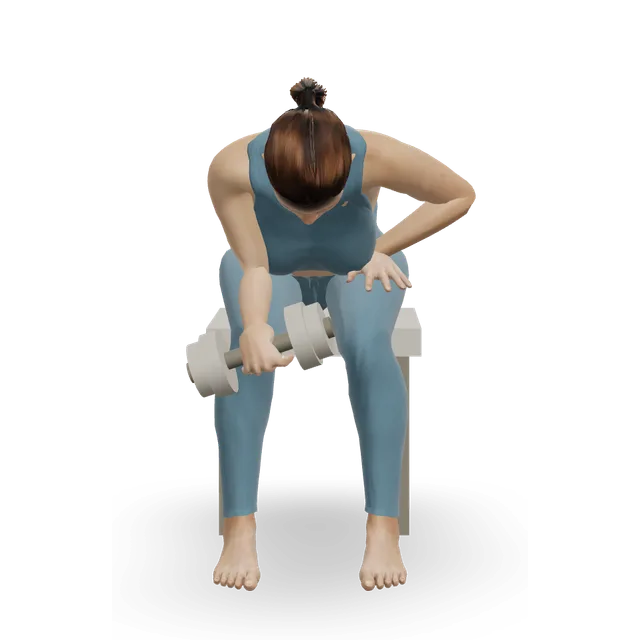
Dumbbell forearm rotation demonstrated on the 3D figure3D demoDumbbell forearm rotationBeginner · A dumbbell + A bench or box

2 sets of 10 with no weight, palm down to palm up · Editorial dose

Easier: Wrist-extensor eccentrics · Harder: Plate pinch

Ball squeeze demonstrated on the 3D figure3D demoBall squeezeBeginner · Other / check instructions

5 squeezes held for 5 s, wrist straight, a soft ball, in each short session · Editorial dose: the still grip work the review suggests

Easier: Tendon glides (hand tendon gliding exercises) · Harder: Band finger extension

Band finger extension demonstrated on the 3D figure3D demoBand finger extensionBeginner · A band

2 sets of 10, a light band · Editorial dose

Easier: Ball squeeze · Harder: Plate pinch

Stationary cycling demonstrated on the 3D figure3D demoStationary cyclingBeginner · Cardio machine

20 to 30 min, sitting upright, hands resting lightly with the wrists straight · Editorial dose

Easier: Recumbent exercise bike · Harder: Air bike intervals

Move on when: As your hand team advises. The expert review's signal to add moving loads: no pain at rest, wrist movement in the dart-thrower's direction about the same as the other side, grip at least three-quarters of the other hand's, and pain during activity at 2 out of 10 or less.

Follow along: a timer, a cue and the next move, one step at a time.
Stage 3

Strengthen within limits (as your hand team advises)

Light moving loads 2 or 3 times a week. Still no weight through the hands with the wrist bent back, and no hard gripping with the wrist bent towards the thumb, until your hand team says so. Work and sport come back in steps. The doses are editorial.

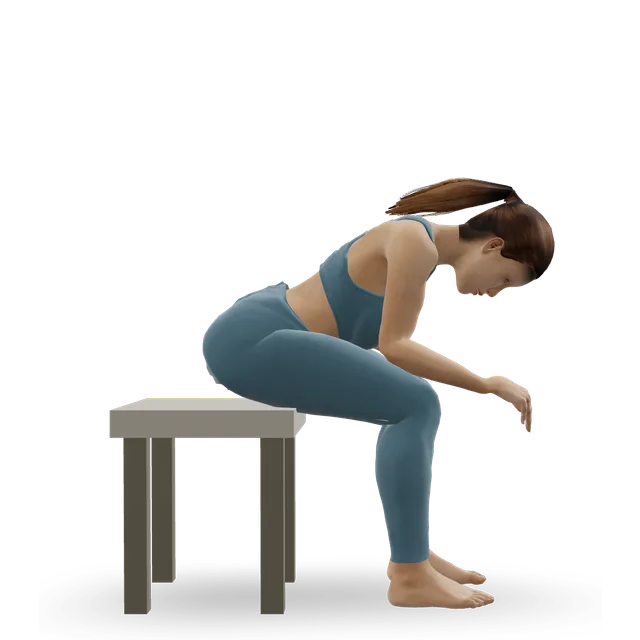
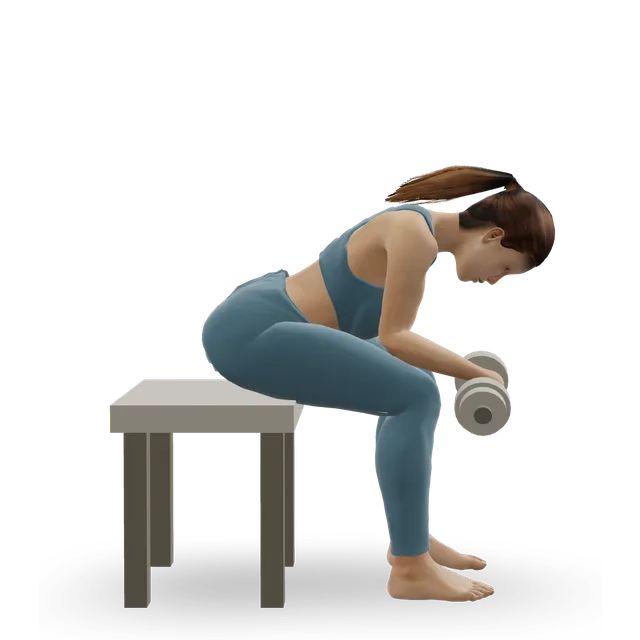
Wrist curls demonstrated on the 3D figure3D demoWrist curlsBeginner · A dumbbell

2 sets of 10, very light · Editorial dose

Easier: Wrist-extensor eccentrics · Harder: Plate pinch

Farmer's carry demonstrated on the 3D figure3D demoFarmer's carryBeginner · A dumbbell + A kettlebell

3 walks of 20 m, light, wrists straight · Editorial dose

Harder: Suitcase carry

Band row demonstrated on the 3D figure3D demoBand rowBeginner · A band + An anchor point

3 sets of 10 to 15, with a relaxed grip · The move page's dose

Harder: Supported single-arm dumbbell row

Forearm plank demonstrated on the 3D figure3D demoForearm plankIntermediate · No equipment

3 holds of 20 to 45 s · Editorial dose: a plank with no weight through the wrists

Easier: Stomach vacuum (drawing-in) · Harder: Plank walk-up

Step-up demonstrated on the 3D figure3D demoStep-upBeginner · A step

3 sets of 8 to 10 each leg · Editorial dose

Easier: Low step-up · Harder: Dumbbell step-up

Move on when: If pain over the middle of the wrist builds with loading, drop back a stage and tell your hand team. Gymnastics, climbing, push-ups on the hands and boxing come back last, when your specialist clears them.

Follow along: a timer, a cue and the next move, one step at a time.

What to change for now

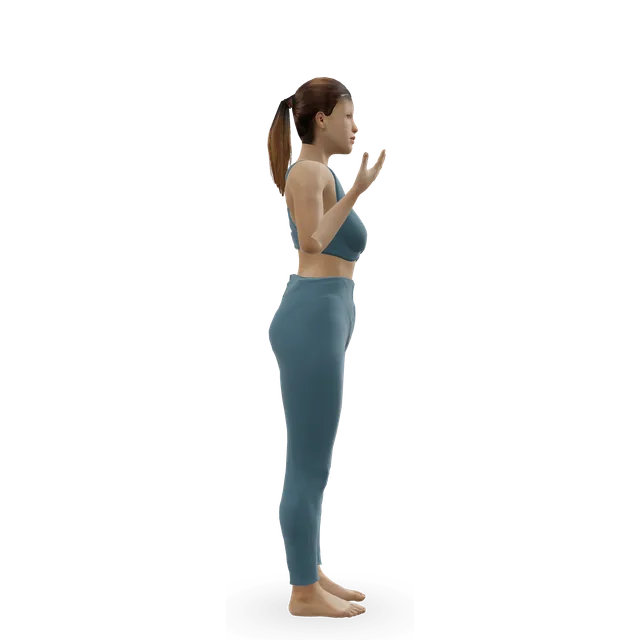
The dart-thrower's movement (written steps)

The direction one expert review suggests for the first wrist movements; the steps are our suggestion.

  • 1. Only once your hand team allows wrist movement.
  • 2. Sit with your forearm resting on a table, thumb up, your hand over the edge.
  • 3. Move your hand up and back towards the thumb side, as if cocking a hammer.
  • 4. Then down and forward towards the little-finger side, as if hammering a nail or pouring from a jug.
  • 5. 10 slow repetitions in a pain-free range, in short sessions through the day (our suggestion).

Source 8

Thumb movement in a splint (written steps)

The review suggests moving the fingers from day one; these thumb steps and counts are our suggestion.

  • 1. If the splint leaves your thumb free, touch the tip of your thumb to each fingertip in turn.
  • 2. Then slide your thumb across your palm towards the base of your little finger, and back out wide.
  • 3. A few times an hour while you're awake, within comfort (our suggestion).

Source 8

After surgery (as your team allows)

Your surgical team's protocol comes first. One review describes current practice after some operations; many of the timings are expert consensus or the authors' own practice, not standards.

  • 1. Shortening the radius: a cast for about 6 weeks, wrist movement in the dart-thrower's direction from about week 6, and grip work from about weeks 10 to 14.
  • 2. Removing the first row of wrist bones: a splint for 10 to 14 days, active wrist movement from about 2 to 3 weeks, and no heavy loading or power grip until about 16 to 24 weeks. Rehabilitation aims at function within the new range.
  • 3. A partial wrist fusion (four-corner fusion): a cast for 4 to 6 weeks, and no loading until about 16 to 24 weeks.
  • 4. A vascularised bone graft: heavy loading and heavy work wait until scans confirm the new blood supply, often months.
  • 5. A wrist replacement: lifelong limits on heavy lifting, impact sport and vibrating tools.

Source 8

Back to sport and work

Gymnastics, CrossFit, yoga, climbing and boxing put weight or impact through the hands, or hard grip on the wrist, so they come back last, after your specialist clears them, in short sessions (our suggestion). Push-up handles keep the wrist straight but still load the wrist bones, so ask first. For hand-intensive jobs, the review advises cutting back loaded wrist extension and gripping with the wrist bent towards the thumb, with progress guided by symptoms and repeat scans. Leg, core and cardio training can carry on throughout.

Sources 8, 1

Positions to swap, and why

Habit or positionWhy it mattersInstead
Push-ups on flat handsUS surgeons describe extra pressure on the lunate in push-ups, and the review advises cutting back loaded wrist extension.Forearm planks, which keep the wrists straight.Try: Forearm plank
Straight-arm planksBody weight through bent-back wrists (our reasoning, from the review).Dead bugs, lying on your back.Try: Dead bug
Handstands and other hand balancesYour whole body weight goes through bent-back wrists (our reasoning).Hollow body holds.Try: Hollow body hold
Downward-facing dogWeight through bent-back wrists (our reasoning).Dolphin pose, on the forearms with the wrists straight.Try: Dolphin pose (Ardha Pincha Mayurasana)
Burpees and bear crawlsRepeated impact through bent-back wrists (our reasoning).Step-ups for the legs and lungs.Try: Step-up
Front squats with the bar held in the front rackThe wrists bend far back under load (our reasoning).A hands-free front squat.Try: Frankenstein squat (hands-free front squat)
Wrist rocks on all foursThey push the wrist into extension under body weight (our reasoning).Tendon glides; the wrist and forearm flow in a pain-free range once allowed.Try: Tendon glides (hand tendon gliding exercises)
Climbing, bar hangs and hard gripping with the wrist bent towards the thumbThe review advises cutting back gripping with the wrist bent towards the thumb, climbing in particular.Leg, core and cardio work; light band rows with a relaxed grip once allowed.Try: Band row
Taking the splint off early, or wearing it for months without a reviewThe review advises a trial of weeks with weaning, not open-ended immobilisation.Wear it as prescribed, with reviews at about 3 and 6 months.
Assuming a normal X-ray rules it outIn stage I, X-rays can look normal.See a GP again if a deep wrist ache lasts.

Routines to follow

More moves for this area

Questions people ask

What is Kienböck's disease?

The lunate, a small bone in the middle of the wrist, loses its blood supply. It can weaken and collapse, and over time arthritis can develop in the wrist. It is rare: about 1 person in 100,000 a year in Finland.

What causes it?

Nobody knows. Reviews describe an 'at-risk' lunate, because of its shape, its blood vessels or the lengths of the forearm bones, meeting a trigger such as an injury; a previous wrist injury came with about 3 times the odds in Finland. A systematic review found no good evidence that vibrating tools cause it.

What are the symptoms?

A deep ache in the middle of the back of the wrist, swelling, stiffness and a weaker grip, with tenderness over the bone. It often feels like a sprain at first and gets worse slowly, over months or years.

Why was my X-ray normal?

In the earliest stage, X-rays may look normal, and an MRI scan shows the change. If a deep ache in the middle of the wrist lasts more than a few weeks, see a GP again.

What are the stages?

Stage I: a normal X-ray with changes on MRI; stage II: the lunate looks denser; stage III: it collapses, then the bones around it shift; stage IV: arthritis. The stage, your age and the state of the cartilage guide treatment.

Can it heal without surgery?

Sometimes the blood supply partly comes back, and symptoms often settle with time: in a long-term series, 77% of untreated and 83% of plastered wrists were pain-free or painful only with heavy work, though every lunate stayed deformed. Children, and adults over about 65, usually do well without surgery. In Finland, 44% of people had an operation.

What does surgery involve?

Early on, operations take pressure off the lunate (by shortening the radius or the capitate bone) or bring in a new blood supply. Later, surgeons remove the first row of wrist bones or fuse part or all of the wrist, which relieves pain at the cost of some movement.

Does surgery work better than not operating?

No treatment has been proven better than another, or than the natural course, and the studies are small and uncontrolled. Over 10 years or more, shortening the radius and non-surgical care showed the same worsening on X-ray, with less pain and more movement after the operation.

How long will I wear a splint?

Your hand team decides. One expert review suggests a 6 to 12 week trial in a made-to-measure splint, then weaning to nights or activities over another 6 to 12 weeks, with reviews at 3 and 6 months, and an NHS hand clinic scans again at about 6 months. This rests on expert opinion, not trials.

What exercises can I do?

Keep the fingers, elbow and shoulder moving from day one, and the rest of you fit with leg, core and cardio work. One expert review suggests starting wrist movement at about 4 to 6 weeks, in the dart-thrower's direction first, with still grip work before weights, but your hand team decides when.

Can I do push-ups, go to the gym or climb?

Leg, core and cardio training can carry on. Leave out weight through the hands with the wrist bent back, such as push-ups, planks on the hands and handstands, and hard gripping with the wrist bent towards the thumb, including climbing, until your hand team allows it. Forearm planks keep the wrist straight.

What about children and teenagers?

It is rare in children, and the outlook is better: children under about 15 are treated without surgery, and teenagers usually have 3 to 6 months of immobilisation first. The evidence is thin, mostly case reports and small series.

Related exercise guides

Other pain guides

Sources

  1. AAOS OrthoInfo · Kienböck's disease
  2. Lichtman 2025 · Kienböck disease: recent advances in understanding and management (review, JBJS)
  3. Gloucestershire Hospitals NHS · Kienböck's disease (hand clinic page)
  4. Wernér 2025 · Kienböck's disease in Finland: how common it is and how often it's operated on (national register study, J Hand Surg Eur)
  5. Wernér 2026 · Risk factors for Kienböck's disease and for needing surgery (national register study, J Hand Surg Eur)
  6. van Leeuwen 2016 · How often Kienböck disease is found by chance on wrist imaging (51,071 people, CORR)
  7. Emanuels 2026 · Kienböck disease in both wrists (350 surgical patients, Hand)
  8. Tenev 2026 · Rehabilitation in Kienböck disease (narrative review, J Clin Med)
  9. Afshar 2025 · Kienböck disease after a single wrist injury (scoping review, J Wrist Surg)
  10. Stahl 2012 · The causes of Kienböck's disease, and whether vibrating tools cause it (systematic review, BMC Musculoskelet Disord)
  11. Department for Work and Pensions · Industrial Injuries Disablement Benefits: technical guidance (prescribed diseases A7 and A15, 2026)
  12. Kristensen 1986 · Kienböck's disease: long-term results without surgery (follow-up of 49 wrists, J Hand Surg Br)
  13. Wagner 2025 · Kienböck's disease in children and teenagers: surgery or not? (systematic review, Plast Reconstr Surg Glob Open)
  14. Innes 2010 · Treatment of Kienböck's disease in its early and late stages (systematic review, J Hand Surg Am)
  15. Shin 2018 · Radial osteotomy vs non-surgical treatment for Kienböck disease over 10 years or more (systematic review, JBJS)
  16. Park 2023 · Vascularised bone graft vs non-surgical treatment for Kienböck disease (single-arm meta-analysis, Clin Orthop Surg)
  17. Rex 2026 · Kienböck disease in children (scoping review of 69 studies, J Hand Surg Glob Online)
  18. Oxford University Hospitals NHS · Wrist fractures (rehabilitation booklet, 2024)
  19. NHS · Broken arm or wrist
  20. NHS · Wrist pain
  21. NHS · Cellulitis

Exercise education, not a diagnosis or treatment plan. It is written from the guidelines and studies listed above; review by a clinician is pending. If your pain follows an injury, is severe, is getting worse, or comes with any warning sign listed on this page, get it assessed. Health disclaimer.