Your genes set most of it
In twin studies, genes explained most of the differences in height between teenagers. Nutrition and health while you grow matter too, which is why average height rose by up to 20 cm in a century in some countries.
Yoga guide
Yoga can't make your bones longer. How tall you grow is decided mostly by your genes, with nutrition and health playing their part while you're growing, and bones stop lengthening once the growth plates near their ends close during the teenage years. No trial has tested yoga for height, and in children, skipping and other sports haven't changed how tall they grow either.
What yoga can do is help you stand at your full height, with back-strengthening and balance poses, and keep you strong as you get older. This guide covers what decides your height, when you stop growing, why you're taller in the morning, what stretching and hanging really do, yoga for children and teenagers, posture, and when a child's growth needs a GP (general practitioner).
In twin studies, genes explained most of the differences in height between teenagers. Nutrition and health while you grow matter too, which is why average height rose by up to 20 cm in a century in some countries.
That happens during adolescence, earlier in girls than boys. After that, no pose, stretch or hanging routine can lengthen your bones.
In children, skipping programmes didn't change height in 15 trials, and reviews find that sport and exercise don't change how tall children grow.
You're about 2 cm taller first thing in the morning, because the discs in your spine take up water overnight, and most of that goes within hours of getting up. Hanging or going upside down does the same, for a short while.
Back-strengthening yoga can help you stand and sit tall. In the one yoga trial that measured height, in adults over 60 with a rounded upper back, height changed by about 3 mm, not a real difference.
Source 11
The NHS (National Health Service) says to see a GP if "your child is not growing as expected for their age". A GP can plot their height on the UK growth charts and look for a cause.
Across 45 twin cohorts from 20 countries, the share of height differences explained by genes rose through childhood to a peak in adolescence: up to 0.83 in boys and 0.76 in girls. Common gene variants in more than 12,000 places in the genome explain about 40% of height differences in people of European ancestry, and less so far in other ancestries. The NHS says short stature is usually genetic, and "can just be because your parents are short themselves".
The UK growth charts work out a centile from both parents' heights. Nine in ten children's height centiles sit within two centile spaces of it, and 4 in 5 children reach an adult height within about 7 cm either side of the matching target height. A prediction from a child's own height curve is usually closer: within about 6 cm for 4 in 5 children.
Across 18.6 million people born between 1896 and 1996, average adult height rose by 20.2 cm in South Korean women and 16.5 cm in Iranian men, far too fast for genes to explain. The researchers point to growth before birth, and nutrition and infections in childhood and the teenage years. In 2019, 19-year-olds in the tallest and shortest countries differed by 20 cm or more on average. The World Health Organization (WHO) says low height for age (stunting) comes from long-term undernutrition, poor maternal health and frequent illness.
The NHS lists growth hormone deficiency, genetic conditions such as Turner and Noonan syndromes, and problems with bone development such as achondroplasia among the causes of restricted growth, and conditions such as coeliac disease or an eating disorder among the causes of delayed puberty. A GP can check for these. The main treatment for restricted growth is growth hormone medicine, prescribed by specialists for children who aren't growing as expected; surgery to lengthen the arms or legs is rare.
Long bones, such as the thigh and shin bones, grow longer at growth plates near each end. Once growth is complete, sometime during adolescence, "the growth plates close and are replaced by solid bone". Girls' bones finish growing sooner than boys'.
Source 4
In one US X-ray study of ankle growth plates in 570 young people, complete fusion started from age 12 in girls and 14 in boys, and every girl had fused by 16 and every boy by 19. We found no sourced ages for the knee and hip growth plates, so treat these as a guide: the plain message is that height stops increasing once the plates close, whatever your age on paper.
Source 5
The NHS says it's normal for puberty to start any time between 8 and 14. The UK growth charts flag puberty before 8 in girls or 9 in boys, or no signs by 13 in girls or 14 in boys, for a check. If it matters, a doctor can estimate how much growing is left from a wrist X-ray.
We searched for studies of yoga and height in children and teenagers and found 21 records, but no trial that tested whether yoga changes how tall anyone grows. Claims that particular poses add height aren't based on studies.
Source 6
Fifteen trials compared skipping programmes with ordinary physical education (PE) lessons in 1,048 children aged 10 to 12. Skipping improved fitness, but its effect on height and weight was not significant.
Source 7
A 2019 review of studies from 1990 to 2018 found no evidence that exercise or sport, including basketball and gymnastics, changed children's growth in height, though exercise helped bones and muscles. An expert panel for the International Gymnastics Federation concluded that adult height "is not compromised by intensive gymnastics training": gymnasts tend to be short because the sport suits, and keeps, children who are shorter and mature later. Most of the studies behind both were observational.
In a review of 22 studies of supervised weight training in children before or early in puberty, training made them stronger and "did not influence growth in height and weight", and injuries were rare. Our exercise for children guide says the same.
Source 19
In 36 Thai children aged 11 to 12, the 18 who volunteered for a 24-week school activity programme grew 4.6 cm, against 3.3 cm in those who didn't (1.3 cm more). The children weren't allocated at random and puberty wasn't measured, and the authors call it preliminary evidence, not proof of cause. In a Chinese study of 62 children, 15 short children who did 24 weeks of jumping exercise grew more than short children who didn't, again without random allocation.
One study measured 757 Indian girls aged 4 to 15: 380 training for yoga competitions three times a week and 377 doing other games. The yoga girls were taller up to age 8 and a little shorter at 10 to 12. The authors suggest that intense yoga practice, with its stress on growing bones, may have held back growth at that age. The study took one measurement of each girl, so it can't show cause, and both groups were undernourished by Indian standards. Our reading: as with gymnastics, shorter, more flexible girls may be the ones who choose competitive yoga. Ordinary yoga hasn't been shown to change growth either way.
The discs between your vertebrae lose fluid under load during the day and take it back up when you lie down. In 8 men measured nine times over 24 hours, height was greatest on waking and least at midnight, a difference of 19.3 mm. More than half of the day's loss happened in the first hour after getting up, and 80% within 3 hours. Two more small studies found the same pattern.
In 20 men, a minute tipped upside down on a tilt table made the spine measurably longer and relaxed the low back muscles. Astronauts' spines lengthen in space, where nothing presses down on them. Both are the morning effect in another form: once you're upright again, your spine settles back (our reading of these studies).
Slumping hides some of your height and standing tall shows all of it. In 118 adults aged 60 and over with a rounded upper back, an hour of yoga 3 times a week for 6 months reduced two of three measures of the curve. Standing height, one of the trial's main measures, rose by about 3 mm against less than 1 mm with health talks, which wasn't a significant difference.
Source 11
The NHS asks children and young people to aim for an average of at least 60 minutes of moderate or vigorous activity a day across the week, with a variety of activities to develop movement skills, muscles and bones. Yoga fits as strength, balance and calm; running, jumping and play do more for bones, as our yoga for kids guide says.
Source 26
People new to yoga are advised to avoid headstands, shoulder stands, the lotus position and forceful breathing. For children, leave out anything that puts weight on the head or neck, use a normal room temperature, and don't let them push into pain (our yoga for kids guide).
Source 27
Your height isn't a measure of your health or worth, and pages that promise inches in a week are selling something that doesn't exist. If worry about height is taking over, or a young person is cutting back food or over-exercising to change their body, talk to a GP (our suggestion).
In 2,084 adults followed for years, height loss began at about 30 and sped up with age. On average, men lost about 3 cm and women about 5 cm by 70, and 5 cm and 8 cm by 80.
Source 28
The NHS says some older people develop a stooped posture when bones in the spine have broken from osteoporosis. New height loss, a new stoop or sudden back pain needs a GP; see the warning signs below.
As our yoga for posture guide explains, back-strengthening exercise reduces an age-related rounded back a little, and the yoga trial above reduced the curve by 4% to 5% on two measures. Our yoga for posture and exercise for osteoporosis guides cover the poses and the changes to make with fragile bones.
Our editorial starting point: the 25-minute yoga for posture class 2 or 3 times a week, as that class suggests, judged after about 3 months by how you stand, feel and move rather than by a tape measure.
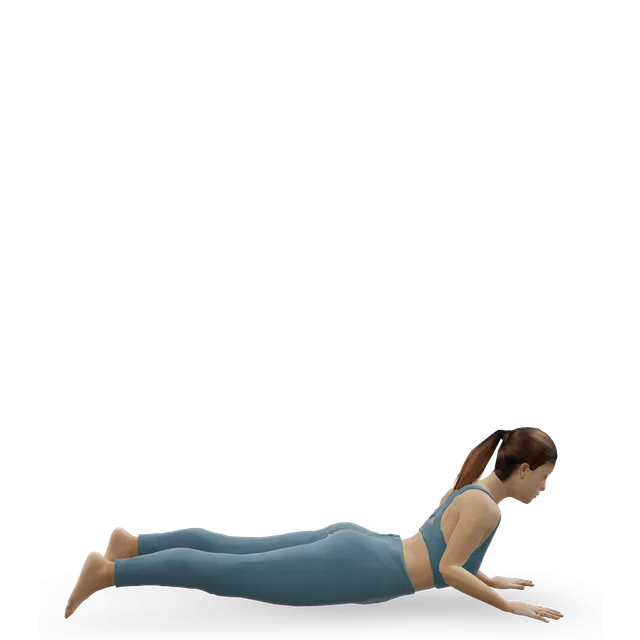
Hold each lift for 3 to 5 seconds and lower slowly: that's the dose on the seated upper-back lift's page, and the yoga for posture class uses it for locust and low cobra too. Lift a little, keep your neck long and your eyes down.
The UK growth charts warn that "it is difficult to measure height accurately", and you lose height through the day, so measure at the same time of day, without shoes, against a wall (our suggestion).
Mountain pose: 5 to 10 slow breaths, 2 or 3 times; breath reach: 5 breaths, breathing out for longer than in; seated upper-back lift: 3 to 5 lifts held 3 to 5 seconds, at least twice a week (the moves' pages).
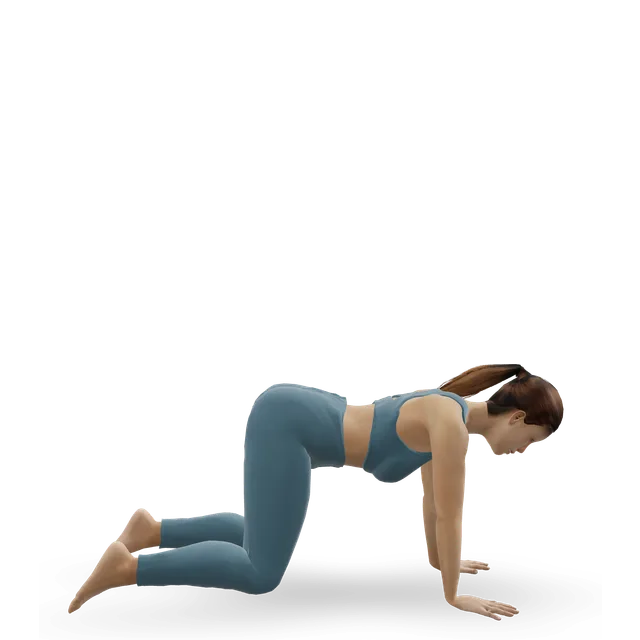
Locust: 3 to 5 lifts held 3 to 5 seconds; low cobra: 5 lifts held 3 to 5 seconds; bird dog one limb at a time: 5 each arm and leg, holding 3 to 5 seconds; sphinx: 2 holds of 3 to 5 breaths (our yoga for posture class). Lower if your low back pinches.
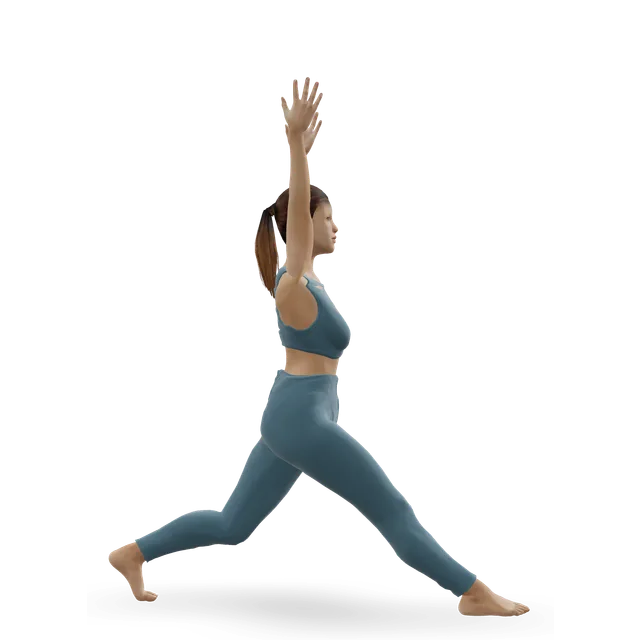
Chair pose: 3 holds of 5 breaths; tree: 3 to 5 breaths each side with a hand near a wall; high lunge: 3 to 5 breaths each side (our yoga for posture class).
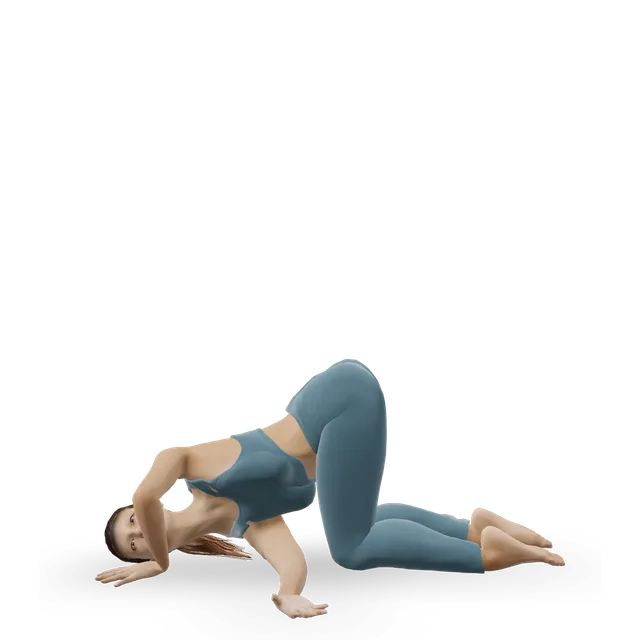
Star jumps: 3 rounds of 20 seconds with 20 seconds' rest; bear and crab walks: 2 crawls of about 5 metres (our yoga for kids class); frog leaps: 4 jumps, freezing on landing (our animal moves for kids workout). Jumping builds bone; it doesn't add height.
Headstand, shoulder stand and plough put weight on the head and neck and aren't for children or beginners. Deep backbends such as camel and wheel don't lengthen bones, whatever some pages say; their own pages carry neck and back cautions. A bar hang is a fine grip and shoulder exercise, but your spine settles back once you're upright.
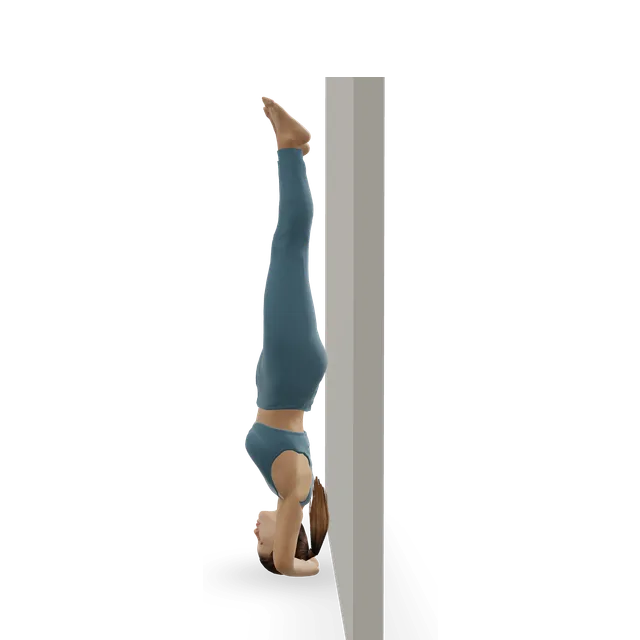 3D demoSupported headstand (Salamba Sirsasana)Expert · A wall
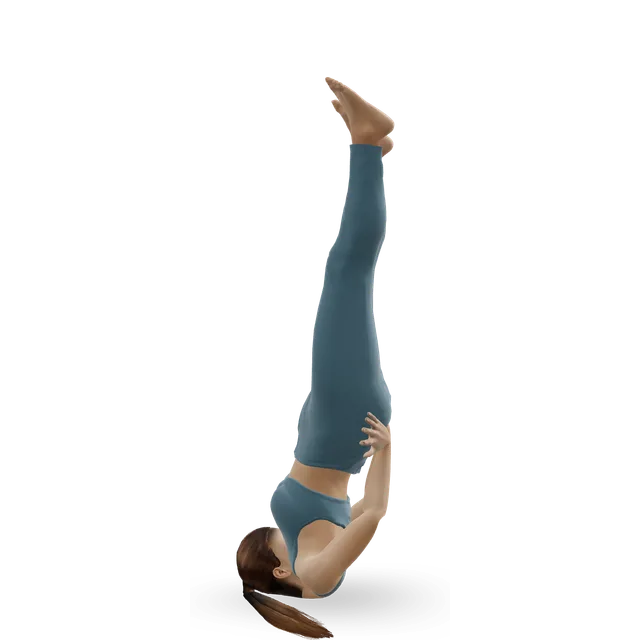 3D demoSupported shoulderstand (Salamba Sarvangasana)Advanced · No equipment
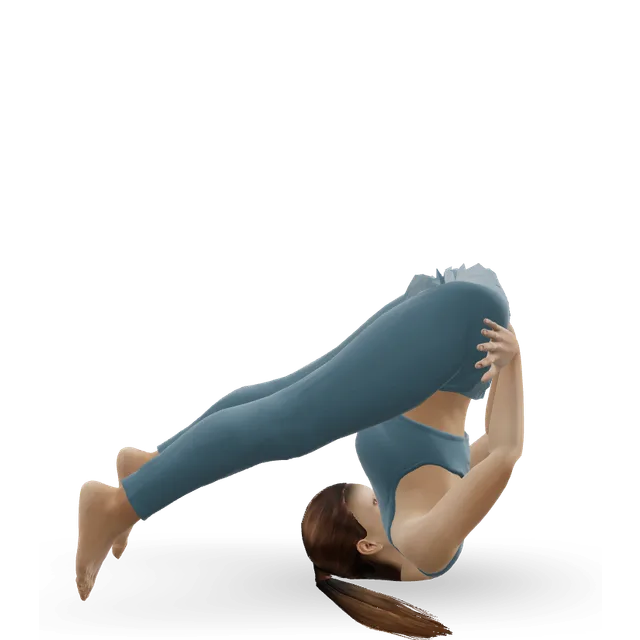 3D demoPlow pose (Halasana)Advanced · No equipment
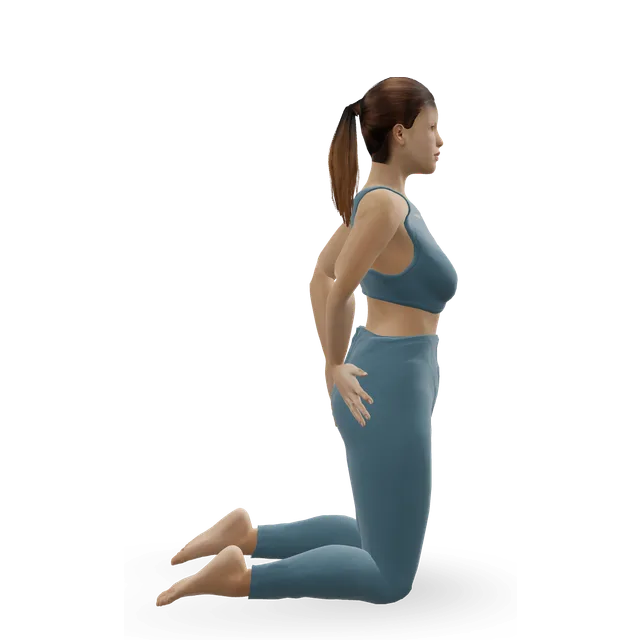 3D demoCamel pose (Ustrasana)Intermediate · No equipment
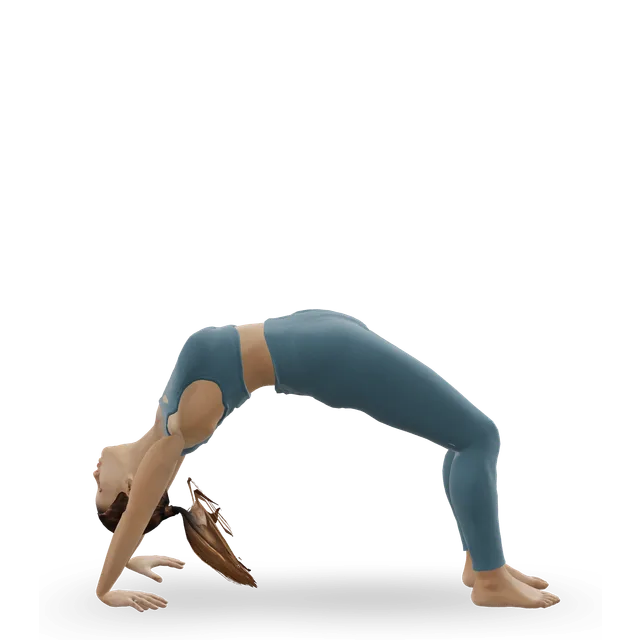 3D demoWheel pose (Urdhva Dhanurasana)Advanced · No equipment
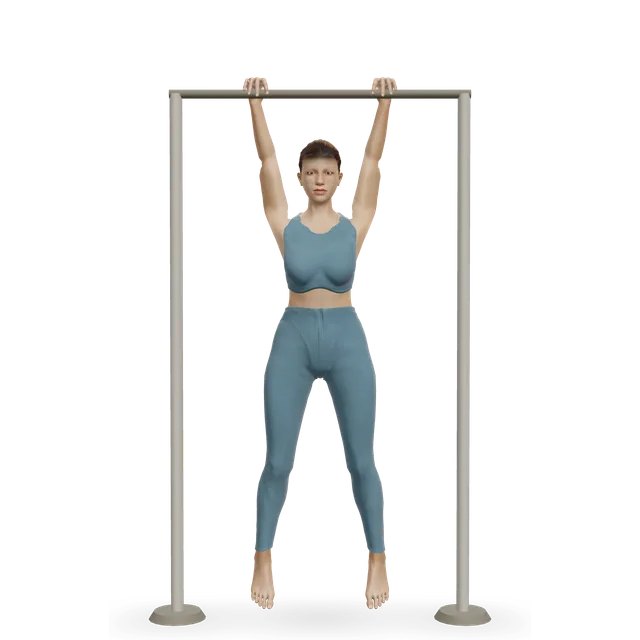 3D demoBar hangIntermediate · Pull-up bar + A step
There's no height class, because no routine changes height. For standing tall, use the yoga for posture class 2 or 3 times a week; for children, the kids' class and animal moves; for teenagers who want to get stronger, the strength workout for teenagers.
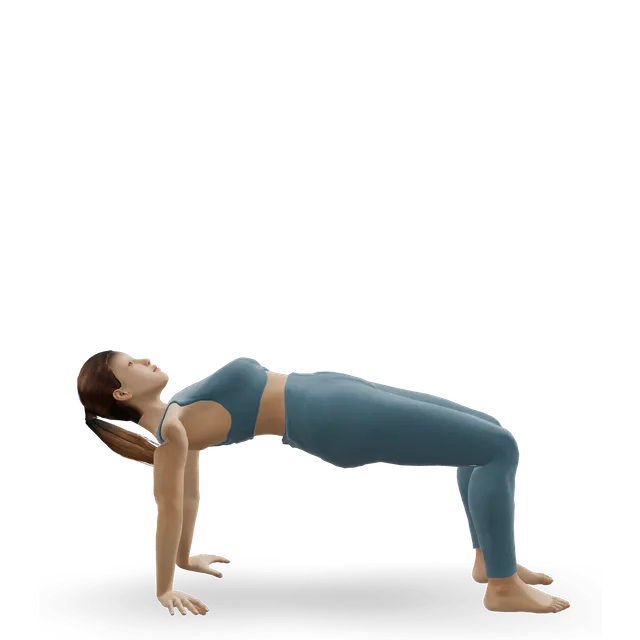
Twenty-five minutes of back-strengthening yoga for posture: arm and leg reaches, face-down back lifts and standing poses with the arms raised.
25 minBeginner15 movesNo equipmentA 12-minute routine for a stiff upper back and rounded shoulders: chin tucks, wall angels, Y-T-W raises and open books.
12 minBeginner8 movesA foam roller, A wallTwenty minutes of animal poses, star jumps, crawls, balloon breaths and a short relaxation for children, with no headstands or shoulder stands.
20 minBeginner17 movesNo equipmentFifteen minutes of animal moves, jumps and balance games for children, building the muscle- and bone-strengthening activity they need, with nothing to buy.
15 minBeginner16 movesA wallA 40-minute first strength workout for teenagers: a warm-up, landing and jump drills, then squats, hinges, push-ups, rows, step-ups and carries, kept light.
40 minBeginner19 movesA wall, A dumbbellSupervised strength training, which doesn't stunt growth, with room for yoga.
The child and adult signs follow our yoga for posture and yoga for kids guides word for word. In the US, use your doctor's urgent line or urgent care for NHS 111, and call 911 for 999.
See a GP if:
Sudden pain in the hip, thigh or knee, a limp, or not putting any weight on 1 leg: an urgent GP appointment or NHS 111 the same day. Hip problems can sometimes be felt in the thigh or knee.
New hunching, a change in posture, height loss, or unexplained back pain with muscle spasms, especially after a minor fall or bump, or if you're 50 or over, have been through the menopause or take steroid medicines: these can be signs of spinal fractures from osteoporosis.
Source 29
Stop for chest pain, dizziness or feeling faint, or unusual breathlessness. Call 999 for chest pain that feels tight or like squeezing, or spreads to your arms, neck or jaw. Stop any pose that hurts.
Source 31
Bones lengthen only at the growth plates, which close during adolescence. No trial has tested yoga for height, and in the one yoga trial that measured it, height changed by about 3 mm.
Taking the load off your spine adds a few millimetres for a while, the same thing that makes you taller in the morning. Once you're upright again, it settles back.
Some pages say camel pose or cobra activates the pituitary gland; we found no study that tested this.
Source 6
Supervised weight training didn't affect growth, intensive gymnastics doesn't reduce adult height, and reviews find no effect of sport on growth in height.
Skipping didn't change height in 15 trials, and sport didn't change growth in height. They're great for bones, heart and fun.
Your height changes by about 2 cm across a single day, and height is hard to measure accurately, so a change in a week is measurement, not growth.
Standing tall shows your full height. In older adults with a rounded upper back, 6 months of yoga changed measured height by about 3 mm.
Source 11
Not in the sense of longer bones. Height is mostly set by your genes and by nutrition and health while you grow, and no trial has tested yoga for height. Yoga can help you stand tall and strengthen your back, which shows the height you already have.
No. Bones grow longer only at the growth plates, which close during adolescence, earlier in girls than boys. After that, no pose or stretch can lengthen them.
There's no evidence it does. Skipping programmes didn't change height in 15 trials of 10 to 12-year-olds, and reviews find that sport and exercise don't change how tall children grow. Yoga is a good part of an active week, alongside running, jumping and play.
There's no good evidence that it does. Supervised weight training and gymnastics haven't been shown to reduce height. One snapshot study found girls training for yoga competitions a little shorter at 10 to 12, but it couldn't show that yoga was the cause.
Only for a short while. Lying down or hanging takes the load off the discs in your spine, which is why you're about 2 cm taller first thing in the morning, but most of that goes within hours of standing up.
When your growth plates close, during adolescence, earlier in girls. In one US X-ray study of ankle growth plates, every girl's had closed by 16 and every boy's by 19. A doctor can tell whether a teenager is still growing if it matters.
Mostly your genes: twin studies put the genetic share of height differences at up to about 80% in teenagers. Nutrition and health in childhood matter too, which is why average height rose by up to 20 cm in a century in some countries.
Back-strengthening and standing poses: locust, low cobra, bird dog, mountain pose, chair and tree, as in our yoga for posture class. As our yoga for posture guide explains, strengthening changes posture a little and stretching on its own doesn't.
Yes, by about 2 cm, because your spinal discs take up water overnight. More than half of that height goes in the first hour after you get up, so measure at the same time of day if you're tracking it.
Some height loss is normal: on average about 3 cm for men and 5 cm for women between 30 and 70. New or fast height loss, a new stoop or back pain after a minor fall can be spinal fractures from osteoporosis, so see a GP.
Many children are short because their parents are, and grow normally along their own line. See a GP if your child isn't growing as expected, seems to be dropping away from their line on the growth chart, or puberty starts before 8 or hasn't started by 15.
Growth hormone is a medicine for children with restricted growth or who aren't growing as expected, prescribed by specialists. Surgery to lengthen the legs or arms is rare. Neither is a lifestyle choice.
Exercise education, not a personal prescription, and clinical review of these guides is pending. If you are pregnant, have a health condition such as glaucoma, high blood pressure or osteoporosis, or have had recent surgery, check with a doctor, midwife or physiotherapist before starting, and stop for sharp or increasing pain. Health disclaimer.