Yoga guide

Yoga for strength: does it build muscle, how it compares with weights, and how to make yoga harder

Yes, yoga counts as strength training: the NHS lists it among muscle-strengthening activities, as long as you work until you need a short rest. In trials, mostly in older adults who weren't exercising, it improved leg strength, and in people with knee osteoarthritis leg strength rose about as much as with a physiotherapist's strengthening programme.

We found no trial comparing yoga with weight training for muscle size, and yoga hasn't been shown to build bone. Most yoga also has almost no pulling and no easy way to keep adding load, so for more strength, muscle or bone, add resistance training.

This guide covers what counts, what the trials found, where poses load your muscles, how yoga compares with weights and how to make it harder, with a 3D demo of every pose and a free 35-minute strength yoga workout with a band.

The short version

Yes, it counts

The NHS lists yoga among muscle-strengthening activities, done "to the point where you need a short rest before repeating the activity" on at least 2 days a week. The UK Chief Medical Officers add that any strengthening activity is better than none.

Sources 1, 2

Leg strength improves, especially in older adults

In older adults, leg strength improved against no exercise (7 trials, 485 people) and against other exercise (3 trials), though a 2026 review found the benefit borderline after allowing for small studies that may be missing.

Sources 3, 4

About as much as strengthening programmes, in two trials

In 117 adults with knee osteoarthritis, leg strength rose by 17.8 kg with yoga and 21.2 kg with a physiotherapist-led strengthening programme, a difference that could have been chance. In 118 sedentary older adults, yoga improved chair stands and arm curls as much as stretching-strengthening classes. Neither trial tells us about healthy adults or heavy lifting.

Sources 5, 6

Little evidence on muscle size, none for bone

We found no trial comparing yoga with weight training for muscle size, and in a 3-month study a yoga-based programme didn't change muscle mass. In 11 studies, yoga or Pilates didn't change bone density.

Sources 7, 8, 9

Add load to keep progressing

Strength grows most with heavier loads and muscle with enough sets each week, and most yoga can't keep adding load as you get stronger. For more strength or muscle, do yoga and resistance training.

Source 10

Does yoga count as strength training?

What the NHS counts

Adults should do strengthening activities that work all the major muscle groups (legs, hips, back, abdomen, chest, shoulders and arms) on at least 2 days a week, and the NHS lists yoga among them, along with Pilates, tai chi, lifting weights and resistance bands. These activities "are not always an aerobic activity", so you still need about 150 minutes of moderate activity a week. Adults aged 65 and over are advised to do activities that improve strength, balance and flexibility on at least 2 days a week.

Sources 1, 11

The test: a short rest

"To get health benefits from strength exercises, you should do them to the point where you need a short rest before repeating the activity." A gentle class that never tires your muscles counts for less than a strong flow or long standing holds (our reading of the NHS test).

Source 1

What the wider guidelines say

The UK Chief Medical Officers: "Muscle strengthening activities should be done on at least 2 days a week, but any strengthening activity is better than none." The World Health Organization recommends muscle-strengthening at moderate or greater intensity, working all the major muscle groups, on 2 or more days a week, and for older adults, balance and strength training on 3 or more days.

Sources 2, 12

What strength training means in research

Usually, resistance training against a load you can keep increasing. In the 2026 American College of Sports Medicine (ACSM) position stand, built on 137 reviews, strength improved more with heavier loads (80% or more of the most you can lift once), 2 to 3 sets and at least 2 sessions a week, and muscle grew more with 10 or more sets a week; training to failure didn't consistently change the results. The National Strength and Conditioning Association calls resistance training "a powerful intervention" against the loss of muscle strength and mass in older adults.

Sources 10, 13

How hard yoga isStrong evidence

The 2024 Compendium of Physical Activities lists hatha yoga at 2.3 METs (multiples of your resting energy use), vinyasa at 2.7, sun salutations at 3.5 and power yoga at 4.0, against 3.5 for a resistance session of several exercises and 5.0 for squats or deadlifts. Most yoga is light; strong flows reach moderate.

Source 14

Many people don't know strength counts

In interviews, none of 15 UK older adults knew the guidelines include strength, and many thought walking, yoga or Pilates covered it. Yoga can, if it's hard enough and works all the major muscles.

Source 15

What the trials found

Older adults: leg strength improvesEmerging evidence

In older adults, yoga improved leg strength compared with no exercise (7 trials, 485 people) and compared with other exercise such as walking or stretching and strengthening classes (3 trials, 225 people), and it was never worse than the comparison. A review of 15 trials found a similar gain in muscle strength, and a review of 33 trials in people aged 65 and over rated the gain in leg strength and endurance moderate certainty against no exercise, with possibly no extra benefit over other exercise. A 2026 review of 21 studies found the gain borderline after allowing for small studies that may be missing.

Sources 3, 16, 17, 4

Younger and middle-aged adults: small trialsEmerging evidence

In 34 women aged 35 to 50, twice-weekly Ashtanga classes for 8 months raised leg-press strength by 11.4% (it fell by 6.5% in the comparison group), with no change in the other lifts measured. In a 12-week trial of 173 adults with an average age of 52, which wasn't randomised, push-ups rose by about 3 and curl-ups by 2 to 3. Eight weeks of hot yoga raised an isometric deadlift but not grip in 21 young adults, and a study of 10 people with no comparison group found gains of 19% to 31% in strength tests.

Sources 18, 19, 20, 21

Against strengthening programmesEmerging evidence

In 117 adults with knee osteoarthritis (average age 62), leg strength rose by 17.8 kg with 12 weeks of yoga and by 21.2 kg with a physiotherapist-led strengthening programme, a difference that could have been chance, and by 22.0 against 23.4 kg at 24 weeks. Side effects possibly linked to the programme were more common with yoga (15.5% against 6.8%), though none were serious. In 118 sedentary adults with an average age of 62, 8 weeks of hatha yoga improved chair stands and arm curls as much as stretching-strengthening classes. Neither trial tested healthy adults or heavy lifting.

In smaller trials, tai chi built more knee strength than Iyengar yoga in 48 older adults, and once-weekly yoga and stabilisation training raised thigh strength by similar amounts in 42 young women.

Sources 5, 6, 22, 23

Other small trialsMixed evidence

Thai yoga raised knee strength compared with no exercise in 22 overweight older women, and integrated yoga raised back and leg strength in 96 adults aged 60 to 75.

Sources 24, 25

Yoga on top of an active lifeMixed evidence

Among 26,055 US adults, those who met the activity guidelines and did yoga had lower death rates than those who met them without yoga. That kind of study can't show that yoga caused the difference.

Source 26

Does yoga build muscle?

Muscle size: little evidenceMixed evidence

We found no trial comparing yoga with weight training for muscle size, and no scan or ultrasound study showing muscles growing after a yoga programme. In a 3-month yoga-based programme, muscle mass didn't change, and in a neck pain trial a neck muscle thickened with Pilates but not with yoga.

Sources 7, 27, 8, 28

What builds muscle and strengthStrong evidence

Muscle grows with resistance training of about 10 or more sets a week, and light loads build as much size as heavy ones when sets are taken close to failure; heavier loads build more maximum strength. Bodyweight poses can only be made so much harder, so add a load you can keep increasing if you want to keep building (our suggestion).

Sources 10, 29, 30

Where yoga poses load your muscles

Legs and hipsEmerging evidence

In a lab study of 21 poses in older adults, chair pose, warrior I and II and crescent lunge loaded the front of the thigh most; only single-leg standing poses loaded the side of the hip, and tree pose with a hand on a wall loaded it about as much as without. No pose loaded the shin muscles, and few loaded the hip flexors. In another study, crescent lunge, chair pose, warrior II and a one-leg balance were the most demanding of 7 standing poses.

Sources 31, 32, 33

Your middle works in every poseEmerging evidence

All 21 poses produced noticeable activity in the six-pack muscle, up to 70% of what it does in walking.

Source 31

Moving between poses adds loadEmerging evidence

In sun salutations, muscles worked harder while moving between poses than while holding them, and a faster flow worked them harder overall.

Sources 34, 35

Knees in the warrior posesEmerging evidence

In the lab study, the warrior poses put relatively large sideways loads through the knee, which the researchers said may aggravate knee osteoarthritis. With knee osteoarthritis, keep the stance shorter and the front knee over the ankle (our suggestion).

Source 31

The gap: pulling

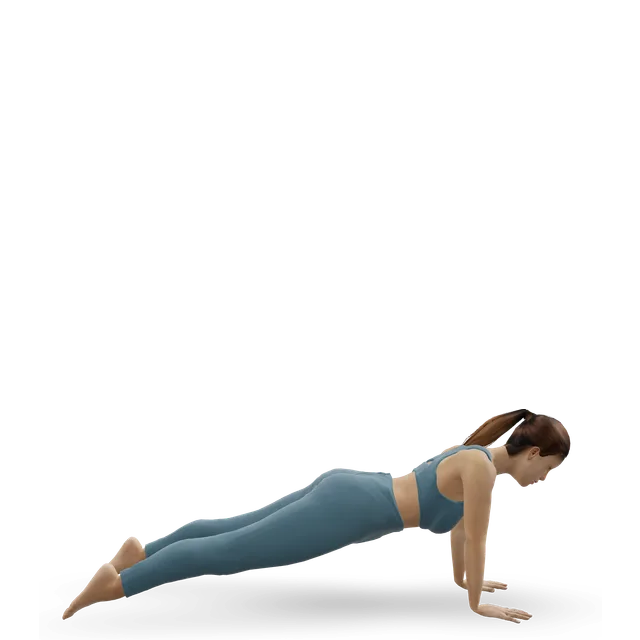
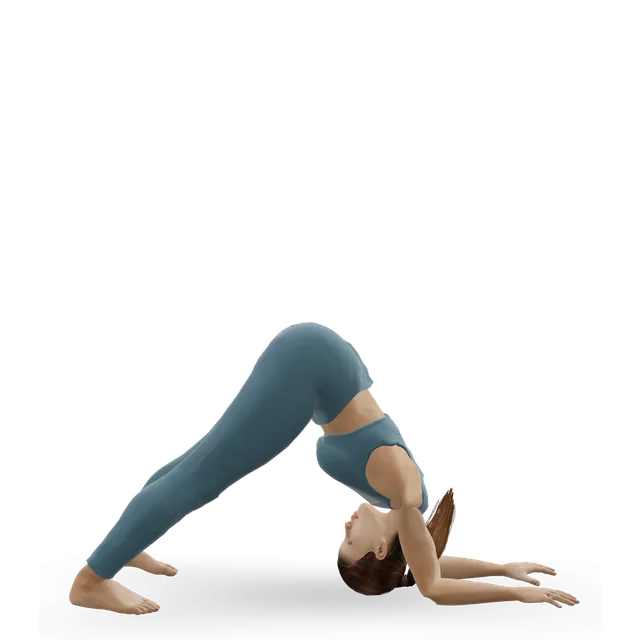
Plank, chaturanga and downward dog load your chest, shoulders and arms, but yoga has almost no pulling movement for the upper back and the back of the shoulders. Add a band row (our suggestion).

Yoga or weights?

For strength in people who weren't training

In the two trials, yoga improved strength about as much as the strengthening programmes it was compared with, in people with knee osteoarthritis and in sedentary older adults. No trial has compared it with heavy, progressive lifting.

Sources 5, 6

For muscle and maximum strength

Resistance training that you keep making harder is the tool. We found no trial comparing yoga with weights for muscle size.

Sources 10, 7

For your bones

In 11 studies of women aged 45 to 78, yoga or Pilates changed bone density no more than control groups. The UK osteoporosis consensus recommends progressive resistance and impact exercise for bone, with activities such as yoga and Pilates for strength and balance alongside.

Sources 9, 36

Doing both

Our suggestion: keep yoga for balance, mobility and bodyweight strength, and add 1 or 2 resistance sessions a week if you want more strength or muscle. If strength is your main goal, lift first: in the ACSM overview, strength improved more when resistance exercise came at the start of a session.

Source 10

Yoga with weights

We found no trial of yoga with added weights. Light dumbbells or a band can make some poses harder; keep the pose's shape and build up slowly (our suggestion).

Source 37

How to make yoga harder

Seven ways

Pick one or two at a time:

  • Work each pose until you need a short rest, the NHS test for a strength session.
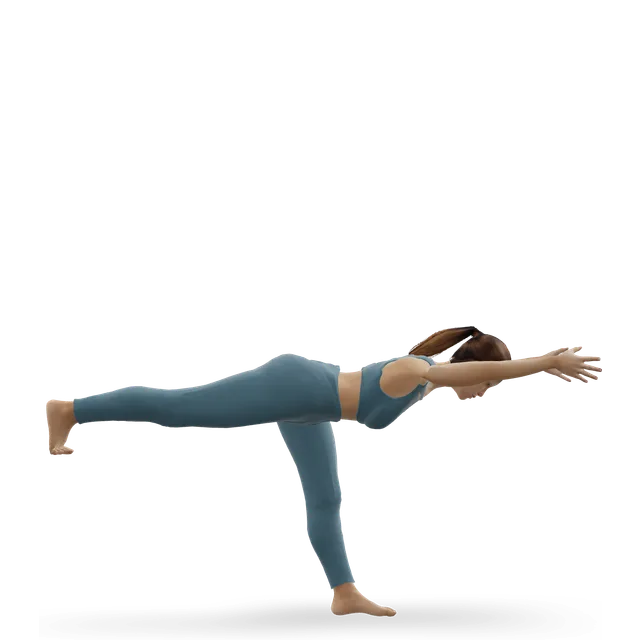
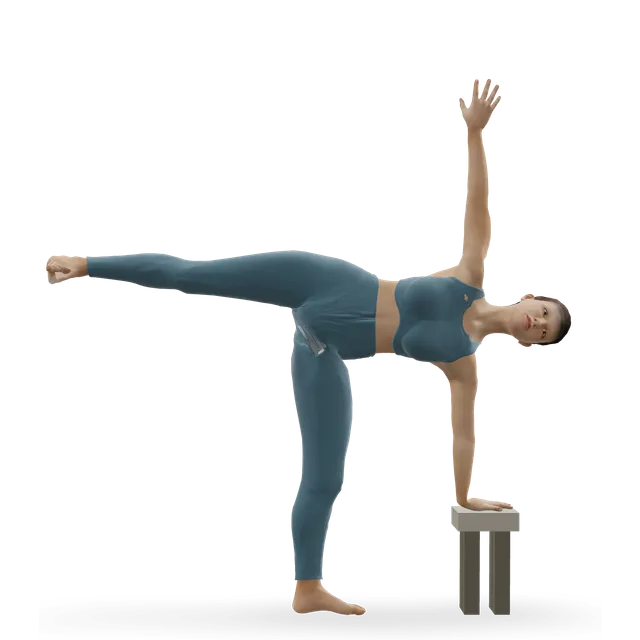
  • Stand on one leg or balance on one arm: only single-leg poses loaded the side of the hip, and half moon and warrior III worked the glutes hardest of five poses.
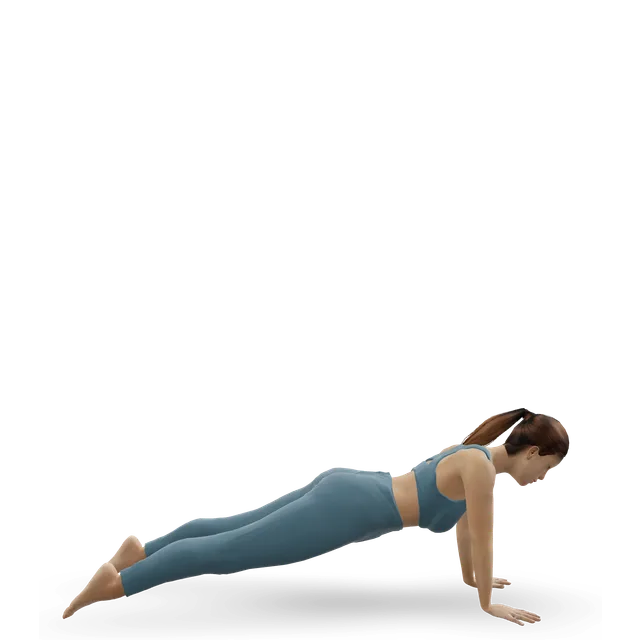
  • Lower slowly from plank (chaturanga), with your knees down at first: slow lowering helped muscle grow in the ACSM overview.
  • Lengthen the levers: straighter legs, a longer lunge, a deeper chair (our suggestion).
  • Move slowly between poses: transitions worked the muscles harder than holds.
  • Progress when a pose gets easy: take the harder version, or add a band or weights.
  • Add a band row for the pulling that yoga lacks (our suggestion).

Sources 1, 31, 38, 34, 10

Lowering from plank (chaturanga), step by step

3 to 5 slow lowers is our editorial starting point. The move's page says to check that your shoulders aren't dipping below your elbows as you tire, and to skip it with a current shoulder or wrist injury.

  1. Start in a high plank on your knees or toes, hands under your shoulders.
  2. Shift a little forward so your shoulders are just in front of your wrists.
  3. Breathe out and lower slowly, elbows hugging your sides, until your shoulders are level with your elbows, not below them.
  4. Pause, then lower all the way to the floor, or push back up if you're strong enough.
  5. Do 3 to 5 slow lowers, with your knees down until you can keep your shoulders level with your elbows.

See the movement on the 3D figure: Four-limbed staff pose (Chaturanga Dandasana)

Legs and hips

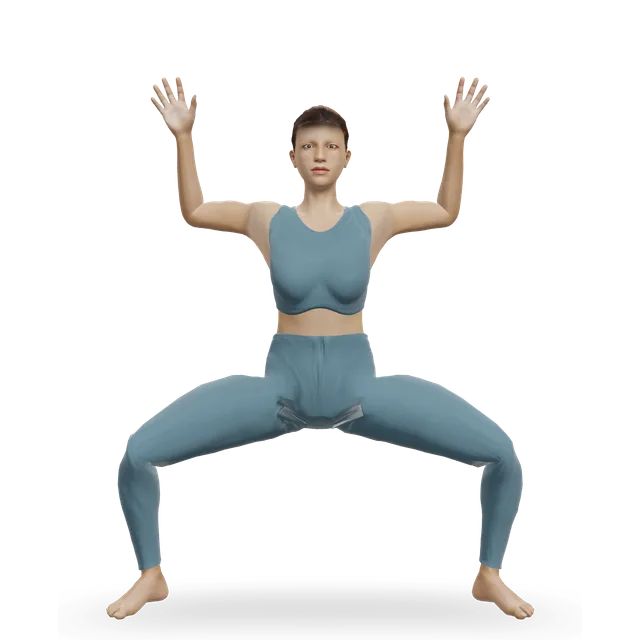
Our editorial starting points: chair pose for 3 holds of 30 to 45 seconds, or until you need a short rest; high lunge, warrior III and half moon for 3 to 5 breaths each side; warrior II for 5 breaths each side, twice; goddess pose for 12 slow pulses; tree pose for 5 breaths each side; single-leg bridges for 8 to 10 each side. Keep warrior stances shorter with knee pain.

Pushing, holding and lowering

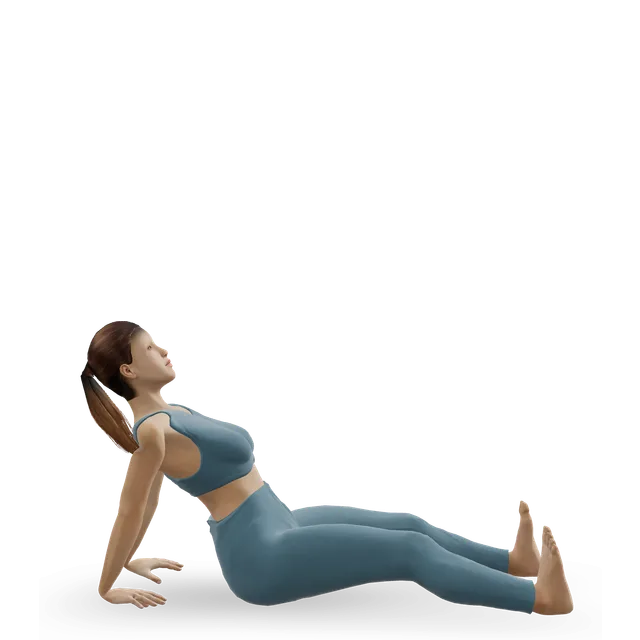
Straight-arm plank for 3 holds of 15 to 30 seconds and upward plank for 5 to 10 slow breaths, 2 or 3 times (the moves' pages). Sun salutations for 3 rounds with your knees down for the lowering at first, chaturanga for 3 to 5 slow lowers, side plank for 2 or 3 holds of 15 to 30 seconds each side and dolphin for 3 holds of 5 breaths (our editorial starting points). Locust: 3 to 5 lifts held 3 to 5 seconds (the UK osteoporosis consensus dose for back strength).

Pulling, and harder skills

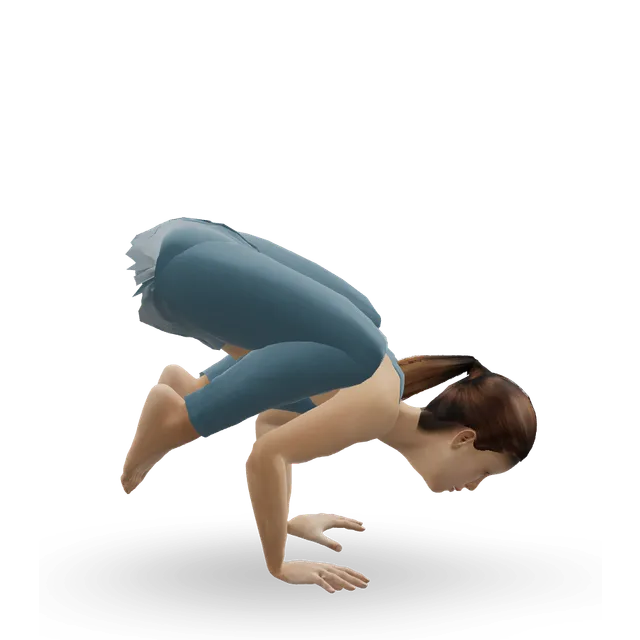
Band rows: 3 sets of 10 to 15, stopping 2 to 3 reps short of failure, with 60 to 90 seconds' rest (the move's page). Crow and the half handstand are for people who are already strong: try crow over something soft, and skip the half handstand with glaucoma or uncontrolled high blood pressure, as its page says.

Workouts to follow

Start with our 35-minute strength yoga workout twice a week (our editorial starting point). Power yoga is a strong 40-minute flow; the band, strength and Pilates workouts add load you can keep increasing.

Strength yoga: a 35-minute workout with a band

Thirty-five minutes of yoga built for strength: long standing holds, slow lowering from plank, single-leg balances and a band row, with harder options.

35 minIntermediate18 movesA step, A band

Power yoga workout: a 40-minute strong flow

A 40-minute power yoga workout: sun salutations, lunges, strength holds, balances, core work and backbends, moving with the breath, then a rest.

40 minIntermediate18 movesA step

Resistance band workout

A full-body resistance band workout: squats, rows, push-ups, presses, pull-aparts, band walks, good mornings and flyes.

30 minBeginner9 movesA band, An anchor point

Vinyasa flow for beginners: a 30-minute slow flow

A 30-minute beginners' vinyasa flow: sun salutations, lunges, standing poses, balances and backbends, moving with the breath at a slow pace, then a rest.

30 minBeginner16 movesNo equipment

Walk and yoga workout

A 45-minute session for weight loss and health: a 20-minute brisk walk, which does more for the scales, then a standing yoga flow for strength and balance.

45 minBeginner12 movesCardio machine

20-minute full-body strength workout

A 20-minute full-body dumbbell workout: two supersets of squats, rows, Romanian deadlifts and push-ups. Twice a week covers the minimum dose.

20 minBeginner8 movesA dumbbell, A bench or box

Strength and balance workout

Strength and balance in one session: squats, Romanian deadlifts, push-ups, rows, step-ups, back extensions, carries and single-leg balance.

45 minBeginner14 movesA wall, A dumbbell

Pilates strength workout: a 30-minute class with weights or a band

A 30-minute Pilates strength class with dumbbells or a band: Pilates trunk work plus squats, lunges, rows and push-ups, each set taken until it is hard.

30 minIntermediate15 movesA dumbbell, A band

Push-up progression workout

Work up to full push-ups: wall, incline and knee push-ups, then the floor push-up and harder variations.

15 minBeginner8 movesA wall, A bench or box

Handstand progression

Build toward a handstand: wrist prep, dolphin pose, pike push-ups, crow, the wall handstand and freestanding holds.

25 minAdvanced8 movesA wall

Follow a plan

The band and barbell plans add load you can keep increasing; the plans for women over 50 and for seniors mix strength, balance and walking.

When to get help

These are the same warning signs as our guide to getting stronger. In the US, call 911 for 999, and contact your doctor or urgent care for NHS 111.

Call 999

For chest pain that comes on suddenly and doesn't go away, or spreads to your arms, neck, jaw, stomach or back; if someone faints while exercising; or for back pain with numbness, tingling or weakness in both legs, loss of feeling around your genitals or bottom, or changes in bladder or bowel control. During any session, stop for chest pain or pressure, unusual breathlessness, dizziness or fainting.

Sources 39, 40

Get help the same day (GP or NHS 111)

For back pain that's severe or getting worse quickly, or comes with feeling hot, cold and shivery; or for sudden or very bad shoulder pain, an arm you can't move, a shoulder that's changed shape or is badly swollen, or pins and needles that don't go away.

Source 40

See a GP

If back pain isn't improving after a few weeks, stops you doing your daily activities or comes with weight loss you can't explain, or if shoulder pain isn't improving after 2 weeks.

Blood pressure, heart, eyes and pregnancy

Breathe out through every effort, especially with high blood pressure, heart disease, glaucoma or diabetic eye disease, a hernia, or in pregnancy (our guide to getting stronger). With glaucoma or uncontrolled high blood pressure, skip headstands, shoulder stands and other full inversions, and keep other head-down poses brief or supported.

Wrists, shoulders and knees

Use fists or your forearms if your wrists hurt in plank or downward dog. Skip chaturanga with a current shoulder or wrist injury, and shorten warrior stances with knee pain, as the moves' pages say.

Myths

"Yoga builds as much muscle as weights"Mixed evidence

We found no trial comparing them for muscle size, and in a 3-month study a yoga-based programme didn't change muscle mass. Resistance training with enough weekly sets is what builds muscle.

Sources 7, 8, 10

"Yoga is just stretching, so it doesn't count as strength training"Strong evidence

The NHS lists yoga as muscle-strengthening, and in trials it improved leg strength in older adults and in people with knee osteoarthritis.

Sources 1, 3, 5

"Yoga is all the strength training anyone needs"Emerging evidence

It meets the guideline if it's hard enough, but it has almost no pulling, can't keep adding load, and hasn't been shown to build bone. For bone, the UK osteoporosis consensus puts progressive resistance and impact exercise first.

Sources 9, 36, 10

"Holding a pose for longer always builds more strength"Emerging evidence

Strength grows with effort close to fatigue and with progression, and moving between poses worked the muscles harder than holding them. A long, easy hold mostly builds endurance.

Sources 1, 34, 10

"Yoga burns as many calories as lifting weights"Strong evidence

Hatha yoga is listed at 2.3 METs and power yoga at 4.0, against 3.5 to 5.0 for resistance training: most yoga is light.

Source 14

Questions people ask

Does yoga count as strength training?

Yes. The NHS lists yoga among muscle-strengthening activities, as long as you work to the point where you need a short rest before repeating, on at least 2 days a week. A gentle class that never tires your muscles counts for less than a strong flow.

Can yoga build muscle?

It hasn't been shown to. We found no trial comparing yoga with weight training for muscle size, and in a 3-month study a yoga-based programme didn't change muscle mass. Muscle grows with resistance training of about 10 or more sets a week per muscle, so add weights or bands if size is your goal.

Does yoga make you stronger?

Yes, especially if you weren't training before. In older adults, yoga improved leg strength against no exercise and against other exercise, and in people with knee osteoarthritis, leg strength rose by 17.8 kg with yoga and 21.2 kg with a strengthening programme, a difference that could have been chance. In women aged 35 to 50, 8 months of Ashtanga raised leg-press strength by 11%.

Is yoga enough strength training on its own?

It can meet the guideline if it's hard enough and works all the major muscles. But it has almost no pulling, can't keep adding load the way weights can, and hasn't been shown to build bone, so for the most strength, muscle or bone, add resistance training.

Yoga or weights: which is better?

For the most strength, muscle and bone, weights and other resistance training you can keep making harder. Yoga builds strength in beginners and older adults, along with balance and flexibility, and many people do both.

Is yoga good for strength over 50?

Yes. Most of the trials were in older adults, and yoga improved leg strength and walking speed compared with no exercise. Muscle and bone decline from around 50, so pair yoga with resistance and impact exercise for your bones.

Which yoga poses build the most strength?

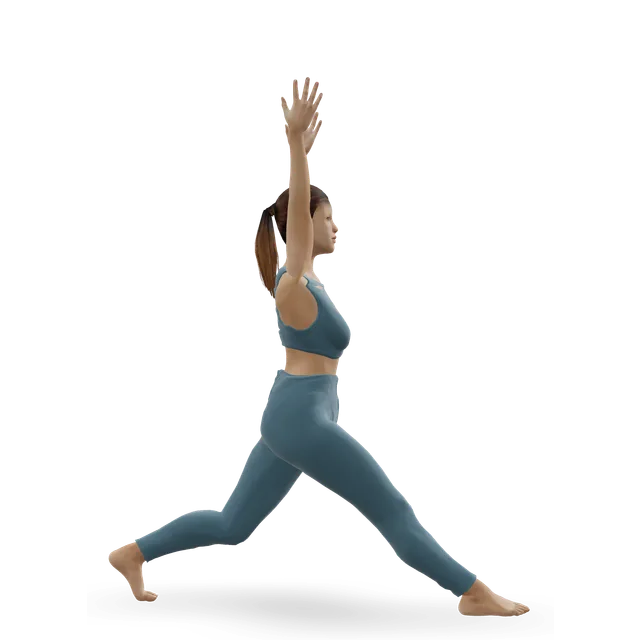
Chair pose, warrior I and II and crescent lunge load the front of the thighs, and single-leg poses like tree, warrior III and half moon load the side of the hip and the glutes. Plank, slow lowering from plank, side plank and dolphin work the upper body and trunk, and moving between poses adds load.

How can I make yoga harder?

Work each pose until you need a short rest, stand on one leg or balance on one arm, lower slowly from plank, and lengthen your levers. When a pose gets easy, take the harder version or add a band or weights: progression is what keeps strength growing.

Can yoga build upper-body or arm strength?

A little. Twelve weeks of hatha classes added about 3 push-ups in a trial of middle-aged adults, but yoga has almost no pulling, and our yoga for men guide notes it builds little upper-body strength on its own. Add rows and presses with a band or weights.

Does yoga count as strength training for bone density or the menopause?

It counts towards the strength guideline, but in 11 studies yoga or Pilates didn't change bone density. The UK osteoporosis consensus recommends progressive resistance and impact exercise for bone, with yoga or Pilates for strength and balance alongside.

Can I do yoga and lift weights on the same day?

Yes. If strength is the priority, lift first: the ACSM's 2026 review found strength improved more when resistance exercise came at the start of a session. Gentle yoga afterwards, or on another day, fits around it.

Does yoga with weights work?

We found no trials of yoga with added weights. Light dumbbells or a band can make poses harder, but keep the shape of each pose and build up slowly; for real loading, do a separate resistance session.

Sources

  1. NHS · Physical activity guidelines for adults aged 19 to 64 (last reviewed May 2024)
  2. UK Chief Medical Officers · Physical activity guidelines (2019; web page updated July 2026)
  3. Sivaramakrishnan 2019 · Yoga against active and inactive controls in older adults: 22 trials (systematic review and meta-analysis, Int J Behav Nutr Phys Act)
  4. Guo 2026 · Yoga, leg strength, balance and quality of life in older adults: 21 studies (systematic review and meta-analysis, Exp Gerontol)
  5. Abafita 2025 · Yoga or strengthening exercise for knee osteoarthritis: 117 adults in Tasmania (randomised trial, JAMA Netw Open)
  6. Gothe 2016 · Yoga or stretching-strengthening exercise for functional fitness: 118 sedentary older adults (randomised trial, J Gerontol A Biol Sci Med Sci)
  7. Europe PMC · Search for trials comparing yoga with resistance or strength training: 70 records, none against progressive weight training for muscle size (25 October 2026)
  8. Koncz 2024 · A 3-month yoga-based programme and body measures: 75 middle-aged adults (quasi-randomised study, Biol Futur)
  9. Fernández-Rodríguez 2021 · Pilates and yoga for bone density in adult women: 11 studies (systematic review and meta-analysis, PLoS One)
  10. Currier 2026 · Resistance training for strength, muscle and performance: 137 reviews (ACSM position stand, Med Sci Sports Exerc)
  11. NHS · Physical activity guidelines for older adults (last reviewed August 2024)
  12. Bull 2020 · World Health Organization 2020 guidelines on physical activity and sedentary behaviour (BJSM)
  13. Fragala 2019 · Resistance training for older adults (NSCA position statement, J Strength Cond Res)
  14. 2024 Adult Compendium of Physical Activities · Conditioning exercise: energy cost (MET values)
  15. Gluchowski 2022 · Older adults in the UK and the strength guidelines: 15 interviews (qualitative study, Int J Environ Res Public Health)
  16. Ko 2023 · Yoga for physical and psychological health in older adults: 15 trials (systematic review and meta-analysis, Int J Older People Nurs)
  17. Loewenthal 2023 · Yoga and frailty in older adults: 33 trials, 2,384 people (systematic review, Ann Intern Med)
  18. Kim 2012 · Eight months of Ashtanga yoga and muscle strength: 34 women aged 35 to 50 (randomised trial, J Sports Sci Med)
  19. Lau 2015 · 12 weeks of hatha yoga and fitness, strength and flexibility in 173 Hong Kong adults (controlled trial, Evid Based Complement Alternat Med)
  20. Tracy 2013 · Bikram yoga and fitness: 21 young adults (randomised trial, J Strength Cond Res)
  21. Tran 2001 · Hatha yoga and fitness: 10 adults (study with no comparison group, Prev Cardiol)
  22. Zhu 2021 · Tai chi or Iyengar yoga for strength and balance: 48 older adults (randomised trial, J Sports Med Phys Fitness)
  23. Özalp 2026 · Stabilisation or yoga training: 42 sedentary young women (randomised trial, Eur J Appl Physiol)
  24. Widjaja 2021 · Thai yoga and leg strength: 22 overweight older women (randomised pilot trial, Complement Ther Clin Pract)
  25. Ganesh 2022 · Integrated yoga, flexibility and strength: 96 older adults (randomised trial, Adv Mind Body Med)
  26. Sherman 2026 · Yoga on top of the activity guidelines and death rates: 26,055 US adults (cohort study, J Phys Act Health)
  27. Europe PMC · Search for yoga and muscle size, thickness or hypertrophy: 11 records, none showing muscle growth after a yoga programme (25 October 2026)
  28. Uluğ 2018 · Pilates or yoga for chronic neck pain, with muscle ultrasound: 56 people (randomised trial, J Rehabil Med)
  29. Schoenfeld 2017 · Low or high loads for strength and muscle size: 21 studies (systematic review and meta-analysis, J Strength Cond Res)
  30. Lopez 2021 · Training load, muscle size and strength: 28 studies (network meta-analysis, Med Sci Sports Exerc)
  31. Salem 2013 · The physical demands of 21 hatha yoga poses in older adults (lab study, Evid Based Complement Alternat Med)
  32. Wang 2013 · How hard standing yoga poses work the joints: 20 older adults (YESS lab study, BMC Complement Altern Med)
  33. Yu 2012 · Tree pose and one-leg balance in older adults, with and without support (lab study, Evid Based Complement Alternat Med)
  34. Potiaumpai 2017 · Muscle activity in fast and standard-speed sun salutations (randomised crossover study, Complement Ther Med)
  35. Mullerpatan 2020 · Muscle activity during sun salutations: 8 trained practitioners (lab study, Int J Yoga)
  36. Brooke-Wavell 2022 · Strong, steady and straight: UK consensus on physical activity and exercise for osteoporosis (BJSM)
  37. Europe PMC · Search for yoga with added weights or bands: 13 records, no trial of yoga with weights (25 October 2026)
  38. Lehecka 2021 · Glute muscle activity in five yoga poses: 31 adults (lab study, Int J Sports Phys Ther)
  39. NHS · Chest pain (past its review date: reviewed August 2023, review due August 2026)
  40. NHS · Back pain (last reviewed March 2026)

Exercise education, not a personal prescription, and clinical review of these guides is pending. If you are pregnant, have a health condition such as glaucoma, high blood pressure or osteoporosis, or have had recent surgery, check with a doctor, midwife or physiotherapist before starting, and stop for sharp or increasing pain. Health disclaimer.