Yoga guide

Yoga for core strength: the poses that work your abs and back hardest, what they can't do, and a 20-minute class

Yoga works your core more than its calm reputation suggests. In small lab studies, boat pose worked the front tummy muscles hardest of 16 poses, with plank next, and downward dog worked the side tummy muscles about as hard as a forearm plank. In a 3-month study, twice-weekly hatha classes with trunk work lengthened how long people could hold trunk-muscle tests by 15% to 50%.

What it builds is mostly endurance and control rather than maximal strength, and it won't burn belly fat or replace pelvic floor exercises.

This guide covers what the core is, what the muscle studies and trials show, back pain, bracing, belly fat and the pelvic floor, how to make each pose harder, with a 3D demo of every pose, and a free 20-minute class.

The short version

It works the trunk, mostly for endurance

In small lab studies, boat pose and plank worked the front tummy muscles hardest of the poses tested, and downward dog worked the side tummy muscles about as hard as a forearm plank. In a 3-month study, hatha classes with trunk work lengthened trunk-muscle hold times, which is endurance more than maximal strength.

Sources 1, 2, 3

Back pain: about as good as other exercise

Yoga eased long-lasting low back pain a little compared with no exercise, and about as much as other back exercise. Exercises aimed at the deep core muscles were no better than other exercise.

Sources 4, 5

Brace, don't hollow

Firming the whole trunk steadied the spine more than pulling the belly button in. "Navel to spine" is a cue, not a rule.

Sources 6, 7

No exercise burns belly fat

Six weeks of daily ab exercises didn't change belly fat, and 13 studies found no local fat loss from training one area. Losing fat is about your whole week, as our yoga for weight loss guide explains.

Sources 8, 9

Not a fix for leaks

A 12-week pelvic yoga programme reduced leaks no more than a general exercise programme. If you leak, do pelvic floor exercises every day.

Source 10

What the core is, and how muscle work is measured

No single definition

One review says there is "less clarity about what exactly constitutes 'the core'", and defines core stability as "the ability to control the position and motion of the trunk over the pelvis". Another calls the research behind core training "meager". In practice the word covers the tummy muscles, the back muscles and the hips, with the diaphragm above and the pelvic floor below.

Sources 11, 12

How muscle activity is measured

Lab studies use electromyography (EMG): sensors on the skin record a muscle's activity as a percentage of its strongest contraction. A rule of thumb from rehabilitation research says that above about 45% may build strength, and below it builds endurance and control. Studies measure the maximum in different ways, so a dolphin plank can read above 100%, and poses should be compared only within the same study.

Sources 13, 14, 15

Endurance, strength and control

Most yoga poses are held, so they train how long your trunk can hold a position more than how much force it can make. Trials measure this with timed holds: in 75 healthy young adults, men held a side bridge about 65% as long as a back-extension hold, and women about 39% as long.

Sources 16, 3

The bandhas

Yoga's "locks" include mula bandha (a pelvic floor lift) and uddiyana bandha (drawing the belly in and up after breathing out). They're often described as core training, but we found no study that measured their effect on core strength or trunk muscles. In 30 students, uddiyana bandha raised diastolic blood pressure straight afterwards; it was back to normal within 10 minutes.

Sources 17, 18, 19

Which poses work the trunk hardest

These are small lab studies that measured different muscles in different ways, so compare poses only within each study.

Front and sides of the trunkEmerging evidence

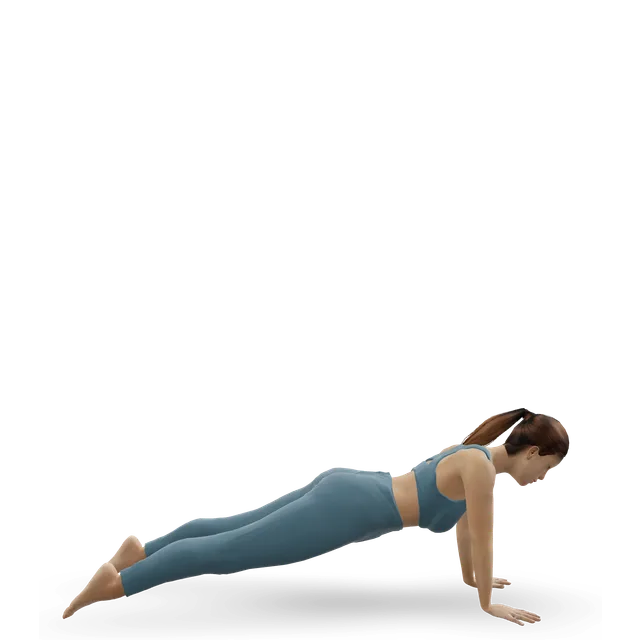
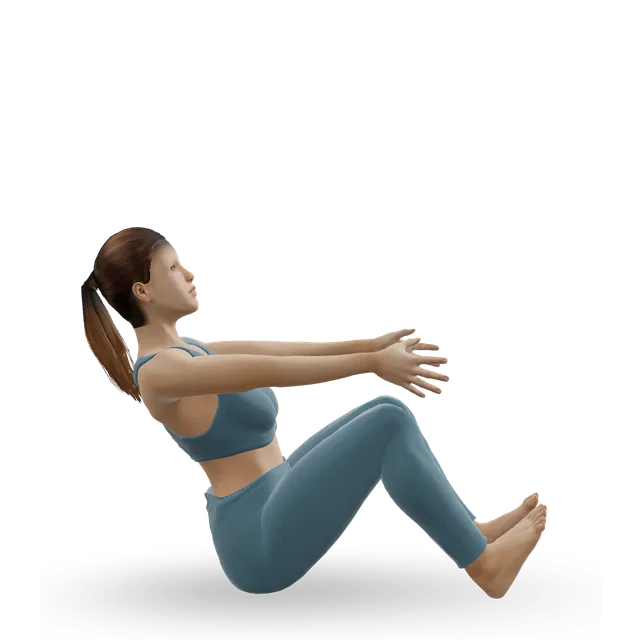
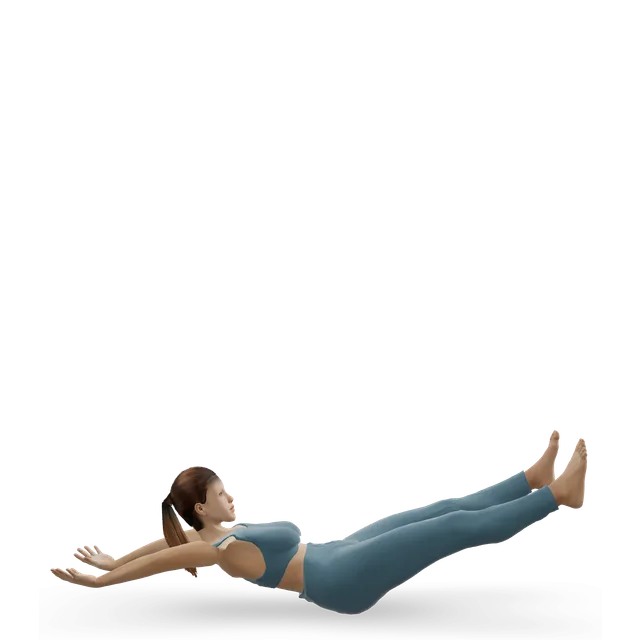
In 22 trained practitioners, boat pose worked the front tummy muscles above half of their maximum and plank about a third, while cat-camel, camel, downward dog and the warrior poses stayed under a fifth. Of four poses in another study, plank worked the six-pack muscle and the obliques most, and in a third, high plank, low plank and downward dog worked the outer obliques most of 11 poses.

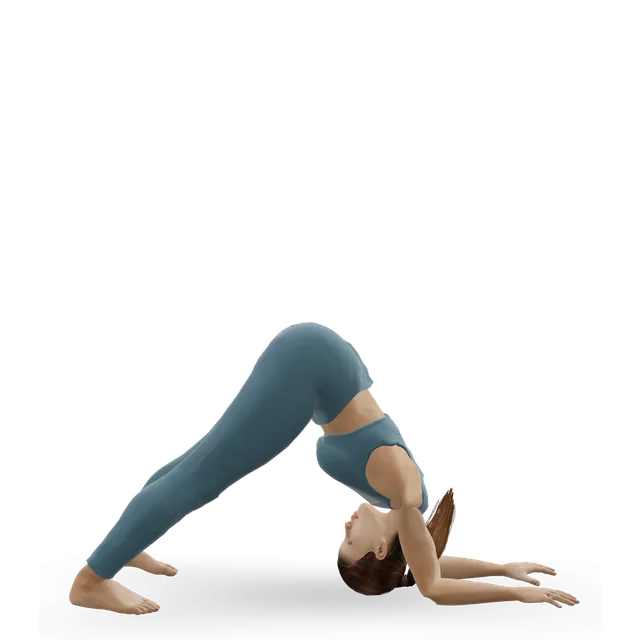
In 14 men, downward dog worked the obliques and the front hip muscles about as hard as a forearm plank. A dolphin plank was the hardest of three poses for the tummy and back muscles in a fifth study.

Sources 1, 20, 21, 2, 15

Back of the body and hipsEmerging evidence

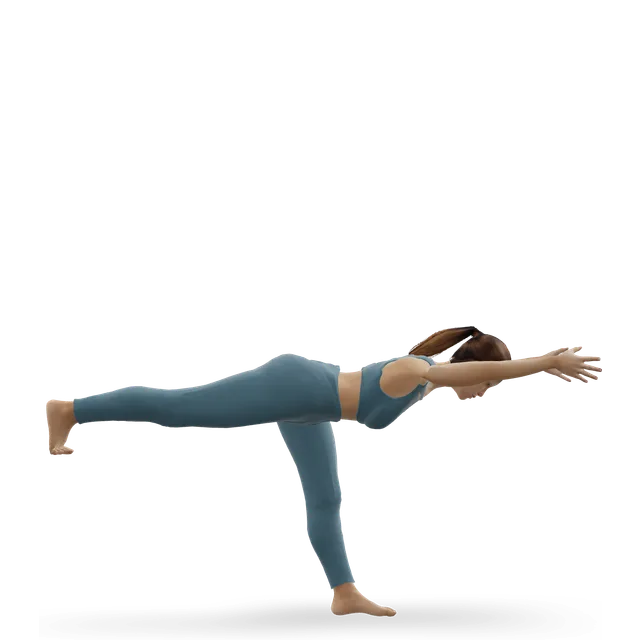
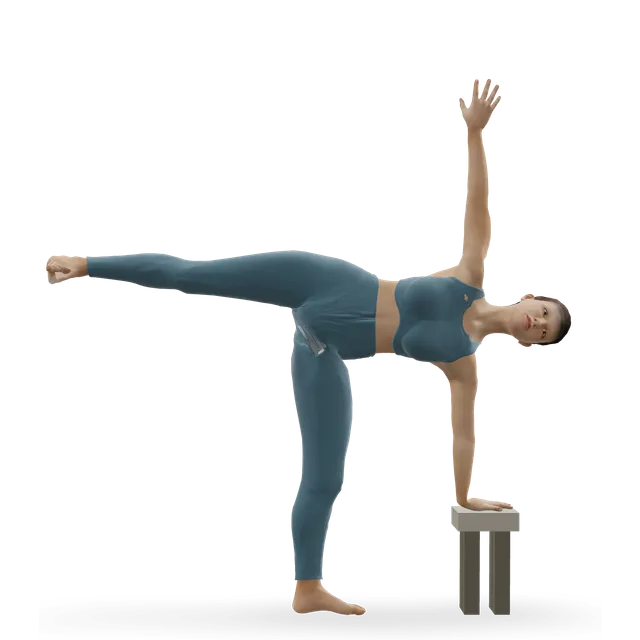
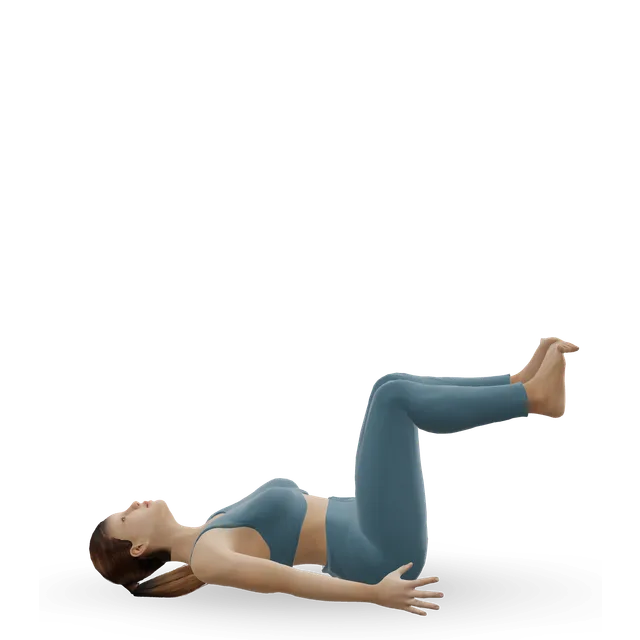
Reverse boat, a face-down chest and leg lift, worked the back muscles harder (41.7% of maximum) than bow pose, cobra and the warrior poses in the 16-pose study, and chair pose worked the lower back muscles most of four poses in another. Of five poses, half moon and warrior III worked the glutes hardest, and locust thickened the deep back muscles on ultrasound.

Sources 1, 20, 22, 23

Pelvic floorEmerging evidence

In one study, locust activated the pelvic floor far more than a front plank (63.5% against 26.3% of maximum), with side angle and side plank in between.

Source 24

Moving between posesEmerging evidence

In sun salutations, every muscle measured was more active while moving between poses than while holding them, and a faster flow worked the muscles harder overall.

Sources 25, 26

Yoga poses and gym exercisesEmerging evidence

In general exercise studies, the side bridge and the arm-and-leg lift on all fours reached the rule-of-thumb strengthening range for some hip and trunk muscles, and free-weight lifts such as squats and deadlifts worked the tummy and back muscles hardest of all. Yoga poses weren't part of those comparisons.

Sources 13, 14

What the trials found

Trunk endurance improved, in non-randomised studiesEmerging evidence

In 72 healthy adults who chose to join, 25 hour-long hatha classes with trunk stabilisation work over 3 months lengthened a front trunk hold by 90.8 seconds (52.5%), against 13.6 seconds in a matched group, and a back hold by 48.9 seconds, against a fall of 9.6; side holds improved clearly on one side only. Results varied widely from person to person.

In young women, 10 weekly beginner classes raised plank time from 79 to 99 seconds, with no comparison data. A 21-day yoga course and a 3-month yoga-based programme also improved core measures, without randomised comparison groups.

Sources 3, 27, 28, 29

Young athletesMixed evidence

Randomised trials in 40 junior tennis players, 82 cricketers and 20 fencers found better scores on core stability and movement tests after yoga. They used sport-style tests rather than core strength itself, and in the tennis players core strength rose in the comparison group too.

Sources 30, 31, 32

Yoga or Pilates for the coreMixed evidence

We found no trial that compared core strength between yoga and Pilates. In the fencers, both improved a movement screen.

Sources 33, 32

Core work and back pain

Yoga helps back pain a littleStrong evidence

In 21 trials (2,223 people), yoga reduced pain by about 4.5 points out of 100 and improved function a little at 3 months compared with no exercise, less than the amount people usually notice, and it did about as well as other back exercise. More back pain was the commonest side effect.

Source 4

Deep core training isn't specialStrong evidence

Exercises aimed at the deep core muscles, called motor control or stabilisation exercise, did no better than other exercise in two reviews of 29 studies each, and exercise in general reduced back pain across 249 trials. Choose the exercise you'll keep doing; our yoga for back pain guide has a gentle sequence.

Sources 5, 34, 35

Bracing or pulling your belly in

Brace, don't hollowEmerging evidence

In a lab and modelling study of 8 men, bracing the whole trunk gave 32% more spine stability than hollowing (drawing the belly button in), and the deepest tummy muscle added 0.14% of the brace's stability. In another small study, hollowing didn't steady the spine against sudden loads, and in a review of 15 studies, changes in the deep muscles didn't explain recovery from back pain.

Sources 6, 7, 36

What to do

Keep breathing, keep your ribs and pelvis steady, and firm your middle as if expecting a gentle poke. "Draw your navel in" is a cue some people like, not a rule; our Pilates core guide says the same.

Belly fat

No spot reductionStrong evidence

Six weeks of abdominal exercise, 5 days a week, didn't change belly fat or waist size in 24 adults, though they managed more curl-ups. A review of 13 studies of training one limb found no local fat loss. One trial in 16 men found slightly more trunk fat lost (697 g) when tummy exercises were added to running, with the same total fat loss.

Sources 8, 9, 37

Whole programmes can trim the waist a littleEmerging evidence

In 60 women with abdominal obesity, 12 weeks of yoga reduced waist size by 3.8 cm compared with a waiting list. That was the whole programme, about 30 hours of yoga, not toning one area: our yoga for weight loss guide covers it.

Source 38

The pelvic floor

Locust works it, but that isn't treatment for leaksEmerging evidence

Locust strongly activated the pelvic floor in a lab study, but in 240 women aged 45 to 90 who leaked every day, 12 weeks of pelvic yoga reduced leaks by 2.3 a day against 1.9 with a general exercise programme: no clear difference. If you leak, do pelvic floor exercises every day, and see a GP or pelvic health physiotherapist if it isn't improving.

Sources 24, 10

The bandhasMixed evidence

We found no study of the bandhas and core strength. Uddiyana bandha briefly raised diastolic blood pressure, so skip it if you have high blood pressure.

Sources 18, 19

How to practise for your core

How often

The trunk endurance study used two classes a week, and the NHS asks for muscle-strengthening on at least 2 days a week. Our editorial starting point: our 20-minute class twice a week.

Sources 3, 39

How long to hold

For planks, 3 holds of 20 to 45 seconds is plenty, ending each one when your hips sag or your back arches (our plank guide). Once 30 seconds feels easy, make the pose harder rather than longer.

How to make it harder

Lengthen the lever (straighter legs in boat pose, a full plank instead of a knee plank), lift a limb (three-legged dog, a side plank with a leg lift), and move slowly between poses, which worked the muscles harder than holding in lab studies. A long-lever plank with the pelvis tucked under worked the tummy harder than a standard plank in one.

Sources 40, 2, 26

Breathe

Keep breathing through every hold. With high blood pressure, don't strain, as the plank pages say.

Front and sides of the trunk

Straight-arm plank: 3 holds of 15 to 30 seconds (the move's page). Knee and forearm planks: up to 3 holds of 20 to 45 seconds (our plank guide). Knee side plank: 15 to 20 seconds each side, as in our beginner core workout, before the full side plank. Boat pose: 3 holds of 3 to 5 breaths with your knees bent, and plank-to-dog waves: 5 slow ones (our editorial starting points). Keep head-down time short in dog and dolphin with glaucoma or uncontrolled high blood pressure.

Back and hips

Bird dog: 6 each side, as in our beginner core workout, holding 3 to 5 seconds. Locust: 3 lifts held for 3 to 5 breaths; bridges: 10 slow lifts; chair pose: 2 holds of 5 breaths; warrior III and half moon: 3 to 5 breaths each side, by a wall (our editorial starting points).

Breathing, warm-up and the pelvic floor

Cat-cow for 8 slow waves, slow breathing for at least 5 minutes and corpse pose for 5 to 10 minutes (the moves' pages). Pelvic floor exercises: start with 8 slow holds of up to 10 seconds and 8 quick squeezes, three times a day (the move's page). The lying twist: 45 seconds each side (editorial).

A plank-to-downward-dog wave, step by step

In lab studies, moving between poses worked the muscles harder than holding them, and downward dog worked the obliques about as hard as a forearm plank. Five waves is our editorial starting point.

  1. Start in a high plank: hands under your shoulders, body in one line from head to heels.
  2. Breathe out and lift your hips up and back into downward dog, pressing the floor away. Bend your knees as much as you need.
  3. Breathe in and come forward into the plank again, keeping your middle firm and your hips level.
  4. Move slowly, taking a full breath each way.
  5. Do 5 waves, resting on your knees when you need to.

See the movement on the 3D figure: Downward-facing dog (Adho Mukha Svanasana)

Workouts to follow

Start with our 20-minute yoga for core class twice a week (our editorial starting point). The beginner core workout and the McGill routine add non-yoga moves; the pelvic floor routine is the one for leaks.

Yoga for core strength: a 20-minute practice

Twenty minutes of plank, side plank, boat pose, back lifts and standing balances: the yoga poses that work the trunk hardest, with easier and harder options.

20 minBeginner13 movesNo equipment

Beginner core workout

A 15-minute beginner core workout on the floor: dead bugs, bird dogs, knee planks, side planks and curl-ups.

15 minBeginner6 movesNo equipment

McGill big 3 core routine

The McGill big three for the core: curl-ups, side planks and bird dogs, each held for 10 seconds at a time in falling sets of 5, 3 and 1 reps.

12 minBeginner3 movesNo equipment

Plank challenge workout

A 12-minute plank session for the 30-day plank challenge: front planks that get harder, not longer, plus side planks and bird dogs for the whole trunk.

12 minBeginner12 movesNo equipment

Ab workout (no equipment)

An intermediate ab workout with no equipment: planks, side planks, reverse crunches, hollow holds and mountain climbers.

20 minIntermediate7 movesNo equipment

Yoga and Pilates workout (try both)

A 25-minute beginner session pairing each Pilates move with its yoga cousin: Pilates moves through repetitions, yoga holds the pose with the breath.

25 minBeginner16 movesNo equipment

Power yoga workout: a 40-minute strong flow

A 40-minute power yoga workout: sun salutations, lunges, strength holds, balances, core work and backbends, moving with the breath, then a rest.

40 minIntermediate18 movesA step

Daily pelvic floor workout

A 5-minute daily pelvic floor workout for women and men: slow holds and quick squeezes, three times a day, with how to find the right muscles.

5 minBeginner2 movesNo equipment

A plan to follow

A month of gradually longer and harder planks.

When to get help

These are the same warning signs as our Pilates core guide. A&E means accident and emergency. In the US, call 911 for 999, and contact your doctor or urgent care for NHS 111.

Back pain: call 999 or go to A&E

If back pain comes with pain, tingling, weakness or numbness in both legs; loss of feeling around your genitals or anus; changes in your bladder or bowels; or chest pain; or if it started after a serious accident.

Source 41

Call NHS 111 or get an urgent GP appointment

For a bulge in your groin or tummy that is painful, or comes with a swollen tummy, being sick or constipation, as our guide to exercise for men explains.

See a GP or pelvic health physiotherapist

For leaking, a dragging or bulging feeling in the vagina, pelvic pain or pain during sex. After a birth, follow our postpartum guide on when to see a GP about a tummy gap.

During any session

Stop for chest pain or pressure, unusual breathlessness, dizziness or fainting. Call 999 for chest pain that comes on suddenly and doesn't go away, or spreads to your arms, neck, jaw, stomach or back.

Source 42

Pregnancy, after birth and heart conditions

Boat pose's page says to avoid it in pregnancy and after recent tummy surgery. The plank pages say that in the first weeks after giving birth the NHS advises avoiding sit-ups and planks to start with, and to avoid planks with heart failure. Face-down poses get uncomfortable as a bump grows: bird dog on all fours works instead.

Myths

"Core yoga burns belly fat"Strong evidence

Exercising one area doesn't burn the fat over it: 6 weeks of daily ab exercises changed no fat measure, and 13 studies found no local fat loss. Whole yoga programmes can reduce waist size a little, as part of the whole week.

Sources 8, 9, 38

"Yoga is just stretching and doesn't work your abs"Emerging evidence

In small lab studies, boat pose and plank worked the front tummy muscles hard, and downward dog worked the obliques as hard as a forearm plank. Twice-weekly classes lengthened trunk hold times in a 3-month study.

Sources 1, 2, 3

"Always pull your navel to your spine"Emerging evidence

Bracing the whole trunk steadied the spine more than hollowing in small lab studies, and changes in the deepest tummy muscle don't explain recovery from back pain. It's a cue, not a rule.

Sources 6, 7, 36

"A strong core prevents or cures back pain"Strong evidence

Yoga helps back pain a little, about as much as other back exercise, and exercises aimed at the deep core muscles do no better than other exercise.

Sources 4, 5, 34

"The bandhas are yoga's core training"Mixed evidence

We found no study that measured their effect on core strength; the review that promoted them as core training gave no data, and uddiyana bandha briefly raises blood pressure.

Sources 18, 17, 19

"The longer you hold a plank, the better"

Our plank guide suggests 3 holds of 20 to 45 seconds and says longer isn't better. To keep progressing, make the plank harder: a longer lever worked the tummy harder in a lab study.

Source 40

Questions people ask

Does yoga strengthen your core?

Yes, mostly its endurance. In small lab studies, boat pose and plank worked the front tummy muscles hard, and in a 3-month study, twice-weekly hatha classes with trunk work lengthened trunk-muscle hold times by 15% to 50%. Most poses train holding power rather than maximal strength.

Which yoga poses are best for core strength?

Boat pose, plank, side plank, downward dog and dolphin plank for the front and sides, and locust, chair pose, warrior III and half moon for the back and hips. A slow wave from plank to downward dog adds work, because moving between poses works the muscles harder than holding them.

Is yoga or Pilates better for core strength?

No trial has compared them for core strength. Pilates focuses on the trunk more of the time, while yoga mixes core work with standing strength and balance, so choose the one you enjoy and will keep doing.

Can yoga give you abs or a six pack?

Yoga strengthens the tummy muscles, but whether they show depends on body fat, which ab exercise doesn't burn locally. Our how to get abs and yoga for weight loss guides cover what changes body fat.

Does core yoga burn belly fat?

No exercise burns the fat over the muscle you're working: 13 studies found no local fat loss. A 12-week yoga programme reduced waist size by 3.8 cm in women with abdominal obesity, as a whole programme rather than by toning.

How long should I hold a plank in yoga?

Three holds of 20 to 45 seconds is plenty, ending each one when your hips sag or your back arches. When 30 seconds feels easy, make the pose harder rather than longer, with straighter legs or a lifted limb.

Is a yoga plank different from a regular plank?

Yoga usually uses a high plank on straight arms, while the gym plank is usually on the forearms. In one small study, the forearm plank and downward dog worked the obliques harder than a high plank. High plank loads the wrists, so use your forearms or fists if they hurt.

Should I pull my belly button in during yoga?

You don't need to. Bracing the whole trunk steadied the spine more than drawing the navel in, and the deep muscle that hollowing targets doesn't explain recovery from back pain. Keep breathing and keep your middle firm and still.

Will yoga for the core help my back pain?

It helps a little: in 21 trials, yoga lowered pain by about 4.5 points out of 100 compared with no exercise, and did about as well as other back exercise. Exercises aimed at the deep core muscles weren't better than other exercise; our yoga for back pain guide has a gentle sequence.

Is yoga good for the pelvic floor?

Locust activated the pelvic floor strongly in one lab study, but in 240 women who leaked daily, a pelvic yoga programme didn't beat a general exercise programme. If you leak, do daily pelvic floor exercises, and see a GP or pelvic health physiotherapist if it isn't improving.

How often should I do yoga for my core?

Twice a week is a good start: the study that improved trunk endurance used two classes a week, and the NHS asks for strength work on at least 2 days. Keep sessions short and make the poses harder rather than longer.

Can I do core yoga when pregnant or after giving birth?

Boat pose isn't advised in pregnancy, and face-down poses get uncomfortable as your bump grows, so use all-fours moves like bird dog instead. In the first weeks after giving birth, the NHS advises avoiding sit-ups and planks to start with; our postpartum guide explains how to build up.


Sources

  1. Dewan 2023 · Trunk and hip muscle activity in 16 yoga poses used for back pain: 22 practitioners (lab study, J Bodyw Mov Ther)
  2. Okubo 2024 · Muscle activity in yoga-style stabilisation exercises: 14 men (lab study, J Bodyw Mov Ther)
  3. Petrič 2024 · Hatha yoga with trunk stabilisation work and trunk endurance: 72 adults (non-randomised controlled trial, Front Public Health)
  4. Wieland 2022 · Yoga for chronic non-specific low back pain: 21 trials, 2,223 people (Cochrane review)
  5. Saragiotto 2016 · Motor control exercise for chronic low back pain: 29 trials (Cochrane review)
  6. Grenier 2007 · Bracing or hollowing the abdomen and spine stability: 8 men (lab and modelling study, Arch Phys Med Rehabil)
  7. Vera-Garcia 2007 · Bracing, hollowing and sudden loads on the trunk: 11 men (lab study, J Electromyogr Kinesiol)
  8. Vispute 2011 · Abdominal exercise and belly fat: 24 adults (randomised trial, J Strength Cond Res)
  9. Ramirez-Campillo 2022 · Spot reduction: 13 studies of training one limb (systematic review and meta-analysis, Hum Mov)
  10. Huang 2024 · Pelvic yoga or physical conditioning for leaking: 240 women aged 45 to 90 (randomised trial, Ann Intern Med)
  11. Kibler 2006 · The role of core stability in athletic function (review, Sports Med)
  12. Akuthota 2004 · Core strengthening (review, Arch Phys Med Rehabil)
  13. Ekstrom 2007 · Trunk, hip and thigh muscle activity in 9 rehabilitation exercises: 30 adults (lab study, J Orthop Sports Phys Ther)
  14. Oliva-Lozano 2020 · Core muscle activity during fitness exercises: 67 studies (systematic review, Int J Environ Res Public Health)
  15. Akshay 2024 · Abdominal and back muscle activity in dolphin pose, dolphin plank and high plank (lab study, J Bodyw Mov Ther)
  16. McGill 1999 · How long healthy young adults hold trunk endurance tests: 75 people (normative study, Arch Phys Med Rehabil)
  17. Omkar 2009 · Yoga techniques as a means of core stability training (review, J Bodyw Mov Ther)
  18. Europe PMC · Search for the bandhas (uddiyana, nauli, mula bandha): 30 records, none measuring core strength or trunk muscle activity (25 October 2026)
  19. Nataesh 2025 · Uddiyana bandha, blood pressure and heart rate variability: 30 students (randomised crossover study, J Bodyw Mov Ther)
  20. Beazley 2017 · Trunk and hip muscle activity in four yoga poses (lab study, Complement Ther Clin Pract)
  21. Ni 2014 · Core muscle activity in 11 yoga poses: 30 practitioners (lab study, Complement Ther Med)
  22. Lehecka 2021 · Glute muscle activity in five yoga poses: 31 adults (lab study, Int J Sports Phys Ther)
  23. Liu 2021 · Back muscle thickness during locust pose on ultrasound: 52 adults (lab study, BMC Sports Sci Med Rehabil)
  24. Blagg 2023 · Pelvic floor muscle activity in four yoga poses (lab study, Complement Ther Clin Pract)
  25. Mullerpatan 2020 · Muscle activity during sun salutations: 8 trained practitioners (lab study, Int J Yoga)
  26. Potiaumpai 2017 · Muscle activity in fast and standard-speed sun salutations (randomised crossover study, Complement Ther Med)
  27. Csala 2021 · Weekly beginner hatha yoga: 82 young women (non-randomised controlled study, Front Public Health)
  28. Kumar 2016 · A 21-day hatha yoga course, core stability and balance (study with no comparison group, Adv Mind Body Med)
  29. Koncz 2024 · A 3-month yoga-based programme and body measures: 75 middle-aged adults (quasi-randomised study, Biol Futur)
  30. Gergüz 2023 · Online yoga and core stability: 40 junior tennis players (randomised trial, Complement Med Res)
  31. Rao 2021 · Yoga and muscle function: 82 male cricketers (randomised trial, J Bodyw Mov Ther)
  32. Lim 2024 · Pilates or yoga for balance and movement: 20 female fencers (randomised trial, Life)
  33. Europe PMC · Search for trials of yoga and Pilates and core or trunk strength: 29 records, none comparing core strength between them (25 October 2026)
  34. Smith 2014 · Stabilisation exercises for low back pain: 29 studies (systematic review and meta-analysis, BMC Musculoskelet Disord)
  35. Hayden 2021 · Exercise therapy for chronic low back pain: 249 trials (Cochrane review)
  36. Wong 2014 · Do changes in the deep trunk muscles explain recovery from back pain? 15 studies (systematic review, J Pain)
  37. Brobakken 2023 · Abdominal exercise added to running and trunk fat: 16 men (randomised trial, Physiol Rep)
  38. Cramer 2016 · Yoga for abdominal obesity: 60 women (randomised trial, Dtsch Arztebl Int)
  39. NHS · Physical activity guidelines for adults aged 19 to 64 (last reviewed May 2024)
  40. Schoenfeld 2014 · A long-lever plank against the standard plank: 19 adults (lab study, Sports Biomech)
  41. NHS · Back pain (last reviewed March 2026)
  42. NHS · Chest pain (past its review date: reviewed August 2023, review due August 2026)

Exercise education, not a personal prescription, and clinical review of these guides is pending. If you are pregnant, have a health condition such as glaucoma, high blood pressure or osteoporosis, or have had recent surgery, check with a doctor, midwife or physiotherapist before starting, and stop for sharp or increasing pain. Health disclaimer.