Exercise narrows the gap a littleEmerging evidence
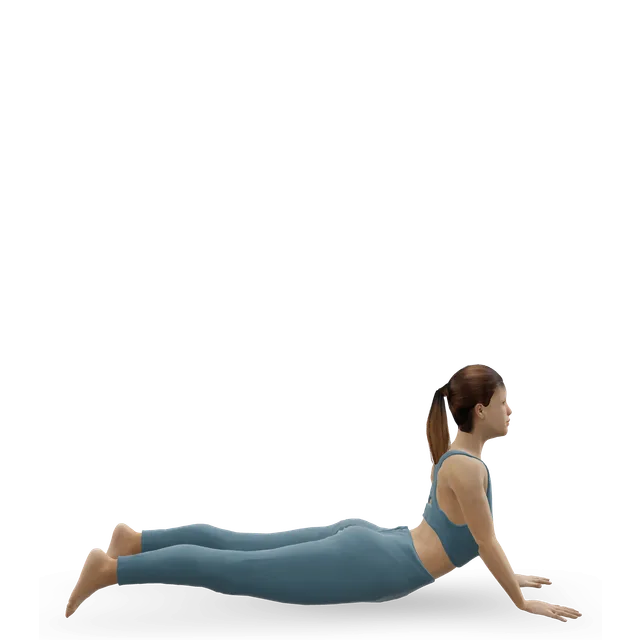
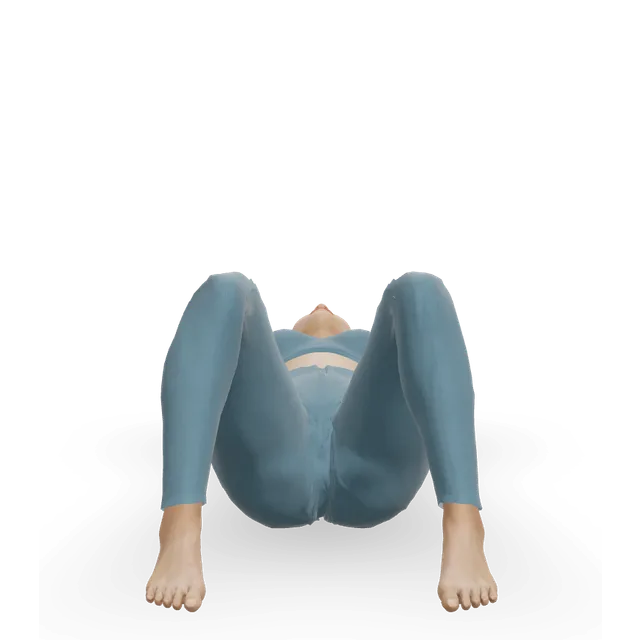
Reviews of trials in women after birth compared exercise with no exercise or usual care. The gap narrowed by an extra 4.3 mm in a 2023 review of 16 trials (moderate certainty), 5.2 mm in a 2025 review (low certainty), 4.8 mm in a network analysis of 21 trials, 6.8 mm in another 2025 review (very low certainty) and 8.1 mm in a 2026 review of 9 trials. Follow-up was weeks to a few months, the trials varied a lot, and they used different ways of measuring the gap.
Sources 4, 5, 24, 25, 6, 26
No clear change in function, and no best type of exerciseEmerging evidence
In the reviews that measured disability, the narrowing didn't come with a clear improvement. Types of training didn't differ clearly. Training aimed only at the deepest tummy muscle showed no clear effect in a 2026 review of 15 studies, after an earlier review of 7 trials had found a small effect from very low-quality evidence.
Sources 6, 27, 28, 29, 30
Pilates for the gap: small studiesMixed evidence
In 35 first-time mothers who weren't randomised, 4 weeks of Pilates (50 minutes, 5 times a week) narrowed the gap by 0.3 to 0.65 cm against 0.06 to 0.18 cm without it, and the waist by about 3 cm; most of the gaps were under 2 cm to start with. A network meta-analysis of 17 studies ranked Pilates highly at the level of the belly button, but we could read only its abstract, which doesn't name the Pilates trials. Our search found no other Pilates studies of the gap in PubMed.
Sources 8, 9, 31
One small trial found much bigger changesEmerging evidence
In a trial of 21 women aged 50 to 65, not after a recent birth, 12 weeks of mat Pilates 3 times a week narrowed gaps by about 2 cm, measured with calipers while the women curled up. That is far more than any other trial has found, in a tiny group, so treat it as an outlier rather than what to expect.
Source 32
Curl-ups didn't widen the gapEmerging evidence
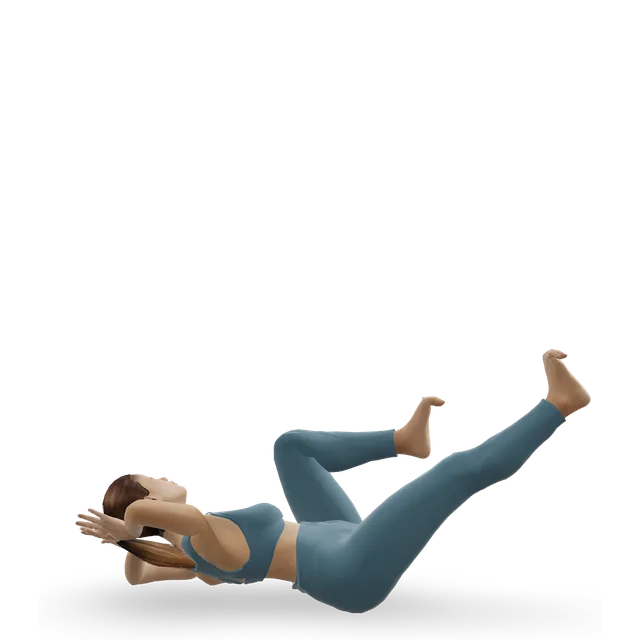
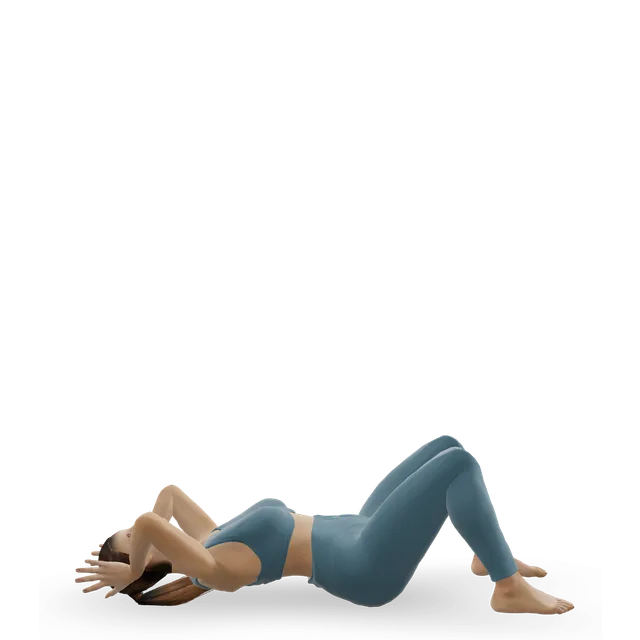
In 70 women with a gap 6 to 12 months after the birth, 12 weeks of head lifts, curl-ups and twisted curl-ups at home, about 10 minutes 5 days a week, left the gap unchanged (a difference of 1 mm, somewhere between 1 mm narrower and 4 mm wider) and made the six-pack muscle thicker and stronger. In pregnancy, adding tummy exercises, crunches included, didn't widen the gap more than general exercise, in trials of 96 and 63 women.
Sources 10, 33, 34, 35
What happens to the gap during the exerciseStrong evidence
On ultrasound, a head lift or curl-up narrows the gap while you do it: by about 10 mm above the belly button in one study of 38 women. Drawing your tummy in as hard as you can widens it slightly below the belly button, by about 3 to 5 mm, in women after birth and in pregnancy.
Sources 36, 37, 38, 39
The midline can sag during curl-upsMixed evidence
Curl-ups can make the band down the middle sag or bulge more than gentler exercises, and drawing the tummy in first reduced this in one study. Nobody knows yet whether this affects how the gap heals, and the way it's measured hasn't been validated.
Sources 40, 41, 42, 43
Most of the closing happens by itselfStrong evidence
Gaps narrow most in the first 2 months after birth and keep narrowing through the first year. In 175 first-time mothers, a weekly postnatal class with pelvic floor and tummy strengthening from 6 weeks didn't change how many had a gap at 6 or 12 months.
Sources 3, 16, 17, 44
Pelvic floor training helps with leakingStrong evidence
Pelvic floor exercises after birth lowered the odds of leaking urine by about a third in a 2025 review, and the NHS and the physiotherapists' booklets recommend them for everyone after a birth.
Sources 1, 11, 5
Corsets, hypopressives and electrical stimulationMixed evidence
Exercise with electrical muscle stimulation or a corset narrowed the gap a little more than exercise alone in some trials. Hypopressive breathing exercises didn't narrow it more than ordinary tummy exercises in two small trials, though one found better body image and fewer pelvic floor complaints.
Sources 24, 45, 46, 47