Sun salutation A (Surya Namaskar A)
The standing fold, plank, chaturanga, upward and downward dog linked to the breath and repeated as a flow.
Sun salutation family
Sun salutation A (Surya Namaskar A)
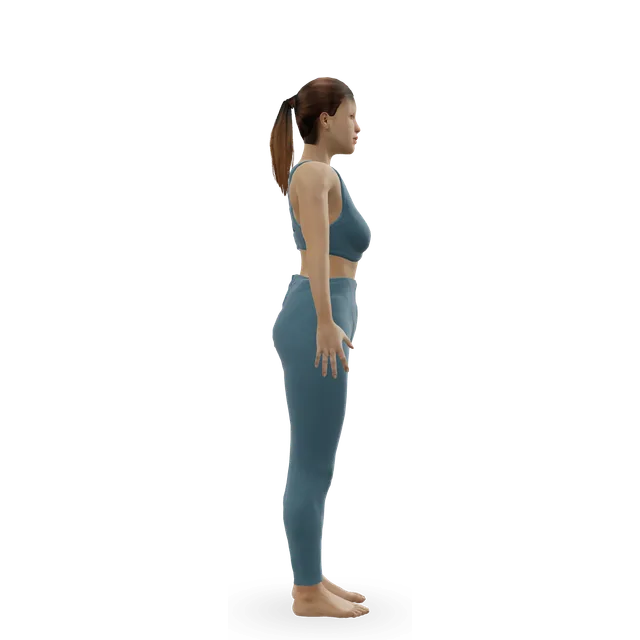
Loading the 3D figure…
Source-researched guide.
How to move
- From standing, reach up, fold forward, lift halfway and step or jump back to plank.
- Lower through chaturanga, lift into upward dog, then press back to downward dog for five breaths.
- Step forward, fold, and rise back to standing; repeat, one movement per breath.
Form cues
- Lower to the knees in chaturanga if the trunk sags.
- Move with the breath rather than rushing.
Practice and cautions
No universal dose is assigned. Choose a manageable amount for your current capacity, leave room for controlled repetitions, and allow recovery. A clinician’s individual plan takes priority.
The chaturanga-to-upward-dog step is where shoulders and wrists quietly accumulate load over many rounds, so substitute knees-chest-chin and cobra freely. Move slowly through the folds with low back or hamstring trouble, and skip the jump-backs entirely at first. With glaucoma or high blood pressure that isn't under control, keep the head-down parts brief. In pregnancy, as your bump grows, swap the face-down steps for all fours and step rather than jump. With osteoporosis, avoid deep or repeated rounding of the spine: keep the forward folds to a flat-back half way. With proliferative or severe non-proliferative diabetic retinopathy, or after recent eye laser treatment or surgery, leave out head-down positions until your eye team says they are safe. With vertigo or BPPV, head-down positions, lying back quickly and tipping your head back can bring on a spin: move into and out of them slowly, sit up slowly, and leave them out during a bad spell. This is movement education, not an assessment or treatment prescription. Stop for sharp or increasing pain, dizziness, numbness or tingling; seek individual guidance for symptoms, injury or restrictions.
Sources and review status
Sources support the educational description; they do not establish that this exercise is suitable for you.
- Yoga International · To B or not to B (sun salutation B the more advanced practice, with stronger postures) ↗
- ACE · A beginner's guide to sun salutations (sphinx, then cobra, then upward-facing dog) ↗
No variation is labeled clinically validated.
What it works
Muscles
Main: Shoulders, Hamstrings. Also: Triceps, Abs, Back.
Anatomy: Deltoid, Rotator cuff, Supraspinatus, Infraspinatus, Subscapularis, Teres minor.
Equipment
None: body weight and floor space.
Level
Intermediate. See the easier and harder options above.
Workouts that use it
- Sun salutation flow · 20 min
- Sun salutation for beginners (step by step) · 20 min
- Walk and yoga workout · 45 min
- Vinyasa flow for beginners: a 30-minute slow flow · 30 min
- Ashtanga yoga for beginners: a 40-minute short form · 40 min
- Power yoga workout: a 40-minute strong flow · 40 min
- Strength yoga: a 35-minute workout with a band · 35 min
- Yoga for legs: a 25-minute strength and stretch routine for thighs, glutes and calves · 25 min
Show all 15 workoutsShow fewer workouts
- Yoga for stress relief: a 20-minute class to breathe, loosen, move and slow down · 20 min
- Yoga for erectile dysfunction: a 40-minute class with a brisk walk, standing poses and pelvic floor training · 40 min
- Yoga for teens: a 25-minute class for strength, balance and a calm finish, with a 10-minute exam-week version · 25 min
- Yoga for longevity: a 35-minute class for strength, balance, stamina and getting up from the floor · 35 min
- Yoga for stamina: a 30-minute flow that keeps you moving · 30 min
- Yoga for the splits: a 30-minute class for the front and middle splits · 30 min
- Yoga for women over 50: a 35-minute class for strength, bone, balance and the pelvic floor · 35 min
Pain guides that use it
Part of a staged plan, with when to get help first.
Guides that use it
- Yoga guide
- Yoga for beginners guide
- Types of yoga guide
- Sun salutation guide
- Yoga for back pain guide
- Yoga for seniors guide
- Benefits of yoga guide
- Yoga for weight loss guide
Show all 80 guidesShow fewer guides
- Vinyasa yoga guide
- Yoga for runners guide
- Ashtanga yoga guide
- Power yoga guide
- Yoga for shoulder pain guide
- Yoga for arthritis guide
- Yoga for PCOS (PMOS) guide
- Yoga for strength guide
- Morning yoga guide
- Yoga for mobility guide
- Yoga for depression guide
- Yoga for energy guide
- Yoga for athletes guide
- Yoga for the pelvic floor guide
- Yoga for osteoporosis guide
- Yoga for fibromyalgia guide
- Yoga for MS guide
- Yoga for Parkinson's guide
- Yoga for carpal tunnel guide
- Yoga for plantar fasciitis guide
- Yoga for ADHD guide
- Yoga for cyclists guide
- Yoga for glowing skin guide
- Yoga for stress relief guide
- Yoga for memory and concentration guide
- Yoga for acid reflux guide
- Yoga for immunity guide
- Yoga for addiction recovery guide
- Yoga for footballers guide
- Yoga for Achilles tendinopathy guide
- Yoga for gout guide
- Yoga for shin splints guide
- Yoga for whiplash guide
- Yoga for shoulder impingement guide
- Yoga for high cholesterol guide
- Yoga for fatty liver guide
- Yoga for low blood pressure guide
- Yoga for ovarian cysts guide
- Yoga for snoring and sleep apnoea guide
- Yoga for erectile dysfunction guide
- Yoga for gallstones guide
- Yoga for bipolar disorder guide
- Yoga for cerebral palsy guide
- Yoga for myasthenia gravis guide
- Yoga for muscular dystrophy guide
- Yoga for sprinters guide
- Yoga after spinal fusion guide
- Yoga after ACL surgery guide
- Yoga for teens guide
- Yoga for atrial fibrillation guide
- Yoga for breast cancer guide
- Yoga for heart failure guide
- Yoga for prostate cancer guide
- Yoga for diastasis recti guide
- Yoga for prolapse guide
- Yoga for chronic pain guide
- Yoga after gallbladder removal guide
- Yoga for belly fat guide
- Yoga for longevity guide
- Yoga for toning guide
- Yoga for cellulite guide
- Yoga for insomnia guide
- Yoga for the vagus nerve guide
- Yoga for hormone balance guide
- Yoga for love handles guide
- Yoga for back fat guide
- Yoga for stamina guide
- Yoga for the splits guide
- Yoga for the thighs guide
- Yoga for detox guide
- Fascia exercises guide
- Fascia stretching guide
Similar moves
 Compass pose (Parivrtta Surya Yantrasana)Advanced · No equipment
 Firefly pose (Tittibhasana)Expert · No equipment
 Visvamitra's pose (Visvamitrasana)Expert · No equipment
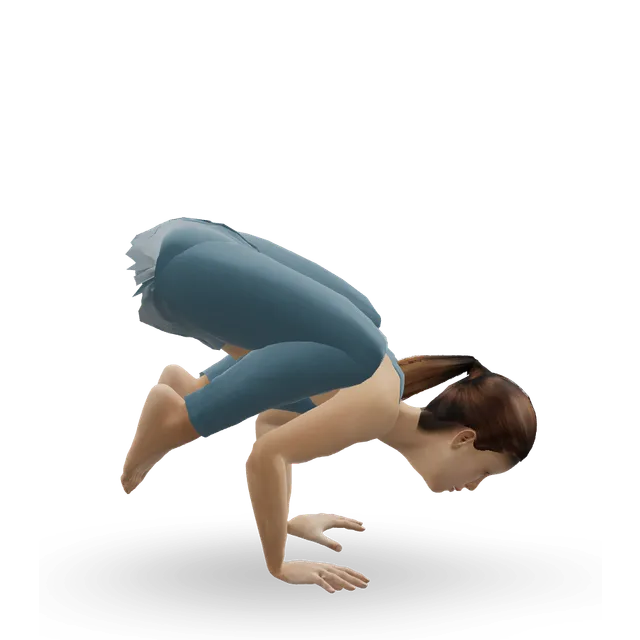 3D demoCrow pose (Bakasana)Intermediate · No equipment
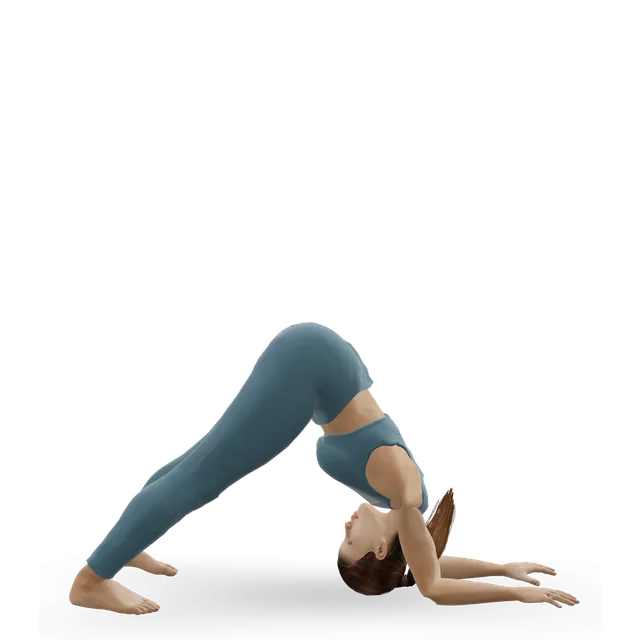 3D demoDolphin pose (Ardha Pincha Mayurasana)Intermediate · No equipment
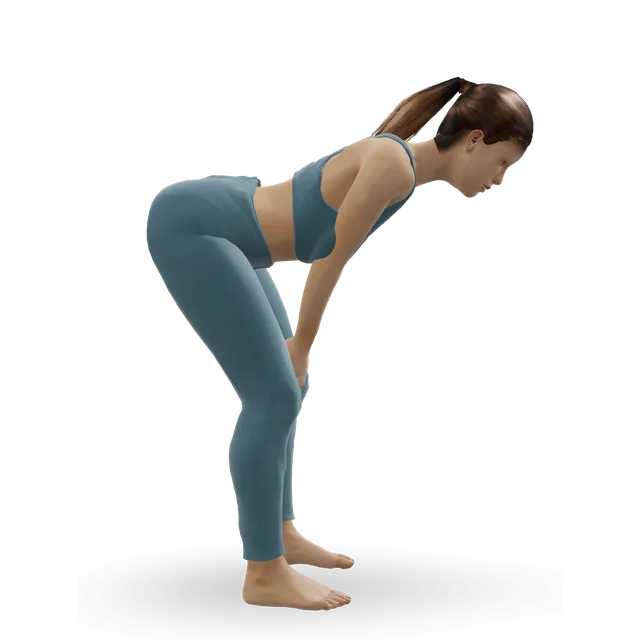 3D demoFlying sword (elastic forward swing)Intermediate · No equipment
Browse more
Questions people ask
What muscles does the Sun salutation A (Surya Namaskar A) work?
Mainly the shoulders and hamstrings, with help from the triceps, abs and back.
What equipment do I need for the Sun salutation A (Surya Namaskar A)?
No equipment: your body weight and a little floor space.
Is the Sun salutation A (Surya Namaskar A) good for beginners?
It is graded intermediate. If it is too hard right now, start with the Downward-facing dog (Adho Mukha Svanasana).
What is an easier alternative to the Sun salutation A (Surya Namaskar A)?
Try the Downward-facing dog (Adho Mukha Svanasana) or the Extended puppy pose (Uttana Shishosana). It works similar muscles at a lower grade.
How do I make the Sun salutation A (Surya Namaskar A) harder?
Progress to the Sun salutation B (Surya Namaskar B) or the Forearm stand (Pincha Mayurasana). Follow that guide’s technique and any stated timing.