Yoga for snoring and sleep apnoea (sleep apnea): what helps, what doesn't, and when to see a GP
Snoring is very common and usually harmless. Snoring with pauses in your breathing, gasping or choking at night, or always feeling tired in the day, can be obstructive sleep apnoea (sleep apnea in the US), which needs a GP (general practitioner). No pose or breathing practice opens your airway while you sleep, and yoga can't cure sleep apnoea or replace continuous positive airway pressure (CPAP), the machine that keeps the airway open through a mask. In the best trial, adding yoga to diet and exercise advice for a year didn't lower breathing pauses more than the advice alone.
What does help is being active, losing weight if you're overweight, sleeping on your side, cutting down on alcohol, and daily mouth and throat exercises, which made snoring quieter in small trials.
This guide covers where yoga fits (a moving class can count towards your weekly activity), the breathing practices to use and to skip, side sleeping, the driving rules, and the signs that need a GP.
Snoring is common; snoring with pauses is different
The NHS (National Health Service) says snoring "is very common and is not usually caused by anything serious". Obstructive sleep apnoea (OSA) is when your breathing stops and starts while you sleep; Asthma + Lung UK puts it at about 1 in 20 people. Pauses, gasping or choking at night, or always feeling tired in the day, mean a GP visit before any yoga.
No review of yoga for snoring or sleep apnoea exists. In the best yoga trial (37 people for a year), adding yoga to diet and exercise advice didn't lower the average number of breathing pauses more than the advice alone. Other yoga breathing trials were small and unblinded, and most didn't measure the pauses again. CPAP lowers them the most, by about 31 an hour across trials.
Exercise training cut breathing pauses by about 7 an hour across 12 trials (526 people), while the stretching group in the main trial didn't improve. Our reading: a moving or strong yoga class can count towards your weekly activity, but a gentle stretch class alone hasn't been shown to help.
Weight and sleeping position matter more than any pose
A 10% weight loss went with about 26% fewer pauses. More than half of people with sleep apnoea are worse on their back, and keeping off your back lowered the pauses by about 7 an hour, though less than CPAP. The NHS says sleep on your side, don't drink too much alcohol, and don't take sleeping pills unless a doctor recommends them.
Mouth and throat exercises are the only airway exercises with trials
Daily tongue, soft palate and cheek exercises probably eased sleepiness and may have lowered breathing pauses in small trials, and made snoring quieter; one 2025 trial found no benefit. Our sleep apnoea exercise guide has the steps.
If yoga or other exercise helps, your sleep service decides whether you still need CPAP. Breathing practices are for calm, not a treatment for the airway.
The NHS: "Snoring is caused by things such as your tongue, mouth, throat or airways in your nose vibrating as you breathe." It happens because these parts relax and narrow when you're asleep, and it's more likely if you're overweight, smoke, drink too much alcohol or sleep on your back.
NHS inform describes it as "a relatively common condition where the walls of the throat relax and narrow or close during sleep". Each blockage lasts 10 seconds or more. The apnoea-hypopnoea index (AHI), the number of pauses or near-pauses an hour, grades it: 5 to 14 is mild, 15 to 30 moderate and over 30 severe.
About 1 in 20 people, Asthma + Lung UK says. A modelling study funded by a maker of breathing machines estimated 936 million adults aged 30 to 69 worldwide with an AHI of 5 or more, counting raised readings rather than symptoms.
The National Institute for Health and Care Excellence (NICE) recommends advice on weight, smoking, alcohol and sleep habits for everyone with sleep apnoea, and CPAP as well for moderate or severe sleep apnoea. Its advice on sleep habits includes "exercising regularly" and "winding down before sleep". NICE makes no recommendation on yoga or on mouth and throat exercises. The NHS lists exercises for your mouth and facial muscles among other treatments.
Yoga is done awake, and snoring and pauses happen when the throat muscles relax in sleep. So any effect has to come indirectly: fitness and weight, the tongue and soft palate muscles (the mouth and throat routine, which classes don't usually include), sleep habits, and calm (our reading).
What the evidence says
Every yoga trial below is small and from a single centre; most were unblinded. None tested yoga instead of CPAP.
No review of yoga for snoring or sleep apnoeaStrong evidence
Our PubMed search (24 records for yoga, pranayama, bhramari, kapalbhati, ujjayi or lion pose with snoring or sleep apnoea) and Europe PMC found no review and no trial of humming bee breath (bhramari), lion's breath, kapalbhati or mudras for snoring or sleep apnoea.
The best yoga trial: no difference in breathing pausesMixed evidence
37 overweight adults with sleep apnoea in New Delhi had diet and exercise advice, with or without a yoga programme, for a year, with sleep studies before and after. There was no significant difference in the average AHI between the groups. More people in the yoga group had a 40% fall (8 of 18 against 2 of 19), a weaker way of looking at the results.
Online yoga: less sleepiness, pauses not measuredEmerging evidence
In 44 people with sleep apnoea (40 men), live online yoga for 60 minutes, 3 times a week for 12 weeks, improved sleepiness, sleep quality, breathing-muscle strength and fitness tests more than home chest exercises. The AHI wasn't measured, and the authors suggest yoga in addition to CPAP.
Pranayama: better sleep scores, pauses not re-measuredMixed evidence
In an open-label trial (38 people, 34 analysed), ujjayi, alternate nostril and slow breathing for 15 minutes, 3 times a day for 8 weeks, improved sleep quality and sleepiness scores more than no treatment. The AHI wasn't measured afterwards, the same physiotherapist taught and assessed, and the journal isn't indexed in MEDLINE. No harms were reported.
Cooling breath (shitali) in 40 people reported improvements only within the group, against a waiting list. Conch-shell blowing (38 randomised, 30 analysed) lowered sleepiness and the AHI against a deep-breathing control at 6 months; a published letter objected that withholding CPAP to test it raises ethical questions. Tai chi and qigong in 50 people lowered the AHI and sleepiness against home exercise.
Sleepiness and sleep quality, which people rate themselves, improved in several small unblinded trials. Breathing pauses either weren't measured, didn't differ between groups in the best trial, or came from small trials with weak controls.
Across 12 trials (526 people), exercise training lowered breathing pauses by about 7 an hour and sleepiness by about 2 points on the Epworth Sleepiness Scale, which runs from 0 to 24. In the main trial (43 people), 12 weeks of 150 minutes of moderate aerobic exercise a week plus strength training twice a week took the AHI from 32 to 25, without significant weight loss, while the stretching group's rose from 24 to 29.
Our reading: gentle stretching didn't help in that trial, so the yoga that may count is the kind that raises your heart rate and works your muscles, such as sun salutations and flowing or strong classes, on top of walking or cycling. No trial has tested that directly.
In 690 adults followed for 4 years, a 10% weight loss went with about 26% fewer pauses and a 10% gain with about 32% more. In trials, lifestyle programmes with weight loss made sleep apnoea milder, and some people no longer had it. The American Thoracic Society recommends a reduced-calorie diet, exercise and behavioural support for people with sleep apnoea who are overweight. If you choose to lose weight, it's one of the strongest changes you can make; it isn't the only one.
NICE estimates that more than half of people with sleep apnoea are worse on their back; community studies found it in 62% and 75%. Keeping people off their back lowered the AHI by about 7 against no treatment in 8 short trials, but less than CPAP, and NICE says it's unlikely to help in severe sleep apnoea.
Across 34 meta-analyses of 230 trials, CPAP lowered breathing pauses most, by about 31 an hour. The NHS says CPAP may feel strange at first, but it works best if you use it every night.
The NHS advises not drinking too much alcohol, especially before bed, not taking sleeping pills unless a doctor recommends them, and not smoking. NICE's sleep advice includes winding down before sleep, which is where slow breathing fits.
In a Cochrane review (9 trials, 347 people, 2 to 4 months), daily exercises for the tongue, soft palate and cheeks probably eased daytime sleepiness by about 4.5 points against sham exercises (moderate certainty) and may have lowered the AHI by about 13 (low certainty). Later reviews found the AHI 7.5 to 9.5 lower, mostly from trials at high risk of bias, and a 2025 trial of 32 people found no benefit.
In 39 people, the exercises cut snoring measured overnight. In a 125-person trial, partners rated snoring lower, but measured snoring and the AHI didn't change.
The European Respiratory Society doesn't suggest mouth and throat exercises as a standard treatment for sleep apnoea, and suggests CPAP instead. Against CPAP, the AHI was about 10 higher with the exercises alone. They are an add-on.
Learning the didgeridoo for 4 months lowered sleepiness and the AHI in one 25-person trial. Across 6 studies of singing and wind instruments, the effect was zero to small, on low-certainty evidence. A singing trial in snorers is in a journal not indexed in MEDLINE, lost a quarter of its participants and repeated no sleep studies.
About 8 minutes, 3 times a day, every day for at least 3 months, adapted from the move page's dose (from the 2015 snoring trial). There's no 3D demo, because the figure can't show the tongue and soft palate: the steps are in our sleep apnoea exercise guide. Stop if your jaw clicks, locks or hurts, as its page says.
Get fitter: moves that raise your heart rate and work your legs
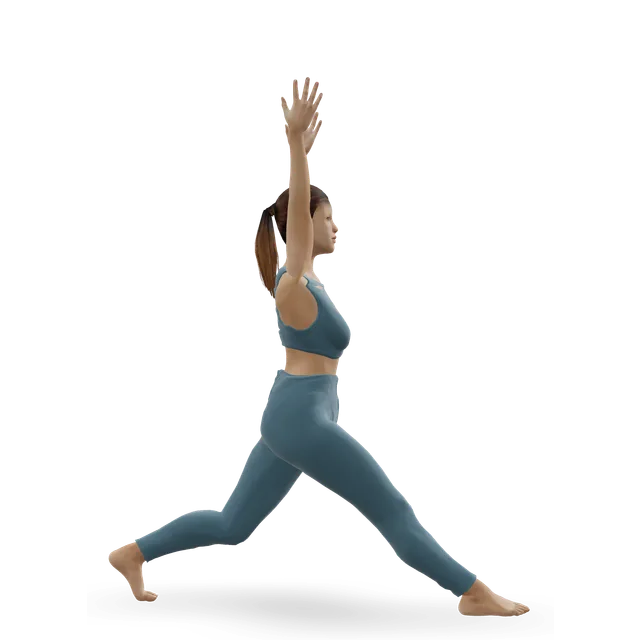
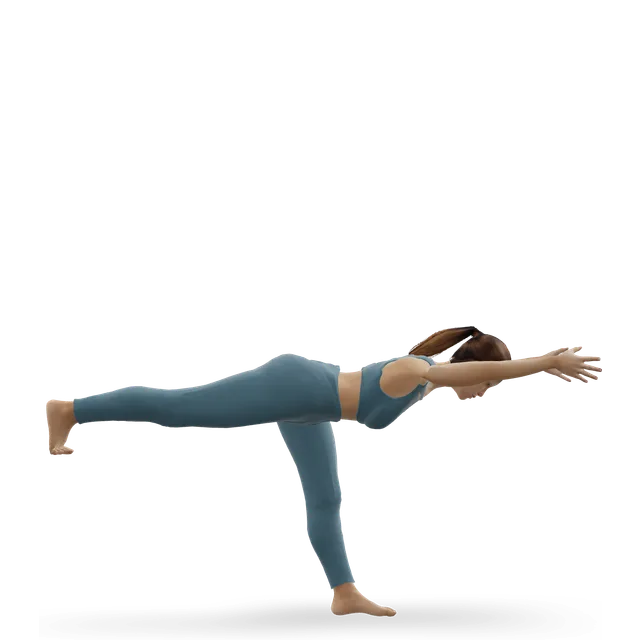
Sun salutation A: 4 slow rounds, stepping back rather than jumping and lowering with your knees down (our vinyasa flow for beginners class). Chair pose: 3 holds of 30 to 45 seconds; high lunge and warrior II: 5 breaths each side; warrior III: 3 to 5 breaths each side, hands on a wall; locust pose: 3 to 5 lifts held 3 to 5 seconds (our strength yoga workout). Glute bridge: 3 holds of 5 breaths (our vinyasa flow for beginners class). Treadmill or outdoor walking: 20 minutes at a pace where you can talk but not sing (our walk and yoga workout), because brisk walking carries more of the evidence than any pose.
In for about 4 and out for about 6, with no holds, for 5 minutes, sitting up (our yoga for heart health class's dose; adapted from the move page's dose of at least 5 minutes). It may help you wind down before bed, which NICE's sleep advice includes; it isn't a treatment for the airway.
No study has tested humming for snoring; the singing studies are the nearest, and they're weak. It's fine as relaxation. Our yoga for sinus problems guide has the steps: 5 to 10 slow breaths, humming gently on the out-breath with your lips closed.
Only when both nostrils are clear: its move page says never force air through a blocked nostril, and suggests 3 to 5 minutes of slow rounds, once or twice a day, as an editorial starting point.
Ujjayi
Narrowing the throat while you're awake hasn't been tested on its own for snoring; it was one of three practices in the pranayama trial above. Fine in a class, not a treatment.
No trial has tested kapalbhati or bellows breath for snoring or sleep apnoea, and high blood pressure is common with sleep apnoea. NCCIH (the US National Center for Complementary and Integrative Health) advises beginners to avoid forceful breathing, and the box and 4-7-8 breathing pages say to leave out the holds with heart disease.
Slow breathing: 5 minutes, sitting, no holds (our yoga for heart health class). Alternate nostril breathing: 3 to 5 minutes of slow rounds, once or twice a day, as its move page suggests, only with a clear nose. Corpse pose: at least 5 minutes, up to 10, as its move page says; if lying flat makes you breathless, prop your head and shoulders up or lie on your side, as its page says.
The NHS suggests sleeping on your side, with a tennis ball taped or stitched to the back of your sleepwear, or a special pillow or bed wedge to keep you there. Asthma + Lung UK says side sleeping helps some people, though it usually doesn't work as well as CPAP.
Raising the head of the bed lowered the AHI over a single night in small studies without a comparison group. It's an option some people like, not a proven treatment.
Our suggestion: a short wind-down with slow breathing, finishing lying on your side rather than flat on your back. Skip alcohol before bed and sleeping pills unless a doctor recommends them, as the NHS advises.
Some breathing teachers promote it. Across 10 small studies, 2 found some improvement and the rest found none, and the reviewers warned of a potentially serious risk of harm if your nose is blocked.
With glaucoma, or high blood pressure that isn't under control, skip headstands, shoulder stands and long head-down holds. With osteoporosis, swap deep forward folds for a flat-back hinge from the hips, and twist smoothly. In pregnancy, our yoga in pregnancy guide covers the changes. NCCIH advises beginners to avoid headstands, shoulder stands, the lotus position and forceful breathing.
Lion's breath
No study has tested lion's breath for snoring. It sticks the tongue out rather than training it against the roof of the mouth as the trial exercises do, and our yoga for TMJ guide leaves it out with jaw pain.
Neck exercises to open the airway
A trial that added neck exercises to the mouth and throat routine found no benefit. Neck exercises are fine for a stiff neck, not for snoring.
If lying flat makes you breathless, rest propped up or on your side, as the corpse pose page says. Our chair-to-mat class for bigger bodies has a chair-only option.
Driving after a long relaxation
Our suggestion, from the driving rules below: if you're very sleepy in the day, don't drive home straight after a long relaxation or yoga nidra. Sit up, have a drink and walk about first, and if you still feel drowsy, don't drive.
For fitness, the walk and yoga workout (a 20-minute brisk walk, then sun salutations and standing poses), the vinyasa flow and the strength yoga workout; with high blood pressure or heart disease, the heart health class with no breath holds; for a bigger body or breathlessness lying flat, the chair-to-mat class. To wind down, the breathing class (skip the holds) or the bedtime routine, finishing on your side. Our editorial starting point: 150 minutes a week of moderate activity, of which a flowing or strong yoga class can be part, plus strength on 2 days, as the NHS guidelines say.
"You must not drive until you're free from excessive sleepiness or until your symptoms are under control and you're strictly following any necessary treatment." You can be fined up to £1,000 if you don't tell the DVLA about a condition that affects your driving.
Our suggestion: the same applies to cycling on roads, and in the US, where the rules vary by state, ask your doctor.
When to see a GP, and when to get help fast
These follow our sleep apnoea exercise guide and our yoga guides, word for word, apart from the lines given as the NHS's words or marked as our suggestion. This is general information, not a diagnosis. A&E means accident and emergency; in the US, call 911 for 999.
See a GP
The NHS says see a GP if:
your breathing stops and starts while you sleep
you make gasping, snorting or choking noises while you sleep
If someone else has seen you have the symptoms, the NHS says it can help to bring them with you. Not feeling sleepy doesn't rule sleep apnoea out, NICE says.
The NHS also says to see a GP if "lifestyle changes are not helping your snoring" or "your snoring is having a big impact on your or your partner's life".
You've been feeling tired for a few weeks and you're not sure why; your tiredness affects your daily life; or you feel tired and have other symptoms, such as weight loss or mood changes, or you've been told you're making gasping, snorting or choking noises when you're asleep. If you feel you're suffering from fatigue, "an overwhelming tiredness that isn't relieved by rest and sleep", consult a GP.
Palpitations that don't go away, or come with chest pain, breathlessness or feeling faint, need urgent help: our atrial fibrillation guide gives the NHS advice. NICE lists atrial fibrillation among the conditions where sleep apnoea is more common.
Call 999 or go to A&E (accident and emergency) straight away for severe difficulty breathing (gasping, choking or not able to get words out), a chest that feels tight or heavy, pain that spreads to your arms, back, neck and jaw, lips or skin turning very pale, blue or grey, or sudden confusion. If you're more short of breath than usual, or your heart is racing, fluttering or skipping beats, contact NHS 111.
If exercise or weight loss helps, your sleep service decides whether you still need CPAP. NICE asks services to give people on CPAP access to advice and support between appointments.
Children who snore with pauses in their breathing should see a GP; in children, large tonsils or adenoids are the main cause, Asthma + Lung UK says. This page is for adults.
A joint pain that is sharp, gets worse during a session, lingers into the next day or changes how you move is a reason to use an easier version, and to see a GP or physiotherapist if it keeps happening (the rule in our plans). Muscle soreness for a day or two after something new is normal. In a hot class, stop if you feel dizzy, sick or unwell; our hot yoga guide lists the signs of heat illness.
You can say no to any hands-on adjustment, and a teacher registered with Yoga Alliance must get your explicit consent each time.
Before you start
The NHS advises getting advice from a healthcare professional first if you have a health problem, an injury or symptoms, or have recently had a heart attack or an operation.
No trial has shown it: the best yoga trial found no difference in breathing pauses at a year. CPAP lowers them the most, and only your sleep service should change your treatment.
"These poses stop snoring for good"Strong evidence
Pages promise this for cobra, bow and boat poses. No study has tested any pose against snoring, and snoring happens when muscles relax in sleep, not while you're doing a pose.
"Pranayama strengthens your throat so you stop snoring"Mixed evidence
Pranayama improved self-rated sleep in one small unblinded trial, without a repeat sleep study, and breathing-muscle training with a device didn't lower the pauses. The exercises that train the tongue and soft palate are the mouth and throat routine.
"If I stretch more, my sleep apnoea will improve"Emerging evidence
In the main exercise trial, the stretching group's AHI rose a little while the aerobic and strength group's fell. Moderate exercise and strength are what helped.
"Snoring is harmless, so there's no need to see anyone"Strong evidence
Usually true of snoring alone, but snoring with pauses, gasping or choking, or always feeling tired, can be sleep apnoea, which the NHS says can be serious if it isn't diagnosed and treated.
Flexibility isn't what the trials changed: the stretching group didn't improve, and the mouth and throat exercises train the tongue and soft palate, not range of movement.
No study has shown that any pose or breathing practice stops snoring. What helps is losing weight if you're overweight, sleeping on your side, not drinking too much alcohol and not taking sleeping pills unless a doctor recommends them. Daily mouth and throat exercises made snoring quieter in small trials.
Can yoga cure sleep apnoea?
No. In the best trial, adding yoga to diet and exercise advice for a year didn't lower the average number of breathing pauses more than the advice alone. Yoga can be one way to be active, alongside the treatment your sleep service recommends, such as CPAP.
Which yoga is best for snoring or sleep apnoea?
Our reading of the exercise trials is a moving class that raises your heart rate and works your muscles: exercise training lowered breathing pauses by about 7 an hour across 12 trials, while a stretching group didn't improve. No trial has tested yoga classes this way, so add brisk walking or cycling to reach about 150 minutes a week.
Does pranayama help sleep apnoea?
In one small, unblinded trial, 8 weeks of ujjayi, alternate nostril and slow breathing improved sleep quality and sleepiness scores, but breathing pauses weren't measured again. Breathing-muscle training with a device didn't lower them either. It may help you wind down; it isn't a treatment.
What about bhramari, ujjayi or kapalbhati for snoring?
No trial has tested bhramari, kapalbhati or lion's breath for snoring, and ujjayi has only been tested as part of a mix. Humming and slow breathing are fine as relaxation; skip kapalbhati and other forceful breathing, which NCCIH advises beginners to avoid, especially with high blood pressure.
Do tongue and throat exercises work?
In small trials over 2 to 4 months, they probably eased sleepiness and may have lowered breathing pauses, and made snoring quieter, though one 2025 trial found no benefit. European lung specialists don't suggest them as a standard treatment. Our sleep apnoea exercise guide has the steps.
What is the best sleeping position for snoring?
On your side. More than half of people with sleep apnoea are worse on their back, and the NHS suggests a tennis ball sewn into the back of your sleepwear or a special pillow. Side sleeping helps less in severe sleep apnoea.
Does losing weight help?
If you're overweight, yes: in a 4-year study, losing 10% of body weight went with about 26% fewer breathing pauses, and weight loss programmes made sleep apnoea milder or cleared it in some people. Exercise helps even when weight doesn't change much.
I snore in the relaxation at the end of class. Is that a problem?
Dozing off in a long rest is common. But if you often fall asleep in the day, or someone has seen you stop breathing, gasp or choke at night, see a GP, and don't drive while you're sleepy.
Can I do yoga if I use CPAP?
Yes. Keep using CPAP every night, because it works best that way, and let your sleep service decide about any change. Exercise improved fitness in people already using CPAP well, though not their breathing pauses.
Does taping my mouth shut at night help?
There's no good evidence for it: in 10 small studies, 2 found some improvement and the rest found none. The reviewers warned of a serious risk of harm if your nose is blocked.
Exercise education, not a personal prescription, and clinical review of these guides is pending. If you are pregnant, have a health condition such as glaucoma, high blood pressure or osteoporosis, or have had recent surgery, check with a doctor, midwife or physiotherapist before starting, and stop for sharp or increasing pain. Health disclaimer.