Yoga guide

Yoga for heart health: blood pressure, cholesterol, after a heart attack, AF and staying safe

Gentle yoga is suitable for most people with a heart condition, and it may lower blood pressure and blood fats a little and help you feel better. In the largest trial, 3,959 people in India did yoga-based rehab after a heart attack: they felt better and got back to normal activities a little more, but further heart attacks, strokes and deaths weren't clearly fewer. Cardiac rehabilitation comes first, and yoga is an extra, not a replacement.

This guide covers what the trials show for heart disease, blood pressure, cholesterol, heart failure and atrial fibrillation (AF), the claims about unblocking arteries, why to leave out breath holds, upside-down poses and long holds, yoga after surgery or a device, and the 999 and angina signs. It ends with a free 35-minute class with no breath holds.

The short version

Cardiac rehab comes first; yoga is an extra

NICE (the National Institute for Health and Care Excellence) says to offer cardiac rehab with exercise to everyone after a heart attack, whatever their age, starting within 10 days of leaving hospital. In 107 trials it cut heart attacks and hospital admissions. The British Heart Foundation (BHF) says to treat rehab "as important as taking your medicines", and that yoga "is recommended as an additional activity not an alternative one".

Sources 1, 2, 3, 4

The biggest yoga trial didn't show fewer heart attacks or deaths

In Yoga-CaRe, 3,959 people in India started 13 yoga sessions over 12 weeks within 2 weeks of a heart attack. Major heart events were 6.7% against 7.4% with 3 sessions of health education, a difference that could be chance, and the trial had too few events to be sure. Self-rated health and return to normal activities improved a little. It wasn't compared with standard cardiac rehab.

Source 5

Small falls in blood pressure and blood fats

Across 49 trials, yoga lowered blood pressure by about 5/4 mmHg (millimetres of mercury). In small, short trials, it lowered triglycerides (a blood fat) and raised HDL ("good") cholesterol a little, with no clear change in LDL ("bad") cholesterol. Medicines, diet and aerobic exercise do more.

Sources 6, 7

Breathe, don't hold; keep your head up

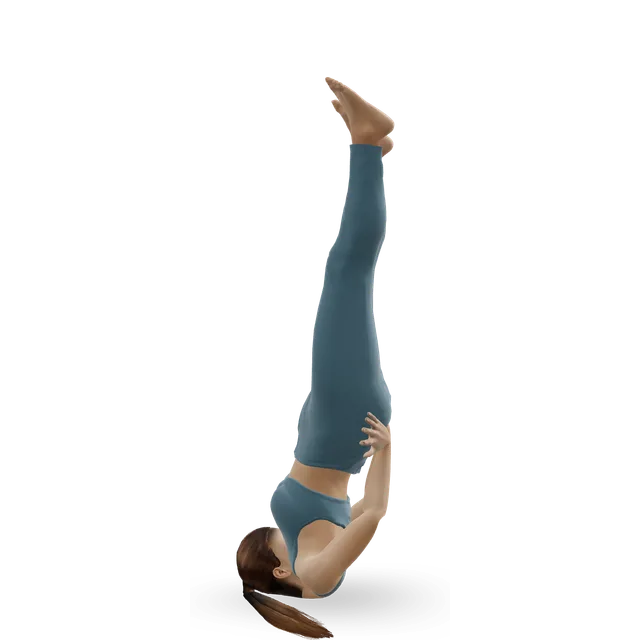
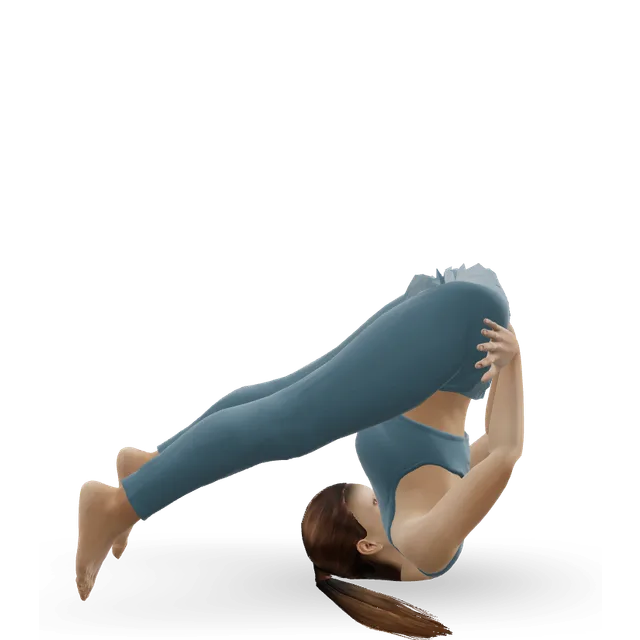
UK cardiac rehab standards say to avoid "sustained breath holding and isometric exercises" and "rapid changes in position". Breath holds and fast breathing raised blood pressure during practice in healthy adults. Leave out headstands, shoulder stands and plough, keep any head-down pose brief, and with heart failure, no planks.

Sources 8, 9, 10

Cool down sitting before you lie down, and get up slowly

The rehab standards put floor work, such as relaxation, "after a cool down period", once your heart has settled to near resting. Sit for a few minutes of slow breathing before any lying poses, and get up slowly: roll to your side, sit for a few breaths, then stand.

Source 8

Yoga doesn't unblock arteries or replace your medicines

The small trials where narrowed arteries improved tested whole lifestyle programmes, with a very low-fat diet, exercise, stress management and stopping smoking, so yoga's part can't be separated. Keep taking your medicines; yoga goes alongside them.

Sources 11, 12

Your heart, cardiac rehab and where yoga fits

Coronary heart disease

Coronary heart disease is what happens when your heart's blood supply is blocked or interrupted by a build-up of fatty substances in the arteries that feed it. Its main symptoms are chest pain (angina), shortness of breath, pain in the neck, shoulders, jaw or arms, feeling faint and feeling sick. A heart attack happens when blood flow to your heart is blocked, and high cholesterol makes heart problems more likely.

Sources 13, 14, 15

Heart failure, AF and palpitations

Heart failure is "when your heart cannot pump blood properly. It does not mean your heart has stopped working"; it can make you breathless with everyday activity or lying down, tired, and give you swollen ankles. AF is "a type of heart rhythm problem where your heartbeat is not steady". Palpitations, when your heartbeat becomes more noticeable, are "usually harmless".

Sources 16, 17, 18

Cardiac rehabilitation

A programme of exercise, education and support after a heart attack, heart surgery or a stent, or with heart failure: an assessment, then exercise sessions with a warm-up, a main part and a cool-down, plus help with medicines, diet, smoking, stress and relaxation. It runs in hospital, in the community or at home. "Some cool downs may have a relaxation session at the end", the BHF says.

Sources 3, 1

What yoga-based rehab meant in the largest trial

Yoga-CaRe's 13 sessions were led by trained yoga teachers on hospital premises: two individual sessions, then group sessions of about 75 minutes, twice a week in weeks 5 to 7 after the heart attack and weekly to week 12. Each had loosening warm-ups, gentle standing, sitting and lying poses, alternate nostril breathing without breath holds, meditation, relaxation and discussion, with practice at home. Its exercise was low intensity, so its authors expected smaller fitness gains than aerobic training gives.

Sources 19, 5

How yoga could help

Mostly indirectly: small falls in blood pressure and blood fats, less stress, better sleep in one trial, and a way back into activity. It isn't aerobic exercise: the BHF says yoga doesn't count towards your 150 minutes a week, though the NHS counts it as muscle-strengthening activity.

Sources 7, 6, 20, 21, 4, 22

What the evidence says

Cardiac rehab firstStrong evidence

In a 2026 Cochrane review of 107 trials (26,886 people with coronary heart disease), exercise-based cardiac rehab reduced heart attacks (high certainty) and hospital admissions, probably reduced deaths slightly, and improved quality of life. In heart failure, it cut hospital admissions (60 trials, 8,728 people). NICE offers it to everyone after a heart attack, whatever their age. Yoga goes alongside it, not instead.

Sources 2, 23, 1, 3, 4

Yoga-CaRe: 3,959 people after a heart attackEmerging evidence

Adults aged 18 to 80 at 24 Indian hospitals were offered yoga-based rehab or 3 sessions of health education, not standard cardiac rehabilitation (most of the hospitals had none). Over a median of about 22 months, major heart events (death, heart attack, stroke or an emergency heart admission) were 6.7% with yoga against 7.4%, a difference that could be chance; the trial had too few events to be sure either way.

Self-rated health and return to normal activities improved slightly more with yoga, and there were no safety concerns. Stopping smoking and taking medicines didn't change. The authors suggest yoga-based rehab "may be an option when conventional CR is unavailable or unacceptable".

Sources 5, 19

Across heart disease trialsEmerging evidence

In 7 trials of yoga for people with heart disease (4,671 people, mostly men), deaths didn't change and quality of life improved slightly. In a network analysis of 178 exercise trials in coronary heart disease, yoga improved quality of life. Reviews of yoga added to cardiac rehab, or after a heart attack, found better quality of life and modest gains in mood, from varied studies.

Sources 24, 25, 26, 27

Around bypass surgeryMixed evidence

In 300 men in India, yoga-based rehab after bypass surgery was followed by fewer deaths than conventional rehab over about 14 years, in a single-centre, exploratory follow-up. A small UK trial found no benefit from adding 3 months of yoga to rehab. Around bypass surgery, yoga eased anxiety and pain in 17 studies.

Sources 28, 29, 30

Fitness: yoga isn't aerobic exerciseMixed evidence

The BHF says yoga "does not count towards your recommended physical activity of 150 minutes moderate-intensity activity per week, as it is not an aerobic activity", and Yoga-CaRe's authors expected smaller gains in heart fitness than aerobic training gives. Keep walking or cycling, and count yoga towards your muscle-strengthening activity, as the NHS does.

Sources 4, 5, 22

Stress, mood and sleepEmerging evidence

The American Heart Association says that improving psychological health "can have a beneficial impact on cardiovascular health", and that meditation "may be considered as an adjunct" to standard heart care (its meditation review left out yoga). NICE includes stress management in cardiac rehab. In 144 people with stable heart disease and poor sleep, yoga nidra (a guided relaxation lying down) every day for 12 weeks improved sleep.

Sources 20, 31, 1, 21

Blood pressure and cholesterol

Our yoga for high blood pressure guide covers blood pressure in more depth.

Blood pressureEmerging evidence

Across 49 trials (3,517 people), yoga lowered blood pressure by about 5/4 mmHg. In 30 trials in people with high blood pressure, it lowered it by about 8/5 mmHg against waiting lists, on very low-quality evidence. In 2013, the American Heart Association gave yoga its lowest class of recommendation for lowering blood pressure, while aerobic exercise got its highest.

Sources 6, 32, 33

Cholesterol and blood fatsEmerging evidence

In Cochrane's review of yoga for preventing heart disease (11 trials, 800 people), triglycerides fell by 0.27 mmol/L and HDL cholesterol rose by 0.08 mmol/L, with no clear change in LDL, in small, short trials at unclear or high risk of bias. Other reviews found LDL falls of about 0.2 to 0.3 mmol/L, no different from other exercise.

Sources 7, 34, 35, 36

Keep it in proportion

These changes are small next to what statins and diet change can do (our framing: no trial has compared them directly). Yoga goes alongside your medicines, diet and aerobic exercise, never instead of them.

Source 15

Heart failure

Small trials, unclear benefitEmerging evidence

In 11 small trials (552 people), yoga improved fitness (peak oxygen uptake by about 3.3 ml/kg/min) and quality of life, but not the heart's pumping fraction, mostly on low-quality evidence. Network analyses put yoga among the helpful options, while an umbrella review calls its benefits in heart failure "unclear", and the American Heart Association calls the evidence for complementary medicine in heart failure "limited and controversial".

Sources 37, 38, 39, 40

Exercise-based rehab has the evidenceStrong evidence

In heart failure, exercise-based cardiac rehab cut hospital admissions (15.9% against 23.8%) and improved quality of life across 60 trials. Ask for it, and do yoga alongside it.

Source 23

The BHF's limits

With heart failure, avoid "lifting heavy weights", "holding your breath" and "using your whole body as a weight, such as press-ups or planks". Don't exercise on days you're unwell or more tired or breathless than normal. Prop yourself up for lying poses if lying flat makes you breathless, and ask your doctor before legs up the wall (our suggestions, the second from the move's caution).

Sources 10, 16

AF, palpitations and fainting

AF: may ease symptoms, not shown to stop it coming backMixed evidence

In one study without a control group, symptomatic AF episodes fell from 3.8 to 2.1 during 3 months of twice-weekly yoga, with less anxiety and depression. Two small Swedish trials improved some quality of life scores and blood pressure, not consistently. YOGA-AF, a trial of 222 people with heart monitors, has published only its design, and its authors say randomised data on AF coming back "are absent".

Sources 41, 42, 43, 44, 45, 46

Supervised exercise and AFEmerging evidence

Across 13 trials of supervised exercise programmes (15% of them yoga), AF came back less often, and exercise improved quality of life in 12 studies. Keep taking your medicines, especially blood thinners.

Sources 47, 48

Ectopic beats and faintingMixed evidence

In 134 people with frequent extra heartbeats (ventricular ectopics), the yoga group had fewer than the control group at 12 weeks, but the control group started with more. In 55 people with vasovagal fainting, yoga was followed by fewer faints over a year. These are small single trials.

Sources 49, 50, 51

What the NHS saysStrong evidence

With AF, exercise regularly, but "do not exercise too much or too hard", which can trigger AF, and don't exercise while you have symptoms. Palpitations are common and usually not serious; causes include strenuous exercise, stress, alcohol and caffeine. With AF, skip hot yoga, as our AF guide says.

Sources 17, 18

Breath holds, head-down poses and long holds

Never hold your breathStrong evidence

UK cardiac rehab standards say to avoid "breath holding and Valsalva manoeuvre" (straining against a held breath). In 20 healthy adults, holding the breath raised blood pressure, and fast, forceful kapalabhati, bellows breathing (bhastrika) and humming breath (bhramari) raised it too, during practice. Yoga-CaRe's alternate nostril breathing was done without breath holds. Slow breathing with no holds, in for about 4 and out for about 6, is the one to use.

Sources 8, 9, 19, 10

Upside-down posesEmerging evidence

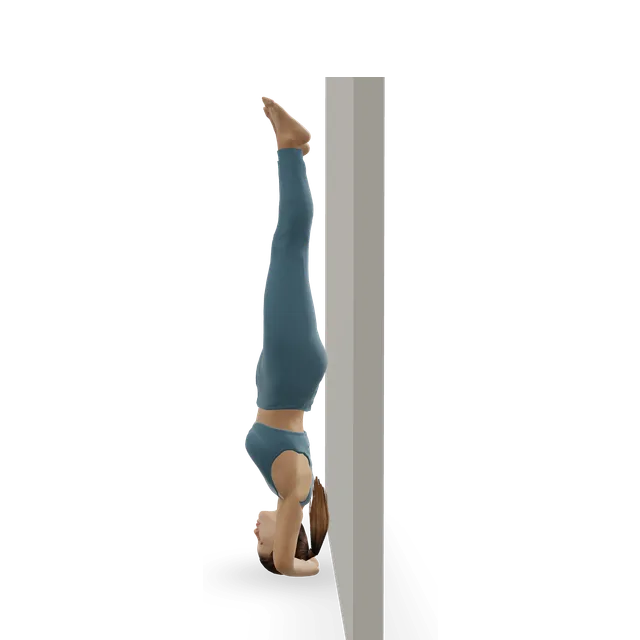
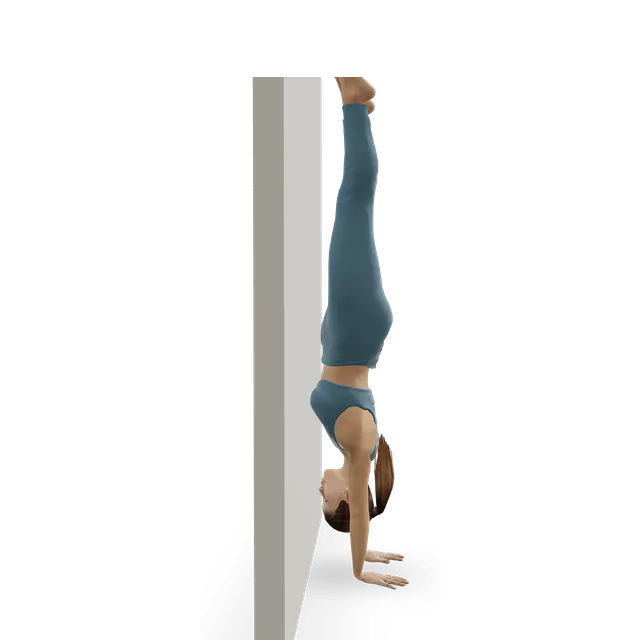
In 20 healthy men, hanging upside down raised heart rate, blood pressure and the heart's workload, and the authors suggest it "may be contraindicated in patients with cardiovascular disease". NCCIH (the US National Center for Complementary and Integrative Health) advises people new to yoga to avoid headstands and shoulder stands. No study has tested inversions in heart patients. With heart disease, we'd leave out full inversions such as headstands, shoulder stands and plough, and keep other head-down poses brief (our suggestion).

Sources 52, 53, 54

Long holds and planksStrong evidence

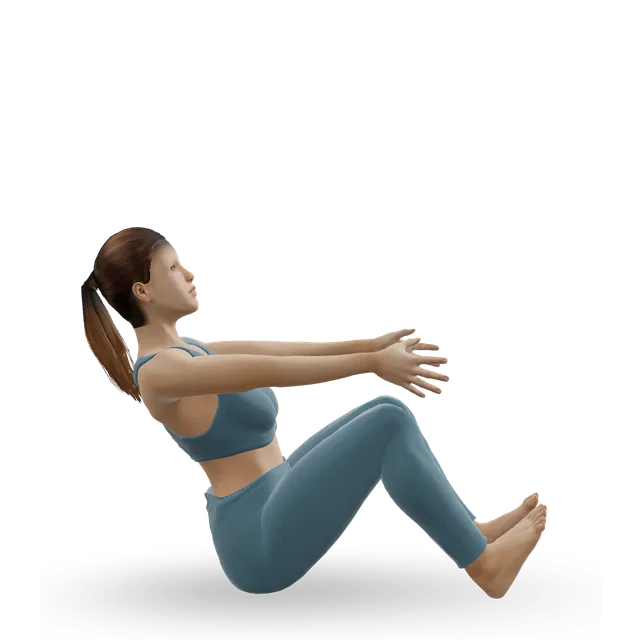
Rehab standards avoid "sustained breath holding and isometric exercises", and the BHF says no press-ups or planks with heart failure. Keep poses to a few breaths, and leave out planks, chaturanga, long boat pose holds and wall sits.

Sources 8, 10

Lying down and getting upStrong evidence

"Floor work (e.g. relaxation exercise and stretching) is done after a cool down period when the cardiovascular system has returned to near-resting state", the standards say, and they warn that rapid changes in position can drop blood pressure, especially in older adults and people on blood pressure tablets. So sit and breathe slowly before you lie down, and roll to your side, pause and sit for a few breaths before you stand.

Source 8

Hot yogaEmerging evidence

In 43 studies, hot yoga raised body temperature and heart rate, and the claimed extra benefits of the heat weren't shown. With a heart condition, ask your GP first, as our hot yoga guide says, and skip it with AF.

Source 55

Yoga's own risksEmerging evidence

Across 94 trials, yoga caused no more side effects than usual care or exercise. Case reports of harm cluster around headstands, shoulder stands, the lotus position and forceful breathing, and kapalabhati was linked to a collapsed lung in a healthy 29-year-old. NCCIH advises practising with a qualified teacher and telling them about your health.

Sources 56, 57, 58, 59, 53

After a heart attack, surgery or a device

After a heart attack or a stent

You should be referred to cardiac rehab, which NICE says should start within 10 days of leaving hospital. Start yoga after your rehab assessment, or once your team agrees, beginning with breathing and seated moves (our suggestion).

Sources 1, 14

After bypass or valve surgery

Recovery from bypass surgery takes 2 to 3 months, most activities are possible by about 6 weeks, and there should be no heavy lifting for 3 months. Don't put weight through your arms, as in downward dog, all fours or a plank, until your surgeon or rehab team says so, and keep twists small and pain-free (our suggestion). Our heart surgery guide explains how to protect your breastbone.

Source 60

With a pacemaker or implanted defibrillator (ICD)

For the first 4 to 6 weeks, keep the elbow on the device side below shoulder height, so no arms overhead on that side. Our pacemaker and ICD guide has the details and the signs to act on.

Warm up gradually

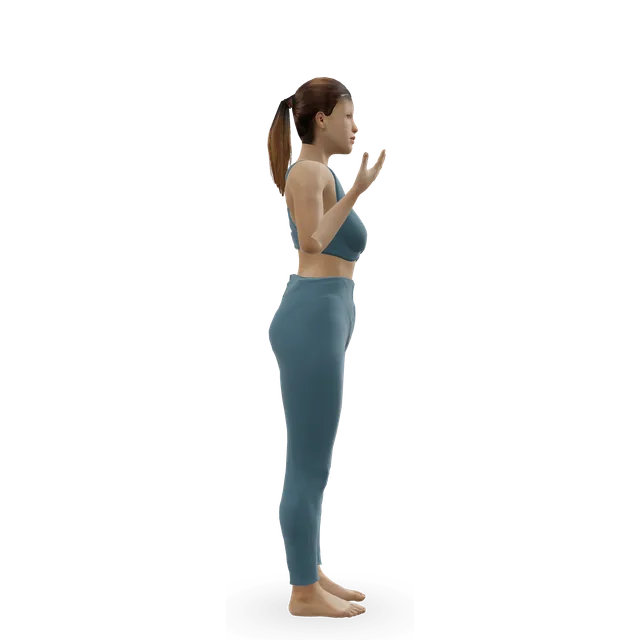
Seated march: 3 minutes at an easy pace; seated twist: 5 each side (our heart failure exercises); shoulder circles: 10 each way (our seated chair yoga); breath reach: 5 breaths, breathing out for longer than you breathe in (the move's page); standing hip circles: 2 slow circles each leg, holding a wall (our cardiac rehab-style workout). With the standing poses below, this makes a warm-up of at least 15 minutes that builds gradually (our reading of the UK rehab standards for a gentle session).

Standing, near a wall or chair

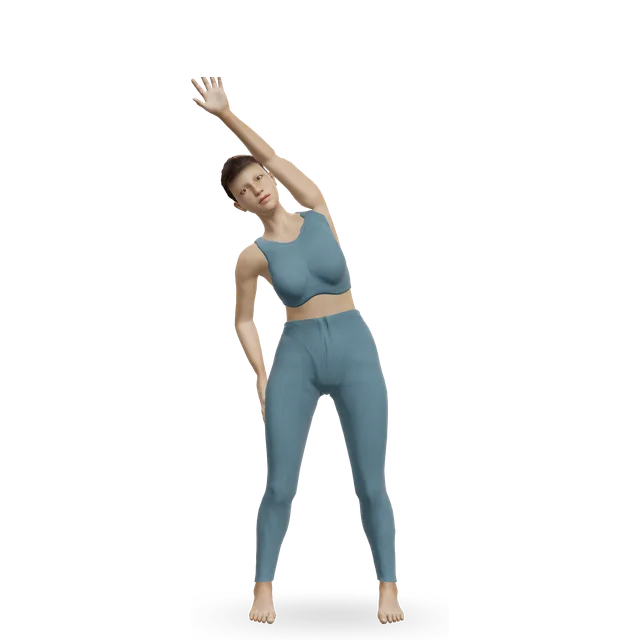
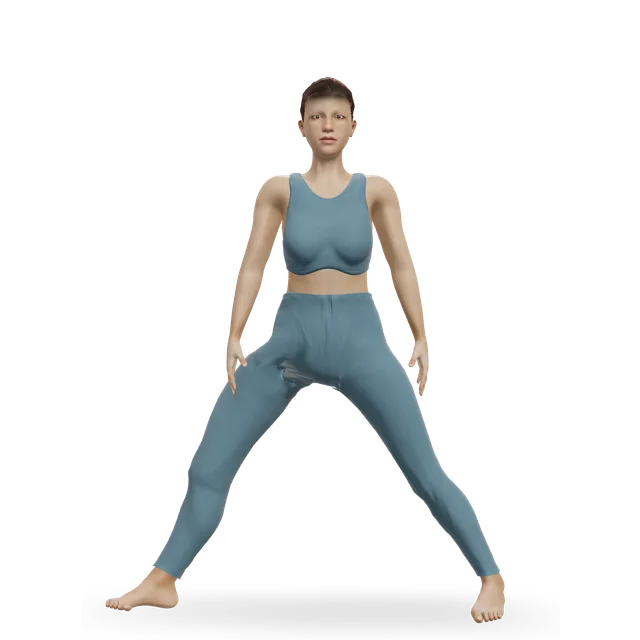
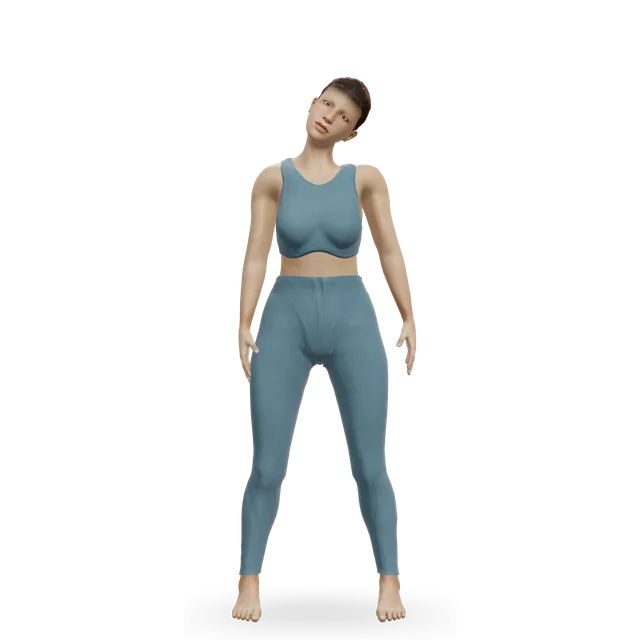
Mountain pose: 5 slow breaths, within reach of a wall if your tablets make you light-headed; warrior II and triangle: 3 breaths each side; tree pose: 3 to 5 breaths each side, a hand on the wall; chair pose: 2 holds of 3 breaths, arms forward, breathing out as you bend (our yoga for high blood pressure). Overhead side bend: 3 slow bends each side, breathing out into each (the move's page).

Cool down sitting, breathe, then rest

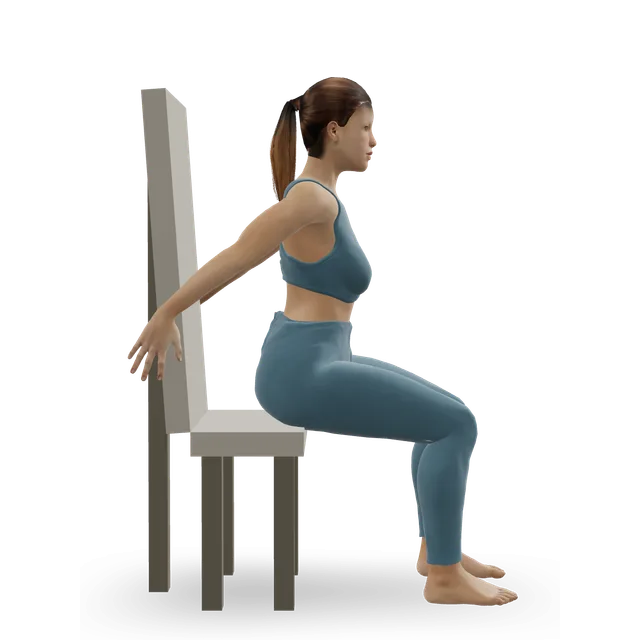
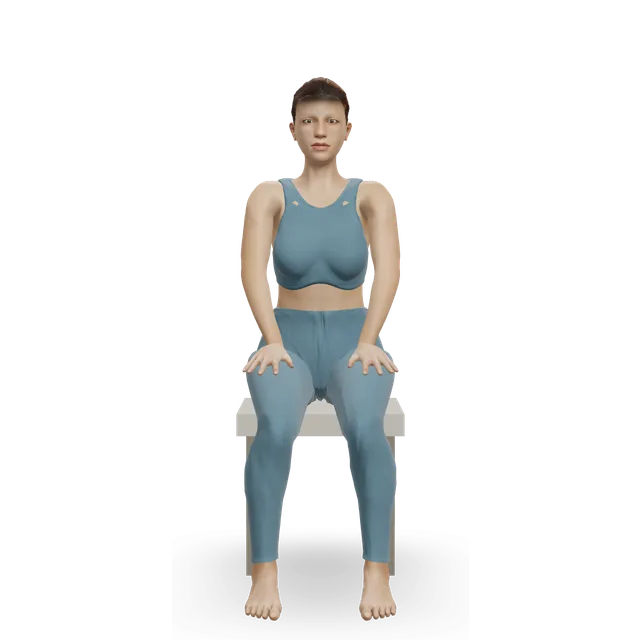
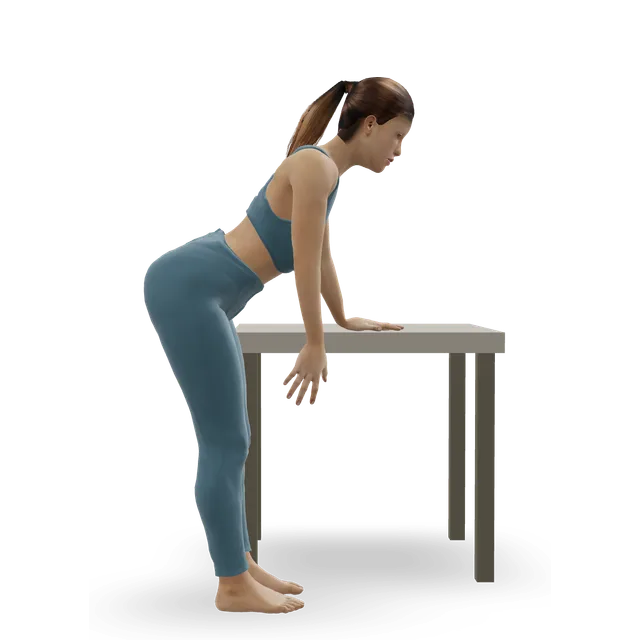
Cat-cow: 6 slow rounds sitting; seated forward bend (table slide): 8 slow reps, head no lower than your heart (our chair yoga class); chest opener: 2 holds of 20 seconds (our seated chair yoga). Slow breathing: 5 minutes; alternate nostril breathing: 3 minutes with no breath holds (our yoga for high blood pressure). Then, if you like, lie down slowly: one knee to chest: 2 holds of 20 to 30 seconds each side (our yoga for digestion); lying twist: 30 seconds each side (our yoga for high blood pressure); corpse pose: 5 minutes, or relax sitting (our yoga for menopause).

Poses to leave out or change

Leave out headstands, shoulder stands, plough and handstands; keep downward dog brief or use your hands on a wall or chair; ask your doctor before legs up the wall with heart failure; leave out planks and long boat pose holds; and do box and 4-7-8 breathing without the holds. Leave out fast, forceful breathing such as kapalabhati, humming breath in a long session, and hot rooms (our suggestions, following the rehab standards and the moves' cautions).

Free classes

Our 35-minute class is for after your cardiac rehab assessment, or once your team agrees. The cardiac rehab-style and heart failure workouts are the exercise sessions yoga goes alongside; the surgery and device routines suit the first weeks; in the breathing routine, use only the slow breathing and alternate nostril breathing, without the holds.

Yoga for heart health: a 35-minute gentle class with no breath holds

A gentle 35-minute yoga class for heart conditions: a 15-minute warm-up that builds slowly, short standing poses, a seated cool-down, breathing with no holds and rest.

35 minBeginner18 movesA bench or box, A wall

Cardiac rehab exercises at home: a 45-minute session

A 45-minute home session built like a UK cardiac rehab class: a 15-minute warm-up, 20 minutes of cardio mixed with light strength, and a 10-minute cool-down.

45 minBeginner14 movesA wall, A bench or box

Heart failure exercises at home: a seated or standing session

A 40-minute heart failure workout you can do seated or standing: a long, gentle warm-up, cardio mixed with light strength, and a slow cool-down.

40 minBeginner13 movesA bench or box, A wall

Yoga for high blood pressure: a 40-minute balanced practice

Forty minutes of short-hold poses, slow breathing and a 10-minute relaxation, with no head-down poses or breath holds.

40 minBeginner14 movesA step, Firm cushion

Exercises after heart surgery: the first 6 weeks at home

A gentle 15-minute routine for the first 6 weeks at home after heart surgery: breathing, circulation, shoulder and posture moves, and a building walk.

15 minBeginner9 movesA bench or box, A wall

Arm and shoulder exercises after a pacemaker or ICD: the first 6 weeks

Gentle arm, shoulder and neck exercises for the first 6 weeks after a pacemaker or ICD, keeping your elbow below shoulder height so the leads can settle.

10 minBeginner7 movesA bench or box, A wall

Seated chair yoga: 15 minutes, no standing

A 15-minute chair yoga routine done entirely sitting: slow breathing, neck, shoulder and wrist stretches, seated twists and side bends, and a calm finish.

15 minBeginner16 movesA bench or box

Chair yoga for seniors

A free 20-minute chair yoga class for older adults: slow breathing, gentle seated stretches and twists, standing poses holding the chair, and a calm finish.

20 minBeginner18 movesA bench or box, Something with weight

Easy cardio workout

A steady 30 to 45 minute cardio session at talk-but-not-sing pace: walk, cycle, row or cross-train, counting toward weekly activity guidelines.

40 minBeginner3 movesCardio machine, A wall

Breathing exercises to relax

A 6-minute breathing routine: slow breathing, crocodile breathing, alternate nostril breathing, box breathing and 4-7-8 breathing.

6 minBeginner5 movesNo equipment

999, angina and when to stop

These follow the NHS, the British Heart Foundation and our exercise and heart disease guide. A&E means accident and emergency, and GTN (glyceryl trinitrate) is the angina spray or tablet. In the US, call 911 for 999.

Call 999 now

If:

  • You have chest pain that feels tight or like squeezing on your chest.
  • You have chest pain that spreads to your arms, neck or jaw.
  • You're having severe difficulty breathing: you're gasping, choking or not able to get words out.
  • Your lips or skin are pale, blue or grey. On brown or black skin, this may be easier to see on the palms of the hands.
  • Someone has passed out and is not responding normally.

Source 14

While you wait for help

Don't drive yourself to A&E. Sit and rest on the floor with your knees bent and your back supported. Take a 300 mg aspirin if you have one and aren't allergic to aspirin, and use your GTN if you have angina. If someone stops responding and stops breathing, start CPR (cardiopulmonary resuscitation).

Source 14

If you have angina

Stop what you're doing and rest. Use your GTN as prescribed, and take another dose after 5 minutes if the first doesn't help. If you still have symptoms 5 minutes after the second dose, call 999. If you don't have your GTN with you, rest, stay calm and call 999.

Source 61

A fast or irregular heartbeat

Call 999 or go to A&E if palpitations don't go away, or come with chest pain, shortness of breath, feeling faint or fainting. With a fast or irregular heartbeat, the NHS also lists sweating, feeling or being sick, dizziness, a severe headache, weakness or numbness on one side, blurred vision, and confusion or difficulty speaking as reasons to call 999. If palpitations have stopped, ask for an urgent GP appointment or call NHS 111.

Sources 18, 17

Call NHS 111 or ask for an urgent GP appointment

If:

  • You're suddenly more short of breath than usual.
  • You have chest pain and feel sick or are being sick.
  • You have chest pain and your heart feels like it's racing, going too slowly, skipping a beat or fluttering.
  • Your angina feels worse than before, is happening more often, lasts longer or happens when you're resting.
  • You have heart failure and feel breathless when lying down or from everyday activity, cough up frothy pink phlegm, or have suddenly gained weight.

Sources 14, 61, 16

Stop exercising

Stop if you get chest pain, palpitations, dizziness or light-headedness. If it doesn't go away quickly with rest, or with your GTN if you use it, get urgent medical advice. With heart failure, also stop for extreme shortness of breath, and don't start a session on a day you feel unwell or more tired or breathless than normal.

Sources 62, 10

In a yoga class

Come out of any pose and sit down if you feel dizzy or light-headed, and get medical advice before you train again. Keep breathing in every pose, get up slowly from the floor, leave a hot room if you feel dizzy, sick or get a headache, and keep your GTN by your mat. Tell your teacher about your heart condition (our suggestions).

Sources 8, 53

After a stent, heart surgery, or with a pacemaker or ICD

Our exercise and heart disease, heart surgery, and pacemaker and ICD guides list the extra signs to act on, such as wound, breastbone and device warning signs.

Myths

"Yoga unblocks your arteries"Mixed evidence

The trials that showed narrowed arteries improving tested whole programmes (a very low-fat diet, exercise, stress management including yoga, and stopping smoking) in 48 and 42 people. Yoga's part can't be separated, and no trial of yoga alone has shown it.

Sources 11, 63, 12

"Breath holds strengthen the heart"Strong evidence

We found no evidence that they do. UK cardiac rehab standards say to avoid sustained breath holding, the BHF says avoid holding your breath with heart failure, and holds raised blood pressure during practice in healthy adults.

Sources 64, 8, 10, 9

"Yoga can replace cardiac rehab"Strong evidence

Rehab cut heart attacks and admissions in 107 trials, and NICE offers it to everyone after a heart attack. Yoga-CaRe wasn't compared with standard rehab, and the BHF calls yoga "an additional activity not an alternative one".

Sources 2, 1, 5, 4

"Yoga-based rehab prevents heart attacks and deaths"Emerging evidence

In 3,959 people, major heart events weren't clearly fewer (6.7% against 7.4%), though the trial was too small to be sure, and across 7 trials deaths didn't change.

Sources 5, 24

"Yoga counts as my cardio"Strong evidence

The BHF says yoga "does not count towards" the 150 minutes, "as it is not an aerobic activity". The NHS counts it as muscle-strengthening activity, so do it on top of walking or cycling.

Sources 4, 22

"Upside-down poses are good for your heart and circulation"Mixed evidence

No trial supports it. Hanging upside down raised heart rate, blood pressure and the heart's workload in healthy men, and NCCIH advises people new to yoga to avoid headstands and shoulder stands.

Sources 52, 53

"Yoga can stop AF"Mixed evidence

One study without a control group found fewer episodes, small randomised trials looked at quality of life rather than AF coming back, and the main AF trial hasn't reported results.

Sources 41, 43, 44, 45

"Yoga can replace my heart or cholesterol medicines"Strong evidence

Yoga's effects on blood pressure and blood fats are small, and on LDL cholesterol uncertain. Exercise works alongside medicines, not instead of them; never stop a medicine without talking to your doctor.

Sources 7, 6

"Any yoga breathing is good for the heart"Emerging evidence

Breath holds, kapalabhati, bellows breathing and humming breath raised blood pressure during practice in healthy adults. Slow breathing with no holds is the one to use.

Source 9

"Hot yoga is extra good for the heart"Mixed evidence

The extra benefits of the heat haven't been shown, and heat raises your heart rate.

Source 55

"After a heart attack, rest rather than exercise or do yoga"Strong evidence

NICE wants rehab with exercise to start within 10 days of leaving hospital, and rehab cuts heart attacks and hospital admissions.

Sources 1, 2

Questions people ask

Is yoga good for your heart?

It may help a little: yoga lowered blood pressure by about 5/4 mmHg in trials, improved some blood fats, and can ease stress and help you feel better. It doesn't replace aerobic exercise, medicines or cardiac rehab.

Is yoga safe for heart patients?

Gentle yoga is "suitable for most heart patients", the British Heart Foundation says, as long as you don't strain. Leave out breath holds, fast breathing, upside-down poses and long holds such as planks, and stop for chest pain, palpitations or dizziness.

Can I do yoga after a heart attack or a stent?

Yes, once your cardiac rehab team agrees: rehab comes first, and NICE says it should start within 10 days of leaving hospital. In the largest trial, gentle yoga-based rehab after a heart attack was safe and helped people feel better and get back to normal activities, but didn't clearly prevent further heart attacks.

Can I do yoga after bypass surgery?

Gentle breathing and seated moves can start early, as your team advises. Recovery takes 2 to 3 months, with no heavy lifting for 3 months, so leave out poses that put weight through your arms, such as downward dog or plank, until your surgeon or rehab team says they're fine.

Which yoga poses should I avoid with heart problems?

Headstands, shoulder stands and plough; long head-down poses; planks and other long holds; and breath holds or fast, forceful breathing. With heart failure, ask your doctor before legs up the wall and avoid planks and press-ups. Get up slowly from lying down.

Does yoga lower cholesterol?

A little, in small trials: triglycerides fell and "good" HDL cholesterol rose slightly, with no clear change in LDL in Cochrane's review. Diet, aerobic exercise and medicines such as statins do much more, so keep taking yours.

Is yoga good for heart failure?

Small trials found better fitness and quality of life, though reviews call the benefits unclear. Exercise-based cardiac rehab has the evidence; if you do yoga, don't hold your breath, skip planks, and skip it on days you're more tired or breathless than normal.

Can yoga help AF or palpitations?

It may ease symptoms and anxiety: in one study without a control group, AF episodes fell during 3 months of yoga, but trials haven't shown it stops AF coming back, and the main trial hasn't reported yet. Palpitations are usually harmless, but call 999 if they don't go away or come with chest pain, breathlessness or fainting.

Can yoga unblock arteries?

No study shows yoga alone does. The trials where narrowed arteries improved combined a very low-fat diet, exercise, stress management and stopping smoking. Medicines, stents and bypass surgery treat blocked arteries.

Is pranayama good for the heart?

Slow breathing with no holds is fine and can help you relax, and alternate nostril breathing without holds was part of the largest heart trial. Breath holds and fast, forceful breathing such as kapalabhati raised blood pressure in healthy adults, so leave them out.

Does yoga count as cardio?

Mostly not: the British Heart Foundation says it doesn't count towards the 150 minutes of moderate activity, because it isn't an aerobic activity. Keep walking or cycling on most days; the NHS counts yoga as muscle-strengthening activity.

When should I stop and get help?

Stop if you get chest pain, palpitations, dizziness or light-headedness, and get urgent advice if it doesn't settle quickly with rest or your GTN. Call 999 for chest pain that feels tight or spreads to your arms, neck or jaw, severe difficulty breathing, or pale, blue or grey lips or skin.


Sources

  1. NICE NG185 · Acute coronary syndromes: cardiac rehabilitation and lifestyle (2020)
  2. Dibben 2026 · Exercise-based cardiac rehabilitation for coronary heart disease: 107 trials, 26,886 people (Cochrane review, Cochrane Database Syst Rev)
  3. British Heart Foundation · What is cardiac rehabilitation? (past its review date: published October 2023, review due October 2026)
  4. British Heart Foundation 2014 · Yoga and how it can benefit you (Heart Matters magazine)
  5. Prabhakaran 2020 · Yoga-CaRe: yoga-based cardiac rehab after a heart attack, 3,959 people in India (randomised trial, J Am Coll Cardiol; full text read)
  6. Wu 2019 · Yoga to lower blood pressure: 49 trials, 3,517 people (systematic review and meta-analysis, Mayo Clin Proc)
  7. Hartley 2014 · Yoga for preventing heart and circulation disease: 11 trials, 800 people (Cochrane review, Cochrane Database Syst Rev)
  8. ACPICR 2023 · Standards for physical activity and exercise in the cardiovascular population, 4th edition (UK cardiac rehab physiotherapy standards)
  9. Nivethitha 2021 · Heart rate and blood pressure during different yoga breathing techniques: 20 healthy adults (lab study, Int J Yoga)
  10. British Heart Foundation · Exercise for heart failure: tips for exercising safely (Heart Matters, updated January 2026)
  11. Ornish 1990 · The Lifestyle Heart Trial: whole lifestyle changes and narrowed arteries, 48 people (randomised trial, Lancet)
  12. Manchanda 2000 · A yoga lifestyle programme with diet and narrowed arteries: 42 men (randomised trial, J Assoc Physicians India)
  13. NHS · Coronary heart disease (last reviewed January 2024)
  14. NHS · Heart attack (last reviewed March 2026)
  15. NHS · High cholesterol (last reviewed March 2026)
  16. NHS · Heart failure (last reviewed June 2026)
  17. NHS · Atrial fibrillation (last reviewed January 2025)
  18. NHS · Heart palpitations (last reviewed March 2026)
  19. Chattopadhyay 2019 · How the Yoga-CaRe programme was developed, with its session plan (development study, Evid Based Complement Alternat Med; full text read)
  20. Levine 2021 · Psychological health, wellbeing and the mind-heart-body connection (American Heart Association statement, Circulation)
  21. Sharma 2027 · Yoga nidra for sleep in coronary heart disease: 144 people (randomised trial, Am J Prev Cardiol)
  22. NHS · Physical activity guidelines for adults aged 19 to 64 (last reviewed May 2024)
  23. Molloy 2024 · Exercise-based cardiac rehabilitation for heart failure: 60 trials, 8,728 people (Cochrane review, Cochrane Database Syst Rev)
  24. Li 2021 · Yoga for people with coronary heart disease: 7 trials, 4,671 people (systematic review and meta-analysis, Complement Ther Med)
  25. Gomes-Neto 2024 · Types of exercise compared in coronary heart disease: 178 trials (network meta-analysis, J Physiother)
  26. Chandrababu 2026 · Yoga added to cardiac rehab in coronary artery disease (systematic review and meta-analysis, J Educ Health Promot)
  27. Bianchi 2026 · Yoga and mindfulness-based rehab after a heart attack: 10 studies (systematic review, Healthcare (Basel))
  28. Majumdar 2025 · Yoga-based against conventional rehab after bypass surgery: 15-year follow-up of 300 men (randomised trial follow-up, Sci Rep)
  29. Tillin 2019 · YACHT: yoga added to usual care after a heart event, 80 people (randomised trial, BMJ Open)
  30. Chandrababu 2023 · Yoga around heart surgery for anxiety and pain: 17 studies, 1,227 people (systematic review and meta-analysis, Complement Ther Clin Pract)
  31. Levine 2017 · Meditation and cardiovascular risk reduction (American Heart Association statement, J Am Heart Assoc; full text read)
  32. Geiger 2025 · Yoga for high blood pressure: 30 trials (systematic review and meta-analysis, PLoS One)
  33. Brook 2013 · Alternative approaches to lowering blood pressure (American Heart Association statement, Hypertension)
  34. Cramer 2014 · Yoga and heart disease risk factors: 44 trials, 3,168 people (systematic review and meta-analysis, Int J Cardiol)
  35. Chu 2016 · Yoga for heart disease risk factors and metabolic syndrome: 32 trials (systematic review and meta-analysis, Eur J Prev Cardiol)
  36. Isath 2023 · Yoga and heart disease risk factors: 64 trials, 16,797 people (meta-analysis, Curr Probl Cardiol)
  37. Dutta 2023 · Yoga added to treatment for chronic heart failure: 11 trials, 552 people (systematic review and meta-analysis, Avicenna J Med)
  38. Shi 2024 · Mind-body exercise in heart failure compared (network meta-analysis, Curr Probl Cardiol)
  39. Chua 2025 · Integrative medicine for chronic heart failure (umbrella review, Complement Ther Med)
  40. Chow 2023 · Complementary and alternative medicines in heart failure (American Heart Association statement, Circulation)
  41. Lakkireddy 2013 · The YOGA My Heart study: twice-weekly yoga and AF episodes (before-and-after study, J Am Coll Cardiol)
  42. Deutsch 2015 · The YOGA My Heart study reviewed, 49 people (commentary, J Arrhythm; full text read)
  43. Wahlström 2017 · Yoga for paroxysmal AF: 80 people (randomised trial, Eur J Cardiovasc Nurs)
  44. Wahlström 2020 · MediYoga for paroxysmal AF: 132 people (randomised trial, Eur J Cardiovasc Nurs)
  45. Crowley 2026 · The YOGA-AF trial of yoga against exercise advice in 222 people: design only (trial protocol, Am Heart J)
  46. PubMed · Search for the YOGA-AF trial: 3 records, its design paper and two letters, no results (26 October 2026)
  47. Oesterle 2022 · Supervised exercise training and AF: 13 trials (meta-analysis, J Cardiopulm Rehabil Prev)
  48. AbuElkhair 2023 · Exercise types and quality of life in AF: 12 studies (systematic review and meta-analysis, J Cardiovasc Med)
  49. Sharma 2026 · VPC-Yoga: yoga for frequent extra heartbeats, 134 people (randomised trial, JACC Adv; abstract read)
  50. Sharma 2022 · LIVE-Yoga: yoga for vasovagal fainting, 55 people (randomised trial, JACC Clin Electrophysiol)
  51. Abdelazeem 2022 · Yoga for vasovagal fainting: 4 studies, 309 people (systematic review and meta-analysis, Complement Ther Clin Pract)
  52. Heng 1992 · The heart during hanging upside down: 20 healthy men (lab study, Int J Sports Med)
  53. NCCIH 2023 · Yoga: effectiveness and safety (US National Center for Complementary and Integrative Health)
  54. PubMed · Search for yoga inversions, headstands or shoulder stands and the heart or blood pressure: 5 records, no study in heart patients (26 October 2026)
  55. Willmott 2025 · Hot yoga: the body's responses in 43 studies (systematic review, Sports Med Open)
  56. Cramer 2015 · The safety of yoga: 94 trials, 8,430 people (systematic review and meta-analysis, Am J Epidemiol)
  57. Cramer 2013 · Harms linked to yoga in case reports and case series (systematic review, PLoS One)
  58. Mütze 2025 · Pranayama for mental disorders, including side effects of fast and slow breathing (systematic review and meta-analysis, Front Psychiatry)
  59. Johnson 2004 · Kapalabhati breathing and a collapsed lung in a healthy 29-year-old (case report, Chest)
  60. NHS · Coronary artery bypass graft: recovery (last reviewed July 2025)
  61. NHS · Angina (last reviewed March 2025)
  62. British Heart Foundation 2024 · Exercising with a heart condition: finding a safe level for you (Heart Matters)
  63. Ornish 1998 · The Lifestyle Heart Trial after 5 years (randomised trial, JAMA)
  64. PubMed · Search for yoga breath holds (kumbhaka) and blood pressure or the heart: 11 records, none in heart patients and none showing holds strengthen the heart (26 October 2026)

Exercise education, not a personal prescription, and clinical review of these guides is pending. If you are pregnant, have a health condition such as glaucoma, high blood pressure or osteoporosis, or have had recent surgery, check with a doctor, midwife or physiotherapist before starting, and stop for sharp or increasing pain. Health disclaimer.