Yoga flows
Yoga for heart health: a 35-minute gentle class with no breath holds
A gentle 35-minute class built on the session plan of the largest trial of yoga after a heart attack, with the UK cardiac rehab rules built in: a warm-up of at least 15 minutes that builds gradually, short holds, no breath holding, nothing head-down, and a seated cool-down before you lie down. It's for after your cardiac rehab assessment, or once your team agrees; it doesn't replace cardiac rehab or your walking.
Warm up, sitting (about 7 minutes)
- Seated march3 minBeginner · Hip flexors, Quads, Abs · 3D demoEasy pace, swinging your arms low. You should be able to chat easilyHarder: Standing march
- Shoulder rolls10 each wayBeginner · Shoulders, Back, Neck · 3D demoSlow and smoothHarder: Shoulder CARs (controlled articular rotations)
- Breath reach5 breaths, exhale longer than inhaleBeginner · 3D demoArms rise as you breathe in, only as high as is comfortable. In the first 6 weeks after a pacemaker or implanted defibrillator (ICD), keep that elbow below shoulder heightHarder: Slow breathing (6 breaths a minute)
- Thoracic rotation5 each sideBeginner · 3D demoSeated, arms crossed on your chest, turning from the ribsEasier: Side-lying open bookHarder: World's greatest stretch




Keep warming up, standing near a wall or chair (about 8 minutes)
- Standing hip CARs2 slow circles each legBeginner · Glutes, Hip flexors, Hip abductors · 3D demoHold the wall; small circlesEasier: Hip circles on all foursHarder: 90/90 hip lift-off
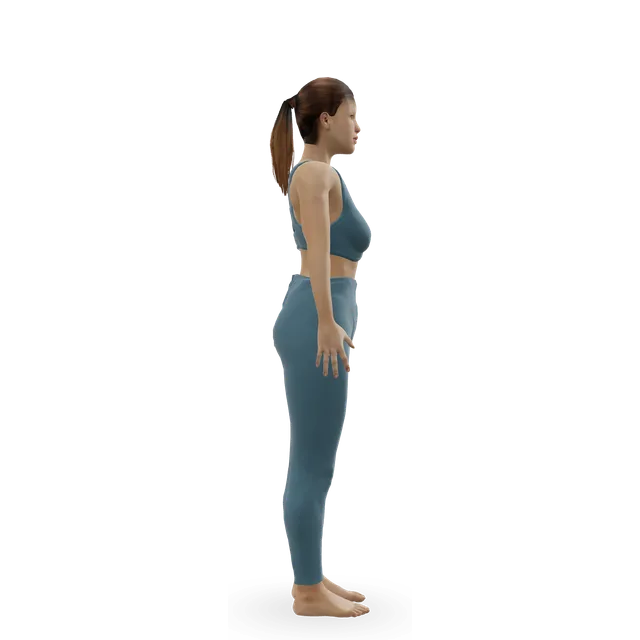
- Mountain pose (Tadasana)5 slow breathsBeginner · Calves, Back, Abs · 3D demoStand within reach of a wall if your tablets make you light-headedHarder: Tree pose (Vrksasana)
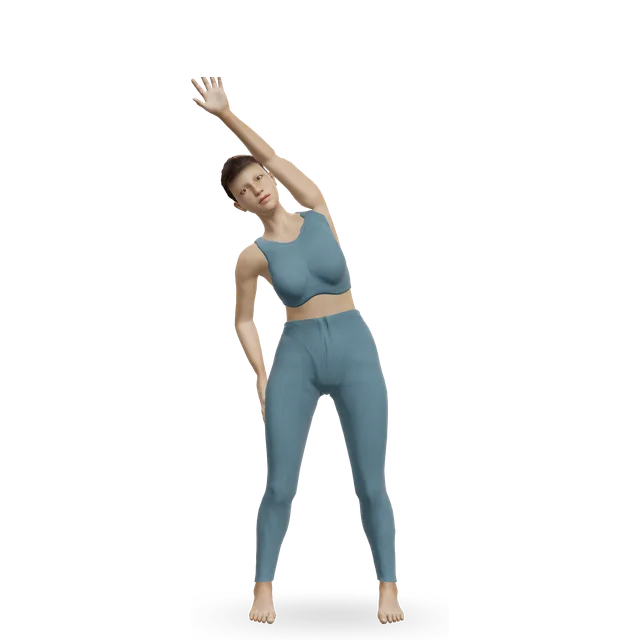
- Overhead side bend3 slow bends per side, exhale into eachBeginner · 3D demoA small bend, one hand on your hipEasier: Seated overhead side bendHarder: Overhead lat stretch at a bench (elbows on the bench)
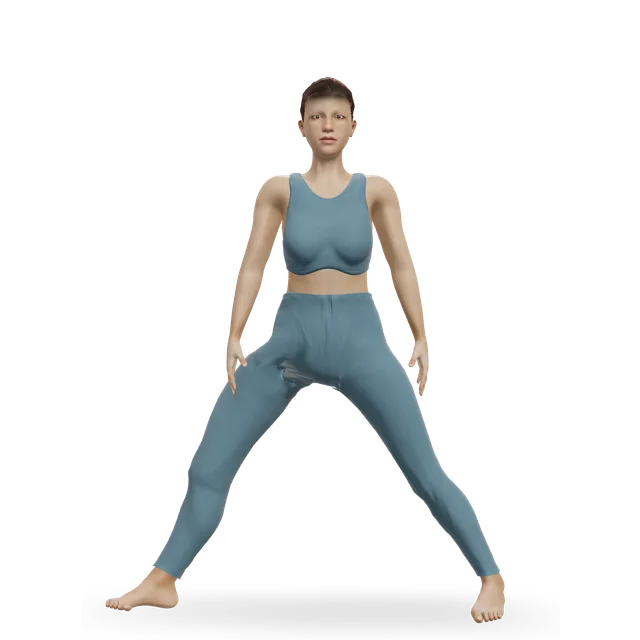
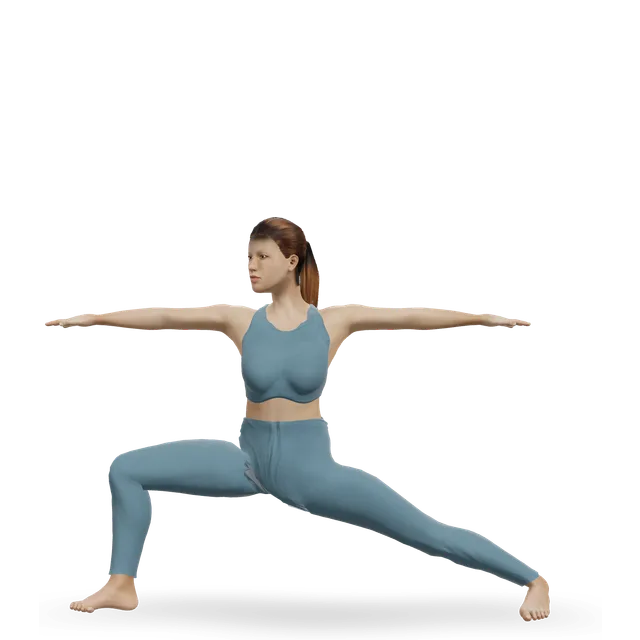
- Warrior II (Virabhadrasana II)3 breaths each sideIntermediate · Quads, Glutes, Adductors · 3D demoA short stance; hands on your hips if your arms tireEasier: Chair pose (Utkatasana)Harder: Extended side angle (Utthita Parsvakonasana)
- Triangle pose (Utthita Trikonasana)3 breaths each sideIntermediate · Hamstrings, Adductors, Abs · 3D demoHand on your shin or a block, head level with your spine, looking down or aheadEasier: Wide-legged standing forward fold (Prasarita Padottanasana)Harder: Half moon pose (Ardha Chandrasana)
- Tree pose (Vrksasana)3 to 5 breaths each sideBeginner · Glutes, Hip abductors, Calves · 3D demoHand on a wall; foot on the ankle or calfEasier: Mountain pose (Tadasana)Harder: Standing hand-to-big-toe pose (Utthita Hasta Padangusthasana)




Cool down, sitting (5 minutes)
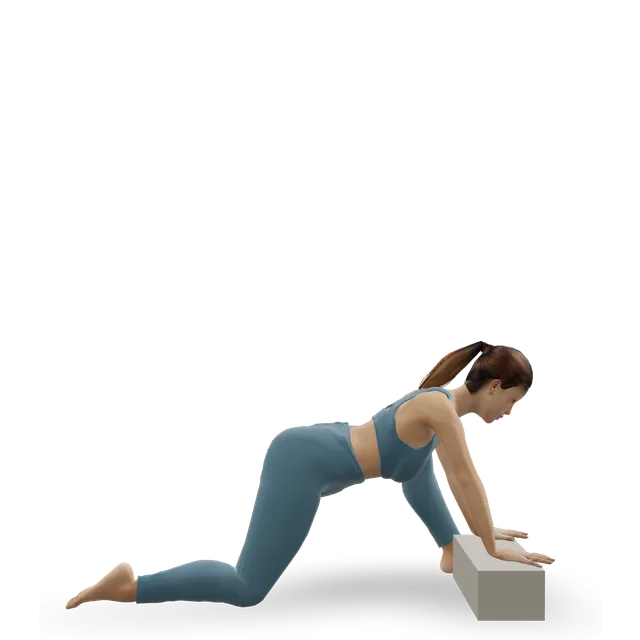
- Cat-cow6 slow roundsBeginner · Back, Abs · 3D demoSeated (the demo shows all fours): hands on your knees, head levelHarder: Half lord of the fishes (Ardha Matsyendrasana)
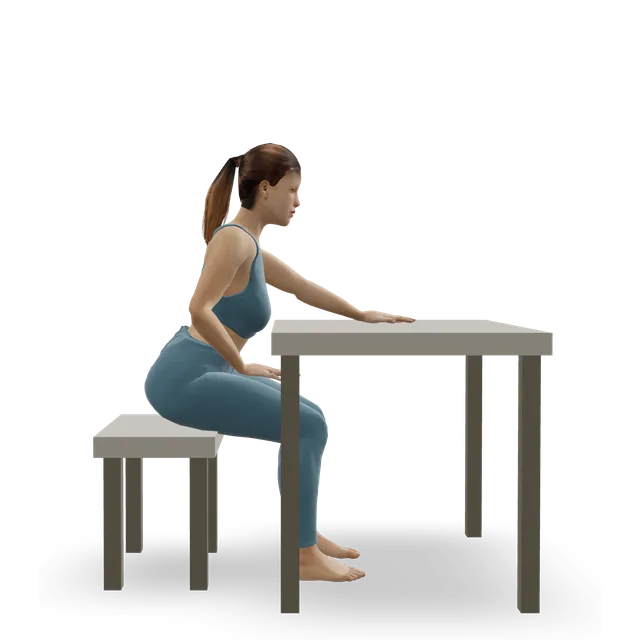
- Table slide (seated forward reach)8 slow repsBeginner · Shoulders, Back · 3D demoA seated forward bend with a long back: hinge from your hips, hands sliding along your thighs, head no lower than your heartEasier: Pendulum exercise (Codman's pendulum)Harder: Overhead lat stretch at a bench (elbows on the bench)
- Thoracic rotation5 each side, 5 s holdsBeginner · 3D demoSeated (the demo shows it standing): arms crossed, hips facing forwardEasier: Side-lying open bookHarder: World's greatest stretch
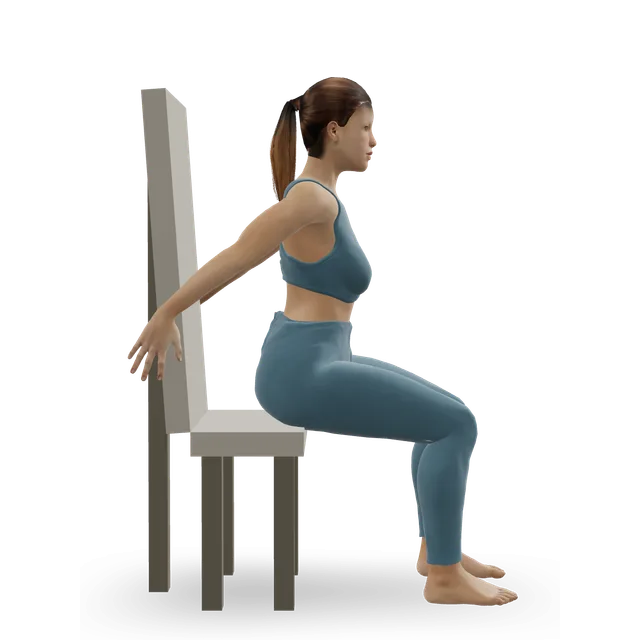
- Chair chest and shoulder stretch2 holds of 20 sBeginner · Shoulders, Biceps, Chest · 3D demoSit near the front edge and hold the backrest behind you; after surgery on your breastbone, only if your team agreesHarder: Behind-the-back stick shoulder stretch

Breathe, sitting (8 minutes)
- Beginner · 3D demoIn for about 4 and out for about 6, gently, with no holdsEasier: Breath reachHarder: Crocodile breathing (prone diaphragmatic breathing)
- Beginner · 3D demoSlow rounds with no breath holds, as in the heart attack trial; with a blocked nose, just breathe slowlyEasier: Slow breathing (6 breaths a minute)


Lie down and rest, or stay sitting (about 7 minutes)
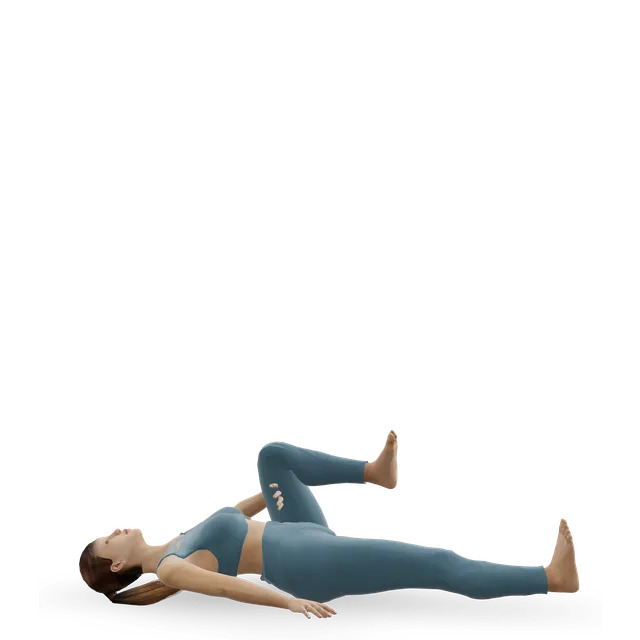
- Single knee-to-chest stretch2 holds of 20 to 30 s each sideBeginner · Glutes, Back, Hip flexors · 3D demoLie down slowly. Prop your head and shoulders on cushions if lying flat makes you breathlessHarder: 90/90 hip lift-off
- Supine spinal twist (Supta Matsyendrasana)30 s each sideBeginner · Back, Glutes · 3D demoKnees together, slow breathingHarder: Seated twist, bottom leg straight
- Beginner · 3D demoA cushion under your knees, or relax sitting in a chair. To get up, roll to your side, pause, sit for a few breaths, then stand


Tips
- Cardiac rehab comes first: NICE says everyone should be offered it after a heart attack, whatever their age. Use this class after your rehab assessment, or once your team agrees.
- The warm-up builds for 15 minutes, from seated moves to standing poses, and you cool down sitting, then breathe slowly sitting, for 13 minutes before you lie down. Our heart disease guide asks for a warm-up of at least 15 minutes and no lying down straight after exercise; counting the standing poses as warm-up and the seated breathing as cool-down is our reading of the UK rehab standards for a gentle session.
- Never hold your breath, and leave out fast, forceful breathing: both push blood pressure up while you do them.
- Keep walking or cycling on most days: the British Heart Foundation says yoga doesn't count towards your 150 minutes a week, so it's an extra, not an alternative. NICE suggests 20 to 30 minutes of activity a day, to the point of slight breathlessness.
- Stop if you get chest pain, palpitations, dizziness or light-headedness; if it doesn't go away quickly with rest or your GTN (glyceryl trinitrate) spray or tablets, get urgent advice. With angina, take a second GTN dose after 5 minutes, and call 999 (911 in the US) if you still have symptoms 5 minutes after that.
- With heart failure, skip the class on days you feel unwell or more tired or breathless than normal, or have suddenly gained weight, and prop yourself up for the lying poses or stay sitting.
- After bypass or valve surgery, don't put weight through your arms until your team says so; after a pacemaker or ICD, keep that elbow below shoulder height for the first 4 to 6 weeks.
- Get up slowly from lying and from sitting: quick changes of position can drop your blood pressure, especially if you take blood pressure tablets. Keep taking your medicines: yoga goes alongside them, not instead of them.
The doses are suggested starting points, not a prescription. Choose a range you can control and stop for sharp or increasing pain, numbness or tingling. Get individual advice after an injury or surgery, or if you are pregnant or managing a health condition.
Guides that recommend it
Find more moves like these
More yoga flows

Beginner yoga flow
A 20-minute beginner yoga sequence: mountain, chair, warrior II, triangle, tree, down dog, cobra and child's pose.
20 minBeginner11 movesA step
Sun salutation flow
A 20-minute flow built on sun salutations A and B, with warrior poses and a short cool-down.
20 minIntermediate8 movesNo equipment

Yoga for tight hips
A hip-opening yoga sequence: low lunge, lizard, goddess, pigeon, bound angle and happy baby.
25 minBeginner10 movesA wallQuestions people ask
How long does the yoga for heart health: a 35-minute gentle class with no breath holds take?
About 35 minutes, including any warm-up and cool-down listed. Shorten it by doing fewer rounds; lengthen it by adding one.
What equipment do I need?
You need: A bench or box, A wall, A step. Each move links to its guide, where you can find an alternative if you are missing something.
Is it suitable for beginners?
It is written for beginners. 9 of its 18 moves have an easier option listed beside them if you need one.
How do I make it easier or harder?
Use the easier or harder option listed under each move, change the number of rounds, or adjust the rest. Progress one change at a time.