Yoga for lungs and COPD: what it does for breathlessness, which breathing helps, and staying safe
Yoga can make breathing feel easier and more controlled with COPD (chronic obstructive pulmonary disease), but it doesn't repair your lungs. In 11 small trials, breathing-focused yoga added about 25 metres to a 6-minute walk and a little to lung function against no treatment; programmes built mainly on poses didn't show those effects.
Pulmonary rehabilitation, a course of exercise and education, has much stronger evidence and comes first. Compared with rehab or added to it, mind-body exercise gave inconclusive results, so yoga is an extra, or a way to stay active if you can't get to rehab, not a substitute.
This guide covers what the trials show, the breathing techniques that help and the fast, forceful ones to leave out, what yoga can't do for lung capacity or "detox", other lung conditions, oxygen, inhalers and heat, and the flare-up and 999 signs. It ends with a free 25-minute practice you do sitting and standing.
A course of exercise and education eased breathlessness and fatigue by more than people notice in 65 trials. NICE (the National Institute for Health and Care Excellence) says it should be offered to everyone who feels disabled by COPD, and the British Thoracic Society's standard is to start within 30 days of leaving hospital after a flare-up.
In 11 small trials (586 people), yoga added about 25 metres to a 6-minute walk and about 4 percentage points to FEV1 (the air you can blow out in one second) against no treatment. The effects came from breathing-focused programmes. Pranayama timed breathing added 45 metres in 2 small trials.
Compared with rehab or added to it, mind-body exercise gave inconclusive results in 10 trials, 9 of them tai chi or qigong. In one trial of 150 people, online yoga and online rehab improved walking about equally.
Breathing control, pursed-lip breathing, blow as you go and paced breathing help you stay in control when you're breathless. Across 73 trials, breathing techniques consistently improved quality of life in serious lung disease, though their effect on breathlessness was small.
Fast breathing caused more side effects than slow breathing in trials of pranayama, and one case report links kapalabhati with a collapsed lung in a healthy 29-year-old. A collapsed lung caused by lung disease is most common in people with COPD, NHS Lothian says. Leave out fast, forceful breathing, and skip breath holds when you're breathless.
"The damage to the lungs caused by COPD is permanent", the NHS says, though treatment can slow it down. We found no study testing yoga as a way to clean or "detox" the lungs. Stopping smoking is what protects them.
A group of lung conditions, including emphysema and chronic bronchitis, that cause breathing difficulties, often with a lasting chesty cough and flare-ups, "periods when your symptoms get suddenly worse". The NHS: "The damage to the lungs caused by COPD is permanent, but treatment can help slow down the progression of the condition."
If you avoid things that make you breathless, your muscles get weaker, and weaker muscles need more oxygen, so over time you feel more and more breathless: Asthma + Lung UK calls it the cycle of inactivity. Being more active makes your muscles stronger, "including your breathing muscles". The lung damage stays, but you can do more with less breathlessness.
A programme of exercise (walking or cycling and strength work for the arms and legs) and education, usually 2 or more group sessions a week for at least 6 weeks. NICE offers it to everyone who feels disabled by COPD, usually from MRC grade 3 (the Medical Research Council breathlessness scale), when you have to stop for breath walking at your own pace on the flat.
Breathing-focused programmes (pranayama such as slow, timed breathing), poses, or both, usually 2 or more sessions a week for about 12 weeks. The effects in the pooled trials came from the breathing-focused ones.
Your lungs mature by about 20 to 25 years old, and lung function then declines gradually from about 35. Breathing practice can change how you breathe and make it feel easier; it doesn't grow lung tissue or undo damage.
Pulmonary rehab: the strongest evidenceStrong evidence
In a Cochrane review of 65 trials (3,822 people), rehab improved breathlessness, fatigue, mood and sense of control by more than the 0.5 points people notice, and the authors said more trials against usual care weren't needed. NICE: "Offer pulmonary rehabilitation to all people who view themselves as functionally disabled by COPD (usually Medical Research Council [MRC] grade 3 and above)." The British Thoracic Society's standard is to start within 30 days of leaving hospital after a flare-up.
Against no treatment, yoga added about 25 metres to the 6-minute walk and about 4 percentage points to FEV1 in 11 trials (586 people), effects that held up in the better-quality trials, but only in breathing-focused programmes, not in those that included poses. A Cochrane review found pranayama timed breathing added 45 metres in 2 trials (74 people).
The trials were small and short, mostly about 12 weeks, and we read the reviews as abstracts. Rehab's evidence is far larger.
Older analyses of 5 and 10 trials found gains in walking and FEV1. A 2024 review of 23 trials of tai chi, qigong and yoga found yoga's effect not significant, and network analyses ranked yoga in the middle of the mind-body exercises.
In a Cochrane review of 10 studies (762 people), 9 of them tai chi or qigong in China, mind-body exercise compared with or added to rehab gave inconclusive results, and the "rehab" was mostly unstructured walking. In 150 people with COPD, online yoga and online rehab improved walking about equally over 3 months, and lung function didn't change in either group.
Across 73 trials of breathing techniques in serious lung disease, quality of life improved consistently, but breathlessness fell only a little with pursed-lip or tummy breathing, and the estimate for yoga breathing could have been zero. In advanced COPD or cancer, meditative movement didn't ease breathlessness (17 trials).
The international COPD strategy from GOLD (the Global Initiative for Chronic Obstructive Lung Disease): "Cognitive behavioral therapy and mind-body interventions (e.g., mindfulness-based therapy, yoga, and relaxation) can reduce anxiety and depression; mind-body interventions also improve physical outcomes such as lung function, dyspnea, exercise capacity and fatigue in people with COPD and psychological problems." It also lists a fan blowing air onto your face among ways to relieve breathlessness.
Pranayama plus education against education alone (43 people, 12 weeks): walking changed by 28 metres more against 15 metres less, a difference that could have been chance. Poses plus timed breathing (29 people, 12 weeks): about 22 metres further against about 8 metres less, and safe. Coal miners with COPD (81 people), 90 minutes a day for 12 weeks: less breathlessness and fatigue than a waiting list.
Side effects were rarely reported in the COPD trials. Fast breathing caused more side effects than slow breathing in trials of pranayama, and one case report links kapalabhati with a collapsed lung in a healthy 29-year-old. NHS Lothian says a collapsed lung caused by lung disease is most common in people with COPD.
"Breathing control means breathing gently, using the least effort", with your shoulders relaxed. Practise it sitting, relaxed and not out of breath, so you can use it when you are.
Breathe in gently through your nose, purse your lips as if blowing out a candle, and blow out for as long as is comfortable: "Do not force your lungs to empty." In one trial in the Cochrane review (60 people), it added 50 metres to the walk test.
Breathe in before an effort and out while you make it, such as standing up or lifting. On walks and stairs, count 1 step as you breathe in and 2 as you breathe out, going up to 3 as you can. Paced breathing "helps to avoid breath holding".
Kapalabhati, bhastrika and "breath of fire" push air out fast and hard. Fast breathing caused more side effects than slow breathing in trials of pranayama, and NCCIH (the US National Center for Complementary and Integrative Health) advises beginners to avoid forceful breathing. One case report links kapalabhati with a collapsed lung in a healthy person, and NHS Lothian says a collapsed lung caused by lung disease is most common in COPD. Leave them out.
Breath holds aren't part of the breathing rehab teaches, and paced breathing "helps to avoid breath holding". Skip box breathing, 4-7-8 breathing and held pranayama when you're breathless or have symptoms (our suggestion, as our yoga for asthma guide advises).
You're probably breathing too deeply: make the breaths smaller or go back to normal breathing, as the slow breathing move's page says. Follow any breathing advice your own team has given you.
How much
The trials mostly ran 2 or more sessions a week for about 12 weeks. Our editorial starting point: 5 to 10 minutes of breathing control and pursed-lip breathing on most days, sitting when you're calm, plus our 25-minute practice 2 or 3 times a week, alongside walking and rehab if you can get it. Asthma + Lung UK suggests muscle-strengthening activity at least twice a week, for example "doing yoga".
In COPD, breathing-focused yoga raised FEV1 by about 4% of the predicted value (about 124 mL in an older review). In healthy adults, studies of yoga breathing reported medium gains in breathing tests, with very large differences between studies. Lungs mature by about 20 to 25, lung function declines gradually from about 35, and the NHS says COPD damage is permanent. Yoga breathing can make breathing feel easier and more controlled; it doesn't enlarge your lungs or repair damage.
We found no study testing yoga or pranayama as a lung cleanse: the one record our search found was a study of induced vomiting. Stopping smoking is what protects the lungs. If you bring up a lot of phlegm, a respiratory physiotherapist can teach you airway clearance; our bronchiectasis guide covers it.
Pulmonary fibrosis and interstitial lung diseaseMixed evidence
In 63 people with idiopathic pulmonary fibrosis, 12 weeks of online seated yoga, breathing and meditation improved cough and an overall disease-specific quality of life score. In 16 people with fibrosing interstitial lung disease, yoga improved quality of life and breathlessness scores, without changing lung function. Both are small pilots; our pulmonary fibrosis exercise guide covers rehab.
In 48 people, 24 yoga sessions over 8 weeks improved breathlessness, sleep and quality of life against no intervention. Your daily airway clearance comes first; our bronchiectasis guide covers it.
Sarcoidosis, long COVID and lung cancerMixed evidence
Online yoga did about as well as a physiotherapy programme in 34 people with sarcoidosis, with no change in lung function. A 29-person pilot after COVID-19 found no differences between groups. In 108 people after lung cancer surgery, yoga breathing eased breathlessness and anxiety. Each condition's exercise guide comes first.
Asthma is a different condition, with its own yoga guide: our yoga for asthma guide covers breathing retraining and Buteyko. The NHS steps for an asthma attack are in the warning signs below.
If you normally use oxygen when you move, "make sure to use it on your usual setting for the exercises" and check you have enough, Asthma + Lung UK says. The NHS says to keep your oxygen at least 3 metres from any appliance that uses an open flame, such as a gas cooker or gas fire, not to smoke or let anyone smoke near you, and not to use oil-based creams such as petroleum jelly. Our reading: keep lit candles and incense well away from your oxygen too. Don't exercise if you've run out of oxygen.
The NHS: "Exercising until you're a little breathless is not dangerous, but do not push yourself too far." Use Asthma + Lung UK's talk test: say "this activity is going to do me good"; if you can only say one word at a time, slow down.
"Hot and humid air can affect your breathing and make asthma and other lung condition symptoms like breathlessness and wheezing worse", Asthma + Lung UK says, and essential oils can contain chemicals that trigger symptoms in some people with lung conditions. NCCIH notes hot yoga's "special risks related to overheating and dehydration", and we found no study of hot yoga in COPD. Choose a comfortable room.
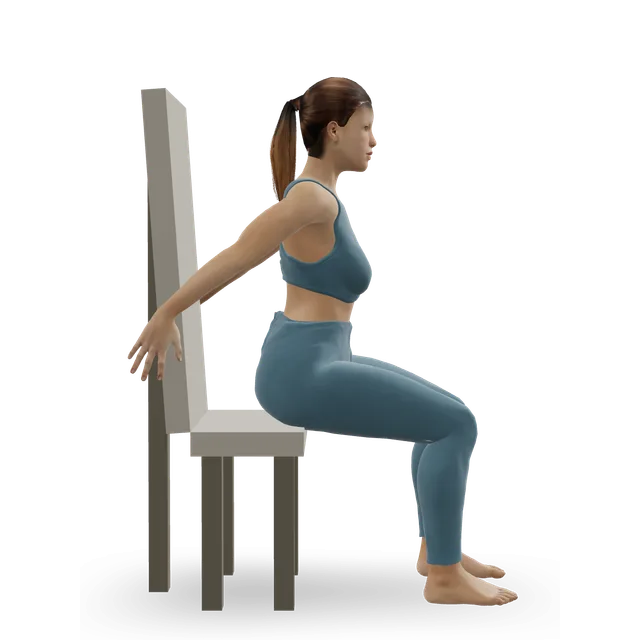
If lying back makes you more breathless, practise sitting or propped up; breathlessness that gets worse when you lie down needs a GP. Lifting your arms makes many people with COPD breathless, as our COPD exercise guide says: breathe out as you lift, go slowly, and keep your arms lower if you need to.
Signs include being more breathless than usual, coughing more, bringing up more phlegm or a change in its colour, more wheezing, feeling more tired, or finding it harder to be active. Follow your self-management plan and tell your GP or nurse. Rest from structured exercise, then restart with shorter, easier sessions once your symptoms are near your usual, as our COPD exercise guide suggests.
Asthma + Lung UK: "Never replace your usual treatment with a complementary treatment." It says breathing exercises such as pursed-lip, tummy and yoga breathing "can work well alongside your usual medicines".
Slow breathing: at least 5 minutes (the move's page), at any comfortable count with COPD, as our breathe and move workout says. Pursed-lip breathing: to learn it, practise 5 to 10 breaths sitting down, once or twice a day. Breath reach: 5 breaths, breathing out for longer. Alternate nostril breathing: 3 to 5 minutes of slow rounds, once or twice a day, with no holds; skip it with a blocked nose (the moves' pages).
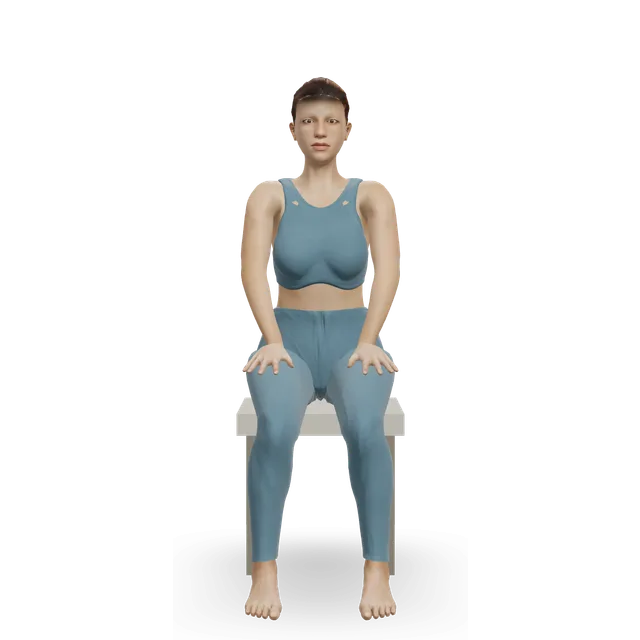
Shoulder rolls: 10 to 15 slow circles each way; the chair chest stretch: hold 15 to 30 seconds, 2 to 4 times; the seated side bend: hold 10 to 20 seconds, 2 or 3 times each side (the moves' pages). Seated cat-cow: 6 slow rounds; the seated twist: 5 each side with 5-second holds (our chair yoga class). Lift your arms slowly as you breathe out, and keep them lower if lifting makes you breathless.
Sit to stand: 8 to 10 reps, breathing out through pursed lips as you stand (our breathe and move COPD workout). Mountain pose: 5 breaths; tree pose: 3 breaths each side, fingertips on the chair (our chair yoga class). Chair pose: 2 holds of 3 breaths; warrior II: 3 breaths each side (our yoga for high blood pressure class). Wall push-up: 8 to 10, breathing out as you push away (our bronchiectasis workout). Rest in a recovery position whenever you need to.
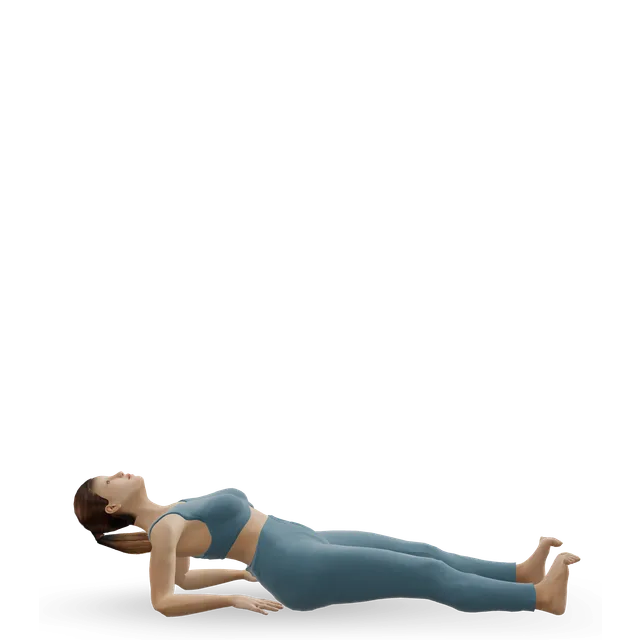
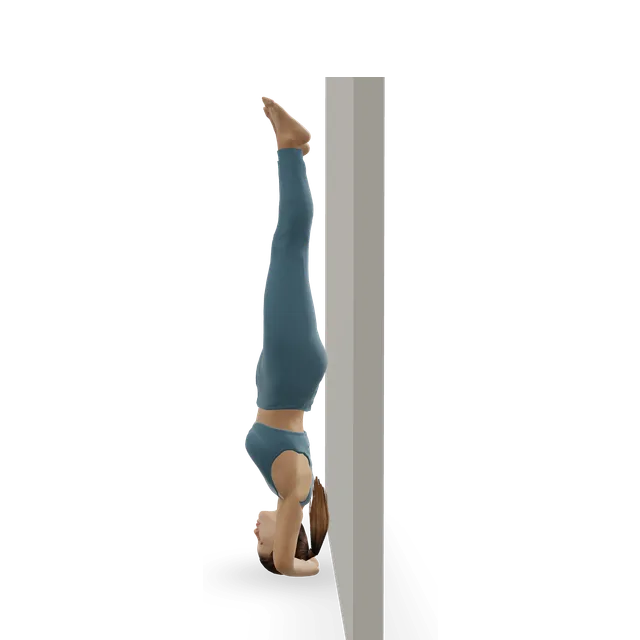
Box and 4-7-8 breathing: skip the holds when you're breathless or have symptoms. Fish pose won't open your lungs, and its page's cautions apply. Headstand: its page rules it out with uncontrolled high blood pressure, glaucoma or neck problems; leave head-down poses out if they make you more breathless (our suggestion). Kapalabhati and bhastrika have no move page here: leave them out.
Our 25-minute practice goes alongside the breathe and move COPD workout, which is built on rehab's breathing techniques; use the seated chair yoga on very breathless days. In the breathing routine, the slow breathing suits; skip the box and 4-7-8 holds when you're breathless. For bronchiectasis, long COVID or pulmonary hypertension, that condition's own workout comes first.
These follow the NHS, Asthma + Lung UK and our COPD exercise guide. A&E means accident and emergency. In the US, call 911 for 999.
Call 999 or go to A&E
Call 999 (911 in the US) or go to A&E if any of these happen. Don't drive yourself: ask someone to drive you or call an ambulance, and take your medicines with you.
You have severe difficulty breathing: you're gasping, choking or not able to get words out.
Your chest feels tight or heavy.
You have pain that spreads to your arms, back, neck and jaw.
Your lips or skin are turning very pale, blue or grey. On brown or black skin, this may be easier to see on the palms of the hands.
You feel suddenly confused.
Your breathing doesn't go back to normal after exercise.
A collapsed lung usually causes sharp, stabbing chest pain that comes on suddenly on one side, worse when you breathe in, often with breathlessness, NHS Lothian's leaflet says. If this comes on during or after yoga, stop and get urgent help: call 999 or go to A&E if you're very breathless or your chest feels tight, as the signs above say.
With a blue reliever inhaler: take 1 puff every 30 to 60 seconds until you feel better, up to a maximum of 10 puffs. Shake the inhaler between puffs, and use a spacer if you have one.
With an AIR or MART inhaler (used for both preventing and treating symptoms): take 1 puff every 1 to 3 minutes until you feel better, up to a maximum of 6 puffs.
If your asthma action plan gives a different maximum dose for an attack, follow your plan.
Call 999 if you start to feel worse at any time, you don't feel better after the maximum dose, or you don't have your inhaler. If you're no better after 10 minutes and the ambulance hasn't arrived, use your inhaler again, up to the same maximum dose. See a GP within 2 days, even if you feel better.
If a breathing practice makes you dizzy, light-headed or tingly, make the breaths smaller or go back to normal breathing. If you get wheezy, tight-chested or much more breathless than usual, stop, rest in a recovery position and follow your plan (our suggestions).
Myths
"Pranayama increases your lung capacity"Mixed evidence
In COPD, breathing-focused yoga raised FEV1 by about 4% of the predicted value in small trials; in healthy adults, studies of yoga breathing disagreed widely. Lung function declines gradually from about 35, and COPD damage is permanent. Breathing practice changes how you breathe, not the size of your lungs.
"Yoga can replace pulmonary rehab, inhalers or oxygen"Strong evidence
Rehab improves breathlessness, fatigue and quality of life by more than people notice, and NICE offers it to everyone disabled by COPD. Asthma + Lung UK: "Never replace your usual treatment with a complementary treatment." Compared with or added to rehab, mind-body exercise was inconclusive.
"Backbends and chest openers open your lungs"Mixed evidence
No trial shows it: in COPD, programmes that included poses didn't show the walking and lung-function gains that breathing-focused yoga did. Choose poses you enjoy.
"Kapalabhati clears mucus and is the best breathing for COPD"Mixed evidence
We found no study of kapalabhati for mucus. Fast breathing caused more side effects in trials, one case report links kapalabhati with a collapsed lung in a healthy person, and a collapsed lung caused by lung disease is most common in COPD. The breathing techniques rehab teaches are slow and gentle.
"Getting out of breath in a class is damaging my lungs"Strong evidence
The NHS says exercising until you're a little breathless is not dangerous, and Asthma + Lung UK says getting out of breath when you're active is completely normal. Use the talk test.
For people with COPD, breathing-focused yoga improved walking distance and lung function a little in small trials, and the international COPD strategy says mind-body practices such as yoga can ease anxiety, low mood and fatigue. It doesn't repair lung damage, and it doesn't replace pulmonary rehab.
Can yoga increase lung capacity?
Not in the way people mean. In COPD, FEV1 rose by about 4% of the predicted value in small trials, and in healthy adults the results varied widely. Breathing practice can make breathing feel easier and more controlled; it doesn't enlarge your lungs.
Is yoga good for COPD?
It can be a useful extra. Against no treatment, breathing-focused yoga added about 25 metres to a 6-minute walk; compared with or added to pulmonary rehab, results were inconclusive. Ask your GP or nurse about pulmonary rehab first.
What are the best breathing exercises for COPD?
The ones pulmonary rehab teaches: breathing control, pursed-lip breathing, blow as you go and paced breathing, with recovery positions when you're breathless. Across 73 trials, breathing techniques improved quality of life, though their effect on breathlessness was small.
Is chair yoga good for COPD?
It's a gentle way to start, because you can sit and recover whenever you need to. Our 25-minute practice stays upright and uses pulmonary rehab's breathing techniques; add walking and pulmonary rehab for fitness.
Is pranayama safe with COPD?
Slow pranayama is generally fine; fast, forceful breathing isn't. Fast breathing caused more side effects in trials, one case report links kapalabhati with a collapsed lung, and a collapsed lung caused by lung disease is most common in people with COPD. Skip breath holds when you're breathless.
Can yoga clean or detox my lungs?
We found no study showing it. Stopping smoking is what protects your lungs, and if you bring up a lot of phlegm, a physiotherapist can teach you airway clearance.
Can I do yoga if I use oxygen?
Yes. Use it on your usual setting when you're active, keep it at least 3 metres from appliances with an open flame, such as a gas fire, keep candles and incense away too, and ask your oxygen team if you're unsure. Don't exercise if you've run out.
Does yoga help pulmonary fibrosis or bronchiectasis?
Small pilot trials suggest it's safe and may help cough and quality of life in pulmonary fibrosis, and breathlessness and quality of life in bronchiectasis. These are early results, and each condition's own exercise guide comes first.
Is hot yoga OK with a lung condition?
Hot, humid air can make breathlessness and wheezing worse, and NCCIH notes hot yoga's risks of overheating and dehydration. Choose a comfortable room and a gentle class.
When should I stop yoga and get help?
Stop and get advice for chest pain or tightness, feeling more breathless than usual, dizziness, feeling sick, clammy or very cold, or wheezing. Call 999 if you're gasping or can't get your words out, your chest feels tight or heavy, or your lips or skin turn very pale, blue or grey.
Exercise education, not a personal prescription, and clinical review of these guides is pending. If you are pregnant, have a health condition such as glaucoma, high blood pressure or osteoporosis, or have had recent surgery, check with a doctor, midwife or physiotherapist before starting, and stop for sharp or increasing pain. Health disclaimer.