Yoga for asthma: what it does for symptoms, which breathing helps, and staying safe
Yoga can help you feel better with asthma, but it doesn't change how your lungs work. In 15 trials, it improved asthma quality of life and symptoms a little, without a clear change in lung function, and UK guidance says yoga could be considered as an extra therapy, or as an alternative to other breathing exercises.
The best evidence is for breathing retraining, such as the BREATHE physiotherapy programme and the Papworth method, which UK guidance says can be offered alongside your medicines. None of it prevents asthma attacks: yoga is never a substitute for your inhalers or your asthma action plan.
This guide covers what the trials show, which breathing practices to choose (slow and gentle) and which to leave out (fast and forceful, and breath holds when you have symptoms), the Buteyko and Papworth methods, hot yoga, exercise-induced symptoms and children, and the NHS steps for an asthma attack. It ends with the myths and a free 20-minute practice that starts with breathing.
In a review of 15 trials (1,048 people), yoga improved asthma quality of life by 0.57 points on a 7-point scale, just above the 0.5 that people notice, and symptoms a little, on moderate-quality evidence. Lung function didn't change significantly.
UK guidance says breathing exercise programmes "can be offered to adults with asthma as an adjuvant to pharmacological treatment to improve quality of life and reduce symptoms". In 655 adults, a DVD and booklet worked as well as 3 physiotherapy sessions.
UK guidance: "Although current evidence does not support yoga as a routine intervention for people with asthma, it could be considered as an additional therapy or as an alternative to other forms of breathing exercises."
Asthma + Lung UK: "Never replace your usual treatment with a complementary treatment." Breathing exercises don't improve lung function or reduce the risk of attacks.
Fast breathing caused more side effects than slow breathing in trials of pranayama, and one case report links kapalabhati with a collapsed lung. Skip breath holds when you have symptoms.
Always have your inhaler with you, and if exercise brings on your symptoms, get advice from your doctor or nurse. In an attack, follow the NHS steps in the warning signs below.
Adults and teenagers with asthma, a common condition that affects your breathing, with wheezing, coughing, shortness of breath and a tight chest that usually come and go. Children are covered briefly; our yoga for kids guide has more. COPD (chronic obstructive pulmonary disease) is a different condition, covered in our exercise for COPD guide.
Of the 15 trials in the Cochrane review, 5 used yoga breathing alone and the rest combined breathing, poses and meditation, mostly for up to 6 months, mostly in mild to moderate asthma. In a review of breathing exercises for asthma, 14 of the 22 studies were of yoga.
Asthma breathing programmes teach you to breathe more slowly, through your nose and with your diaphragm (your belly) rather than your upper chest, with relaxation. The BREATHE programme combined "diaphragmatic breathing, nasal breathing, slow breathing, controlled breath holds, and simple relaxation exercises". The Papworth method is a physiotherapy-led breathing and relaxation approach, and the Buteyko technique teaches nose breathing and reduced breathing, usually with a trained instructor.
Pranayama is yoga's family of breathing practices, from slow breathing and alternate nostril breathing to fast, forceful breathing such as kapalabhati.
Breathing programmes improve how people feel and can cut reliever use, but have "little effect on lung function or airway inflammation", UK guidance says. The Global Initiative for Asthma (GINA) says the improvement people feel "may be largely due to factors such as relaxation, voluntary reduction in use of rescue medication, or engagement of the patient in their care", and in one double-blind trial, two very different breathing techniques gave the same benefit.
In the Cochrane review (15 trials, 1,048 people), yoga improved asthma quality of life by 0.57 points per item on a 7-point scale (5 trials, 375 people), above the 0.5 change people notice, and symptoms a little, on moderate-quality evidence. In a review of breathing exercises (22 studies, 2,880 adults, 14 of them yoga), quality of life improved by 0.42 points at 3 months, at moderate certainty.
Against sham yoga or other breathing exercisesMixed evidence
In a 2014 review of 14 trials, yoga beat usual care but did no better than sham yoga or other breathing exercises, and no effect held up once trials at risk of bias were set aside. UK guidance notes that the gains were seen mostly in trials without a sham or placebo comparison.
Lung function (FEV1, the air you can blow out in one second) didn't change significantly in the Cochrane review (7 trials). A 2023 analysis that reported large gains has inconsistencies in its own summary and drew a published letter in reply. In children, lung function rose a little without better asthma control.
Two trials suggested less medicine use with yoga, but the estimate was very imprecise. In one trial, Buteyko cut reliever use by about 2 puffs a day; but in a double-blind trial, two different breathing techniques both cut reliever use by 86% and inhaled steroid doses by 50%, so the change may come from paying close attention to your asthma rather than from any one technique. Change your preventer only with your GP or asthma nurse.
Breathing programmes in UK guidanceStrong evidence
The UK asthma guideline says breathing programmes, including physiotherapy programmes such as the Papworth method and the Buteyko method, "can lead to modest improvements in asthma symptoms and quality of life, and reduce bronchodilator requirement in adults with asthma, although have little effect on lung function or airway inflammation", and that courses of more than 5 hours seemed more likely to work. In the BREATHE trial of 655 UK adults, a DVD and booklet improved quality of life as much as 3 physiotherapy sessions at 12 months.
"Although current evidence does not support yoga as a routine intervention for people with asthma, it could be considered as an additional therapy or as an alternative to other forms of breathing exercises."
GINA says breathing exercises "may be considered as a supplement to conventional asthma management strategies for symptoms and quality of life, but they do not improve lung function or reduce exacerbation risk", on its strongest grade of evidence.
In 5 trials of 480 children aged 8 to 16, yoga added to medicines gave small lung-function gains but no clear change in asthma control or quality of life. UK guidance found too little evidence on breathing exercises or yoga in children aged 12 and under to make a recommendation.
A single-centre Indian trial found better asthma control at 13 weeks with added yoga, analysing 165 of 192 people. Networks comparing types of exercise put yoga among those that improved quality of life and peak flow, with uncertain rankings, and a review of breathing techniques in serious lung disease (73 trials, mostly COPD or asthma) found consistent gains in quality of life and no harms reported.
No serious side effects were linked to yoga in the asthma trials, though few trials reported them well. Fast breathing caused more side effects than slow breathing in trials of pranayama, one case report links kapalabhati with a collapsed lung in a healthy 29-year-old, and another describes raised muscle enzymes after intense yoga breathing during an asthma attack.
Breathe in and out through your nose if you can, slowly, letting your belly rather than your upper chest move, with a longer breath out. That's the core of BREATHE and of physiotherapy breathing programmes, and our slow breathing and crocodile breathing moves practise it.
In one trial, pranayama practised for 15 minutes twice a day improved asthma quality of life against usual care. Slow practices fit best, such as alternate nostril breathing done gently with no holds.
Kapalabhati, bhastrika and "breath of fire" push air out fast and hard. We found no study showing they help asthma, fast breathing caused more side effects in trials, and two case reports describe harm. Leave them out.
BREATHE included controlled breath holds as part of a taught programme, so they aren't banned when you're well. But skip box breathing, 4-7-8 breathing and held pranayama when you have symptoms (our suggestion, as in our exercise with asthma guide).
Programmes with more than 5 hours of training seemed more likely to help, and most yoga trials lasted up to 6 months. Our editorial starting point: 10 to 15 minutes of slow breathing on most days for 4 to 8 weeks, plus a gentle class or our 20-minute practice 2 or 3 times a week.
Ask your GP or asthma nurse about a physiotherapy breathing programme. GINA notes that the breathing exercises used in some of the trials are available online, and that the cost of some commercial programmes may be a drawback. Our exercise with asthma guide covers breathing exercises in general.
A physiotherapy-led programme of breathing and relaxation training. In 85 adults, 5 sessions improved breathing symptoms, anxiety, low mood and dysfunctional breathing for a year, without changing lung function.
A method of nose breathing and reduced breathing, usually taught by a trained instructor. In 7 trials it improved asthma control a little, more in children than adults, without improving quality of life overall. In one trial it eased symptoms and cut reliever use by about 2 puffs a day without changing lung function or attacks, and in another it did about as well as pranayama, with a trend in its favour.
UK guidance names both among the programmes that "can be offered to adults with asthma as an adjuvant to pharmacological treatment". Neither improves lung function or prevents attacks, and GINA notes that the cost of some commercial courses may be a drawback.
Ask your GP or asthma nurse about a referral to a respiratory physiotherapist. UK guidance says these techniques are taught by a trained therapist and should ideally be provided "as part of integrated medical care".
The NHS says always have your inhaler with you and use your inhalers as your care team recommends. Keep your reliever within reach of your mat, not in a bag across the room (our suggestion).
The NHS says to exercise regularly, and to get advice from your doctor or nurse about exercising safely if exercise triggers your symptoms. Coughing, wheezing or a tight chest with exercise usually means your asthma needs a review, as our exercise with asthma guide explains.
Gentle yoga is light activity, so it may be less likely to set off symptoms than running in cold air, though no trial has compared them (our reading). Before harder sessions, our asthma warm-up helps.
"Hot and humid air can affect your breathing and make asthma and other lung condition symptoms like breathlessness and wheezing worse", Asthma + Lung UK says, and 1 in 3 people in its survey said hot weather made their symptoms worse. Heat can also damage inhalers. If heat is a trigger for you, choose a class at room temperature.
Slow breathing: at least 5 minutes, done regularly as part of your daily routine. Crocodile breathing: 5 minutes of easy nose breathing, about 4 seconds in and 6 out; if lying face down feels tight, sit up with your hands on your lower ribs. Pursed-lip breathing: practise 5 to 10 breaths sitting down, once or twice a day, until it comes naturally. Alternate nostril breathing: 3 to 5 minutes of slow rounds, once or twice a day, with no holds (the moves' pages). Stop and breathe normally if you feel dizzy or tingly.
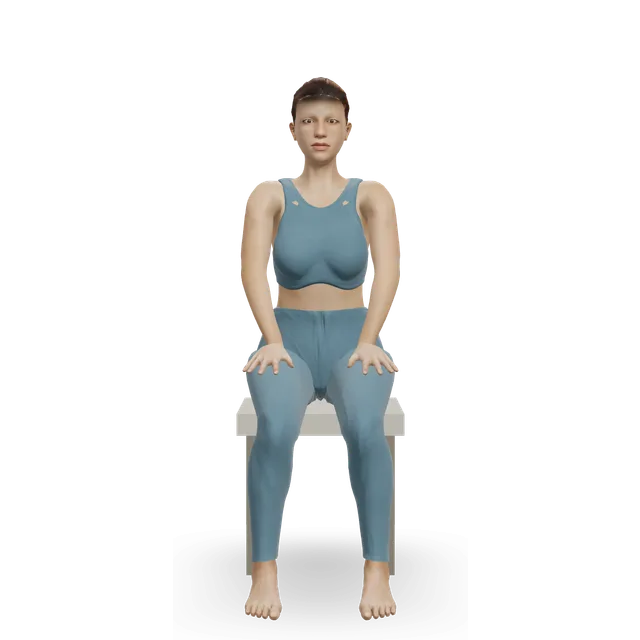
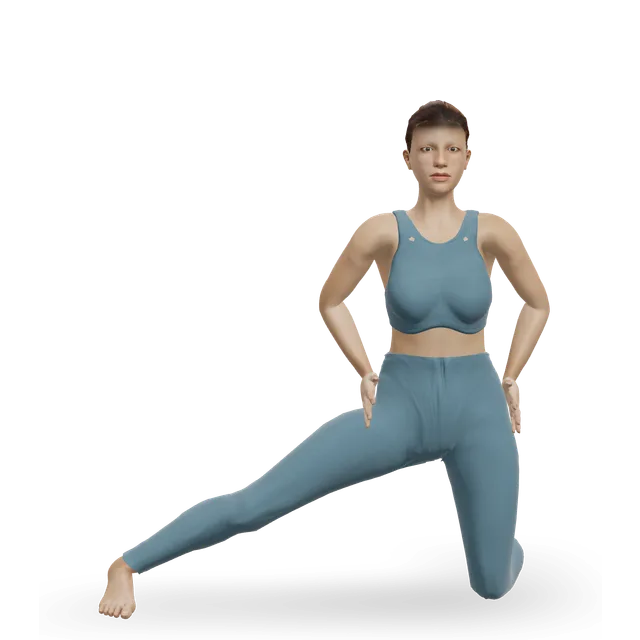
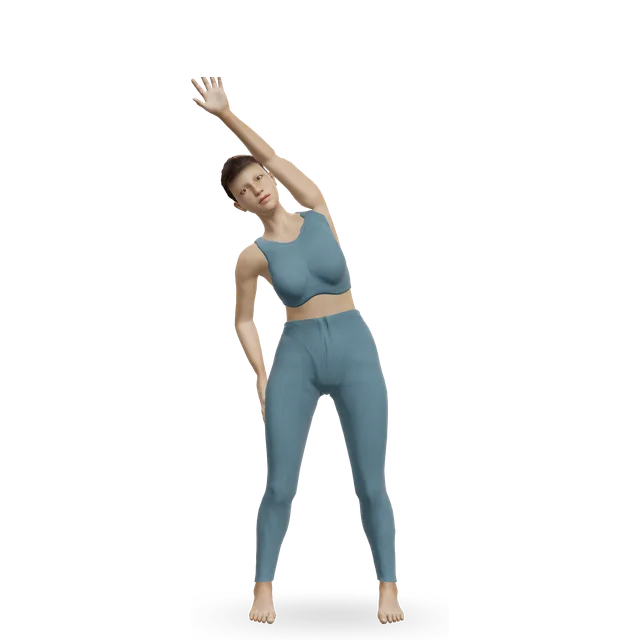
Easy pose: 1 minute, with your reliever within reach (our yoga for high blood pressure class). Breath reach: 5 breaths, breathing out for longer; cat-cow: 8 waves, slower than feels natural (the moves' pages). Gate pose: 2 holds of 20 seconds each side (our prenatal yoga workout); if kneeling is hard, do the seated side bend: 10 to 20 seconds, 2 or 3 times each side (the move's page).
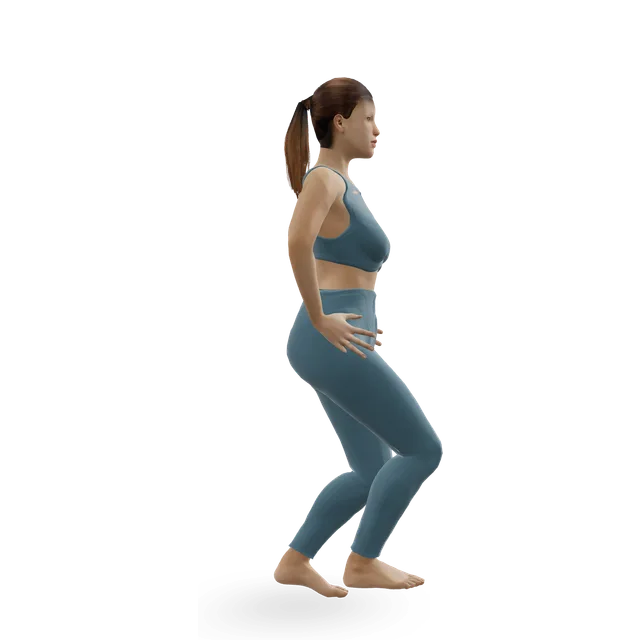
Mountain pose: 5 slow breaths; chair pose: 2 holds of 3 breaths; warrior II: 3 breaths each side; tree pose: 3 to 5 breaths each side, at a wall (our yoga for high blood pressure class). Keep breathing: never hold your breath in a hold.
Reclining bound angle: 2 to 5 minutes with a support under each thigh, and your chest propped up on cushions if lying back feels tight; corpse pose: at least 5 minutes, up to 10, propped up or seated if lying flat feels tight (the moves' pages).
Start with our 20-minute practice, which puts breathing first, 2 or 3 times a week, and do its first two blocks on their own on other days. The breathing routine ends with box and 4-7-8 breathing: skip both when you have symptoms. Use the asthma warm-up before harder sessions. The COPD workout was written for COPD, but its pursed-lip and paced breathing suit anyone who gets breathless (our suggestion), and the hot yoga series at room temperature suits people whose asthma reacts to heat.
These follow the NHS and our exercise with asthma guide. A&E means accident and emergency. In the US, call 911 for 999.
In an asthma attack
Sit up straight and try to stay calm. Then:
With a blue reliever inhaler: take 1 puff every 30 to 60 seconds until you feel better, up to a maximum of 10 puffs. Shake the inhaler between puffs, and use a spacer if you have one.
With an AIR or MART inhaler (used for both preventing and treating symptoms): take 1 puff every 1 to 3 minutes until you feel better, up to a maximum of 6 puffs.
If your asthma action plan gives a different maximum dose for an attack, follow your plan.
If you're no better after 10 minutes and the ambulance hasn't arrived, use your inhaler again, up to the same maximum dose. If you're still no better and it still hasn't arrived, call 999 again straight away. Don't drive yourself to A&E.
See a GP within 2 days, even if you feel better. If you managed the attack yourself with your reliever, Asthma + Lung UK suggests asking for an urgent, same-day appointment. Leave yoga until your breathing has recovered (our suggestion).
If a breathing practice makes you dizzy, light-headed or tingly, you're probably breathing too deeply: make the breaths smaller or go back to normal breathing. If you get wheezy or tight-chested, stop and follow your action plan (our suggestions).
Myths
"Yoga or pranayama can cure asthma, or replace your inhaler"Strong evidence
We found no trial testing yoga as a cure or as a replacement for inhalers. Breathing exercises help symptoms and quality of life, but "do not improve lung function or reduce exacerbation risk", and Asthma + Lung UK warns: "Never replace your usual treatment with a complementary treatment."
Not clearly: lung function didn't change significantly in the Cochrane review, and UK and international guidance say breathing programmes have little effect on it.
Breathing exercises don't reduce the risk of attacks, GINA says, on its strongest grade of evidence. Your preventer inhaler and action plan do that job.
"Breath of fire or bellows breath clears your lungs"Mixed evidence
We found no study supporting it. Fast breathing caused more side effects than slow breathing in trials, and case reports link it to a collapsed lung and to muscle damage during an attack.
"Buteyko is a cure", or "Buteyko doesn't work"Emerging evidence
Neither. Buteyko gave small gains in asthma control and, in one trial, about 2 fewer reliever puffs a day, without changing lung function, and UK guidance names it among programmes that can give modest improvements. In a double-blind trial, a different technique did as well, so attention to your asthma may explain some of the benefit.
It can help you feel better: in 15 trials, yoga improved asthma quality of life and symptoms a little, on moderate-quality evidence. It didn't clearly change lung function, and it doesn't replace your inhalers. UK guidance says it could be considered as an extra, or as an alternative to other breathing exercises.
What is the best breathing exercise for asthma?
The best evidence is for breathing retraining programmes, such as those taught by physiotherapists, the Papworth method and the Buteyko technique, which UK guidance says can be offered alongside medicines. In 655 adults, a DVD and booklet of slow nose and belly breathing worked as well as 3 physiotherapy sessions. Ask your GP or asthma nurse.
Can yoga cure asthma?
No. We found no trial testing yoga as a cure, breathing exercises don't reduce the risk of attacks, and Asthma + Lung UK says never to replace your usual treatment with a complementary treatment. Keep taking your preventer as prescribed.
Can I stop using my inhaler if I do yoga?
No: agree any change to your medicines with your GP or asthma nurse, because breathing exercises don't improve lung function or prevent attacks. If you're using your reliever more often, see your GP for a review.
Which pranayama is good for asthma?
Slow, gentle breathing through the nose with a longer breath out, and belly breathing; in one trial, pranayama improved quality of life against usual care. Leave out fast, forceful breathing such as kapalabhati, which caused more side effects in trials and was linked to a collapsed lung in one case. Skip breath holds when you have symptoms.
Does Buteyko breathing help asthma?
A little: in 7 trials it improved asthma control slightly, and in one it cut reliever use by about 2 puffs a day, without changing lung function. UK guidance names Buteyko and the Papworth method among programmes that can be offered alongside medicines. Neither prevents attacks.
Can yoga trigger an asthma attack?
The yoga trials reported no serious problems, though few reported side effects well. Exercise, cold air, heat and smoke can trigger symptoms in some people, so keep your reliever by your mat and stop if symptoms don't settle. In an attack, follow the NHS steps.
Is hot yoga OK with asthma?
Hot, humid air can make asthma worse, and 1 in 3 people in an Asthma + Lung UK survey said hot weather made their symptoms worse. Heat can also damage inhalers. If heat is a trigger for you, choose a class at room temperature.
Can children with asthma do yoga?
Yes, alongside their medicines: in 5 trials of 480 children, yoga gave small lung-function gains but no clear change in asthma control or quality of life. UK guidance found too little evidence to recommend breathing exercises or yoga for children aged 12 and under.
How long does yoga take to help asthma?
Most trials lasted up to 6 months, and breathing programmes with more than 5 hours of training seemed more likely to help. In the BREATHE trial, the gain in quality of life was measured at 12 months. Ten to 15 minutes of slow breathing on most days for 4 to 8 weeks is a sensible start.
Exercise education, not a personal prescription, and clinical review of these guides is pending. If you are pregnant, have a health condition such as glaucoma, high blood pressure or osteoporosis, or have had recent surgery, check with a doctor, midwife or physiotherapist before starting, and stop for sharp or increasing pain. Health disclaimer.