Precise, step by step, with props
Iyengar Yoga UK describes a "methodical and progressive" system built on precision and alignment, careful sequencing, timing (how long poses are held) and props.
Yoga guide
Iyengar yoga is a precise, step-by-step style developed by B.K.S. Iyengar. Classes usually start with standing poses to teach alignment, hold poses for set times, and use props such as blocks, belts, blankets, bolsters and chairs, so people of different abilities can work safely in the same class. Teachers train for at least six years.
It is one of the most studied yoga styles. Trials that taught Iyengar yoga found modest benefits for back and neck pain and some small benefits for arthritis, stress and fatigue after cancer, but no help for asthma or blood pressure, and the largest trial in older adults found more falls, not fewer.
This guide covers how a class runs, the props, long holds, what the trials found, who should adapt it, and a 40-minute beginner sequence with props, with every pose shown in 3D.
Iyengar Yoga UK describes a "methodical and progressive" system built on precision and alignment, careful sequencing, timing (how long poses are held) and props.
Classes usually start with standing poses, which teach the basics of alignment, then focus on one theme, such as backbends, forward bends, upside-down poses or restful poses. Formal breathing practice usually starts after about two years.
A class uses a mat, foam blocks, bricks, a blanket and a belt, plus bolsters and chairs. In 220 university students, props helped most with the harder poses.
Across six Iyengar trials, back and neck pain improved in the short term, and 24 weeks of classes helped back pain more than usual care. Across all yoga styles, the benefit for back pain is small and about the same as other back exercise.
Small trials found less fatigue after breast cancer and better balance in older adults. But Iyengar yoga was no better than exercise during chemotherapy, didn't help asthma, and in the largest trial older adults offered Iyengar-based classes fell more, not less.
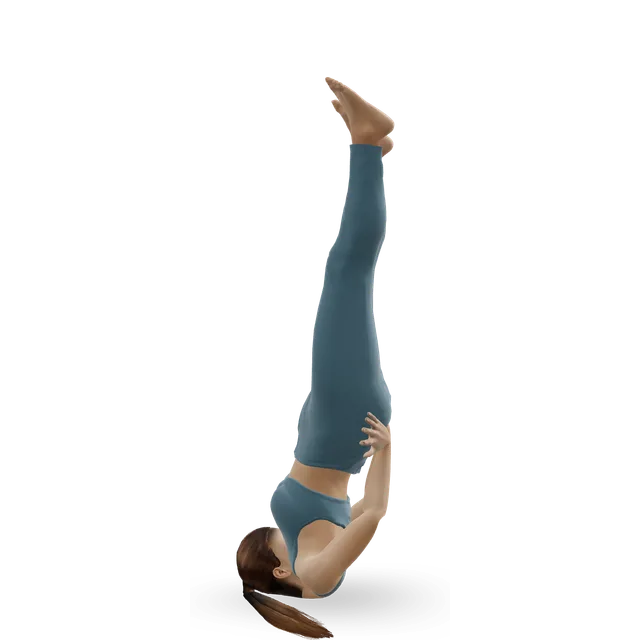
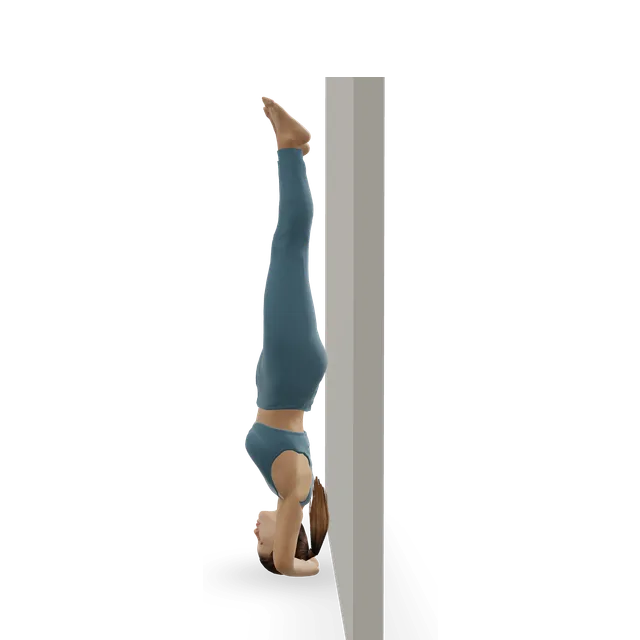
Iyengar classes teach headstand and shoulderstand with props, which people with glaucoma should avoid. In a national survey, people who mainly did Iyengar yoga reported 0.52 injuries per 1,000 hours of practice, among the lowest of the styles.
Iyengar Yoga UK: "The Iyengar yoga system of teaching is methodical and progressive, emphasising detailed correctness and absolute safety." It is "characterised by precision and alignment in the execution of the postures (asanas), sequencing of the asanas towards a desired result, timing in the length of time the asanas are held for maximum benefit, and the use of props if required".
The Iyengar Yoga National Association of the United States (IYNAUS) names the same four things, precision, timing, sequencing and props, and says the method is taught the same way worldwide.
B.K.S. Iyengar was born on 14 December 1918 in Bellur, India, and died on 20 August 2014. His book Light on Yoga has been in print since 1966, and the Ramamani Iyengar Memorial Yoga Institute, named after his wife, is in Pune.
He and Pattabhi Jois, the teacher behind Ashtanga, both studied with T. Krishnamacharya. A Wellcome Collection history says Iyengar took a different approach from Jois, dropping counted breaths and "insisting on very precise asanas, each held for longer periods of time".
A student needs at least three years' regular study with an approved teacher before teacher training starts, and at least six years of practice and training to qualify. There are over 1,200 qualified teachers in the UK and Ireland, and certified teachers hold a Certification Mark. In the US, "Iyengar Yoga" has been a registered trademark since 14 August 2007, and only certified teachers may describe their classes that way.
The British Wheel of Yoga (BWY) calls it "a much more static form of yoga. Practitioners remain in one posture for several minutes." Our types of yoga guide compares it with the other styles.
Source 19
Iyengar Yoga UK describes the usual shape:
Formal breath control (pranayama) is usually taught in a class of its own, and students "usually begin pranayama after about two years regular asana practice", although simple breathing awareness may come into the relaxation at the end of a class.
Source 2
Don't eat for at least two hours before, or four after a heavy meal. Tell the teacher about any health problems, including high or low blood pressure, heart problems, back, neck or knee problems or menstrual disorders, and about injuries or pregnancy, so poses can be changed. Introductory classes are designed for beginners.
Iyengar Yoga UK advises avoiding closed twists and inversions such as headstand and shoulderstand during menstruation. We found no study that has tested this advice, and the NHS suggests gentle exercise such as yoga to ease period pain. Follow your teacher's advice and how you feel.
IYNAUS offers a home sequence for beginners, taken from a teachers' manual by B.K.S. and Geeta Iyengar. It gives the poses but no hold times:
Often "a mat, four foam blocks, a blanket, a belt and two bricks", and also bolsters and chairs. Teachers can usually provide the basics for a new student.
Iyengar Yoga UK says props let students "progress in their practice of postures safely at their own pace", so everyone in a mixed class can work to their own ability. In 220 university students, props helped with moderately hard and hard poses, but made no difference to an easy one.
Trial classes used ropes fixed to the wall, benches, bolsters, blankets and blocks. In a trial for rheumatoid arthritis, chairs raised the "floor" for people who couldn't get down to it. In a back pain trial, props gave support and traction, and backbends were left out.
Thick books for blocks, a scarf or dressing-gown belt for a strap, firm cushions or a rolled sleeping bag for a bolster, folded blankets, a sturdy chair and a clear wall all work (our suggestion).
Timing is part of the method, but the schools publish no fixed hold times. In a trial for fatigue after cancer, supported poses were held for 5 to 10 minutes; a falls trial held poses "for relatively long periods of time" rather than flowing between them.
Our editorial starting point: 20 to 30 seconds in standing poses, done twice, lengthening as you get steadier, and 5 to 10 minutes in supported, restful poses.
Fifty papers have Iyengar and yoga in the title, 22 of them randomised trials, and Iyengar was the second most common style in a review of 306 yoga trials. Most trials are small, and people can't be blinded to doing yoga, which can make results look better than they are.
In 90 adults with long-term low back pain, two 90-minute classes a week for 24 weeks, with 30 minutes of home practice on other days, cut disability by 29% and pain by 42% more than usual care, with gains still there 6 months later and no harms from the yoga. Smaller trials found similar short-term effects, and a review of 6 Iyengar trials (570 people) found strong evidence of short-term benefit for back and neck pain but little evidence for the long term.
In the UK, a 12-class programme designed with BWY and Iyengar teachers improved back function a little more than usual care for a year in 313 adults, but not pain.
A Cochrane review of 21 trials, mostly Iyengar, hatha or viniyoga, found small improvements in back function and pain against no exercise, too small to matter much to most people, and about the same as other back exercise. Yoga led to more minor problems, mostly more back pain, than no exercise, and about the same as other exercise. Back pain guidance recommends exercise, and yoga is one way to do it; our yoga for back pain guide has more.
Source 8
Nine weekly 90-minute classes reduced neck pain more than a self-care exercise programme in 77 adults (by about 20 points on a 100-point scale), and more than a home exercise manual in 51 adults (by about 14 points). A year later, pain was still lower than at the start, most of all in people who kept practising. A review of 10 trials of any yoga style (686 people) found less neck pain, but the trials were small and varied.
Small Iyengar studies in knee osteoarthritis found less pain, but one had no comparison group and only 7 people with full results. Across 14 studies of any style (1,183 people), yoga eased knee pain and helped function a little, on low-certainty evidence.
In 26 young women with rheumatoid arthritis, 6 weeks of twice-weekly classes improved quality of life, mood and tiredness against a waiting list, but not disease activity or pain.
In 28 mildly depressed young adults, 5 weeks of twice-weekly classes lowered depression scores against a waiting list. In 72 distressed women, 3 months of classes lowered stress, anxiety and depression against a waiting list, and once a week did as well as twice.
Studies in depression without a non-yoga comparison group are weaker evidence, and in one of them there were 32 minor problems linked to the classes, mostly muscle or joint pain that settled. If you're depressed, talk to your GP about treatment; our depression guide covers exercise alongside it.
In 31 breast cancer survivors with lasting fatigue, 12 weeks of twice-weekly 90-minute classes with supported, restful poses reduced fatigue more than health education. During chemotherapy, Iyengar yoga did no better than exercise in 92 women, and a review of 11 studies found that hatha or Iyengar yoga didn't improve cancer fatigue overall.
US cancer guidelines say clinicians should recommend exercise, cognitive behavioural therapy (CBT) and mindfulness for fatigue after treatment, and that yoga may also be recommended.
Twelve weeks of mostly standing poses improved balance and walking speed in 54 older adults, and 16 weeks improved balance more than tai chi in 48 (tai chi built more knee strength).
But in the SAGE trial of 700 adults aged 60 and over, a year of Iyengar-based classes, mostly online, led to more falls than seated relaxation yoga: 0.87 against 0.64 falls per person a year. Exercise that challenges balance and strength is proven to prevent falls, but Iyengar yoga hasn't been shown to.
In multiple sclerosis, weekly classes for 6 months eased fatigue as much as an exercise class did (69 people). Blood pressure didn't improve more than with diet advice, and asthma didn't improve more than with stretching. Adding twice-weekly classes to quit-smoking treatment raised the odds of not smoking at the end of treatment in 227 smokers.
One 90-minute class a week for 6 weeks improved a sit-and-reach test in 16 women, in a study without a comparison group. Our yoga for flexibility guide covers stretching for range.
Source 51
Across 306 randomised yoga trials, positive conclusions were as common for one style as another.
Source 27
There's little research on how hard an Iyengar class is: a review of yoga intensity found only one Iyengar study, and the 2024 Compendium of Physical Activities has no value for it. It lists hatha yoga at 2.3 METs (metabolic equivalents: 1 is the energy you use sitting still), which is light. Holding standing poses works your legs, and the NHS counts yoga as muscle-strengthening. Pair it with brisk walking, cycling or swimming for your heart and lungs (our suggestion).
In a German survey of 1,702 practitioners, people who mainly did Iyengar yoga reported 0.52 sudden injuries per 1,000 hours, among the lowest of the styles, against 0.60 for all yoga. Most yoga injuries are sprains and strains.
Source 14
In an American Academy of Ophthalmology (AAO) article, an Iyengar teacher suggests a slow, propped style for people with glaucoma, naming Iyengar yoga as the best-known example. The same article advises against headstand, shoulderstand and other strenuous inversions and against holding the breath, and the AAO counts bridge and downward dog as inversions. In a lab study, head-down poses raised eye pressure within a minute. Keep your head level with or above your heart, and ask your eye team before any inversion.
Given the falls result in the largest trial, practise standing balances near a wall or chair, and prefer an in-person class (our suggestion). People aged 65 and over have the highest rate of emergency visits for yoga injuries.
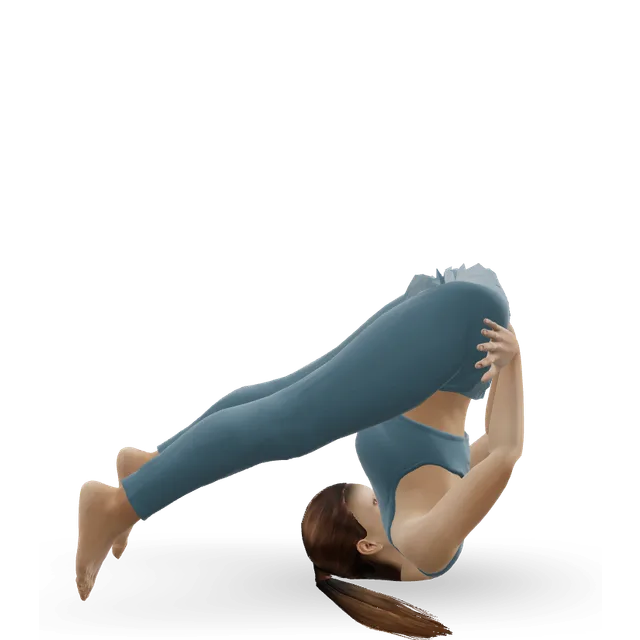
The UK consensus on exercise for osteoporosis advises modifying sustained, repeated or end-range forward bending and twisting smoothly. Keep your back long in folds, using a chair or blocks, and skip plough and shoulderstand.
Source 58
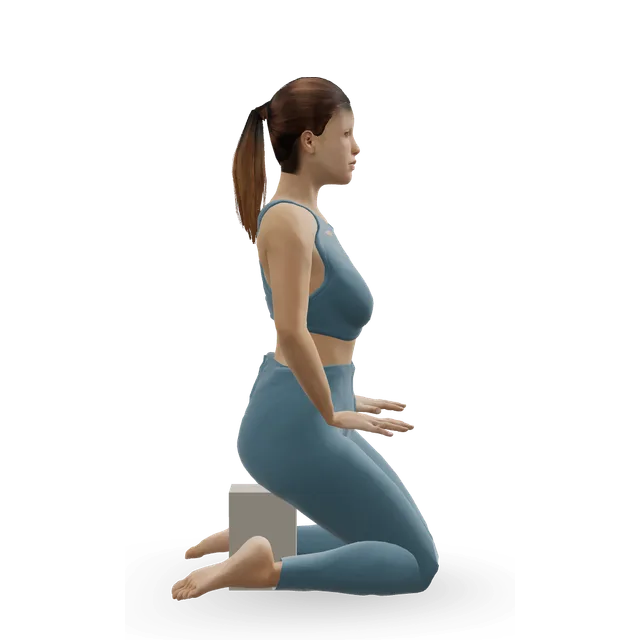
People who do yoga have more meniscus (knee cartilage) injuries than people who don't. In kneeling poses such as hero pose, sit high enough on a block that your knees feel nothing, and come up at once if your feet go numb or tingle (the move page's caution).
Source 59
Tell your teacher you're pregnant so poses can be changed. The NHS advises avoiding lying flat on your back for more than a few minutes in later pregnancy, and not starting a new vigorous activity.
Triangle is in the Iyengars' beginner sequence (IYNAUS), and blocks are among the props Iyengar Yoga UK lists. The wall set-up and the hold are our editorial suggestions.
See the movement on the 3D figure: Triangle pose (Utthita Trikonasana)
Hold each for 20 to 30 seconds a side, twice, with a wall behind you and a block under your hand (our editorial starting point; mountain pose and breath reach have their own page doses).
 3D demoMountain pose (Tadasana)Beginner · No equipment
 3D demoBreath reachBeginner · No equipment
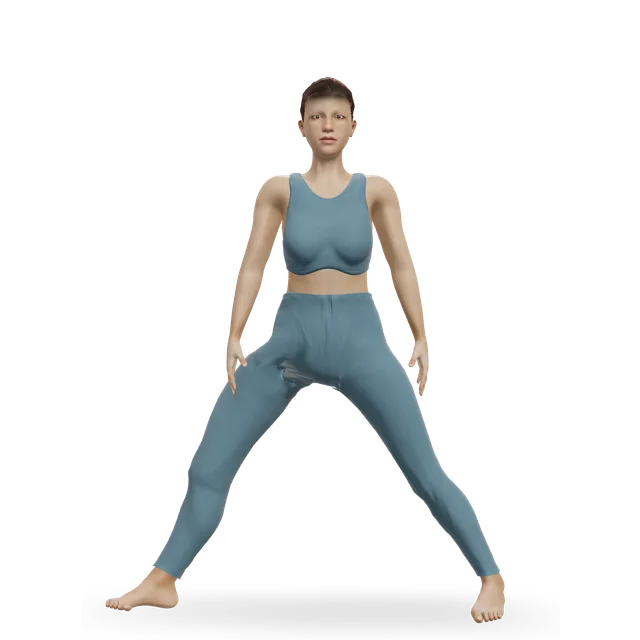 3D demoTriangle pose (Utthita Trikonasana)Intermediate · A step
 3D demoWarrior II (Virabhadrasana II)Intermediate · No equipment
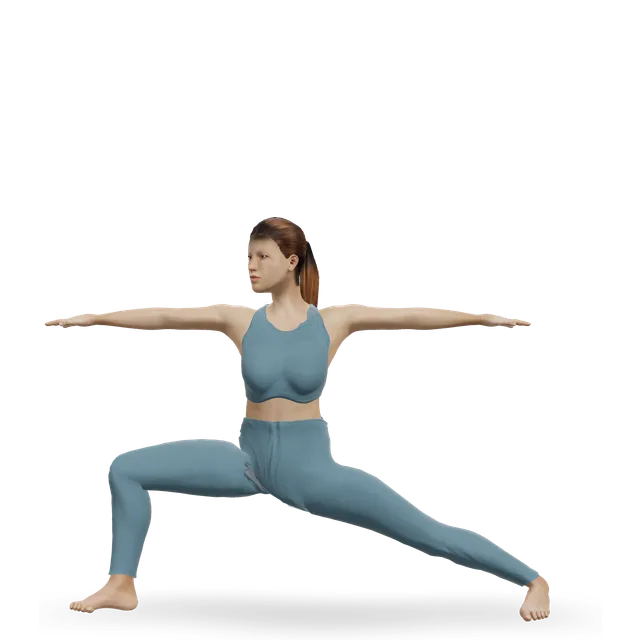 3D demoExtended side angle (Utthita Parsvakonasana)Intermediate · No equipment
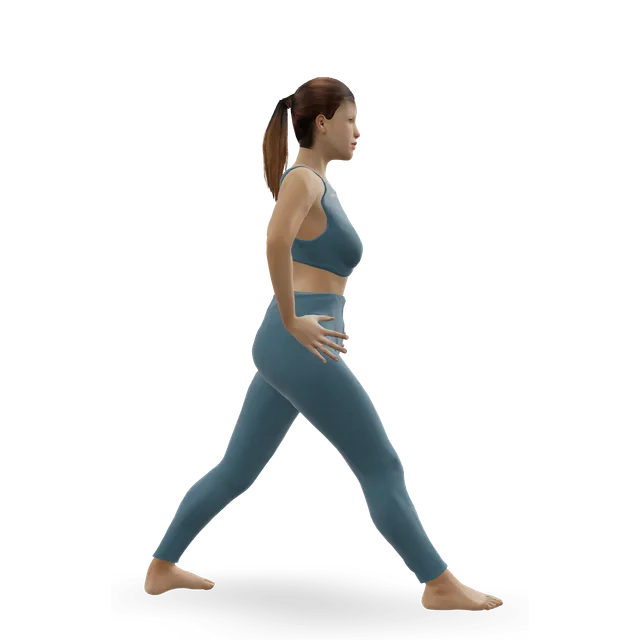 3D demoPyramid pose (Parsvottanasana)Intermediate · No equipment
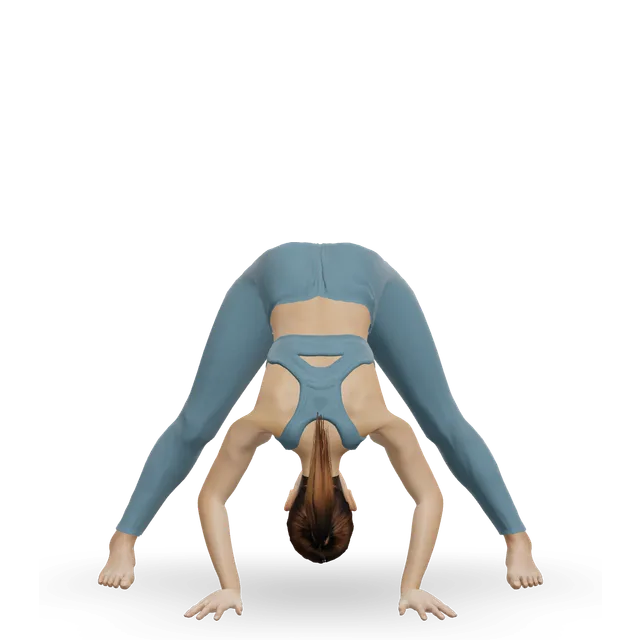 3D demoWide-legged standing forward fold (Prasarita Padottanasana)Beginner · No equipment
 3D demoTree pose (Vrksasana)Beginner · No equipment
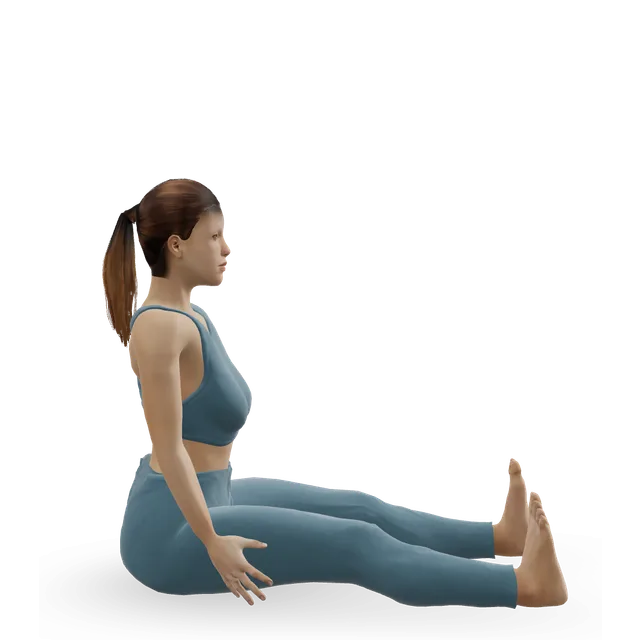
Sit on a folded blanket in staff pose, then add a belt around your feet, and in hero pose sit high on a block for 30 seconds to 1 minute at first (the move page's dose).
Our sequence holds the supported poses for 5 minutes (the fatigue trial used 5 to 10); with glaucoma, skip legs up the wall or keep your hips flat, and rest your hands on a chair in downward dog.
 3D demoReclining bound angle pose (Supta Baddha Konasana)Beginner · Firm cushion
 3D demoLegs up the wall (Viparita Karani)Beginner · A wall
 3D demoDownward-facing dog (Adho Mukha Svanasana)Beginner · No equipment
 3D demoChild's Pose (Balasana)Beginner · No equipment
 3D demoCorpse pose (Savasana)Beginner · No equipment
Iyengar Yoga UK says inversions are usually for those who are ready, so learn them in person, and skip them with glaucoma, neck problems or high blood pressure that isn't controlled.
The 40-minute sequence with props follows the standing, seated, supported and resting poses of the Iyengars' beginner sequence. The restorative sequence covers the restful end of a class.
A 40-minute beginners' yoga sequence with props: standing poses at a wall, seated poses on a blanket, two supported poses held for 5 minutes and a long rest.
40 minBeginner11 movesA step, Firm cushionA 45-minute beginners' hatha yoga class in the order trial teachers used: relaxation, breathing, floor and standing poses held for a few breaths, then rest.
45 minBeginner20 movesA step, Firm cushionA 45-minute restorative yoga sequence: five fully supported poses held for 4 to 10 minutes each, with slow breathing and a long final rest.
45 minBeginner6 movesFirm cushion, A wallA gentle 20-minute yoga sequence for back pain, based on the first weeks of a 12-week trial programme: lying, all-fours and standing poses, then rest.
20 minBeginner12 movesFirm cushionA free 20-minute chair yoga class for older adults: slow breathing, gentle seated stretches and twists, standing poses holding the chair, and a calm finish.
20 minBeginner18 movesA bench or box, Something with weightA 25-minute gentle yoga class for complete beginners and over-50s: slow breathing, a warm-up, supported standing poses, floor poses and a closing rest.
25 minBeginner14 movesNo equipmentFor chest pain that feels tight or like squeezing, or that spreads to your arms, neck or jaw, severe difficulty breathing, or if someone collapses. In the US, call 911.
Source 61
The NHS says to stop exercising straight away if you feel any pain or become unwell. Come out at once for sharp or increasing pain, numbness or tingling in your feet in kneeling poses, or dizziness, blurred vision or a sudden headache in a backbend or an upside-down pose.
Source 62
The AAO warns that upside-down poses can raise eye pressure, and that raised pressure can cause permanent loss of sight. If you have glaucoma or are being checked for it, ask your eye team before any inversion.
Source 55
For pain that hasn't eased after a few weeks, keeps coming back, or came with a pop, swelling or locking in a knee (our suggestion). In one study, more than a third of new pain caused by yoga lasted over 3 months or cost practice time.
Get advice before starting if you have a health problem, an injury or symptoms, have had a recent heart attack or operation, or are pregnant or have recently given birth. Iyengar Yoga UK asks you to tell the teacher about conditions such as high or low blood pressure, heart problems, or back, neck or knee problems.
Iyengar Yoga UK says it is "for anyone irrespective of age, gender, health, religion and circumstances in life", and trials have included healthy older adults. Its yoga therapy teachers are a separate, more experienced group for people with serious conditions.
The school uses props so students can progress safely at their own pace. In 220 students, props helped most with the harder poses, and trial classes used ropes, benches and bolsters to make demanding poses possible.
Holding standing poses works the legs, the NHS counts yoga as muscle-strengthening, and a 12-week standing-pose programme improved balance and getting up from a chair in older adults. In energy terms it is light, so pair it with aerobic activity.
In the largest trial, 700 older adults offered a year of Iyengar-based classes, mostly online, fell more than those doing seated relaxation. Balance improved in smaller trials, but the falls result means it can't be called falls prevention.
A review of Iyengar trials found strong evidence of short-term improvement but little for the long term, and across all styles yoga's benefit for back pain is small and about the same as other back exercise.
Iyengar Yoga UK says Mr Iyengar had "remarkable success in the treatment of a wide range of medical conditions". Trials show small benefits for back and neck pain, but no extra benefit for asthma or blood pressure, none over exercise during chemotherapy, and more falls in the largest trial.
Only certified teachers, who train for at least six years, may call their teaching Iyengar yoga. In the UK they hold a Certification Mark.
A precise, step-by-step style developed by B.K.S. Iyengar, built on alignment, careful sequencing, holding poses for set times, and props such as blocks, belts and chairs. Classes usually start with standing poses, which teach the basics of alignment.
Usually a mat, foam blocks, bricks, a blanket and a belt, plus bolsters and chairs. Some studios also have ropes on the wall and benches, which trials used to support people with arthritis or fatigue. Props let you hold a pose safely and work at your own level.
A few quiet moments, some preliminary poses, then standing poses, then a focus such as backbends, forward bends, upside-down poses or restful poses, ending with relaxation. Formal breathing practice usually starts after about two years. Don't eat for 2 hours beforehand, or 4 after a heavy meal.
Yes: introductory classes start with standing and seated poses, and props let people of different abilities work in the same class. Tell the teacher about any health problems, injuries or pregnancy so they can adapt the poses.
It depends on the pose and the student; the British Wheel of Yoga says practitioners may stay in one posture for several minutes. In a trial for fatigue after cancer, supported poses were held for 5 to 10 minutes. Active standing poses are usually held for shorter times.
It's one of the better-studied options: 24 weeks of twice-weekly classes reduced disability and pain more than usual care in 90 adults, with benefits 6 months later. Across all yoga styles, though, the benefit for back pain is small and about the same as other back exercise.
Small trials found less neck pain, better quality of life in rheumatoid arthritis, lower stress in distressed women and less fatigue after breast cancer. It didn't help asthma or blood pressure more than the comparison, and it was no better than exercise during chemotherapy.
It improved balance and walking speed in a 12-week trial of older adults. But in a year-long trial of 700 people aged 60 and over, mostly taught online, the Iyengar-based group fell more than a seated relaxation group, so keep a wall or chair close in standing poses.
It's light exercise in energy terms, but holding standing poses works the legs, and the NHS counts yoga as muscle-strengthening. Pair it with walking, cycling or other aerobic activity for your heart and lungs.
Look for the Iyengar Yoga Certification Mark: teachers need at least six years of practice and training to qualify, and there are over 1,200 in the UK and Ireland. In the US, only certified teachers may describe their teaching as Iyengar Yoga.
Iyengar Yoga UK advises avoiding closed twists and upside-down poses during menstruation, a school practice no study has tested; the NHS says gentle exercise can help period pain. In pregnancy, tell the teacher so poses can be changed, and avoid lying flat on your back for long later in pregnancy.
Not on its own: hatha-style yoga is light activity in energy terms, so it burns few calories. Our yoga for weight loss guide explains what does help.
Exercise education, not a personal prescription, and clinical review of these guides is pending. If you are pregnant, have a health condition such as glaucoma, high blood pressure or osteoporosis, or have had recent surgery, check with a doctor, midwife or physiotherapist before starting, and stop for sharp or increasing pain. Health disclaimer.