Yoga guide

Hatha yoga: what it means, what a class involves, and what the research shows

Hatha yoga is the physical side of yoga: postures, breathing and relaxation. A study of the early texts found the word means "force", not "gentle", and hatha yoga is medieval rather than ancient. Today it's an umbrella term, and a class called hatha in the UK usually means steady poses held for a few breaths, some breathing practice and a rest at the end.

Most yoga research used hatha-style classes, so this is where the evidence is: small benefits for back pain, blood pressure and low mood, and better balance, strength and flexibility in older adults, about as much as other gentle exercise gives.

This guide explains the word and its history, what happens in a class, what the trials found and how hatha compares with other styles, with a 45-minute beginners' class and every pose shown in 3D.

The short version

The word means force

A study of the early texts found that hatha yoga literally means "the yoga of force", most likely describing what its techniques were meant to do in the body rather than how hard they are. It treats the popular "sun and moon" meaning as a later explanation.

Source 1

Medieval, not ancient

Hatha yoga emerged around the 11th to 12th centuries, and its best-known text, the Hathapradipika, dates from the 15th.

Source 2

Today, an umbrella term

The British Wheel of Yoga calls hatha an umbrella term for several styles rooted in a physical practice. A class labelled hatha usually means postures, often breathing and guided meditation, and a relaxation at the end.

Sources 3, 4

Light exercise that counts as strength work

The Compendium of Physical Activities rates hatha at 2.3 METs (metabolic equivalents), and a beginners' session measured 2.5, about like walking at 3.2 km/h (2 mph). The US physical activity guidelines say yoga can be both aerobic and muscle-strengthening.

Sources 5, 6, 7

Where most yoga research comes from

Hatha was the most common style in 306 yoga trials, and no style did better than another. In back pain, weekly hatha classes worked as well as physiotherapy, and across 21 trials yoga's gains were small.

Sources 8, 9, 10

As good as other gentle exercise, not better

Head to head, hatha matched a stretching and strengthening class for balance, strength and flexibility in older adults, and a general conditioning programme for bladder leaks in women.

Sources 11, 12

What hatha means, and where it comes from

Force, not gentleEmerging evidence

Jason Birch's 2011 study of the early texts sets out to explain how haṭhayoga, literally "the yoga of force", got its name. Many scholars took the force to mean the effort the practice takes. Birch concludes it more likely describes the effects of its techniques: the texts talk of forcefully moving vital energy and fluids upward through the body's central channel.

The same study treats the popular meaning of hatha as the union of the sun (ha) and moon (ṭha) as a later, esoteric explanation, and suggests rivals who promoted an effortless yoga are why hatha came to be dismissed as the yoga of forceful exertion. Either way, the word doesn't mean gentle.

Source 1

Medieval, not ancientStrong evidence

A Wellcome Collection history says hatha yoga emerged around the 11th to 12th centuries, drawing on the Yoga Sutras and Tantric practice, and that its texts were among the first to describe postures other than seated ones. The 15th-century Hathapradipika describes 15 postures, 8 of them not seated, and is the first text to include corpse pose; by the 18th century, a text described 84. Hatha also included cleansing practices, such as kapalabhati, a forceful breathing out through the nose.

Birch notes that after the Hathapradipika, hatha yoga became a general term.

Sources 2, 1

Modern classes

Today's posture classes owe much to 20th-century teachers, such as T. Krishnamacharya in 1930s Mysore. Our vinyasa yoga guide covers that history.

Source 13

What hatha means on a timetableStrong evidence

The British Wheel of Yoga (BWY): "Hatha yoga is an umbrella term for several styles rooted in a physical practice", and a class described as hatha has physical postures, often breathing and guided meditation, and a relaxation practice, usually at the end. The US National Center for Complementary and Integrative Health (NCCIH) notes that yoga styles range from gentle practices to physically demanding ones, and trial authors describe vinyasa, gentle hatha and restorative yoga all as forms of hatha.

In the UK, a class called hatha is usually a steady, mixed class: the label promises a physical class, not a pace.

Sources 3, 4, 14, 15

What happens in a hatha class

A trial class, minute by minute

The Boston back pain trial's 75-minute classes ran like this. Over 12 weeks, people learned 15 to 19 poses in each 3-week block, with harder poses added each block and variations using a chair, strap and block, in groups of no more than 4 or 5 people per teacher, and were encouraged to practise for 30 minutes a day at home.

  • Check-in: 3 minutes.
  • A short talk on the lesson and yoga philosophy: 3 minutes.
  • Relaxation: 3 minutes.
  • Breathing: 4 minutes.
  • Postures: 55 minutes.
  • Closing relaxation: 5 minutes.
  • Closing: 2 minutes.

Source 16

The poses

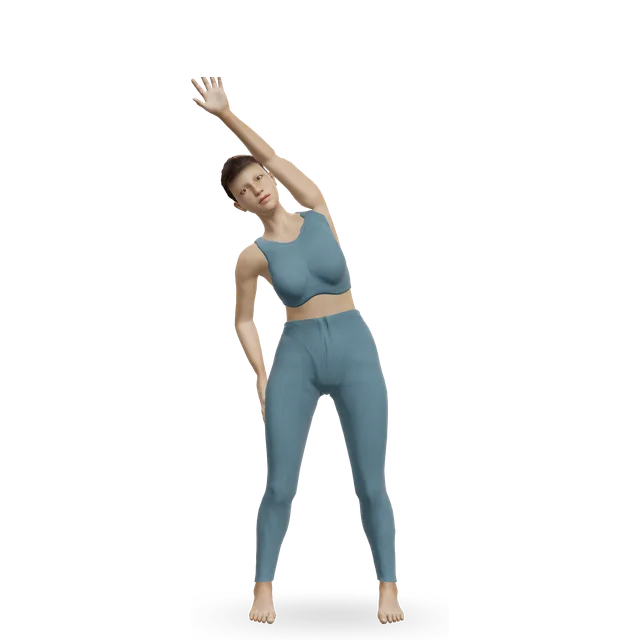
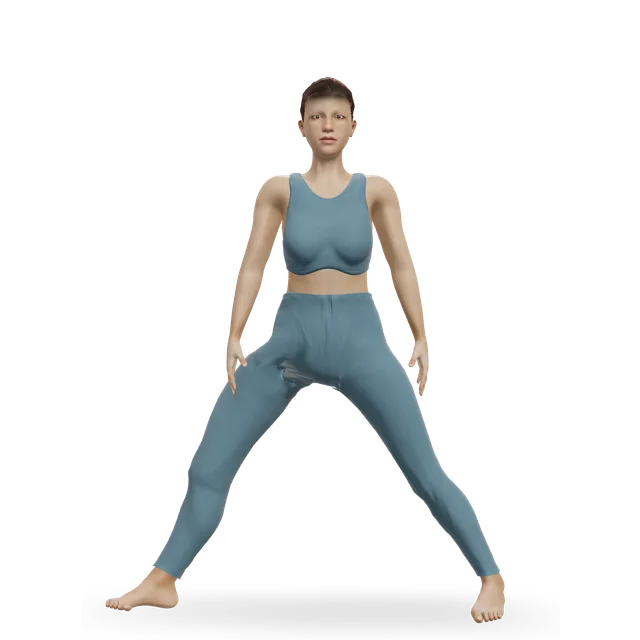
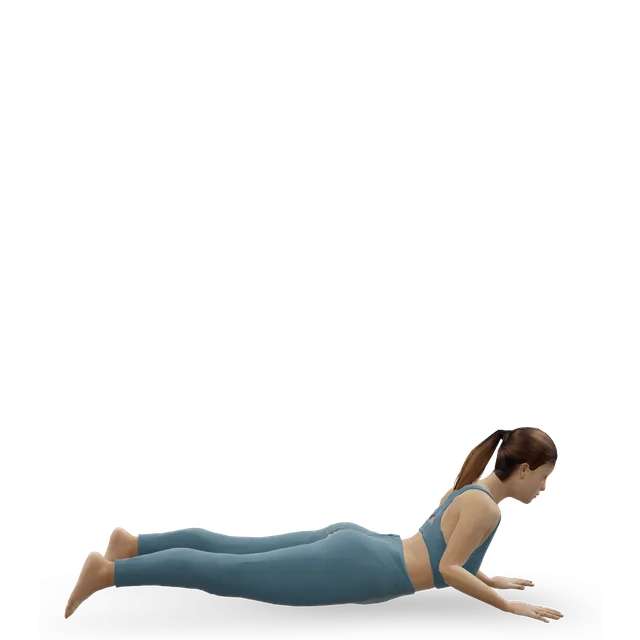
They included knee to chest, a knees-together twist, pelvic tilts, cat and cow, chair pose, a standing side bend (crescent moon), mountain, chair twists, child's pose, cobra, bridge, reclining bound angle, downward dog, triangle, locust, sphinx, a standing forward bend at the wall, warrior, sun salutations in the last block, and a closing relaxation.

Source 16

Another trial's class

A military back and neck pain trial taught 23 poses at a moderate pace: about 5 minutes of breathing and short meditation, 15 to 20 minutes of seated poses, 10 to 15 standing, 15 on the floor and 10 in corpse pose.

Source 17

Your first class

Our beginners' guide covers what you need, choosing a teacher and what to expect, so we don't repeat it here. Look for "gentle" or "beginners" in the class name, and tell the teacher about any health problems, as NCCIH advises.

Source 4

How hard hatha is

Light activityStrong evidence

The Compendium rates hatha at 2.3 METs, light activity. A 56-minute beginners' session averaged 2.5 METs, about like walking at 3.2 km/h (2 mph), and a review of 17 studies classed yoga as typically light, with a few sequences, such as sun salutations, reaching moderate or vigorous.

Sources 5, 6, 18

Some moderate minutesEmerging evidence

By heart rate, people spent about a quarter of an unheated community hatha class at moderate intensity. In yoga, heart rate overstates the effort, so the true share is probably lower (our reading).

Sources 19, 20

The label covers a range

The Compendium also lists high-intensity hatha at 8.0 METs, and 10 minutes of vigorous sun salutations averaged 8.7 METs in yoga instructors. Most hatha classes are light, like a slow walk, with harder moments in standing poses.

Sources 5, 21

How it countsStrong evidence

The US physical activity guidelines say yoga ranges from more meditative hatha to power yoga, so it can include time at light or at moderate intensity, and can be both aerobic and muscle-strengthening. The NHS lists yoga among muscle-strengthening activities. Hatha counts toward your 2 strength days a week; add brisk walking or other aerobic activity for your 150 minutes.

Sources 7, 22

What the evidence says

Most yoga trials are hatha-styleEmerging evidence

In 306 randomised trials, hatha was the most common style label (36 trials), and the share of positive conclusions didn't differ between styles; 91% of the trials concluded positively, which suggests some optimism in the research. The Cochrane back pain review says most of its trials used Iyengar, hatha or viniyoga. When you read that yoga helped something, it was usually a steady, mixed class like a hatha class.

Sources 8, 10

Back painStrong evidence

In 320 low-income adults in Boston, 12 weekly 75-minute hatha classes worked as well as 15 physiotherapy visits for function and pain, and both groups were about 21 percentage points less likely than an education group to use pain medicine, with gains holding at a year. In 313 UK adults, 12 classes improved back function at 3, 6 and 12 months, but not pain.

Across 21 trials and 2,223 people, yoga did about 1.7 points better on a 24-point function scale and 4.5 points on a 100-point pain scale than no exercise, gains the Cochrane review judged too small to matter clinically, and it was about as good as other back exercise.

Sources 9, 23, 10

Blood pressureMixed evidence

Across 49 trials, yoga lowered blood pressure by about 5/4 millimetres of mercury (mmHg), and by about 11/6 mmHg when classes included breathing and relaxation three times a week in people with high blood pressure. But an earlier review rated all 17 of its studies at unclear or high risk of bias, the newest review rates the evidence as very low quality, and against other exercise the difference shrinks or disappears.

Sources 24, 25, 26, 27

Low mood and anxietyEmerging evidence

Across 218 exercise trials, yoga was among the better types of exercise for depression, on very low-certainty evidence, and a review of 19 studies found yoga eased depressive symptoms in people with mental disorders. In 122 people still depressed on medication, weekly hatha classes didn't beat health education at 10 weeks but did over 6 months (51% against 31% responded).

In diagnosed mood and anxiety disorders, hatha didn't beat usual care or active comparisons in 18 low-quality trials. Yoga is an add-on, not a replacement for treatment.

Sources 28, 29, 30, 31

StressEmerging evidence

In 98 adults, 8 weeks of hour-long hatha classes three times a week reduced stress in the moment, but didn't change the daily pattern of the stress hormone cortisol.

Source 32

Older adultsEmerging evidence

In 118 inactive adults with an average age of 62, three hour-long hatha classes a week for 8 weeks improved balance, strength, flexibility and mobility as much as a stretching and strengthening class.

Source 11

Bladder leaks and sleepEmerging evidence

In 240 women aged 45 to 90, 12 weeks of hatha-based pelvic yoga cut leaks by about 2.3 a day, against 1.9 with a general conditioning programme, a difference that wasn't significant. Sleep didn't differ between the groups either.

Sources 12, 33

CancerMixed evidence

In 410 cancer survivors, 4 weeks of gentle hatha with restorative poses improved sleep quality and cut sleeping-pill use against usual care. But across 11 studies with 777 people, hatha or Iyengar yoga didn't improve cancer-related tiredness, depression or quality of life, on low to very low certainty evidence.

Sources 15, 34

Minor harmsEmerging evidence

In back pain trials, more people had minor problems with yoga than with no exercise (43 against 9 per 1,000), mostly more back pain.

Source 10
How hatha compares

With other exercise

Head to head, hatha did about as well as a stretching and strengthening class, physiotherapy and general conditioning, and better than health education in one depression trial. If you like it, that's the best reason to choose it (our reading).

Sources 11, 9, 12, 31

With vinyasa

Hatha holds each pose for a few breaths; vinyasa flows between poses on the breath and works a little harder: 2.3 against 2.7 METs in the Compendium, and about a quarter against two fifths of a class at moderate intensity by heart rate, which overstates yoga's effort. Our vinyasa yoga guide covers flowing classes.

Sources 5, 19

With Iyengar, yin and restorative yoga

The BWY describes Iyengar as a much more static form, holding poses for several minutes. Yin and restorative yoga hold floor poses for minutes, with less effort than hatha. Our types of yoga guide compares all the styles, and our Pilates or yoga guide compares the two methods.

Source 3

How much, and how often

What the trials used

Trials used 60 to 75-minute classes once a week (back pain, depression) to three times a week (older adults, stress) for 8 to 12 weeks, often with home practice: the Boston trial encouraged 30 minutes a day. Once-weekly classes worked in back pain.

Sources 9, 31, 11, 32, 16

Our editorial starting point

One or two classes a week, plus 15 to 20 minutes at home on 2 or 3 other days, for at least 8 to 12 weeks, with brisk walking or other aerobic activity for your 150 minutes.

Floor warm-up

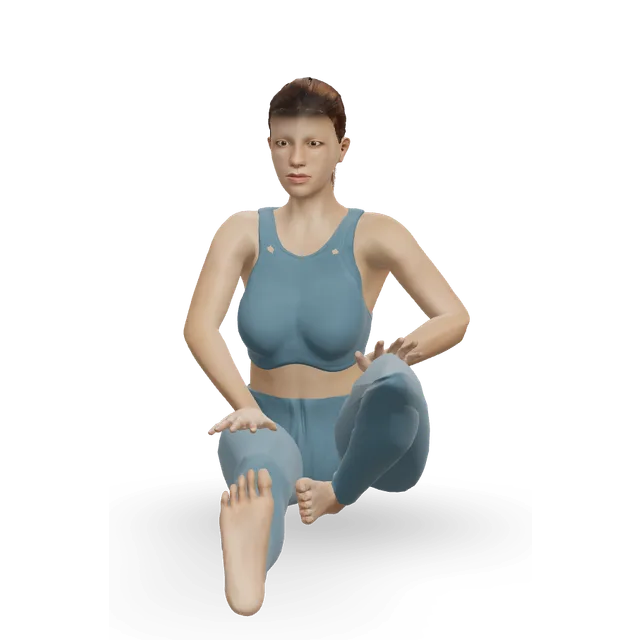
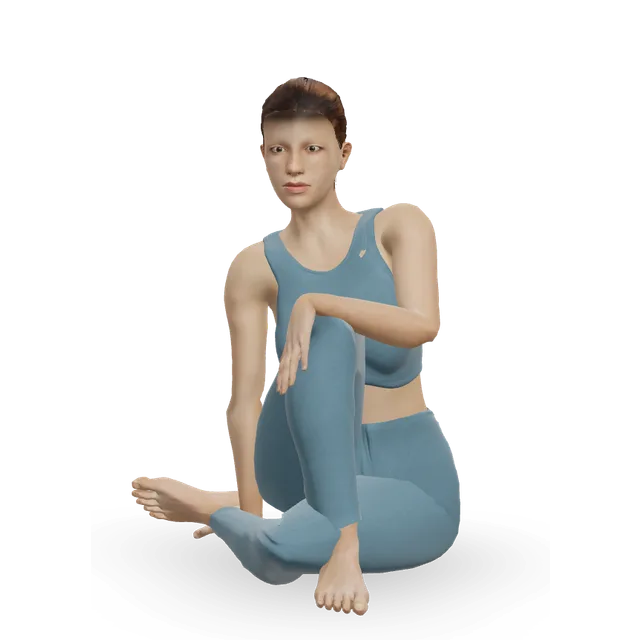
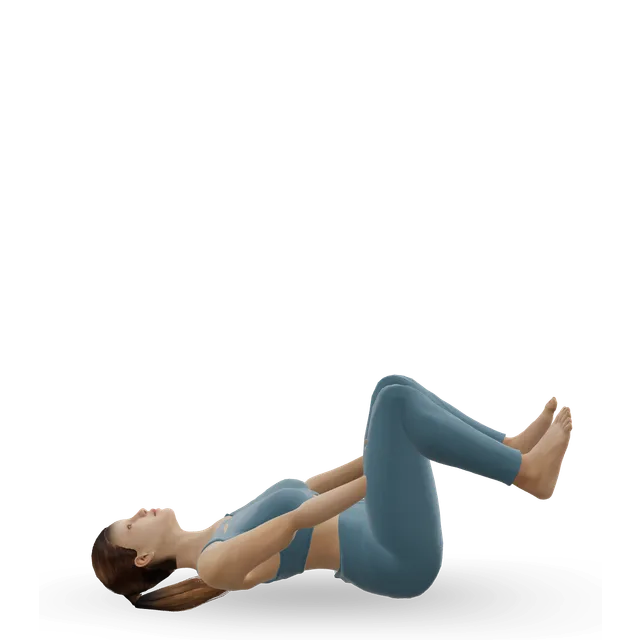
These follow the Boston trial's opening poses (knee to chest, the knees-together twist, pelvic tilts, cat and cow): try 3 holds of 20 to 30 seconds, 8 slow passes, 8 slow tilts and 8 slow waves (our suggestions).

Standing poses

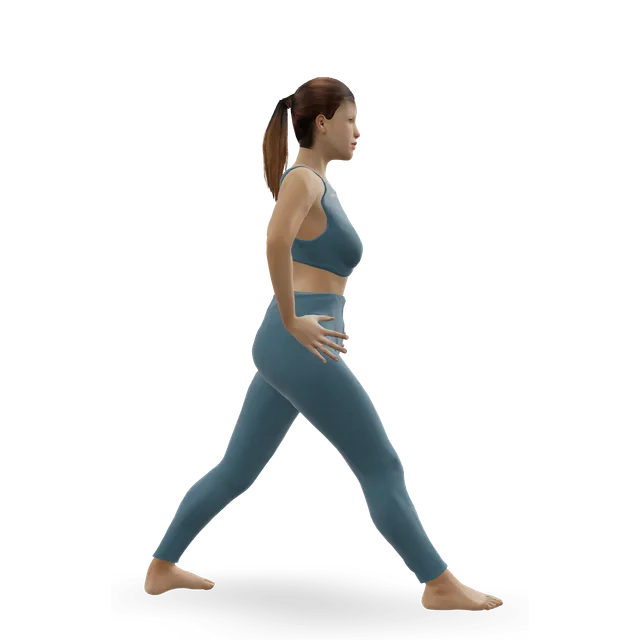
Hold each for 3 to 5 breaths, using a chair or block for support and a wall for balance, as the trial's variations did (our suggestion).

Floor poses and backbends

Bend your knees in downward dog, use low cobra before full cobra, and hold the backbends for 2 or 3 short holds (our suggestion).

Seated poses, breathing and relaxation

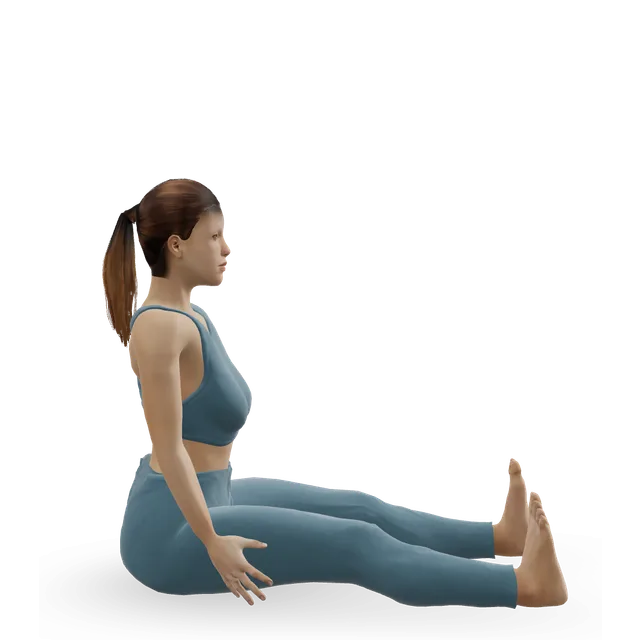
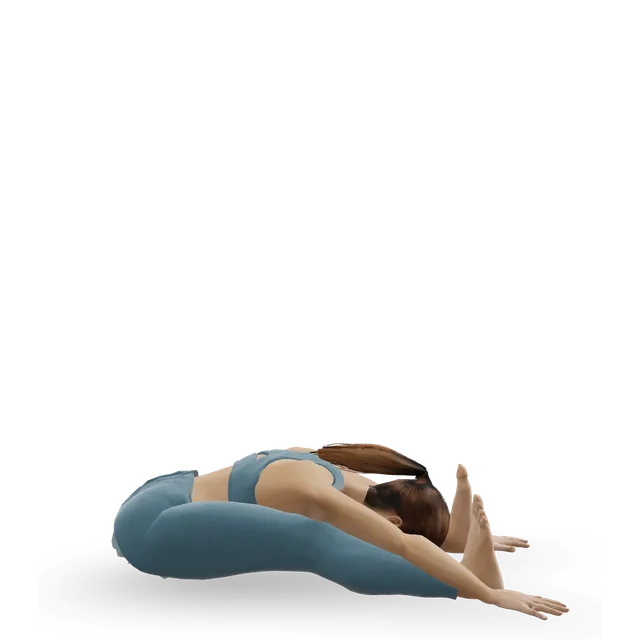
Sit on a folded blanket and bend your knees in forward folds, and finish with 5 to 10 minutes in corpse pose, the move page's dose.

Classes to follow

The 45-minute class follows a trial class from start to finish. The yoga for back pain routine is a 20-minute version from the same trial, and the gentle and beginner sessions are shorter ways to start.

When to stop, and when to get help

Call 999

For chest pain that feels tight or like squeezing, or that spreads to your arms, neck or jaw, or chest pain with feeling sick or a racing, slow or fluttering heartbeat. In the US, call 911.

Source 35

Back pain warning signs

Call 999 or go to A&E for numbness around your genitals or bottom, new trouble peeing or pooing, or pain, tingling, weakness or numbness in both legs. Ease off any pose that sends pain down a leg, and see a GP if back pain isn't improving after a few weeks. Our yoga for back pain guide has the full list.

Start with a teacher

NCCIH advises learning under a qualified teacher, since learning alone has been linked with more risk, and, if you're new, avoiding extreme practices such as headstands, shoulder stands, the lotus position and forceful breathing. Those were the practices most often involved in published cases of harm.

Sources 4, 36

Check first

Talk to your doctor and your teacher first if you're pregnant, older or have a health condition. NCCIH lists earlier knee or hip injuries, lower back disease, severe high blood pressure, balance problems and glaucoma among the conditions that may need changes.

Source 4

Knees

Kneeling poses such as hero pose take the knees to the end of their bend: come up at once for numbness or tingling in your feet. In surveys, meniscus (knee cartilage) injuries were more common in people who practise yoga.

Source 37

Glaucoma, osteoporosis and pregnancy

With glaucoma, keep head-down poses such as downward dog brief, or do them at a wall. With osteoporosis, hinge from your hips and avoid deep, repeated forward folds. In later pregnancy, avoid lying flat on your back for more than a few minutes.

Sources 38, 39, 40

Myths

"Hatha means gentle"Strong evidence

A study of the early texts found it means "force", and the BWY calls hatha an umbrella term for the physical styles, which NCCIH notes range from gentle to physically demanding. A gentle class says "gentle".

Sources 1, 3, 4

"Hatha means sun and moon"Emerging evidence

A study of the early texts treats that as a later, esoteric explanation, and concludes the name came from the meaning "force".

Source 1

"Hatha yoga is thousands of years old"Strong evidence

It emerged around the 11th to 12th centuries, and today's posture classes owe much to 20th-century teachers.

Sources 2, 13

"Hatha is the best style for your health"Emerging evidence

It's the most studied label, but no style has better results, and head to head hatha matched other gentle exercise.

Sources 8, 11, 9

"Hatha is too easy to count as exercise"Emerging evidence

It's light activity, but yoga counts as strength work, and hatha improved balance, strength and flexibility in older adults as much as a stretching and strengthening class.

Sources 5, 22, 11

"Hatha yoga works like an antidepressant"Mixed evidence

Yoga can ease depressive symptoms as an add-on, on very low-certainty evidence, and in diagnosed mood and anxiety disorders hatha didn't beat usual care. Keep taking any treatment you've been prescribed.

Sources 28, 30, 31

Questions people ask

What is hatha yoga?

Today, an umbrella term for physical yoga. A class labelled hatha usually means poses held for a few breaths, some breathing practice and a relaxation at the end.

What does hatha mean?

Force: a study of the early texts found hatha yoga literally means "the yoga of force", and concluded the name most likely described what its techniques were meant to do in the body. The same study treats the popular "sun and moon" meaning as a later explanation.

Is hatha yoga gentle?

Often, but not by definition: the word doesn't mean gentle, and classes called hatha range from gentle to demanding. Look for "gentle" or "beginners" in the class name.

How old is hatha yoga?

It emerged around the 11th to 12th centuries, and its best-known text, the Hathapradipika, dates from the 15th century. Today's posture classes also draw on 20th-century teachers.

What happens in a hatha yoga class?

A typical trial class ran for 75 minutes: a check-in, a short relaxation, breathing, about 55 minutes of poses with props, and a closing relaxation. Our 45-minute class follows the same order.

Is hatha yoga good for beginners?

Yes, in a class labelled gentle or beginners. Learn with a qualified teacher and tell them about any health problems; our beginners' guide covers your first class.

What are the benefits of hatha yoga?

Most yoga research used hatha-style classes: small benefits for back pain, blood pressure and low mood, and better balance, strength and flexibility in older adults. The effects are similar to other gentle exercise, not larger.

Is hatha yoga good for back pain?

In 320 adults, 12 weekly hatha classes worked as well as physiotherapy, and across 21 trials yoga gave small gains. Our yoga for back pain guide has the details and the warning signs.

Does hatha yoga count as exercise?

Yes, as light activity and strength work: the Compendium rates it at 2.3 METs, and the NHS lists yoga among muscle-strengthening activities. Add brisk walking or other aerobic activity for your 150 minutes a week.

What's the difference between hatha and vinyasa yoga?

Hatha usually holds each pose for a few breaths; vinyasa flows between poses on the breath and works a little harder. Our vinyasa yoga and types of yoga guides compare them.

Can hatha yoga help depression or anxiety?

It may help as an add-on. In people still depressed on medication, weekly hatha classes lowered depression over 6 months more than health education did, but in diagnosed mood and anxiety disorders hatha hasn't beaten usual treatment. Keep your treatment going, and talk to your GP if your mood is low.

How often should I do hatha yoga?

Trials used one to three 60 to 75-minute classes a week for 8 to 12 weeks. Our starting point is one or two classes a week, plus short home sessions on 2 or 3 other days.

Sources

  1. Birch 2011 · The meaning of haṭha in early haṭhayoga (study of the early texts, J Am Orient Soc)
  2. Kaplish 2018 · Not one yoga, but many yogas (A history of modern yoga, part 1, Wellcome Collection)
  3. British Wheel of Yoga · Finding your yoga
  4. NCCIH 2023 · Yoga: effectiveness and safety (US National Center for Complementary and Integrative Health)
  5. Compendium of Physical Activities 2024 · Conditioning exercise: MET values (adult compendium)
  6. Hagins 2007 · Does hatha yoga meet recommendations for exercise intensity? 20 practitioners (lab study, BMC Complement Altern Med)
  7. US Department of Health and Human Services 2018 · Physical Activity Guidelines for Americans, 2nd edition
  8. Cramer 2016 · Is one yoga style better than another? 306 randomised trials (systematic review, Complement Ther Med)
  9. Saper 2017 · Yoga, physical therapy or education for chronic low back pain: 320 adults (randomised noninferiority trial, Ann Intern Med)
  10. Wieland 2022 · Yoga for chronic low back pain: small gains against no exercise, about the same as other back exercise (Cochrane review of 21 trials)
  11. Gothe 2016 · Yoga compared with stretching and strengthening for functional fitness in 118 older adults (RCT, J Gerontol A Biol Sci Med Sci)
  12. Huang 2024 · Pelvic yoga or physical conditioning for urinary incontinence in 240 women (RCT, Ann Intern Med)
  13. Kaplish 2018 · Yoga adapts to time and place (A history of modern yoga, part 6, Wellcome Collection)
  14. Cheruka 2023 · Oxygen use and heart rate in different vinyasa sequences: 40 practitioners (lab study, Int J Yoga Therap)
  15. Mustian 2013 · Gentle hatha and restorative yoga for sleep in 410 cancer survivors: the YOCAS trial (RCT, J Clin Oncol)
  16. Saper 2014 · Yoga vs physical therapy vs education for chronic low back pain: trial protocol with the 12-week yoga programme (Trials)
  17. Groessl 2022 · Hatha or restorative yoga for back and neck pain in 49 military personnel (feasibility RCT, Glob Adv Health Med)
  18. Larson-Meyer 2016 · The energy cost and metabolic intensity of yoga (systematic review, Med Sci Sports Exerc)
  19. Dysart 2023 · How much of a community yoga class is moderate-intensity activity (study, Int J Environ Res Public Health)
  20. Forseth 2020 · The range of yoga intensities, from savasana to sweating (systematic review, J Phys Act Health)
  21. Lee 2021 · Energy use in high-intensity hatha yoga (fast sun salutations): 20 yoga instructors (lab study, Front Physiol)
  22. NHS · Physical activity guidelines for adults aged 19 to 64
  23. Tilbrook 2011 · Yoga for chronic low back pain in 313 UK adults (RCT, Ann Intern Med)
  24. Wu 2019 · Yoga as a lifestyle treatment for high blood pressure: 49 trials (systematic review and meta-analysis, Mayo Clin Proc)
  25. Hagins 2013 · Yoga for high blood pressure: 17 studies (systematic review and meta-analysis, Evid Based Complement Alternat Med)
  26. Hagins 2014 · Yoga or non-aerobic exercise for 24-hour blood pressure in 84 people with raised blood pressure (RCT, J Clin Hypertens)
  27. Geiger 2025 · Yoga for high blood pressure: 30 RCTs (systematic review and meta-analysis, PLoS One)
  28. Noetel 2024 · Exercise for depression (systematic review and network meta-analysis of 218 RCTs, BMJ)
  29. Brinsley 2021 · Yoga for depressive symptoms in people with mental disorders: 19 studies (systematic review and meta-analysis, BJSM)
  30. Vollbehr 2018 · Hatha yoga for mood and anxiety disorders: 18 trials (systematic review and meta-analysis, PLoS One)
  31. Uebelacker 2017 · Hatha yoga or health education alongside treatment for persistent depression: 122 adults (RCT, Psychol Med)
  32. Szaszkó 2025 · Hatha yoga, momentary stress and daily cortisol in 98 adults (RCT, Psychoneuroendocrinology)
  33. Hough 2025 · Hatha yoga or physical conditioning and sleep in 240 women with urinary incontinence (secondary analysis of an RCT, JAMA Netw Open)
  34. García-Muñoz 2023 · Hatha or Iyengar yoga for cancer-related fatigue, depression and quality of life: 11 studies (systematic review and meta-analysis, Support Care Cancer)
  35. NHS · Heart attack: symptoms
  36. Cramer 2013 · Adverse events with yoga: 76 published cases (systematic review of case reports and case series, PLoS One)
  37. Cramer 2018 · Injuries and other adverse events with yoga: 9 observational studies (systematic review, J Sci Med Sport)
  38. American Academy of Ophthalmology 2015 · Is it alright to do inverted yoga positions if you have glaucoma? (Ask an Ophthalmologist)
  39. Brooke-Wavell 2022 · Strong, steady and straight: UK consensus statement on physical activity and exercise for osteoporosis (BJSM)
  40. NHS · Exercise in pregnancy

Exercise education, not a personal prescription, and clinical review of these guides is pending. If you are pregnant, have a health condition such as glaucoma, high blood pressure or osteoporosis, or have had recent surgery, check with a doctor, midwife or physiotherapist before starting, and stop for sharp or increasing pain. Health disclaimer.