Hero pose (Virasana)
Kneeling with your knees together and your feet apart, tops of the feet flat, you sit down between your heels on a block. Sitting between the heels rather than on them, as in thunderbolt pose, bends the knees further, up to about 170 degrees against a usual range of 130 to 140, and asks the thighs to turn in at the hips. The block lets you stop where the knees feel nothing.
Movement guide
Hero pose (Virasana)
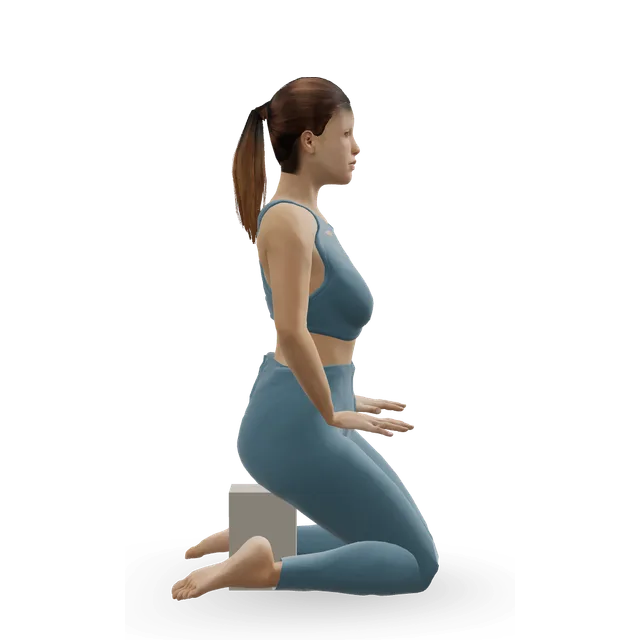
Loading the 3D figure…
Make it easier or harder
Choose a version that fits your control and comfort.
Easier option
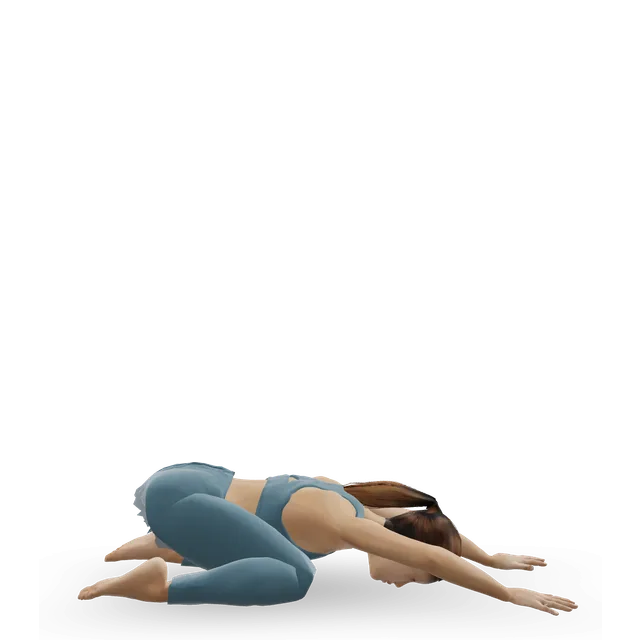 3D demoChild's Pose (Balasana)Beginner · No equipment
Suggested next step, beginner grade.
Harder option
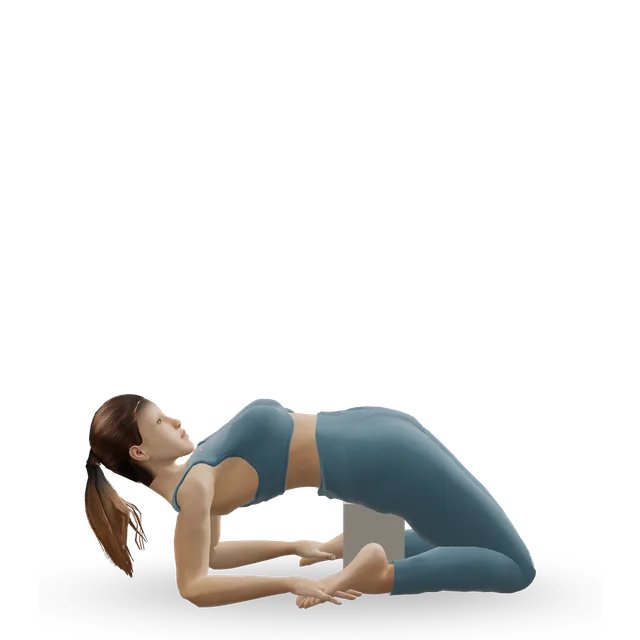 3D demoReclining hero pose (Supta Virasana)Advanced · Firm cushion
Similar move, advanced grade.
Source-researched guide.
How to move
- Kneel with your knees together and your feet slightly wider than your hips, tops of the feet flat and toes pointing straight back. Set a block between your feet.
- Lean forward a little and sit back down onto the block, between your heels rather than on them. Rest your hands on your thighs and sit tall.
- Hold, breathing evenly. Raise the block, or add a folded blanket, if you feel anything in your knees.
- Between holds, rise to kneeling tall, then sit back down.
- To come out, put your hands on the floor, lift your hips and bring one leg forward at a time.
Form cues
- Sit high enough that your knees feel nothing.
- Keep your feet pointing straight back, not turning in or out.
- Avoid: hovering, or pushing on through knee pain.
Practice and cautions
Start with 30 seconds to 1 minute on a block and build up gradually. Yoga Journal's guide works up to 5 minutes; 2 minutes is plenty for most people (our editorial starting point).
Your body weight takes the knees to the end of their bend, and if your hips can't turn in far enough, the knees twist to make up the difference. Sit high enough for no knee sensation and use your hands to sit down and rise; one review found more meniscus injuries in people who do yoga, though that rests mainly on one study of knee scans, and in other studies people who often sit in lotus showed no link with meniscus tears or knee arthritis. Numbness or tingling in the feet means come up at once: a case report links kneeling practice with palsy of the nerves that lift the feet. Skip it, or clear it with a clinician first, if you have had meniscus or ligament surgery or if the kneecap hurts. This is movement education, not an assessment or treatment prescription. Stop for sharp or increasing pain, dizziness, numbness or tingling; seek individual guidance for symptoms, injury or restrictions.
Sources and review status
Sources support the educational description; they do not establish that this exercise is suitable for you.
- Yoga Journal · Hero pose (how-to: knees together, feet just wider than the hips, a block between the feet; 30 seconds to 1 minute, building to 5) ↗
- Yoga International · Controversial yoga poses (Rachel Land: hero pose asks up to 170 degrees of knee bend and about 40 degrees of inward hip turn; wild thing loads the bottom shoulder's biceps tendon) ↗
- Cramer 2013 · 76 published cases of harm from yoga: lotus variations among the poses most often named, with thigh nerve injuries; vertebral artery occlusion in bridge pose; peroneal nerve palsy with the kneeling vajrasana (systematic review, PLoS One) ↗
- Cramer 2018 · Yoga injuries in 9 observational studies: mostly mild sprains and strains, but more meniscus injuries than in people who don't practise (systematic review, J Sci Med Sport) ↗
- Zhu 2012 · Yoga and meniscus changes on MRI in Chinese women: 273 cases and 546 controls (nested case-control study, Chin J Traumatol) ↗
- Hwang 2012 · Risk factors for a meniscus root tear: 476 Korean patients (case-control study, Am J Sports Med) ↗
- Tangtrakulwanich 2006 · Floor sitting and knee osteoarthritis in 261 Thai Buddhist monks (cross-sectional study, J Med Assoc Thai) ↗
No variation is labeled clinically validated.
What it works
Muscles
Main: Quads. Also: Shins.
Anatomy: Sartorius, Quadriceps, Rectus femoris, Vastus medialis, Vastus lateralis.
Equipment
Firm cushion
Level
Intermediate. See the easier and harder options above.
Workouts that use it
Pain guides that use it
Part of a staged plan, with when to get help first.
Guides that use it
- Hot yoga guide
- Yin yoga guide
- Iyengar yoga guide
- Yoga for knee pain guide
- Yoga for sciatica guide
- Yoga for arthritis guide
- Yoga for neuropathy guide
- Yoga for plantar fasciitis guide
Show all 20 guidesShow fewer guides
- Yoga for feet guide
- Yoga for a herniated disc guide
- Yoga for piriformis syndrome guide
- Yoga after a knee replacement guide
- Yoga for gout guide
- Yoga for shin splints guide
- Yoga for hip flexors guide
- Yoga for a meniscus tear guide
- Yoga for figure skaters guide
- Yoga after ACL surgery guide
- Yoga for knee arthritis guide
- Yoga for joint pain guide
Similar moves
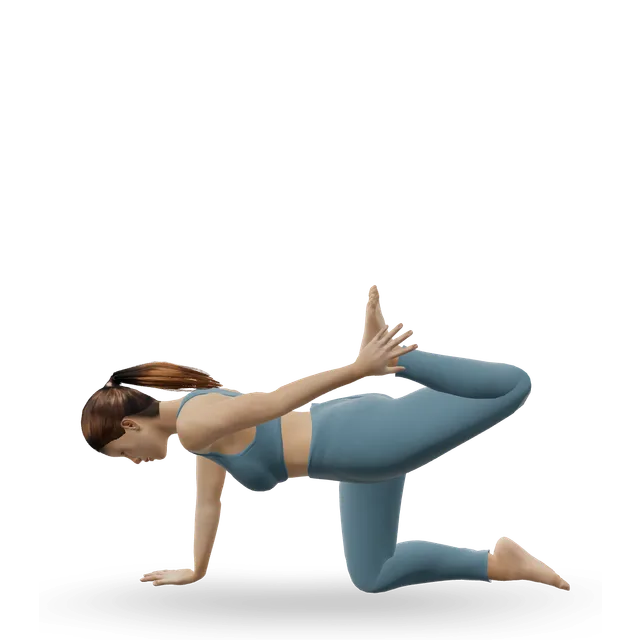 3D demoAll-fours quad stretchIntermediate · No equipment
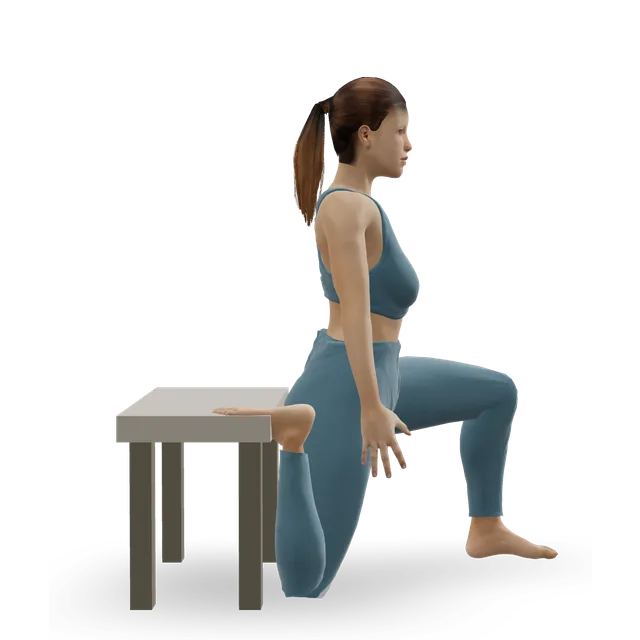 3D demoCouch stretchIntermediate · A wall
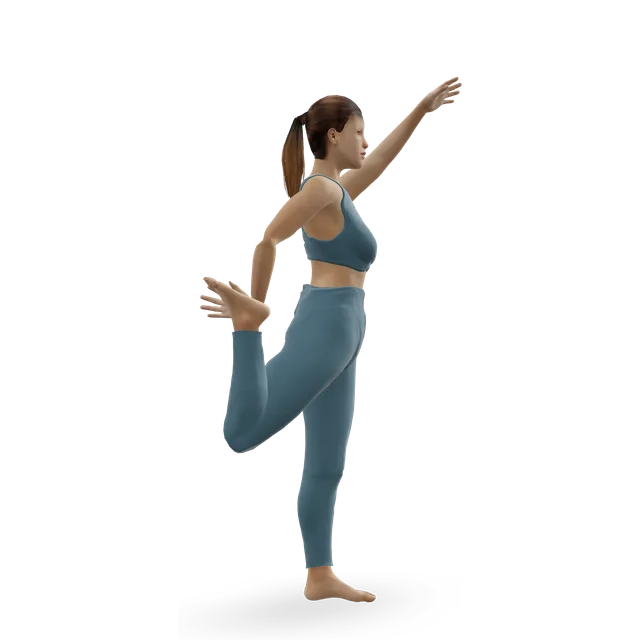 3D demoDancer pose (Natarajasana)Advanced · No equipment
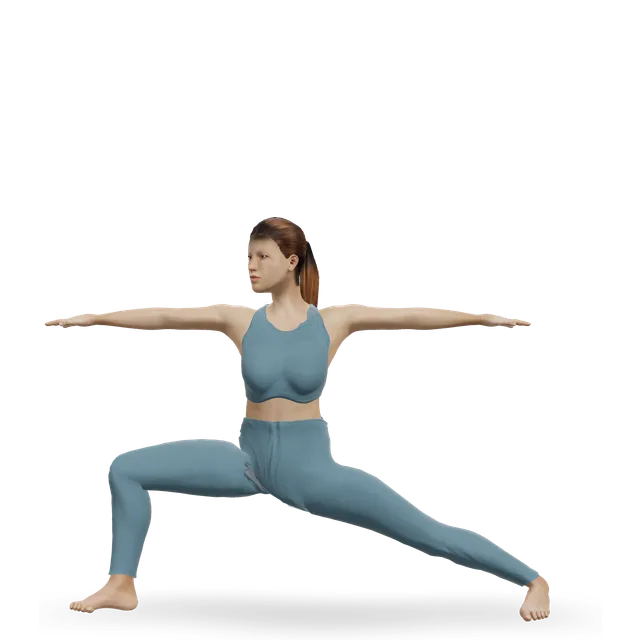 3D demoExtended side angle (Utthita Parsvakonasana)Intermediate · No equipment
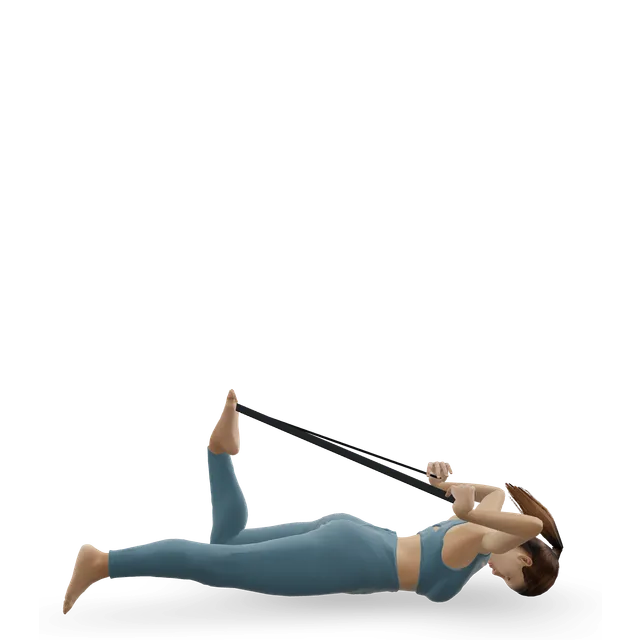 3D demoFace-down quad and hip flexor stretch with a strapIntermediate · Other / check instructions
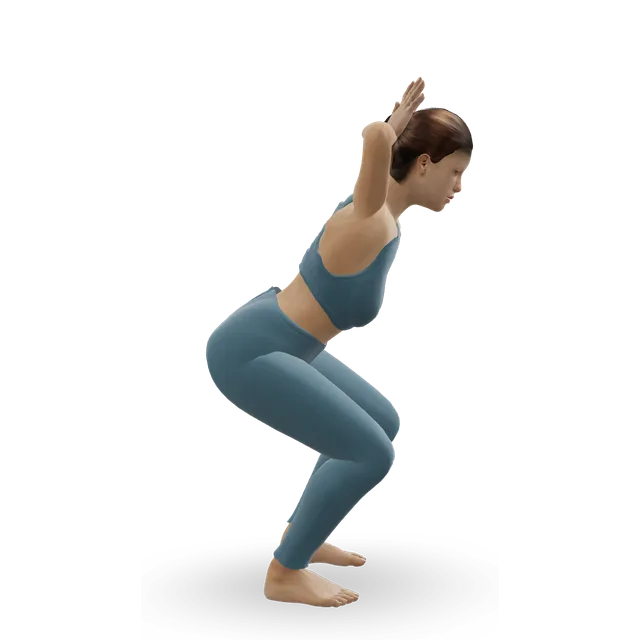 3D demoFrog hopsIntermediate · No equipment
Browse more
Questions people ask
What muscles does the Hero pose (Virasana) work?
Mainly the quads, with help from the shins.
What equipment do I need for the Hero pose (Virasana)?
Firm cushion.
Is the Hero pose (Virasana) good for beginners?
It is graded intermediate. If it is too hard right now, start with the Child's Pose (Balasana).
What is an easier alternative to the Hero pose (Virasana)?
Try the Child's Pose (Balasana). It is the suggested step down from this move.
How do I make the Hero pose (Virasana) harder?
Progress to the Reclining hero pose (Supta Virasana) or the Active pancake lift-off. Follow that guide’s technique and any stated timing.