Yoga guide

Yoga for neuropathy: balance and pain with numb feet, diabetic and chemo neuropathy, and foot care

Yoga may help your balance, strength and how you feel with peripheral neuropathy, though the trials are small. In diabetic neuropathy, 7 small studies linked yoga with less pain and better balance and walking; in cancer survivors with neuropathy from chemotherapy, 8 weeks of yoga improved symptoms and reach. Yoga can't repair damaged nerves, and the evidence that it eases nerve pain is weak.

This guide covers what the trials show, looking after numb feet (daily checks, and shoes rather than bare feet for standing poses, our suggestion), balance and falls, your hands, positions that press on nerves, heat and dizziness, and the foot and nerve warning signs. It ends with a free 25-minute class done in shoes.

The short version

Yoga may help balance and how you feel, but the trials are small

In diabetic neuropathy, a 2026 review of 7 small studies (227 people, 8 to 12 weeks) found less pain and better balance, leg strength, walking speed and quality of life, with no serious side effects, but the studies were at high risk of bias. Balance and strength exercise in general has the most evidence.

Sources 1, 2

After chemotherapy: symptoms, not clearly pain

In 41 cancer survivors, 8 weeks of yoga improved a neuropathy symptom score and how far people could reach, more than a waiting list; pain fell more, but not by a significant amount. In another trial, of 44 survivors, the authors concluded that yoga "cannot be currently recommended as an efficacious treatment" for the pain.

Sources 3, 4

Yoga doesn't repair nerves

"Once the nerves have been badly damaged, they usually can't repair themselves", Diabetes UK says. Treating the cause, such as controlling diabetes, may stop neuropathy getting worse, and nerve pain medicines are an option.

Sources 5, 6

Check your feet, and keep shoes on for standing poses

Look at your feet every day and after each session. The international foot guideline advises people at risk of foot ulcers against walking barefoot, in socks or in thin slippers, even indoors. No study has tested barefoot yoga, so we suggest well-fitting shoes for standing poses, or chair yoga.

Sources 7, 8, 9, 10

A hand on support for every balance pose

Neuropathy raises the risk of falls and fractures, and balance training helps. Keep a hand on a counter or wall in one-leg poses, keep your eyes open, and get up slowly.

Sources 11, 2

Don't press on nerves for long, and keep cool

Rare cases of nerve damage have followed long kneeling, weight on the hands and falling asleep in a seated forward fold, so change position if tingling grows. Nerve damage can affect how your body controls temperature and blood pressure: stand up slowly, and we'd avoid hot yoga.

Sources 12, 13, 9

Neuropathy, and where yoga fits

Neuropathy, in plain words

Peripheral neuropathy is damage to the nerves "in the body's extremities, such as the hands, feet and arms", and "almost 1 in 10 people aged 55 or over are affected" in the UK. Diabetes is the commonest cause; others include some chemotherapy, years of heavy drinking and low vitamin B12. Symptoms include numbness and tingling, burning or sharp pain, weakness, and loss of balance because you can't feel where your feet are as well.

Sources 14, 15, 16

Why the feet matter

With numb feet you may not notice "if you step on something sharp while barefoot or get a blister from badly-fitting shoes", and a blister can turn into an ulcer. Up to half of people with diabetic neuropathy have no symptoms. The National Institute for Health and Care Excellence (NICE) counts neuropathy alone as a moderate risk of a diabetic foot problem, and neuropathy with hard skin or a misshapen foot, or a past ulcer, as high risk.

Sources 5, 17, 18, 19

Nerves to the heart and circulation

When nerve damage affects the heart and circulation (autonomic neuropathy), people may be unable "to exercise for more than a very short period of time" and feel dizzy or faint when they stand. The American Diabetes Association (ADA) adds that it can affect temperature control, and advises a heart check before exercise harder than you're used to.

Sources 17, 9

Neuropathy from chemotherapy

"For most people, the symptoms of cancer-related peripheral neuropathy will slowly improve when their cancer treatment has finished", Macmillan says, though they can get worse for a few weeks first, and for some people the damage is permanent. No medicine prevents it, and duloxetine, the one medicine with evidence for the pain, helps only a little.

Sources 20, 21, 22

What the trial classes looked like

In the chemotherapy trial, people did 60 minutes of yoga a day for 8 weeks: 2 group classes a week and a home video on the other days, with breathing and poses that could be adapted. In diabetic neuropathy, one trial used 60-minute classes 3 times a week for 8 weeks with home practice, and across studies yoga ran for 8 to 12 weeks.

Sources 3, 23, 1

What the evidence says

GuidelinesStrong evidence

No guideline recommends yoga specifically for neuropathy. The ADA says yoga, tai chi and resistance training "can significantly improve A1C, flexibility, muscle strength, balance, and gait" in diabetes (A1C is a measure of average blood sugar), and suggests flexibility and balance work 2 to 3 times a week for older adults, with proper footwear and daily foot checks. The international foot guideline supports foot and ankle exercise and gradual walking for people at low to moderate ulcer risk, in appropriate footwear. Macmillan and Cancer Research UK say exercise may help neuropathy from chemotherapy.

Sources 9, 8, 20, 21

Diabetic neuropathy: small studiesMixed evidence

The 2026 review of 7 studies found improvements in nerve pain, balance, leg strength, walking speed and quality of life, but small samples, varied programmes and a high risk of bias limited firm conclusions. In a 30-person study, yoga 3 times a week improved strength, position sense, pain and fear of falling against no exercise. In 80 people with autonomic neuropathy, yoga did better than a standard exercise plan for wellbeing and low mood, and the exercise plan did better on some nerve tests.

Sources 1, 23, 24, 25

Balance and strength: exercise helpsEmerging evidence

In 16 trials of people with diabetic neuropathy (759 people), exercise improved the Berg balance score by about 2 points, the Timed Up and Go walking test by about 1.7 seconds and one-leg standing time by about 3 seconds, at low to very low certainty. Balance and mixed exercise did best, and foot and ankle training on its own didn't improve walking tests. A review of 41 trials across all kinds of neuropathy found balance gains in diabetic neuropathy, and balance training looked important after chemotherapy.

Sources 2, 26, 27

Neuropathy from chemotherapyEmerging evidence

In 41 breast and gynaecological cancer survivors, 8 weeks of yoga improved a neuropathy symptom score by 4.25 points against 1.36 with a waiting list (about the size of change people notice), and reach by 7 centimetres; anxiety was lower by week 12. Side effects were 3 cases of muscle aches and 1 leg cramp. The assessors knew who had done yoga. In 44 survivors, only tiredness and low mood improved more than with usual care. Exercise in general eases chemotherapy neuropathy symptoms a little, in 20 studies.

Sources 3, 28, 4, 29, 30

Nerve painMixed evidence

Pain fell more with yoga but not significantly in the main chemotherapy trial, and not more than usual care in the other; pooled yoga trials in nerve pain weren't significant either. A review found "most studies reported no clinical benefit from yoga" for chemotherapy nerve pain. Medicines such as amitriptyline, duloxetine, pregabalin and gabapentin are the NHS options, and side effects can include tiredness and dizziness.

Sources 3, 4, 31, 32, 22, 6

Nerve repair: not shownMixed evidence

A small 2002 study found nerve signals in the arm a little faster after 40 days of daily yoga, while they slowed in a comparison group, but that isn't nerve repair, and no study has measured blood flow to the nerves with yoga. Badly damaged nerves usually can't repair themselves.

Sources 5, 24, 33

Falls: not tested for yogaMixed evidence

In 3,617 older adults, neuropathy found by a simple foot test went with more falls or fractures over 3 years (26.5% against 18.4%). No yoga trial in neuropathy has counted falls, and the one exercise trial in diabetic neuropathy that did found no clear difference. In older people in general, exercise cut the rate of falls by 23% in 59 trials.

Sources 11, 34, 35, 36

SafetyEmerging evidence

The neuropathy trials reported only mild side effects, such as muscle aches and a cramp, and no serious ones. Across 94 yoga trials, side effects were no more common than with usual care or exercise. The particular risks with neuropathy are injuries to feet you can't feel, falls and pressure on nerves.

Sources 3, 1, 37

Your feet: checks, shoes and sores

Check every day, and after yogaStrong evidence

Look at your feet "before you put your socks on in the morning and before you go to bed", using a mirror while sitting or lying, or ask someone to help, and check again after each session. If you feel 4 or fewer of 6 light touches in the Touch the Toes test, you have reduced feeling and may be at risk of a foot ulcer.

Sources 7, 38, 5

Shoes for standing poses: our suggestionMixed evidence

Yoga is usually done barefoot, but the international foot guideline asks people at risk of foot ulcers to protect their feet "by not walking barefoot, not walking in socks without shoes, or not walking in thin-soled slippers, whether indoors or outdoors". The ADA, Macmillan and Cancer Research UK also advise against going barefoot. No study has tested barefoot yoga with neuropathy, so our suggestion borrows that walking advice: wear well-fitting shoes for standing poses, or choose chair yoga, and ask your foot team what suits you.

Sources 8, 18, 20, 21, 10

Walking in good shoes didn't raise ulcers in a trialEmerging evidence

In 79 people with diabetic neuropathy, a walking programme didn't lead to more foot ulcers, and the foot guideline says an extra 1,000 steps a day is likely to be safe for people at low to moderate risk.

Sources 39, 8, 9

With an open sore or a hot, swollen footStrong evidence

"Anyone with a foot injury or open sore should be restricted to non-weight-bearing activities", the ADA says: do seated or lying poses only. A red, hot, swollen foot needs your foot team within 24 hours: NICE counts an unexplained hot, swollen foot with a change in colour as an active foot problem, and suspected Charcot foot is treated with no weight on it until it's assessed.

Sources 9, 40, 19

Foot exercises with bare feet

Toe and foot muscle exercises usually need bare feet. The foot guideline allows limited barefoot work only within a foot and ankle exercise programme supervised by a qualified professional, for people at low to moderate risk, so ask your foot team before trying them.

Source 8

Balance and falls

Why balance is harderStrong evidence

Neuropathy makes it harder to tell where your feet are. In 3,617 older adults, those with neuropathy on a simple foot test had more falls or fractures over 3 years: 26.5% against 18.4%.

Sources 16, 11

In practice

In trials, balance exercise and mixed programmes (balance with strength) improved balance most. Keep a hand on a counter or wall in every one-leg pose, keep your eyes open, practise on a clear, non-slip floor in good light, and get up slowly (our suggestions, as our move pages say).

Sources 2, 26

Hands and nerve pressure

Positions that press on nervesMixed evidence

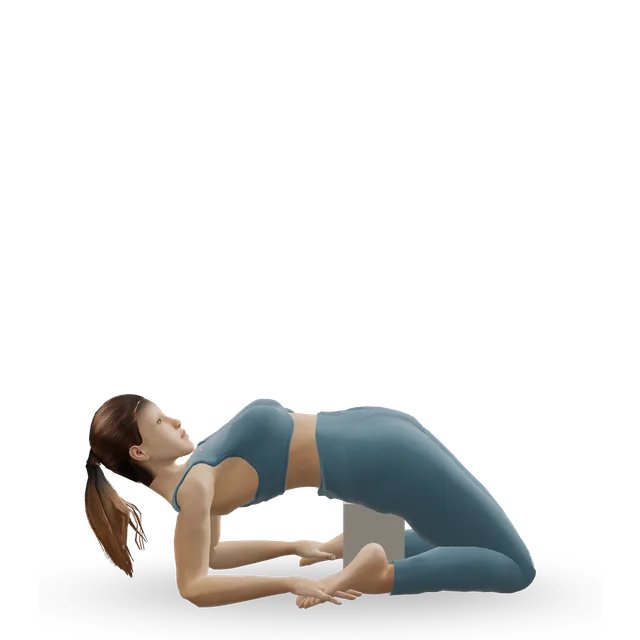
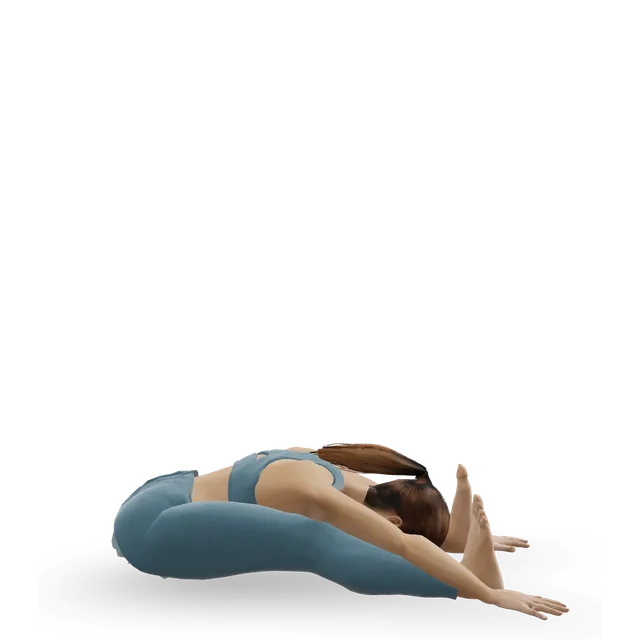
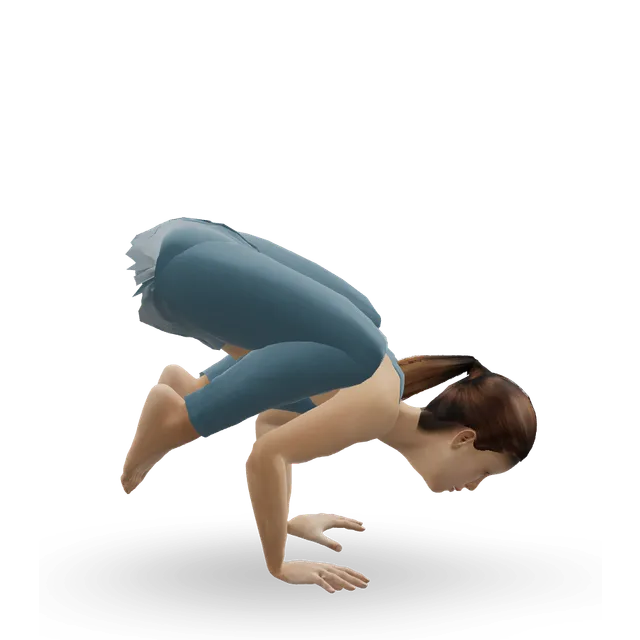
Case reports describe nerve damage after kneeling back on the heels (in both legs), a trapped nerve at the wrist after downward dog, crow pose in a woman prone to pressure palsies, and falling asleep in a seated forward fold. These are rare, but with neuropathy you may not feel the early pins and needles, so change position every few minutes and come out of a pose if tingling or numbness grows (our suggestion).

Sources 12, 41, 42, 13, 43

Your hands

Hand exercises haven't been tested in neuropathy trials. Gentle finger and wrist movement, such as tendon glides, is a reasonable way to keep your hands moving (our suggestion), and if your hands are numb or tingle, keep weight off them in poses such as downward dog, plank and crow, or use your forearms or a chair. Carpal tunnel syndrome has its own guides, including yoga for carpal tunnel.

Sources 41, 42

Heat, dizziness and chemotherapy

Dizziness on standing

If nerve damage affects your heart and circulation, you may feel dizzy or faint when you stand. Stand up slowly and sit down if you feel dizzy (our suggestion), and have a heart check before exercise harder than you're used to, as the ADA advises.

Sources 17, 9

Heat and hot yogaMixed evidence

Nerve damage can affect temperature control, and numb feet can't judge hot surfaces; Macmillan suggests testing hot water with your elbow. No study has tested hot yoga with neuropathy: we'd avoid it (our suggestion).

Sources 9, 20, 44

During and after chemotherapy

"Exercising while having chemotherapy treatment may help reduce the symptoms of peripheral neuropathy", Macmillan says; ask your cancer team which exercise suits you. Cancer Research UK says that with neuropathy "it might be better to use a stationary bike than to do other types of weight bearing exercise" for cardio.

Sources 20, 45

How much

The trials ran 8 to 12 weeks, from 60-minute classes 3 times a week to an hour a day of classes and home video. The ADA suggests flexibility and balance work 2 to 3 times a week for older adults with diabetes.

Our editorial starting point: our 25-minute class 2 or 3 times a week, in shoes, with a foot check before and after, plus walking or cycling on other days.

Sources 3, 23, 1, 9

Settle, feet and ankles, sitting

Shoes on. Slow breathing: 2 minutes (our chair yoga class); breath reach: 5 breaths (the move's page); seated march: 1 minute; seated calf raise: 2 sets of 12; seated knee extension: 10 each leg (our neuropathy exercises); ankle circles: 10 slow circles each way with each foot; ankle rotations: 5 slow circles each way (the moves' pages); seated calf stretch: 30 to 60 seconds each leg (our chair yoga for multiple sclerosis).

Hands

Tendon glides: 4 to 6 of each position, 5-second holds (the move's page, from an NHS leaflet); wrist and forearm flow: 60 seconds (our joint care workout). Gentle, never forced.

Standing at a counter, in shoes

A hand on the counter for every balance pose. Sit to stand: 3 to 5, building to 15; single-leg stand: 2 holds of up to 30 seconds each leg; side-stepping: 10 steps, twice; calf raises and toe raises: 5, building to 20 (our neuropathy exercises; skip calf raises with hard skin, a sore or a past ulcer under the ball of the foot); mountain pose: 5 slow breaths; chair pose: 3 holds of 10 to 15 seconds; warrior II and tree pose: 3 breaths each side (our chair yoga class).

Change or leave out

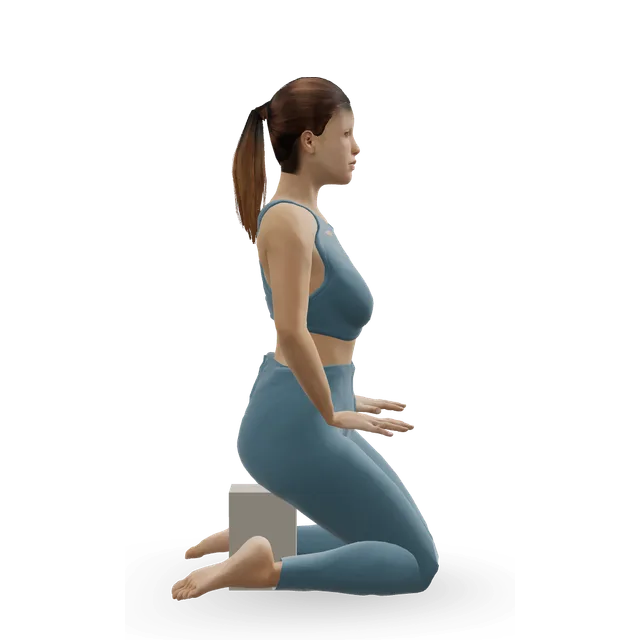
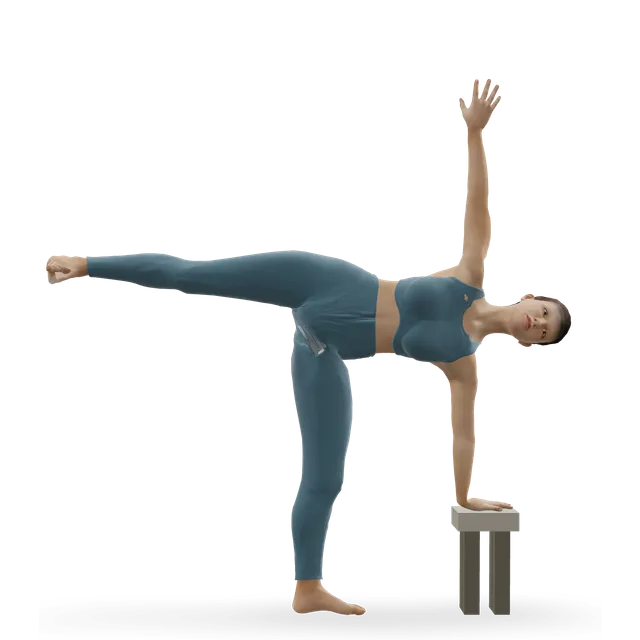
Keep kneeling back on the heels short, and come up at once if your feet tingle or go numb (the hero pose page says the same); keep seated forward folds short and never fall asleep in one; with numb or tingling hands, keep weight off them in downward dog and crow; and do warrior III or half moon only with a hand on the counter (our suggestions, from the case reports above).

Free classes

Start with our 25-minute class in shoes. The neuropathy exercises add strength and walking; the chair classes suit days with a sore foot or very numb feet; the balance class is harder, with a hand on the counter for every one-leg pose.

Yoga for neuropathy: a 25-minute class in shoes, sitting then at a counter

A 25-minute yoga class for numb or tingling feet and hands: seated breathing, foot, ankle and hand work, standing poses at a counter in shoes, and a seated finish.

25 minBeginner17 movesA bench or box, Something with weight

Exercises for peripheral neuropathy: balance and leg strength in shoes

A 35-minute home routine for numb feet: seated ankle work, leg strength and balance at a counter, then a walk, with shoes on and a foot check before and after.

35 minBeginner13 movesA bench or box, Something with weight

Chair yoga for seniors

A free 20-minute chair yoga class for older adults: slow breathing, gentle seated stretches and twists, standing poses holding the chair, and a calm finish.

20 minBeginner18 movesA bench or box, Something with weight

Seated chair yoga: 15 minutes, no standing

A 15-minute chair yoga routine done entirely sitting: slow breathing, neck, shoulder and wrist stretches, seated twists and side bends, and a calm finish.

15 minBeginner16 movesA bench or box

Yoga for balance: a 30-minute standing class, from steady to moving

Thirty minutes of standing yoga for balance: strong standing poses, one-leg poses at the wall, and side steps, backward steps, reaches and sit-to-stands.

30 minBeginner16 movesA wall, A bench or box

Breathing exercises to relax

A 6-minute breathing routine: slow breathing, crocodile breathing, alternate nostril breathing, box breathing and 4-7-8 breathing.

6 minBeginner5 movesNo equipment

Warning signs: when to get help

These follow our exercise for peripheral neuropathy guide, Diabetes UK, NICE and the NHS. A&E means accident and emergency.

Call 999 (911 in the US) or go to A&E

  • A foot infection with signs of sepsis: confusion or slurred speech; blue, grey, pale or blotchy skin, lips or tongue; a rash that doesn't fade under a glass; fast breathing or breathlessness; a temperature above 38.3°C; or a heart rate over 90 at rest.
  • A face that droops on one side or trouble swallowing, arms you can't lift, or trouble speaking.
  • Weakness or numbness in both legs that is severe or getting worse, numbness around your genitals or bottom, or new problems peeing or controlling your bladder or bowels.
  • Chest pain that feels tight or squeezing or spreads to your arms, neck or jaw.

Sources 40, 46, 47

See your foot team within 24 hours

Take the weight off the foot, keep it raised, and contact your GP or foot protection team straight away, or an out-of-hours service if they're closed, if you notice:

  • A change in colour or shape, especially a red, hot, swollen toe, ankle or foot.
  • Part of your foot much colder or hotter than usual.
  • A new blister, cut or wound, especially one you can see but can't feel.
  • A wound that smells or leaks fluid or pus.
  • New or unexplained pain in your foot.

Sources 40, 19

Urgent GP appointment or NHS 111

  • Tingling or numbness in your feet and hands followed by weakness that gets worse over days or weeks: it could be Guillain-Barré syndrome. Call 999 for severe difficulty breathing.
  • Severe burning pain in your legs and feet even when you rest, wounds that won't heal, or toes turning cold and numb, then red or black: contact a GP immediately, or 111.

Sources 46, 48

See your GP

  • Pain, tingling or loss of feeling in your feet, loss of balance or weakness, or a cut or ulcer on your foot that isn't healing.
  • You felt 4 or fewer toes in the Touch the Toes test, or you've missed your yearly diabetes foot check.
  • You're falling, nearly falling or feel unsteady.
  • You get dizzy or faint when you stand up, or can't exercise for more than a short time.

Sources 14, 38, 49, 50, 17

After chemotherapy

Tell your healthcare team about any new symptoms, or symptoms that are getting worse: nerve damage is better diagnosed early. Our yoga for cancer guide has the signs that mean calling your hospital team.

Source 20

Support

The Diabetes UK helpline is 0345 123 2399, Monday to Friday, 9am to 6pm. Macmillan's support line is 0808 808 00 00.

Sources 51, 20

Myths

"You can't do yoga with numb feet"Emerging evidence

People with diabetic neuropathy did 8 to 12 weeks of yoga in 7 studies with no serious side effects, exercise improved balance in 16 trials, and the ADA names yoga among activities that improve balance in diabetes. Shoes, a counter and foot checks make it safer.

Sources 1, 2, 9

"Yoga can cure neuropathy or regrow nerves"Strong evidence

Badly damaged nerves usually can't repair themselves, and the trials measured symptoms, balance and function. A small change in nerve signal speed in one 2002 study isn't nerve repair.

Sources 5, 1, 24

"Yoga is best barefoot, so you can feel the floor"Strong evidence

The international foot guideline strongly advises people at risk of foot ulcers not to walk barefoot or in socks, indoors or out, and the ADA, Macmillan and Cancer Research UK say the same.

Sources 8, 18, 20, 21

"Poses awaken the nerves and boost blood flow to them"Mixed evidence

No study has measured blood flow to the nerves with yoga in neuropathy; the trials measured symptoms and function.

Sources 33, 1

"Yoga relieves nerve pain"Mixed evidence

Pain fell more with yoga but not significantly in the main chemotherapy trial, there was no between-group benefit in another, and pooled trials in nerve pain weren't significant.

Sources 3, 4, 31, 32

"If it doesn't hurt, my feet are fine"Strong evidence

Up to half of diabetic neuropathy has no symptoms, and with numb feet you may not notice minor injuries. Check your feet every day.

Sources 18, 5, 7

"Hot yoga helps nerve pain"Mixed evidence

No study has tested it, numb feet can't judge heat, and nerve damage can affect how your body controls temperature.

Sources 44, 20, 9

"Hand mudras treat neuropathy"Mixed evidence

We found no study of mudras in neuropathy.

Source 52

Questions people ask

Is yoga good for neuropathy?

It may help your balance, strength and how you feel, though the trials are small: in 7 studies of diabetic neuropathy, yoga went with less pain and better balance and walking, but the studies were at high risk of bias. Balance and strength exercise in general has the most evidence.

Can I do yoga with numb feet?

Yes, with care: people with diabetic neuropathy did yoga in trials without serious side effects. Check your feet before and after, keep a hand on a counter in balance poses, and wear shoes for standing poses.

Should I do yoga barefoot if I have neuropathy?

We'd keep well-fitting shoes on for standing poses (our suggestion): the international foot guideline advises people with numb feet against walking barefoot, in socks or in thin slippers, even indoors, and no study has tested barefoot yoga with neuropathy. Seated yoga is another option.

What yoga poses help neuropathy in the feet and legs?

No pose treats the nerves, but ankle circles, seated calf raises, sit-to-stands, chair pose, warrior II and supported tree pose build the strength and balance that exercise trials improved. Our 25-minute class puts them together, in shoes.

Can yoga help neuropathy in the hands?

It hasn't been tested. Gentle finger and wrist movement, such as tendon glides, is a reasonable way to keep your hands moving, but keep weight off numb or tingling hands in poses like downward dog, plank and crow, where nerve compression has been reported.

Is chair yoga good for neuropathy?

Yes: it lets you work your feet, ankles and legs without balance risk, and it's the safer option on days with a sore foot. Add standing poses at a counter for balance when your feet allow.

Can yoga cure neuropathy?

No. Badly damaged nerves usually can't repair themselves, and yoga trials measured symptoms and function, not nerve repair. Treating the cause, such as controlling diabetes, may stop it getting worse.

Does yoga help nerve pain?

Not clearly. In the main trial in chemotherapy neuropathy, pain fell more with yoga but not significantly, and pooled trials in nerve pain weren't significant. Talk to your GP about treatments for nerve pain.

Is yoga good for neuropathy after chemotherapy?

It may help: in 41 cancer survivors, 8 weeks of daily yoga improved neuropathy symptoms and reach more than a waiting list, with only mild aches as side effects. Exercise in general helps chemotherapy neuropathy a little; follow your cancer team's advice during treatment.

Is hot yoga good for neuropathy?

It hasn't been studied. Numb feet can't judge heat, and nerve damage can affect how your body controls temperature, so we'd avoid hot classes.

How often should I do yoga with neuropathy?

The trials ran 8 to 12 weeks, often with home practice several days a week. Our suggestion is 2 or 3 sessions a week, in line with the ADA's 2 to 3 times a week for flexibility and balance work, with walking or cycling on other days.

When should I see a doctor?

See your foot team within 24 hours for a red, hot or swollen foot, a new wound you can't feel, or a wound that smells or leaks. Get urgent advice for tingling followed by weakness that gets worse over days, and see your GP for new numbness, pain or loss of balance.


Sources

  1. Vijay 2026 · Yoga for diabetic peripheral neuropathy: 7 studies, 227 people (systematic review, Adv Mind Body Med)
  2. Ma 2026 · Exercise and balance in diabetic peripheral neuropathy: 16 trials, 759 people (systematic review and meta-analysis, Front Public Health)
  3. Bao 2020 · Yoga for chemotherapy nerve damage and fall risk: 41 cancer survivors (randomised trial, JNCI Cancer Spectr; full text read)
  4. Knoerl 2022 · Yoga for long-lasting chemotherapy nerve pain: 44 survivors (pilot randomised trial, J Cancer Surviv)
  5. Diabetes UK · Diabetic neuropathy (nerve damage) (reviewed November 2024)
  6. NHS · Peripheral neuropathy: treatment (past its review date: reviewed October 2022, review due October 2025)
  7. Diabetes UK · How to look after your feet (reviewed November 2024)
  8. IWGDF 2023 · Guidelines on the prevention of foot ulcers in people with diabetes (guideline, International Working Group on the Diabetic Foot; full text read)
  9. ADA 2026 · Standards of Care in Diabetes, section 5: physical activity, neuropathy and foot care (guideline, Diabetes Care; full text read)
  10. PubMed · Search for yoga and bare feet or foot ulcers: 3 records, none relevant (26 October 2026)
  11. Hicks 2023 · Neuropathy on a simple foot test and falls or fractures: 3,617 older adults (cohort study, J Am Geriatr Soc)
  12. Cramer 2013 · Adverse events associated with yoga: 76 published cases (systematic review of case reports, PLoS One; full text read)
  13. Walker 2005 · Damage to both sciatic nerves after falling asleep in a seated forward fold (case report, Neurologist)
  14. NHS · Peripheral neuropathy (past its review date: reviewed October 2022, review due October 2025)
  15. NHS · Peripheral neuropathy: causes (past its review date: reviewed October 2022, review due October 2025)
  16. NHS · Peripheral neuropathy: symptoms (past its review date: reviewed October 2022, review due October 2025)
  17. NHS · Peripheral neuropathy: complications (past its review date: reviewed October 2022, review due October 2025)
  18. ADA 2026 · Standards of Care in Diabetes, section 12: neuropathy and foot care (guideline, Diabetes Care; full text read)
  19. NICE NG19 · Diabetic foot problems: prevention and management (recommendations, reviewed July 2025)
  20. Macmillan · Peripheral neuropathy and cancer
  21. Cancer Research UK · Nerve changes and cancer drugs (reviewed September 2026)
  22. Loprinzi 2020 · Preventing and managing chemotherapy nerve damage (ASCO guideline update, J Clin Oncol)
  23. Faridi Dastjerdi 2024 · Yoga for diabetic neuropathy: 30 people (pilot controlled study, Biol Res Nurs)
  24. Malhotra 2002 · Yoga and nerve conduction in type 2 diabetes: 40 people (controlled trial, Indian J Physiol Pharmacol)
  25. Kumar 2024 · Yoga or the ADA exercise regimen for autonomic neuropathy in diabetes: 80 people (open-label trial, Cureus)
  26. Wang 2025 · Exercise types and fall risk in older adults with diabetic neuropathy: 21 studies (systematic review and meta-analysis, J Exerc Sci Fit)
  27. Streckmann 2022 · Exercise and neuropathy: 41 trials (systematic review and meta-analysis, Sports Med)
  28. Zhi 2021 · Yoga for chemotherapy nerve damage: quality of life and anxiety in the same 41 survivors (randomised trial analysis, Cancer Med)
  29. Khmethong 2024 · Exercise for chemotherapy nerve damage: 20 studies, 1,308 people (systematic review and meta-analysis, Oncol Nurs Forum)
  30. Amarelo 2025 · Exercise for chemotherapy nerve damage: 12 studies, 928 people (systematic review and meta-analysis, Pain Manag Nurs)
  31. Bhardwaj 2023 · Yoga for neuropathic pain: randomised trials pooled (systematic review and meta-analysis, J Family Med Prim Care)
  32. D'Souza 2023 · Treating pain from chemotherapy nerve damage (systematic review, Curr Pain Headache Rep)
  33. PubMed · Search for yoga, neuropathy and blood flow or circulation: 3 records, none relevant (26 October 2026)
  34. de Oliveira Lima 2021 · Exercise, balance and falls in diabetic neuropathy: 8 trials (systematic review and meta-analysis, Arch Endocrinol Metab)
  35. Sherrington 2019 · Exercise for preventing falls in older people: 108 trials (Cochrane review, Cochrane Database Syst Rev)
  36. PubMed · Search for randomised trials of yoga and falls in Parkinson's, stroke or neuropathy: 17 records, none counting falls as a yoga outcome (26 October 2026)
  37. Cramer 2015 · The safety of yoga: 94 randomised trials, 8,430 people (systematic review and meta-analysis, Am J Epidemiol)
  38. Diabetes UK · Testing for sensitivity in your feet: the Touch the Toes test (reviewed November 2024)
  39. LeMaster 2008 · Weight-bearing activity and foot ulcers in diabetic neuropathy: 79 people (randomised trial, Phys Ther)
  40. Diabetes UK · Signs of serious foot problems and foot infections (reviewed December 2024)
  41. Horner 2013 · Ulnar nerve compression at the wrist after downward dog (case report, Del Med J)
  42. Isik 2024 · Wrist drop after crow pose in a woman prone to pressure palsies (case report, Turk J Phys Med Rehabil)
  43. Dacci 2013 · Damage to both sciatic nerves during yoga practice (case report, Neurol Sci)
  44. PubMed · Search for hot, Bikram or heated yoga and Parkinson's, stroke, neuropathy or PTSD: 1 record, a heatstroke case (26 October 2026)
  45. Cancer Research UK · Exercise guidelines for people with cancer (reviewed May 2025)
  46. NHS · Guillain-Barré syndrome (last reviewed August 2024)
  47. NHS · Sciatica (last reviewed December 2024)
  48. NHS · Peripheral arterial disease (PAD) (last reviewed April 2026)
  49. Diabetes UK · Diabetes and feet (reviewed November 2024)
  50. NHS · Falls (last reviewed March 2025)
  51. Diabetes UK · Walking when you have diabetes (reviewed March 2024)
  52. PubMed · Search for mudras and neuropathy: 1 unrelated record (26 October 2026)

Exercise education, not a personal prescription, and clinical review of these guides is pending. If you are pregnant, have a health condition such as glaucoma, high blood pressure or osteoporosis, or have had recent surgery, check with a doctor, midwife or physiotherapist before starting, and stop for sharp or increasing pain. Health disclaimer.