Yoga guide

Yoga for carpal tunnel: what it can do for pain and grip, wrist-free poses, nerve glides and splints

Yoga can be a gentle extra for carpal tunnel syndrome, as long as it keeps weight off your hands. In the one trial, 8 weeks of upper-body yoga done sitting and standing went with better grip and less pain, though the differences from a wrist splint weren't statistically clear. Treatment comes first: a night splint, and an injection or surgery if symptoms don't settle.

Downward dog, plank and sun salutations put your body weight through wrists bent back to around a right angle. In lab studies, bending the wrist back and pressing on the palm both raised pressure in the carpal tunnel, so the poses on this page keep your wrists close to straight. That's our suggestion: no study has tested it in yoga poses.

This guide covers what the trial and the reviews of nerve glides found, how yoga fits with a night splint, injections and surgery, which poses to swap and how, prayer hands, yoga after surgery and in pregnancy, and the signs that need a GP. It ends with a free 25-minute class with no weight on your palms.

The short version

Treatment comes first; yoga is an optional extra

The NHS advises a wrist splint at night ("You may need to wear a splint for up to 6 weeks before it starts to feel better"), cutting down on things that make you bend your wrist often or grip hard, then a steroid injection if the splint doesn't help, and surgery if it's getting worse. The 2026 US physical therapy guideline's summary also puts a splint that keeps the wrist straight first, with changes to your activities and set-up.

Sources 1, 2, 3

One small, old trial of yoga

In 1998, 42 people with carpal tunnel syndrome did 11 upper-body postures, sitting and standing, with relaxation, twice a week for 8 weeks, or were offered a wrist splint. Grip and pain improved within the yoga group and more people's Phalen's test improved (12 against 2), but the planned comparisons between the groups weren't statistically significant for any measure, and nerve tests didn't change. A later review counted it as no evidence for pain.

Sources 4, 5, 6

Nerve and tendon glides: maybe a small, short-term help

Across 22 trials, nerve glides eased pain and improved function a little, on very low-certainty evidence; another review found no clinical benefit; glides added nothing to a splint at 6 weeks in 80 people; and the US surgeons' guideline says exercise doesn't improve long-term outcomes. Do them alongside a splint, not instead of getting help.

Sources 7, 8, 9, 10

Take your weight off bent-back wrists

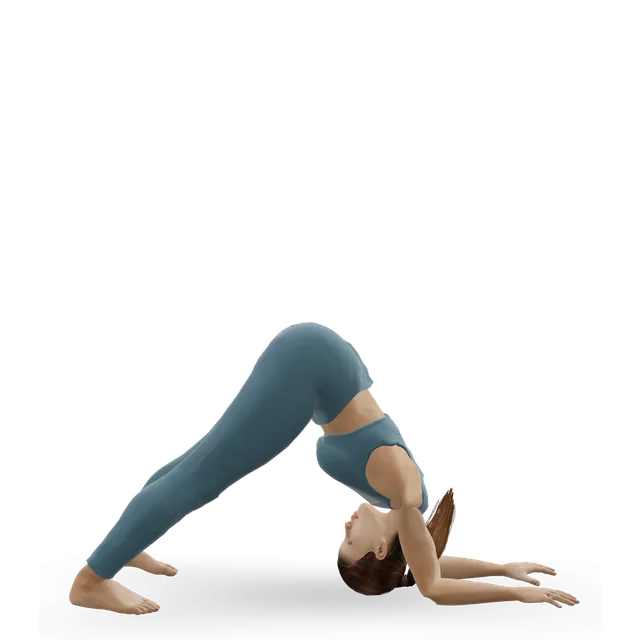
In people with carpal tunnel syndrome, pressure in the tunnel was 32 mmHg (millimetres of mercury) with the wrist straight and 110 mmHg with it bent back 90 degrees, and force on the palm raises it further. A sun salutation takes the wrist to 85 degrees. No study has measured this in yoga poses, so the swaps are our extrapolation: forearms instead of hands (dolphin for downward dog, a forearm plank, sphinx for cobra), fists, or hands on a chair.

Sources 11, 12, 13, 14

Most of yoga doesn't need your hands

The trial's postures were done sitting and standing. Breathing, shoulder rolls, seated twists and side bends, and standing poses with your hands free (mountain, chair, warrior II, tree) keep your wrists near straight.

Source 4

Know the signs that need help

See a GP if symptoms are getting worse or not going away, and quickly if your thumb is weak or the muscle at its base looks thinner. Losing the feeling in part or all of your hand needs help the same day. The full lists are in the warning signs below.

Sources 1, 15, 16

Carpal tunnel, and where yoga fits

Carpal tunnel syndrome, in plain words

The carpal tunnel is a narrow passage at the front of the wrist. The median nerve and the tendons that bend your fingers run through it. When the tunnel swells, it squeezes the nerve, causing aching, tingling or numbness in the thumb and first fingers, often worse at night, and later a weak thumb or trouble gripping. Hanging the hand out of bed or shaking it often helps.

It's more likely with pregnancy, diabetes, arthritis, being overweight, a parent or sibling with it, an old wrist injury, and work or hobbies with repeated wrist bending, hard gripping or vibrating tools. In UK GP records in 2013, the median age at diagnosis was 54 in women and 59 in men. Our carpal tunnel syndrome guide explains it in full, with a staged exercise plan.

Sources 1, 15, 17

How it usually goes

It sometimes gets better by itself in a few months, particularly in pregnancy, the NHS says. In studies of people treated without surgery, 57% to 66% went on to have an operation, and symptoms that had lasted longer, a positive Phalen's test and a thinner muscle at the base of the thumb went with a poorer outcome.

Sources 1, 18

How the yoga trial's classes ran

The article describes 11 Iyengar yoga postures "designed for strengthening, stretching, and balancing each joint in the upper body", performed "while the subject was sitting and standing", with attention to the alignment of the hands, wrists, arms and shoulders. Every session ended with relaxation in corpse pose. One instructor, one of the authors, taught twice a week for 8 weeks. The list of postures is in a table we couldn't read, so this page doesn't say which poses they were.

Source 4

What the evidence says

Yoga: one small trial, with no clear difference from a splintMixed evidence

In the 1998 trial, 51 people were randomised and 42 analysed. In the yoga group, grip strength rose from 162 to 187 mmHg and pain fell from 5.0 to 2.9 out of 10, with no significant change in the splint group, and 12 people's Phalen's test improved with yoga against 2 with the splint. But the authors report that the "Results of repeated-measures analyses for between-group differences were not statistically significant" for any measure, and nerve tests didn't change. The teacher was an author, side effects weren't reported, and the authors called it preliminary.

A later review of yoga in rheumatic conditions counted it as no evidence for pain. It's still the only randomised trial of yoga for carpal tunnel syndrome we found.

Sources 4, 5, 19

Arm and hand symptoms at a computerMixed evidence

In 60 computer users with arm and hand symptoms (not diagnosed carpal tunnel syndrome), 12 weeks of yoga with counselling eased symptoms more than counselling alone. A 2022 review of 26 physiotherapy and exercise trials listed yoga among treatments with positive effects on symptoms, on the strength of these small studies.

Sources 20, 21

Exercise and nerve glidesMixed evidence

A Cochrane review of 16 trials (741 people) found "limited and very low quality evidence of benefit" for all kinds of exercise and mobilisation. Across 22 trials (1,203 people), nerve-gliding techniques eased pain a little (SMD, standardised mean difference, -0.54) and improved function (SMD -0.35) on very low-certainty evidence, with no change in symptom scores, nerve tests or grip. Another review concluded there were no clinical benefits; a third reported larger effects, with very mixed results between trials.

In 80 people with mild carpal tunnel syndrome, glides added to a splint made no difference at 6 weeks. In 179 adults, 4 weeks of nerve gliding eased pain less than ibuprofen or gabapentin.

Sources 6, 7, 8, 22, 9, 23

Splints, injections and surgery carry the evidenceStrong evidence

A night splint is the usual first step, though in trials it gives small effects at low certainty; it's cheap with no plausible long-term harm. In 234 adults in UK general practice, one steroid injection worked better than 6 weeks of night splints at 6 weeks, but injections don't give long-term improvement. In 934 people, starting with surgery led to recovery at 18 months in 61%, against 45% starting with an injection. Compared with splints, surgery probably helps more people improve in the long run, and 44% of people who were splinted were later referred for surgery.

Sources 1, 24, 25, 10, 26, 27

Yoga compared with other exerciseMixed evidence

No trial has compared yoga with other exercise for carpal tunnel syndrome, and the US surgeons' guideline found no significant difference between non-surgical treatments. Pilates, strength training or general exercise are just as reasonable if they keep your wrists comfortable (our reading).

Source 10

SafetyEmerging evidence

Across 94 yoga trials, side effects were no more common than with usual care or other exercise. In a survey of 1,702 yoga practitioners in Germany, acute side effects were most often linked to hand-, shoulder- and headstands, and practising alone without supervision raised the risk. Injuries to the upper limbs (the arms and hands) were 8.8% of US emergency visits for yoga from 2001 to 2014.

Sources 28, 29, 30

Weight on your hands

Pressure in the tunnel rises as the wrist bendsEmerging evidence

In 15 people with carpal tunnel syndrome, pressure in the tunnel was 32 mmHg with the wrist straight, 94 mmHg with it bent forward 90 degrees and 110 mmHg with it bent back 90 degrees; in 12 people without it, 2.5, 31 and 30 mmHg. The lowest pressure is with the wrist close to straight, and in cadaver hands it climbed past about 20 degrees of bend and was more than 5 times the starting value at 50 degrees.

Sources 11, 31, 32

Pressing on the palm and gripping raise it furtherEmerging evidence

In cadaver hands, pressure rose in step with the force on the palm. In healthy people, gripping or pinching raised it, "particularly in motions including extension". A push-up on a bent-back wrist passes force through the wrist differently from one on a straight wrist (on fists or handles).

Sources 12, 33, 34, 35

Yoga loads the hands in exactly this wayEmerging evidence

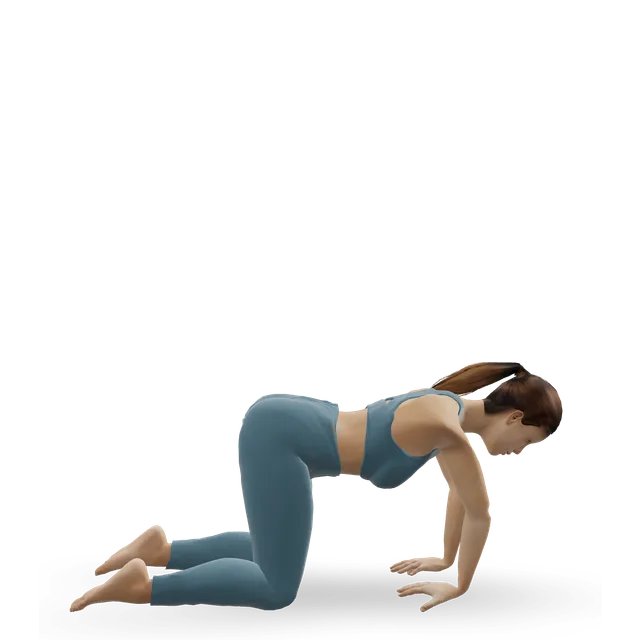
In a motion-capture study, a sun salutation took the wrist to 85 degrees of extension. Downward dog, plank, cat-cow on all fours and the floor half of a sun salutation put body weight through a wrist bent back to around a right angle. Holding the wrists and fingers bent back for a minute, the "reverse Phalen's" position that prayer hands resemble, raised tunnel pressure more than bending the wrist forward in a lab study of 51 people.

Sources 13, 36

Not studied in yoga posesMixed evidence

No study has measured carpal tunnel pressure, wrist load or symptoms during yoga poses, and none links yoga to developing carpal tunnel syndrome. So the swaps on this page are our extrapolation from the laboratory, cadaver and push-up studies above, and the site's wrist pain guides say the same: sensible, not proven.

Sources 14, 19

Rare case reportsMixed evidence

Case reports describe a different wrist nerve (the ulnar nerve) compressed by a cyst after downward dog, settling after stopping yoga, and a nerve palsy after crow pose in a woman with an inherited tendency to pressure palsies. These are rare.

Sources 37, 38

The swaps, in practice

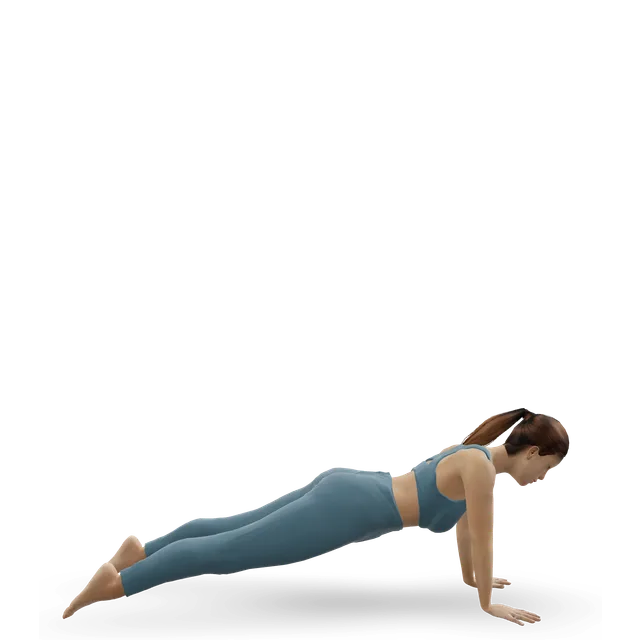
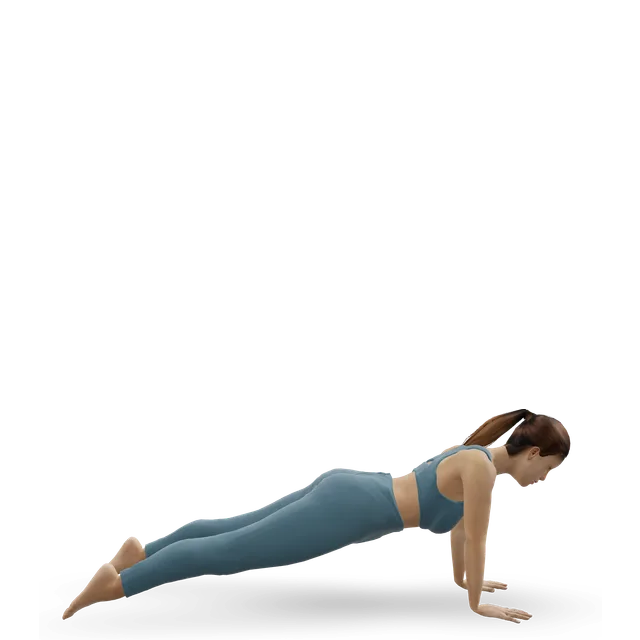
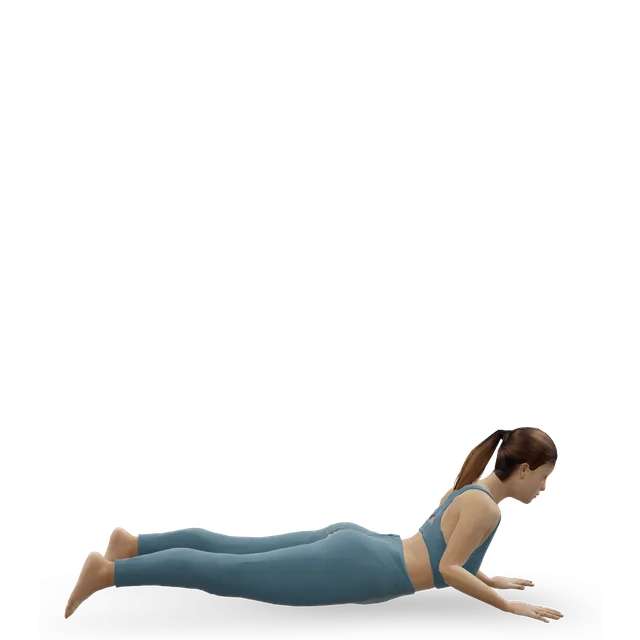
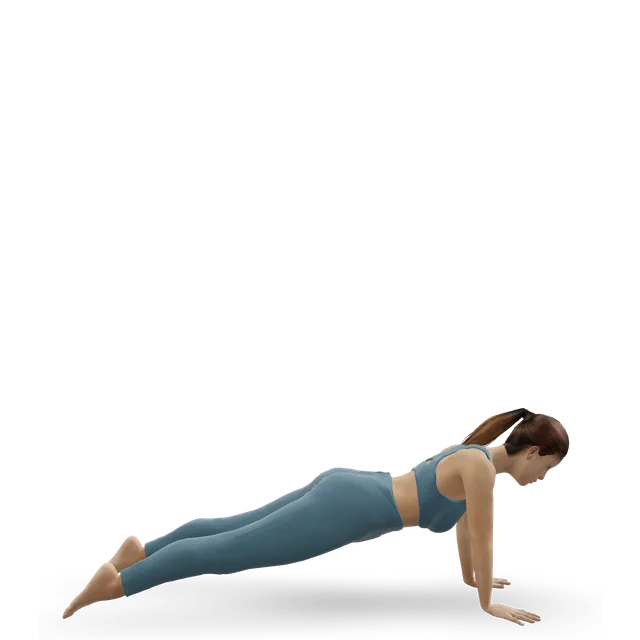
While you have symptoms (our suggestions): dolphin pose instead of downward dog, a forearm plank instead of a high plank, sphinx instead of cobra or upward dog, the standing half of a sun salutation only, cat-cow seated or on fists or forearms, and hands on a chair, wall or block rather than flat on the floor. Bring weight back gradually once tingling has settled, starting at the wall, as our wrist pain from push-ups and yoga guide describes.

Sources 11, 12, 13

Wrist-free yoga

What we mean by wrist-free

Wrist-free yoga has no formal definition. On this page it means seated and standing poses with your hands free or resting lightly, and floor poses on your forearms (sphinx, dolphin, forearm plank) or on your back, with no body weight through your palms (our definition).

A whole class without your palms

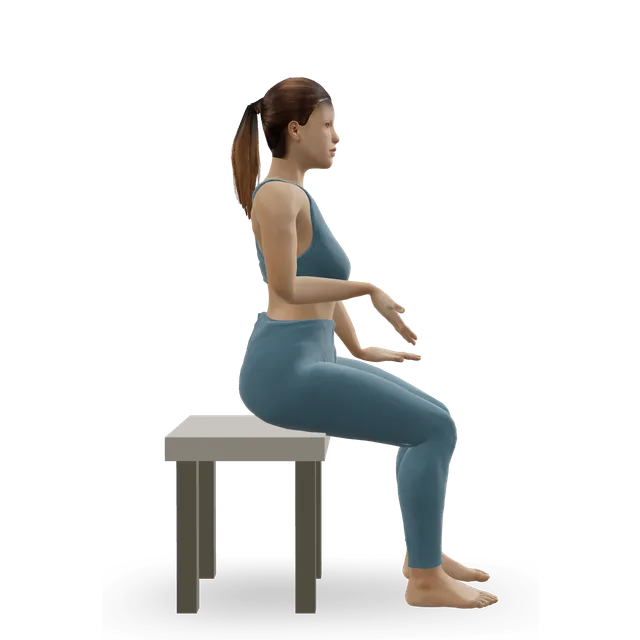
Start sitting with slow breathing and the glides, move your shoulders and spine in a chair, stand up for mountain, chair, warrior II and tree pose with your hands free or on your hips, then go down to the floor for sphinx, child's pose with your arms by your sides, a twist and a rest. That keeps the shape of the trial's classes (sitting and standing postures, ending in relaxation) without weight on your hands. Our 25-minute class follows this order.

Source 4

A wrist brace in class?

No study has tested wearing a wrist splint during yoga. A night splint is for sleep, when symptoms are usually worst, and the Chartered Society of Physiotherapy (CSP) mentions a working splint for activities that bring symptoms on. In class, choosing poses that keep your wrists straight does the same job (our suggestion).

Sources 1, 15

Cues for every pose

Wrists near straight; hands soft and open, not gripping or pressing; ease off anything that brings on tingling that doesn't fade quickly; forearms, fists or a chair instead of flat palms while you have symptoms (our suggestions).

Arrive and glide, sitting

Slow breathing: 2 minutes, hands resting palm up (our seated chair yoga class); breath reach: 5 breaths (our chair yoga class); median nerve glide: about 7 seconds in each position, 5 times through, 3 times a day, stopping at the step where you first feel a pull (the move's page); tendon glides: 4 to 6 of each position, 5-second holds, up to 4 times a day (the move's page); wrist and forearm flow: 30 seconds, easing off at any tingling (our desk yoga routine). The median nerve slider is only for when the neck or upper arm is involved too: 10 slow repetitions, 2 to 3 times a day (the move's page).

Shoulders and spine, sitting

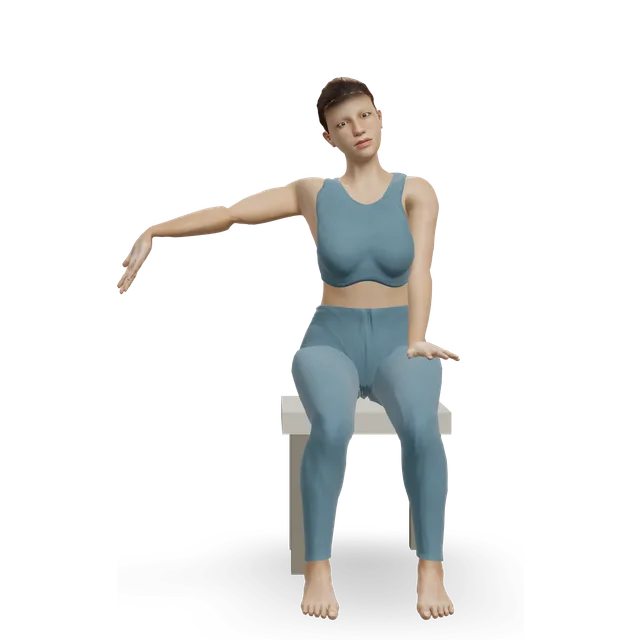
Shoulder rolls: 10 each way; cat-cow, sitting with your hands on your knees: 8 slow waves; seated twist with your arms crossed: 5 each side with 5-second holds; seated side bend: 2 each side with 10 to 20 second holds; chin tucks: 5 holds of 3 seconds, skipped if they send symptoms down an arm (all from our seated chair yoga class).

Standing, hands free

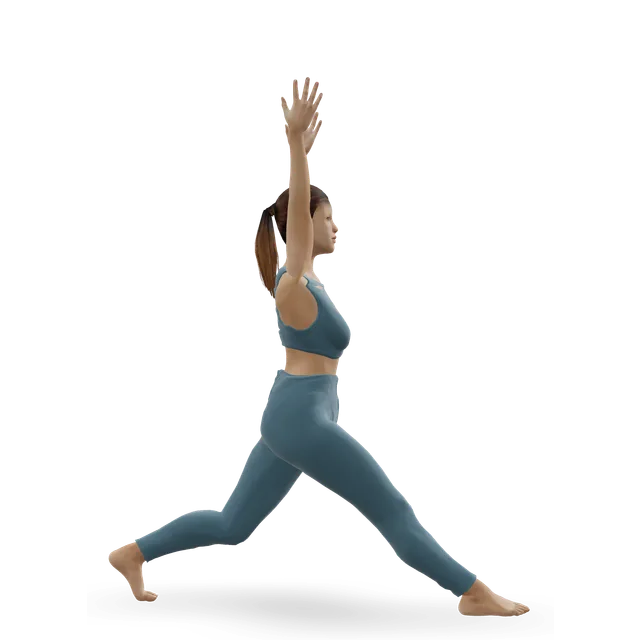
Palms turned forward and fingers soft. Mountain pose: 5 slow breaths; chair pose with your arms forward or hands on your hips: 2 holds of 3 to 5 breaths; warrior II: 3 to 5 breaths each side; tree pose with fingertips resting lightly on a wall: 2 holds of 20 to 30 seconds each side (our gentle yoga for beginners class); high lunge with your hands on your hips: 5 breaths each side (our yoga for balance class).

On your forearms and back

Sphinx: 2 holds of 3 to 5 breaths (our yoga for fibromyalgia class); dolphin instead of downward dog: 3 holds of 5 breaths, kept brief with glaucoma or high blood pressure that isn't controlled; forearm plank instead of a high plank: 3 holds of 20 to 30 seconds (both from our wrist pain from push-ups guide); child's pose with your arms by your sides: 60 seconds (our yoga for shoulder pain class); bridge with your arms long: 6 to 8 slow lifts; supine twist with your palms up: 45 seconds each side (our gentle yoga for beginners class); corpse pose with your hands loose: 3 minutes (our yoga for shoulder pain class).

Poses to swap or leave out while you have symptoms

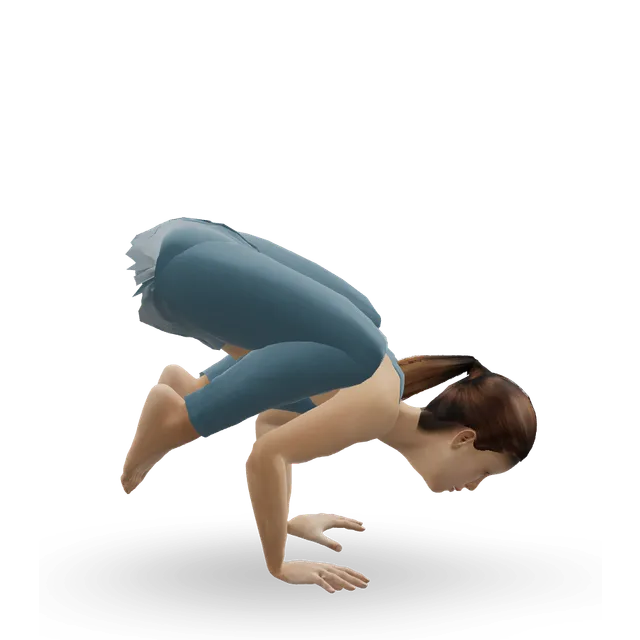
Downward dog becomes dolphin; a high plank or chaturanga becomes a forearm plank; cobra and upward dog become sphinx; in a sun salutation, step back with your hands on blocks or fists, or do the standing half only; leave out crow pose and handstands; and skip the kneeling forearm stretch with your fingers pointing back, as its page says. Hold prayer hands only briefly and lightly, or rest your hands on your thighs, and skip eagle arms if they bring on tingling (our suggestions, from the lab studies above). Bring these back gradually once tingling has settled.

Bringing weight back onto your hands

Only once tingling has settled. Wall push-ups: 2 to 3 sets of 10, leaning more weight through your hands each week; wrist rocks on all fours: 10 slow rocks in each of 4 hand positions, stopping if they bring on tingling (both from our wrist pain from push-ups guide, which follows an NHS wrist programme).

After surgery and in pregnancy

After carpal tunnel surgery

The US surgeons' guideline doesn't recommend routine supervised therapy or a splint after surgery. One NHS hospital's leaflet says "It is normal for your hand and wrist to feel stiff and weak for around three months" and "it often takes three months before you can press up on the heel of the hand". Gentle seated and standing yoga is reasonable once your wound has healed and your team agrees; keep weight off the heel of your hand (all fours, plank, downward dog) until pressing there is comfortable. Our carpal tunnel surgery recovery guide has the week-by-week steps.

Sources 10, 39, 1

In pregnancyEmerging evidence

Carpal tunnel syndrome often settles after the birth, the NHS says. A 2026 review found night splints are the first step in pregnancy, with steroid injections helping severe cases in the short term, on low to very low-certainty evidence. In prenatal yoga, use the same swaps to keep weight off your hands; our pregnancy yoga guide covers the rest.

Sources 1, 40

Free classes

Start with our 25-minute wrist-free class twice a week, as in the trial, with the glides on other days too, and judge it after 6 to 8 weeks alongside your splint (our suggestion). The desk and chair classes are shorter seated options; the wrist and forearm routine puts weight back on your hands, so save it until tingling has settled.

Warning signs: when to get help

These follow our carpal tunnel syndrome guide, word for word where it says so, and the NHS. A&E means accident and emergency. In the US, call 911 for 999.

Call 999 or get help the same day

  • Call 999, even if it passes: sudden weakness or numbness in one arm, with a drooping face or slurred speech. These are signs of a stroke.
  • Same day: you have lost the feeling in part or all of your hand.
  • Same day: a joint or lump that is hot, red and swollen, or hand or wrist pain with a high temperature or feeling hot, cold or shivery. It could be an infection or gout.
  • Same day: both hands numb or clumsy (dropping things, trouble with buttons or handwriting), especially with unsteady walking or falls. Pressure on the spinal cord in the neck can do this, and it is often first mistaken for carpal tunnel syndrome (from our carpal tunnel syndrome guide).
  • Call 999 or go to A&E after an injury (don't drive yourself) if the arm, wrist or hand is numb, tingling or has pins and needles; a bone is sticking out or a bad cut is bleeding heavily; or the wrist, thumb or a finger has changed shape, is at an odd angle, or has turned blue, grey, white or cold (from our carpal tunnel syndrome guide).

Sources 41, 16

See a GP soon

  • Carpal tunnel symptoms that are getting worse, not going away, or not helped by treatment at home; sooner if the thumb is weak or the muscle at the base of the thumb looks thinner.
  • Not improved after 2 weeks of looking after it at home, getting worse, keeps coming back, or stopping you doing normal activities. In many areas you can refer yourself to NHS physiotherapy.
  • You have diabetes and a hand problem: the NHS says hand problems can be more serious if you have diabetes.

Sources 1, 15, 16

During practice

Stop any pose, hold or stretch that brings on tingling or numbness that doesn't fade quickly, and come off your hands onto your forearms or a chair (our suggestion). A hand that starts dropping things, or a thumb that can't hold its grip, is a reason to see a GP, not to push on. Stop for chest pain, dizziness or unusual breathlessness, and call 999 for chest pain that doesn't go away or comes with sweating, feeling sick, light-headedness or breathlessness.

Sources 15, 42

With glides and exercises

Our carpal tunnel syndrome guide's rule: some discomfort is fine if it stays at about 5 out of 10 or less and settles within half an hour or so. With nerve glides, a little extra tingling is expected but should fade within an hour. Stop and get advice if numbness spreads, lasts, or your grip or thumb gets weaker.

After surgery or in pregnancy

After surgery, our surgery recovery guide says: "Same day: your hand becomes red, hot, swollen or more painful than usual, or you have a high temperature or feel hot, cold or shivery. Contact your GP urgently or NHS 111 (in the first 24 hours, the unit that treated you). It could be an infection." Don't put weight through the heel of your hand until pressing there is comfortable. In pregnancy, sudden swelling of your face, hands, legs or feet, a severe headache, or problems with your vision such as blurring or flashing lights need your midwife or maternity unit straight away, as our exercise in pregnancy guide says.

Source 39

Myths

"Yoga cures carpal tunnel"Strong evidence

In the one small trial, the planned comparisons with a splint weren't statistically significant for any measure and nerve tests didn't change, and a later review counted it as no evidence for pain. The NHS's treatments are a night splint, an injection and, if it persists or gets worse, surgery, which "usually cures CTS" (carpal tunnel syndrome).

Sources 4, 5, 1

"Wrist stretches fix carpal tunnel"Strong evidence

Exercise and mobilisation have "limited and very low quality evidence of benefit", glides help pain a little in the short term at most, and the US surgeons' guideline found exercise doesn't improve long-term outcomes. Strong stretches that bring on tingling can provoke the nerve.

Sources 6, 7, 8, 10

"Prayer pose is good for carpal tunnel"Emerging evidence

Holding the wrists and fingers bent back for a minute, as in prayer hands, raised pressure in the tunnel more than bending the wrist forward in a lab study. Doctors use these positions to bring symptoms on.

Source 36

"Yoga caused my carpal tunnel"Mixed evidence

No study links yoga to developing carpal tunnel syndrome. Weight through bent-back wrists can bring symptoms on if you already have it, and rare case reports describe other nerves compressed after downward dog or crow pose.

Sources 19, 11, 37, 38

"Hand mudras heal carpal tunnel"Mixed evidence

We found no study of mudras for carpal tunnel syndrome. Gentle hand positions are harmless, but they aren't a treatment.

Source 43

"Wear a wrist brace for yoga and you can do every pose"Mixed evidence

No study has tested splints during yoga. A night splint is for sleep, and a working splint is for tasks that bring symptoms on. Changing the pose keeps your wrist straight without one (our suggestion).

Sources 1, 15

Questions people ask

Is yoga good for carpal tunnel?

It may help a little, but the evidence is thin. In the one trial, 42 people who did 8 weeks of upper-body yoga had better grip and less pain than before, but the differences from people offered a splint weren't statistically clear. Keep your night splint and other treatment, and use yoga that keeps weight off your hands.

Can you do yoga with carpal tunnel?

Yes, if you change the poses that put your weight through bent-back wrists. Use your forearms for downward dog (dolphin) and plank, sphinx instead of cobra, and fists or a chair if you need your hands. Stop any pose that brings on tingling that doesn't fade.

Which yoga poses should I avoid with carpal tunnel?

While you have symptoms, swap or leave out downward dog, plank, chaturanga, cobra and upward dog on flat hands, crow and handstands, kneeling wrist stretches with your fingers pointing back, and long prayer-hand holds. Bring weight back gradually once tingling has settled, as our wrist pain from push-ups and yoga guide describes.

What are the best yoga poses for carpal tunnel?

No pose has been shown to be best. The trial used upper-body postures done sitting and standing, with relaxation. Our class adds the nerve and tendon glides, seated twists and side bends, standing poses with your hands free, and forearm poses on the floor.

Do nerve glides and hand yoga help carpal tunnel?

Glides may ease pain a little in the short term, on very low-certainty evidence, and don't change the long-term outcome. A little extra tingling during them should fade within an hour; if numbness spreads or your thumb gets weaker, see a GP.

Is downward dog bad for carpal tunnel?

It isn't proven to cause harm, but it puts your body weight through wrists bent back to around a right angle, and bending the wrist back raised pressure in the carpal tunnel in lab studies. Use dolphin pose on your forearms while you have symptoms.

Is prayer pose bad for carpal tunnel?

A brief, light palms-together position is fine for most people, but holding the wrists and fingers bent back for a minute raised pressure in the tunnel in a lab study. Rest your hands on your thighs instead if it brings on tingling.

Can yoga cause carpal tunnel?

We found no study linking yoga to developing carpal tunnel syndrome. Weight through bent-back wrists can bring symptoms on if you already have it, and rare case reports describe other wrist nerves being compressed after downward dog or crow pose.

Should I wear a wrist brace for yoga?

No study has tested it. A night splint is for sleep, which is when symptoms are usually worst. In class, choosing poses that keep your wrists straight does the same job.

When can I do yoga after carpal tunnel surgery?

Gentle seated and standing yoga is reasonable once your wound has healed and your team agrees. Keep weight off the heel of your hand (all fours, plank, downward dog) until pressing there is comfortable, which one NHS hospital says often takes about 3 months.

Is yoga better than a splint or surgery?

No. A night splint is the usual first step, an injection works faster, and starting with surgery led to recovery at 18 months in 61% of people, against 45% starting with an injection. Yoga is an extra, not a replacement.

When should I see a doctor?

See a GP if symptoms are getting worse, not going away or not helped by treatment at home, and sooner if your thumb is weak or its base looks thinner. Get help the same day if you lose the feeling in your hand, or both hands are numb or clumsy with unsteady walking.


Sources

  1. NHS · Carpal tunnel syndrome (last reviewed April 2024)
  2. Erickson 2026 · Carpal tunnel syndrome: the 2026 physical therapy guideline revision (clinical practice guideline, J Orthop Sports Phys Ther; abstract read)
  3. JOSPT 2026 · Carpal tunnel syndrome, 2026 revision: using the evidence in practice (practice summary, J Orthop Sports Phys Ther)
  4. Garfinkel 1998 · Yoga or a wrist splint for carpal tunnel syndrome: 42 people (randomised trial, JAMA; full text read)
  5. Cramer 2013 · Yoga for rheumatic diseases, including one carpal tunnel trial (systematic review, Rheumatology (Oxford))
  6. Page 2012 · Exercise and mobilisation for carpal tunnel syndrome: 16 trials, 741 people (Cochrane review, Cochrane Database Syst Rev)
  7. Núñez de Arenas-Arroyo 2021 · Nerve-gliding techniques for carpal tunnel syndrome: 22 trials, 1,203 people (systematic review and meta-analysis, J Orthop Sports Phys Ther)
  8. Paraskevopoulos 2023 · Nerve mobilisation exercises for carpal tunnel syndrome: 25 articles (systematic review and meta-analysis, Physiother Theory Pract)
  9. Abdolrazaghi 2023 · Tendon and nerve glides added to a splint in mild carpal tunnel syndrome: 80 people (randomised trial, Hand (N Y))
  10. Shapiro 2025 · Management of carpal tunnel syndrome: the AAOS and ASSH guideline summary (clinical practice guideline, J Am Acad Orthop Surg; full text read)
  11. Gelberman 1981 · Pressure in the carpal tunnel with the wrist straight and bent: 27 people (lab study, J Bone Joint Surg Am)
  12. Kubo 2018 · Force on the palm and carpal tunnel pressure: 8 hands (cadaver study, J Biomech)
  13. Mullerpatan 2019 · How the joints move in a sun salutation: 10 trained practitioners (3D motion-capture study, Int J Yoga)
  14. PubMed · Search for wrist load and pressure in yoga, plank, push-up and weight-bearing positions: 52 records, none measuring carpal tunnel pressure in yoga poses (27 October 2026)
  15. Chartered Society of Physiotherapy · Exercise advice: carpal tunnel syndrome
  16. NHS · Wrist pain (last reviewed November 2025)
  17. Burton 2018 · Carpal tunnel syndrome in UK GP records, 1993 to 2013 (cohort study, BMJ Open)
  18. Burton 2016 · How carpal tunnel syndrome goes without surgery, and what predicts it (systematic review, Arch Phys Med Rehabil)
  19. PubMed · Search for yoga and carpal tunnel syndrome: 28 records, one randomised trial of yoga (27 October 2026)
  20. Joshi 2011 · Yoga for arm and hand symptoms in 60 computer users (randomised trial, Indian J Med Sci)
  21. Gräf 2022 · Physiotherapy and sports therapy for carpal tunnel syndrome: 26 trials (systematic review, Schmerz)
  22. Zaheer 2023 · Nerve-gliding techniques in mild to moderate carpal tunnel syndrome: 12 trials (systematic review and meta-analysis, J Clin Med)
  23. Unda-Solano 2026 · Nerve gliding, ibuprofen or gabapentin for carpal tunnel syndrome: 179 adults (randomised trial, Arch Phys Med Rehabil)
  24. Karjalainen 2023 · Splinting for carpal tunnel syndrome: 29 trials, 1,937 people (Cochrane review, Cochrane Database Syst Rev)
  25. Chesterton 2018 · A steroid injection or night splints for carpal tunnel syndrome: 234 adults (randomised trial, Lancet)
  26. Palmbergen 2025 · Surgery or a steroid injection first for carpal tunnel syndrome, DISTRICTS: 934 people (randomised trial, Lancet)
  27. Lusa 2024 · Surgery or non-surgical treatment for carpal tunnel syndrome (Cochrane review, Cochrane Database Syst Rev)
  28. Cramer 2015 · The safety of yoga: 94 randomised trials, 8,430 people (systematic review and meta-analysis, Am J Epidemiol)
  29. Cramer 2019 · Adverse effects of yoga: 1,702 practitioners in Germany (national survey, BMC Complement Altern Med; full text read)
  30. Swain 2016 · Yoga injuries in US emergency departments, 2001 to 2014 (epidemiological study, Orthop J Sports Med; full text read)
  31. Weiss 1995 · The wrist position with the lowest carpal tunnel pressure (lab study, J Bone Joint Surg Am)
  32. Li 2026 · Carpal tunnel pressure as the wrist bends and tilts: 5 hands (cadaver study, J Orthop Res)
  33. McGorry 2014 · Grip, wrist movement and carpal tunnel pressure in 14 healthy people (lab study, J Orthop Res)
  34. Polovinets 2018 · Push-ups on a bent-back or a straight wrist: how force passes through the wrist (lab study, J Hand Ther)
  35. Majima 2008 · Load through the wrist in the bent-back position (lab study, J Hand Surg Am)
  36. Werner 1994 · The reverse Phalen's position (wrist and fingers bent back) and carpal tunnel pressure: 51 people (lab study, Arch Phys Med Rehabil)
  37. Horner 2013 · Ulnar nerve compression at the wrist after yoga (case report, Del Med J)
  38. Isik 2024 · Wrist drop after crow pose in a woman prone to pressure palsies (case report, Turk J Phys Med Rehabil)
  39. Royal Berkshire NHS Foundation Trust · Advice following carpal tunnel decompression surgery (patient leaflet, July 2025)
  40. Kumari 2026 · Treating carpal tunnel syndrome without surgery in pregnancy and breastfeeding (systematic review, J Clin Orthop Trauma)
  41. NHS · Symptoms of a stroke (last reviewed September 2024)
  42. NHS · Chest pain (past its review date: reviewed August 2023, review due August 2026)
  43. PubMed · Search for mudras and carpal tunnel or wrist pain: 1 record, unrelated (27 October 2026)

Exercise education, not a personal prescription, and clinical review of these guides is pending. If you are pregnant, have a health condition such as glaucoma, high blood pressure or osteoporosis, or have had recent surgery, check with a doctor, midwife or physiotherapist before starting, and stop for sharp or increasing pain. Health disclaimer.