Yoga flows
Yoga for carpal tunnel: a 25-minute wrist-free class with nerve and tendon glides
A 25-minute yoga class for carpal tunnel syndrome that keeps your wrists close to straight and never puts your body weight through your hands. It starts sitting with slow breathing and the nerve and tendon glides, moves your shoulders and spine, stands up for poses with your hands free, and finishes on your forearms and your back. In the one trial of yoga for carpal tunnel syndrome, people did upper-body postures sitting and standing, with relaxation, twice a week for 8 weeks. Keep wearing your night splint, and see a GP if your symptoms are getting worse, your thumb feels weak or numbness doesn't go away.
Arrive, sitting (3 minutes)
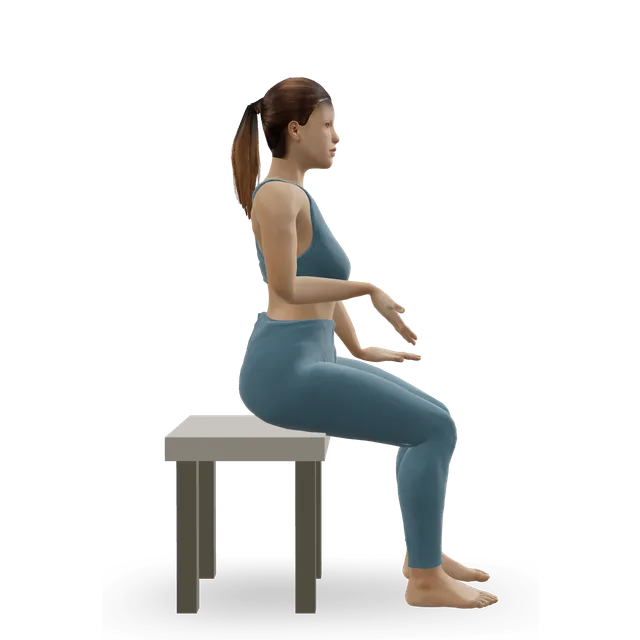
- Beginner · 3D demoSit tall on a firm chair, hands resting palm up on your thighs, wrists straight; in for about 4, out for about 6, with no holdsEasier: Breath reachHarder: Crocodile breathing (prone diaphragmatic breathing)
- Breath reach5 breathsBeginner · 3D demoSeated (the demo shows it standing); let your hands stay softHarder: Slow breathing (6 breaths a minute)


Glides, sitting (6 minutes)
- Median nerve glide (six hand positions, for carpal tunnel)5 times through, about 7 s in each positionBeginner · Forearms · 3D demoForearm on a table; stop at the step where you first feel a pull. A little extra tingling should fade within an hourEasier: Median nerve slider (neck-to-arm nerve glide)
- Tendon glides (hand tendon gliding exercises)4 to 6 of each position, 5 s holdsBeginner · Forearms · 3D demoWrist straight; it's a glide, not a gripHarder: Ball squeeze
- Beginner · Forearms · 3D demoSmall, slow circles and bends; ease off at any tinglingEasier: Wrist circlesHarder: Wrist flexor stretch


Shoulders and spine, sitting (4 minutes)
- Shoulder rolls10 each wayBeginner · Shoulders, Back, Neck · 3D demoArms relaxedHarder: Shoulder CARs (controlled articular rotations)
- Cat-cow8 slow wavesBeginner · Back, Abs · 3D demoSeated (the demo shows all fours): hands resting on your knees, round your back gently, then lift your chestHarder: Half lord of the fishes (Ardha Matsyendrasana)
- Thoracic rotation5 each side, 5 s holdsBeginner · 3D demoSeated (the demo shows it standing): arms crossed on your chest, hips facing forwardEasier: Side-lying open bookHarder: World's greatest stretch
- Seated overhead side bend2 each side, 10 to 20 s holdsBeginner · Back, Abs · 3D demoSeated side bend: reach one arm up and over, fingers softHarder: Overhead lat stretch at a bench (elbows on the bench)




Standing, hands free (5 minutes)
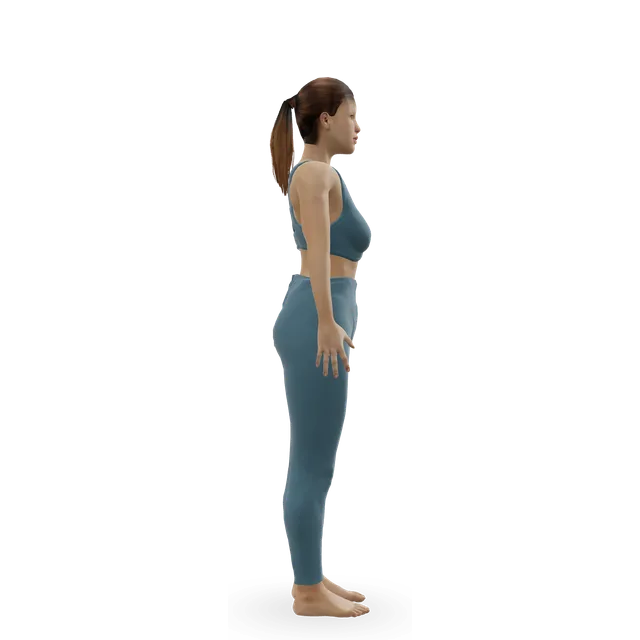
- Mountain pose (Tadasana)5 slow breathsBeginner · Calves, Back, Abs · 3D demoPalms turned forward, fingers relaxedHarder: Tree pose (Vrksasana)
- Chair pose (Utkatasana)2 holds of 3 to 5 breathsBeginner · Quads, Glutes, Shoulders · 3D demoArms forward at shoulder height, or hands resting on your hips; don't press down on your thighsHarder: Revolved chair pose (Parivrtta Utkatasana)
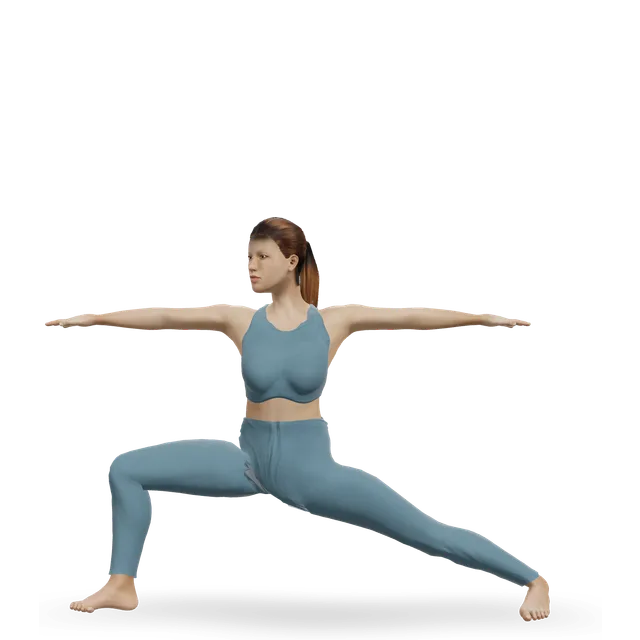
- Warrior II (Virabhadrasana II)3 to 5 breaths each sideIntermediate · Quads, Glutes, Adductors · 3D demoArms out, fingers long and soft rather than bent backEasier: Chair pose (Utkatasana)Harder: Extended side angle (Utthita Parsvakonasana)
- Tree pose (Vrksasana)2 holds of 20 to 30 s each sideBeginner · Glutes, Hip abductors, Calves · 3D demoFingertips resting lightly on a wall, or hands on your waist; heel against your ankle to startEasier: Mountain pose (Tadasana)Harder: Standing hand-to-big-toe pose (Utthita Hasta Padangusthasana)




On your forearms and back (4 minutes)
- Sphinx pose (Salamba Bhujangasana)2 holds of 3 to 5 breathsBeginner · Back, Abs, Chest · 3D demoOn your forearms, elbows under your shoulders, hands relaxed; skip it if arching hurts your backHarder: Cobra pose (Bhujangasana)
- Beginner · Back, Shoulders, Glutes · 3D demoArms by your sides, palms upHarder: Extended puppy pose (Uttana Shishosana)
- Supine spinal twist (Supta Matsyendrasana)45 s each sideBeginner · Back, Glutes · 3D demoArms out, palms upHarder: Seated twist, bottom leg straight



Rest (3 minutes)
- Beginner · 3D demoHands loose, palms up; a cushion under each forearm if you like

Tips
- Keep wearing your night splint: the NHS says it may take up to 6 weeks to help. This class is an extra, not a treatment on its own.
- A little extra tingling during the glides is expected but should fade within an hour. If numbness spreads or lasts, or your thumb or grip gets weaker, stop and see a GP.
- No weight on your palms while you have symptoms: downward dog becomes dolphin pose, a plank becomes a forearm plank, and cobra becomes sphinx. This is our suggestion, from laboratory and cadaver studies of pressure in the carpal tunnel; no study has tested it in yoga poses. Bring weight back gradually once tingling has settled, starting with wall push-ups, as our wrist pain from push-ups and yoga guide describes.
- Hold prayer hands only lightly and briefly: a long hold with the wrists and fingers bent back raised pressure in the carpal tunnel in a lab study.
- Twice a week, as in the trial, with the glides on other days too.
- After carpal tunnel surgery, follow your team's advice and keep weight off the heel of your hand until pressing there is comfortable; one NHS hospital says that often takes about 3 months.
- With glaucoma or high blood pressure that isn't under control, this class already keeps your head above your heart.
The doses are suggested starting points, not a prescription. Choose a range you can control and stop for sharp or increasing pain, numbness or tingling. Get individual advice after an injury or surgery, or if you are pregnant or managing a health condition.
Guides that recommend it
Find more moves like these
More yoga flows
Beginner yoga flow
A 20-minute beginner yoga sequence: mountain, chair, warrior II, triangle, tree, down dog, cobra and child's pose.
20 minBeginner11 movesA step

Sun salutation flow
A 20-minute flow built on sun salutations A and B, with warrior poses and a short cool-down.
20 minIntermediate8 movesNo equipment


Yoga for tight hips
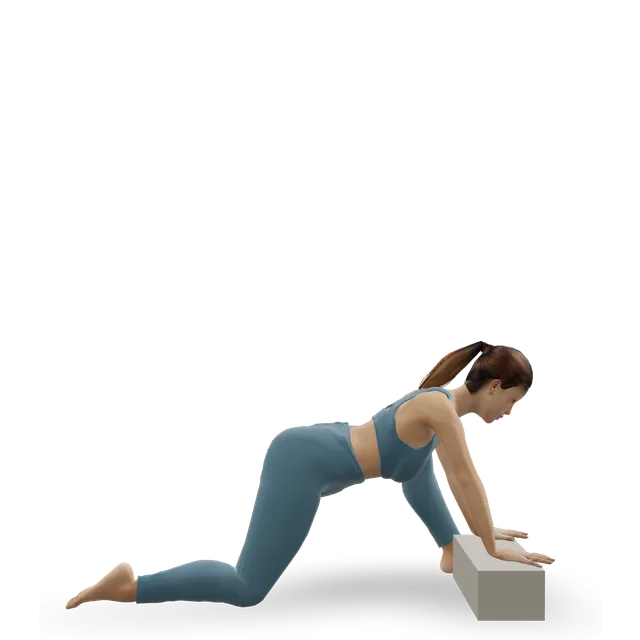
A hip-opening yoga sequence: low lunge, lizard, goddess, pigeon, bound angle and happy baby.
25 minBeginner10 movesA wallQuestions people ask
How long does the yoga for carpal tunnel: a 25-minute wrist-free class with nerve and tendon glides take?
About 25 minutes, including any warm-up and cool-down listed. Shorten it by doing fewer rounds; lengthen it by adding one.
What equipment do I need?
You need: A bench or box. Each move links to its guide, where you can find an alternative if you are missing something.
Is it suitable for beginners?
It is written for beginners. 6 of its 17 moves have an easier option listed beside them if you need one.
How do I make it easier or harder?
Use the easier or harder option listed under each move, change the number of rounds, or adjust the rest. Progress one change at a time.