No trial has tested yoga itself
We found no trial of yoga for plantar heel pain. Yoga can be a way to do the stretches and strength work that do have evidence, and to stay active with less load on your heel.
Yoga guide
No trial has tested yoga for plantar fasciitis, but yoga can include the things that do help heel pain: stretching the sole of your foot before your first steps, stretching your calves, and building calf strength with slow heel raises. It can also make heel pain worse if a class keeps you standing for long or jumping, so the way you practise matters as much as the poses.
This guide covers what the evidence supports and how to do it on a yoga mat, toe yoga and foot strength, bare feet and shoes, downward dog, how long heel pain lasts, and the signs that need a GP. It ends with a free 25-minute class that starts sitting down.
We found no trial of yoga for plantar heel pain. Yoga can be a way to do the stretches and strength work that do have evidence, and to stay active with less load on your heel.
In 101 people with heel pain for 10 months or more, a seated stretch pulling the toes back beat a standing calf stretch at 8 weeks for the worst pain and first-step pain. In a best-practice review of 51 trials, stretching the plantar fascia had the largest short-term effect on first-step pain. Bending the toes and the ankle up together stretches it most.
In 92 people, 2 weeks of calf stretching on its own was no better than a sham treatment for first-step pain, and across 8 trials the sole stretch eased pain more than calf stretching. Do both, sole first.
In 48 people, slow single-leg heel raises with a towel under the toes every second day gave better foot function at 3 months than daily sole stretching, with no difference at 1, 6 or 12 months. In 180 people, adding heel raises to advice and a heel cup made no clinically relevant difference at 12 weeks. Expect months, not weeks.
The NHS says "try not to walk barefoot on hard surfaces" and "do not walk or stand for long periods, especially barefoot". Practise on a mat or carpet, keep standing holds short, skip jumping for now, and wear supportive shoes between sessions.
Heel pain after an injury or a fall, a red, hot, swollen foot (especially with a fever), tingling or loss of feeling, and any new foot problem if you have diabetes need prompt help. See a GP if it hasn't improved after 2 weeks of looking after it yourself. The full lists are in the warning signs below.
Plantar fasciitis is pain on the bottom of the foot around the heel and arch, "much worse when you first start walking after sleeping or resting", easing as you move, and worse again after long standing, walking or running. It affects 4% to 7% of people at any one time. The plantar fascia isn't just inflamed, so many clinicians and trials now call it plantar heel pain or plantar fasciopathy.
Our plantar fasciitis and heel pain guides explain the condition and its staged plan, and our plantar fascia guide explains the structure itself.
The NHS lists being aged 40 to 60, starting exercise on hard surfaces, a tight calf, a big rise in standing or running, poorly cushioned shoes and being overweight, and adds that you can get it if you "overstretch the sole of your foot during exercise". In active people, a higher body weight went with it in 16 studies.
The fascia is stretched most when the ankle and the big toe are both bent up, which is what the seated sole stretch and toes-tucked kneeling do. A sun salutation bends the ankle up about 40 degrees, stretching the calf, and downward dog does the same. Standing poses and long holds load the heel, and jump-backs land on it. Yoga is usually practised barefoot, and no study has measured heel load on a yoga mat.
A PubMed search found 13 records mentioning yoga and heel or foot pain, none of them a trial of yoga for plantar heel pain. Popular claims that studies show yoga reduces plantar fasciitis pain have no trial behind them.
Source 1
In 101 people with heel pain for 10 months or more (82 assessed), a seated plantar fascia stretch beat a standing calf stretch at 8 weeks for the worst pain and first-step pain; everyone also had soft insoles, 3 weeks of an anti-inflammatory medicine and an education video. At 2 years, after everyone had switched to the sole stretch, 92% were satisfied and the groups no longer differed.
The best-practice guide (51 trials, 4,351 people, with experts and patients) found plantar fascia stretching had the largest short-term effect on first-step pain, and puts it at the core of care with taping and education. Across 8 trials, the sole stretch eased pain more than calf stretching, on moderate-quality evidence.
In 92 people, 2 weeks of calf stretching with a sham ultrasound treatment was no better than the sham alone for first-step pain (7.9 mm better on a 100 mm scale, with a confidence interval that included no difference). Calf stretching is part of the usual mix, but less effective than the sole stretch.
In 48 people with ultrasound-confirmed plantar fasciitis, insoles plus heavy single-leg heel raises with a towel under the toes every second day gave a Foot Function Index 29 points better at 3 months than insoles plus daily sole stretching, with no difference at 1, 6 or 12 months. In 180 people, adding heel raises to advice and a heel cup made no clinically relevant difference at 12 weeks, and one session of heel exercise didn't ease pain in 20 people.
People with heel pain have weaker toe and ankle muscles and smaller foot muscles, on very low-certainty evidence. In 83 people, adding foot or foot and hip strengthening to stretching did no better than stretching alone at 8 weeks, and a review couldn't say how much foot-muscle training helps. Foot exercises increased toe strength in 34 people, with or without minimalist shoes, and a 20-person feasibility trial found a foot exercise programme acceptable, with no side effects from the exercises.
The NHS advises cushioned heels with good arch support, or wide, comfortable shoes with a low heel and soft sole, and insoles or heel pads. On average, insoles worked little better than sham insoles: no better for short-term pain in 20 trials, and a small benefit in the medium term in 19, with custom-made no better than ready-made. In a lab study of 29 women, a cushioned shoe with a higher heel than toe cut peak heel pressure by 15%.
If people don't improve with stretching, taping and education, the best-practice guide suggests shockwave therapy, then custom insoles. Dry needling, laser and manual therapy added to home exercise eased short-term pain more than home exercise alone in 24 trials.
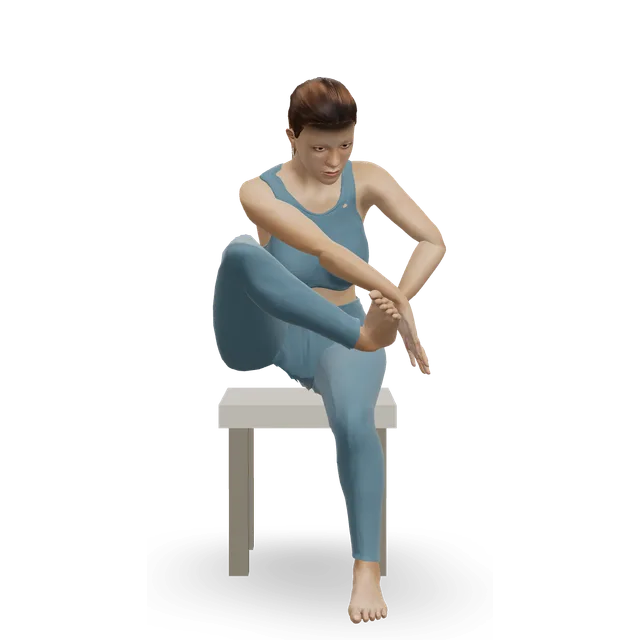
First-step pain after sleep or rest is typical of plantar fasciitis. In the trial, people stretched the sole sitting down before their first steps in the morning and before standing after sitting for a while. Sit on the edge of the bed, circle your ankles, then do the sole stretch and a towel calf stretch before you put weight on your foot.
The sole stretch: 3 to 5 holds of 10 to 30 seconds, 2 to 3 times a day, starting before your first steps (the stretch's page). Heavy heel raises every second day, building the load over weeks, as in the 2015 trial (the heel raise's page).
Our editorial starting point: the first block of our 25-minute class every morning, and the whole class 2 or 3 times a week.
From the stretch's page, which follows the plantar fascia stretching trials; its dose is 3 to 5 holds of 10 to 30 seconds, 2 to 3 times a day, starting before your first steps.
See the movement on the 3D figure: Plantar fascia stretch (seated)
Toe yoga means lifting your big toe while the other toes stay down, then lifting the other toes while the big toe stays down, then spreading all your toes, a few slow times, sitting or standing (our description). It trains control of the small foot muscles, but no study has tested it for heel pain, and foot strengthening didn't add to stretching in a trial. The towel scrunch, in the strength moves below, is the nearest move in our library.
Studies of toe spacers are about bunions; we found none in heel pain.
Source 25
The NHS says try not to walk barefoot on hard surfaces, and not to walk or stand for long periods, especially barefoot. No study has tested barefoot yoga with heel pain. One small trial (52 people) found that 4 weeks of barefoot treadmill walking eased pain more than walking in shoes, but it's a single small trial, and one session of barefoot walking didn't help in another.
Our suggestion: practise on a thick mat or carpet, not a bare hard floor, keep standing holds short, and if your heel hurts in bare feet, wear supportive shoes for the standing poses.
Wear cushioned, supportive shoes with a low heel, use soft insoles or heel pads if they help, and avoid high heels, tight pointy shoes, flip-flops and backless slippers, as the NHS advises. The best-practice guide also suggests breaking up long spells of standing still.
The NHS asks you to see a GP about foot pain if you have diabetes. Check your feet before and after yoga, keep shoes on for standing poses and use a chair for balance, as our yoga for neuropathy and yoga for diabetes guides say.
Source 9
Long spells of standing are among the NHS's "don'ts" for plantar fasciitis, and the best-practice guide advises breaking up long periods of standing still. In a class, shorten long holds in warrior poses or chair pose, sit between standing poses, and do one-leg balances on your comfortable side or skip them for now (our suggestions; no study has looked at this).
Jump-backs and jump-throughs in sun salutations land on your forefoot and heel. Step back instead until first-step pain is mild (our suggestion).
Downward dog stretches the calves, part of the usual mix, but calf stretching on its own was no better than a sham over 2 weeks. Bend your knees and pedal your heels, as in our yoga for runners routine, and come down if your heel pain is sharp (our suggestion; no study has looked at downward dog and heel pain).
No study has tested hot yoga with heel pain. Its standing series is long, and the NHS advises against standing for long periods, so we'd shorten or sit out standing poses while first-step pain is high (our suggestion).
Our plantar fasciitis guide's rule: mild to moderate discomfort, up to about 5 out of 10 while loading, is fine if it has settled by the next morning, and your first-step pain should trend down week by week. Sharp heel pain in a pose means come out, sit down and use the seated version.
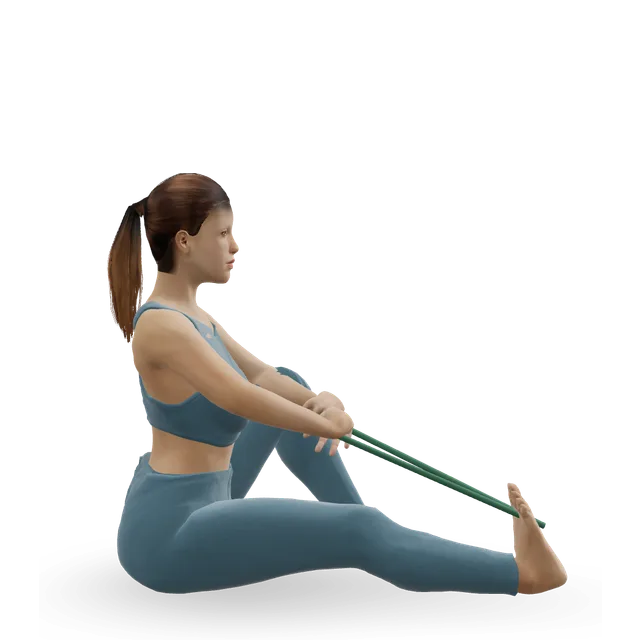
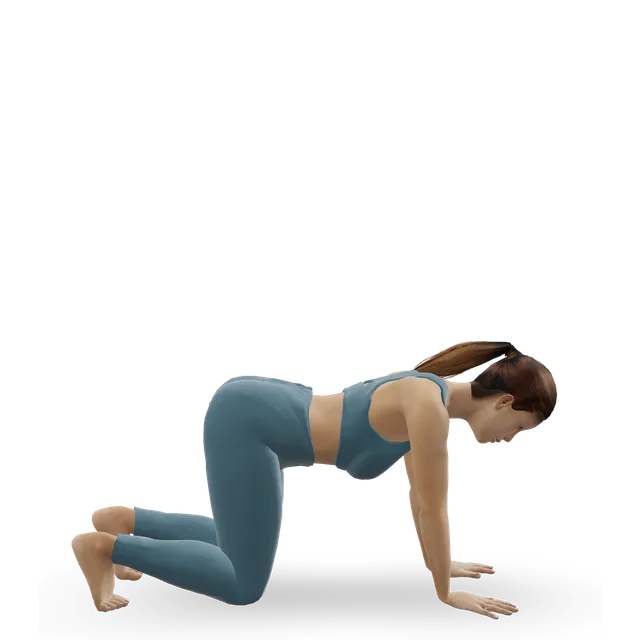
Ankle circles: 10 slow circles each way with each foot (the move's page); the sole stretch: 3 to 5 holds of 10 to 30 seconds, 2 to 3 times a day, starting before your first steps (the move's page); the towel calf stretch: 3 holds of 30 seconds each side (our plantar fasciitis guide); toes-tucked kneeling: 30 to 60 seconds, 1 to 3 times a day, eased to a stretch you can breathe through, skipped with an arthritic big toe or ball-of-foot pain (the move's page).
Wall calf stretch and bent-knee soleus stretch: 3 holds of 30 seconds each side (our plantar fascia routine), gently with sharp morning heel pain; downward dog with your knees bent, pedalling your heels: 2 holds of 50 seconds (our yoga for runners routine), coming down if your heel pain is sharp.
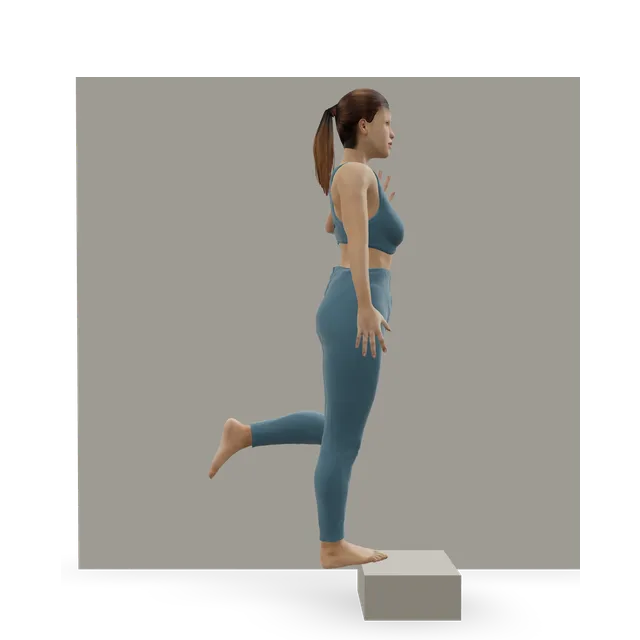
Heel raises with a towel under your toes, every second day: start both feet, then one, at a load you can lift about 12 times for 3 sets, building over weeks to heavier loads you can lift about 8 times (the move's page); slow calf raises: 2 sets of 10, and seated calf raises: 15 (our foot and ankle strengthening routine); towel scrunch: 3 sets of 20 (our plantar fascia routine). Add toe yoga if you enjoy it: a few slow lifts and spreads (our suggestion).
Weight spread over your heels and the balls of your feet. Mountain pose: 5 slow breaths; chair pose: 2 holds of 3 to 5 breaths; warrior II with a short stance: 3 to 5 breaths each side; tree pose with fingertips on a wall and the lifted foot at your ankle: 2 holds of 20 to 30 seconds each side, skipped on a very sore heel (our gentle yoga for beginners class). Finish with legs up the wall for 2 minutes, hips flat or skipped with glaucoma or high blood pressure that isn't controlled, and corpse pose for 3 minutes (our yoga for runners routine).
 3D demoMountain pose (Tadasana)Beginner · No equipment
 3D demoChair pose (Utkatasana)Beginner · No equipment
 3D demoWarrior II (Virabhadrasana II)Intermediate · No equipment
 3D demoTree pose (Vrksasana)Beginner · No equipment
 3D demoLegs up the wall (Viparita Karani)Beginner · A wall
 3D demoCorpse pose (Savasana)Beginner · No equipment
Step back rather than jump in sun salutations; keep standing series short while first-step pain is high; do one-leg balances such as warrior III and half moon only on your comfortable side, or skip them for now (our suggestions). Hero pose is fine if your knees allow, but it points the ankle and toes, the opposite of the position that stretches the plantar fascia most. Rolling the sole on a ball is for comfort only (1 to 2 minutes per foot, the move's page): rolling can't reshape the fascia, as our plantar fascia guide explains.
 3D demoSun salutation A (Surya Namaskar A)Intermediate · No equipment
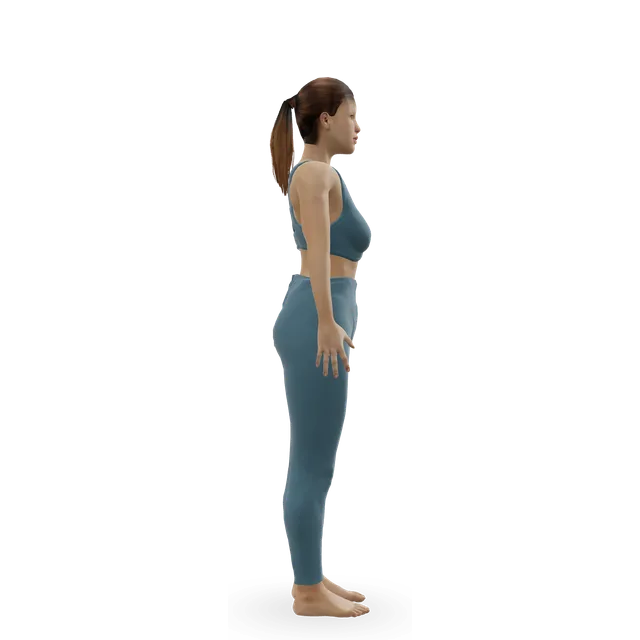 3D demoSun salutation B (Surya Namaskar B)Intermediate · No equipment
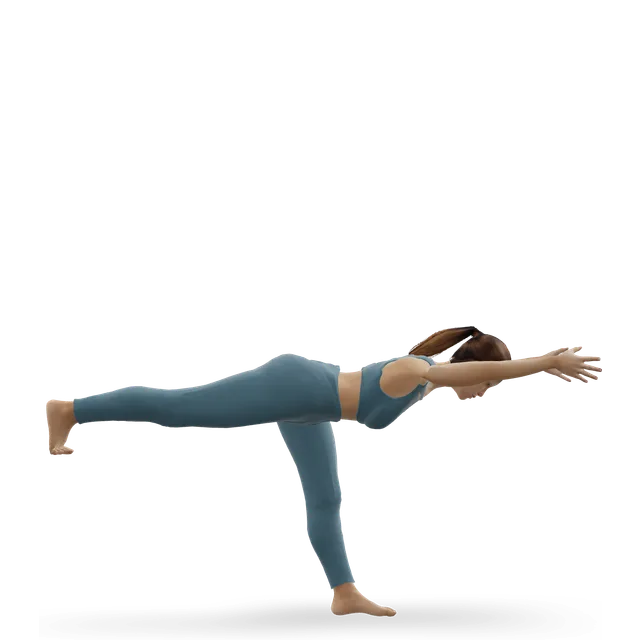 3D demoWarrior III (Virabhadrasana III)Advanced · No equipment
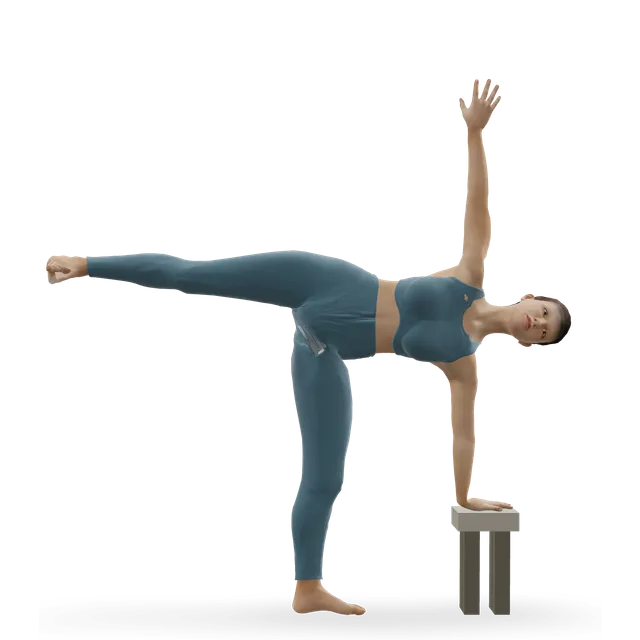 3D demoHalf moon pose (Ardha Chandrasana)Advanced · A step
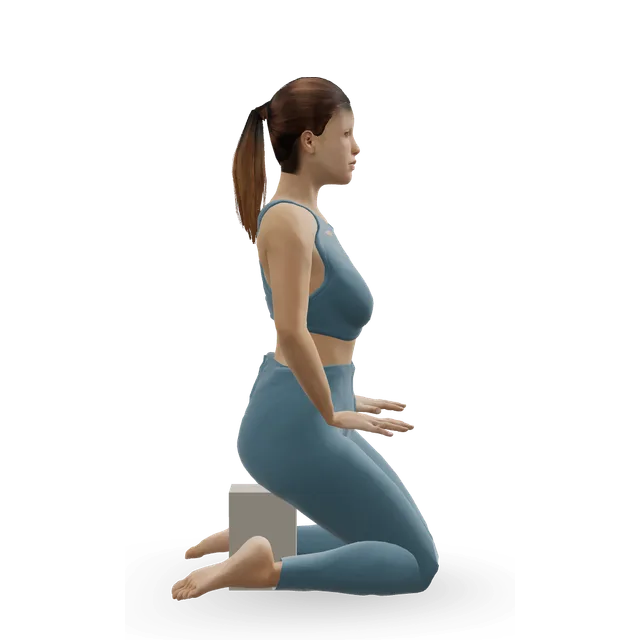 3D demoHero pose (Virasana)Intermediate · Firm cushion
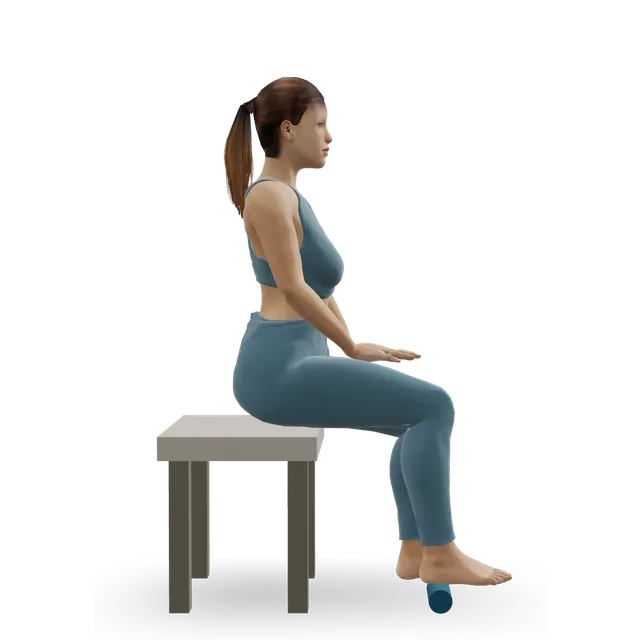 3D demoFoot roll (ball or roller)Beginner · A massage ball
Start with our 25-minute class 2 or 3 times a week, with its first block every morning (our suggestion). The plantar fascia routine is the 8-minute core of stretches and heel raises; the foot and ankle routine adds foot strength; the runners and legs classes suit you once first-step pain is mild, with shorter standing holds.
A 25-minute yoga class for heel pain: sole and calf stretches before you stand, heavy heel raises every second day, short standing poses and a rest.
25 minBeginner14 movesA bench or box, Other / check instructionsPlantar fascia and calf stretches, a gentle foot roll and the towel heel raise: the exercises the 2023 heel pain guideline supports.
8 minBeginner7 movesA bench or box, A massage ballA 15-minute barefoot routine for stronger toes, arches, calves and ankles, finishing with balance. You need only a towel, a wall and a resistance band.
15 minBeginner11 movesA wall, Other / check instructionsA 20-minute yoga cool-down for runners: calves, hip flexors, hamstrings and glutes, one balance pose and a rest, after an easy run or on a rest day.
20 minBeginner11 movesA wallA 25-minute yoga routine for your legs: standing holds for the thighs, one-leg poses for the glutes, bridges, calf and shin raises, then hip and hamstring stretches.
25 minBeginner17 movesA step, A wallIn 174 patients seen at a hospital and followed for 5 to 15 years, 80% still had symptoms 1 year after they began and half after 5 years; it lasted longer in women and with both heels affected, and a heel spur made no difference. These figures come from a hospital group, so people looked after by their GP may well do better, and few factors that predict how it goes are known. The NHS says see a GP if it hasn't improved after 2 weeks of looking after it yourself.
These follow our heel pain guide, word for word where it says so, and the NHS. A&E means accident and emergency. In the US, call 911 for 999, and use your doctor's urgent line or urgent care for NHS 111.
From our heel pain guide:
Source 10
Sharp heel pain in a standing pose or downward dog means come out, sit down and use the seated version (our suggestion). Stop for chest pain, dizziness or unusual breathlessness, and call 999 for chest pain that doesn't go away. Heel pain in an active child who is still growing is a different condition, often Sever's disease, which has its own guide (as our heel pain guide explains).
No trial has tested yoga for heel pain. Yoga can include the sole and calf stretches and some of the strength work that do have evidence.
The sole stretch has the largest short-term effect on first-step pain, but calf stretching alone was no better than a sham over 2 weeks, heavy heel raises gave better function at 3 months than stretching, and recovery often takes months whatever you do.
The NHS says try not to walk barefoot on hard surfaces. One small trial found barefoot treadmill walking helped more than walking in shoes, but minimalist shoes added nothing to foot exercises in another, and foot strengthening didn't add to stretching. With numb feet or diabetes, keep shoes on.
Neither has been tested for heel pain, and foot-muscle training has limited evidence.
Hero pose points the ankle and toes. The fascia is stretched most with the ankle and toes bent up together, as in the seated sole stretch or toes-tucked kneeling (cadaver study).
Source 4
In a 5 to 15-year study, having a heel spur at the start made no difference to how plantar fasciitis went.
Source 28
No trial has tested yoga itself, but yoga can include the stretches and strength work that do help: stretching the sole and calves, and heavy heel raises. Keep standing holds short and skip jumping while your heel is sore.
Start sitting with the plantar fascia stretch and a towel calf stretch before you stand, then a bent-knee calf stretch, toes-tucked kneeling if your knees allow, and short standing poses. Downward dog with your knees bent stretches the calves.
Long standing holds, jumping and standing on one leg on a sore heel can aggravate it; that's our suggestion, based on the NHS's advice against long standing. The NHS also lists overstretching the sole during exercise as a risk factor, so stretch to a firm pull, never sharp pain.
It stretches the calves, which is part of the usual mix, but calf stretching on its own was no better than a sham over 2 weeks in a trial. Bend your knees, pedal your heels, and come down if your heel pain is sharp.
Toe yoga means lifting your big toe while the others stay down, then the reverse, and spreading your toes. It trains foot-muscle control, but no study has tested it for heel pain, and foot strengthening didn't add to stretching in a trial.
The NHS advises against walking barefoot on hard surfaces and standing for long periods, especially barefoot. Practise on a thick mat or carpet, keep standing holds short, and wear supportive shoes for standing poses if your heel hurts. With numb feet or diabetes, keep shoes on for standing poses.
It hasn't been studied. The long standing series is the bigger issue, so shorten or sit out standing poses while first-step pain is high.
The plantar fascia stretch 2 to 3 times a day, including before your first steps in the morning, and heavy heel raises every second day. Our 25-minute class 2 or 3 times a week fits around that.
Pain on your first steps after rest is typical of plantar fasciitis. Stretching the sole before you stand, sitting on the edge of the bed, eased first-step pain in a trial.
Often months. In a group of hospital patients, half still had symptoms 5 years after they started, though people looked after by their GP may well do better. See a GP if it hasn't improved after 2 weeks of looking after it yourself.
Heel spurs didn't change how plantar fasciitis went in a long-term study, so treat the heel pain, not the spur, with the same stretches and heel raises. Our heel pain guide explains spurs.
Get help for heel pain after an injury or a fall, a red, hot or swollen foot (especially with a fever), tingling or numbness, pain at night or in one spot on the bone, or any new foot problem if you have diabetes. See a GP if it isn't better after 2 weeks.
Exercise education, not a personal prescription, and clinical review of these guides is pending. If you are pregnant, have a health condition such as glaucoma, high blood pressure or osteoporosis, or have had recent surgery, check with a doctor, midwife or physiotherapist before starting, and stop for sharp or increasing pain. Health disclaimer.