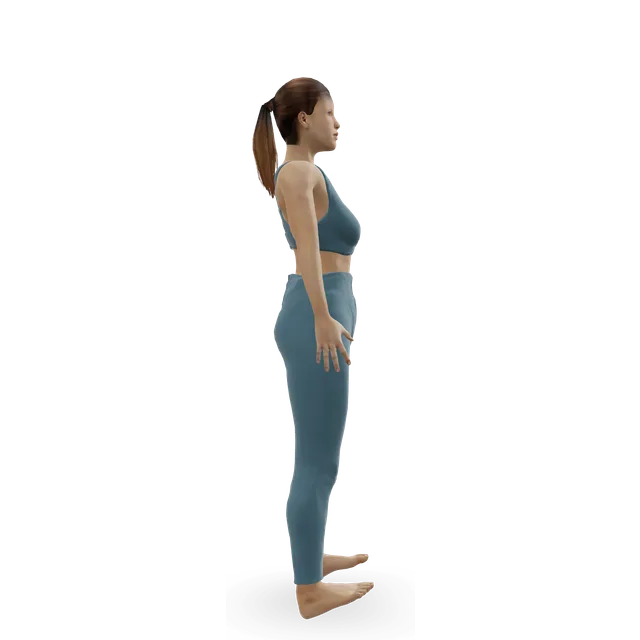
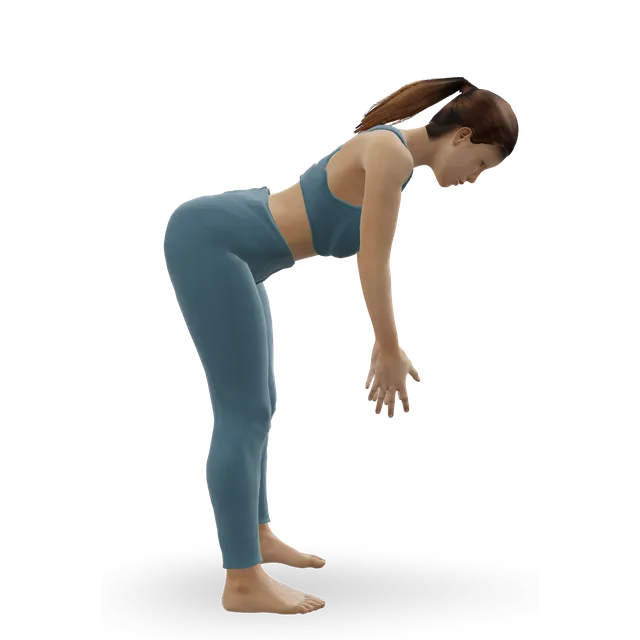
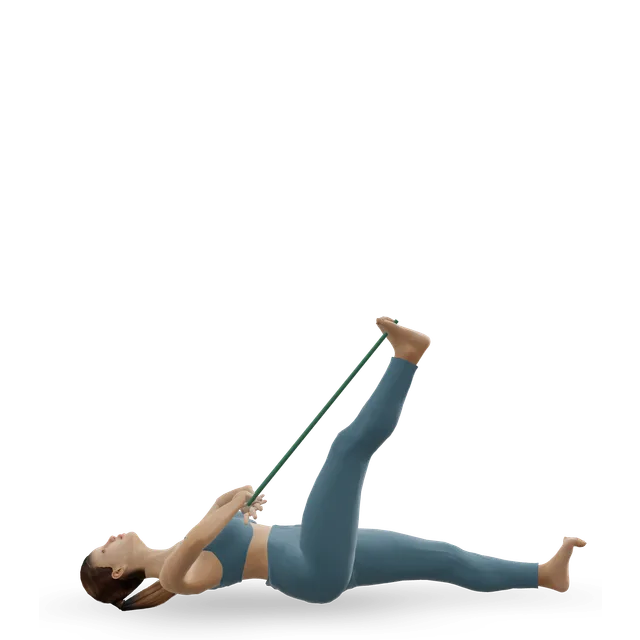
Two ways yoga works your legs
Standing poses are bodyweight strength holds for your thighs, buttocks and calves, and one-leg poses add balance. Lunges, folds and hip openers stretch them.
Yoga guide
Yoga works your legs in two ways: standing poses are bodyweight strength holds for your thighs, buttocks and calves, and lunges, folds and hip openers stretch them. In trials, mostly in older adults, yoga improved leg strength, balance and flexibility, and in people with knee arthritis it built leg strength about as well as a strengthening programme.
Different poses work different muscles: chair pose and the warriors the front of the thighs, half moon and warrior III the buttocks, and one-leg poses the side of the hips. No pose slims or tones one part of you, and for much more muscle you'll need to add weights.
This guide covers which poses do what, what the trials show, how to look after your knees, tired legs and cramps, and a free 25-minute routine with a 3D demo of every pose.
Standing poses are bodyweight strength holds for your thighs, buttocks and calves, and one-leg poses add balance. Lunges, folds and hip openers stretch them.
In older adults, chair pose, the warriors and crescent lunge loaded the front of the thigh most, and only one-leg poses loaded the side of the hip. In young adults, half moon and warrior III worked the buttock muscles hardest. No pose loaded the muscle at the front of the shin.
In trials of older adults, yoga improved leg strength against no exercise and against other exercise such as walking, by small to moderate amounts, though a 2026 review found the gain borderline once it allowed for small studies that may be missing.
In 117 people with knee arthritis, leg strength rose by 17.8 kg with yoga and 21.2 kg with a physiotherapist-led strengthening programme, a difference that could be chance. In 118 inactive adults averaging 62, yoga matched stretching and strengthening classes for standing up from a chair.
We found no trial comparing yoga with weight training in healthy younger adults, and a yoga-based programme lowered body fat without changing muscle mass. No pose slims or tones one part of your legs: training one leg didn't take fat off it in a trial.
A wide squat and an upright lunge put the least sideways load on the inside of the knee, and a one-leg balance the most. A hand on a wall didn't reduce it.
Across 22 trials of older adults, yoga improved leg strength against no exercise, a small to moderate effect, and against active comparisons such as walking. A review of 33 trials in people aged 65 and over rated the gain in leg strength and endurance against no exercise as moderate certainty, with possibly no edge over other exercise.
A 2026 review of 21 studies (1,471 older adults) found possible gains in leg strength and in balance while moving, but once it allowed for small studies that may be missing, the strength gain was borderline and the balance gain unclear. Balance standing still didn't improve, and no best dose emerged.
Source 6
In 117 adults with knee osteoarthritis, in a trial with blinded assessors, leg strength rose by 17.8 kg after 12 weeks of yoga and by 21.2 kg with physiotherapist-led strengthening, and by 22.0 against 23.4 kg at 24 weeks: no clear difference. Chair stands improved about equally, and for knee pain yoga was no worse.
Source 7
In 118 inactive adults averaging 62, 8 weeks of hour-long hatha classes 3 times a week matched stretching and strengthening classes for chair stands, arm curls, balance, flexibility and getting about.
Source 8
In 34 women aged 35 to 50, 8 months of twice-weekly Ashtanga classes raised leg-press strength by 11.4%, while it fell by 6.5% in women who didn't do them, with no change in the other lifts. In 75 middle-aged adults, a 3-month yoga-based programme improved core strength and hamstring flexibility and lowered body fat without changing muscle mass (a quasi-randomised study).
Yoga improved balance and mobility a little in people over 60, and lower-body flexibility against no exercise (a moderate effect) and against active comparisons (a small one). Iyengar classes focused on standing poses improved standing balance and one-leg standing with the eyes closed in 54 older adults.
The front of the thigh (quadriceps) straightens the knee. The back of the thigh (hamstrings) bends it and, with the big buttock muscle (gluteus maximus), straightens the hip. The side of the hip (gluteus medius and minimus) keeps your pelvis level on one leg, the inner thighs (adductors) draw your legs together, the calves push you up on your toes, and the muscle at the front of the shin lifts your foot.
In older adults, chair pose, the front leg in warriors I and II and both legs in crescent lunge loaded the front of the thigh. The back leg in crescent lunge and chair pose made the biggest demands on the front of the thigh, similar to walking's, though thigh muscle activity was only a third to a half of walking's. In young women, squatting and lunging poses worked the front of the thigh most.
In 31 young adults, half moon worked the big buttock muscle hardest, at about 63% of its maximum on the lifted leg, then warrior III at 46%; the smaller muscle at the side of the hip worked at about 42% in both. Bridges and locust work the buttocks too (our suggestion).
Source 3
Only one-leg standing poses loaded the side of the hip in older adults. In tree, the load was a little above walking's, with or without a hand on the wall.
Of 7 standing poses tested in older adults, side stretch (pyramid) loaded the hamstrings most.
Source 1
Every standing pose worked the calves, but less than walking did, and no pose loaded the muscle at the front of the shin, so our routine adds calf raises and toe raises.
The NHS test for strength work is working "to the point where you may need a short rest before repeating the activity". Bend a little deeper, hold longer, lift a heel or a leg, or move slowly in and out of a pose (our suggestions).
Source 17
In knee osteoarthritis and in inactive older adults, yoga built leg strength about as much as strengthening programmes did. In 31 women with knee osteoarthritis, machine-based leg training built more hamstring strength than a knee-friendly yoga programme, though both eased pain about equally.
We found no trial comparing yoga with progressive weight training in healthy younger adults, and no trial measuring muscle growth from yoga; a yoga-based programme lowered body fat without changing muscle mass. Muscle grows with resistance you can keep increasing, so for bigger or much stronger legs, add squats, lunges or step-ups with weights. Our yoga for strength guide covers how to combine them.
In healthy young women, the wide squat (goddess) and the upright lunge (warrior) put the least sideways load on the inside of the knee, and a one-leg balance the most.
Source 12
In older adults, the back leg in warrior II took by far the largest sideways load on the knee of 7 standing poses, 267% more than walking. Shorten the stance and keep your front knee over your ankle if your knees complain.
Source 1
In one lab study of 20 older adults, each pose held for one breath, the sideways knee load in tree was the same with or without a hand on the wall, 8% to 20% above walking's. Putting the lifted foot's toes on the floor lowered it.
Source 13
Yoga programmes built from poses with low knee loads eased pain and improved knee strength in women with knee osteoarthritis: 38 women who finished a study with no comparison group, and 31 in a small trial. In 59 people, yoga exercises with a changed walking pattern reduced the sideways knee load when walking.
The US National Center for Complementary and Integrative Health (NCCIH) says the knee or lower leg is the part most often injured in yoga, though serious injuries are rare, and people who practise yoga had more meniscus (knee cartilage) injuries than people who didn't, an association rather than proof. In the knee arthritis trial, side effects possibly caused by the programme, such as more knee pain, were more common with yoga (15.5% against 6.8%), and none was serious.
Short stances, knees in line with your second toe, shallow bends at first, never a foot pressed into the side of the knee, and leave out hero pose, lotus and deep squats while a knee is sore (our editorial suggestions). Our yoga for knee pain guide has more.
After keyhole surgery for hip impingement, 93% of 42 yoga practitioners returned to yoga, after about 5 months on average, in a study looking back at their records. After a hip replacement, check deep bending and crossed-leg poses, such as figure four and pigeon, with your surgical team first, as our hip replacement guide advises.
Source 23
Chair pose: 3 holds of 30 to 45 seconds; high lunge: 5 breaths each side; warrior II: 5 breaths each side, twice; goddess: 12 slow pulses (our strength yoga workout). Warrior I: 3 to 5 breaths each side (our editorial starting point). Wall sit: 2 holds of 20 to 30 seconds (our wall Pilates for beginners). Sit to stand: 8 to 10 slow stands (our yoga for balance class). With sore knees, stay shallow and keep stances short.
 3D demoChair pose (Utkatasana)Beginner · No equipment
 3D demoHigh lunge (crescent lunge, Ashta Chandrasana)Intermediate · No equipment
 3D demoWarrior I (Virabhadrasana I)Intermediate · No equipment
 3D demoWarrior II (Virabhadrasana II)Intermediate · No equipment
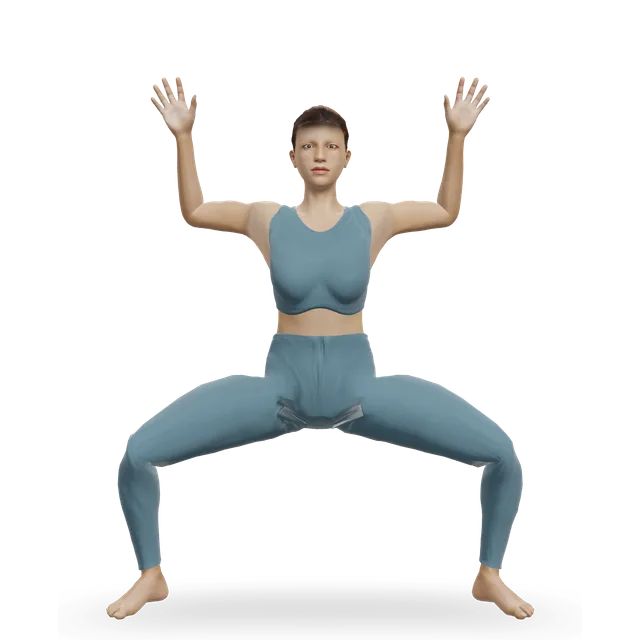 3D demoGoddess pose (Utkata Konasana)Beginner · No equipment
 3D demoWall sitBeginner · A wall
 3D demoSit to stand from a chairBeginner · A bench or box
Warrior III and half moon, near a wall at first: 3 to 5 breaths each side; single-leg bridge: 8 to 10 each side (our strength yoga workout). Tree: 3 to 5 breaths each side, twice; standing hand to big toe: 3 breaths each side (our yoga for balance class). Bridges: 10 slow lifts; locust: 3 holds of 3 breaths (our yoga for menopause class). Standing wall-press hip abduction: 3 to 5 holds of 5 to 15 seconds each side, twice a day (the move's page).
 3D demoWarrior III (Virabhadrasana III)Advanced · No equipment
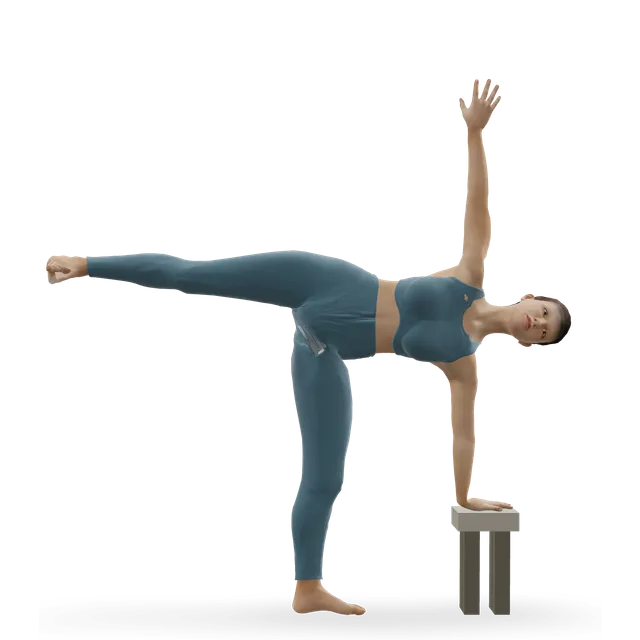 3D demoHalf moon pose (Ardha Chandrasana)Advanced · A step
 3D demoTree pose (Vrksasana)Beginner · No equipment
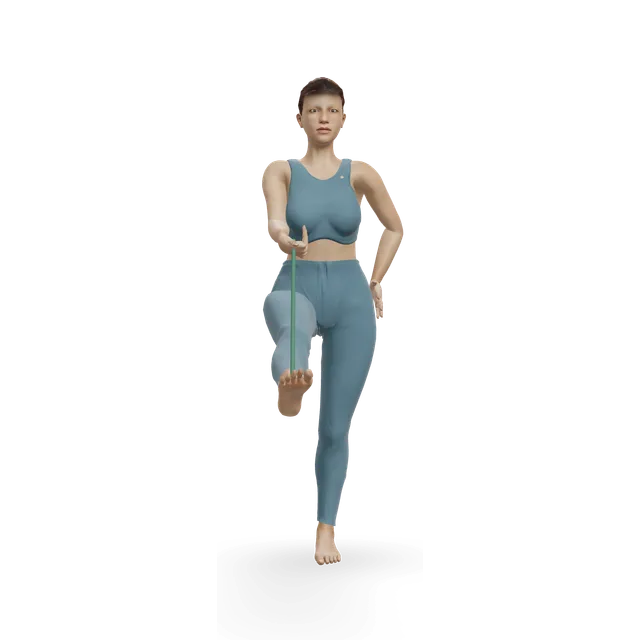 3D demoStanding hand-to-big-toe pose (Utthita Hasta Padangusthasana)Advanced · No equipment
 3D demoGlute bridgeBeginner · No equipment
 3D demoSingle-leg glute bridgeIntermediate · No equipment
 3D demoLocust pose (Salabhasana)Beginner · No equipment
 3D demoStanding wall-press hip abductionBeginner · A wall
Slow calf raises: 2 sets of 10 to 15; tibialis raises, your back against a wall: 10 to 15 (our calf pump routine). Downward dog, pedalling your heels: 2 holds of 50 seconds (our yoga for runners routine). Wall calf and soleus stretches: 30 seconds each side (our post-run stretches). No yoga pose loaded the shin muscles in a lab study, which is why the toe raise is here.
Low lunge and reclined figure four: 45 seconds each side (our yoga for runners routine). Half-kneeling hip flexor stretch: 45 seconds each side (our post-run stretches). Standing quad stretch: 20 to 30 seconds, 2 to 4 times each side; lizard: 30 to 60 seconds each side, 2 rounds (the moves' pages). Pyramid: 30 seconds each side; head-to-knee pose and the strap stretch: 45 seconds each side (our hamstring flexibility routine). Pigeon preparation: 60 seconds each side; bound angle: 60 seconds (our yoga for hips routine). For lasting flexibility, stretch on most days.
 3D demoLow lunge (Anjaneyasana)Beginner · No equipment
 3D demoHalf-kneeling hip flexor stretchBeginner · No equipment
 3D demoStanding quad stretchBeginner · A wall
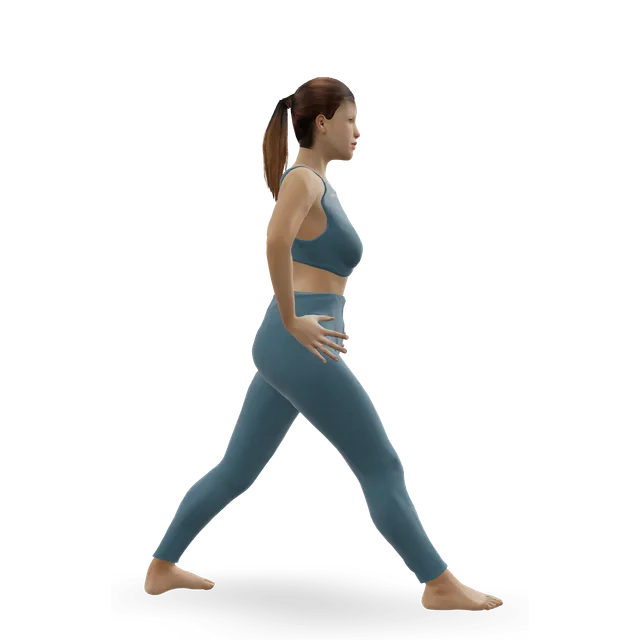 3D demoPyramid pose (Parsvottanasana)Intermediate · No equipment
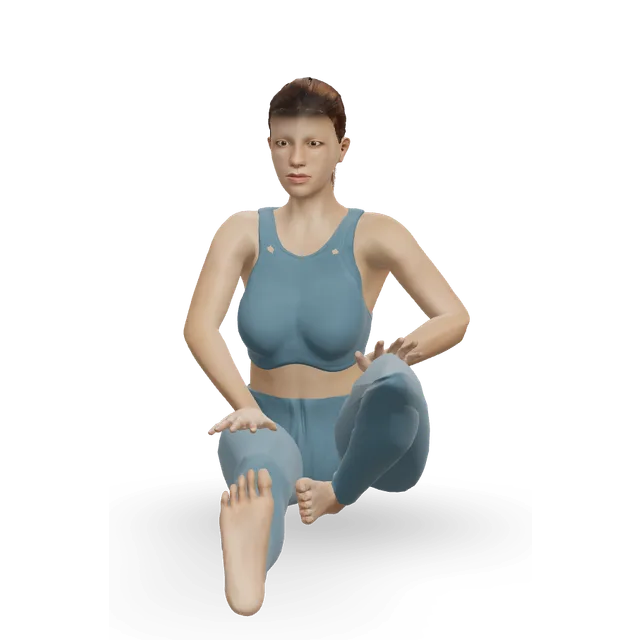 3D demoHead-to-knee pose (Janu Sirsasana)Beginner · No equipment
 3D demoSupine hamstring stretch with a strapBeginner · No equipment
 3D demoReclined figure four (eye of the needle, Sucirandhrasana)Beginner · No equipment
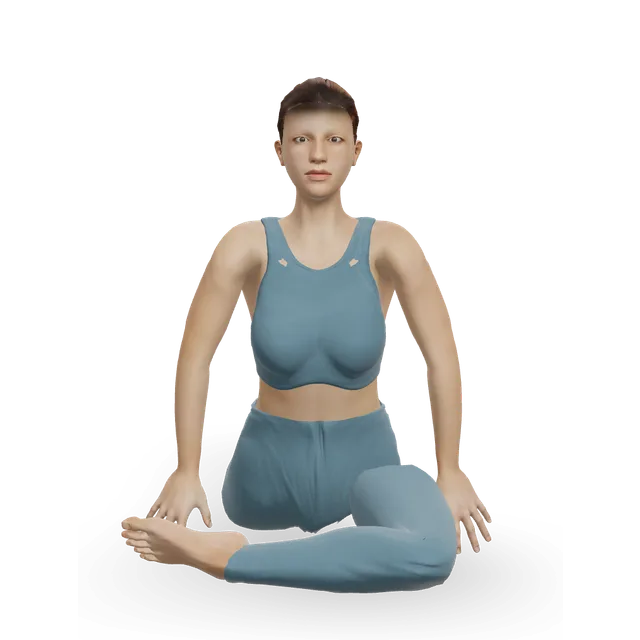 3D demoPigeon preparation (Eka Pada Rajakapotasana prep)Intermediate · No equipment
 3D demoLizard pose (Utthan Pristhasana)Intermediate · No equipment
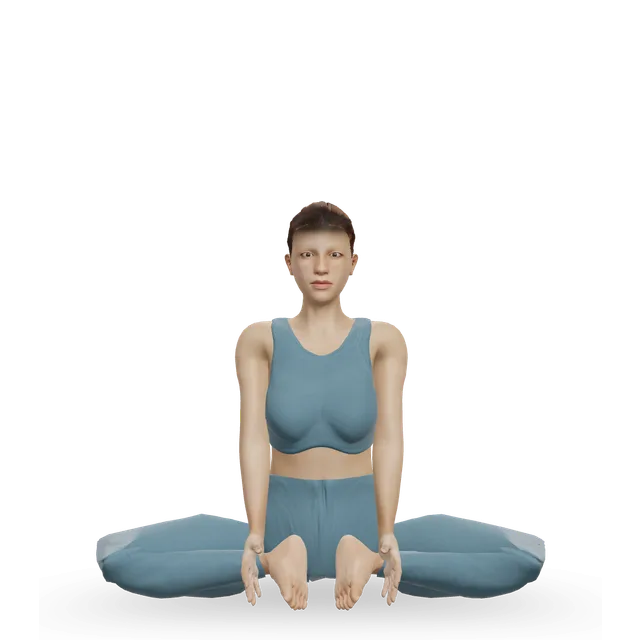 3D demoBound angle pose (Baddha Konasana)Beginner · No equipment
After 2 hours of sitting, 40 middle-aged adults had fuller, stiffer calves and more leg discomfort, and 3 minutes of raising the legs lowered the stiffness.
Source 24
In 9 young women, 15 minutes lying down with the legs raised or supported shrank calf circumference by 3 to 5 mm, least with the legs up a wall. The NHS suggests raising swollen legs on a chair or pillows when you can, and gentle exercise such as walking.
Lymph has no central pump and moves when the muscles around it work, which is why exercise matters, the NHS says, and leg lymph vessels pumped faster when people stood up. Walking and calf raises keep fluid moving: our calf pump routine and varicose veins guide have more.
One swollen, painful leg, or swelling with breathlessness, needs urgent help, not a pose: see the warning signs.
In 80 adults over 55, stretching the calves and hamstrings every night before sleep for 6 weeks cut night cramps by about 1 a night and made them less painful; a Cochrane review rated this evidence low certainty. Calf stretching alone may make little or no difference to how often cramps come: advice to do calf stretches didn't reduce them in 191 people who had been taking quinine.
The NHS says regular calf stretching "may help to reduce cramps but may not completely stop them from happening". Its stretch is done facing a wall, leaning in until you feel your calves stretch, held for 2 or 3 seconds and repeated for 5 minutes, 3 times a day, the last time just before bed. Our leg cramps guide has more.
Source 33
Programmes that raised leg strength ran classes 2 or 3 times a week, for 8 weeks to 8 months.
Hold standing poses until your legs need a short rest: that's the NHS's test for a strength session.
Source 17
Our 25-minute routine 2 or 3 times a week, on days that aren't back to back. Make it harder over the weeks by bending deeper, holding longer, lifting a heel or a leg, or slowing your transitions; for more, add squats, lunges or step-ups with weights.
Hold each stretch for 30 to 60 seconds on most days, as our yoga for flexibility guide suggests. For the most gain, stretching researchers suggest 2 to 3 sets a day of 30 to 120 seconds for each muscle.
Source 34
Leave out hero pose, lotus, half frog and deep squats while a knee is sore, swap pigeon for reclined figure four, and keep stances short and bends shallow.
Deep hip bending and crossed legs (figure four, pigeon, standing figure four) only with your surgical team's agreement, as the moves' pages say.
Follow your surgical team's plan, and leave out kneeling poses for now: the NHS says "do not kneel on your new knee until your doctor says you can". Our knee replacement guide has more.
Source 35
Keep head-down poses such as standing splits, wide-legged folds and downward dog brief, or use head-up versions: eye pressure rose within a minute of going into head-down poses in a lab study.
Source 36
Keep a slight bend in straight-leg poses. The NHS advice is "do not overextend your joints just because you can".
Source 37
In later pregnancy, the NHS advises against lying flat on your back for more than a few minutes, so do bridges propped up or swap them for side-lying work, and skip one-leg and wide poses if you have pelvic girdle pain.
Source 38
Not tested in yoga. For more load, use squats, lunges and step-ups with dumbbells (our suggestion).
Start with our 25-minute yoga for legs routine 2 or 3 times a week (our editorial starting point). The strength yoga workout adds the upper body, the hips and hamstring routines stretch, the knee pain class keeps knee loads low, and the calf pump routine is for tired, heavy legs.
A 25-minute yoga routine for your legs: standing holds for the thighs, one-leg poses for the glutes, bridges, calf and shin raises, then hip and hamstring stretches.
25 minBeginner17 movesA step, A wallThirty-five minutes of yoga built for strength: long standing holds, slow lowering from plank, single-leg balances and a band row, with harder options.
35 minIntermediate18 movesA step, A bandA hip-opening yoga sequence: low lunge, lizard, goddess, pigeon, bound angle and happy baby.
25 minBeginner10 movesA wallA 12-minute routine to loosen tight hamstrings with strap stretches, PNF, folds and hinges.
12 minBeginner7 movesNo equipmentA 25-minute knee-friendly yoga practice with no kneeling and no deep bends: shallow standing poses, hip and thigh strength on the floor, and supported stretches.
25 minBeginner15 movesFirm cushionThirty minutes of standing yoga for balance: strong standing poses, one-leg poses at the wall, and side steps, backward steps, reaches and sit-to-stands.
30 minBeginner16 movesA wall, A bench or boxA 15-minute calf pump routine for varicose veins and heavy, swollen legs: ankle pumps, calf raises, a brisk walk, calf stretches and legs up to finish.
15 minBeginner10 movesA bench or box, A wallA 25-minute Pilates class for your legs: reformer footwork without the machine, leg circles, the side kick series, inner-thigh squeezes and stretches.
25 minBeginner15 movesA wall, Other / check instructionsThese follow our yoga for knee pain and hip pain guides, keeping the signs our sources here cover; our knee and hip pain guides list them all. A&E means accident and emergency. In the US, call 911 for 999, and use your doctor's urgent line or urgent care for NHS 111.
Call 999, and don't drive yourself to A&E, for:
Get advice the same day for:
Stop if you feel a sudden sharp pain, a snap or a pop in a muscle during a pose: it may be a strain. Get help from NHS 111 if it's very painful or getting worse, there's a lot of swelling or bruising, you can't put weight on it or walk more than a few steps, or it feels very stiff. Our hamstring strain guide has more.
Source 40
In many areas you can refer yourself to NHS physiotherapy without seeing a GP.
Sharp, catching or giving-way pain, or new swelling, is a reason to stop and get it checked. Come out of a pose at once if your foot or lower leg goes numb or tingles in a kneeling or cross-legged pose, or if you feel a sharp pain inside the knee when twisting or rising from a deep bend (our suggestion, from case reports and injury studies). Burning, tingling or pins and needles down a leg in a stretch is a nerve signal, not a stretch, as the moves' pages say: back off and have it looked at.
In older adults, it improved leg strength against no exercise and against other exercise, and in knee osteoarthritis, leg strength rose about as much as with a strengthening programme (17.8 against 21.2 kg). For more, add load.
No pose lengthens a muscle into a new shape, and training one leg for 12 weeks didn't take fat off that leg in a trial. Yoga makes legs stronger, steadier and more flexible; how they look isn't the measure.
Source 11
We found no trial measuring muscle growth from yoga, and a yoga-based programme didn't change muscle mass. Muscle grows with resistance you can keep increasing, as our yoga for strength guide explains.
Tree pose barely loaded the front of the thigh, about 9% of walking's demand, and the researchers said no version of it was likely to improve thigh strength. Chair pose, lunges and the warriors do that; one-leg poses work the side of the hip and your balance.
In tree pose, the sideways load on the knee was the same with or without a hand on the wall. Change the pose instead: your foot at your ankle, toes down.
Source 13
It eases everyday swelling a little, and walking and calf work help too. One swollen, painful leg, or swelling with breathlessness, needs urgent help, not a pose.
Calf and hamstring stretching before bed may make night cramps less painful in people over 55, but calf stretching alone may not change how often they come.
We found no trial that counted injuries after yoga. Balance training cut sports injuries in trials, and balance exercise cut falls in older adults, so the idea is reasonable, but untested for yoga.
Yes. Standing poses strengthen your thighs, buttocks and calves, one-leg poses train balance and the side of your hips, and lunges and folds stretch them. In older adults, yoga improved leg strength, balance and flexibility in trials.
It builds strength, but we found no trial measuring muscle growth from yoga, and most poses can't keep getting heavier. For bigger or much stronger legs, add squats, lunges or step-ups with weights.
In two trials it improved leg strength about as much as strengthening programmes, in people with knee arthritis and in inactive older adults. We found no trial comparing it with heavy, progressive lifting.
For the front of the thighs, chair pose, the warriors and crescent lunge; for the buttocks, half moon and warrior III; for the side of the hips, one-leg poses such as tree. Add calf raises and toe raises, because yoga poses barely load the lower legs.
Half moon and warrior III worked the buttock muscles hardest of the poses tested, and bridges and locust work the backs of the legs. Our 25-minute yoga for legs routine puts them together.
Not usually, but the knee and lower leg are the parts most often hurt in yoga. Keep stances short and your knees over your toes, choose wide squats and upright lunges, keep your foot below the knee in tree, and stop for sharp or catching pain.
No pose takes fat off one part of your body: in a trial, training one leg for 12 weeks didn't reduce fat on that leg. Yoga makes your legs stronger, steadier and more flexible.
Moving your calves and raising your legs can help: raising them eased calf swelling a little in studies, and the NHS suggests raising swollen legs and walking. One swollen, painful leg needs a same-day check for a clot.
Calf and hamstring stretches before bed may make night cramps less painful in people over 55, though calf stretches alone may not make them less frequent. See a GP if cramps disturb your sleep, last longer than 10 minutes, or come with numbness or swelling.
Two or three times a week, holding standing poses until your legs need a short rest, which is the NHS test for strength work. If flexibility is your aim, stretch on most days as well (our suggestion).
Yes, with support: in older adults it improved leg strength and chair stands. Start with chair yoga or poses holding a chair or wall, and add sit-to-stands; our chair yoga guide has a class.
Exercise education, not a personal prescription, and clinical review of these guides is pending. If you are pregnant, have a health condition such as glaucoma, high blood pressure or osteoporosis, or have had recent surgery, check with a doctor, midwife or physiotherapist before starting, and stop for sharp or increasing pain. Health disclaimer.