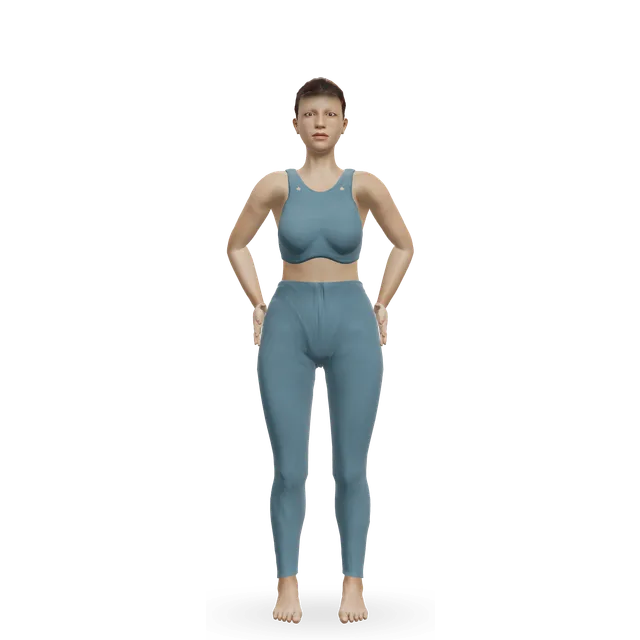
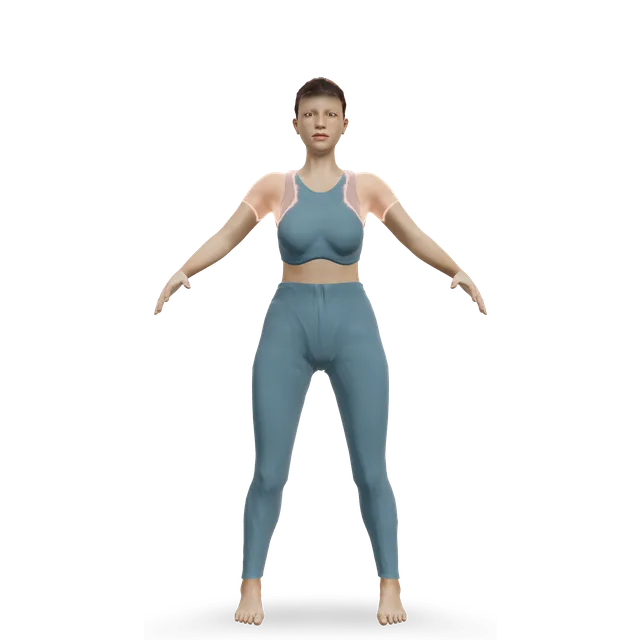
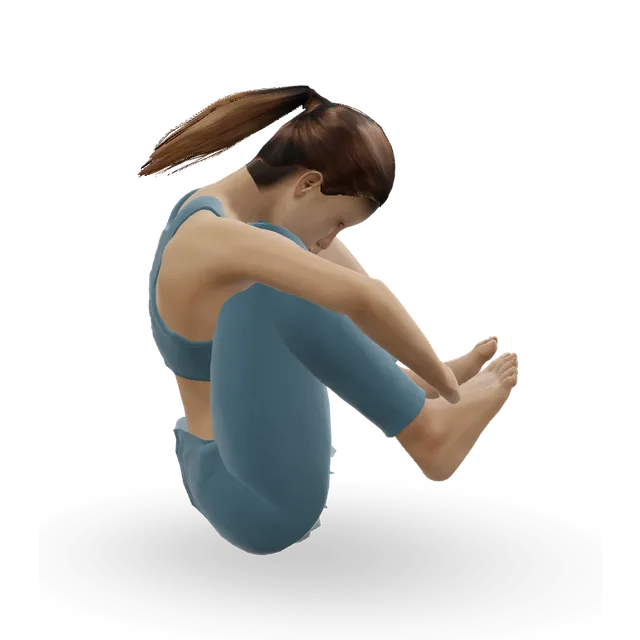
What yoga can add
Flexibility, one-leg balance, a calm way to recover and breathing practice. It doesn't build strength, speed or power on its own, so keep your strength and sport training.
Yoga guide
Yoga can add flexibility, one-leg balance, a calm way to wind down after hard sessions and breathing practice to your training. In small trials, athletes gained a few centimetres of flexibility and a few seconds of one-leg balance, rugby players kept their hamstring flexibility through a season, and 15 minutes of yoga after interval training settled breathing faster than stretching.
What it doesn't do is make you faster or prevent injuries on its own: we found no trial that counted sports injuries after yoga, and long static holds just before explosive work cost a little power.
This guide covers what the trials in athletes show, recovery and slow breathing, when to hold and when to flow, how to count yoga in your training load, and the routines to pair with your sport.
Flexibility, one-leg balance, a calm way to recover and breathing practice. It doesn't build strength, speed or power on its own, so keep your strength and sport training.
A review of competitive athletes found 6 trials, all of poor quality. Most other studies were tiny or not randomised, and few blinded anyone.
College athletes gained about 4.6 cm on a sit-and-reach test and 4 seconds of one-leg balance in 10 weeks, and rugby players kept their hamstring flexibility through a season but didn't sprint faster.
Fifteen minutes of yoga after interval training slowed breathing faster than stretching for 10 to 15 minutes. But 4 weeks of slow breathing after sprint sessions didn't improve recovery or performance, and stretching barely changes next-day soreness.
Holds of 60 seconds or more per muscle just before explosive work cut performance by about 4.6% on average, while short holds inside a dynamic warm-up are fine.
We found no trial that counted sports injuries after yoga. In trials, strength training cut sports injuries to under a third and balance training to about half, while stretching didn't.
Athletes use yoga for four things (our grouping): flexibility and mobility, since held poses are static stretches and flows move through your range like dynamic stretching; balance and body control, from one-leg poses and slow transitions; recovery and relaxation, from slow breathing and rest poses; and breathing and focus. Each has its own evidence, below.
Power yoga is rated 4.0 METs (multiples of the energy you use at rest), sun salutations 3.5, hot yoga 3.0, vinyasa 2.7 and hatha 2.3. A strong flow is training; a restorative or yin class is closer to rest. Hot yoga adds heat: in 10 elite hockey players, 6 days of hot classes first lowered and then expanded their blood plasma volume.
Heart rate variability (HRV), the beat-to-beat variation in your heart rate, is used as a sign of how quickly your body's calming "rest and digest" system takes over after effort. Slow breathing raises it during and straight after practice.
Source 14
A review of studies up to December 2019 found 6 trials of yoga in healthy elite adult athletes, all of poor quality and lasting about 6 weeks on average: "encouraging but limited evidence" of less performance anxiety and better performance. A review of track and field athletes found moderate strength gains and better flexibility and balance, with mixed effects on stress and performance, in studies of fair quality.
In 26 male college athletes, a football (soccer) team that did two hour-long classes a week for 10 weeks gained 1.8 inches (about 4.6 cm) on the sit-and-reach test and 4 seconds on a one-leg stand, while a baseball team that didn't got slightly worse. The teams played different sports and weren't randomised.
Source 1
In 31 rugby union players, yoga twice a week for 8 weeks in season kept hamstring flexibility steady (down 1.2%), while the players who didn't do it lost 14.8%, with no clear change in sprint times.
Source 2
In 82 first-class cricketers, yoga 5 days a week for 6 weeks improved core stability, flexibility, balance and ankle position sense against a waiting list, and they were still better at 6 months. In 26 volleyball players, 8 sessions improved flexibility, balance and serve accuracy more than strength exercises did. Junior tennis players improved with online yoga, though so did those who didn't do it, and 20 fencers improved a balance test about equally with yoga or Pilates.
In college athletes, 12 weeks of two 90-minute classes a week improved a movement screen (deep squat, shoulder mobility and push-up) and mindfulness more than in athletes who didn't do them, in a study that wasn't randomised. Whether this affects injuries "needs further evidence", the authors say.
Source 19
Rugby players who did yoga didn't sprint faster, and high school runners ran a mile about a second faster after 20 minutes of yoga, less than after a motivational routine. Over weeks, static stretching barely changes jumping and doesn't clearly change sprinting.
Yoga and mindfulness lowered stress in young athletes, but not clearly anxiety, in a review of 15 articles. In a 2026 trial of 88 teenage athletes, an hour of yoga 6 days a week for 8 weeks lowered depression, anxiety and stress scores by moderate amounts against a waiting list. Mindfulness training improved performance in precision sports such as shooting and darts in a review of 9 trials. Waiting lists and self-rated scores can make effects look bigger, so read these as promising.
In 20 male athletes, in a crossover trial, 15 minutes of yoga after 30 minutes of high-intensity interval training slowed breathing more at 5, 10 and 15 minutes, and raised heart rate variability more at 5 and 10 minutes, than 15 minutes of static stretching. The yoga was 2 minutes of breathing; child's pose, downward dog, half-reclined hero, a side arch, warrior I and head-to-knee pose, each held for 50 seconds, twice; then 3 minutes of corpse pose.
It's a short-term effect: the trial didn't measure whether strength or performance came back faster. Our yoga for runners routine follows it, and suits any sport.
Source 3
Across 223 studies, slow breathing raised heart rate variability during the session and straight after it. In 15 young men, 10 minutes at 6 breaths a minute after cycling sped the return of the calming (parasympathetic) system on two measures, without changing heart rate.
In a 2026 trial of 34 people doing 4 weeks of sprint interval training, 10 minutes of slow breathing after each session and at bedtime didn't improve performance, heart rate variability or sleep, and night-time heart rate rose slightly. Slow breathing between sets of back squats didn't change power in 18 trained men, and in 13 adolescent swimmers it went with better self-rated recovery but no change in heart rate measures.
Slow breathing paced with a heart rate monitor (HRV biofeedback) improved performance-related measures in small studies, and a review calls the link between breathing and sports performance "still unclear". Use slow breathing to settle and focus, not as a performance aid.
Stretching before or after exercise reduced soreness by about 1 point on a 100-point scale across 12 studies, and stretching researchers don't recommend stretching as a recovery routine, though they leave it to preference. Women who already did yoga had less soreness after a stepping task than women who didn't, in a small study that wasn't randomised.
Static stretches held for 60 seconds or more per muscle just before testing cut performance by 4.6% on average, against 1.1% for shorter holds, and dynamic stretching improved it slightly. When people moved again after stretching, there was no clear effect.
Source 8
No prolonged static holds (over 60 seconds per muscle) before maximal or explosive efforts. Short static stretches inside a dynamic warm-up, and dynamic stretching, don't impair performance.
Source 9
Long-term static stretching had a trivial effect on jumping and no clear effect on sprinting in 14 studies. Stretching training slightly increased strength across 35 studies, but stretching just before resistance training blunted strength gains.
Two to five minutes of flowing yoga inside your warm-up, with holds under 30 seconds, then your usual warm-up; longer holds and slow breathing after training or on another day (our suggestion, as in our yoga for runners and yoga for men guides).
We found no trial that counted sports injuries after yoga. Our search found 2 records: a volleyball trial that reported "injury risk" without counting injuries, and a cricket trial that measured muscle function.
Across 25 trials (26,610 people), stretching didn't prevent sports injuries, while strength training cut them to under a third, balance training to about half, and programmes with several parts by about a third. The 2025 stretching consensus doesn't recommend stretching to prevent injuries in general.
A 10-week study of 31 college footballers, with no comparison group, found lower self-rated injury-risk and fatigue scores after yoga, and a review recommends yoga for injury prevention on the basis of how it might work, not injury counts.
Our sports pages have the injury prevention warm-ups, several of them built on programmes with trials, such as FIFA 11+. Yoga's balance and control work is closest to what helps, so it can sit alongside them, not instead of them.
The International Olympic Committee (IOC) says poor management of load is a major cause of injury, including sudden changes in training and competition, crowded calendars, psychological stress and travel. A power yoga class is moderate exercise, at 4.0 METs, so count strong classes as sessions, and keep gentle and restorative yoga for easy days and tapers (our suggestion).
In 10 elite female field hockey players, 6 days of hot yoga first lowered blood plasma volume, then expanded it 72 hours later, with only trivial changes in maximal aerobic power and small gains at lower intensities; there was no comparison group. It adds heat and fluid loss, which our hot yoga guide covers.
Source 13
These are our editorial suggestions: no trial has tested how athletes should fit yoga in.
One or two sessions a week of 20 to 60 minutes. The trials used classes of 60 to 90 minutes, twice a week.
A few minutes of flow inside your warm-up; longer holds and slow breathing after training or on rest days; gentle sessions only in competition weeks; and no hot class in the 24 hours before a long event, as our yoga for runners guide suggests.
Hold-based hatha or yin-style sessions suit flexibility, restorative yoga suits rest days and tapers, and power or vinyasa classes are training, so count them in your week.
Source 12
In 88 teenage athletes, daily yoga eased stress and low mood. The same timing rules apply, and the sport's own warm-up still comes first.
Source 23
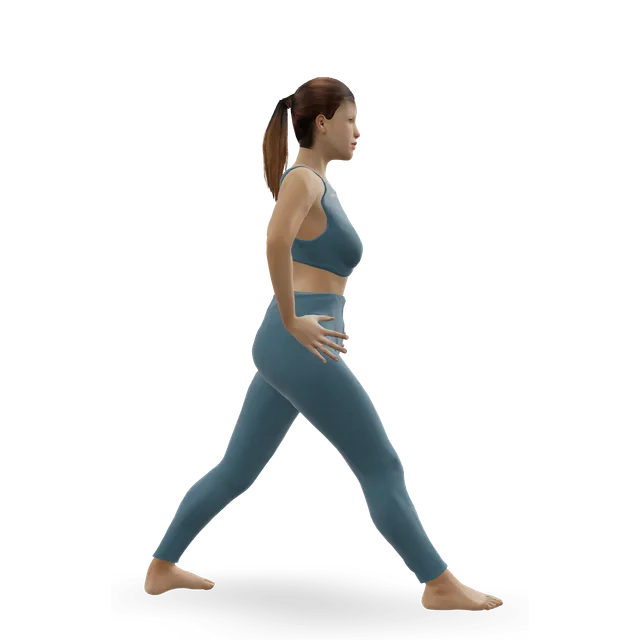
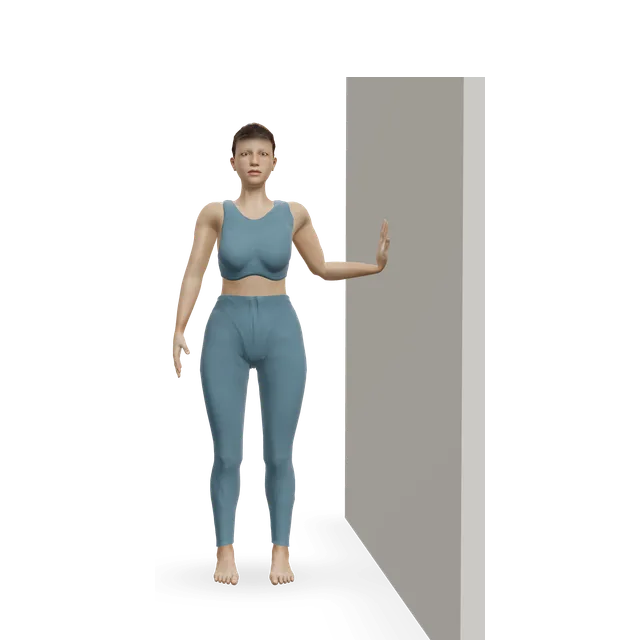
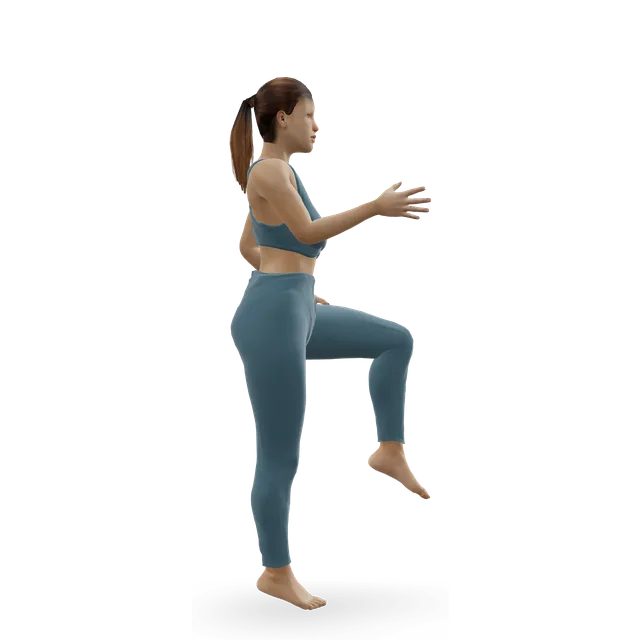
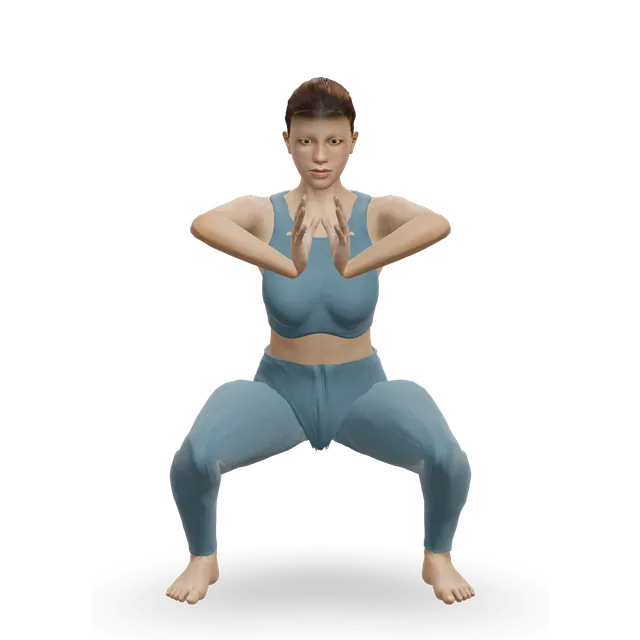
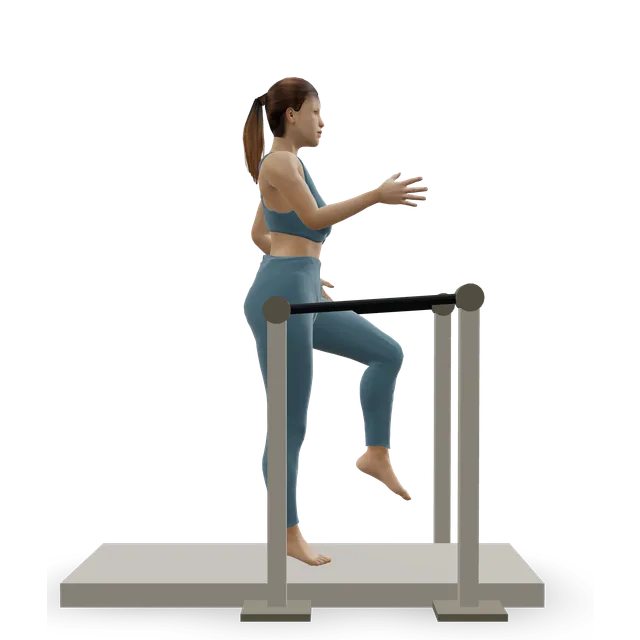
Two or three slow sun salutations; low lunge, 5 slow rocks in and out each side; warrior III near a wall, 3 breaths each side (our yoga for runners guide). World's greatest stretch: 4 slow reps each side, 1 or 2 rounds (the move's page). Downward dog: 5 breaths (our power yoga workout). Keep any hold under 30 seconds before power work.
 3D demoSun salutation A (Surya Namaskar A)Intermediate · No equipment
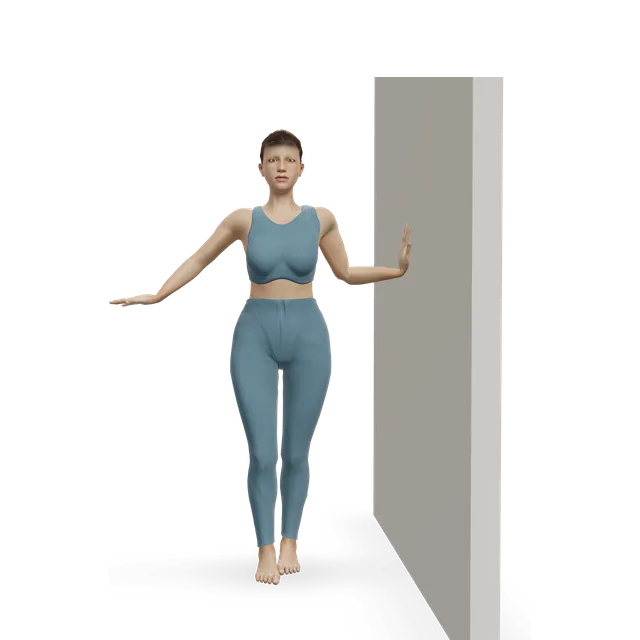
 3D demoWorld's greatest stretchIntermediate · No equipment
 3D demoLow lunge (Anjaneyasana)Beginner · No equipment
 3D demoDownward-facing dog (Adho Mukha Svanasana)Beginner · No equipment
 3D demoWarrior III (Virabhadrasana III)Advanced · No equipment
As in our yoga for runners routine: slow breathing, 2 minutes; child's pose, 50 seconds; downward dog, 2 holds of 50 seconds; warrior I and head-to-knee pose, 50 seconds each side; corpse pose, 3 minutes. Skip head-to-knee pose with pain at the sitting bone.
 3D demoSlow breathing (6 breaths a minute)Beginner · No equipment
 3D demoChild's Pose (Balasana)Beginner · No equipment3D demoDownward-facing dog (Adho Mukha Svanasana)Beginner · No equipment
 3D demoWarrior I (Virabhadrasana I)Intermediate · No equipment
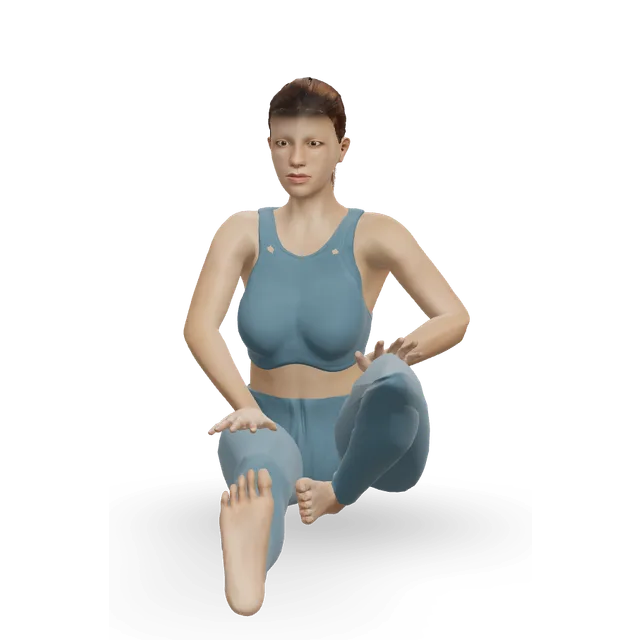 3D demoHead-to-knee pose (Janu Sirsasana)Beginner · No equipment
 3D demoCorpse pose (Savasana)Beginner · No equipment
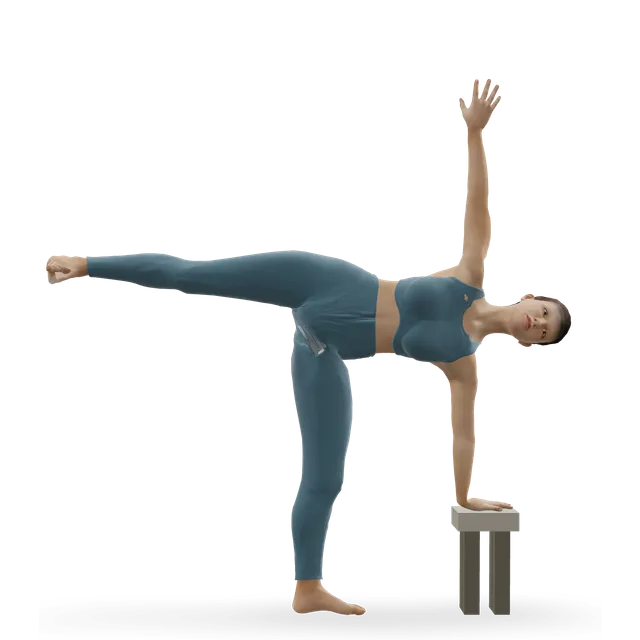
On rest days or after easy sessions. Tree: 30 seconds each side (our yoga for runners routine). Half moon, your back to a wall at first: 5 breaths each side (our power yoga workout). Single-leg stand: 2 holds of 30 seconds each leg (the FIFA 11+ warm-up, level 1).
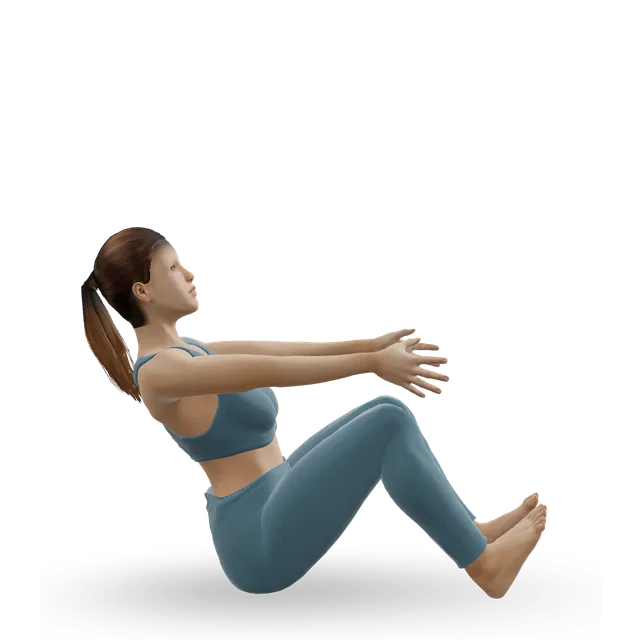
Extras, not a substitute for strength training. Chair pose: 3 holds of 30 to 45 seconds; side plank: 2 holds of 15 to 30 seconds each side (our strength yoga workout). Boat pose: 3 holds of 5 breaths; locust: 2 holds of 5 breaths (our power yoga workout).
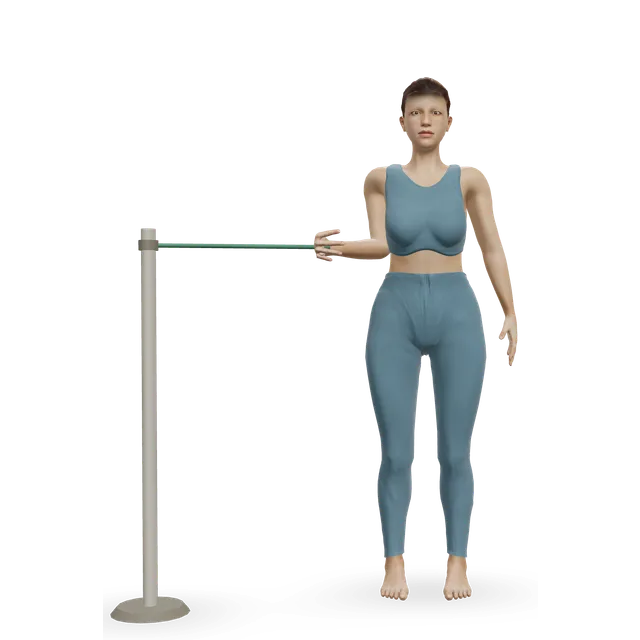
Hips for kicking and running, shoulders and upper back for throwing, racket sports and swimming. Pigeon preparation: 45 to 60 seconds each side (our post-run stretches and yoga for hips routine). The strap stretch: 45 seconds each side (our yoga for runners routine). Extended puppy: 2 holds of 45 seconds (our yoga for flexibility class). Wall calf stretch: 30 seconds each side (our post-run stretches). 90/90 hip lift-off: 3 holds of 5 to 8 seconds each way, each side; thread the needle: 30 to 60 seconds each side, 2 rounds (the moves' pages).
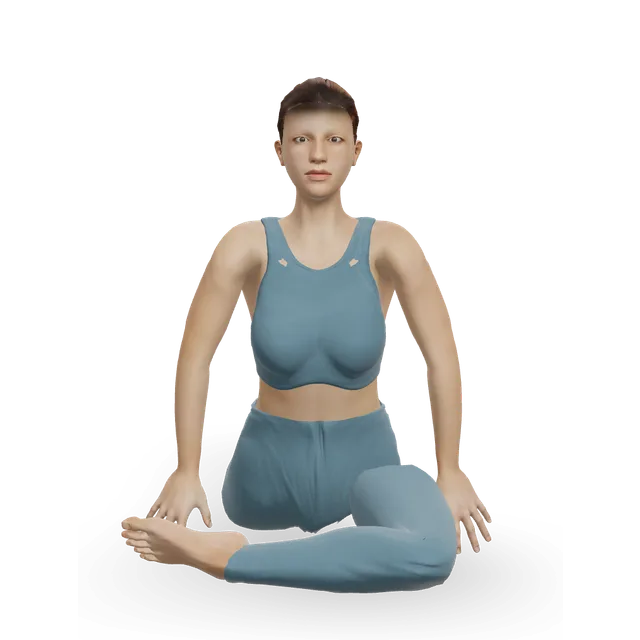 3D demoPigeon preparation (Eka Pada Rajakapotasana prep)Intermediate · No equipment
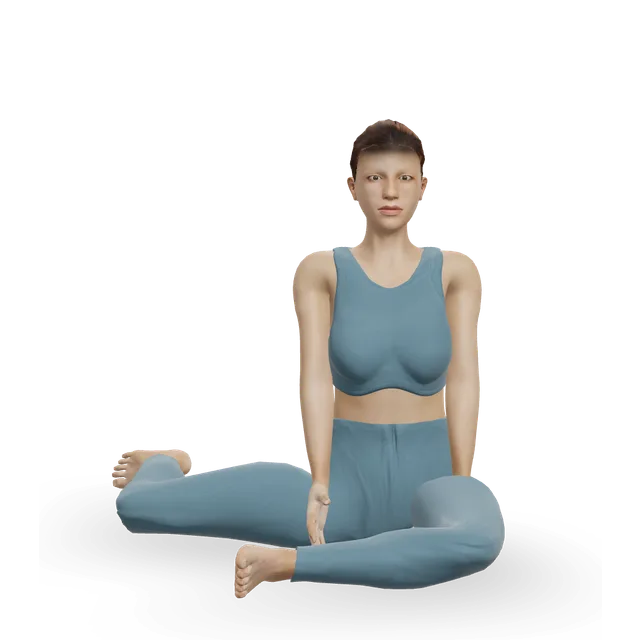 3D demo90/90 hip lift-offIntermediate · No equipment
 3D demoSupine hamstring stretch with a strapBeginner · No equipment
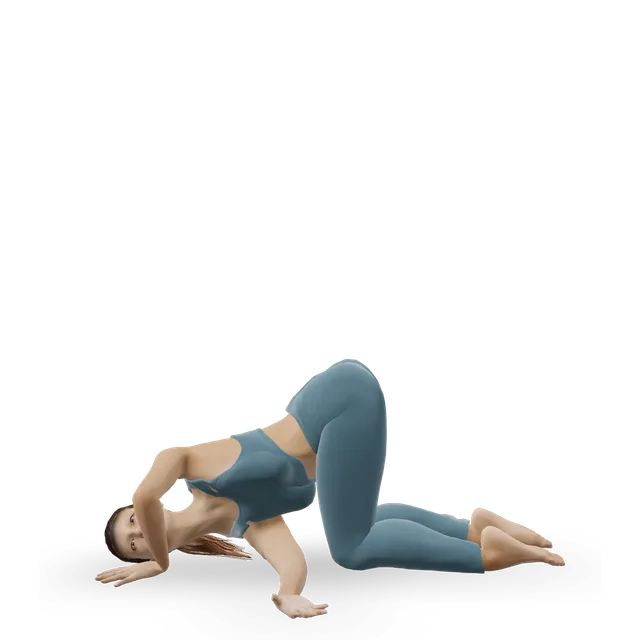 3D demoThread the needle (Parivrtta Balasana)Beginner · No equipment
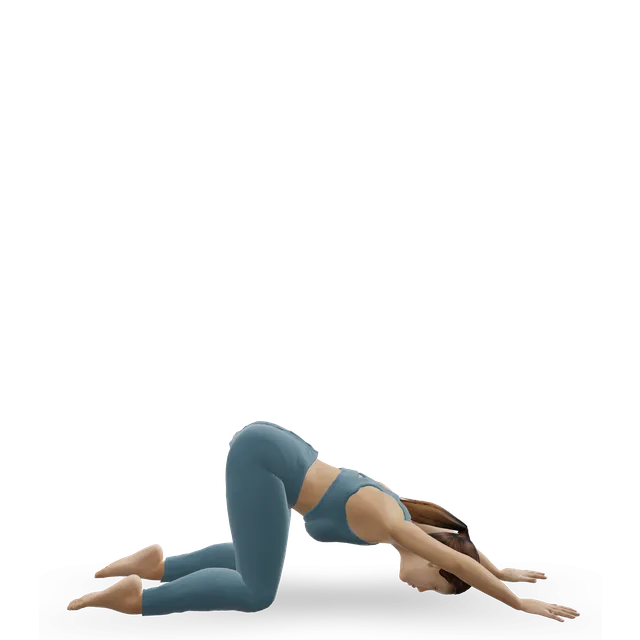 3D demoExtended puppy pose (Uttana Shishosana)Beginner · No equipment
 3D demoWall calf stretch (gastrocnemius)Beginner · A wall
Slow breathing: at least 5 minutes, done regularly; box breathing: 5 minutes a day, starting with a count of 3 or 4 (the moves' pages). Leave out fast, forceful breathing such as kapalabhati and bhastrika: it raised blood pressure and heart rate during practice, as our yoga for energy guide explains, and it isn't needed for recovery.
After hard training, our 20-minute yoga for runners routine follows the recovery trial and suits any sport. Before training, use a dynamic warm-up, with 2 or 3 slow sun salutations inside it. On rest days, choose mobility, flexibility, restorative or yin sessions; strength and power yoga are training, so count them in your week.
A 20-minute yoga cool-down for runners: calves, hip flexors, hamstrings and glutes, one balance pose and a rest, after an easy run or on a rest day.
20 minBeginner11 movesA wallA 10-minute cool-down for after a run, a class or a gym session: a few minutes of easy movement, stretches for the muscles you used, then slow breathing.
10 minBeginner9 movesCardio machine, A wallA 10-minute warm-up for any workout: raise your heart rate, move each joint through its range, rehearse the main movements, then ramp up to your first lift.
10 minBeginner12 movesA wall, A bandTwenty minutes of joint circles, a standing flow and end-of-range strength: yoga for range you can reach and control, for desk days, rest days or older joints.
20 minBeginner16 movesA step, A wallA 25-minute yoga sequence for the hamstrings, hips, inner thighs, spine and shoulders, holding each pose for 30 to 60 seconds, as in the stretching trials.
25 minBeginner12 movesNo equipmentA 45-minute restorative yoga sequence: five fully supported poses held for 4 to 10 minutes each, with slow breathing and a long final rest.
45 minBeginner6 movesFirm cushion, A wallA 25-minute easy session for rest days and sore muscles: easy cardio, a gentle mobility flow, optional rolling for sore spots, and slow breathing to finish.
25 minBeginner11 movesCardio machine, A wallA 35-minute yin-style session: seated and lying poses held for 2 to 4 minutes with slow breathing, finishing with legs up the wall and a long rest.
35 minBeginner9 movesA wallThirty minutes of standing yoga for balance: strong standing poses, one-leg poses at the wall, and side steps, backward steps, reaches and sit-to-stands.
30 minBeginner16 movesA wall, A bench or boxA 20-minute balance workout for steady adults: harder stances, head turns and eyes closed, single-leg reaches and hinges, step-ups and stuck landings.
20 minIntermediate13 movesA wall, A dumbbellThirty-five minutes of yoga built for strength: long standing holds, slow lowering from plank, single-leg balances and a band row, with harder options.
35 minIntermediate18 movesA step, A bandA 40-minute power yoga workout: sun salutations, lunges, strength holds, balances, core work and backbends, moving with the breath, then a rest.
40 minIntermediate18 movesA stepA 15-minute routine for cyclists: hips, upper back, chest, neck and wrists through the ranges riding doesn't use, plus back and neck endurance.
15 minBeginner12 movesA foam roller, A wallA 20-minute rotator cuff and shoulder-blade routine for swimmers, from a 12-week trial in competitive swimmers, plus a daily cross-body stretch.
20 minBeginner9 movesA wall, A dumbbellOur sports warm-ups, several built on injury prevention programmes with trials, such as FIFA 11+. Use yours before training, and keep longer yoga holds for afterwards or another day.
FIFA's 11+ injury prevention warm-up as its manual sets it out: running drills, strength, balance and jumping at three levels, then faster running.
20 minBeginner20 movesCardio machine, A wallA 20-minute warm-up that trains your knees to track over your toes: side-hip strength, squats and lunges with alignment practice, balance and quiet landings.
20 minBeginner10 movesA wall, A bandEngland Rugby's and World Rugby's Activate warm-up, the manual's adult sample phase: running, balance, partner holds, hops, sprints and neck holds.
25 minBeginner15 movesCardio machine, A wallNetball Australia's KNEE warm-up for players aged 14 and over: footwork drills, lunges, squats, arabesques, bridges, planks, landings, tuck jumps and Y-drills.
20 minBeginner20 movesCardio machine, A wallA 10-minute basketball warm-up from a Canadian programme: runs, shuffles, line hops, jump landings, planks, Nordics, lunges and one-leg balance with a ball.
10 minBeginner12 movesCardio machine, A wallA 12-minute warm-up for tennis, padel, squash or badminton: skipping, leg swings, trunk turns, band shoulder work, forearm circles, shuttles and landings.
12 minBeginner10 movesA wall, A bandA 10-minute golf warm-up: brisk marching, then the hip and trunk turns, hinge, side bend, lunge and jump from the one trial of a golf warm-up, twice through.
10 minBeginner9 movesA wallA 15-minute climbing warm-up: easy movement, shoulder and hip mobility, wrist and finger glides, scapular pulls, then hangs of 5, 10 and 20 seconds.
15 minBeginner9 movesPull-up bar, A bandA 15-minute martial arts warm-up: easy running, forward rolls and breakfall practice, leg swings, balance and hops, crawls, squats, side planks and bridges.
15 minBeginner17 movesCardio machine, A wallA dance warm-up for class, rehearsal or performance: easy cardio, ankle circles and rises, leg swings, spine moves, turnout, balance and small jumps.
15 minBeginner16 movesA wall, A dumbbellA gymnastics warm-up: skips, wrist circles and rocks, shoulder work, cat-cow, hollow and arch holds, leg swings, short splits holds and landings.
15 minBeginner18 movesA band, A wallEach sport's page covers its warm-up, strength sessions and common injuries; runners have our yoga for runners guide.
Football exercises with the evidence: FIFA's 11+ warm-up step by step, the Nordic and Copenhagen exercises that cut hamstring and groin injuries, and ACL tips.
RugbyRugby exercises with the evidence: the Activate warm-up as trialled, strength for tackling and sprinting, neck and shoulder work, and the concussion rules.
CyclingStrength training for cyclists, with the evidence: heavy leg work that lifts power, jumps for bone density, bike fit and back pain, and mobility.
SwimmingDryland training for swimmers, with the evidence: swimmer's shoulder, a shoulder care routine, strength and jumps for starts and turns, knees and backs.
GolfGolf exercises with the evidence: a warm-up, strength and power work for clubhead speed, hip and upper-back mobility, and how to protect your back and wrists.
ClimbingClimbing training with the evidence: what predicts grade, safe hangboard use, antagonist work, finger pulley and shoulder injuries, and growth plates in teens.
BasketballBasketball exercises with the evidence: a 10-minute warm-up linked with a third fewer ankle and knee injuries, ankle braces, ACL prevention and jump training.
Tennis and padelExercises for tennis and padel: a warm-up, a shoulder programme borrowed from handball trials, elbow care, footwork and power training, and eye safety.
Martial artsMartial arts training with the evidence: BJJ, judo, karate, taekwondo and MMA injuries, chokes and concussion rules, strength work and a breakfall warm-up.
Ice hockeyIce hockey training with the evidence: off-ice strength and jumps, a warm-up, body-checking ages, groin strains, neck guards, face shields and concussion rules.
Field hockeyField hockey workouts with the evidence: the tested Warming-up Hockey warm-up, a strength workout, hamstrings, ankles, backs, masks, goggles and concussion.
American footballAmerican football workouts with the evidence: strength and speed, a warm-up, youth contact limits, heat acclimatisation, concussion rules and flag football.
Olympic weightliftingOlympic weightlifting with the evidence: learning the snatch and clean and jerk, the 2026 rules and weight categories, injuries, youth lifting and two workouts.
DanceDance conditioning with the evidence: strength, jump and landing training, common ballet and street dance injuries, pointe readiness and eating enough.
Sprinting and hurdlesSprint and hurdles training with the evidence: hamstrings, the athletics prevention trial, starts, hurdle falls, young athletes' limits and two workouts.
These follow our concussion and cool-down guides, keeping the signs our sources here cover; our concussion guide lists all the red flags. A&E means accident and emergency. In the US, call 911 for 999, and use your doctor's urgent line or urgent care for NHS 111.
If you're told to go to A&E, don't drive yourself there after a head injury.
Source 36
If, after a head injury, you:
Source 36
The NHS says don't play contact sports for at least 3 weeks, and see a GP if symptoms last more than 2 weeks or you're not sure it's safe to go back to sport. Come back to yoga through the graded steps in our concussion guide, with no head-down poses or inversions until you're cleared, and stop if symptoms come back (our suggestion, following that guide).
Source 36
Stop and call 999 for chest pain or discomfort that comes on suddenly and doesn't go away (it can feel like squeezing or pressure, burning or indigestion), pain that spreads to your arms, neck, jaw, stomach or back, or chest pain with sweating, feeling sick, light-headedness or breathlessness.
Source 37
Get help from NHS 111 if an injury is very painful or getting worse, badly swollen or bruised, you can't put weight on it or walk more than a few steps, or it feels very stiff. Call 999 or go to A&E if you heard a crack, it has changed shape or points at an odd angle, or it's numb, tingling, cold or a different colour.
Source 38
A joint pain that is sharp, gets worse during a session, lingers into the next day or changes how you move is a reason to use an easier version, and to see a GP or physiotherapist if it keeps happening (the rule in our plans). Muscle soreness for a day or two after something new is normal. In a hot class, stop if you feel dizzy, sick or unwell; our hot yoga guide lists the signs of heat illness.
We found no trial that counted sports injuries after yoga. Stretching didn't prevent sports injuries in trials, while strength training cut them to under a third and balance training to about half, and the stretching consensus doesn't recommend stretching for injury prevention.
Only long static holds (60 seconds or more per muscle) just before explosive work cost a little, about 4.6%; shorter holds and flowing movement don't. Over weeks, stretching hardly changes jumping or sprinting. Flow before training, hold afterwards.
Fifteen minutes of yoga after interval training slowed breathing faster than stretching for 10 to 15 minutes, but 4 weeks of slow breathing after sprint training didn't improve recovery or performance, and stretching barely changes soreness. Enjoy it as a cool-down.
Rugby players who did yoga didn't sprint faster, high school runners ran a mile about a second faster after 20 minutes of yoga, less than after a motivational routine, and long-term stretching barely changes sprinting or jumping.
That's anecdote: we found no trial that counted injuries after yoga in any sport. Strength, balance and multi-part warm-up programmes did cut injuries in trials, and our sports pages have them.
No study we read shows it. Stretching researchers don't recommend stretching as a recovery routine, though they leave it to preference. Restful sessions can help you switch off, and they belong on easy days.
One study in 10 elite hockey players, with no comparison group, found plasma volume first fell and then rose 72 hours later, with only trivial change in maximal aerobic power. Hot yoga also adds load and fluid loss.
Source 13
Slow breathing raises heart rate variability in the moment, but it didn't add to sprint-training gains over 4 weeks or change power between squat sets, and biofeedback studies are small. Use it to settle and focus.
It can add flexibility, balance, a calm way to recover and breathing practice, but it doesn't replace strength, speed or sport training. The trials in athletes are small, and few were randomised.
In small trials, athletes gained flexibility and one-leg balance: college athletes improved their sit-and-reach by about 4.6 cm in 10 weeks, and rugby players kept their hamstring flexibility through a season. Performance gains were small or absent.
It hasn't been tested: we found no trial that counted sports injuries after yoga. Strength and balance training prevented injuries in trials and stretching didn't, so use your sport's injury prevention warm-up as well.
Not if you time it. Static holds of 60 seconds or more per muscle just before explosive work cut performance by about 4.6%, while shorter holds and flowing movement don't, so flow before training and hold afterwards or on rest days.
Before: a few minutes of flowing yoga inside your warm-up. After, or on rest days: longer holds and slow breathing. Our yoga for runners routine works after any hard session.
In 20 athletes, 15 minutes of yoga after interval training slowed breathing and raised heart rate variability faster than stretching, for 10 to 15 minutes. That's a short-term effect: stretching doesn't reduce next-day soreness, and 4 weeks of slow breathing didn't improve recovery after sprint training.
Yes, if it's gentle: a restorative, yin or slow mobility session suits a rest day. A power or hot class is training, so count it in your week.
It depends on what you need: hold-based hatha or yin for flexibility, balance poses for control, restorative yoga for easy days, and slow breathing for winding down. Vinyasa and power yoga are light to moderate exercise, not rest.
Not as a training tool: in 10 elite hockey players, 6 days of hot yoga changed blood volume but barely changed maximal fitness. It adds heat and fluid loss, so skip it in the day before a long event.
Slow breathing helps you settle, and it raises heart rate variability in the moment. But in a 2026 trial it didn't add to the gains from sprint training or speed recovery, and it didn't change power between squat sets.
Once or twice a week for 20 to 60 minutes is a reasonable start (our suggestion); the trials used two classes of 60 to 90 minutes a week. Keep your strength sessions.
Stop at once and get checked: call 999 for warning signs such as being knocked out, a fit, or new problems with vision, balance or speech, and NHS 111 if you're being sick or dizzy. Come back to yoga through the graded steps in our concussion guide, with no inversions until you're cleared.
Exercise education, not a personal prescription, and clinical review of these guides is pending. If you are pregnant, have a health condition such as glaucoma, high blood pressure or osteoporosis, or have had recent surgery, check with a doctor, midwife or physiotherapist before starting, and stop for sharp or increasing pain. Health disclaimer.