Sports training
Netball warm-up: the KNEE programme
Most netball injuries happen to knees and ankles on landing. Netball Australia's KNEE programme trains safe take-off, landing, slowing down and changing direction, and it's built from the same parts as warm-ups that cut ACL (anterior cruciate ligament) injuries in young female athletes in other sports. No study has tested it on injury rates in netball. Netball Australia asks for its four parts at least twice a week, ideally before every session, kept up all season; its manual differs on how many exercises to choose from each part, so this selection, and its 20 minutes, are our choice. In community clubs, only 12% to 18% of the programme was done as intended, and the strength and landing parts were the ones skipped. You need half a court and a partner.
Jog and footwork
- Treadmill joggingHalf courtIntermediate · Quads, Calves, Glutes · 3D demoJog forwards, light on your feet, eyes upEasier: Treadmill walkingHarder: Sprint intervals
- Backward walkingHalf courtBeginner · 3D demoJog backwards to the start, staying tallHarder: Backward sled drag
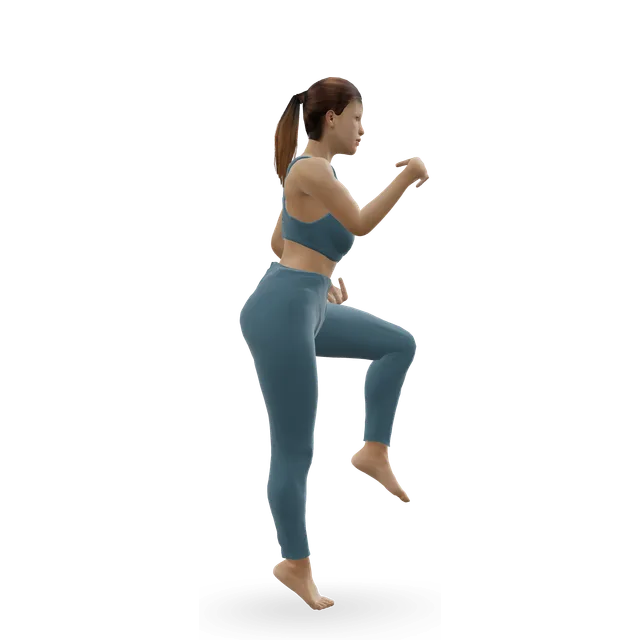
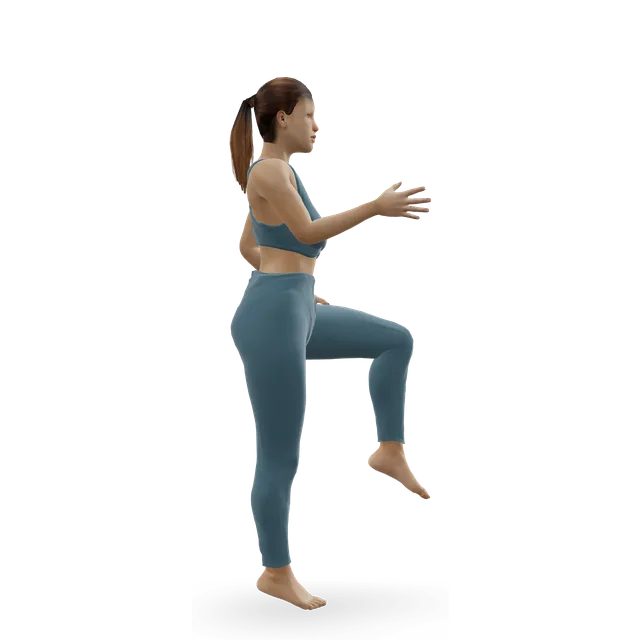
- Standing marchHalf courtBeginner · Hip flexors, Abs, Glutes · 3D demoWalking As: knee high, opposite arm up, rise onto the toes of the standing legHarder: Standing band hip flexion
- SkippingHalf courtBeginner · Calves, Hip flexors, Quads · 3D demoSkipping As, once walking As are easyEasier: Ankle bounces (mini pogo)Harder: Alternate-leg bounding
- Side-stepping (sideways walking)Half courtBeginner · Hip abductors, Glutes, Adductors · 3D demoSide skip and squat: 4 skips, then sit back and hold for 1 sHarder: Lateral band walk

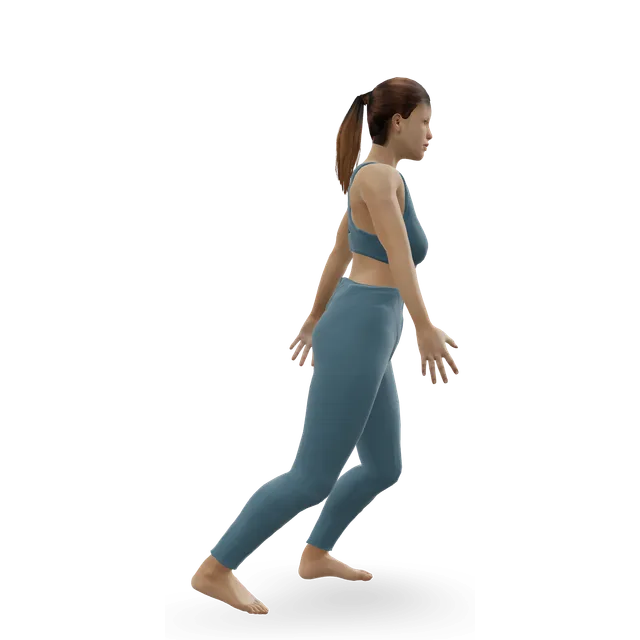



Shuffles
- Side-stepping (sideways walking)10 leading with each leg, then half courtBeginner · Hip abductors, Glutes, Adductors · 3D demoQuick forward and backward shuffles over a line, then forwards, backwards and sideways down the courtHarder: Lateral band walk
Walking stretches
- Walking lungeHalf courtIntermediate · Quads, Glutes, Hamstrings · 3D demoHold each lunge for 2 sEasier: Split squatHarder: Split squat with dumbbells
- Hip-hinge practiceHalf courtBeginner · Glutes, Hamstrings, Back · 3D demoWalking hamstring and glute stretch: heel forward and hinge, then cross a foot over the other kneeHarder: Dumbbell Romanian deadlift
- Standing hip CARsHalf courtBeginner · Glutes, Hip flexors, Hip abductors · 3D demoHip rotation walk: draw a big circle with each kneeHarder: 90/90 hip lift-off
- Standing quad stretchHalf courtBeginner · Quads, Hip flexors · 3D demoWalking quad stretch, holding each for 2 sHarder: Couch stretch
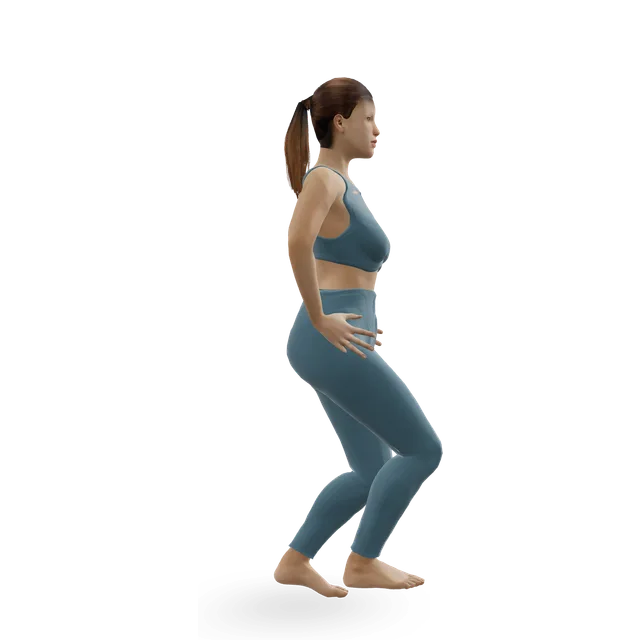



Strength
- Reverse lunge2 × 12 each legIntermediate · Quads, Glutes, Hamstrings · 3D demoStep back, then drive the knee upEasier: Split squatHarder: Split squat with dumbbells
- Bodyweight squat2 × 12Beginner · Quads, Glutes, Hamstrings · 3D demoArms overhead; sit back, heels downEasier: Sit squat (partial squat)Harder: Dumbbell goblet squat
- Single-leg Romanian deadlift2 × 8 each sideAdvanced · Hamstrings, Glutes, Abs · 3D demoArabesque: hinge on one leg, arms out to the sidesEasier: Dumbbell Romanian deadlift
- Glute bridge2 × 12Beginner · Glutes, Hamstrings, Abs · 3D demoHips up, ribs downEasier: Pelvic tilt into bridgeHarder: Glute kickback (quadruped hip extension)
- Forearm plank2 × 30 sIntermediate · Abs, Shoulders, Glutes · 3D demoLong bodyEasier: Stomach vacuum (drawing-in)Harder: Plank walk-up
- Side plank30 s each sideIntermediate · Abs, Hip abductors, Shoulders · 3D demoHips highEasier: Knee side plankHarder: Side plank with leg lift






Balance and landing
- Single-leg hop and stick5 each leg, hold 2 sIntermediate · Quads, Glutes, Calves · 3D demoSit back slightly before take-off; land quietly, knee over the footEasier: Standing broad jump with stuck landingHarder: Alternate-leg bounding
- Intermediate · Quads, Glutes, Calves · 3D demoTwo-footed jump and land, arms up as if catchingEasier: Standing long jumpHarder: Box-to-box depth jump
- Tuck jump2 × 5Intermediate · Quads, Glutes, Calves · 3D demoLand softly every timeEasier: Jump squatHarder: Box-to-box depth jump

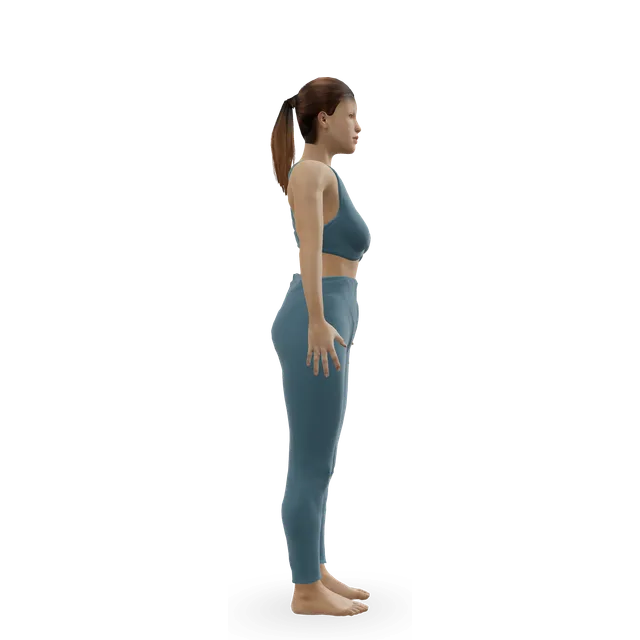
Partner landings
- Single-leg hop and stick5 landings each legIntermediate · Quads, Glutes, Calves · 3D demoA partner gives you a gentle nudge in the air; land balanced and holdEasier: Standing broad jump with stuck landingHarder: Alternate-leg bounding
Agility
- Alternate-leg bounding2 × half courtAdvanced · Glutes, Quads, Calves · 3D demoForward bounds, tall and springyEasier: SkippingHarder: Diagonal bounds
- Side-stepping (sideways walking)2 × half courtBeginner · Hip abductors, Glutes, Adductors · 3D demoDefensive shuffle, low and wideHarder: Lateral band walk
- Shuttle runs2 each sideAdvanced · Quads, Glutes, Calves · 3D demoY-drill: sprint, slow down in small steps, then cutEasier: Treadmill jogging
Tips
- Add butt flicks, forwards and backwards over half court, after the walking As; the figure can't show them.
- Netball Australia advises bringing in one part at a time over a few weeks, and doing fewer exercises well rather than many poorly.
- Coach with cues about the result, as the KNEE manual does: "imagine sitting back in a chair" when landing, rather than "bend your knees".
- Players under 14 have Netball Australia's junior version.
- After an ankle sprain: a brace for sport through the season, and the balance programme in our sprained ankle guide.
- A knee that pops, swells quickly or gives way: stop and get advice from NHS 111 the same day, as our ACL injury guide explains.
The doses are suggested starting points, not a prescription. Choose a range you can control and stop for sharp or increasing pain, numbness or tingling. Get individual advice after an injury or surgery, or if you are pregnant or managing a health condition.
Guides that recommend it
Find more moves like these
More sports training


Injury prevention exercises for runners
Foot, calf, balance and hop exercises taken from the running trials with positive results, in a 25-minute home routine for 3 or 4 days a week.
25 minBeginner11 movesOther / check instructions, A bench or box

Plyometrics for runners
A 20-minute hop and bound session for runners: ankle bounces to pogo hops, one-leg hops and bounding, building foot contacts slowly over 10 weeks.
20 minIntermediate8 movesCardio machine

Strength workout for cyclists (gym)
A 50-minute gym session for cyclists: heavy squats, one-leg presses, hip flexion and calf raises as in the cycling trials, plus jumps for bone.
50 minIntermediate13 movesCardio machine, A barbellQuestions people ask
How long does the netball warm-up: the knee programme take?
About 20 minutes, including any warm-up and cool-down listed. Shorten it by doing fewer rounds; lengthen it by adding one.
What equipment do I need?
You need: Cardio machine, A wall, A dumbbell. Each move links to its guide, where you can find an alternative if you are missing something.
Is it suitable for beginners?
It is written for beginners. 14 of its 20 moves have an easier option listed beside them if you need one.
How do I make it easier or harder?
Use the easier or harder option listed under each move, change the number of rounds, or adjust the rest. Progress one change at a time.