Yoga flows
Yoga for runners: 20 minutes after a run or on a rest day
A 20-minute yoga cool-down for runners, built on the routine a recovery trial used after hard interval training and on our post-run stretches. Do it after an easy run, on a rest day or in the evening, once your breathing has settled. It won't prevent injuries or make you faster on its own: it's a calm way to loosen up and wind down, alongside your strength training. Go to a gentle stretch, not your limit, and come out of any pose that brings on sharp pain, tingling or numbness. Before a run, use our runner's warm-up instead, with 2 or 3 slow sun salutations if you like.
Settle
- Beginner · 3D demoLying or sitting, once your breathing has come down after the runEasier: Breath reachHarder: Crocodile breathing (prone diaphragmatic breathing)
- Beginner · Back, Shoulders, Glutes · 3D demoKnees wideHarder: Extended puppy pose (Uttana Shishosana)


Calves and hamstrings
- Beginner · Shoulders, Hamstrings, Calves · 3D demoPedal your heels: bend one knee, then the other, to reach both calf musclesEasier: Extended puppy pose (Uttana Shishosana)Harder: Half handstand at the wall (Ardha Adho Mukha Vrksasana)

Hip flexors
- Low lunge (Anjaneyasana)45 s each sideBeginner · Hip flexors, Quads, Glutes · 3D demoBack knee padded; tuck your pelvis underEasier: Half-kneeling hip flexor stretchHarder: High lunge (crescent lunge, Ashta Chandrasana)
- Warrior I (Virabhadrasana I)50 s each sideIntermediate · Quads, Glutes, Hip flexors · 3D demoBack heel down; a shorter stance if the back calf or Achilles complainsEasier: Low lunge (Anjaneyasana)Harder: Warrior III (Virabhadrasana III)


Balance
- Tree pose (Vrksasana)30 s each sideBeginner · Glutes, Hip abductors, Calves · 3D demoFingertips on a wallEasier: Mountain pose (Tadasana)Harder: Standing hand-to-big-toe pose (Utthita Hasta Padangusthasana)

Hamstrings and glutes
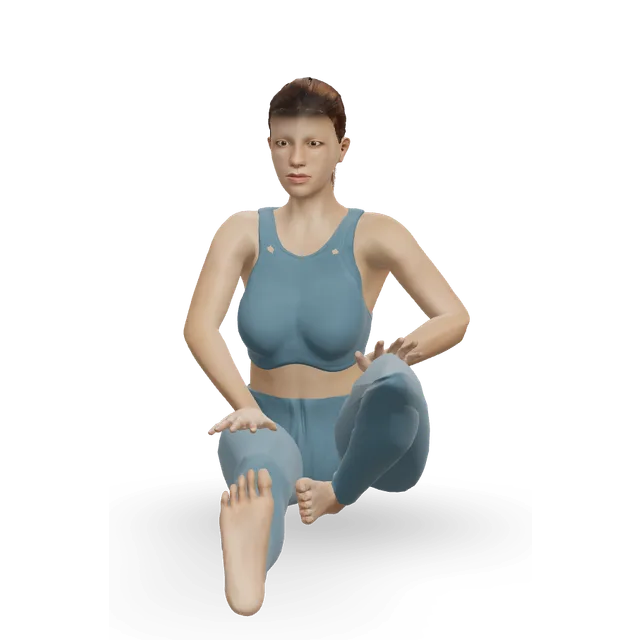
- Head-to-knee pose (Janu Sirsasana)50 s each sideBeginner · Hamstrings, Back, Adductors · 3D demoSit on a folded blanket and bend the knee; skip it with pain at the sitting boneHarder: Seated forward fold (Paschimottanasana)
- Beginner · Glutes · 3D demoSkip it with pain on the outside of the hipHarder: Pigeon preparation (Eka Pada Rajakapotasana prep)
- Supine hamstring stretch with a strap45 s each sideBeginner · Hamstrings, Calves · 3D demoStraight leg up, other knee bent; skip it with pain at the sitting boneEasier: Leg-up hamstring stretchHarder: Contract-relax hamstring stretch (PNF)


Rest
- Beginner · Hamstrings, Calves · 3D demoOptional; with glaucoma, skip it or keep your hips on the floorHarder: Plow pose (Halasana)


Tips
- After easy runs, on rest days or in the evening. Don't do long holds just before speed work, hills or a race: holds of a minute or more per muscle can sap power for a while.
- Keep your strength sessions: our strength training plan for runners has two a week, and strength training has better evidence for running economy and injuries than stretching.
- With pain on the outside of the hip or at the sitting bone, leave out the head-to-knee pose, figure four and strap hamstring stretch, as our post-run stretches advise.
- Before a run, use the runner's warm-up instead, with 2 or 3 slow sun salutations if you like.
- Pain in one spot on a bone that gets worse with each run, or aches at night, can be a stress fracture: stop running and get it checked.
The doses are suggested starting points, not a prescription. Choose a range you can control and stop for sharp or increasing pain, numbness or tingling. Get individual advice after an injury or surgery, or if you are pregnant or managing a health condition.
Guides that recommend it
Find more moves like these
More yoga flows



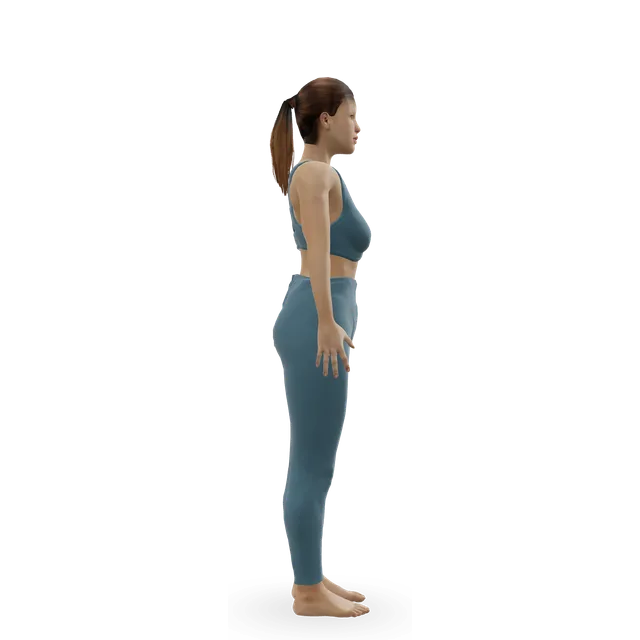
Beginner yoga flow
A 20-minute beginner yoga sequence: mountain, chair, warrior II, triangle, tree, down dog, cobra and child's pose.
20 minBeginner11 movesA step
Sun salutation flow
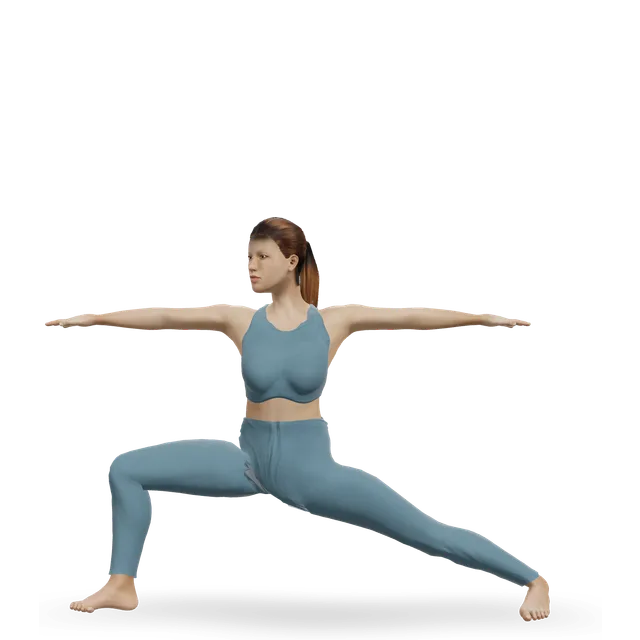
A 20-minute flow built on sun salutations A and B, with warrior poses and a short cool-down.
20 minIntermediate8 movesNo equipment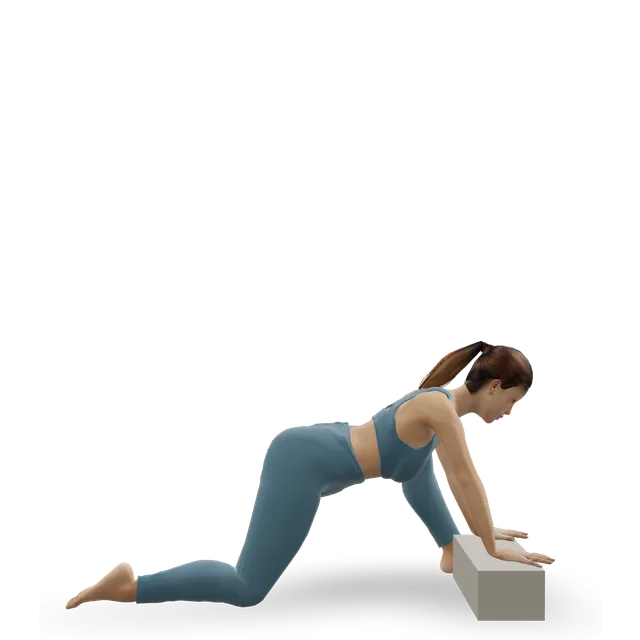
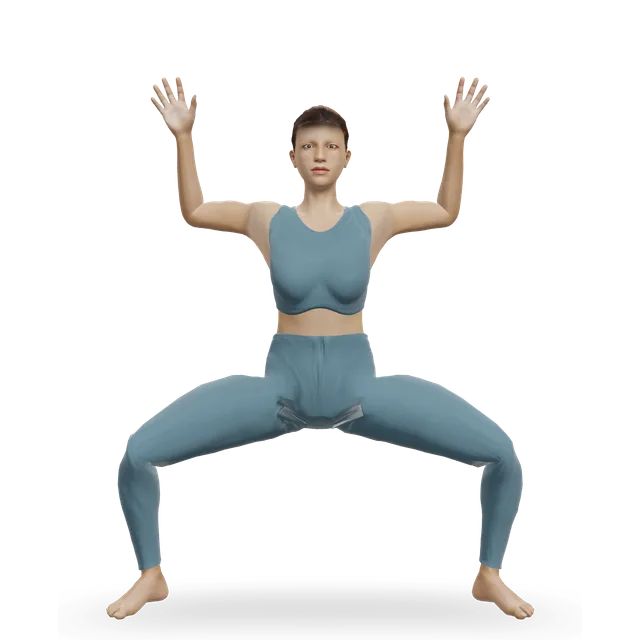
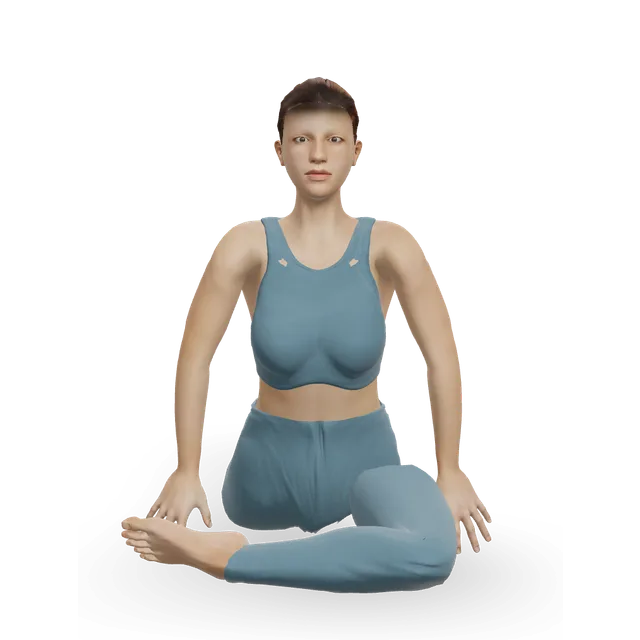
Yoga for tight hips
A hip-opening yoga sequence: low lunge, lizard, goddess, pigeon, bound angle and happy baby.
20 minBeginner7 movesNo equipmentQuestions people ask
How long does the yoga for runners: 20 minutes after a run or on a rest day take?
About 20 minutes, including any warm-up and cool-down listed. Shorten it by doing fewer rounds; lengthen it by adding one.
What equipment do I need?
You need: A wall. Each move links to its guide, where you can find an alternative if you are missing something.
Is it suitable for beginners?
It is written for beginners. 6 of its 11 moves have an easier option listed beside them if you need one.
How do I make it easier or harder?
Use the easier or harder option listed under each move, change the number of rounds, or adjust the rest. Progress one change at a time.