Hardly any trials in runners
A search found only 3 small studies of yoga in runners. In the only one testing poses, 20 minutes of yoga before a mile made high school runners about 1 second faster.
Yoga guide
Yoga can make runners more flexible, steadier on one leg and calmer after hard sessions. But almost no trials have tested yoga in runners, and nothing shows it prevents running injuries or makes you faster: being more flexible doesn't improve running economy, and stretching doesn't prevent injuries.
Used well, it's a useful extra alongside your running and strength training. This guide covers what the evidence shows, why the injury claims don't hold up, how to fit yoga into a training week and what to do before and after a run, with a 20-minute post-run routine and every pose shown in 3D.
A search found only 3 small studies of yoga in runners. In the only one testing poses, 20 minutes of yoga before a mile made high school runners about 1 second faster.
In college athletes, rugby players and track and field athletes, yoga improved flexibility and one-leg balance a little, but it didn't make rugby players sprint faster.
Less flexible runners were, if anything, more economical, and stretching made no difference to running economy (the energy you use to run at a given pace).
No trial shows yoga prevents running injuries, and stretching doesn't. Strength and balance programmes have better evidence, including a supervised hip and core programme in new runners.
Heavy and jump-based strength training improve running economy, while lighter and static strength training didn't; yoga poses are closer to the second kind (our reading).
Source 11
Short stretches before a run cost little, and stretching didn't change running economy. Flow through lunges and sun salutations before you run, and save longer holds for after easy runs or rest days.
People mean different things by yoga for runners. Our way of separating them:
Our targets, matching our post-run stretches and running pain guides: both calf muscles (straight-knee and bent-knee), the hip flexors, quads, hamstrings, outer hip and buttock, inner thighs and feet, plus balance on one leg and control of the hips and trunk.
A search of research titles found 8 papers combining yoga and running, only 3 of them studies in runners. In 90 high school runners, 20 minutes of yoga 20 minutes before a mile improved times by about 1 second (6:20 to 6:19), against 5 seconds faster after a motivational routine.
In 21 runners, 3 weeks of yogic breathing for 30 minutes a day improved lung-function tests but not running economy, and in the same group the pace people chose at a set effort rose. The studies weren't randomised and came from one lab.
Twice-weekly yoga for 10 weeks improved sit-and-reach by about 4.6 cm (1.8 inches) and one-leg balance by about 4 seconds in college athletes, against athletes who didn't do yoga. Rugby players who did yoga kept their hamstring flexibility through a season (down 1.2% against 14.8%) but didn't sprint faster, and cricketers and volleyball players improved flexibility and balance.
A 2025 review of track and field athletes found gains in flexibility and balance and moderate strength gains, in studies of fair quality. Most of these studies were small and many weren't randomised.
In 19 well-trained runners, those who were less flexible at the ankle and hip were more economical, perhaps because stiffer tissues store and return more elastic energy. A 2025 review found stretching made no difference to running economy straight away, and only 2 old trials looked at longer-term effects, finding none.
Heavy, jump-based and combined strength training improve running economy, and lighter or static strength work didn't; in most studies, strength training improved economy by 2 to 8%. Yoga holds are lighter and mostly static, so keep 2 strength sessions a week.
In one crossover trial of 20 male athletes, 15 minutes of yoga after hard interval training slowed breathing and raised heart rate variability (a sign the body is settling) faster than static stretching. That's a single small trial. Stretching after exercise reduces soreness by only about 1 point on a 100-point scale, and doesn't speed the recovery of strength.
Women who already did yoga had less soreness after a hard step test than women who didn't, in a study that wasn't randomised.
Source 21
In a Cochrane review of 6 trials with 5,130 people, stretching didn't prevent soft-tissue leg injuries in runners. In 1,538 army recruits, stretching before exercise didn't reduce injuries, and in 421 recreational runners, warm-up, cool-down and stretching advice didn't either.
No trial has counted running injuries after yoga. One volleyball trial reported lower injury risk after yoga without counting injuries.
Across sports, strength training cut injuries to under a third and balance training to about half. In runners, exercise programmes overall didn't reduce injuries across 9 trials, though supervised ones did in an added analysis, and a physiotherapist-supervised hip and core programme before runs cut overuse injuries by 39% against static stretching in 325 new runners. Our running guide and strength training plan for runners cover these.
The NHS suggests gentle exercise such as yoga or swimming while shin splints heal. Leave out poses that load the sore area, and follow the guide for your injury: with pain on the outside of the hip or at the sitting bone, our post-run stretches leave out the strap hamstring stretch, the figure four and the pigeon.
Source 25
In a review, static stretches held for 60 seconds or more per muscle cut strength and power by 4.6% on average, against 1.1% for shorter holds, and moving afterwards removed the clear effect. In runners, stretching didn't change running economy, and the review's authors say it seems unreasonable to avoid stretching before a run. The NHS suggests 5 to 10 minutes of brisk walking or gentle jogging to warm up.
Two to five minutes of flowing yoga, such as 2 or 3 slow sun salutations and a few lunges moving in and out with the breath, then your usual warm-up or our runner's warm-up. Keep any hold under 30 seconds.
The NHS cool-down holds each stretch for 15 to 20 seconds and takes about 5 minutes. Stretching after a run feels good, but it doesn't meaningfully reduce soreness or speed the recovery of strength. Our routine holds poses for 30 to 50 seconds, within the 30 to 60 seconds our flexibility guide suggests; the recovery trial used 50 seconds, twice.
These are our editorial suggestions: no trial has tested how runners should fit yoga in.
One or two sessions a week of 15 to 45 minutes. The trials in athletes used about an hour, twice a week.
A short yoga cool-down after easy runs, a longer hold-based or restorative session on rest days, and hip and calf holds in the evening. Avoid long holds right before intervals, hill sprints or races.
Source 12
Hold-based hatha or yin-style sessions suit flexibility, and restorative yoga suits rest days and taper weeks. Vinyasa and power yoga are light to moderate exercise, so count them as an easy session, not rest. Leave hot classes out of the 24 hours before a long run or race: a 90-minute hot class can cost about 1.5 litres of sweat, as our hot yoga guide explains.
Keep 2 strength sessions a week; our strength training plan for runners has them. Yoga is an extra, not a swap.
In a marathon block, put yoga on easy or rest days, keep it gentle in taper weeks, and choose restorative yoga or an easy walk in the days after the race.
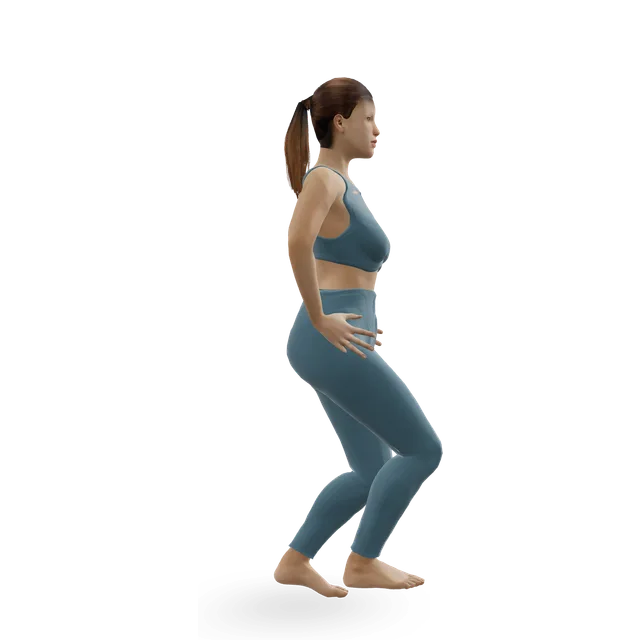
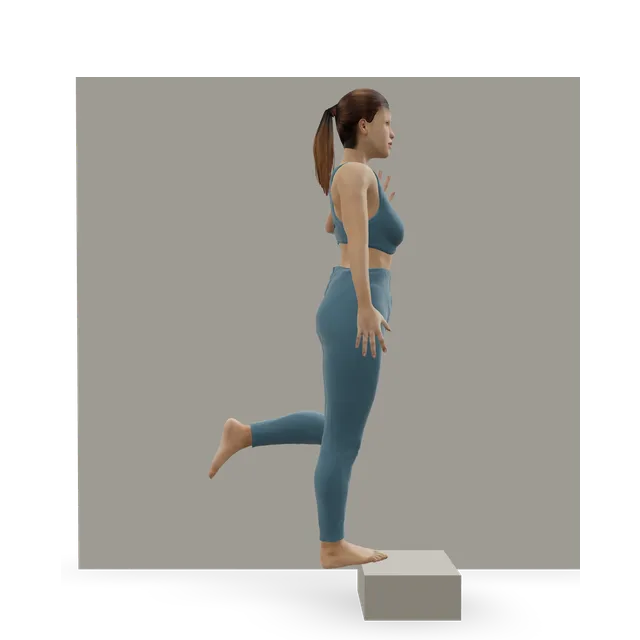
Keep moving: 2 or 3 slow sun salutations, 5 slow rocks in and out of each lunge, 4 slow reps of the world's greatest stretch each side (the move page's dose) and 3 breaths a side in warrior III near a wall, then your usual warm-up.
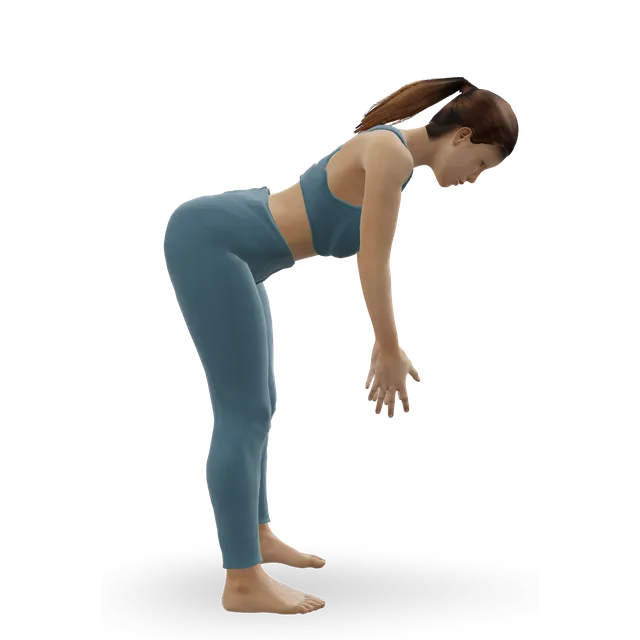
Hold for 30 to 50 seconds each side (our suggestion, in line with our post-run stretches), pedalling your heels in downward dog to reach both calf muscles, and leave out half frog if your knees hurt.
 3D demoDownward-facing dog (Adho Mukha Svanasana)Beginner · No equipment
 3D demoWall calf stretch (gastrocnemius)Beginner · A wall
 3D demoSoleus wall stretchBeginner · A wall
 3D demoLow lunge (Anjaneyasana)Beginner · No equipment
 3D demoHalf-kneeling hip flexor stretchBeginner · No equipment
 3D demoStanding quad stretchBeginner · A wall
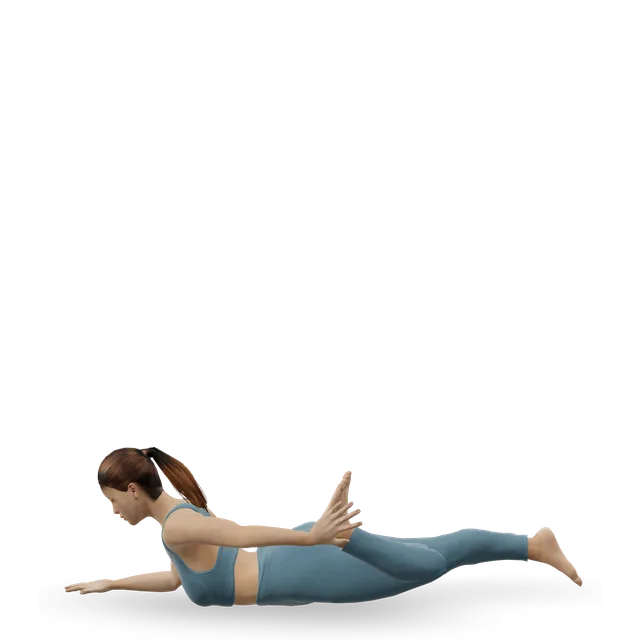 3D demoHalf frog pose (Ardha Bhekasana)Intermediate · No equipment
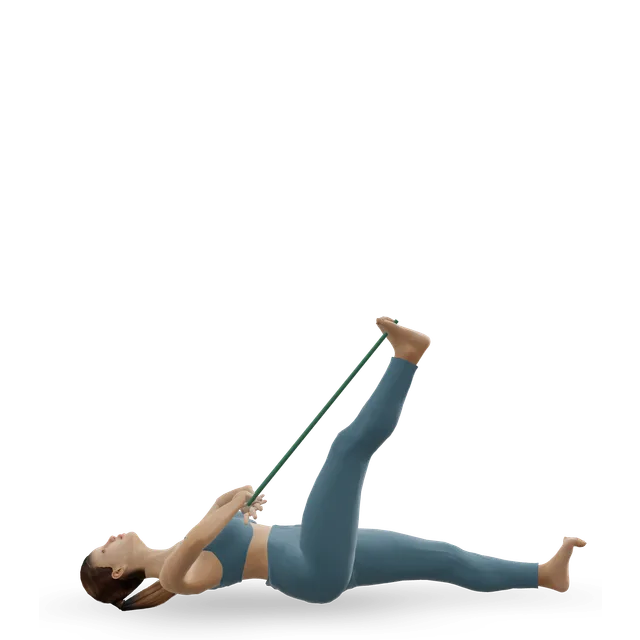
Hold for about 45 seconds each side (our suggestion), and leave out the hamstring stretches, figure four and pigeon if you have pain on the outside of the hip or at the sitting bone.
 3D demoSupine hamstring stretch with a strapBeginner · No equipment
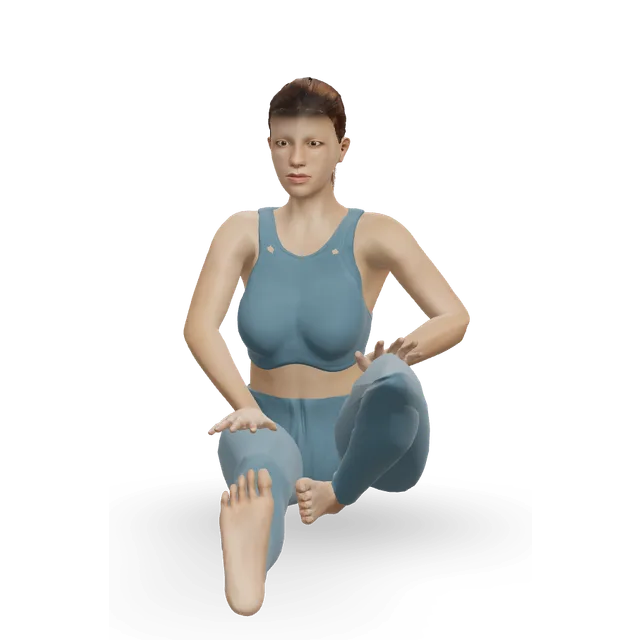 3D demoHead-to-knee pose (Janu Sirsasana)Beginner · No equipment
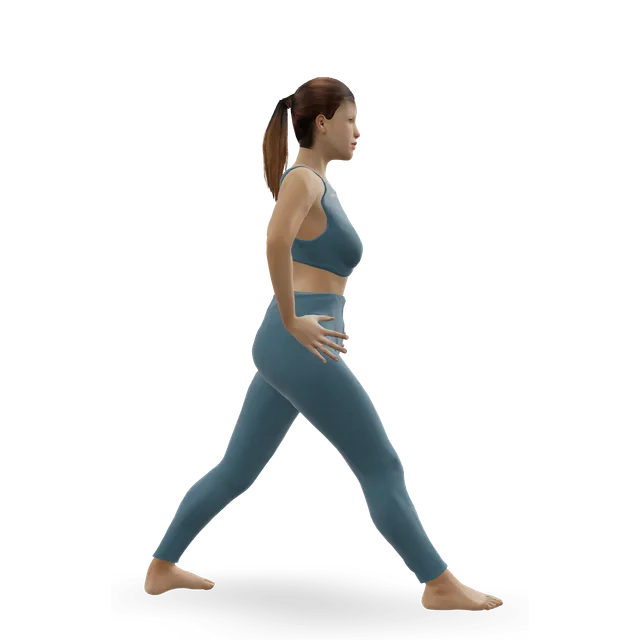 3D demoPyramid pose (Parsvottanasana)Intermediate · No equipment
 3D demoReclined figure four (eye of the needle, Sucirandhrasana)Beginner · No equipment
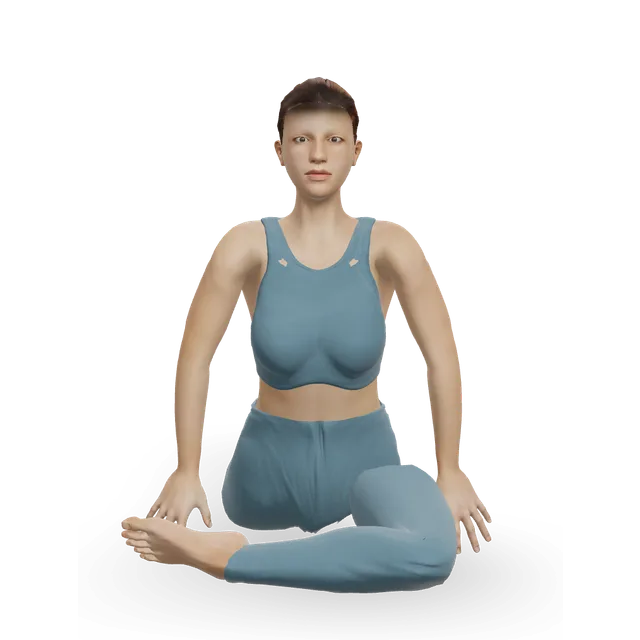 3D demoPigeon preparation (Eka Pada Rajakapotasana prep)Intermediate · No equipment
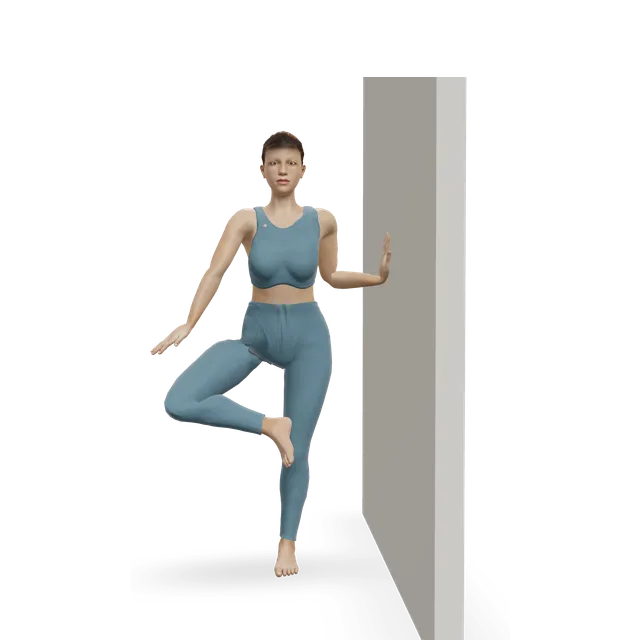 3D demoStanding figure four (chair pigeon, Eka Pada Utkatasana)Intermediate · A wall
 3D demoLizard pose (Utthan Pristhasana)Intermediate · No equipment
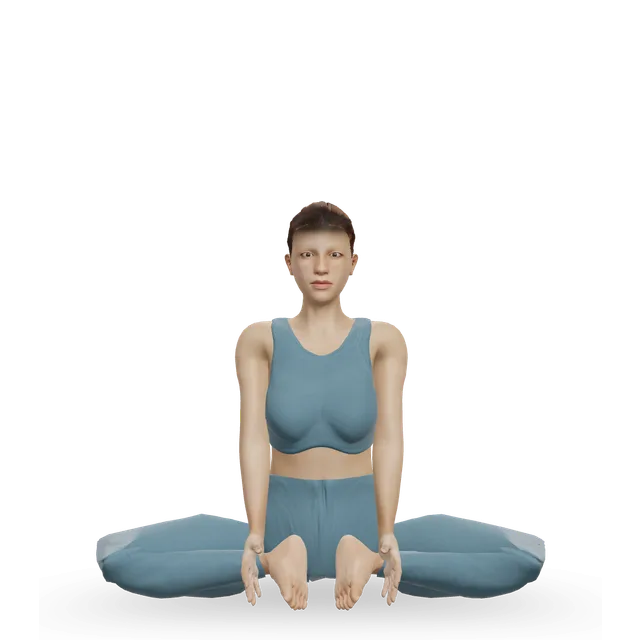 3D demoBound angle pose (Baddha Konasana)Beginner · No equipment
Finish with 2 minutes of slow breathing and 3 minutes of corpse pose, as in the recovery trial; with glaucoma, keep your hips on the floor in legs up the wall, or leave it out.
 3D demoSupine spinal twist (Supta Matsyendrasana)Beginner · No equipment
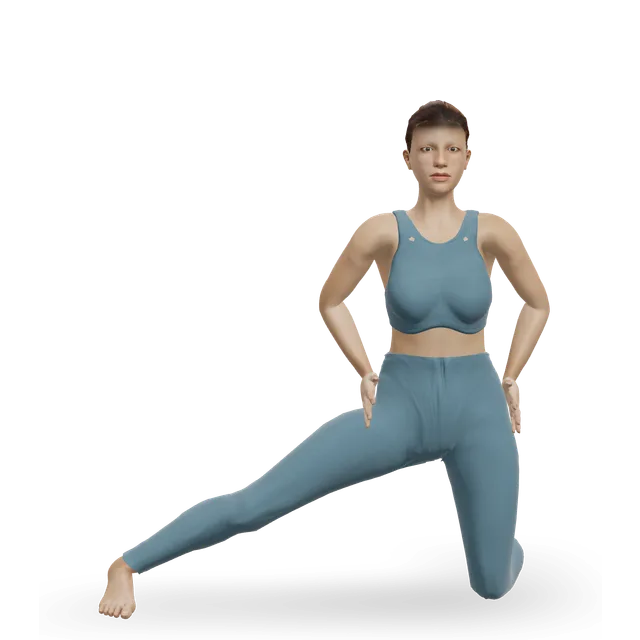 3D demoGate pose (Parighasana)Beginner · No equipment
 3D demoChild's Pose (Balasana)Beginner · No equipment
 3D demoLegs up the wall (Viparita Karani)Beginner · A wall
 3D demoSlow breathing (6 breaths a minute)Beginner · No equipment
 3D demoCorpse pose (Savasana)Beginner · No equipment
Hold for 3 to 5 breaths each side, or 2 or 3 holds of 15 to 30 seconds (our suggestion), on rest days or after easy runs: an extra, not instead of strength training.
 3D demoTree pose (Vrksasana)Beginner · No equipment
 3D demoWarrior III (Virabhadrasana III)Advanced · No equipment
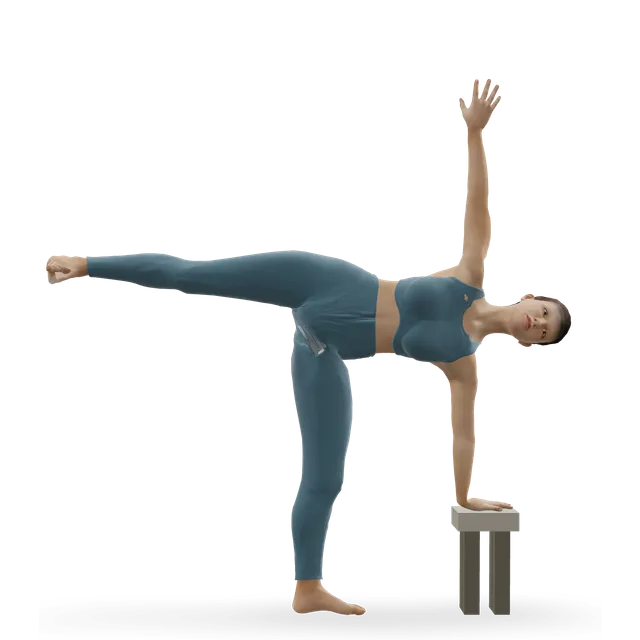 3D demoHalf moon pose (Ardha Chandrasana)Advanced · A step
 3D demoChair pose (Utkatasana)Beginner · No equipment
 3D demoHigh lunge (crescent lunge, Ashta Chandrasana)Intermediate · No equipment
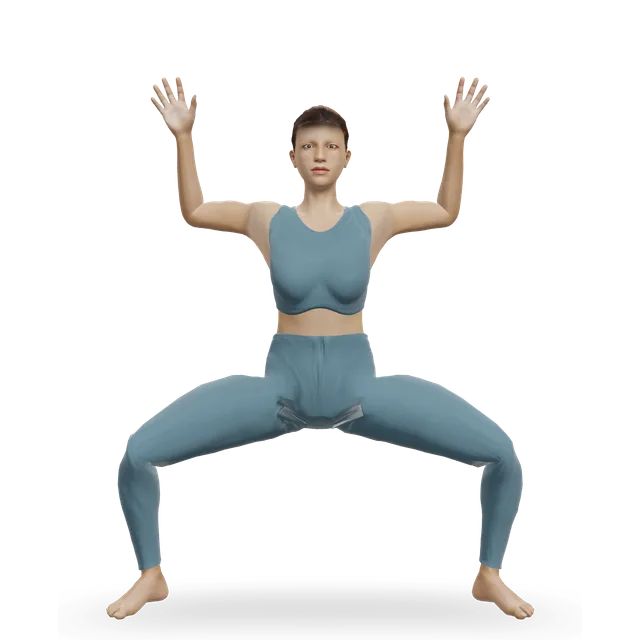 3D demoGoddess pose (Utkata Konasana)Beginner · No equipment
 3D demoGlute bridgeBeginner · No equipment
 3D demoSide plankIntermediate · No equipment
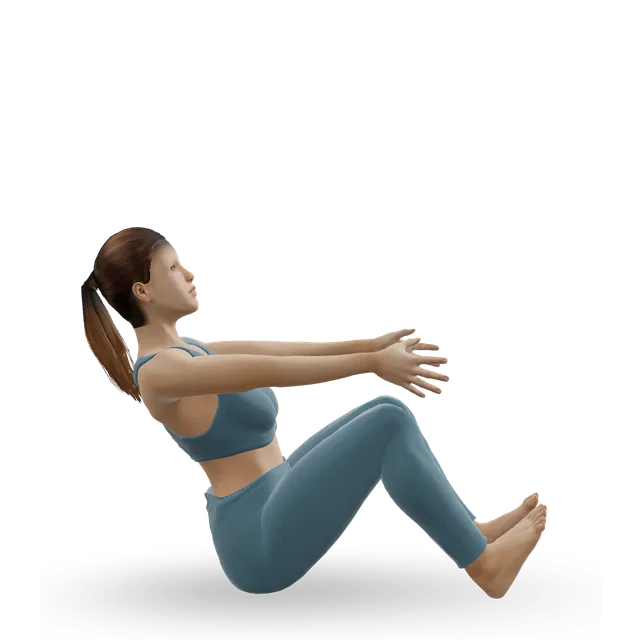 3D demoBoat pose (Navasana)Intermediate · No equipment
 3D demoLocust pose (Salabhasana)Beginner · No equipment
Use the runner's warm-up before you run and the 20-minute yoga session after easy runs or on rest days. The strength and injury prevention workouts carry the better evidence for injuries and running economy.
A 20-minute yoga cool-down for runners: calves, hip flexors, hamstrings and glutes, one balance pose and a rest, after an easy run or on a rest day.
20 minBeginner11 movesA wallAn 8-minute dynamic warm-up for runners: ankle and hip mobility, lunges, skips and pogo hops.
8 minIntermediate8 movesA wallSeven stretches for after a run: calves, soleus, quads, hip flexors, hamstrings and glutes.
10 minBeginner7 movesA wallA hip-opening yoga sequence: low lunge, lizard, goddess, pigeon, bound angle and happy baby.
20 minBeginner7 movesNo equipmentA 12-minute routine to loosen tight hamstrings with strap stretches, PNF, folds and hinges.
12 minBeginner7 movesNo equipmentA 35-minute yin-style session: seated and lying poses held for 2 to 4 minutes with slow breathing, finishing with legs up the wall and a long rest.
35 minBeginner9 movesA wallFoot, calf, balance and hop exercises taken from the running trials with positive results, in a 25-minute home routine for 3 or 4 days a week.
25 minBeginner11 movesOther / check instructions, A bench or boxA 40-minute strength workout for runners at home: hops, Bulgarian split squats, single-leg deadlifts, step-ups, calf raises and side planks.
40 minIntermediate15 movesA wall, A bench or boxA 30-minute mat Pilates workout for runners, adapted from one small trial's programme: the abdominal series, side kicks for the hips, planks and balance.
30 minIntermediate18 movesA wallAdd one yoga session on a rest day or after an easy run (our suggestion).
A 12-week strength plan for runners: two sessions a week of heavy lifts, single-leg work, calf raises and hops, fitted around your runs.
2 training days45 minBeginner3 days a weekA 9-week beginner plan with the same walk-to-run shape as Couch to 5K: three run-walk sessions a week, from 1-minute jogs to 30 minutes of running.
3 training days35 minBeginner4 days a weekAn 8-week plan to run a faster 5K once you can run one: hills, then intervals and tempo runs, mostly easy running, strength, a time trial and a light race week.
4 training days40 minIntermediate4 days a weekAn 8-week beginner 10K plan: three runs a week plus strength, a long run that grows about 10% at a time, optional hills and tempo runs, and a light race week.
4 training days45 minBeginner4 days a weekA 12-week beginner half marathon plan: three or four runs a week, a long run building to about 15 km, one harder session, strength, a taper and race-day tips.
4 training days50 minBeginner4 days a weekAn 18-week first marathon plan from half marathon fitness: three runs a week, a long run built about 10% at a time, strength, a 3-week taper and race-day fuel.
4 training days60 minBeginnerPain in one spot on a bone, which you can point to with a fingertip, that gets worse with activity and later aches at rest or at night: stop running and get it checked. Groin or front-of-hip pain that builds with running, hurts with every step or hurts at night needs checking the same day, as our hip pain in runners guide explains.
Source 30
The NHS says to see a GP straight away for severe knee pain or a swollen knee, or a sudden, sharp pain at the back of your heel (your Achilles tendon may have torn), and to stop running at once if you strain a muscle. See a GP or physiotherapist for shin pain that's severe or swollen, or that doesn't improve in a few weeks.
Source 26
For chest pain on a run or in class that feels tight or like squeezing, spreads to your arms, neck or jaw, or comes with feeling sick or a racing, slow or fluttering heartbeat. In the US, call 911.
Source 31
A stress fracture from ordinary activity, more than one stress fracture, periods that have stopped or become irregular, or worries that you're eating too little for your training: see a GP about bone health and energy intake, as our running pain guides advise.
With glaucoma, keep downward dog brief or do it with your hands on a wall, and keep your hips on the floor in legs up the wall: head-down poses raise eye pressure within a minute.
Source 32
No trial has counted running injuries after yoga, stretching doesn't prevent them, and a volleyball trial that claimed lower injury risk didn't count injuries.
Less flexible runners were more economical, stretching made no difference to economy, and yoga didn't make rugby players faster.
Stretching didn't change running economy, and holds under 60 seconds per muscle cost about 1% of power, with moving afterwards removing the effect. Keep pre-run holds short and keep moving.
Heavy, jump-based and combined strength training improve running economy; lighter and static strength work didn't.
Source 11
It reduced soreness by about 1 point on a 100-point scale, and didn't speed the recovery of strength.
In a small study, it improved lung-function tests but not running economy.
Source 14
No trial in runners has measured running form after yoga. If your goal is fewer injuries, the best lead in new runners is a supervised hip and core programme.
It can help flexibility, balance and winding down, but almost no trials have been done in runners, and it hasn't been shown to prevent injuries or make you faster. Treat it as an extra, alongside strength training.
No trial has shown it, and stretching doesn't prevent running injuries. Strength and balance programmes cut injuries in other sports, and a supervised hip and core programme helped new runners.
Probably not directly: more flexible runners aren't more economical, stretching didn't change running economy, and yoga didn't make rugby players faster. Heavy and jump-based strength training have better evidence.
Before a run, move rather than hold: a few slow sun salutations and lunges, then your usual warm-up. Save longer holds for after easy runs, rest days or the evening.
No. Stretching didn't change running economy, and holds under 60 seconds per muscle cost very little power. Keep them short, and keep moving afterwards.
It may help you settle: in one small trial of 20 athletes, 15 minutes of yoga after hard intervals slowed breathing and raised heart rate variability, a sign of the body settling, faster than stretching. Stretching doesn't meaningfully reduce soreness.
Once or twice a week for 15 to 45 minutes is our suggestion; trials in athletes used about an hour twice a week. Keep your strength sessions.
Downward dog and lunges for the calves and hip flexors, figure four and pigeon for the outer hip, a strap stretch or head-to-knee pose for the hamstrings, and tree or warrior III for balance. Our 20-minute session puts them in order.
No trial has compared them in runners. Pilates suits trunk and hip control, and yoga flexibility and relaxation; both are extras to strength training, as our Pilates for runners guide explains.
It isn't needed, and the heat adds strain: a 90-minute hot class can cost about 1.5 litres of sweat, as our hot yoga guide explains. Leave hot classes out of the day before a long run or race (our suggestion).
Often yes: the NHS suggests gentle exercise such as yoga or swimming while shin splints heal. Skip poses that load the sore area, and follow the guide for your injury.
In a small study, 3 weeks of yogic breathing improved lung-function tests but not running economy. Breathe however feels natural while you run.
Exercise education, not a personal prescription, and clinical review of these guides is pending. If you are pregnant, have a health condition such as glaucoma, high blood pressure or osteoporosis, or have had recent surgery, check with a doctor, midwife or physiotherapist before starting, and stop for sharp or increasing pain. Health disclaimer.