Sports training
Activate rugby warm-up: the adult sample phase
Activate is rugby's injury prevention warm-up, from England Rugby, World Rugby and the University of Bath: running drills, balance, strength, jumping and landing, repeated sprints and neck work. This is the manual's sample adult phase, exactly as written, and it takes 20 to 25 minutes. In trials in schoolboys and adult men, the effect on injuries overall was unclear, but concussions were lower in men's clubs, and schoolboy teams that did it 3 or more times a week had far fewer injuries. Start every player at the first phase and move on after 6 to 8 weeks; the official programme has all 7 adult phases, a match-day phase and the youth versions.
Part A: running preparation, about 10 minutes
- Treadmill jogging5 to 10 minIntermediate · Quads, Calves, Glutes · 3D demoSmall-sided games in groups of no more than 6, to get moving and warm (the closest move on the figure)Easier: Treadmill walkingHarder: Sprint intervals
- Shuttle runs2 × 15 mAdvanced · Quads, Glutes, Calves · 3D demoSnake runs: swerve left and right across the channel, driving the outside leg across (the closest move on the figure)Easier: Treadmill jogging

Part B: range of movement, strength and balance, about 7 minutes
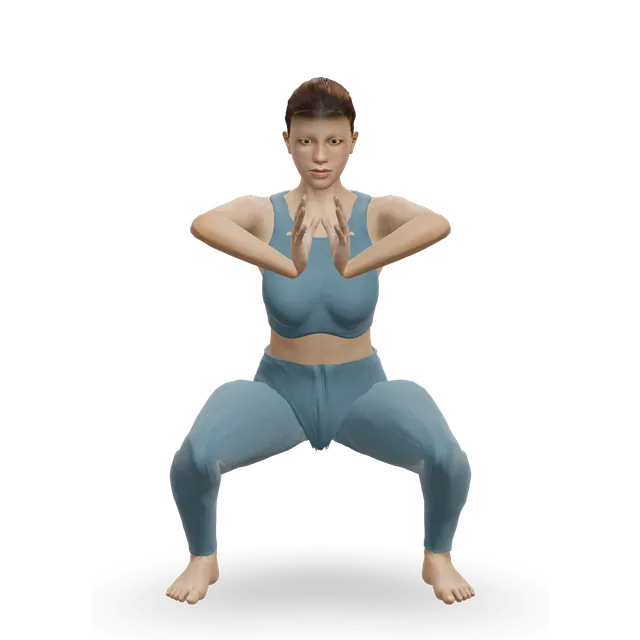
- Intermediate · Quads, Glutes, Adductors · 3D demoSquat stands: fingers under your toes, squat deep with your elbows inside your knees, then straighten your legs keeping hold of your toes (the closest move on the figure)Easier: Goddess pose (Utkata Konasana)Harder: Cossack squat
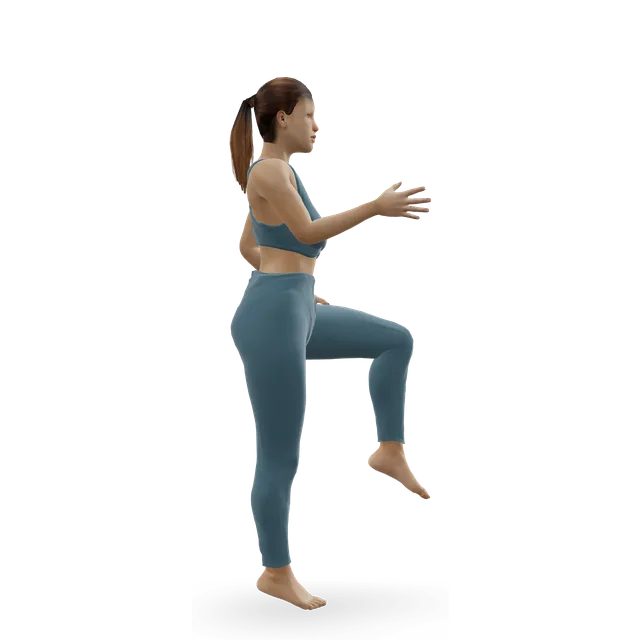
- Standing march2 × 15 mBeginner · Hip flexors, Abs, Glutes · 3D demoHeel-to-toe walk with knee raise: pull the knee to your chest, then step forward into a calf raise (the closest move on the figure)Harder: Standing band hip flexion
- Single-leg stand30 s each legBeginner · Hip abductors, Calves, Glutes · 3D demoBack slaps: arms out to the sides, slap your back with alternate arms; hip, knee and ankle in lineEasier: Tandem stance and heel-to-toe walkHarder: Single-leg reach matrix
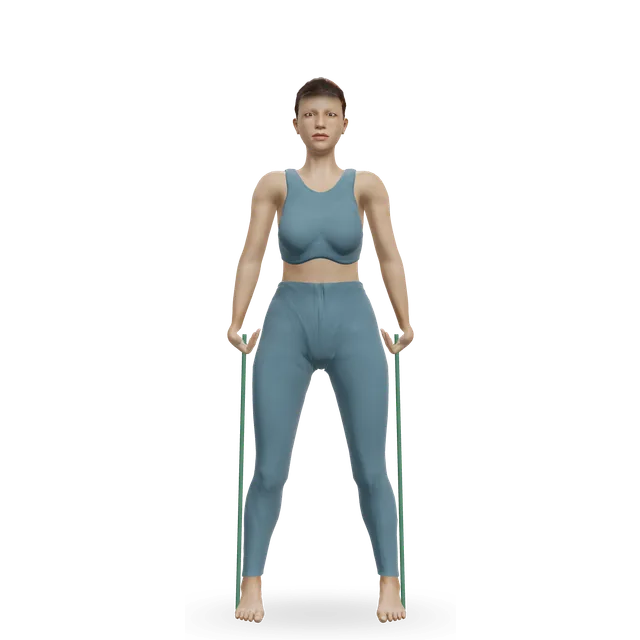
- Band lateral raise2 × 15 sBeginner · Shoulders, Neck · 3D demoStatic resisted lateral raise: push your arms out to the sides against a partner's hands and hold (the closest move on the figure)Harder: Dumbbell lateral raise
- Standing band external rotation2 × 15 sBeginner · Shoulders, Back · 3D demoStatic resisted external rotation: elbows bent to 90° at your sides, push your hands outwards against your partner and hold (the closest move on the figure)Harder: Side-lying external rotation
- Single-leg Romanian deadlift10 each legAdvanced · Hamstrings, Glutes, Abs · 3D demoArabesque with aeroplane: on one slightly bent leg, tip forward from the hip until your trunk is level, arms spread, and return (the closest move on the figure)Easier: Dumbbell Romanian deadlift




Part C: strength, stability, agility and power, about 7 minutes
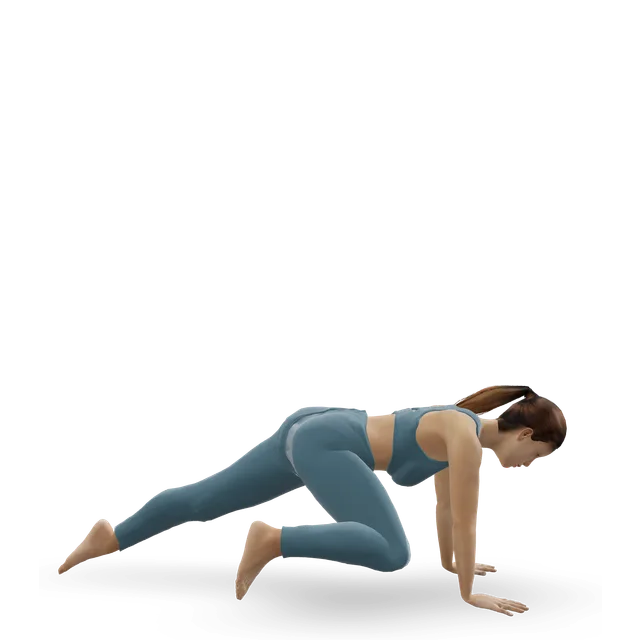
- Mountain climbers6 sets of 5Intermediate · Abs, Hip flexors, Shoulders · 3D demoOne set is 5 alternating steps; head up, shoulders level with your hipsEasier: Jumping jackHarder: Burpee
- Single-leg hop and stick6 each legIntermediate · Quads, Glutes, Calves · 3D demoHop forwards far enough to test your balance; land softly with hip, knee and ankle in lineEasier: Standing broad jump with stuck landingHarder: Alternate-leg bounding
- Advanced · Chest, Triceps, Shoulders · 3D demoPop press-ups, wide to narrow: push up explosively and switch your hand width, elbows only slightly bentEasier: Push-upHarder: Clock push-up
- Advanced · Glutes, Quads, Calves · 3D demoJogging high-ball jumps: take off from one leg, drive the other knee up, reach overhead as if catching and land on both feet in a split stance (the closest move on the figure)Easier: SkippingHarder: Diagonal bounds
- Walking lunge2 × 5Intermediate · Quads, Glutes, Hamstrings · 3D demoDiagonal skip to sway lunge: two diagonal side skips, finishing in a lunge with your trunk facing forward (the closest move on the figure)Easier: Split squatHarder: Split squat with dumbbells
- Scaption raise2 × 15 sBeginner · Shoulders, Chest · 3D demoShoulder workout: arms out in front at shoulder height while a partner tries to move them quickly up and down; resist (the closest move on the figure)Easier: Band lateral raiseHarder: Smith machine upright row

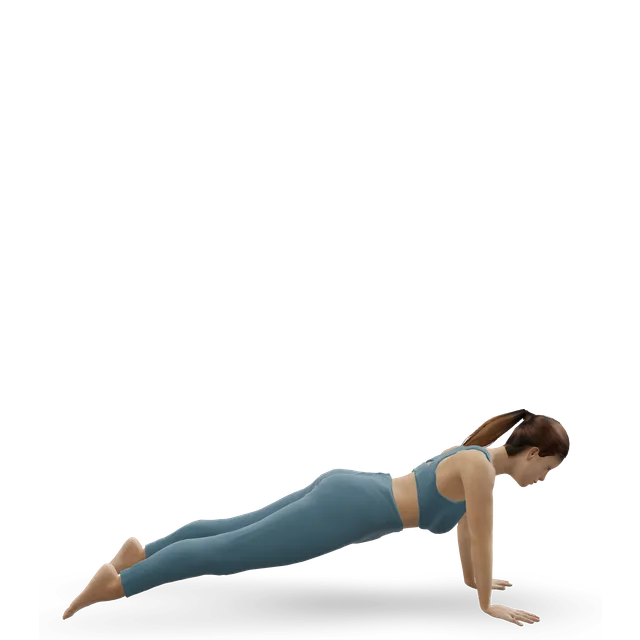
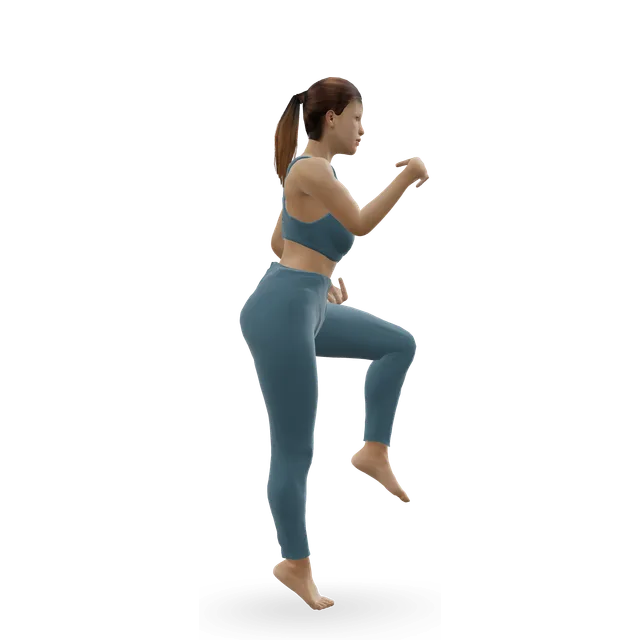
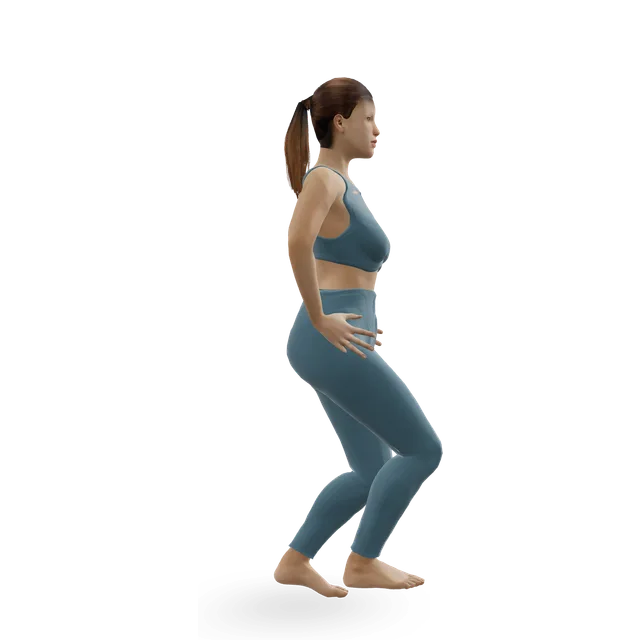
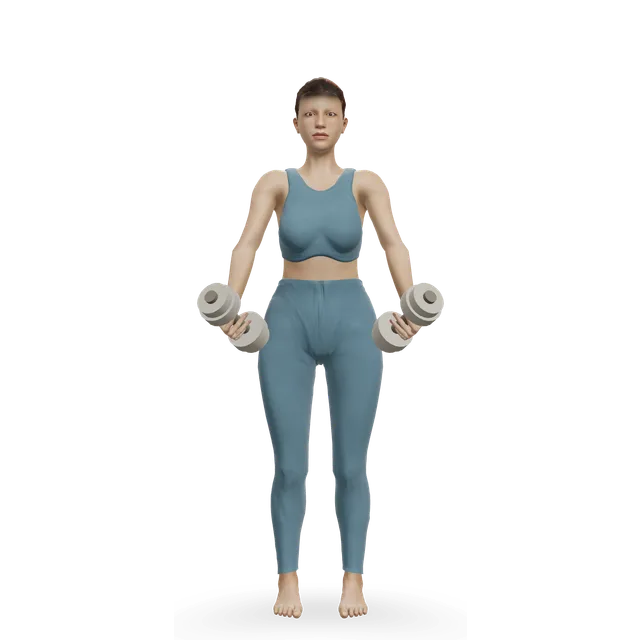
Part D: strength and fitness, about 6 minutes
- Shuttle runs2 × 30 sAdvanced · Quads, Glutes, Calves · 3D demo5 m shuttles: repeated sprintsEasier: Treadmill jogging
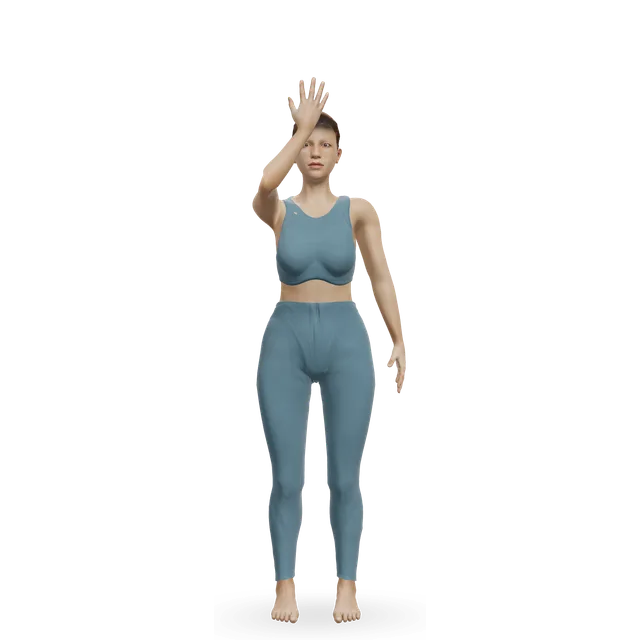
- Isometric neck holds (four-way)15 s each directionBeginner · Neck · 3D demoStatic neck contractions: push your hands against your head chin to chest, eyes to the sky, ear to shoulder and looking over each shoulder, keeping your head stillEasier: Chin tuckHarder: Chin tuck with head lift
Tips
- Three times a week gives the best results, and the manual says once or twice still helps. In the trials, only a minority of teams managed 3.
- Before matches, adults use the manual's match-day phase instead, with no Nordic hamstring exercises, which "can tire the hamstring muscles".
- Coaches: watch the key cues (chest up, brace the trunk, hip, knee and ankle in line, soft knees, knees over toes) and move a player up a phase only when they're in control. Injured players restart at the phase they left.
- The trials were in schoolboys aged 14 to 18 and adult men. The manual asks coaches to adapt it for women and younger players, and its youth versions take 15 to 20 minutes.
- The partner holds and the small-sided games need a partner and a coach, which the figure can't show. After a concussion, Activate exercises are part of the Rugby Football Union's graduated return from stage 3; after a hamstring strain or a shoulder dislocation, follow our pain guides first.
The doses are suggested starting points, not a prescription. Choose a range you can control and stop for sharp or increasing pain, numbness or tingling. Get individual advice after an injury or surgery, or if you are pregnant or managing a health condition.
Guides that recommend it
Find more moves like these
More sports training

Injury prevention exercises for runners
Foot, calf, balance and hop exercises taken from the running trials with positive results, in a 25-minute home routine for 3 or 4 days a week.
25 minBeginner11 movesOther / check instructions, A bench or box


Plyometrics for runners
A 20-minute hop and bound session for runners: ankle bounces to pogo hops, one-leg hops and bounding, building foot contacts slowly over 10 weeks.
20 minIntermediate8 movesCardio machine



Strength workout for cyclists (gym)
A 50-minute gym session for cyclists: heavy squats, one-leg presses, hip flexion and calf raises as in the cycling trials, plus jumps for bone.
50 minIntermediate13 movesCardio machine, A barbellQuestions people ask
How long does the activate rugby warm-up: the adult sample phase take?
About 25 minutes, including any warm-up and cool-down listed. Shorten it by doing fewer rounds; lengthen it by adding one.
What equipment do I need?
You need: Cardio machine, A wall, A band, An anchor point, A dumbbell. Each move links to its guide, where you can find an alternative if you are missing something.
Is it suitable for beginners?
It is written for beginners. 12 of its 15 moves have an easier option listed beside them if you need one.
How do I make it easier or harder?
Use the easier or harder option listed under each move, change the number of rounds, or adjust the rest. Progress one change at a time.