Yoga flows
Yoga for neuropathy: a 25-minute class in shoes, sitting then at a counter
A 25-minute yoga class for peripheral neuropathy from diabetes, chemotherapy or other causes. Check your feet first, and keep well-fitting shoes on for everything standing: the international foot guideline advises against going barefoot when you have numb feet. Hold a counter for every balance pose, keep your eyes open, and change position if tingling or numbness grows. With an open sore or a red, hot or swollen foot, do only the seated blocks and contact your foot team.
Settle, sitting (3 minutes)
- Beginner · 3D demoAfter your foot check; in for about 4, out for about 6, with no holdsEasier: Breath reachHarder: Crocodile breathing (prone diaphragmatic breathing)
- Breath reach5 breaths, exhale longer than inhaleBeginner · 3D demoSeated (the demo shows it standing)Harder: Slow breathing (6 breaths a minute)


Feet and ankles, sitting (5 minutes)
- Seated march1 minBeginner · Hip flexors, Quads, Abs · 3D demoShoes on, sitting tall on a firm chairHarder: Standing march
- Ankle circles10 slow circles each way with each footBeginner · Calves, Shins · 3D demoSlow, full circlesHarder: Ankle CARs (controlled articular rotations)
- Seated bent-knee calf raise (soleus raise)2 sets of 12Beginner · Calves · 3D demoLift both heels, pause, lower slowlyHarder: Slow calf raise
- Seated knee extension (chair)10 each legBeginner · Quads · 3D demoStraighten the knee, hold for a second, lower slowlyEasier: Quad set (static quads)Harder: Leg extension




Hands, sitting (3 minutes)
- Tendon glides (hand tendon gliding exercises)4 to 6 of each position, 5 s holdsBeginner · Forearms · 3D demoForearm on a table; no squeezingHarder: Ball squeeze
- Beginner · Forearms · 3D demoBend, lift and turn the wrists gently, never forcing themEasier: Wrist circlesHarder: Wrist flexor stretch


At the counter, in shoes (9 minutes)
- Sit to stand from a chair3 to 5, building to 15 over the weeksBeginner · Quads, Glutes, Hamstrings · 3D demoA firm chair against a wall; push on your thighs at first if you need toEasier: Sit to stand, pushing on the thighsHarder: Bodyweight squat
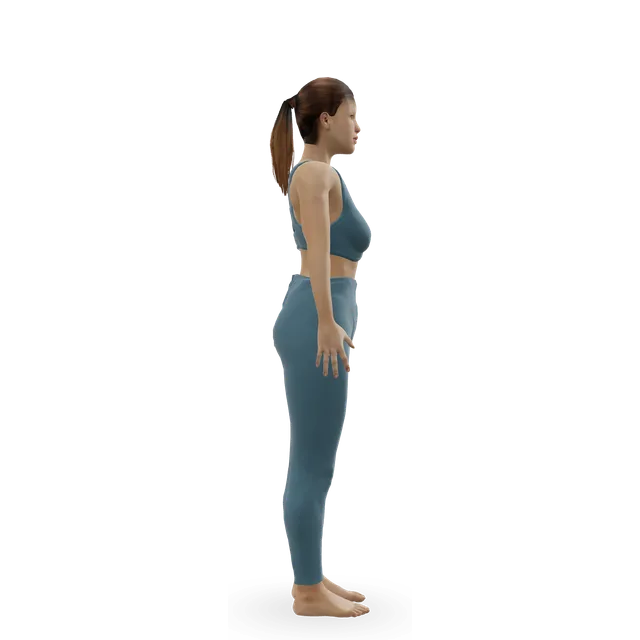
- Mountain pose (Tadasana)5 slow breathsBeginner · Calves, Back, Abs · 3D demoOne hand on the counter; feel your weight spread through both feetHarder: Tree pose (Vrksasana)
- Chair pose (Utkatasana)3 holds of 10 to 15 sBeginner · Quads, Glutes, Shoulders · 3D demoHold the counter and bend only a littleHarder: Revolved chair pose (Parivrtta Utkatasana)
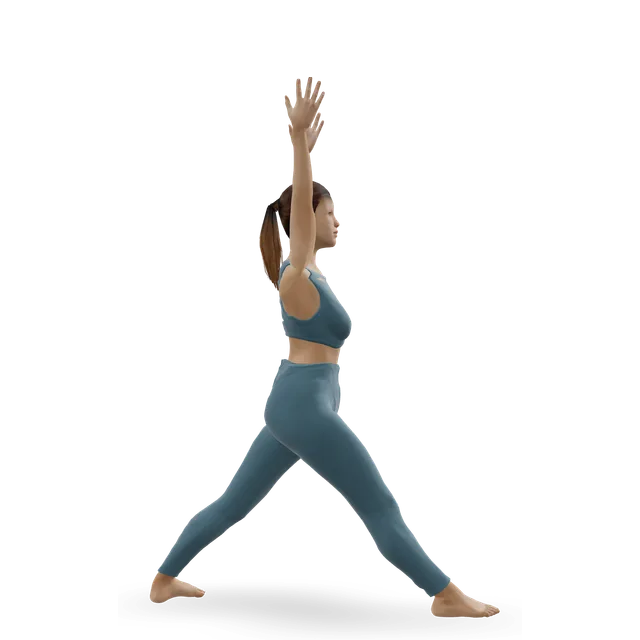
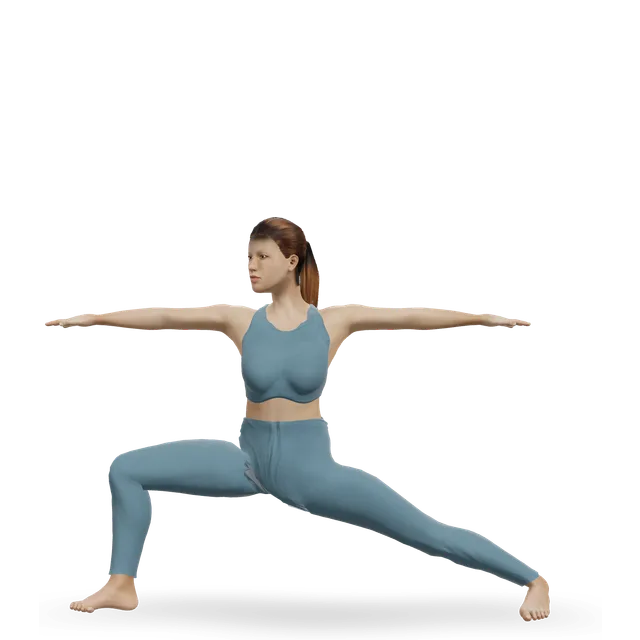
- Warrior II (Virabhadrasana II)3 breaths each sideIntermediate · Quads, Glutes, Adductors · 3D demoSide-on to the counter, one hand on it, with a short stanceEasier: Chair pose (Utkatasana)Harder: Extended side angle (Utthita Parsvakonasana)
- Tree pose (Vrksasana)3 breaths each sideBeginner · Glutes, Hip abductors, Calves · 3D demoA hand on the counter throughout; heel at your ankle, toes on the floorEasier: Mountain pose (Tadasana)Harder: Standing hand-to-big-toe pose (Utthita Hasta Padangusthasana)
- Single-leg stand2 holds of up to 30 s each legBeginner · Hip abductors, Calves, Glutes · 3D demoBoth hands on the counter at first, then one, then fingertipsEasier: Tandem stance and heel-to-toe walkHarder: Single-leg reach matrix
- Side-stepping (sideways walking)10 steps, twiceBeginner · Hip abductors, Glutes, Adductors · 3D demoOne hand on the counterHarder: Lateral band walk







Stretch and finish, sitting (5 minutes)
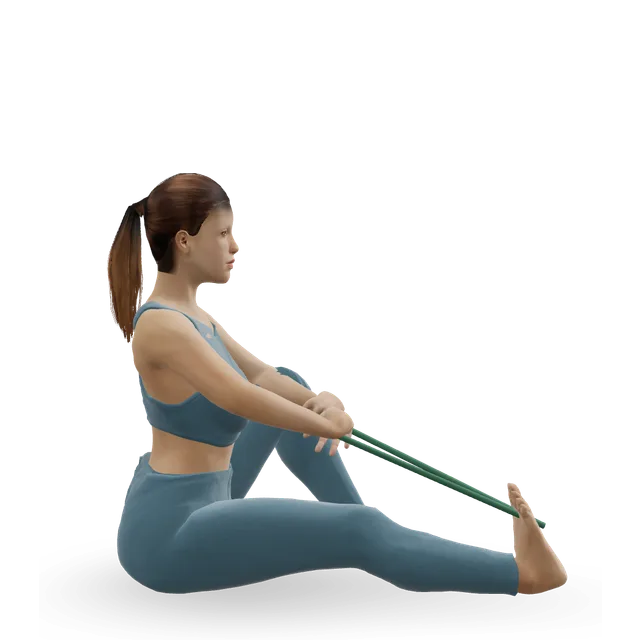
- Seated calf stretch with a towel30 to 60 s each legBeginner · Calves · 3D demoA towel round the ball of your foot, shoe on; ease your toes towards you, with no bouncingHarder: Wall calf stretch (gastrocnemius)
- Beginner · 3D demoThen check your feet againEasier: Breath reachHarder: Crocodile breathing (prone diaphragmatic breathing)

Tips
- Check both feet before and after, including the soles, heels and between the toes, with a mirror or a helper. A new blister, cut, red patch or swelling means no standing practice until it's been seen; a red, hot or swollen foot means contacting your foot team within 24 hours.
- Keep well-fitting shoes on for the standing poses (our suggestion: the international foot guideline advises against walking barefoot, in socks or in thin slippers with numb feet, and no study has tested barefoot yoga).
- With an open sore, do only the seated blocks.
- Keep a hand on the counter for every balance pose, and keep your eyes open.
- Change position if tingling, numbness or pain grows, and don't sit back on your heels or stay in a deep forward fold for long.
- If you get dizzy when you stand, stand up slowly. Keep the room cool: we'd avoid hot yoga.
- Do it 2 or 3 times a week, with walking or cycling on other days. The frequency is the American Diabetes Association's for flexibility and balance work; the routine is ours.
- If you take insulin or a sulfonylurea, keep hypo treatment by your chair, as our yoga for diabetes guide says.
The doses are suggested starting points, not a prescription. Choose a range you can control and stop for sharp or increasing pain, numbness or tingling. Get individual advice after an injury or surgery, or if you are pregnant or managing a health condition.
Guides that recommend it
Find more moves like these
More yoga flows

Beginner yoga flow
A 20-minute beginner yoga sequence: mountain, chair, warrior II, triangle, tree, down dog, cobra and child's pose.
20 minBeginner11 movesA step
Sun salutation flow
A 20-minute flow built on sun salutations A and B, with warrior poses and a short cool-down.
20 minIntermediate8 movesNo equipment



Yoga for tight hips
A hip-opening yoga sequence: low lunge, lizard, goddess, pigeon, bound angle and happy baby.
25 minBeginner10 movesA wallQuestions people ask
How long does the yoga for neuropathy: a 25-minute class in shoes, sitting then at a counter take?
About 25 minutes, including any warm-up and cool-down listed. Shorten it by doing fewer rounds; lengthen it by adding one.
What equipment do I need?
You need: A bench or box, Something with weight, A wall, Other / check instructions. Each move links to its guide, where you can find an alternative if you are missing something.
Is it suitable for beginners?
It is written for beginners. 8 of its 17 moves have an easier option listed beside them if you need one.
How do I make it easier or harder?
Use the easier or harder option listed under each move, change the number of rounds, or adjust the rest. Progress one change at a time.