A lump in the groin
Call 999 or go to A&E now if you have a femoral hernia (a small lump at the top of your thigh, in your groin) and very bad tummy pain, you feel sick or you're being sick, you cannot fart or poo, you have a high temperature or you feel hot, cold or shivery, or you've suddenly become confused. Do not drive to A&E. With any other hernia and pain in or around it, a bloated tummy, feeling or being sick, vomiting blood or vomit that looks like coffee grounds, constipation, a high temperature or feeling hot, cold or shivery, or sudden confusion, get help from NHS 111.
A lump in the groin, upper thigh or tummy, especially one that appears when you cough or strain and goes when you lie down: see a GP, as it may be a true hernia. A femoral hernia (a small lump at the top of the thigh, mainly in women over 50, though it can happen to anyone) needs treating in hospital.
Sources 53, 54
A teenager with a pop at the front of the hip
Same day: a teenager with sudden pain at the front or top of the hip bone after a sprint, kick or jump, often with a pop. A piece of growth plate can pull off the pelvis (an avulsion fracture), and it needs an X-ray the same day.
A child or teenager
Call 999 or go to A&E if your child gets sudden pain in their hip, knee or thigh (hip problems can sometimes be felt in the thigh or knee) or cannot put any weight on their leg. If your child is limping, ask for an urgent GP appointment or get help from NHS 111 the same day. This applies to teenagers too, and in some children knee pain is the only sign.
Sources 55, 56
After a fall or injury
Call 999 or go to A&E: severe hip pain after a fall or injury, or you cannot stand, walk or put weight on the leg. In an older adult this can be a broken hip; the leg may be at an odd angle or look shorter. Don't drive yourself.
Call 999 or go to A&E: tingling or loss of feeling in the hip or leg after an injury.
Source 57
Back, bladder or bowel symptoms
Call 999 or go to A&E if you have sciatica on both sides, weakness or numbness in both legs that's severe or getting worse, or numbness around or under your genitals, or around your bottom (anus); if you find it hard to start peeing, cannot pee or cannot control when you pee; or if you do not notice when you need to poo or cannot control when you poo, and this is not normal for you. These could be symptoms of a serious back problem that needs to be treated in hospital as soon as possible.
A hot, swollen hip or a fever
Ask for an urgent GP appointment or get help from NHS 111 if you have severe hip pain that started suddenly but you've not had a fall or injured your hip, your hip is swollen and feels hot, the skin around your hip has changed colour, or you have hip pain, feel generally unwell and have a high temperature (or feel hot, cold or shivery). A hot, swollen hip with a high temperature can be a joint infection.
Sources 57, 58
Groin pain in a runner
Same day, and stop running now: groin or front-of-hip pain in a runner, sometimes felt in the thigh or knee, that builds with running, hurts with every step or at night, or hurts when the hip is turned to the end of its range. Keep weight off the leg, using crutches if you have them, and get an urgent GP appointment or help from NHS 111 the same day: a stress fracture of the hip (femoral neck) needs urgent imaging.
See a GP or physiotherapist
- A lump in the groin, or groin pain with coughing or straining (a possible hernia).
- Hip pain that stops normal activities or disturbs sleep, keeps getting worse or keeps coming back, or has not improved after 2 weeks of looking after it at home.
- Stiffness lasting more than 30 minutes after waking.
Sources 57, 59
The pain rule
After a strain, in the first stage, our hip flexor pain guide's goal: "The first one to two weeks; keep pain at 3 out of 10 or less."
Otherwise, our hip guides' rule: "During the exercise, pain up to about 5 out of 10 is acceptable. It should settle within an hour or so, and your hip should be no worse that night or the next morning. If it is, do less next time (fewer repetitions, a smaller range, a lighter load), not nothing."
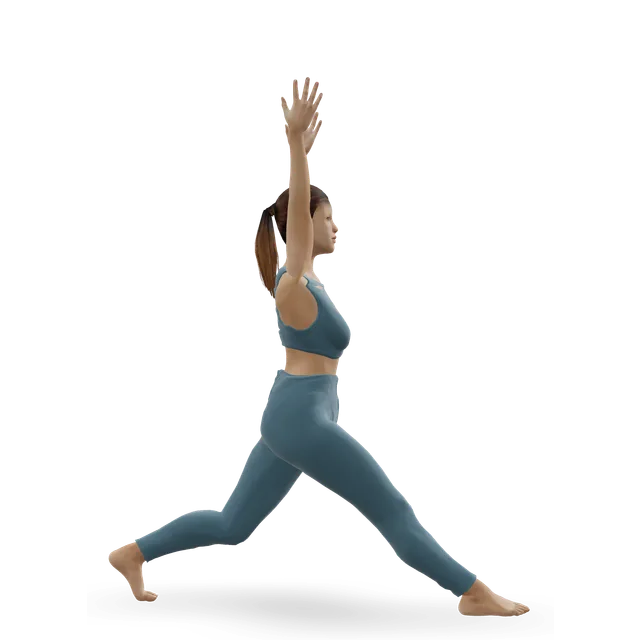
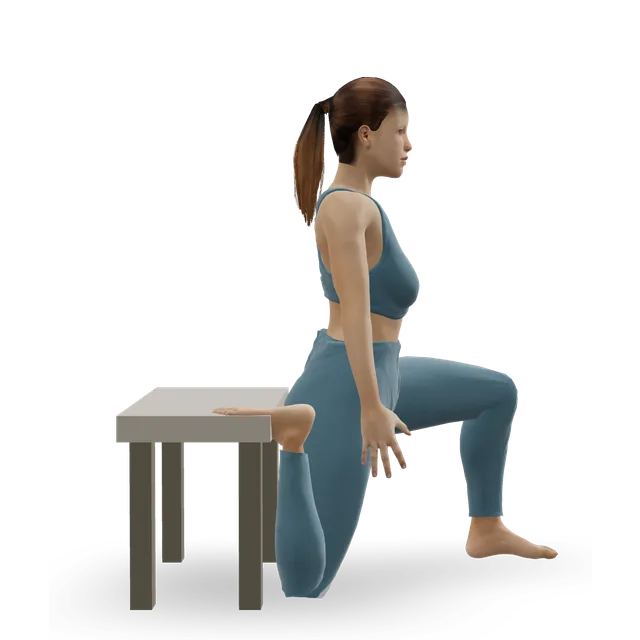
In a lunge, you should feel a stretch along the front of the back thigh, not a pinch in the front of the hip crease or an ache in your lower back (our suggestion).
Very flexible joints
If you're hypermobile, don't use mobility work to push further: the NHS says "do not overextend your joints just because you can". See a GP if you think you have joint hypermobility syndrome: for example, your joints keep dislocating, or you keep getting sprains, strains, pain or stiffness.
Source 60
Chest pain or fainting: call 999
Call 999 if:
- You get sudden pain or discomfort in your chest that doesn't go away; it can feel like squeezing or pressure, burning or indigestion.
- The pain spreads to your left or right arm, or your neck, jaw, stomach or back.
- You have chest pain and feel sweaty, sick, light-headed or short of breath.
- Someone faints while exercising, can't be woken within 1 minute, or has chest pain or a pounding, fluttering or irregular heartbeat.
Sources 61, 62
Unusual breathlessness
Call 999 or go to A&E (accident and emergency) straight away for severe difficulty breathing (gasping, choking or not able to get words out), a chest that feels tight or heavy, pain that spreads to your arms, back, neck and jaw, lips or skin turning very pale, blue or grey, or sudden confusion. If you're more short of breath than usual, or your heart is racing, fluttering or skipping beats, contact NHS 111.
Source 63
During yoga
A joint pain that is sharp, gets worse during a session, lingers into the next day or changes how you move is a reason to use an easier version, and to see a GP or physiotherapist if it keeps happening (the rule in our plans). Muscle soreness for a day or two after something new is normal. In a hot class, stop if you feel dizzy, sick or unwell; our hot yoga guide lists the signs of heat illness.
You can say no to any hands-on adjustment, and a teacher registered with Yoga Alliance must get your explicit consent each time.
Before you start
The NHS advises getting advice from a healthcare professional first if you have a health problem, an injury or symptoms, or have recently had a heart attack or an operation.