Strength at home
Hip flexor strengthening workout: marches, band knee drives, leg raises and step-ups
Your hip flexors lift your knee, and they respond quickly to training: about 10 minutes of band work 3 times a week raised hip flexor strength by 17% in 6 weeks in a trial. This session builds from marches and band knee drives to leg raises, step-ups with a knee drive and, if you have a bar, hanging knee raises. Do it 2 or 3 times a week. If the front of your hip hurts when you lift your knee, use our hip flexor pain guide first.
Warm up
- Standing march1 minuteBeginner · Hip flexors, Abs, Glutes · 3D demoKnees towards hip height, a hand on a counter if you need itEasier: Seated marchHarder: Standing band hip flexion
- Seated march1 to 2 minutes, instead of standing marches if you need to sitBeginner · Hip flexors, Quads, Abs · 3D demoThe move page's dose: 1 to 2 minutes as a warm-up (the Otago-based Later Life Training booklet), or 5 lifts each leg (the NHS sitting exercises)Harder: Standing march


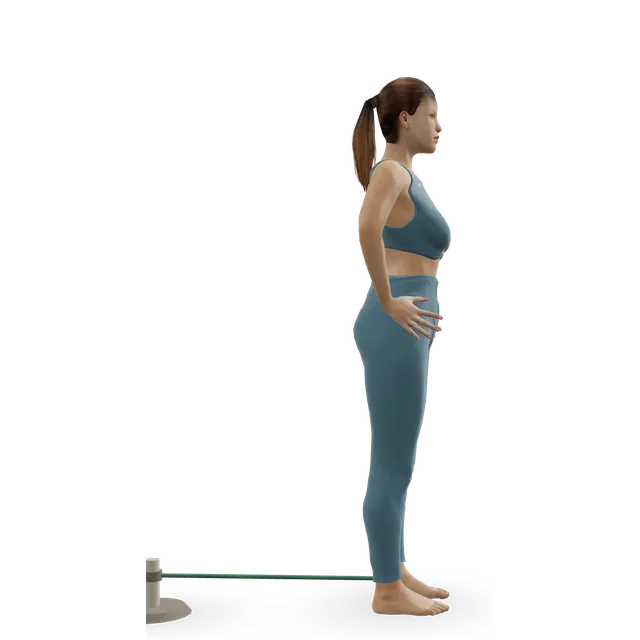
Band knee drives
Rest 60 to 90 s between sets
- Standing band hip flexion3 sets of 8 to 15 each legBeginner · Hip flexors, Abs · 3D demoStart with a band you could lift 15 times, and move to a stronger band over the weeks until 8 is hard (the build in Thorborg 2016's trial). Stand tall and don't lean backEasier: Standing marchHarder: Captain's chair knee raise
Lying
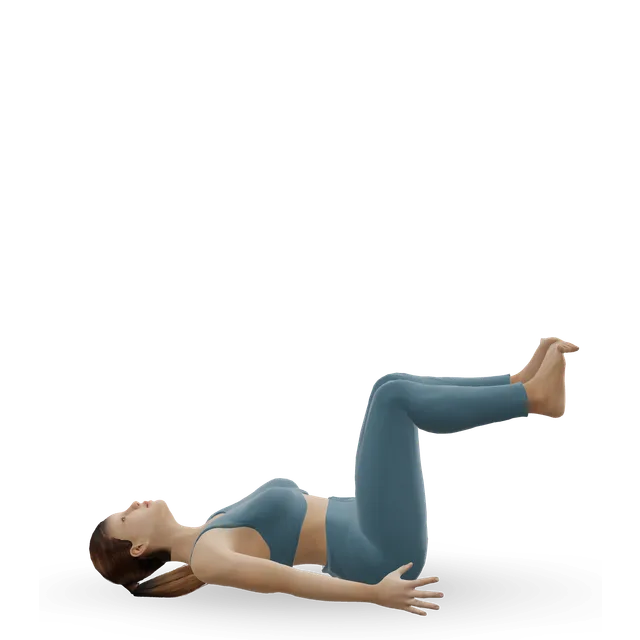
2 rounds · Rest 45 to 60 s between rounds
- Straight-leg raise8 to 10 each sideBeginner · Quads, Hip flexors, Abs · 3D demoLower slowly, with the other knee bentEasier: Quad set (static quads)Harder: Leg extension
- Dead bug6 to 8 each sideBeginner · Abs, Hip flexors · 3D demoEasier: dead bug heel tapsEasier: Dead bug heel tapsHarder: Forearm plank
- Reverse crunch8 to 15Intermediate · Abs, Hip flexors · 3D demoCurl your pelvis up slowly and lower it under control; no swingingEasier: Cross-body crunchHarder: Captain's chair knee raise


Step and drive
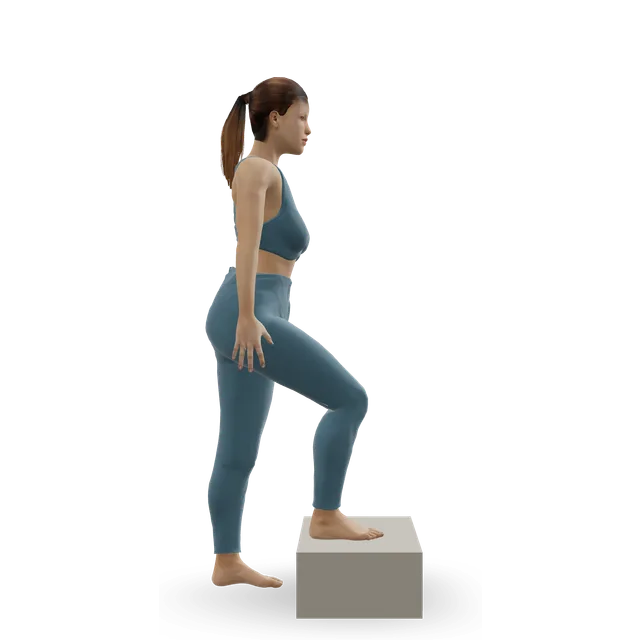
Rest 60 to 90 s between sets
- Step-up with knee raise2 or 3 sets of 8 each sideIntermediate · Glutes, Quads, Hip flexors · 3D demoStand fully tall on the step before the knee drives up; a hand on a rail if you need itEasier: Step-upHarder: Alternate-leg bounding
Bar (optional)
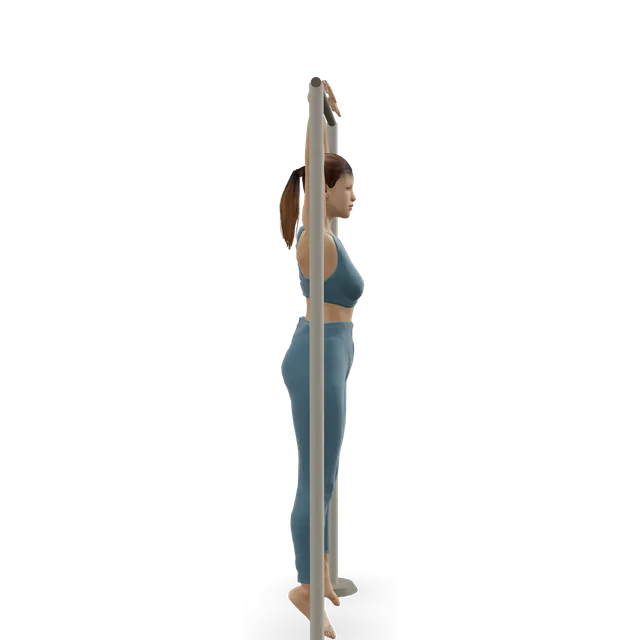
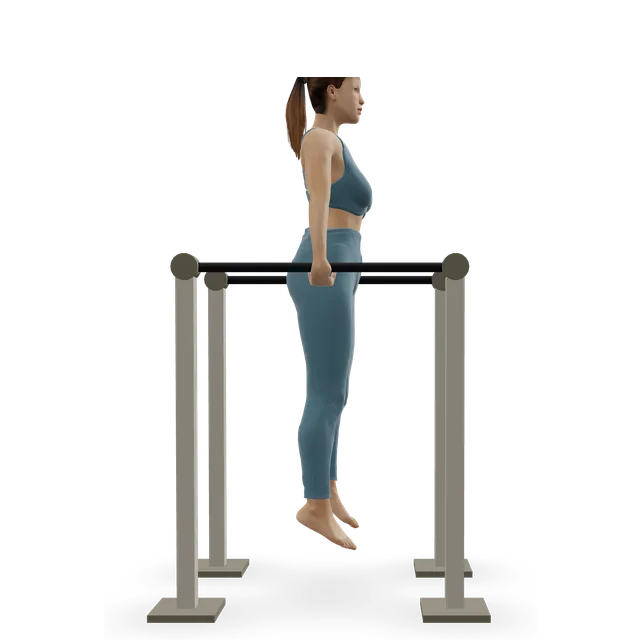
- Hanging knee raise2 sets of 8 to 12Intermediate · Abs, Hip flexors, Forearms · 3D demoCurl your pelvis and draw your knees up, lower slowly to a full stop, no swingingEasier: Reverse crunchHarder: Hanging straight-leg raise
- Captain's chair knee raiseOr 2 to 3 sets of 8 to 12Intermediate · Abs, Hip flexors, Shoulders · 3D demoThe captain's chair version, instead of hanging: back against the padEasier: Reverse crunchHarder: Hanging straight-leg raise
For runners (optional)
- Skipping3 sets of 20 mBeginner · Calves, Hip flexors, Quads · 3D demoDrive the knee to hip height; walk back between setsEasier: Ankle bounces (mini pogo)Harder: Alternate-leg bounding

Cool down (optional)
- Half-kneeling hip flexor stretch2 holds of 30 s each sideBeginner · Quads, Glutes · 3D demoTuck your pelvis under; mild stretch only. Pad the kneeling kneeHarder: Couch stretch

Tips
- Do it 2 or 3 times a week for at least 6 weeks: the band trial ran 3 times a week for 6 weeks. Move to a stronger band when 15 reps are easy, then build towards the bench and hanging leg raise ladders in our leg raise guides (our suggestion).
- Stop if you feel dizzy or light-headed. Keep a counter or wall within reach, and have someone nearby for the hardest moves if you've fallen recently (our suggestion, as in our older adults guide).
- During the exercise, pain up to about 5 out of 10 is acceptable. It should settle within an hour or so, and your hip should be no worse that night or the next morning. If it is, do less next time (fewer repetitions, a smaller range, a lighter load), not nothing.
- If the front of your hip hurts when you lift your knee, sprint or kick, use the staged plan in the hip flexor pain guide instead.
- With osteoporosis or a past spinal fracture, avoid repeated or loaded deep rounding of the back, and bend from the hips. The osteoporosis guide covers impact and lifting.
- Skip reverse crunches and hanging knee raises with osteoporosis, back pain that flares with bending, in later pregnancy or the first weeks after a birth, or with a hernia (our suggestion, applying our sit-up advice to these moves).
- After the first trimester of pregnancy, keep time flat on your back to a few minutes: prop yourself up for the leg raises, dead bugs and reverse crunches, or skip them, as our tight hip flexors routine says.
- After a recent hip replacement, keep the knee lift low unless your surgeon has said otherwise, as the seated march's move page says, and follow your surgical team's limits; our hip replacement guide has the stages.
- Bands that slipped or snapped have caused serious eye injuries, so check yours for nicks before every set.
- Same day: a teenager with sudden pain at the front or top of the hip bone after a sprint, kick or jump, often with a pop. A piece of growth plate can pull off the pelvis (an avulsion fracture), and it needs an X-ray the same day.
- Call 999 or go to A&E for severe hip pain after a fall or injury, if you can't walk or put weight on your leg, or for tingling or loss of feeling in your hip or leg after an injury.
The doses are suggested starting points, not a prescription. Choose a range you can control and stop for sharp or increasing pain, numbness or tingling. Get individual advice after an injury or surgery, or if you are pregnant or managing a health condition.
Guides that recommend it
Find more moves like these
More strength at home




Beginner bodyweight workout
A 20-minute full-body workout with no equipment: squats, knee push-ups, bridges, lunges and planks.
20 minBeginner10 movesNo equipment


Full-body bodyweight workout
An intermediate no-equipment workout: push-ups, split squats, single-leg bridges, pike push-ups and core work.
30 minIntermediate11 movesNo equipment


Full-body dumbbell workout
A 35-minute full-body strength workout with dumbbells: goblet squats, presses, rows, Romanian deadlifts and carries.
35 minIntermediate9 movesA band, A dumbbellQuestions people ask
How long does the hip flexor strengthening workout: marches, band knee drives, leg raises and step-ups take?
About 25 minutes, including any warm-up and cool-down listed. Shorten it by doing fewer rounds; lengthen it by adding one.
What equipment do I need?
You need: A bench or box, A band, An anchor point, A step, Pull-up bar, Other / check instructions. Each move links to its guide, where you can find an alternative if you are missing something.
Is it suitable for beginners?
It is written for beginners. 9 of its 11 moves have an easier option listed beside them if you need one.
How do I make it easier or harder?
Use the easier or harder option listed under each move, change the number of rounds, or adjust the rest. Progress one change at a time.