Training guide

How to strengthen your hip flexors: the iliopsoas and rectus femoris, the exercises with evidence, for walking, running and kicking, tight or weak, and when hip or groin pain needs a different plan

Your hip flexors lift your knee towards your chest: the iliopsoas deep in your hip and the rectus femoris at the front of your thigh. You use them with every step and stair, and hardest when you sprint and kick. Strengthening them means lifting the knee or leg against resistance (marches, band knee drives, leg raises and step-ups) 2 or 3 times a week.

They respond quickly: about 10 minutes of band work 3 times a week raised hip flexor strength by 17% in 6 weeks in a trial. Weak hip flexors were linked with declining mobility in older adults, and stronger ones with faster sprinting, though most of that evidence is links rather than trials.

This guide covers the muscles, the hip flexor strengthening exercises with doses, walking at any age, running and kicking, what sitting really does, tight against weak, and when hip or groin pain needs its own plan.

The short version

What they do

Your hip flexors lift your knee towards your chest: the iliopsoas (psoas and iliacus) deep in the hip, the rectus femoris at the front of the thigh, and smaller helpers. They work with every step, stair and stride, and hardest when you sprint and kick.

Source 1

They respond quickly to training

About 10 minutes of elastic band hip flexion 3 times a week raised hip flexion strength by 17% in 6 weeks in 33 young adults. They work hardest when the leg lifts against gravity at about 30 to 60 degrees of hip bend, and harder with added load.

Sources 2, 3

Squats and deadlifts don't do it

The psoas worked at under 16% of its maximum while lifting up to 100 kg, and slow squats barely changed hip flexion strength. Train the knee lift itself.

Sources 4, 5

Walking, running and kicking

Weak hip flexors were linked with declining mobility over a year in 433 older adults. A bigger psoas went with faster sprints in young athletes, and 8 weeks of hip flexor training cut 40-yard sprint time by 3.8% in a small study. These are mostly links, not proof.

Sources 6, 7, 8

Tight isn't the same as weak

Inactive people who sat over 7 hours a day had about 6 degrees less hip extension in one study, but no study shows sitting makes the hip flexors weak, and hip flexor length wasn't linked with back pain in most studies. Strengthen through the full range; stretch if it feels good.

Sources 9, 10, 11

How much, and when to stop

Two or 3 times a week: marches, band knee drives built up over 6 weeks from a band you could lift 15 times to one you can lift 8 times, leg raises and step-ups with a knee drive. Pain at the front of the hip or groin when you lift your knee, a lump in the groin, or a teenager with a pop at the hip bone needs its own plan first: see the warning signs.

Source 2

Your hip flexors: the muscles and what they do

The muscles

The main hip flexor is the iliopsoas: the psoas major, from the sides of the lower spine, and the iliacus, from the inside of the pelvis, sharing a tendon to the inner thigh bone. The rectus femoris, the one quadriceps muscle that crosses the hip, helps and also straightens the knee; the sartorius and tensor fasciae latae help too. The psoas and iliacus usually work together, and the psoas also works when you sit tall. Our iliopsoas page has the anatomy.

Source 1

What they do

They lift the knee when you walk, climb stairs and step over things, drive the swinging leg forward when you sprint, and swing the leg into a kick. With your feet held down, they also curl your trunk up in the second half of a sit-up.

Source 4

Where they work hardest

Across 9 muscle activity studies of 109 healthy adults, the iliopsoas worked at over 60% of its maximum in a straight-leg raise around 60 degrees of hip bend and 40 to 60% around 45 degrees, and added load raised activity. In a study of 38 exercises, the hip flexors worked hard only when the exercise lifted the legs or the whole upper body. Sit-ups worked the psoas at 15 to 35% of its maximum and curl-ups at under 10%.

Sources 3, 12, 4

Three kinds of hip flexor move

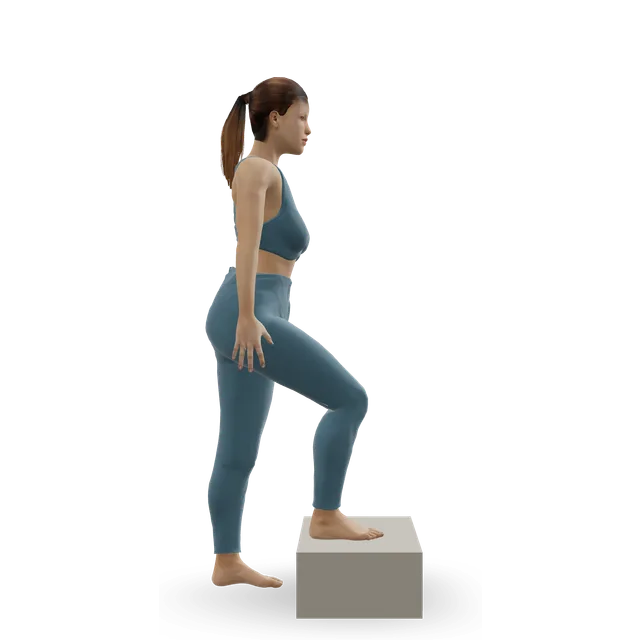
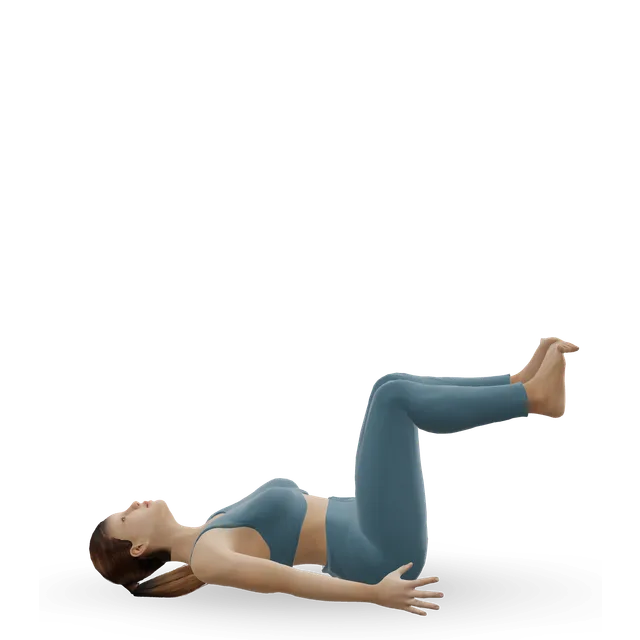
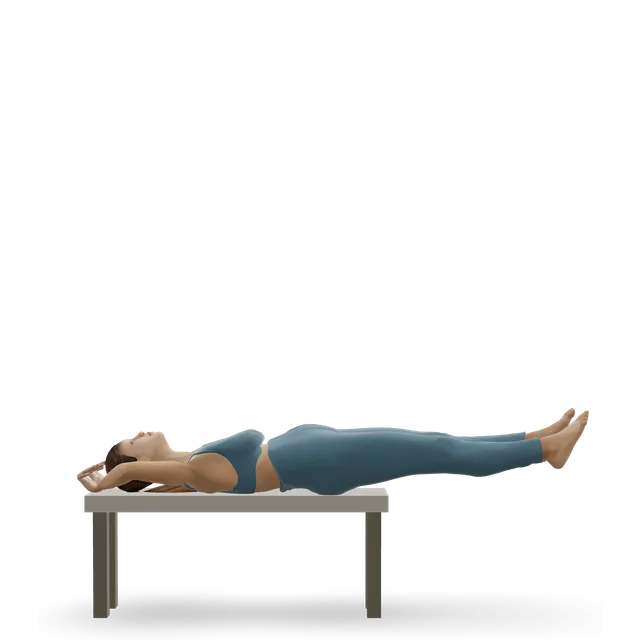
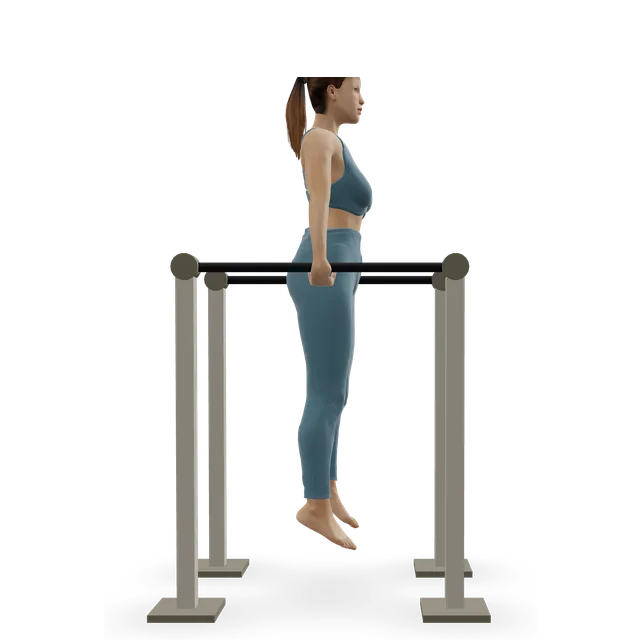
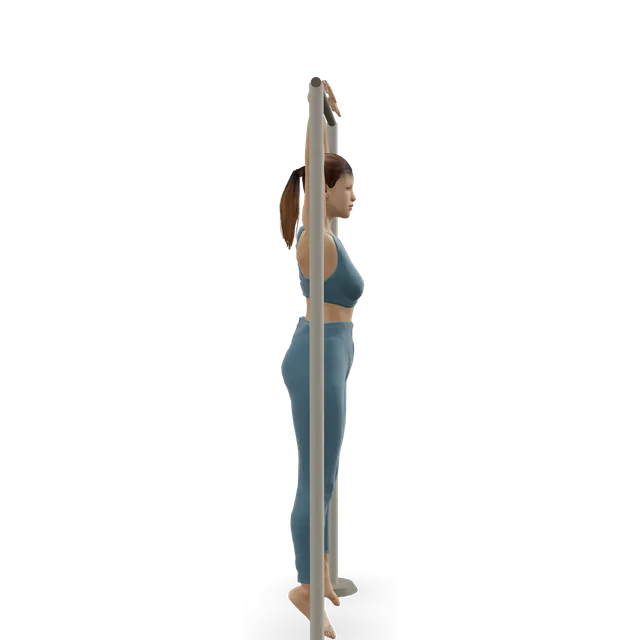
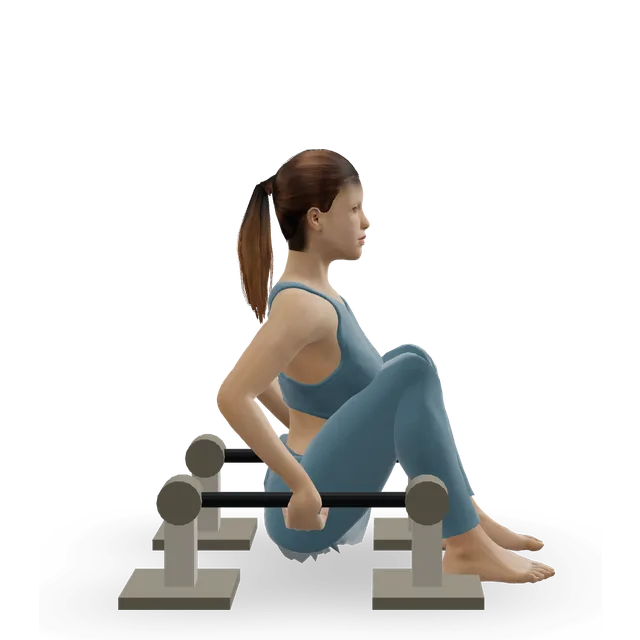
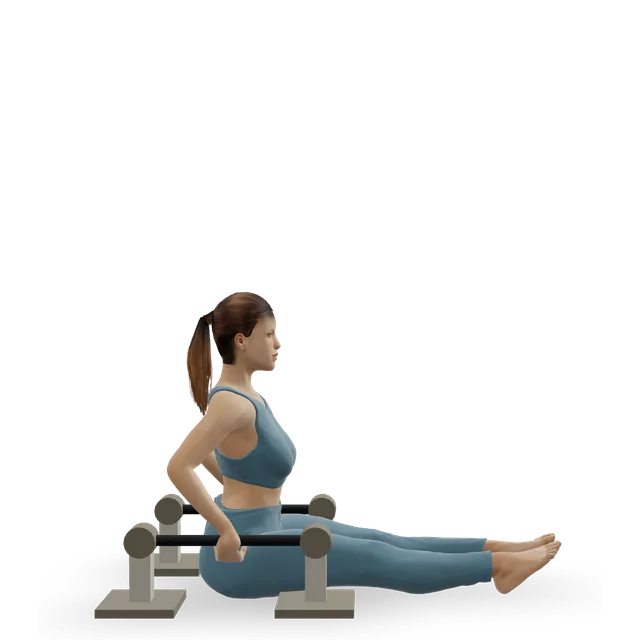
Lifting the knee upright (seated and standing marches, band knee drives, step-ups with a knee drive, skipping); lying (straight-leg raises, dead bugs, reverse crunches and leg raises, where your abs hold your pelvis while the hip flexors lift); and hanging and holding (captain's chair and hanging knee raises, the tuck L-sit and the L-sit), as our leg raise and hanging leg raise guides set out.

How people differ

The psoas is largest in your 20s and shrinks with age, most of all in women in their 70s. Hip flexor strength mattered for walking mostly when it was very low, in a study of older women with disabilities. Young footballers with a bigger psoas had stronger hip flexors, and in 118 adults, body weight, not back pain, went with less hip flexor range.

Sources 13, 14, 15, 11

What this guide covers

The plan for strengthening your hip flexors. Our hips guide covers the glutes and the side of the hip, our Pilates and psoas release pages cover those approaches, and our hip flexor pain guide covers strains and sore tendons.

What the evidence says

Most of this evidence is muscle activity studies, small trials in young adults and cohorts of older adults; we found no randomised trial of hip flexor strengthening alone in older adults.

Hip flexor training builds strengthEmerging evidence

In 33 healthy adults (average age 24, 45% women), band training of one leg for about 10 minutes 3 times a week for 6 weeks, building from a band they could lift 15 times to one they could lift 8 times, raised hip flexion strength of the trained leg by 17%. In 48 active adults, 8 weeks of hip flexor training raised hip flexion strength 12.2%.

Sources 2, 8

The psoas can growEmerging evidence

In 14 college sprinters, 6 weeks on a hip training board grew the psoas more than in controls, and in 8 distance runners, 12 weeks of heavy hip flexor work twice a week grew it a little, with no comparison group.

Sources 16, 17

The moves that load themEmerging evidence

The hip flexors work hardest when the leg lifts against gravity at about 30 to 60 degrees of hip bend, and harder with load. Heavy lifting barely used the psoas (under 16% of its maximum with loads up to 100 kg), and 8 weeks of slow squats barely changed hip flexion strength.

Sources 3, 12, 4, 5

Strength through rangeEmerging evidence

Across 11 trials of 452 people, strength training improved range of movement as much as stretching. Its hip measure was hip flexion range, which depends on the hamstrings, so this says strength training builds range in general, not hip flexor length in particular.

Source 18

How to strengthen your hip flexors: how much and how often

How often

Two or 3 times a week. The band trial, and our tight hip flexors routine, used 3 times a week for 6 weeks.

Source 2

Sets and reps

Band knee drives: 3 sets of 8 to 15 each leg, building from a band you could lift 15 times to one you can lift 8 times over the weeks, as in the trial and our tight hip flexors routine. Straight-leg raises, 8 to 10 each side; dead bugs, 6 to 8 each side; step-ups with a knee drive, 3 sets of 8 each side; hanging knee raises, 2 sets of 8 to 12 (our hip flexor pain and hanging leg raise guides). The NHS's seated hip marching is 5 lifts each leg.

Sources 2, 19

How hard, and rest

Stop the last set of these small moves 0 to 2 reps short of failure, which our guides call 0 to 2 RIR (reps in reserve: how many more reps you could have done), and rest 60 to 90 seconds, as our plans' notes say. Keep your trunk tall and still: leaning back takes the work off the hip flexors.

Progress

Add reps until every set reaches the top of its range, then move to a stronger band or the next step of the ladder: band knee drives, then step-up knee drives, then bench or hanging leg raises, as our plans' notes and leg raise guides say.

How long

Strength rose within 6 weeks in the band trial and 8 weeks in the sprint trial. Keep it going twice a week after that (our editorial suggestion).

Sources 2, 8

The hip pain rule

During the exercise, pain up to about 5 out of 10 is acceptable. It should settle within an hour or so, and your hip should be no worse that night or the next morning. If it is, do less next time (fewer repetitions, a smaller range, a lighter load), not nothing.

Pain can go up a little when you start a new exercise programme; guidelines for arthritis say so and still recommend keeping going. If pain climbs week after week, or a warning sign appears, stop and get it checked.

A hip flexor session, step by step

Our editorial order, from our tight hip flexors routine and hip flexor pain guide, with the band build from Thorborg 2016. Our hip flexor strengthening workout follows it, and our hanging leg raise guide teaches the bar versions.

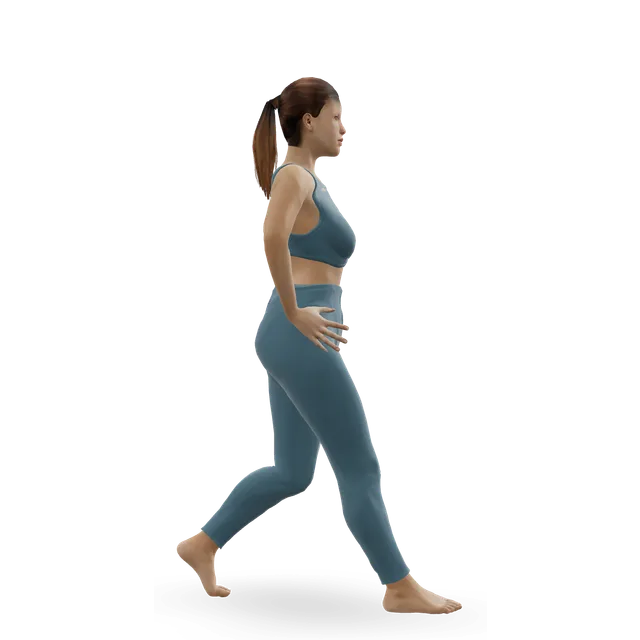
  1. Warm up: march on the spot for 1 minute, knees towards hip height, a hand on a counter if you need it.
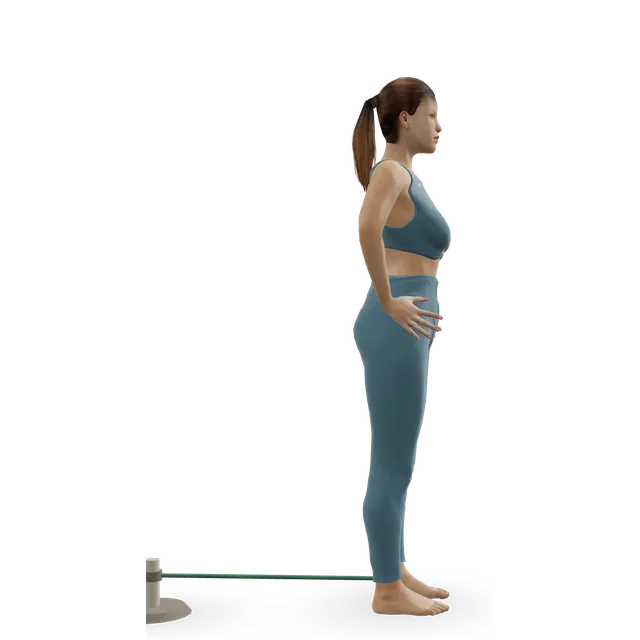
  2. Band knee drives: stand tall facing away from a low anchor, a band round one ankle, and drive the knee up to hip height, pause, then lower slowly. Do 3 sets of 8 to 15 each leg, with a band you could lift about 15 times at first.
  3. Don't lean back as the knee rises, and hold a support if balancing on one leg is new.
  4. Lying: straight-leg raises, 8 to 10 each side with the other knee bent, and dead bugs, 6 to 8 each side, lower back still.
  5. Step: step-ups with a knee raise, 3 sets of 8 each side, standing fully tall before the knee drives up.
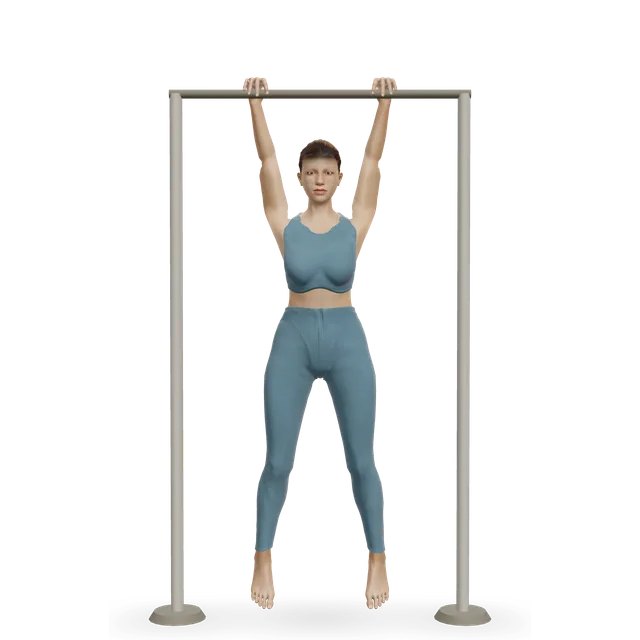
  6. Harder, if you have a bar: hanging or captain's chair knee raises, 2 sets of 8 to 12, no swinging.
  7. Every week or two, move to a stronger band until 8 reps are hard, then keep training twice a week.

Loading the 3D figure…

Gets into position, then repeats the movement. Technical checks passed; qualified exercise review is pending.

The movement on the figure: Standing band hip flexion

Lifting the knee: the ladder

Seated marches, 5 lifts each leg (the NHS sitting exercises), and standing marches, 1 minute, as warm-ups and first steps; standing band hip flexion, 3 sets of 8 to 15 each leg, moving to a stronger band until 8 is hard (our tight hip flexors routine, following a trial's 6-week build); step-ups with a knee raise, 3 sets of 8 each side (our hip flexor pain guide); skipping, 3 sets of 20 m. There's no 3D demo of a cable or ankle-weight knee raise: the band version is the same movement.

Lying, hanging and holding

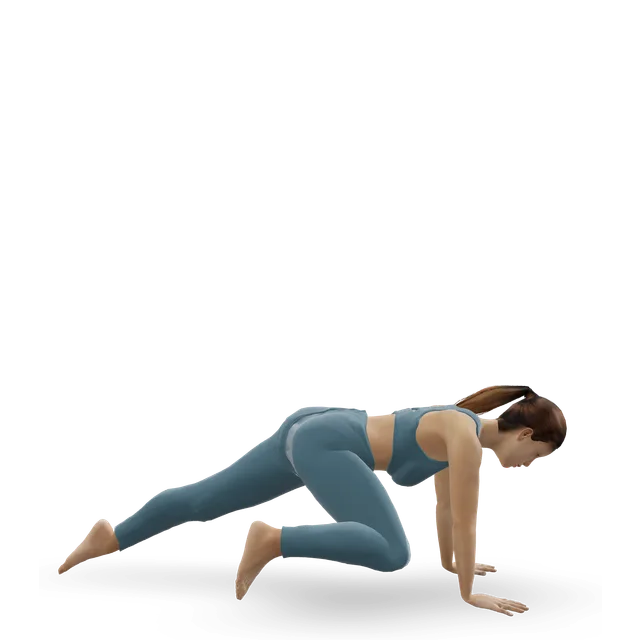
Dead bug heel taps, 2 to 3 sets of 6 to 10 each side; dead bugs, 6 to 8 each side; straight-leg raises, 8 to 10 each side; reverse crunches, 2 to 3 sets of 8 to 15; bench leg raises, 3 sets of 6 to 10; captain's chair knee raises, 2 to 3 sets of 8 to 12; hanging knee raises, 2 sets of 8 to 12; the L-sit, 4 holds of 10 to 15 seconds after the tuck version; mountain climbers, 30 seconds (our leg raise, hanging leg raise and mountain climber guides and tight hip flexors routine).

Walking, stairs and getting older

Hip flexor strength and mobilityEmerging evidence

In 433 older adults living at home, weak hip flexors were linked with declining mobility over a year. In 94 older adults, each extra watt of hip flexor power went with slightly lower odds of a fall, though hip abductor strength predicted falls more strongly. In older women, strength explained under 20% of walking performance. These are links, not proof that training changes them.

Sources 6, 20, 14

Stairs and walking speedEmerging evidence

In 127 women aged 60 to 70, stair-climbing speed was only weakly linked with psoas size, and in 37 women in care homes, muscle size, the psoas included, didn't differ between fast and slow walkers.

Sources 21, 22

Training in older adultsEmerging evidence

In one study of 36 people without a comparison group, 6 weeks of hip flexor training on at least 3 days a week raised hip flexion strength, step length and walking speed. We found no randomised trial of hip flexor strengthening alone in older adults. The NHS asks adults 65 and over to do activities that improve strength, balance and flexibility on at least 2 days a week.

Sources 23, 24

Stretching and walkingEmerging evidence

In 96 older adults, hip flexor stretching twice a day for 10 weeks raised hip extension a little (from about 6 to 8 degrees). Supervised stretching raised stride length in people who started stiff, and walking speed and stride length in 74 frail older adults.

Sources 25, 26, 27

What we take from it

Add marches and knee lifts to the whole-leg and balance work older adults need: start seated, then standing with a hand on a counter, then a light band. Our exercise for older adults guide has the full plan.

Running, sprinting and kicking

SprintingEmerging evidence

Junior sprinters with more psoas relative to thigh muscle ran faster 100 m times, and psoas size went with sprint time in preadolescent boys and adult male sprinters. These are snapshot studies of young athletes.

Sources 7, 28, 29, 30

Training for speedEmerging evidence

In 48 active adults, 8 weeks of hip flexor training cut 40-yard sprint time by 3.8% and shuttle run time by 9.0%, and in 14 college sprinters, 6 weeks on a hip training board improved 100 m times. Promising, and small.

Sources 8, 16

KickingEmerging evidence

In 29 college footballers, iliopsoas size went with side-foot kick speed but not instep kick speed. A review found hip flexor and quad strength linked with kicking, but exercises that copy part of the kick didn't seem to transfer well. Kicking practice comes first.

Sources 31, 32

Hip flexor strainsEmerging evidence

Of 40 hip flexor injuries on MRI scans in male athletes, 16 were in the rectus femoris, mostly from kicking and sprinting, and 12 in the iliacus, mostly from changes of direction. Our quad strain and hip flexor pain guides cover recovery.

Sources 33, 34

If you run or kick

Band knee drives and step-up knee drives twice a week, plus skipping and strides, alongside your sprinting and kicking practice (our suggestion). Our strength training plan for runners and sprint and hurdles warm-up have the sessions.

Tight or weak? Sitting, posture and your back

SittingMixed evidence

In 98 adults, inactive people who sat more than 7 hours a day had 6.1 degrees less hip extension than active people who sat little, in a snapshot study. In 62 students followed for a year, hip flexor length fell, but sitting wasn't tested as the cause. We found no study showing that sitting weakens the hip flexors.

Sources 9, 35

Posture and pelvic tiltEmerging evidence

Hip extension range didn't track pelvic tilt or the curve of the lower back. One stretching session cut pelvic tilt by 1.2 degrees, unrelated to the range gained; the shape of the pelvis alone varies the measured tilt by up to 23 degrees; and 3 weeks of stretching changed no part of running posture.

Sources 36, 37, 38, 39

The Thomas testEmerging evidence

The common lying test for tight hip flexors picked up a real shortfall in hip extension only about a third of the time unless the pelvis was held still.

Source 40

Back painMixed evidence

In 600 adults, iliopsoas length wasn't linked with back pain, though weaker hip flexors were. In 118 adults, the link between hip flexor range and back pain disappeared once body weight was accounted for, and in teenage baseball players and elite athletes, hip flexor tightness or psoas strength didn't go with back pain. One study of ice hockey players found tight hip flexors went with 3 times the risk.

Sources 10, 11, 41, 42, 43

What to do about it

Strengthen through the full range, and stretch if it feels good; don't expect either to change your posture or back pain. Our Pilates for hip flexors, psoas release and anterior pelvic tilt pages cover those questions.

Groin pain and the adductors

Iliopsoas-related groin painStrong evidence

The Doha agreement on groin pain in athletes names iliopsoas-related groin pain as one kind, more likely if resisting hip flexion or stretching the hip flexors hurts. Our groin pain and hip flexor pain guides cover it.

Source 44

The adductors matter moreStrong evidence

The proven risk factors for groin injury are a previous groin injury, a higher level of play, weaker adductors (inner thigh muscles) and less sport-specific training. The Adductor Strengthening Programme, built on the Copenhagen plank, cut the odds of groin problems in football by 41%.

Sources 45, 46, 47, 48

Hip flexors and groin injuryMixed evidence

Hip flexion strength was, if anything, greater in athletes with groin pain, and we found no study showing that weak hip flexors predict groin injury. Train the adductors too.

Sources 49, 50

Stretching, for comfort

The half-kneeling hip flexor stretch with your pelvis tucked, 2 holds of 30 seconds each side with 30 seconds' rest (our tight hip flexors routine, from a trial's dose). The split-stance standing stretch: the move page's dose: hold 20 to 30 seconds, 2 to 4 times each side (our editorial starting point). Heel slides suit a sore or recently operated hip.

Workouts to follow

The hip flexor strengthening workout builds from marches and band knee drives to leg raises and step-ups. The tight hip flexors routine pairs a stretch with strengthening; the leg raise sessions load the hip flexors with the abs; the sprint warm-up and injury prevention sessions suit sport; the seniors' sessions include marches.

Hip flexor strengthening workout: marches, band knee drives, leg raises and step-ups

A 25-minute session for hip flexors that don't currently hurt: marches, band knee drives, leg raises and step-ups, with optional bar and running blocks.

25 minBeginner11 movesA bench or box, A band

Tight hip flexors routine: stretch, then strengthen

Hips that feel tight: a tucked hip flexor stretch, then band knee drives, leg raises, dead bugs, bridges and lunges. Full-range strength work helps flexibility too.

15 minBeginner8 movesA band, An anchor point

Stretch-and-strengthen Pilates for the hip flexors: a 25-minute class for the front and back of the hip

A 25-minute Pilates class for the hip flexors: pelvic control, hip flexor strength, the glutes and back of the hip, and a gentle pelvis-tucked stretch.

25 minBeginner16 movesA band, An anchor point

Hanging leg raise progression workout: five steps to strict toes to bar

A 25-minute ladder to hanging leg raises: reverse crunches, the captain's chair, hanging knee and straight-leg raises, then strict toes to the bar.

25 minBeginner10 movesPull-up bar, A step

Lower ab workout: a leg raise ladder from heel taps to bench leg raises

A 15-minute lower ab workout: heel taps, reverse crunches and leg pull-ins, then lying leg raises and the hip lift. It trains your whole six-pack; pick your step.

15 minBeginner11 movesA bench or box

Sprint and hurdles warm-up: drills, hips, build-ups and starts before training or a race

A 20-minute warm-up for sprinters and hurdlers: jogging, ankle circles, leg swings, hip mobility, skips, wall and arm drills, build-up runs and practice starts.

20 minBeginner12 movesCardio machine, A wall

Hamstring and groin injury prevention

The Nordic hamstring and Copenhagen adduction programmes from the football trials: a 10-week build, three adductor levels, then once a week in season.

15 minIntermediate6 movesA wall, An anchor point

Chair exercises for seniors: a seated workout

A 20-minute seated workout for older adults who cannot stand for long: marching, leg and arm strength, posture, and sit-to-stands that lead back to standing.

20 minBeginner11 movesA bench or box, Something with weight

Strength and balance exercises for seniors

A 40-minute strength and balance session for over-65s, built from the Otago home programme and NHS exercises, using a chair, a counter and a step.

40 minBeginner18 movesA bench or box, Something with weight

Plans

The runners' plan has knee drives and skips; the seniors' plan has marches; the ab challenge and calisthenics plan build leg raises and the L-sit.

When your hip or groin hurts

Pain at the front of the hip when you lift your knee

That's a different plan: our hip flexor pain guide starts with gentle loading and keeps pain at 3 out of 10 or less at first, and our hip pain when lifting your leg guide covers the changes to try.

Pain with sit-ups

Our hip pain with sit-ups guide covers it.

A lump in the groin

A lump in the groin, upper thigh or tummy, especially one that appears when you cough or strain and goes when you lie down: see a GP, as it may be a true hernia. A femoral hernia (a small lump at the top of the thigh, mainly in women over 50, though it can happen to anyone) needs treating in hospital.

See a GP if you think you have a hernia, a bulge or lump that may get bigger when you strain and smaller when you lie down. Get help from NHS 111 if you have a hernia and pain in or around it, a bloated tummy, you feel or are sick, you're vomiting blood or your vomit looks like coffee grounds, you're constipated, you have a high temperature or feel hot, cold or shivery, or you've suddenly become confused. Call 999 or go to A&E for a femoral hernia (a small lump at the top of your thigh, in your groin) with very bad tummy pain, sickness, being unable to fart or poo, a high temperature or sudden confusion.

A runner's hip

Same day, and stop running now: groin or front-of-hip pain in a runner, sometimes felt in the thigh or knee, that builds with running, hurts with every step or at night, or hurts when the hip is turned to the end of its range. Keep weight off the leg, using crutches if you have them, and get an urgent GP appointment or help from NHS 111 the same day: a stress fracture of the hip (femoral neck) needs urgent imaging.

A teenager with a pop at the hip bone

Same day: a teenager with sudden pain at the front or top of the hip bone after a sprint, kick or jump, often with a pop. A piece of growth plate can pull off the pelvis (an avulsion fracture), and it needs an X-ray the same day.

Who should change their hip flexor training

After a hip replacement

Follow your surgical team's limits. Our knee replacement, hip replacement and ACL (anterior cruciate ligament) injury guides cover the stages.

Our seated march's move page says to keep the lift low after a recent hip replacement unless your surgeon has said otherwise.

Sit-ups and leg raises

Skip sit-ups with osteoporosis, back pain that flares with bending, in later pregnancy or the first weeks after a birth, or with a hernia.

With osteoporosis or a past spinal fracture, avoid repeated or loaded deep rounding of the back, and bend from the hips. The osteoporosis guide covers impact and lifting.

Pregnancy

After the first trimester, prop yourself up or skip the moves done lying on your back, and use the standing and seated marches instead (our suggestion, following the NHS advice our plans give, as our tight hip flexors routine does).

Older adults and balance

Stop if you feel dizzy or light-headed. Keep a counter or wall within reach, and have someone nearby for the hardest moves if you've fallen recently (our suggestion, as in our older adults guide).

Back pain

Keep the knees bent in leg raises and dead bugs, and stop any move that sends pain down a leg.

Pain you'd call mild to moderate, no more than about 5 out of 10, that settles within an hour or so, with your back no worse the next morning, is acceptable; if it is worse, do less next time (fewer reps, a smaller range, a lighter load), not nothing. Stop or shrink any movement that sends pain, pins and needles or numbness further down your leg. That's our back pain guides' rule.

Hypermobility

Control matters more than stretch: build strength through the range you can control. Our exercise for hypermobility guide has more.

Warning signs: when to get help

A hip after a fall, or one you can't put weight on

Call 999 or go to A&E for severe hip pain after a fall or injury, if you can't walk or put weight on your leg, or for tingling or loss of feeling in your hip or leg after an injury. Ask for an urgent GP appointment or get help from NHS 111 for severe hip pain that started suddenly without a fall, a hip that's swollen and feels hot, skin around it that has changed colour, or hip pain with feeling generally unwell and a high temperature.

Source 51

A teenager with a pop at the hip bone

Same day: a teenager with sudden pain at the front or top of the hip bone after a sprint, kick or jump, often with a pop. A piece of growth plate can pull off the pelvis (an avulsion fracture), and it needs an X-ray the same day.

A runner's hip

Same day, and stop running now: groin or front-of-hip pain in a runner, sometimes felt in the thigh or knee, that builds with running, hurts with every step or at night, or hurts when the hip is turned to the end of its range. Keep weight off the leg, using crutches if you have them, and get an urgent GP appointment or help from NHS 111 the same day: a stress fracture of the hip (femoral neck) needs urgent imaging.

A child's hip

Call 999 or go to A&E if your child gets sudden pain in their hip, knee or thigh (hip problems can sometimes be felt in the thigh or knee) or cannot put any weight on their leg. If your child is limping, ask for an urgent GP appointment or get help from NHS 111 the same day. This applies to teenagers too, and in some children knee pain is the only sign.

A lump in the groin

A lump in the groin, upper thigh or tummy, especially one that appears when you cough or strain and goes when you lie down: see a GP, as it may be a true hernia. A femoral hernia (a small lump at the top of the thigh, mainly in women over 50, though it can happen to anyone) needs treating in hospital.

See a GP if you think you have a hernia, a bulge or lump that may get bigger when you strain and smaller when you lie down. Get help from NHS 111 if you have a hernia and pain in or around it, a bloated tummy, you feel or are sick, you're vomiting blood or your vomit looks like coffee grounds, you're constipated, you have a high temperature or feel hot, cold or shivery, or you've suddenly become confused. Call 999 or go to A&E for a femoral hernia (a small lump at the top of your thigh, in your groin) with very bad tummy pain, sickness, being unable to fart or poo, a high temperature or sudden confusion.

Sources 52, 53

A clot in the leg

Same day (urgent GP appointment or NHS 111): throbbing pain in one leg (rarely both), usually the calf or thigh; swelling in one leg (rarely both); red, blue or darkened skin around the painful area, which may be harder to see on brown or black skin; or swollen veins. It could be a blood clot (deep vein thrombosis, DVT), which is more likely while you're moving about much less than usual or after a hospital stay.

Also call 999 for pain and swelling in one leg with breathlessness or chest pain: it can be a blood clot that has reached the lungs.

Source 54

Back pain with leg symptoms

Call 999 or go to A&E: loss of feeling or numbness around the genitals or bottom, new trouble peeing or controlling your bladder or bowels, changes in genital sensation during sex or problems with erections or orgasm, or pain, tingling, weakness or numbness in both legs. These are signs of cauda equina syndrome, which needs treating in hospital urgently. Don't drive yourself.

See a GP if pain spreading down a leg hasn't improved after a few weeks of home treatment, is getting worse or stops your normal activities. Sciatica on both sides, or weakness or numbness in both legs that's severe or getting worse, is a 999 call or a trip to A&E.

See a GP

See a GP if hip pain stops you doing normal activities or affects your sleep, is getting worse or keeps coming back, hasn't improved after 2 weeks of treating it at home, or you have hip stiffness for more than 30 minutes after waking up.

Stop and get medical help

If you get chest pain or pressure, feel faint or dizzy, are unusually breathless, or your heart races or beats irregularly during exercise, as our plans advise.

Call 999 (911 in the US)

For chest pain that comes on suddenly and doesn't go away, feels tight or like squeezing, spreads to your arms, neck, jaw, stomach or back, or comes with sweating, feeling sick, light-headedness or breathlessness; severe difficulty breathing; someone who faints while exercising; palpitations that don't go away, or come with chest pain, shortness of breath or feeling faint; or a headache that starts suddenly and is extremely painful, especially while lifting or straining, or comes with numbness or weakness, difficulty speaking or loss of vision. The NHS says a bleed on the brain may be more likely when lifting something heavy. Don't drive yourself to A&E.

Ask for an urgent GP appointment or call NHS 111

Ask for an urgent GP appointment or get help from NHS 111 for a headache that's triggered or made worse by coughing, sneezing, bending down or exercising. In the US, contact your doctor or urgent care.

During any session

Stop straight away if you feel any pain or become unwell, the NHS says, and contact 111 if your symptoms worry you or don't go away.

A dull ache in your muscles for a day or two after something new is normal. Joint pain that's sharp, gets worse during a set or lingers into the next day means switching to the easier option, and seeing a GP or physiotherapist if it carries on (our plans' rule). Our muscle soreness guide has more.

Check first

Speak to your GP first if you haven't exercised for some time or have medical conditions or concerns, as the NHS advises. Get advice before heavy lifting or hard straining work if your blood pressure is uncontrolled, or you have heart disease or chest pain when you're active, a pacemaker or defibrillator, diabetic eye disease, glaucoma, a hernia, recent eye or tummy surgery, or you're pregnant, as our breathing guide lists. After a recent shoulder dislocation or shoulder surgery, follow our shoulder dislocation guide or your surgical team first.

Speak to a GP first if you haven't exercised for some time, or if you have a medical condition or concerns. Get advice first, too, if you have a health problem, an injury or symptoms, have recently had a heart attack or an operation, or are pregnant or have recently given birth.

Source 55
Myths

"Sitting makes your hip flexors short and weak"Mixed evidence

Short: one snapshot study found 6 degrees less hip extension in inactive people who sat over 7 hours a day, which is a link, not proof. Weak: we found no study. Moving more is good advice for many reasons, and strength training through a full range builds range as well as stretching does, so it covers both worries.

Sources 9, 18

"Tight hip flexors cause back pain"Mixed evidence

The link with hip flexor range disappeared once body weight was accounted for in one study, and iliopsoas length wasn't linked with back pain in 600 adults, though weaker hip flexors were; one ice hockey study found a link.

Sources 11, 10, 42

"Stretching your hip flexors fixes anterior pelvic tilt"Emerging evidence

Hip extension range didn't track pelvic tilt, a stretching session cut tilt by 1.2 degrees unrelated to the range gained, and pelvic shape alone varies the measurement by up to 23 degrees. Our anterior pelvic tilt page covers this.

Sources 36, 37, 38

"Squats and deadlifts train your hip flexors"Emerging evidence

The psoas worked at under 16% of its maximum lifting up to 100 kg, and squat training barely changed hip flexion strength. Train the knee lift.

Sources 4, 5

"Weak hip flexors cause groin injuries"Mixed evidence

The proven risk factors are a previous injury and weak adductors, and hip flexion strength was if anything greater in athletes with groin pain. Train the adductors too, with the Copenhagen plank.

Sources 45, 46, 49

"Your psoas needs releasing before it can work"

We found no trial testing it. Our psoas release page covers the myths.

"Hip flexor training will make you faster"Emerging evidence

In active adults, 8 weeks cut 40-yard sprint time by 3.8%, and college sprinters improved on a hip board in a 14-person trial; the rest is snapshot studies. Promising, and small.

Sources 8, 16, 7, 29

Questions people ask

What are the best exercises to strengthen your hip flexors?

Moves that lift your knee or leg against resistance: band knee drives, step-ups with a knee drive, straight-leg raises, and hanging or captain's chair knee raises. The hip flexors work hardest when the leg lifts at about 30 to 60 degrees of hip bend, and harder with load.

How do I strengthen my hip flexors at home?

Marches, band knee drives with a band tied low round a table leg, straight-leg raises, dead bugs and step-ups with a knee drive on the bottom stair. About 10 minutes of band work 3 times a week raised hip flexor strength 17% in 6 weeks in a trial, and our hip flexor strengthening workout puts it in order.

How do I strengthen my hip flexors for running?

Band knee drives and step-up knee drives twice a week, plus skipping and strides. A bigger psoas went with faster sprinting in young athletes, and 8 weeks of hip flexor training cut 40-yard times by 3.8% in one small study.

How do I strengthen my hip flexors after 60?

Start with seated marches (the NHS's version is 5 lifts each leg), then standing marches holding a counter, then a light band. Weak hip flexors were linked with declining mobility over a year in 433 older adults, a link rather than proof, and balance work belongs alongside.

Are my hip flexors tight or weak?

Often neither in the way the internet says: the common lying test (the Thomas test) is unreliable unless the pelvis is held still, and a tight feeling can be stiffness or sensitivity. Strength training through the full range builds range as well as stretching does, so strengthening covers both.

Does sitting make your hip flexors weak?

We found no study showing it does. Inactive people who sat a lot had about 6 degrees less hip extension in one study, which is a link, not proof.

Do weak or tight hip flexors cause back pain?

The evidence doesn't show it: hip flexor length wasn't linked with back pain in 600 adults, or once body weight was accounted for in another study. If your back hurts, our back pain guides have the plan.

Do squats work the hip flexors?

Very little. The psoas worked at under 16% of its maximum even lifting heavy, and squat training barely changed hip flexion strength. Add knee drives or leg raises.

Can I strengthen my hip flexors after a hip replacement?

Follow your surgical team's limits first; our hip replacement guide has the stages. Seated marches with a low lift are a common early step, and our move page says to keep the lift low after a recent replacement unless your surgeon has said otherwise.

What if the front of my hip hurts when I lift my knee?

That's a different plan: our hip flexor pain guide starts with gentle loading and keeps pain at 3 out of 10 or less at first. A teenager with a pop at the front of the hip bone after a sprint or kick needs an X-ray the same day.

How often should I train my hip flexors?

Two or three times a week. The band trial used 3 sessions a week for 6 weeks, building from a band people could lift 15 times to one they could lift 8 times.

What are the hip flexor muscles?

Mainly the iliopsoas (the psoas and iliacus) deep in the hip, with the rectus femoris at the front of the thigh, the sartorius and the tensor fasciae latae. Our iliopsoas page has the anatomy.

Sources

  1. Andersson 1995 · The psoas and iliacus in stability and movement of the lumbar spine, pelvis and hip (muscle activity study, Scand J Med Sci Sports)
  2. Thorborg 2016 · A 6-week elastic band hip flexor training programme in 33 adults (randomised trial, Knee Surg Sports Traumatol Arthrosc)
  3. Juan 2024 · Hip flexor muscle activation in common rehabilitation and strength exercises (systematic review, J Clin Med)
  4. Juker 1998 · Psoas and abdominal wall activity across many tasks, with fine-wire electrodes (lab study, Med Sci Sports Exerc)
  5. Akagi 2020 · Eight weeks of slow, light squat training and knee and hip strength (training study, Front Physiol)
  6. Ikezoe 2021 · Hip flexor strength and declining function in 433 older adults living at home (cohort study, Arch Gerontol Geriatr)
  7. Hoshikawa 2006 · Psoas and thigh muscle size and 100 m times in junior sprinters (cross-sectional study, Med Sci Sports Exerc)
  8. Deane 2005 · Hip flexor training and sprint, shuttle run and jump performance in 48 adults (training study, J Strength Cond Res)
  9. Boukabache 2021 · Prolonged sitting, inactivity and hip extension in 98 adults (cross-sectional study, Musculoskelet Sci Pract)
  10. Nourbakhsh 2002 · Mechanical factors and low back pain in 600 adults (cross-sectional study, JOSPT)
  11. Eimiller 2026 · Hip flexor tightness and low back pain in people not seeking care (cross-sectional study, Clin Biomech)
  12. Andersson 1997 · Abdominal and hip flexor activity in training exercises (muscle activity study, Eur J Appl Physiol)
  13. Takahashi 2006 · Ageing and the size of the psoas and quadriceps in women (cross-sectional study, J Musculoskelet Neuronal Interact)
  14. Ferrucci 1997 · Leg strength and physical performance in disabled older women: the Women's Health and Aging Study (cohort study, J Gerontol A)
  15. Hoshikawa 2012 · Psoas size and hip flexion strength in youth soccer players (cross-sectional study, Eur J Appl Physiol)
  16. Nakata 2022 · Six weeks of training on a multi-hip joint board in college sprinters (randomised trial, J Strength Cond Res)
  17. Yamanaka 2021 · Psoas resistance training alongside running in long-distance runners (training study, Int J Sports Physiol Perform)
  18. Afonso 2021 · Strength training against stretching for range of movement: 11 trials (systematic review and meta-analysis, Healthcare)
  19. NHS · Sitting exercises
  20. de Almeida Nagata 2024 · Leg muscle strength and power and falls in older adults living at home (cohort study, PLoS One)
  21. Masuda 2002 · Muscle size and stair climbing in older women (cross-sectional study, Percept Mot Skills)
  22. Ikezoe 2011 · Leg muscle size and walking ability in older women (cross-sectional study, Eur J Appl Physiol)
  23. Sato 2020 · Hip flexor strengthening, walking and the locomotive syndrome test in 36 people (uncontrolled study, J Orthop Sci)
  24. NHS · Physical activity guidelines for older adults
  25. Kerrigan 2003 · A hip flexor stretching programme and walking in older adults (randomised trial, Arch Phys Med Rehabil)
  26. Watt 2011 · Supervised hip flexor stretching and walking in older adults (randomised trial, PM R)
  27. Watt 2011 · Supervised hip flexor stretching and walking in frail older adults (randomised trial, PM R)
  28. Tottori 2018 · Hip flexor and knee extensor size and sprinting in sprint-trained preadolescent boys (cross-sectional study, Pediatr Exerc Sci)
  29. Tottori 2021 · Trunk and leg muscle size in sprinters (cross-sectional study, BMC Res Notes)
  30. Copaver 2012 · Psoas size, the lower back curve, hip flexion and sprinting (cross-sectional study, Res Q Exerc Sport)
  31. Wakahara 2018 · Iliopsoas size and kicked ball speed in soccer players (cross-sectional study, Int J Sports Med)
  32. Young 2011 · Strength training and foot speed in football kicking (review, J Strength Cond Res)
  33. Serner 2018 · Acute groin injuries in the hip flexors on MRI in athletes (case series, Scand J Med Sci Sports)
  34. Mendiguchia 2013 · Rectus femoris injuries in football: mechanisms, risk factors and prevention (review, BJSM)
  35. Abbas 2026 · Pain and hip muscle length in students over a year (cohort study, Medicina)
  36. Heino 1990 · Hip extension range and posture (cross-sectional study, JOSPT)
  37. Preece 2021 · Pelvic tilt before and after hip flexor stretching in healthy adults (study, J Manipulative Physiol Ther)
  38. Preece 2008 · Pelvic shape and the measurement of anterior pelvic tilt (study, J Man Manip Ther)
  39. Mettler 2019 · Hip flexor stretching and running movement in people with limited hip extension (training study, J Strength Cond Res)
  40. Vigotsky 2016 · The modified Thomas test and hip extension when pelvic tilt isn't controlled (validity study, PeerJ)
  41. Kato 2022 · Leg flexibility and later low back pain in 296 adolescent baseball players (cohort study, J Orthop Sci)
  42. McHugh 2026 · Hip flexibility and low back pain in ice hockey players (cohort study, OJSM)
  43. Zhou 2026 · Psoas properties in elite athletes with and without chronic low back pain (cross-sectional study, Sports Med Open)
  44. Weir 2015 · Doha agreement on terms and definitions for groin pain in athletes (consensus, BJSM)
  45. Whittaker 2015 · Risk factors for groin injury in sport (systematic review, BJSM)
  46. Mosler 2018 · Screening tests and groin injury risk in 438 professional soccer players (cohort study, AJSM)
  47. Esteve 2022 · Assessing the risk of groin problems in male football players over a season (cohort study, BJSM)
  48. Harøy 2019 · The Adductor Strengthening Programme and groin problems in male football players (cluster-randomised trial, BJSM)
  49. Mosler 2015 · What sets athletes with hip and groin pain apart (systematic review and meta-analysis, BJSM)
  50. Kloskowska 2016 · Movement and muscle function before and after sports-related groin pain (systematic review and meta-analysis, Sports Med)
  51. NHS · Hip pain in adults
  52. NHS · Hernia
  53. NHS · Femoral hernia
  54. NHS · Deep vein thrombosis (DVT)
  55. NHS · Physical activity guidelines for adults aged 19 to 64

Exercise education, not a personal prescription, and clinical review of these guides is pending. Check with a GP before starting hard training if you have a heart condition, chest pain, dizziness or breathlessness when active, and stop for sharp or increasing pain. Health disclaimer.