Training guide

How to strengthen your hips: the glutes and the side of the hip, the exercises that work, for running, knees and balance, and when hip pain needs a different plan

Your hip muscles do four jobs: they push the hip forward when you stand, climb and run, hold your pelvis level every time you stand on one leg, steady your knee on one leg, and pull the thigh inwards. Strengthening your hips means training all four, 2 or 3 times a week, with a few minutes of balance work.

Strong hips help sore knees and help older adults stay steady, but hip strength alone hasn't been shown to prevent running injuries. This guide covers the hip strengthening exercises that work each job, how many sets and how often, what strong hips do for knees, running and balance, and when hip pain needs our pain guides first. Our hip strengthening workout puts it into one session.

The short version

Train the four jobs, 2 or 3 times a week

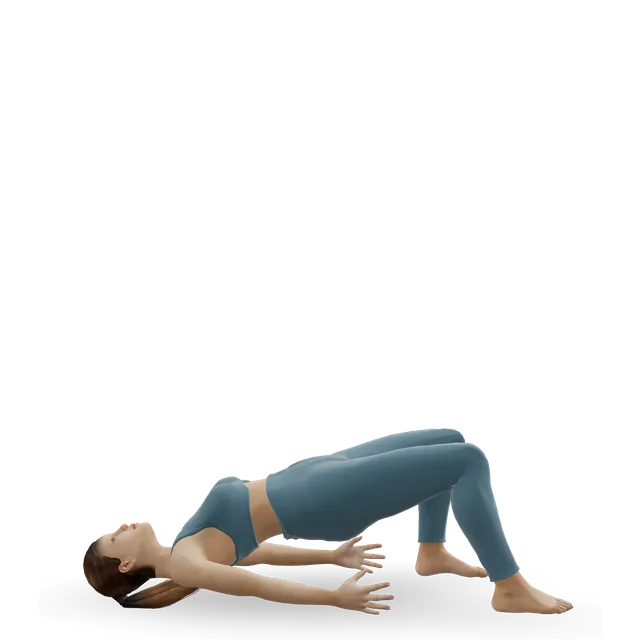
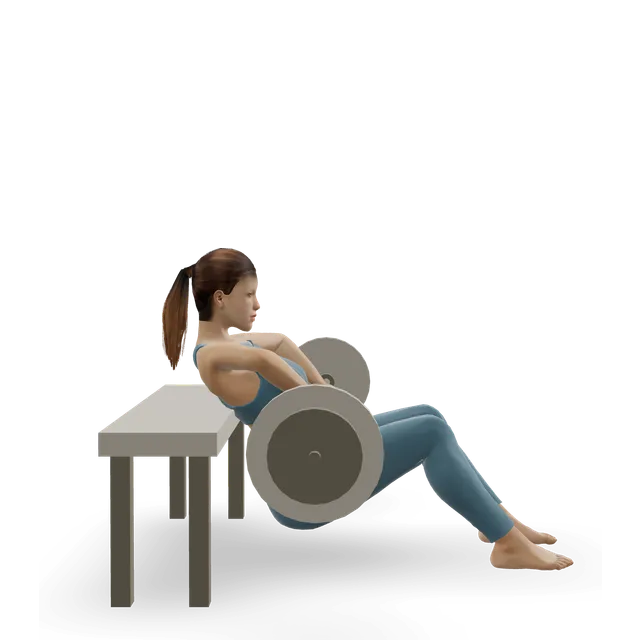
Bridges or hip thrusts, side-hip moves (side-lying raises, side planks, band walks), single-leg work (step-ups, split squats, single-leg Romanian deadlifts), a little inner-thigh work, and balance on one leg: 2 or 3 sets of 8 to 15, as our hip joint page suggests.

Clamshells are a start, not a programme

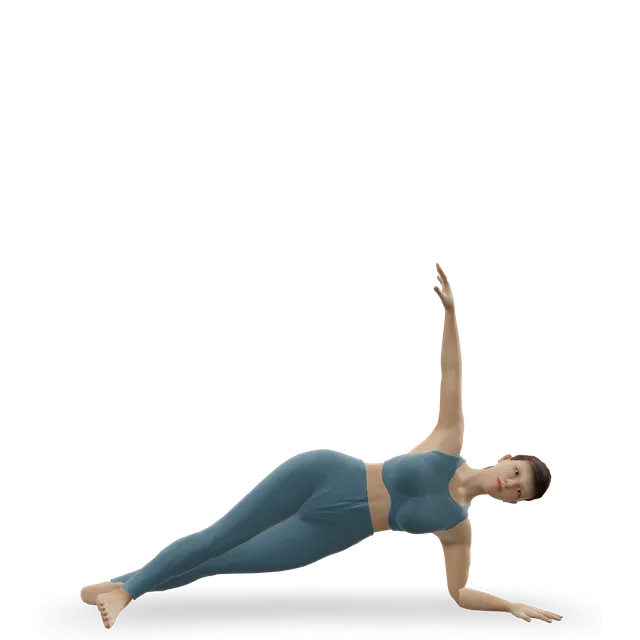
In lab studies, side-lying leg raises and side planks with the top leg lifted worked the side of the hip harder than clamshells. Move on to harder side-hip and single-leg work.

Sources 1, 2

Strong hips help sore knees

For kneecap pain, hip and knee strengthening together eased pain more than knee work alone in 14 trials, and hip strengthening improved pain and function in knee arthritis.

Sources 3, 4, 5

For running, hip strength alone isn't proven to prevent injury

Weak hips go with outer knee (iliotibial band) pain, but a hip, thigh and core programme didn't cut injuries in 720 first-time marathon runners. Train it as part of whole-leg strength.

Sources 6, 7

For balance, add balance practice

Programmes that mixed balance, everyday movement and strength work cut falls in older adults by about a third. One-leg balance belongs in every hip session.

Source 8

What your hip muscles do

A deep ball and socket, built for load

The hip is a deep ball and socket, made to carry your weight, as our hip joint page explains. You strengthen the muscles round it, and the joint's tissues adapt with them.

Push the hip forward

The gluteus maximus and hamstrings straighten the hip when you stand up, climb stairs and run. Bridges, hip thrusts, squats, step-ups, split squats and Romanian deadlifts train them.

Hold the pelvis level

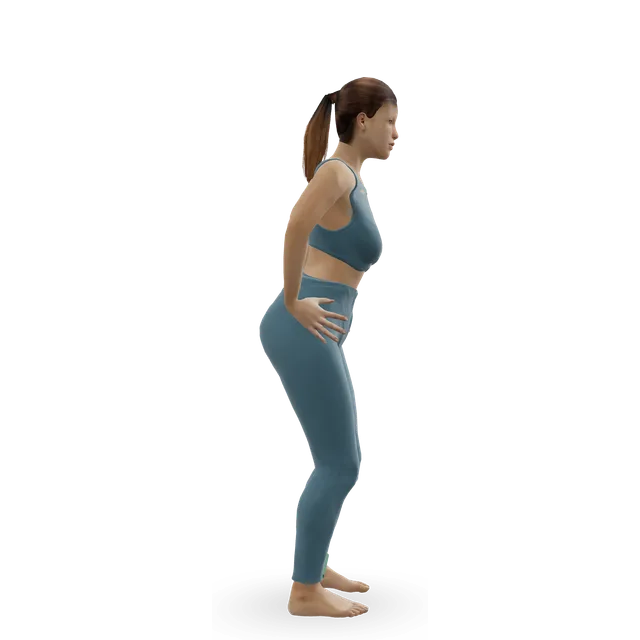
The gluteus medius and minimus, on the outer side of the hip, hold your pelvis level when you stand on one leg, which you do with every step. Side-lying leg raises, side planks, band walks and the hip hitch train them, as our glute guide explains.

Control on one leg, and the inner thigh

Step-ups, step-downs and single-leg Romanian deadlifts train your hip to steady the knee over your foot on one leg. The adductors on the inner thigh pull the leg in; the Copenhagen plank trains them.

How people differ

Hip sockets differ in depth and angle, so the squat depth and stance width that feel right differ too. Side-hip strength matters more with age: in 60 older adults, hip abductor strength told fallers from non-fallers best of the hip muscles. If you're heavier, bodyweight moves are already a real load (our suggestion).

Source 9

What the evidence says

Most of this evidence comes from people with knee or hip pain, from older adults, or from small lab studies of muscle activity in healthy young people. We found no trial of hip strengthening in people whose hips and knees don't hurt, other than in runners.

Which moves work the side and back of the hipEmerging evidence

In 21 active people, side-lying hip abduction drew about twice the gluteus medius activity of clamshells, and single-leg squats and single-leg deadlifts worked both the medius and maximus well. In 24 people, side planks with the top leg lifted and single-leg squats ranked highest for the gluteus medius. Clamshells, side-steps and single-leg bridges worked the glutes while keeping a hip flexor at the front quiet in 20 people. Across 16 studies, step-ups drew the most gluteus maximus activity, then deadlifts, hip thrusts, lunges and squats. These measure effort in a few reps, not strength gained.

Sources 1, 2, 10, 11

Hip strengthening helps knee arthritisEmerging evidence

In 89 people with knee arthritis, 12 weeks of hip strengthening improved pain, function and strength against no treatment, though it didn't lower the load on the inside of the knee. Across 8 trials, adding hip exercises to quadriceps exercises improved walking but not pain overall, and hip strengthening exercises did better than functional exercises for pain and function.

Sources 4, 5, 12

Kneecap pain: hip and knee togetherStrong evidence

In 14 trials of 673 people with kneecap (patellofemoral) pain, hip and knee strengthening cut pain by 1.5 points out of 10 more than knee strengthening alone, without a measurable change in strength. Our knee guide says the same.

Source 3

Hip strength and running injuries: unclearMixed evidence

Across 11 studies, weaker hip abductors went with outer knee (iliotibial band) pain in studies taken at one point in time, but not clearly with kneecap pain, shin pain, stress fractures or Achilles pain. In 79 college runners, those flagged as weak weren't injured more often. In 720 first-time marathon runners, a 10-minute hip, thigh and core programme 3 times a week didn't cut the injuries that stopped people finishing.

Sources 6, 13, 7

Strength and balance work prevents fallsStrong evidence

In 108 trials of 23,407 people aged 60 and over, exercise cut the rate of falls by 23%, balance and functional exercise by 24%, and programmes mixing balance, functional and strength work by about a third; strength training alone had uncertain effects. WHO asks adults over 65 for balance and strength work on 3 or more days a week.

Sources 8, 14

Side-hip strengthening and falls: one small trialEmerging evidence

In one small trial of 102 older adults, 12 weeks of hip abduction strengthening raised hip strength by 25% and was followed by fewer falls over a year than seated stretching (a rate ratio of 0.30), although stepping practice improved balance recovery more. It needs repeating in bigger trials.

Source 15

Exercise eases hip arthritis a littleStrong evidence

In the 2026 Cochrane update of 18 trials and 1,368 people, exercise against no treatment probably reduced pain by about 7 points and improved function by about 9 points on 100-point scales, changes its authors judge unlikely to matter much on average. NICE offers exercise, including local muscle strengthening, to everyone with osteoarthritis, and warns that joint pain may rise at first.

Sources 16, 17

Outer hip pain responds to education and exerciseEmerging evidence

In 204 people aged 35 to 70 with gluteal tendinopathy, 8 weeks of advice on managing load plus exercise gave more people a good result (51 of 66) than a steroid injection (38 of 65) or waiting (20 of 68), and a better result than the injection at a year.

Source 18

Single-leg and two-leg work: strength is specificEmerging evidence

In 14 studies of people aged 16 to 26, single-leg training improved single-leg jumping more and two-leg training improved two-leg strength more. In 9 studies, muscle growth didn't differ, and each kind of training raised strength most in its own test. In 18 rugby players, Bulgarian split squats raised back squat strength as much as back squats did.

Sources 19, 20, 21

Hip strengthening exercises: how much and how often

How often

Two or 3 days a week, 2 or 3 sets of 8 to 15, adding load as it gets easy, as our hip joint page suggests. The NHS asks for strength work on at least 2 days a week, including the hips.

Source 22

Push the hip forward

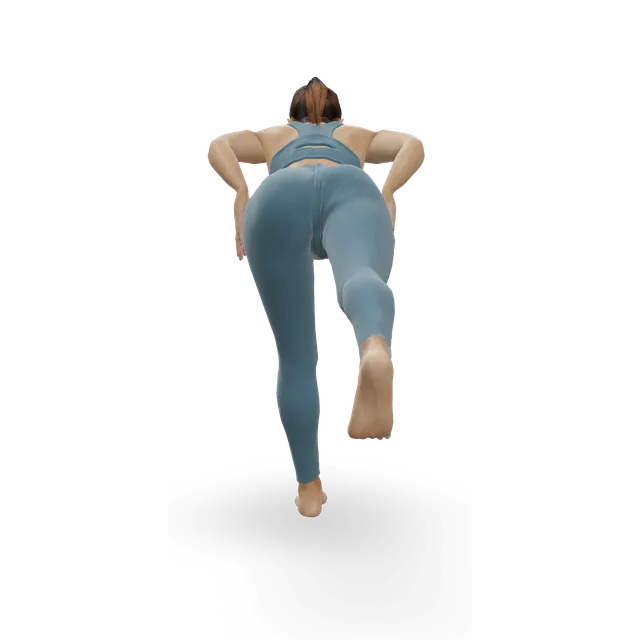
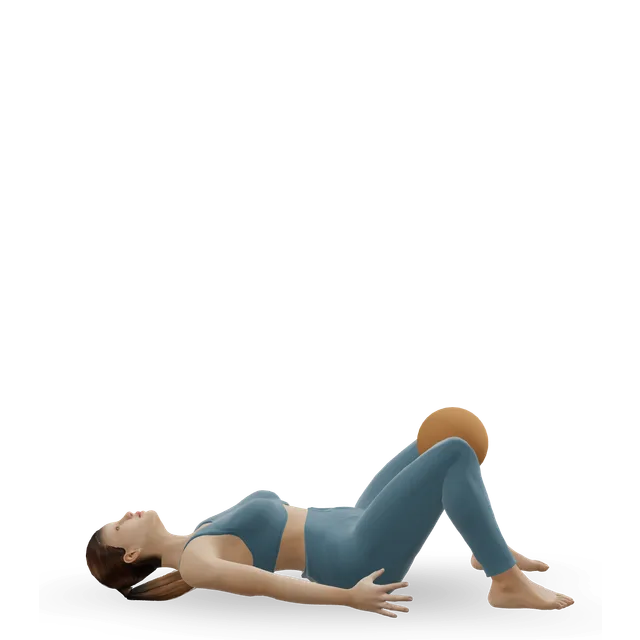
Glute bridges, 3 sets of 10 to 15 with a 1 to 2 second pause, then single-leg bridges, 3 sets of 8 to 12 each side, once 3 sets of 15 are smooth (our glute bridge guide). Hip thrusts, 3 sets of 6 to 10. Single-leg Romanian deadlifts, 2 or 3 sets of 6 to 10 each leg.

The side of the hip

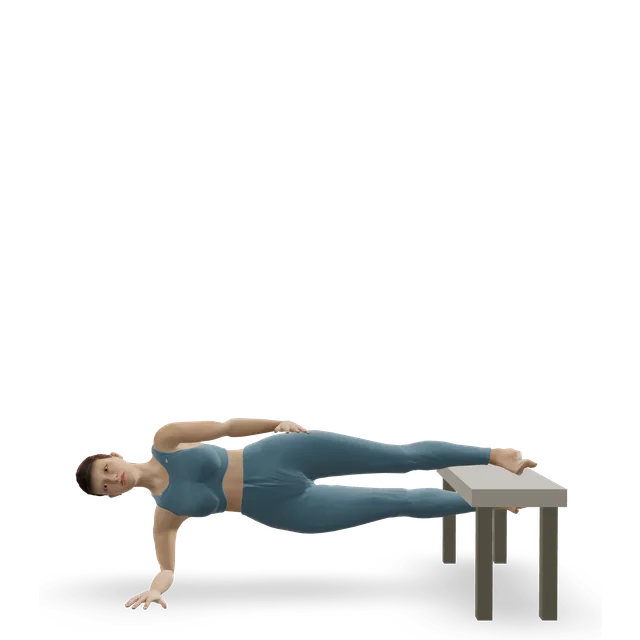
Side-lying leg raises, starting with 2 sets of 10 to 12 each side and building to 3 sets of 12 to 15; band walks, 2 or 3 sets of 10 to 15 steps each way; side planks, 3 holds of 15 to 40 seconds a side, then with the top leg lifted (our move guides). Clamshells, 2 or 3 sets of 12 to 15 each side, are an easy start.

One leg, and the inner thigh

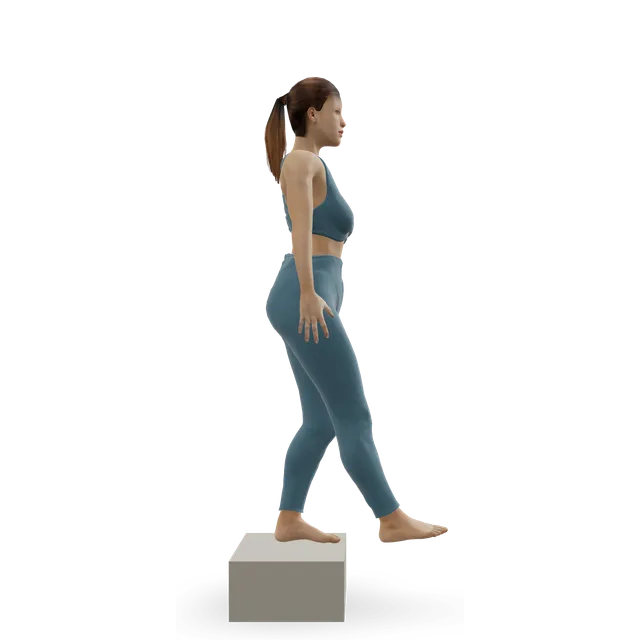
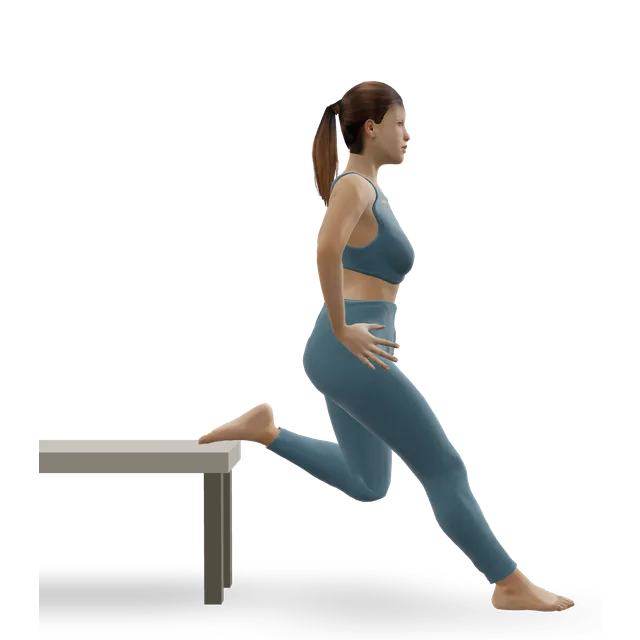
Step-ups, 2 or 3 sets of 8 to 12 on each leg; step-downs, 2 sets of 8 slow reps building to 3 sets of 8 to 10; split squats, then Bulgarian split squats, 3 sets of 6 to 10 each leg. Copenhagen planks start at 1 set of 3 to 5 slow reps a side and build over several weeks, as the trials did.

Effort and rest

Stop squats, split squats and hinges 2 or 3 reps short of failure, hip thrusts 1 to 3, and let the last set of side-hip work get within 0 to 2, as our glute guide sets out. If a bodyweight side-hip move lets you do 20 or more reps, add a band or move to a harder version. Rest 60 to 90 seconds for side-hip moves, about 90 seconds for single-leg work and 2 to 3 minutes for heavy thrusts.

Balance

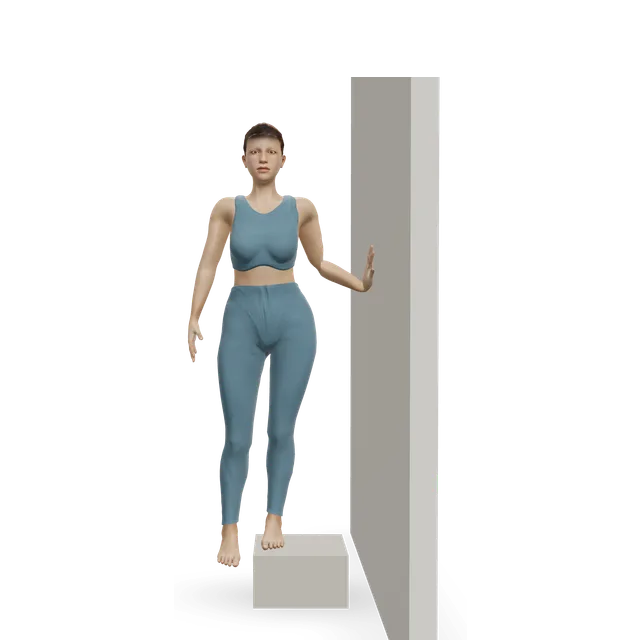
Stand on one leg next to a counter, 2 holds of 20 to 30 seconds each side, and make it harder over the weeks, as our hip joint page suggests.

Our hip pain rule

During the exercise, pain up to about 5 out of 10 is acceptable. It should settle within an hour or so, and your hip should be no worse that night or the next morning. If it is, do less next time (fewer repetitions, a smaller range, a lighter load), not nothing.

A hip strength session, step by step

Our editorial session, the order of our hip strengthening workout, with doses from our glute bridge, side-lying leg raise, band walk, step-up and single-leg deadlift guides and our lateral pelvic tilt routine. With pain on the outside of your hip, do the holds only and see our outer hip pain guide.

  1. Warm up for 3 to 5 minutes: march on the spot, then 3 slow hip circles each way on each leg.
  2. Bridges: 2 sets of 12 with a 2-second pause at the top.
  3. Side of the hip: 2 sets of 10 to 12 side-lying leg raises each side, top hip rolled slightly forward, leading with the heel, then 20-second knee side planks.
  4. Band walks: 2 sets of 10 steps each way, knees in line with your toes.
  5. One leg: 2 sets of 8 to 10 step-ups each leg, then 6 to 8 single-leg Romanian deadlifts each leg, holding a support at first.
  6. Balance: 2 holds of 30 seconds on each leg next to a counter.
  7. When 3 sets reach the top of a range, move to the next step of that move.

Loading the 3D figure…

Gets into position, then repeats the movement. Technical checks passed; qualified exercise review is pending.

The movement on the figure: Side-lying leg raise

Bridges, hip thrusts and hinges

Glute bridges 3 sets of 10 to 15 with a pause, single-leg bridges 3 sets of 8 to 12 each side, hip thrusts 3 sets of 6 to 10 and single-leg Romanian deadlifts 2 or 3 sets of 6 to 10 each leg (our move guides). Staggered-stance bridges: 5 slow repetitions each side once a day, building to 2 sets of 5 to 10 at a somewhat hard effort, as in the LEAP trial programme (the move page's dose).

The side of the hip

Start with side-lying leg raises, band walks and knee side planks; the side plank with a leg lift and the hip hitch come later. Hip hitch: 3 sets of 15 slow reps each side, 3 times a week: the dose in a runners' trial that included this move. Start with 2 sets of 10 (the move page's dose). Leave clamshells out while the outside of your hip hurts.

Single-leg control and balance

Step-ups 2 or 3 sets of 8 to 12 each leg (step up sideways for a lateral step-up), step-downs 2 sets of 8 slow reps from a low step, split squats then Bulgarian split squats, and one-leg balance (our move guides). Hip airplanes: 2 sets of 5 slow turns each leg (the move page's dose, its editorial starting point).

The inner thigh

The Copenhagen plank, starting at 3 to 5 slow reps a side with the knee on the bench, and the adductor squeeze, 5 holds of 5 to 10 seconds (our Copenhagen plank guide and pelvic control routine).

Strong hips for knees, running and balance

Sore knees

Add hip work to knee work: hip and knee strengthening together eased kneecap pain more than knee work alone, and hip strengthening helped knee arthritis. Our knee guide includes lateral band walks for this; our runner's knee and knee arthritis guides have the plans.

Sources 3, 5

Running

Hip strengthening on its own hasn't been shown to prevent running injuries, but strength training improves running performance, as our stamina guide explains. Two short sessions a week of hip, thigh and calf strength plus single-leg control, as in our strength training plan for runners, cover it.

Sources 7, 6

Balance and falls

Side-hip and single-leg strength plus balance practice: mixed programmes cut falls by about a third, and in one small trial side-hip strengthening was followed by fewer falls. Our balance guide has the balance ladder.

Sources 8, 15

Hip strengthening exercises at home

A band and a step

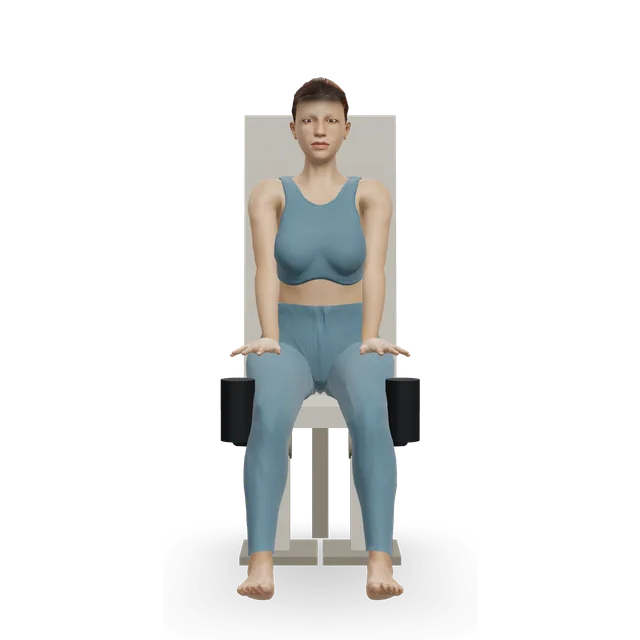
Bridges, side-lying raises, side planks, step-ups, split squats and one-leg balance need only the floor, a step and a wall; a light band adds band walks. NHS inform's hip exercises use bridges, standing hip lifts to the back and side, and sit-to-stands, up to a maximum of 2 sets of 15.

Source 23

Keep it hard enough

When a move gets easy, make it harder rather than doing more: single-leg instead of two, slower lowering, a band or a backpack, as our glute guide's home ladder does.

Older adults, arthritis, pregnancy and after surgery

Older adults

Start with sit-to-stands, bridges, side-lying raises, step-ups and one-leg balance next to a counter. The NHS asks adults over 65 for strength, balance and flexibility work on at least 2 days a week, and WHO for balance and strength work on 3 or more.

Sources 24, 14

Hip arthritis

NICE says joint pain may rise a little when you start, and that regular exercise still helps. Use a box or higher chair to set your squat depth, keep within the hip pain rule, and see our hip arthritis guide for the stages.

Source 17

Pregnancy

After the first trimester, do bridges propped up or side-lying rather than flat on your back, and with pelvic girdle pain limit one-sided moves such as single-leg bridges, split squats and step-ups, as our glute guide says.

After hip surgery

Follow your surgical team's movement limits first; our hip replacement guide has the stages.

Osteoporosis

With osteoporosis or a past spinal fracture, avoid repeated or loaded deep rounding of the back, and bend from the hips. The osteoporosis guide covers impact and lifting.

When your hip hurts

Pain on the outside of the hip

No extra pain over the bony point on the side of your hip during or after, and the hip no worse that night or the next morning, as our outer hip pain guide says.

Often gluteal tendinopathy (hip bursitis). Start with our hip bursitis guide's holds, avoid crossing your legs and lying on that side, and leave clamshells out for now: they're done close to the position that squeezes the tendons, as that guide explains.

Source 18

A pinch at the front of the hip

Go a little shallower in squats and split squats, or use a lower bench for your back foot, and see our hip impingement guide, as our glute guide advises.

Groin pain, arthritis or after surgery

Our groin pain, hip arthritis and hip replacement guides give the plans, and the warning signs below say when to get it checked first.

How long it takes

Weeks for strength, months for sore hips and knees

Strength rises within weeks. The knee arthritis hip trial and the falls trial ran 12 weeks and the outer hip pain trial 8 weeks; our lateral pelvic tilt routine suggests at least 6 to 8 weeks, 3 times a week. Keep going to keep it.

Sources 4, 18, 15

Workouts to follow

Our hip strengthening workout trains all four jobs and balance in 30 minutes. The lateral pelvic tilt and pelvic control routines are gentler; the glute workouts build size; the runners' sessions add hips to running strength.

Hip strengthening workout: bridges, side hips, single-leg control and balance

A 30-minute session for hips that don't currently hurt: bridges, side-hip work, step-ups and single-leg control, an optional harder block, then balance.

30 minBeginner13 movesA wall, A band

Lateral pelvic tilt routine: side-hip strength and control

A 25-minute routine for uneven hips: side-hip holds, leg raises, single-leg bridges, step-ups, side planks and balance, for hip strength and pelvic control.

25 minBeginner10 movesA wall, A step

Hip and core control routine: even strength around the pelvis

A 25-minute routine for a pelvis that feels twisted or uneven: gentle holds, bridges, bird dogs, side planks and single-leg balance, the same on both sides.

25 minBeginner11 movesA band, Other / check instructions

Glute workout at home

A 25-minute glute workout with bodyweight and a mini band: bridges, clamshells, band walks, kickbacks and lunges.

25 minBeginner9 movesA wall, A band

Glute workout (gym)

A 50-minute gym glute workout: hip thrusts, deep squats, Bulgarian split squats, back extensions and hip abduction, with sets, reps and rest.

50 minIntermediate11 movesA band, A barbell

Strength workout for runners at home

A 40-minute strength workout for runners at home: hops, Bulgarian split squats, single-leg deadlifts, step-ups, calf raises and side planks.

40 minIntermediate15 movesA wall, A bench or box

Knee strengthening workout: from first steps to full range

A 25-minute session for knees that don't currently hurt: thigh and hamstring strength, single-leg control, then an optional full-range block with knees over toes.

25 minBeginner14 movesA bench or box, A wall

Strength and balance workout

Strength and balance in one session: squats, Romanian deadlifts, push-ups, rows, step-ups, back extensions, carries and single-leg balance.

45 minBeginner14 movesA wall, A dumbbell

Balance training workout: from standing still to moving

A 20-minute balance workout for steady adults: harder stances, head turns and eyes closed, single-leg reaches and hinges, step-ups and stuck landings.

20 minIntermediate13 movesA wall, A dumbbell

Inner thigh workout: sumo squats, Cossack squats, squeezes and Copenhagen planks

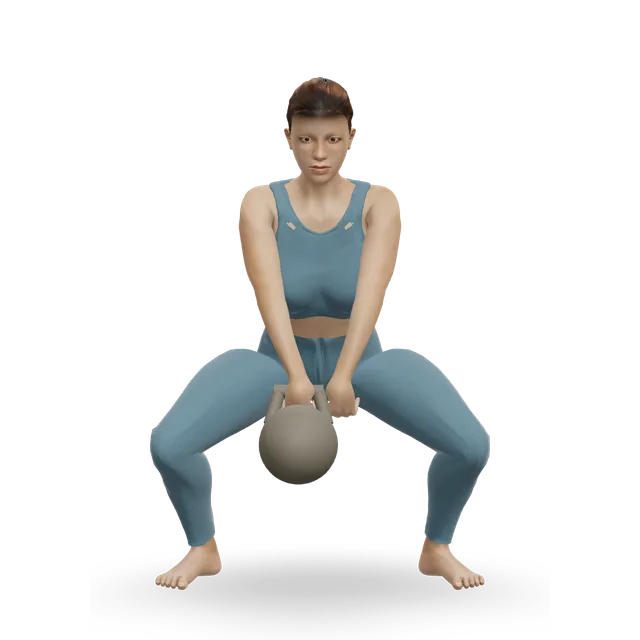
A 25-minute inner thigh workout at home: sumo squats with a dumbbell or kettlebell, Cossack squats, ball squeezes and Copenhagen planks, with bridges and hip mobility.

25 minIntermediate10 movesA dumbbell, A kettlebell

Yoga for hip pain: a 25-minute routine that strengthens without squeezing

Twenty-five minutes of hip-friendly yoga: lying and standing hip strength, a mild hip flexor stretch and a supported rest, with no crossed legs or deep bends.

25 minBeginner13 movesA band, A wall

Pilates for hip pain: a 20-minute class that spares the hip

A 20-minute Pilates class for hip pain: bridges, outer-hip holds, standing leg work and balance, without deep bends, crossed legs or lying on the sore side.

20 minBeginner14 movesA band, A wall

Plans

The runners' plan adds two short strength sessions to running; the seniors' plan builds strength and balance through the week.

Warning signs: when to get help

A fall, or a hip you can't put weight on

Call 999 or go to A&E for severe hip pain after a fall or injury, if you can't walk or put weight on your leg, or for tingling or loss of feeling in your hip or leg after an injury. Ask for an urgent GP appointment or get help from NHS 111 for severe hip pain that started suddenly without a fall, a hip that's swollen and feels hot, skin around it that has changed colour, or hip pain with feeling generally unwell and a high temperature.

Source 25

See a GP

See a GP if hip pain stops you doing normal activities or affects your sleep, is getting worse or keeps coming back, hasn't improved after 2 weeks of treating it at home, or you have hip stiffness for more than 30 minutes after waking up.

Outer hip pain that hasn't improved within 6 weeks of following our outer hip pain guide's advice, or that gets worse: talk to a GP or physiotherapist. In many areas you can refer yourself.

Source 25

A runner's hip

Same day, and stop running now: groin or front-of-hip pain in a runner, sometimes felt in the thigh or knee, that builds with running, hurts with every step or at night, or hurts when the hip is turned to the end of its range. Keep weight off the leg, using crutches if you have them, and get an urgent GP appointment or help from NHS 111 the same day: a stress fracture of the hip (femoral neck) needs urgent imaging.

A child's hip

Call 999 or go to A&E if your child gets sudden pain in their hip, knee or thigh (hip problems can sometimes be felt in the thigh or knee) or cannot put any weight on their leg. If your child is limping, ask for an urgent GP appointment or get help from NHS 111 the same day. This applies to teenagers too, and in some children knee pain is the only sign.

A clot in the leg

Same day (urgent GP appointment or NHS 111): throbbing pain in one leg (rarely both), usually the calf or thigh; swelling in one leg (rarely both); red, blue or darkened skin around the painful area, which may be harder to see on brown or black skin; or swollen veins. It could be a blood clot (deep vein thrombosis, DVT), which is more likely while you're moving about much less than usual or after a hospital stay.

Also call 999 for pain and swelling in one leg with breathlessness or chest pain: it can be a blood clot that has reached the lungs.

Back pain with leg symptoms

Call 999 or go to A&E: loss of feeling or numbness around the genitals or bottom, new trouble peeing or controlling your bladder or bowels, changes in genital sensation during sex or problems with erections or orgasm, or pain, tingling, weakness or numbness in both legs. These are signs of cauda equina syndrome, which needs treating in hospital urgently. Don't drive yourself.

See a GP if pain spreading down a leg hasn't improved after a few weeks of home treatment, is getting worse or stops your normal activities. Sciatica on both sides, or weakness or numbness in both legs that's severe or getting worse, is a 999 call or a trip to A&E.

Stop and get medical help

If you get chest pain or pressure, feel faint or dizzy, are unusually breathless, or your heart races or beats irregularly during exercise, as our plans advise.

Call 999 (911 in the US)

For chest pain that comes on suddenly and doesn't go away, feels tight or like squeezing, spreads to your arms, neck, jaw, stomach or back, or comes with sweating, feeling sick, light-headedness or breathlessness; severe difficulty breathing; someone who faints while exercising; palpitations that don't go away, or come with chest pain, shortness of breath or feeling faint; or a headache that starts suddenly and is extremely painful, especially while lifting or straining, or comes with numbness or weakness, difficulty speaking or loss of vision. The NHS says a bleed on the brain may be more likely when lifting something heavy. Don't drive yourself to A&E.

Ask for an urgent GP appointment or call NHS 111

Ask for an urgent GP appointment or get help from NHS 111 for a headache that's triggered or made worse by coughing, sneezing, bending down or exercising. In the US, contact your doctor or urgent care.

During any session

Stop straight away if you feel any pain or become unwell, the NHS says, and contact 111 if your symptoms worry you or don't go away.

A dull ache in your muscles for a day or two after something new is normal. Joint pain that's sharp, gets worse during a set or lingers into the next day means switching to the easier option, and seeing a GP or physiotherapist if it carries on (our plans' rule). Our muscle soreness guide has more.

Check first

Speak to your GP first if you haven't exercised for some time or have medical conditions or concerns, as the NHS advises. Get advice before heavy lifting or hard straining work if your blood pressure is uncontrolled, or you have heart disease or chest pain when you're active, a pacemaker or defibrillator, diabetic eye disease, glaucoma, a hernia, recent eye or tummy surgery, or you're pregnant, as our breathing guide lists. After a recent shoulder dislocation or shoulder surgery, follow our shoulder dislocation guide or your surgical team first.

Speak to a GP first if you haven't exercised for some time, or if you have a medical condition or concerns. Get advice first, too, if you have a health problem, an injury or symptoms, have recently had a heart attack or an operation, or are pregnant or have recently given birth.

Source 22

Hernia

See a GP if you think you have a hernia, a bulge or lump that may get bigger when you strain and smaller when you lie down. Get help from NHS 111 if you have a hernia and pain in or around it, a bloated tummy, you feel or are sick, you're vomiting blood or your vomit looks like coffee grounds, you're constipated, you have a high temperature or feel hot, cold or shivery, or you've suddenly become confused. Call 999 or go to A&E for a femoral hernia (a small lump at the top of your thigh, in your groin) with very bad tummy pain, sickness, being unable to fart or poo, a high temperature or sudden confusion.


Myths

"Clamshells are all your hips need"Mixed evidence

Clamshells are a fine start and work the glutes while keeping a hip flexor quiet, but most studies rank them below side-lying raises and single-leg bridges for the side of the hip (one small study found them alike). Move on to harder side-hip and single-leg work.

Sources 1, 2, 10

"Weak glutes cause every knee and running injury"Mixed evidence

Hip weakness goes with outer knee pain, but it didn't clearly predict other running injuries, and a hip programme didn't cut injuries in first-time marathon runners. Hip work still helps sore knees once they hurt.

Sources 6, 13, 7

"Muscle activity rankings tell you the best exercise"Emerging evidence

They show how hard a muscle works in a few reps, not what it builds over months, as our glute guide explains. Choose moves you can load and progress.

Sources 1, 11

"Single-leg work is always better"Emerging evidence

Each kind of training raised strength most in its own test, and muscle growth didn't differ. Do both: single-leg work for balance and running, two-leg lifts to load heavily.

Sources 19, 20

"If your hip hurts, rest it until it stops"Strong evidence

For hip arthritis and outer hip pain, exercise is a first-line treatment, and pain may rise a little at first. Use the hip pain rule, and the warning signs above for the exceptions.

Sources 16, 17, 18

Questions people ask

What's the best way to strengthen your hips?

Train their four jobs 2 or 3 times a week: bridges or hip thrusts, side-hip moves such as side-lying raises, side planks and band walks, single-leg work such as step-ups and split squats, and one-leg balance, with some inner-thigh work. Our hip strengthening workout puts them together.

What are the best exercises for the side of the hip?

In lab studies, side planks with the top leg lifted and side-lying leg raises worked the gluteus medius hardest, with single-leg squats and deadlifts close behind. Band walks and clamshells are good ways to start.

Are clamshells enough to strengthen your hips?

They're a fine first step, but most studies rank them below side-lying raises and single-leg bridges for the side of the hip. Move on to harder side-hip and single-leg work, and leave clamshells out while the outside of your hip hurts.

Will strong hips help my knees?

For kneecap pain, hip and knee strengthening together eased pain more than knee exercise alone in 14 trials, and hip strengthening helped people with knee arthritis. Do both.

Do strong hips prevent running injuries?

It isn't proven. Weak hips go with outer knee pain, but a hip, thigh and core programme didn't cut injuries in first-time marathon runners. Strength training still helps running performance.


How do I strengthen my hips for balance?

Combine side-hip and single-leg strength with balance practice: programmes mixing balance and strength work cut falls by about a third in older adults. WHO asks adults over 65 for balance and strength work on 3 or more days a week.

How often should I do hip strengthening exercises?

Two or 3 days a week, 2 or 3 sets of 8 to 15, adding load as they get easy. Leave a day between sessions.

How long does it take to strengthen your hips?

Strength rises within weeks; the trials behind our hip routines ran 6 to 12 weeks. Keep going to keep the strength.

Can I strengthen my hips with arthritis?

Yes. NICE offers exercise, including local muscle strengthening, to everyone with osteoarthritis and warns pain may rise a little at first. In trials, the average benefit was modest.

Should I do single-leg or two-leg exercises?

Both. Single-leg training improved single-leg jumping more and two-leg training two-leg strength more, and muscle growth didn't differ.

What if the outside of my hip hurts?

That's often gluteal tendinopathy (hip bursitis). Use our hip bursitis guide's holds first, avoid crossing your legs and lying on that side, and leave clamshells out for now. Education plus exercise did better than a steroid injection in a trial of 204 people.

What are the signs of weak hips?

There's no reliable symptom list: people notice a pelvis that drops on one leg, knees that cave in on stairs, or tiring on long walks. Severe hip pain after a fall, or a hip you can't put weight on, needs urgent help.

Sources

  1. Distefano 2009 · Gluteal muscle activity in 12 common exercises in 21 active people (lab study, JOSPT)
  2. Boren 2011 · Gluteus medius and maximus activity in 18 rehabilitation exercises in 24 people (lab study, Int J Sports Phys Ther)
  3. Nascimento 2018 · Hip and knee strengthening against knee strengthening alone for kneecap pain, 14 trials (meta-analysis, JOSPT)
  4. Bennell 2010 · Hip strengthening for knee arthritis in 89 people (randomised trial, Osteoarthritis Cartilage)
  5. Hislop 2020 · Adding hip exercises to quadriceps exercises for knee arthritis, 8 trials (systematic review and meta-analysis, BJSM)
  6. Mucha 2017 · Hip abductor strength and running injuries in distance runners, 11 studies (systematic review, J Sci Med Sport)
  7. Toresdahl 2020 · A strength programme to prevent injuries in 720 first-time marathon runners (randomised trial, Sports Health)
  8. Sherrington 2019 · Exercise for preventing falls in older people living in the community, 108 trials (Cochrane review)
  9. Gafner 2018 · Hip muscle strength in older fallers and non-fallers, 60 people (cross-sectional study, Clin Interv Aging)
  10. Selkowitz 2013 · Exercises that work the glutes while keeping the tensor fasciae latae quiet, in 20 people (fine-wire lab study, JOSPT)
  11. Neto 2020 · Gluteus maximus activity in strength exercises across 16 studies (systematic review, J Sports Sci Med)
  12. Thomas 2022 · Hip abductor strengthening for knee arthritis (systematic review and meta-analysis, BMC Musculoskelet Disord)
  13. Vannatta 2025 · Hip strength and injuries in 79 college cross-country runners (prospective cohort, Phys Ther Sport)
  14. Bull 2020 · World Health Organization 2020 guidelines on physical activity and sedentary behaviour (guideline, BJSM)
  15. Rogers 2021 · Stepping training and hip abduction strengthening for balance and falls in 102 older adults (randomised trial, J Gerontol A)
  16. Hall 2026 · Exercise for osteoarthritis of the hip, 18 trials (Cochrane review update)
  17. NICE NG226 · Osteoarthritis in over 16s: diagnosis and management (guideline, 2022)
  18. Mellor 2018 · Education plus exercise, a steroid injection or wait and see for gluteal tendinopathy in 204 people (randomised trial, BMJ)
  19. Liao 2022 · Single-leg against two-leg resistance training, 14 studies (systematic review and meta-analysis, Biol Sport)
  20. Kassiano 2025 · Muscle growth and strength with one-limb or two-limb training, 9 studies (systematic review and meta-analysis, Sports Med)
  21. Speirs 2016 · Rear-foot-elevated split squats against back squats in 18 academy rugby players (randomised trial, JSCR)
  22. NHS · Physical activity guidelines for adults aged 19 to 64
  23. NHS inform · Exercises for hip problems
  24. NHS · Physical activity guidelines for older adults
  25. NHS · Hip pain in adults

Exercise education, not a personal prescription, and clinical review of these guides is pending. Check with a GP before starting hard training if you have a heart condition, chest pain, dizziness or breathlessness when active, and stop for sharp or increasing pain. Health disclaimer.